Introduction
Understanding the complexities of electrocardiogram (ECG) artifacts is crucial for accurate cardiac diagnosis and ensuring patient safety. These anomalies, which can often be mistaken for serious heart conditions, may arise from various sources, including patient movement, poor electrode contact, and electromagnetic interference. Recognizing these artifacts is essential, as they significantly impact clinical interpretations. Advanced technologies, such as Neural Cloud Solutions' MaxYield™ platform, offer innovative solutions to address these challenges.
The MaxYield™ platform enhances ECG analysis by providing features that effectively minimize artifacts. It utilizes advanced algorithms to filter out noise and improve signal clarity, ensuring that healthcare professionals receive accurate data for diagnosis. This technology not only streamlines the analysis process but also reduces the likelihood of misinterpretation, which can lead to unnecessary interventions.
For healthcare professionals, the benefits of implementing the MaxYield™ platform are substantial. By improving diagnostic accuracy, it enhances patient safety and confidence in clinical decisions. Additionally, the platform's user-friendly interface allows for seamless integration into existing workflows, making it accessible for both technical and non-technical users.
In conclusion, understanding and addressing ECG artifacts is vital for effective cardiac care. With the MaxYield™ platform, healthcare professionals can leverage advanced technology to enhance their diagnostic capabilities, ultimately leading to better patient outcomes.
Define ECG Artifacts and Their Clinical Importance
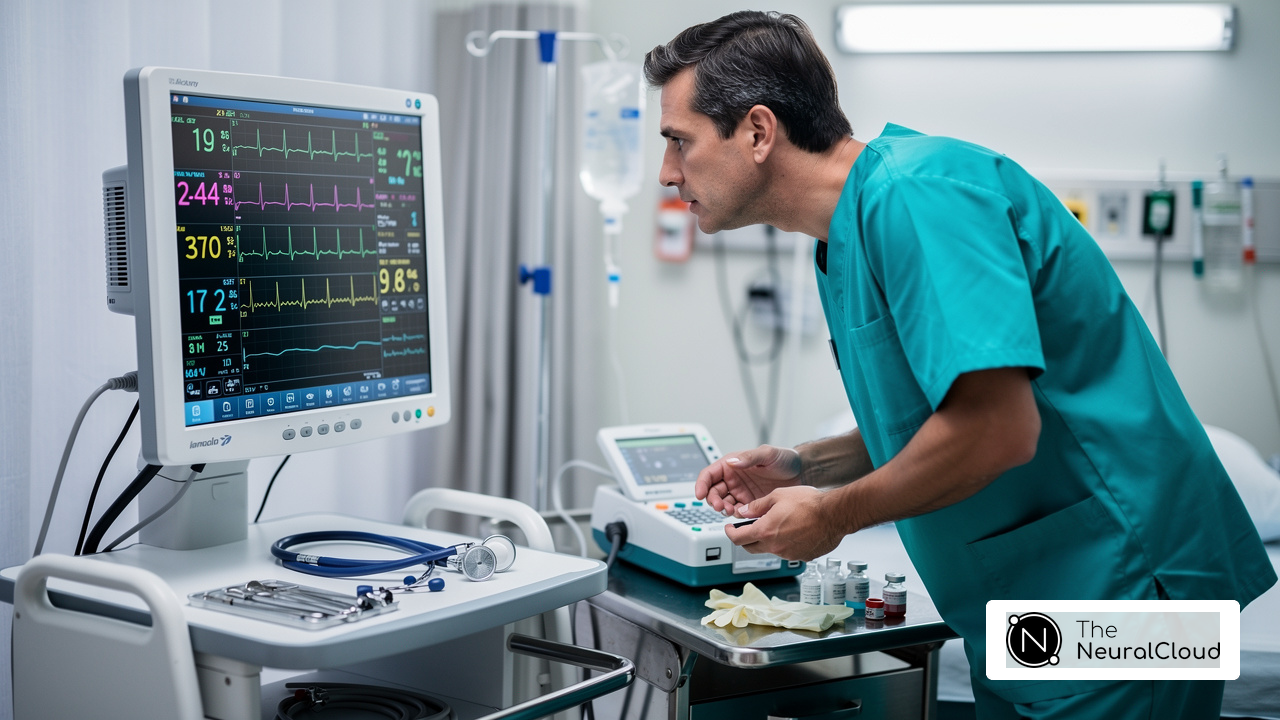
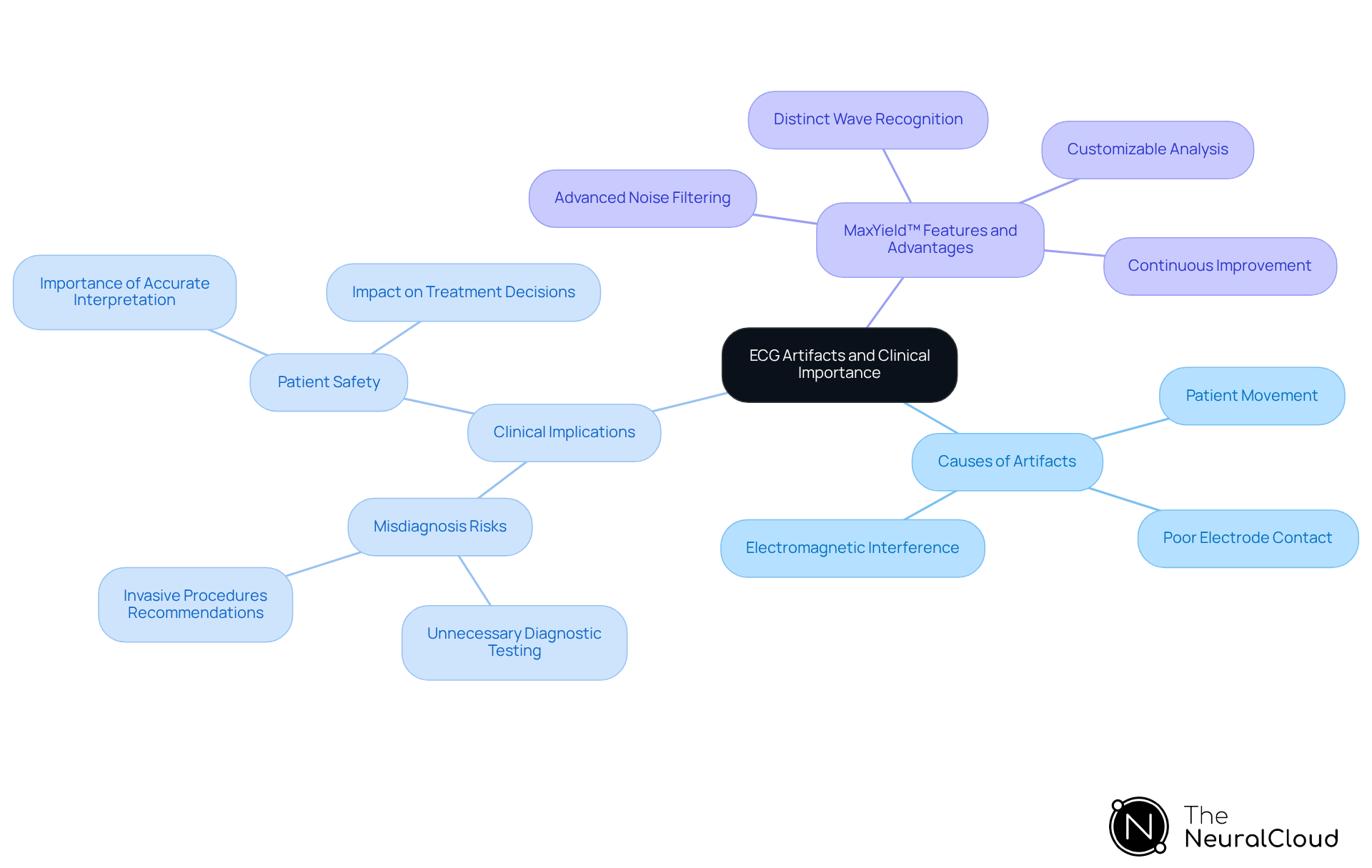
are the disturbances in the electrocardiogram that do not stem from the heart's electrical activity. Various sources can contribute to artifacts, including patient movement, poor electrode contact, and electromagnetic interference. Identifying and understanding these artifacts is crucial in clinical settings, as these anomalies can mimic serious cardiac conditions, leading to misdiagnoses and inappropriate treatments. For example, understanding these artifacts can help differentiate a false positive from a true arrhythmia, resulting in unnecessary interventions. A study found that 12 individuals underwent unnecessary diagnostic testing due to misdiagnosis of ECG anomalies, highlighting the prevalence of this issue. Additionally, research indicates that 38% of electrophysiologists misidentified irregularities as ventricular tachycardia, which raises questions about diagnostic accuracy and underscores the need for increased awareness among healthcare professionals. Clinicians must be adept at recognizing artifacts to ensure accurate interpretation and safeguard patient safety. As one cardiologist noted, "Proper electrode positioning can reduce errors by as much as 70%." This highlights the importance of technique and the significance of meticulous technique in minimizing errors and enhancing diagnostic accuracy.
Neural Cloud Solutions' MaxYield™ platform significantly improves ECG analysis through advanced algorithms and distinct wave recognition techniques. This innovative approach enables the extraction of meaningful data from recordings that may be affected by baseline wander, movement, and muscle artifacts. By addressing the physiological variability inherent in ECG waveform shapes-impacted by factors such as age, sex, and health conditions-MaxYield™ enhances diagnostic accuracy. Furthermore, the algorithm evolves with each use, continuously enhancing its accuracy and efficiency. This capability not only boosts diagnostic precision but also streamlines workflows for health tech developers, ultimately leading to cost savings and better outcomes for patients.
Features of MaxYield™:
- Distinct wave recognition techniques
- Customizable analysis based on individual profiles
- Continuous algorithm improvement with each use
Advantages for Healthcare Professionals:
- Simplified workflow for health tech developers
- Cost savings and improved patient outcomes
In summary, the MaxYield™ platform addresses the challenges of ECG analysis by providing healthcare professionals with the tools needed to improve accuracy and efficiency in their diagnostic processes.
Explore Common Types of ECG Artifacts
Common types of ECG artifacts include:
- Motion Artifacts: These are caused by patient movement, such as tremors or shivering, which can obscure the ECG waveform.
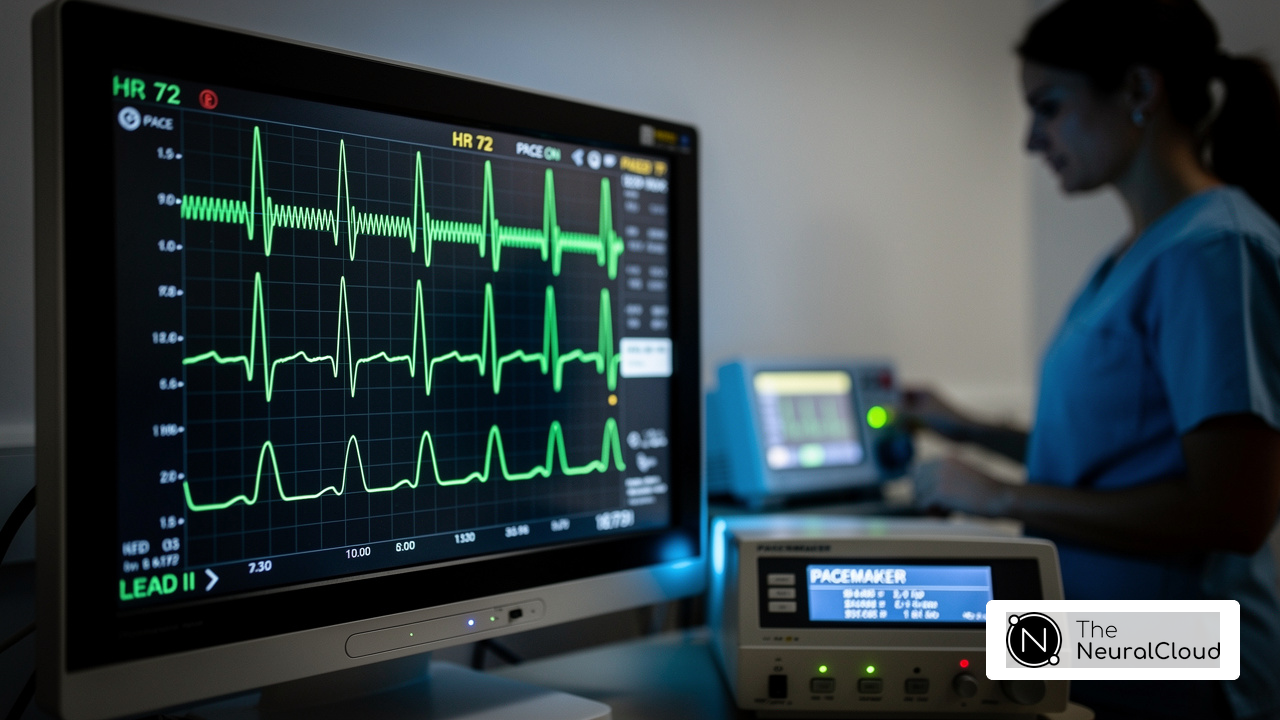
- Electromagnetic Interference: This results from nearby electronic devices, leading to irregular spikes in the ECG signal.
- Loose Lead Artifact: This occurs when electrodes are not securely attached, causing baseline drift or erratic readings.
- Respiratory Artifact: Frequently caused by respiration or body movements, this phenomenon can distort the ECG baseline, complicating interpretation.
- Electrical Interference: This arises from external electrical sources, such as power lines, which can introduce noise into the ECG signal.
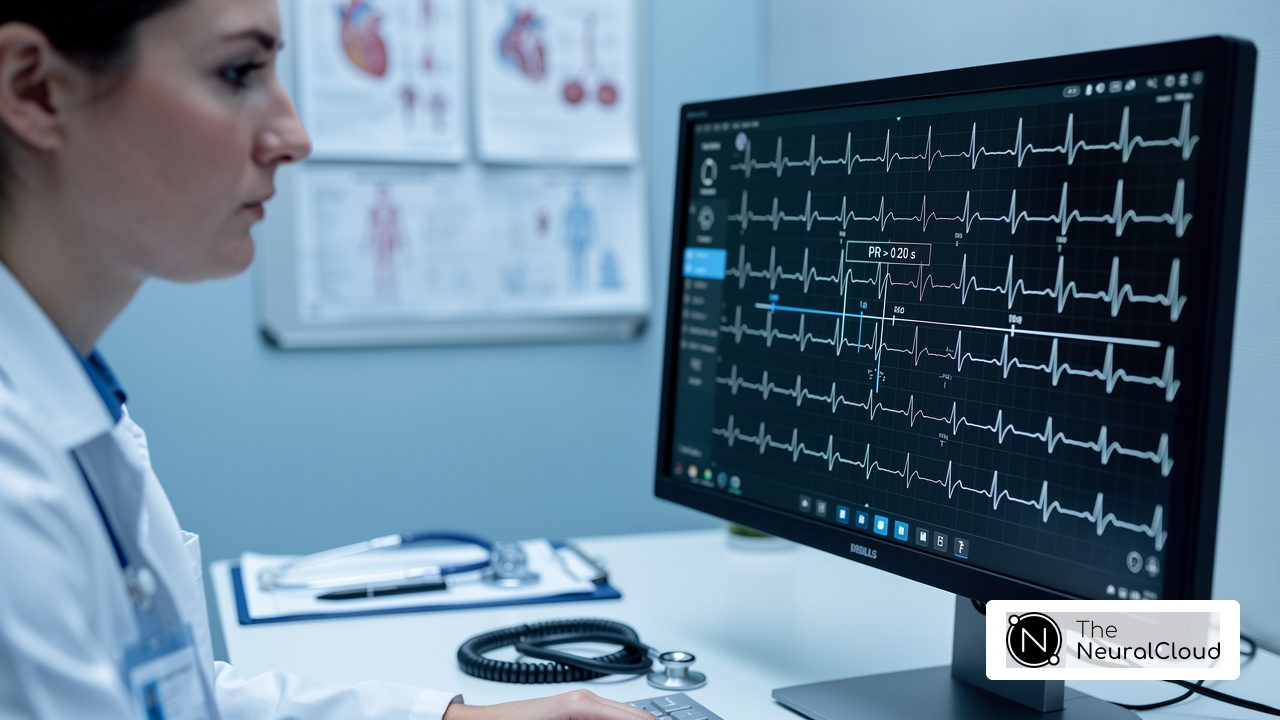
Understanding ECG artifacts is essential for accurate diagnosis and patient evaluation. Traditional techniques often struggle to effectively remove noise, which leads to inaccurate data analysis. However, the MaxYield™ platform from Neural Cloud Solutions employs advanced algorithms. This ensures improved clarity and diagnostic yield in ECG analysis.
This innovative approach not only addresses physiological variability but also transforms ECG analysis into a more reliable process for healthcare professionals. By utilizing MaxYield™, healthcare providers can enhance their diagnostic capabilities, ultimately leading to better patient outcomes.

Implement Strategies for Reducing ECG Artifacts
To effectively minimize ECG artifacts, clinicians should adopt several key strategies:
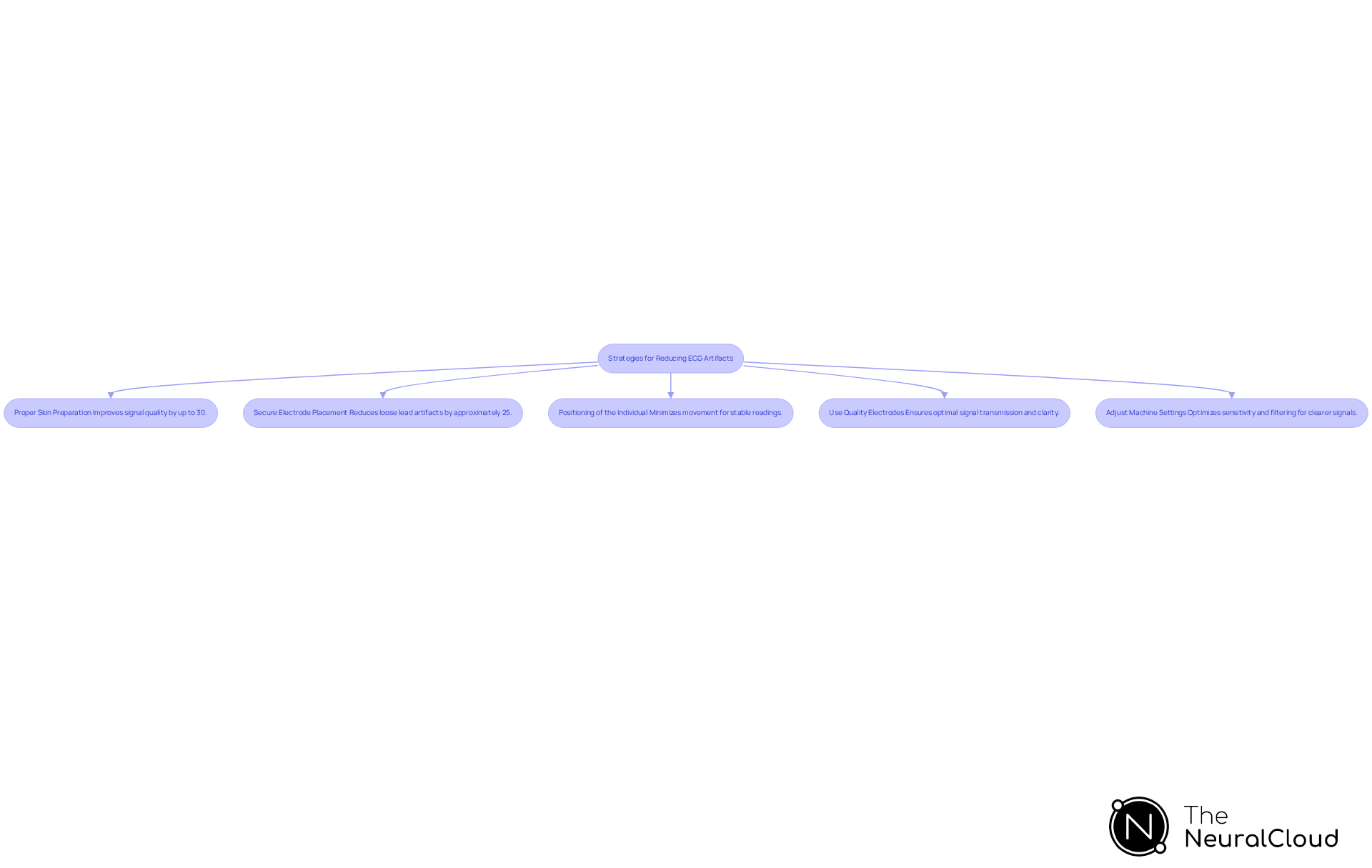
- Proper Skin Preparation: Thoroughly cleaning the skin to eliminate oils and dead skin cells enhances electrode contact. Techniques such as using alcohol wipes or conductive gels ensure optimal adhesion, addressing skin issues which affect the readings.
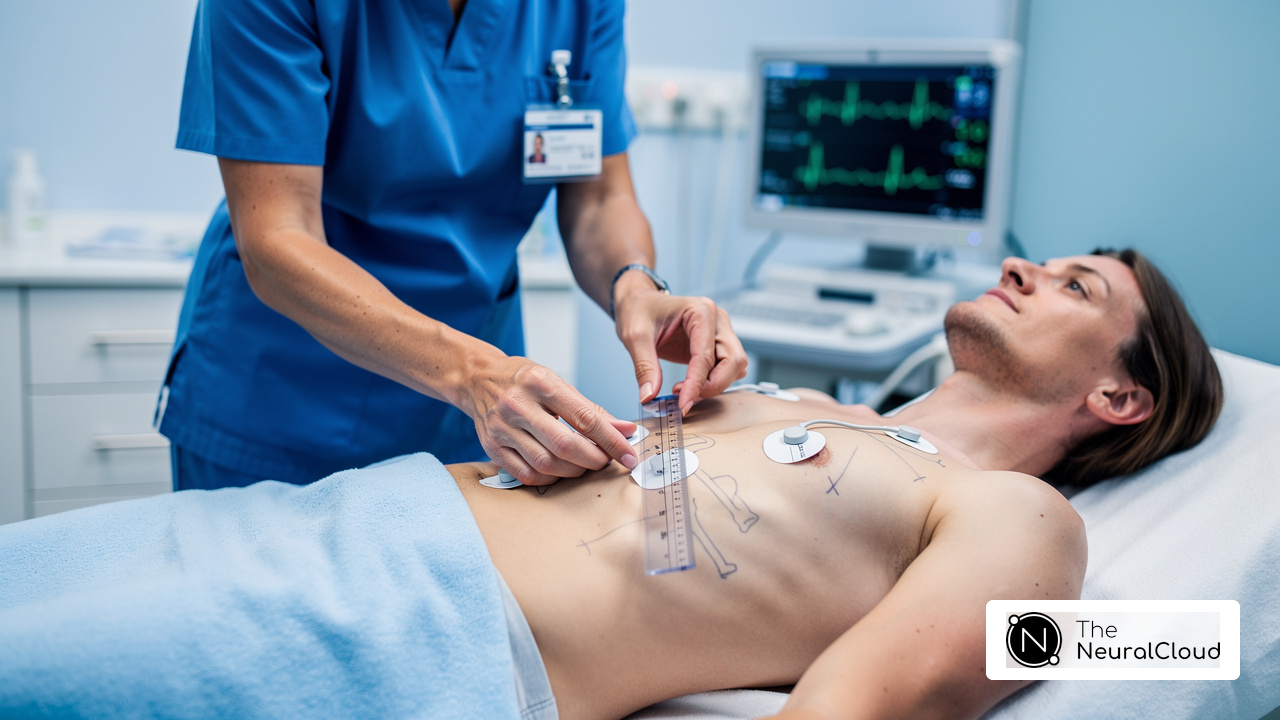
- Secure Electrode Placement: Firmly attaching electrodes to the skin is crucial for accurate readings, as loose lead artifacts can distort ECG readings. Proper positioning can help identify and reduce interference by approximately 25%. The clinician can improve results by considering these factors, ensuring precise readings through the reduction of electrode placement problems.
- Positioning of the Individual: Ensuring the individual is comfortable and relaxed minimizes movement during the ECG recording, which is crucial for identifying and obtaining stable readings. A calm environment alleviates anxiety and reduces muscle tremors, which are examples of common artifacts. The MaxYield™ platform adapts to variations in patient positioning, which helps in maintaining stability, thereby further enhancing the reliability of the ECG data.
- Use Quality Electrodes: Selecting high-quality electrodes designed for optimal signal transmission is vital for reliable contact and signal integrity and noise reduction. This choice results in clearer signals and fewer artifacts, helping to understand the patient's condition, while aligning with the platform's focus on high-quality data acquisition.
- Adjust Machine Settings: Fine-tuning the ECG machine's sensitivity and filtering settings significantly helps to address noise issues. For instance, setting the diagnostic mode to a lower frequency range effectively eliminates common interferences, allowing for better analysis of the ECG signal, thereby enhancing ECG signal clarity. The software features that optimize machine settings automatically based on patient data.
By implementing these strategies, healthcare professionals can substantially improve the quality of ECG recordings and understand patient health, leading to more accurate diagnoses and better patient outcomes. The misinterpretation of ECG irregularities can be linked to inadequate preparation, resulting in a misdiagnosis rate of up to 45%, which highlights the significance of these practices. Additionally, the MaxYield™ platform's capabilities support clinical research organizations by offering swift data processing and insights into digital biomarkers.
Leverage Advanced Technologies for Enhanced ECG Analysis
Advanced technologies, particularly AI and machine learning, are fundamentally transforming ECG analysis, addressing several key challenges in the field:
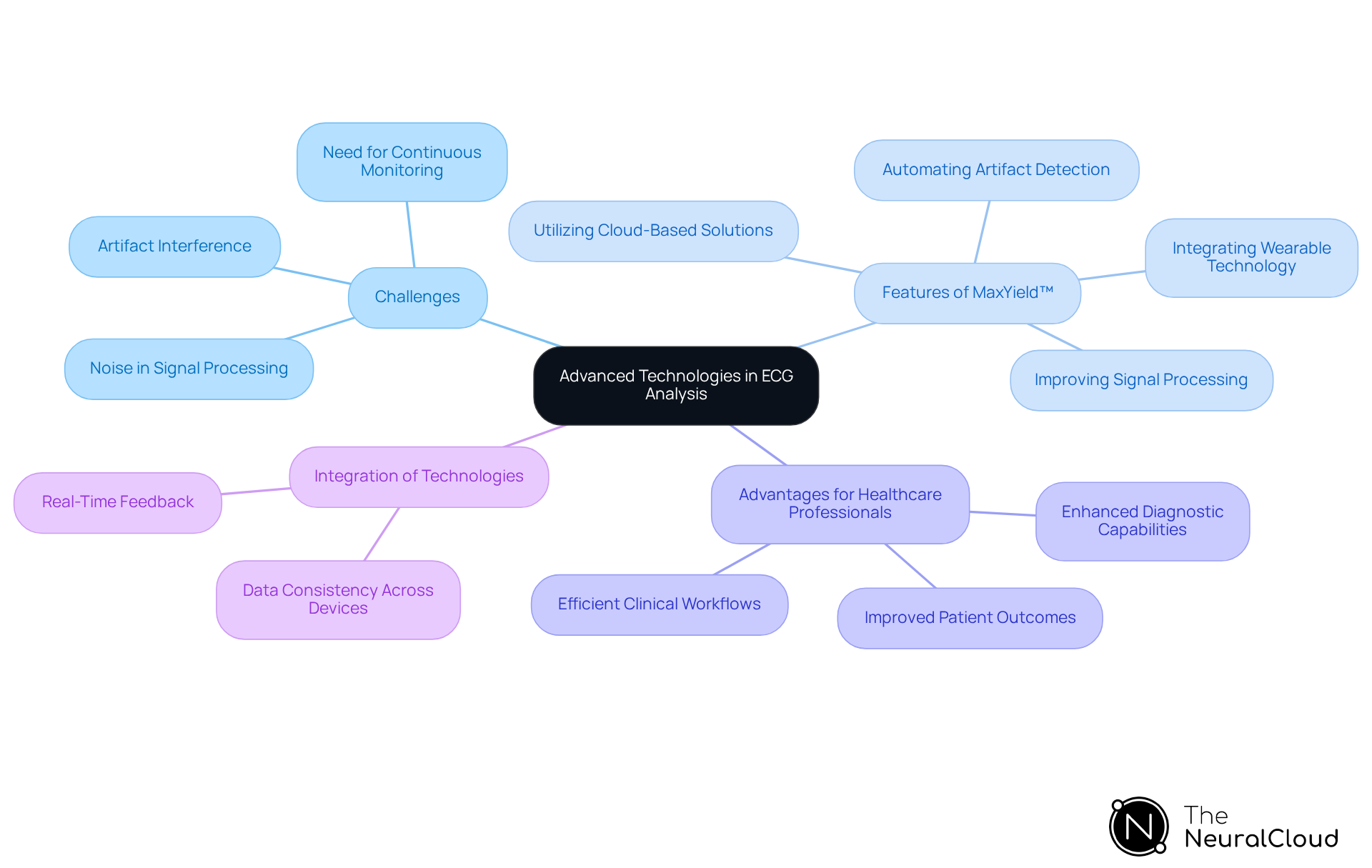
Traditional ECG analysis often faces issues such as noise and the need for continuous monitoring. These challenges can lead to inaccurate readings and delayed diagnoses, ultimately impacting patient care.
Features of MaxYield™:
- AI algorithms in Neural Cloud Solutions' MaxYield™ can identify and classify artifacts in real-time. This capability allows for immediate corrective actions, enhancing the accuracy of ECG readings. By automating this process, clinicians can significantly reduce the manual effort required for understanding artifacts, enabling them to concentrate on critical decision-making.
- Recent advancements in filtering techniques, such as a leading noise filtering method, effectively minimize noise, enhancing the clarity of ECG signals. Clearer signals lead to more precise diagnoses and improved outcomes. For instance, a study at UC Davis Medical Center demonstrated that an adaptive algorithm improved diagnostic accuracy compared to nearly 42% with traditional triage methods, showcasing the efficiency of its adaptive algorithms.
- Integrating Wearable Technology: Modern ECG devices, including wearables, utilize sophisticated algorithms for artifact detection. This integration not only decreases the likelihood of artifacts but also provides insights into patient health, empowering patients and healthcare providers with timely data for proactive cardiac health management. The efficient processing of data from these devices enhances overall diagnostic accuracy.
- Platforms like Neural Cloud Solutions' technology enable the analysis of ECG data from various sources, ensuring consistent quality and accuracy across devices. This capability is crucial for maintaining high standards in clinical settings, especially when managing large volumes of data.
Advantages for Healthcare Professionals: By harnessing these advanced technologies, including the automation and adaptive algorithms of MaxYield™, healthcare professionals can significantly enhance their diagnostic capabilities. This leads to improved patient outcomes and more efficient clinical workflows, ultimately benefiting both providers and patients.
Conclusion
Understanding the causes of artifacts on ECG is essential for ensuring accurate diagnoses and effective patient care. These disturbances arise from various sources, including patient movement and electromagnetic interference, which can lead to misinterpretations that mimic serious cardiac conditions. By recognizing and addressing these artifacts, healthcare professionals can significantly enhance the reliability of ECG readings, ultimately safeguarding patient safety and improving treatment outcomes.
The article outlines several key strategies to mitigate ECG artifacts, such as:
- Proper skin preparation
- Secure electrode placement
- Leveraging advanced technologies like Neural Cloud Solutions' MaxYield™ platform
These methods not only enhance signal clarity but also streamline the diagnostic process, allowing clinicians to focus on critical decision-making rather than manual artifact detection. Furthermore, the integration of AI and machine learning into ECG analysis represents a significant advancement, providing real-time insights that help reduce the likelihood of misdiagnosis and improve overall patient care.
In conclusion, minimizing ECG artifacts is crucial. As the healthcare landscape evolves with technological advancements, it becomes imperative for clinicians to adopt best practices and utilize innovative tools that enhance diagnostic accuracy. By prioritizing these efforts, healthcare professionals can ensure that patients receive timely and effective care, ultimately leading to better health outcomes and a more efficient healthcare system.
Frequently Asked Questions
What are ECG artifacts?
ECG artifacts are disturbances in the electrocardiogram that do not originate from the heart's electrical activity. They can be caused by factors such as patient movement, poor electrode contact, and electromagnetic interference.
Why is it important to identify ECG artifacts?
Identifying ECG artifacts is crucial in clinical settings because these anomalies can mimic serious cardiac conditions, potentially leading to misdiagnoses and inappropriate treatments.
How can ECG artifacts lead to misdiagnosis?
ECG artifacts can appear similar to serious conditions, such as arrhythmias. For instance, a motion disturbance might be misinterpreted as a cardiac issue, resulting in unnecessary diagnostic testing and interventions.
What percentage of electrophysiologists misidentified irregularities as ventricular tachycardia?
Research indicates that 38% of electrophysiologists misidentified irregularities as ventricular tachycardia, highlighting the need for increased awareness regarding ECG artifacts.
What can clinicians do to reduce ECG artifacts?
Clinicians can reduce ECG interferences by ensuring proper electrode positioning and skin preparation, which can decrease artifacts by as much as 70%.
How does the MaxYield™ platform improve ECG data analysis?
The MaxYield™ platform enhances ECG data analysis through advanced noise filtering and distinct wave recognition techniques, allowing for rapid isolation of ECG waves affected by various artifacts.
What are the features of the MaxYield™ platform?
The features of MaxYield™ include advanced noise filtering, distinct wave recognition techniques, customizable analysis based on individual profiles, and continuous algorithm improvement with each use.
What advantages does MaxYield™ offer for healthcare professionals?
MaxYield™ provides enhanced diagnostic precision, simplified workflows for health tech developers, cost savings, and improved patient outcomes.
How does MaxYield™ customize ECG analysis?
MaxYield™ customizes ECG analysis by addressing physiological variability inherent in waveform shapes, which can be influenced by factors such as age, sex, and health conditions.
List of Sources
- Define ECG Artifacts and Their Clinical Importance
- scribd.com (https://scribd.com/document/862713553/Case-Study1)
- theneuralcloud.com (https://theneuralcloud.com/post/what-are-artifacts-in-ecg-understanding-their-impact-and-solutions)
- emra.org (https://emra.org/emresident/article/ecg-challenge-oct-nov-dec-2024)
- pubmed.ncbi.nlm.nih.gov (https://pubmed.ncbi.nlm.nih.gov/11286946)
- Main artifacts in electrocardiography - PMC (https://pmc.ncbi.nlm.nih.gov/articles/PMC6931710)
- Implement Strategies for Reducing ECG Artifacts
- theneuralcloud.com (https://theneuralcloud.com/post/7-essential-ecg-findings-for-hyperkalemia-you-must-know)
- Reducing ECG artifact (https://numed.co.uk/news/reducing-ecg-artifact)
- lifesync.com (https://lifesync.com/blogs/blog/reducing-artifacts-in-electrocardiography?srsltid=AfmBOoqJ6YyO4uBpDPf1-RLJjOWc2j8xARlR1ggw5QXt9JP_fdVHe7fz)
- theneuralcloud.com (https://theneuralcloud.com/post/understanding-artefact-on-ecg-types-impact-and-reduction-strategies)
- Leverage Advanced Technologies for Enhanced ECG Analysis
- New study finds AI model improves heart attack detection (https://health.ucdavis.edu/news/headlines/new-study-finds-ai-model-improves-heart-attack-detection/2025/11)
- AI-driven ECG improves detection of severe heart attacks (https://news-medical.net/news/20251029/AI-driven-ECG-improves-detection-of-severe-heart-attacks.aspx)
- AIML Hits Key Regulatory Benchmark with 510(k) Filing for MaxYield(TM) Signal Enhancement Platform (https://biospace.com/press-releases/aiml-hits-key-regulatory-benchmark-with-510k-filing-for-maxyieldtm-signal-enhancement-platform)
- morningstar.com (https://morningstar.com/news/accesswire/1100002msn/aiml-innovations-inc-announces-grant-of-us-patent-protecting-core-ecg-signal-processing-architecture)