Introduction
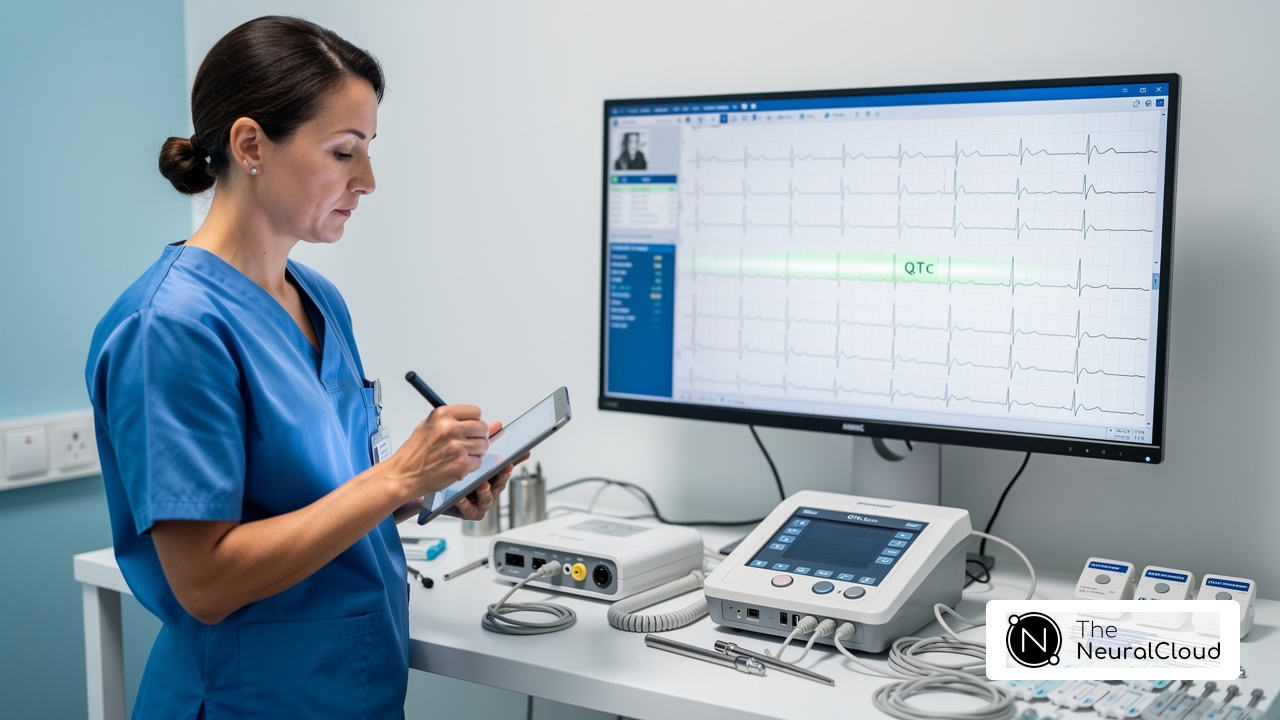
Understanding the visual indicators of a heart attack on an EKG is essential for timely medical intervention. The challenges in ECG analysis arise from the complexity of interpreting signals amidst noise and artifacts. With coronary artery disease being a leading cause of myocardial infarction, recognizing key EKG features can significantly influence patient outcomes. This is where advanced technology, like the MaxYield™ platform, comes into play.
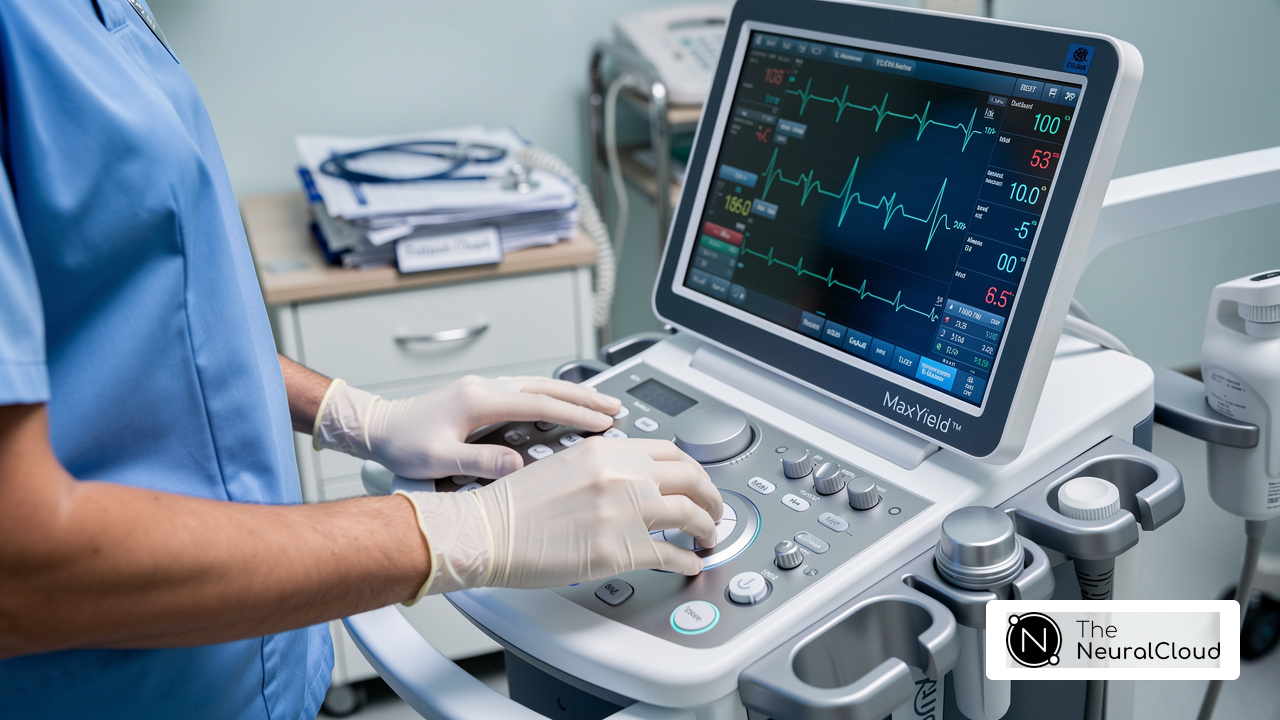
The MaxYield™ platform enhances ECG analysis by providing clear, accurate readings that help healthcare professionals make informed decisions. Its features include:
- Advanced signal processing, which reduces noise and improves the clarity of EKG signals.
- Streamlined interpretation process that increases the reliability of readings, ultimately benefiting patient care.
By utilizing the MaxYield™ platform, healthcare professionals can expect improved diagnostic accuracy and faster response times in critical situations. The direct benefits include:
- Enhanced patient outcomes
- A more efficient workflow in medical settings.
As we explore the capabilities of this platform, it becomes evident that integrating advanced technology into ECG analysis is crucial for saving lives.
Define Heart Attack: Medical Overview and Significance
A cardiac event, or myocardial infarction, occurs when blood circulation to a section of the heart is obstructed, often by a blood clot. This blockage prevents oxygen-rich blood from reaching the cardiac tissue, resulting in damage or necrosis of the muscle. The primary cause of cardiac incidents is coronary artery disease, characterized by plaque buildup in the arteries, which narrows them and increases the risk of clot formation. Recent research indicates that CAD was responsible for approximately 371,506 fatalities in 2022, making it a significant contributor to cardiovascular events. In fact, the mortality rate has decreased to 16%, a notable decrease from 54% in 1970, highlighting advancements in treatment and prevention methods.
Understanding what a heart attack looks like on an EKG is crucial, as it lays the groundwork for recognizing critical signs and symptoms. However, ECG analysis faces challenges, particularly in noisy environments where vital signals can be obscured. This is where advanced technologies like Neural Cloud Solutions come into play, significantly enhancing the efficiency of ECG analysis. MaxYield™ utilizes sophisticated algorithms and machine learning techniques, enabling accurate interpretation even in recordings with high levels of noise and artifacts.
The features of MaxYield™ include:
- Noise Reduction: Effectively reduces background noise, ensuring clarity in ECG readings.
- Event Detection: Accurately identifies and labels significant cardiac events, improving diagnostic accuracy.
- Automated Data Labeling: Streamlines the analysis process, saving time for healthcare professionals.
These features translate into several advantages for healthcare providers. By retaining and effectively analyzing vital ECG signals, MaxYield™ overcomes challenges such as physiological variability and signal artifacts. Cardiologists stress the importance of early detection, noting that lifestyle changes can significantly influence health outcomes. As Dr. Andrew Freeman points out, while treatment options exist, the risk of severe disability remains, underscoring the need for awareness and proactive health measures.

Identify Key EKG Features of a Heart Attack
The key EKG characteristics that demonstrate a heart attack include ST-segment elevation, T-wave inversion, and the presence of pathological Q waves. In diagnosing a heart attack, understanding EKG changes is crucial, as the changes signal acute myocardial damage. Current guidelines emphasize that a rise of 1 mm or more in the ST segment in two contiguous leads is a significant finding, illustrating the need for prompt intervention.
T-wave changes, frequently seen in relation to ischemia, can help illustrate ongoing cardiac issues, as they may signify ongoing cardiac distress. Furthermore, in understanding EKG patterns, the existence of pathological Q waves can indicate prior myocardial infarction, reflecting previous cardiac damage. Recognizing these features is essential for clinicians, as this information directly influences treatment decisions.
Real-world examples illustrate that EKG findings can be particularly telling in diagnosing heart attacks, especially in women, where symptoms may differ from those typically seen in men. Understanding EKG changes not only aids in accurate diagnosis but also enhances the overall efficacy of cardiac care.
With the incorporation of the MaxYield™ platform, healthcare professionals can analyze these critical EKG features, transforming noisy recordings into detailed insights. MaxYield™ delivers beat-by-beat analysis, including the detailed examination of P-wave, QRS complex, and T-wave intervals. This supports confident clinical decision-making and highlights potentially meaningful ECG data.
Features of MaxYield™:
- Beat-by-beat examination of cardiac intervals
Advantages for Healthcare Professionals:
- Improved diagnostic accuracy
- Streamlined clinical decision-making
- Increased efficiency in cardiac care
By leveraging these capabilities, MaxYield™ not only simplifies the ECG analysis process but also empowers healthcare providers to deliver better patient outcomes.

Explain Clinical Relevance: Why EKG Interpretation Matters
Interpreting EKG results is crucial in clinical practice, as it directly impacts patient outcomes. Quick and accurate EKG assessments enable healthcare professionals to swiftly identify cardiac events, facilitating timely interventions like medication delivery or surgical procedures. Effective interpretation can significantly enhance treatment strategies by differentiating between various types of heart attacks, helping to answer the question of diagnosis, which is vital for optimizing patient care. In emergency medicine, where every second counts, knowing the EKG findings can be life-saving for patients facing acute coronary events.
For example, studies indicate that early diagnosis can shorten the time to treatment for ST-Elevation Myocardial Infarction (STEMI) patients, improving survival rates and reducing complications. The integration of advanced technologies, such as artificial intelligence, is enhancing accuracy and minimizing false activations, thereby streamlining emergency responses. The 'Neural Cloud Solutions' gold standard platform exemplifies these advancements through methodologies that include data analysis and wave recognition.
This platform improves efficiency and optimizes workflows, boosting the efficiency of patient care. This allows healthcare professionals to concentrate on delivering timely and effective care. Key features of the platform include:
- Enhanced algorithms for clearer signals.
- Wave recognition technology for accurate diagnostics.
- Automation of routine tasks to save time.
Testimonials from users underscore the platform's transformative impact on diagnostic clarity and workflow efficiency, reinforcing its role in revolutionizing EKG analysis. By enhancing the interpretation process, the platform not only improves patient outcomes but also empowers healthcare professionals to provide better care.

Conclusion
Understanding the visual representation of a heart attack on an EKG is pivotal for timely and effective medical intervention. The insights provided in this article highlight the critical role that EKG interpretation plays in diagnosing cardiac events, emphasizing that recognizing the key features of a heart attack can significantly influence patient outcomes.
Challenges in ECG Analysis
Interpreting EKGs can be complex, with various factors that may obscure critical signals. Healthcare professionals often face challenges in distinguishing between normal variations and pathological changes. This is where advanced technologies like MaxYield™ come into play, offering solutions that enhance the accuracy of EKG analysis.
Features of MaxYield™
MaxYield™ utilizes automated systems designed to filter noise and recognize vital cardiac signals. Key features include:
- ST-segment elevation detection: Quickly identifies significant changes indicative of myocardial infarction.
- T-wave inversion analysis: Assists in recognizing potential cardiac events.
- User-friendly interface: Simplifies the interpretation process for healthcare providers.
Advantages for Healthcare Professionals
By leveraging the capabilities of MaxYield™, healthcare professionals can make informed decisions crucial in emergency situations. The platform not only improves diagnostic precision but also enhances patient care. With a clearer understanding of EKG readings, providers can act swiftly, ensuring that patients receive the timely treatment they need to combat heart attacks effectively.
Ultimately, the importance of mastering EKG interpretation cannot be overstated. As advancements in technology continue to evolve, integrating tools like MaxYield™ into clinical practice is essential for improving diagnostic precision and patient care. Awareness and education around these indicators empower healthcare providers to act decisively, ensuring optimal outcomes for patients.
Frequently Asked Questions
What is a heart attack?
A heart attack, or myocardial infarction, occurs when blood circulation to a part of the cardiac muscle is obstructed, often by a blood clot, preventing oxygen-rich blood from reaching the cardiac tissue and causing damage or necrosis.
What is the primary cause of heart attacks?
The primary cause of heart attacks is coronary artery disease (CAD), which is characterized by plaque buildup in the arteries that narrows them and increases the risk of clot formation.
How significant is coronary artery disease in terms of fatalities?
In 2022, coronary artery disease was responsible for approximately 371,506 fatalities, making it a significant contributor to cardiovascular events.
What percentage of cardiovascular disease deaths were due to cardiac incidents by 2022?
Cardiac incidents accounted for 29% of all cardiovascular disease deaths by 2022, a decrease from 54% in 1970.
Why is understanding EKG readings important in relation to heart attacks?
Understanding EKG readings is crucial for recognizing critical signs and symptoms of a heart attack, which aids in early detection and treatment.
What challenges exist in ECG analysis?
Challenges in ECG analysis include difficulties in noisy environments where vital signals can be obscured, affecting the accuracy of readings.
How does MaxYield™ improve ECG analysis?
MaxYield™ enhances ECG analysis through noise filtering, wave recognition algorithms, and automated data labeling, which improve diagnostic accuracy and streamline the analysis process.
What are the features of MaxYield™?
The features of MaxYield™ include: - Noise Filtering: Reduces background noise for clearer ECG readings. - Wave Recognition Algorithms: Identifies and labels significant cardiac events accurately. - Automated Data Labeling: Streamlines the analysis process for healthcare professionals.
What do cardiologists emphasize regarding heart attack detection?
Cardiologists emphasize the importance of early detection and note that lifestyle changes can significantly influence health outcomes, despite the reduced likelihood of dying from a cardiac event.
What does Dr. Andrew Freeman highlight about cardiac events?
Dr. Andrew Freeman highlights that while the risk of dying from a cardiac event has decreased, the risk of severe disability remains, underscoring the need for awareness and proactive health measures.
List of Sources
- Define Heart Attack: Medical Overview and Significance
- parade.com (https://parade.com/1187612/michelle-parkerton/quotes-about-heart-disease)
- ahajournals.org (https://ahajournals.org/doi/10.1161/JAHA.124.038644)
- ajconline.org (https://ajconline.org/article/S0002-9149(08)01715-3/fulltext)
- Heart Disease Facts (https://cdc.gov/heart-disease/data-research/facts-stats)
- cnn.com (https://cnn.com/2025/06/25/health/heart-death-risks-change-wellness)
- Identify Key EKG Features of a Heart Attack
- AI-ECG Finds STEMI Faster, Cuts False-Positive Cath Lab Activations (https://tctmd.com/news/ai-ecg-finds-stemi-faster-cuts-false-positive-cath-lab-activations)
- PMcardio Reports Positive RCT Results and Late-Breaking Clinical Science for STEMI Detection (https://powerfulmedical.com/blog/pmcardio-reports-positive-rct-results-and-late-breaking-clinical-science-for-stemi-detection)
- medicalxpress.com (https://medicalxpress.com/news/2025-11-zalunfiban-early-benefits-st-elevation.html)
- Heart attack-Heart attack - Symptoms & causes - Mayo Clinic (https://mayoclinic.org/diseases-conditions/heart-attack/symptoms-causes/syc-20373106)
- Explain Clinical Relevance: Why EKG Interpretation Matters
- heart.org (https://heart.org/en/news/2023/11/06/can-ekgs-read-by-ai-save-lives-its-possible-researchers-say)
- mdpi.com (https://mdpi.com/2227-9032/13/23/3040)
- AI-ECG Finds STEMI Faster, Cuts False-Positive Cath Lab Activations (https://tctmd.com/news/ai-ecg-finds-stemi-faster-cuts-false-positive-cath-lab-activations)
- newsroom.heart.org (https://newsroom.heart.org/news/artificial-intelligence-enhanced-ecgs-may-speed-heart-failure-diagnosis-and-treatment)
- futurity.org (https://futurity.org/algorithm-diagnosing-heart-attacks-ekg-3303752)