Introduction
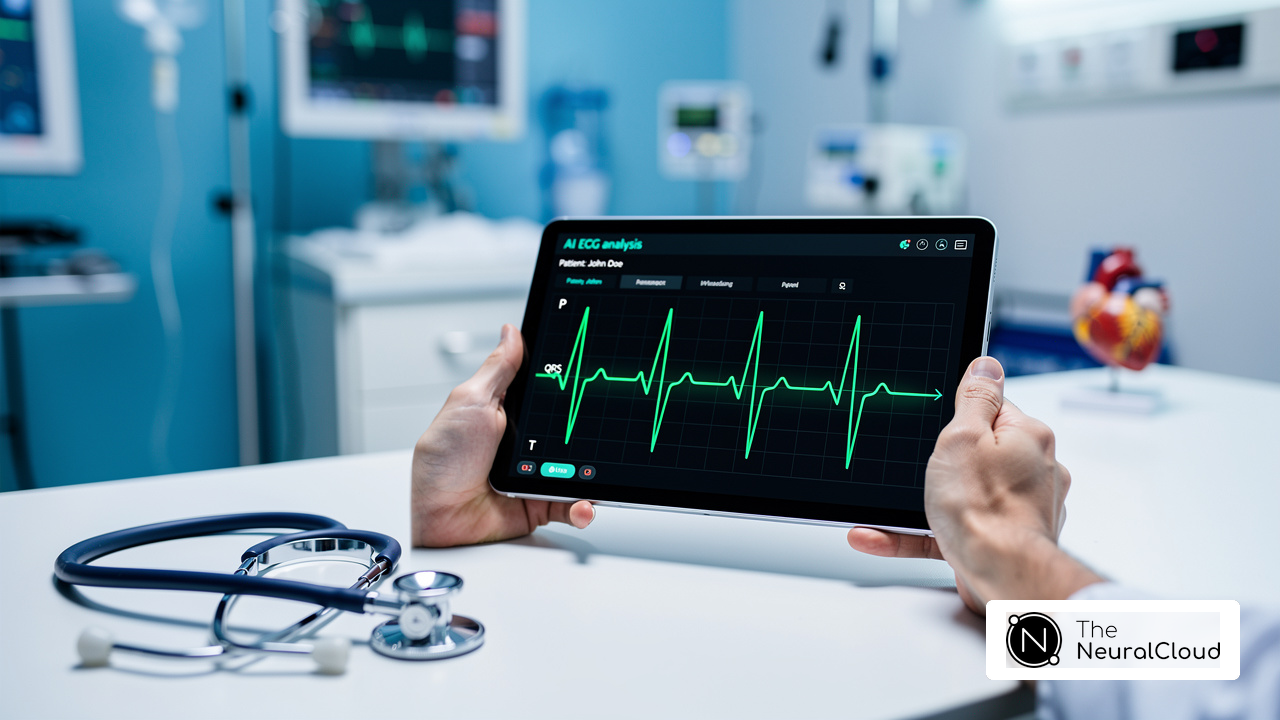
Understanding the complexities of an abnormal ECG is crucial for identifying potential cardiovascular issues that can significantly impact health. This article explores the challenges healthcare professionals face in ECG analysis and introduces the MaxYield™ platform, designed to enhance the interpretation of these readings. With advancements in health technology, MaxYield™ offers features that streamline ECG analysis, making it easier for professionals to recognize abnormalities quickly.
The MaxYield™ platform provides several key features:
- Advanced Algorithms: These algorithms improve the accuracy of ECG readings, reducing the chances of misinterpretation.
- User-Friendly Interface: Designed for ease of use, it allows healthcare professionals to navigate the system effortlessly.
- Real-Time Analysis: This feature enables immediate feedback, facilitating timely decision-making in patient care.
The advantages of using MaxYield™ are clear. By improving the accuracy and efficiency of ECG analysis, healthcare professionals can ensure timely and appropriate patient care. This not only enhances patient outcomes but also reduces the stress associated with interpreting complex ECG data. As technology continues to evolve, platforms like MaxYield™ are essential in bridging the gap between intricate data and effective healthcare delivery.
Define Abnormal ECG: Understanding the Basics
An electrocardiogram can be understood by asking what is an abnormal ECG, as it shows deviations from the expected electrical activity patterns of the heart. These deviations can appear as irregular pulse rates, atypical waveforms, or unusual intervals between beats. Key indicators of what is an abnormal ECG are variations in the heart rhythm, which may signal underlying cardiac issues such as arrhythmias, ischemia, or structural cardiovascular conditions. Notably, studies indicate that about 16.8% of individuals exhibit at least one minor ECG irregularity, while 3.9% present with two or more. Identifying these irregularities is crucial for patient safety, as a precise understanding of ECG results is necessary for diagnosing potential cardiac conditions.
For example, a total cardiac block, characterized by a complete dissociation between atrial and ventricular activity, can lead to severe hemodynamic instability. Similarly, left ventricular hypertrophy, often identified using the Sokolow-Lyon criteria, reflects the heart's response to increased workload due to conditions like hypertension. Understanding these deviations not only aids in diagnosis but also informs treatment strategies, highlighting the ECG's role as a diagnostic tool.
The MaxYield™ platform from Neural Cloud Solutions enhances the analysis of these irregularities by automating the labeling of ECG data. This automation significantly reduces the workload for healthcare providers while improving the accuracy of interpretations. By leveraging advanced AI-driven algorithms, MaxYield™ effectively addresses challenges such as noise and signal artifacts, ensuring clearer insights into cardiac health.
Features of MaxYield™
- Advanced algorithms to streamline analysis.
- Automation to reduce human error.
- Adaptability to various ECG patterns, accommodating diverse patient populations.
Advantages for healthcare providers
- Increased efficiency in ECG analysis, allowing for more time with patients.
- Improved diagnostic accuracy, leading to better patient outcomes.
- Enhanced understanding of complex ECG data, facilitating informed treatment decisions.
Context and Importance: Why Abnormal ECGs Matter
Understanding what is an abnormal ECG is essential, as it serves as a crucial indicator of heart health and acts as the first line of detection for conditions such as myocardial infarction, atrial fibrillation, and electrolyte imbalances. However, the analysis of ECGs presents several challenges, including the need for timely identification of abnormalities. Prompt diagnosis and treatment can significantly reduce the risk of complications, such as heart failure and sudden cardiac arrest. For instance, accurately diagnosing abnormalities can cut down door-to-balloon time by an average of 15.4 minutes, which directly impacts survival rates.
The MaxYield™ platform by Neural Cloud Solutions addresses these challenges by enhancing the accuracy and efficiency of ECG interpretation. This innovative technology rapidly labels onsets, offsets, and time-series intervals, providing beat-by-beat tabulation in CSV format for seamless integration into existing workflows. By automating the interpretation process and filtering out noise, MaxYield™ ensures clearer readings, which is vital in emergency settings where every second counts.
Moreover, MaxYield™ utilizes advanced neural network models for complex signal processing, extracting key features from ECG signals to provide actionable insights. Despite the limitations of automatic ECG interpretation technology being only 73.5%, MaxYield™ offers a solution to these challenges. This integration of advanced technology not only boosts diagnostic confidence but also enhances patient management and outcomes.
In summary, the MaxYield™ platform significantly improves ECG analysis by providing healthcare professionals with reliable data and clearer readings. The benefits of using this platform include:
- Enhanced accuracy in ECG interpretation
- Faster diagnosis leading to improved patient outcomes
By addressing readings promptly, healthcare providers can ensure better care for their patients.

Key Characteristics and Causes of Abnormal ECGs
To understand what is an abnormal ECG, it's important to note that they present with irregular heart rhythms, altered waveforms, and abnormal intervals, signaling various underlying conditions. Common causes of these irregularities range from benign factors like anxiety and electrolyte imbalances to more serious issues such as ischemia and cardiomyopathy. For instance, a prolonged QT interval is linked to a heightened risk of life-threatening arrhythmias, while ST-segment elevation serves as a critical indicator of myocardial infarction. Recent studies indicate that even minor ECG irregularities can significantly elevate the risk of future cardiovascular events, with an adjusted hazard ratio of 1.19 for one minor irregularity and 1.96 for major irregularities. This underscores the necessity for healthcare professionals to accurately interpret and understand what is an abnormal ECG in relation to patient care.
Real-world cases, such as diagnosing atrial fibrillation with a rapid ventricular response in a 52-year-old woman, emphasize the importance of recognizing irregular rhythms and absent P waves. Such recognition can lead to timely interventions. As the prevalence of abnormal ECGs in the general population remains a concern, it is vital for clinicians to remain vigilant in monitoring and addressing these issues. This proactive approach can significantly enhance outcomes for individuals.

Consequences of Abnormal ECGs: Risks and Considerations
Understanding abnormal ECGs is crucial, as they can lead to serious health issues, necessitating a range of follow-up actions, from further diagnostic testing to immediate medical interventions. For instance, abnormal readings can lead to additional imaging or stress tests to evaluate cardiac function more thoroughly. In critical cases, these readings can signal conditions that require urgent treatment, including the administration of antiarrhythmic medications or surgical procedures.
Statistics indicate that approximately 26% of individuals with major ECG abnormalities undergo subsequent echocardiograms, highlighting the need for prompt follow-up. Furthermore, the psychological impact can be profound, often resulting in heightened anxiety and stress. This underscores the necessity for healthcare providers to communicate effectively and ensure comprehensive patient education.
Research indicates that while the question of finding abnormal results is linked to increased risks of cardiovascular events, the specific actions to be taken in response often remain unclear. This necessitates a careful and informed approach to patient management, ensuring that both healthcare professionals and patients are well-informed about the implications of these readings.

Conclusion
An abnormal ECG is a crucial indicator of potential cardiovascular issues, highlighting deviations in the heart's electrical activity that may point to serious underlying conditions. For healthcare professionals, understanding these abnormalities is essential, as they play a key role in diagnosing and managing cardiac health. The insights gained from an ECG not only inform treatment strategies but also enhance the overall effectiveness of patient care.
Key discussions throughout the article emphasized the importance of recognizing various ECG irregularities, such as altered waveforms and prolonged intervals, which can be associated with conditions ranging from benign to life-threatening. The introduction of advanced technologies like the MaxYield™ platform illustrates how automation and AI can streamline ECG analysis, significantly improving diagnostic accuracy and efficiency. This innovation allows healthcare providers to concentrate more on patient interactions while ensuring timely and precise interventions.
Recognizing and addressing abnormal ECGs is vital for improving patient outcomes and minimizing the risks linked to cardiovascular events. As healthcare technology continues to advance, embracing innovations like the MaxYield™ platform empowers professionals to deliver better care, ensuring that every heartbeat is accurately monitored and understood.
Features of the MaxYield™ Platform:
- Automation: Streamlines ECG analysis, reducing manual errors.
- AI Integration: Enhances diagnostic accuracy through advanced algorithms.
- User-Friendly Interface: Simplifies the analysis process for healthcare providers.
Advantages for Healthcare Professionals:
- Improved Efficiency: Allows more time for patient care and interaction.
- Timely Interventions: Ensures quick responses to critical ECG findings.
- Enhanced Patient Outcomes: Supports better management of cardiovascular health.
Frequently Asked Questions
What is an abnormal ECG?
An abnormal ECG (electrocardiogram) shows deviations from expected electrical activity patterns of the heart, which can include irregular pulse rates, atypical waveforms, or unusual intervals between beats.
What are key indicators of an abnormal ECG?
Key indicators include variations in the P-wave, QRS complex, and T-wave, which may signal underlying cardiac issues such as arrhythmias, ischemia, or structural cardiovascular conditions.
How common are ECG irregularities in the general population?
Studies indicate that about 16.8% of individuals exhibit at least one minor ECG irregularity, while 3.9% present with two or more irregularities.
Why is it important to identify ECG irregularities?
Identifying irregularities is crucial for healthcare professionals as a precise understanding of ECG results is necessary for diagnosing potential cardiac conditions.
What is a total cardiac block?
A total cardiac block is characterized by a complete dissociation between atrial and ventricular activity, which can lead to severe hemodynamic instability.
What is left ventricular hypertrophy and how is it identified?
Left ventricular hypertrophy reflects the heart's response to increased workload, often due to conditions like hypertension, and is typically identified using the Sokolow-Lyon criteria.
How does the MaxYield™ platform enhance ECG analysis?
The MaxYield™ platform automates the labeling of ECG features, significantly reducing the workload for healthcare professionals while improving the accuracy of interpretations through advanced AI-driven algorithms.
What are the features of MaxYield™?
Features of MaxYield™ include automated labeling of ECG features, AI-driven algorithms that enhance accuracy and reduce human error, and adaptability to various ECG patterns to accommodate physiological variability.
What advantages does MaxYield™ offer to healthcare professionals?
Advantages include increased efficiency in ECG analysis, improved diagnostic accuracy leading to better patient outcomes, and enhanced understanding of complex ECG data to facilitate informed treatment decisions.
List of Sources
- Define Abnormal ECG: Understanding the Basics
- tctmd.com (https://tctmd.com/news/ecg-abnormalities-routine-screening-tied-cvd-events-large-study)
- bookey.app (https://bookey.app/book/the-ecg-made-easy/quote)
- ECG Case Studies | Interpretation & Answers | Geeky Medics (https://geekymedics.com/ecg-case-studies)
- springermedicine.com (https://springermedicine.com/ecg-overview/26123970)
- Context and Importance: Why Abnormal ECGs Matter
- powerfulmedical.com (https://powerfulmedical.com/blog/case-study-how-pmcardio-helps-paramedics-diagnose-acute-patients-faster-and-more-accurately)
- tctmd.com (https://tctmd.com/news/ecg-abnormalities-routine-screening-tied-cvd-events-large-study)
- acc.org (https://acc.org/Education-and-Meetings/Patient-Case-Quizzes/2022/11/22/12/39/Abnormal-ECG-in-a-20-Year-Old-Female-Athlete)
- reliasacademy.com (https://reliasacademy.com/rls/store/courses/ecg-interpretation-case-studies/_/A-product-c1481430)
- jamanetwork.com (https://jamanetwork.com/journals/jamainternalmedicine/fullarticle/2820721)
- Key Characteristics and Causes of Abnormal ECGs
- Abnormal EKG: Results, causes, and next steps (https://medicalnewstoday.com/articles/324922)
- ECG Case Studies | Interpretation & Answers | Geeky Medics (https://geekymedics.com/ecg-case-studies)
- tctmd.com (https://tctmd.com/news/ecg-abnormalities-routine-screening-tied-cvd-events-large-study)
- Consequences of Abnormal ECGs: Risks and Considerations
- acc.org (https://acc.org/Education-and-Meetings/Patient-Case-Quizzes/2022/11/22/12/39/Abnormal-ECG-in-a-20-Year-Old-Female-Athlete)
- tctmd.com (https://tctmd.com/news/ecg-abnormalities-routine-screening-tied-cvd-events-large-study)
- ECG Case Studies | Interpretation & Answers | Geeky Medics (https://geekymedics.com/ecg-case-studies)
- bookey.app (https://bookey.app/book/the-ecg-made-easy/quote)