Introduction
Interpreting ECGs accurately is a critical challenge for healthcare professionals, particularly in urgent situations where every second matters. The ECG rhythm simulator emerges as a vital tool in this context, offering a controlled environment for practitioners to hone their skills in recognizing various heart rhythms and conditions. By bridging the gap between theory and practice, ECG rhythm simulators can significantly improve patient safety and care quality.
Define ECG Rhythm Simulator: Core Concepts and Functionality
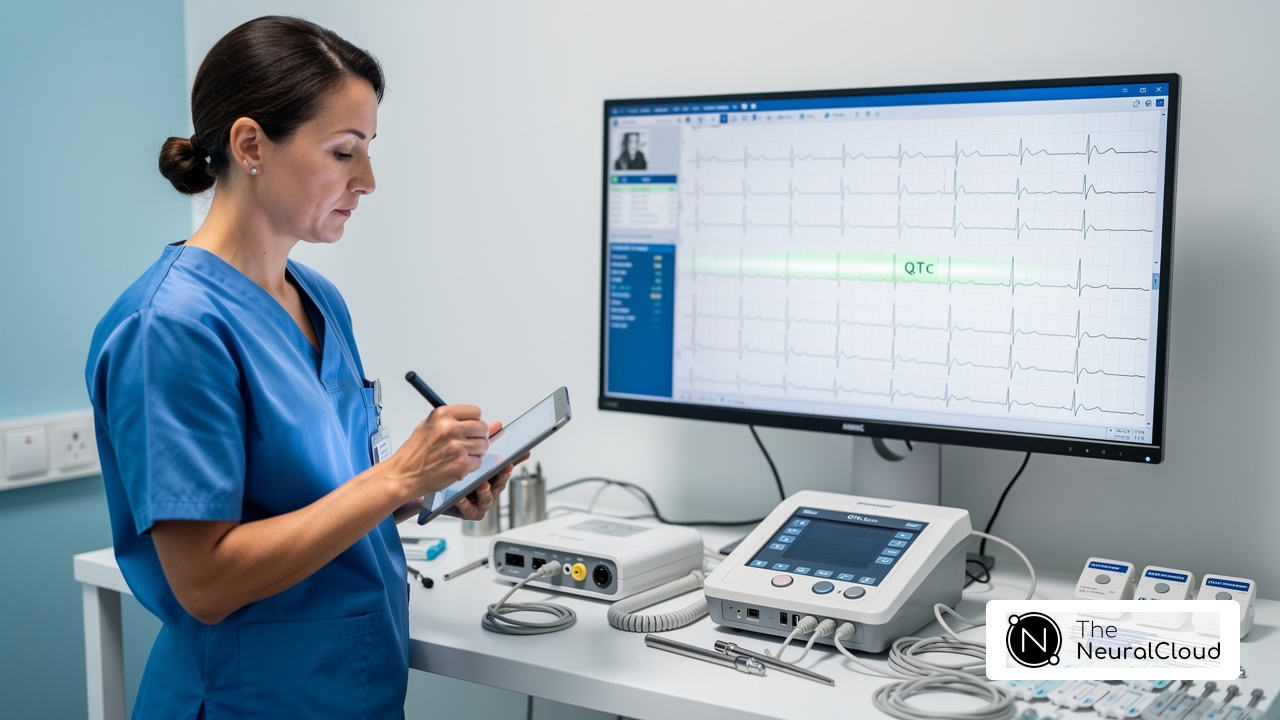
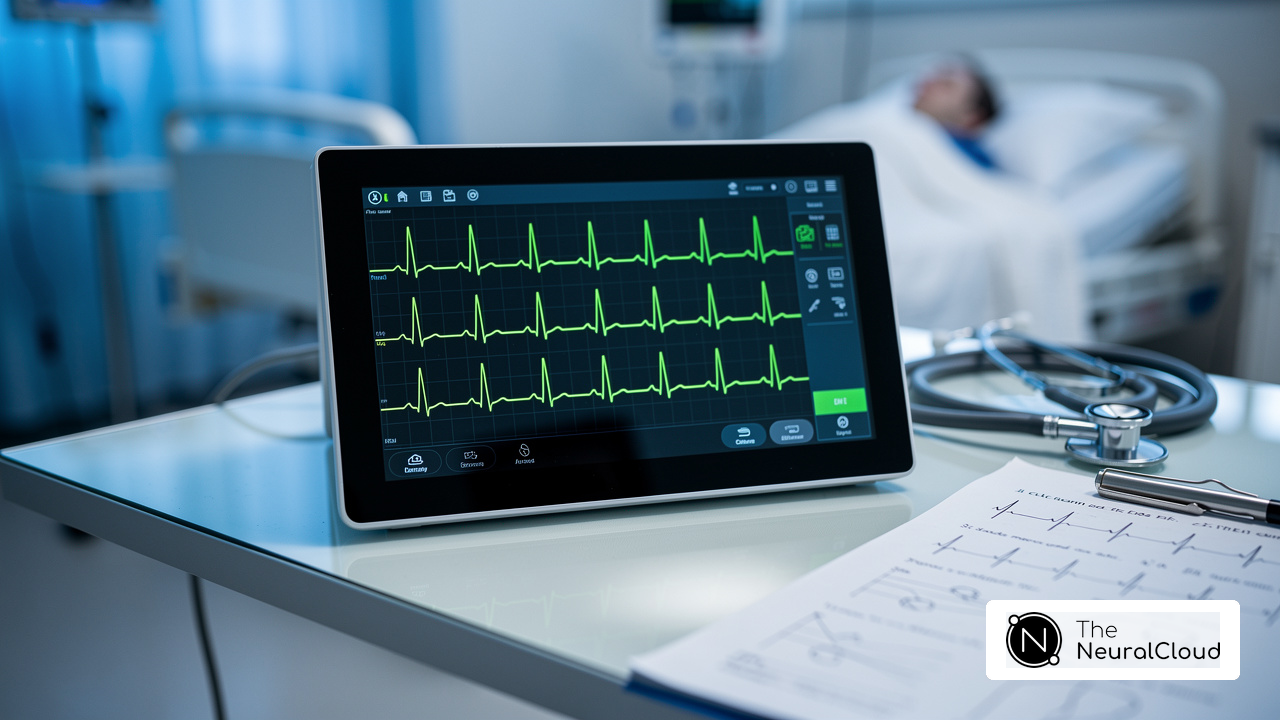
Healthcare professionals face significant challenges in accurately interpreting ECGs, especially in high-pressure situations. An advanced device known as an ECG rhythm simulator replicates the heart's electrical activity, enabling healthcare professionals to refine their ECG interpretation skills. By producing a range of heart rhythms and conditions, these simulators establish a controlled learning environment crucial for both evaluation and education. These simulators create realistic ECG waveforms that show both normal and abnormal heart activities. This allows users to practice recognizing different arrhythmias and heart conditions.
The significance of the ECG rhythm simulator in medical education cannot be overstated. They serve as invaluable educational tools, particularly in emergency and critical care settings where rapid and accurate ECG interpretation is crucial for patient outcomes. For example, a recent study emphasized that long-term continuous ECG monitoring identified significant arrhythmias in 50% of patients, in contrast to just 24% identified by mobile heart telemetry. This highlights the necessity for accurate education in ECG interpretation.
Furthermore, the effect of ECG devices on healthcare expert development results is significant. They improve learning by giving practitioners the chance to work through various scenarios, thereby enhancing their diagnostic skills and confidence. As mentioned by instructors in cardiology, the use of training devices promotes a deeper comprehension of heart physiology and arrhythmia management, which is vital for efficient patient care.
Using an ECG rhythm simulator in training programs prepares healthcare professionals for real-world challenges and boosts patient safety and care quality. By providing medical personnel with the abilities to interpret ECGs correctly, these tools play an essential part in improving heart care and ensuring enhanced health results. Ultimately, mastering ECG interpretation through simulation can be the difference between life and death for patients.

Contextualize the Role of ECG Rhythm Simulators in Cardiac Care
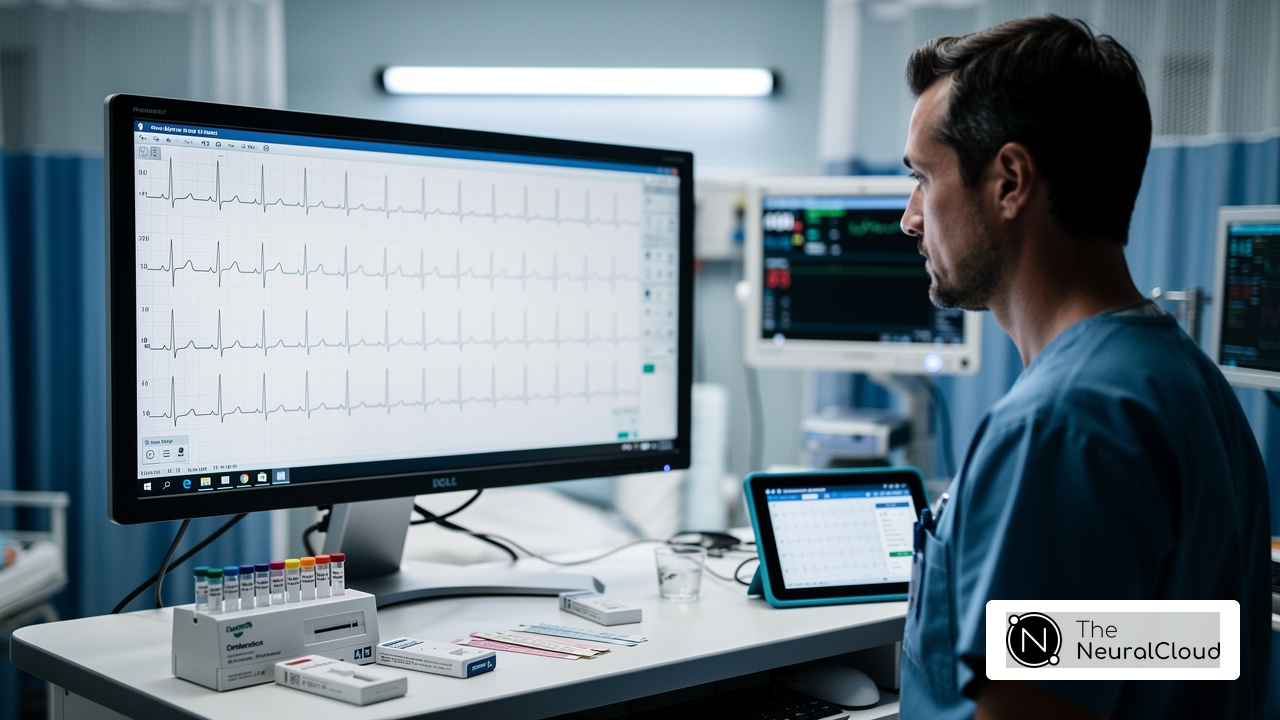
Healthcare professionals often face significant challenges in ECG interpretation, which can impact patient outcomes. ECG rhythm simulators are essential tools in heart care, enabling healthcare professionals to practice and improve their ECG interpretation skills in a risk-free environment. These simulators help medical students and professionals get familiar with a range of heart rhythms without the stresses linked to actual patient situations. By improving their ability to recognize and respond to various arrhythmias, healthcare providers can significantly enhance their diagnostic accuracy, which is crucial for effective patient management.
The integration of ECG simulators into continuing education programs ensures that practitioners stay current with the latest advancements in cardiac care. Studies indicate that simulation practice can lead to enhanced performance in actual clinical environments, with simulation-prepared residents showing better results in emergency situations compared to those educated through conventional methods. Furthermore, the combination of ECG and phonocardiogram (PCG) recordings has demonstrated an accuracy of 92.5%, highlighting the effectiveness of these tools in enhancing diagnostic capabilities.
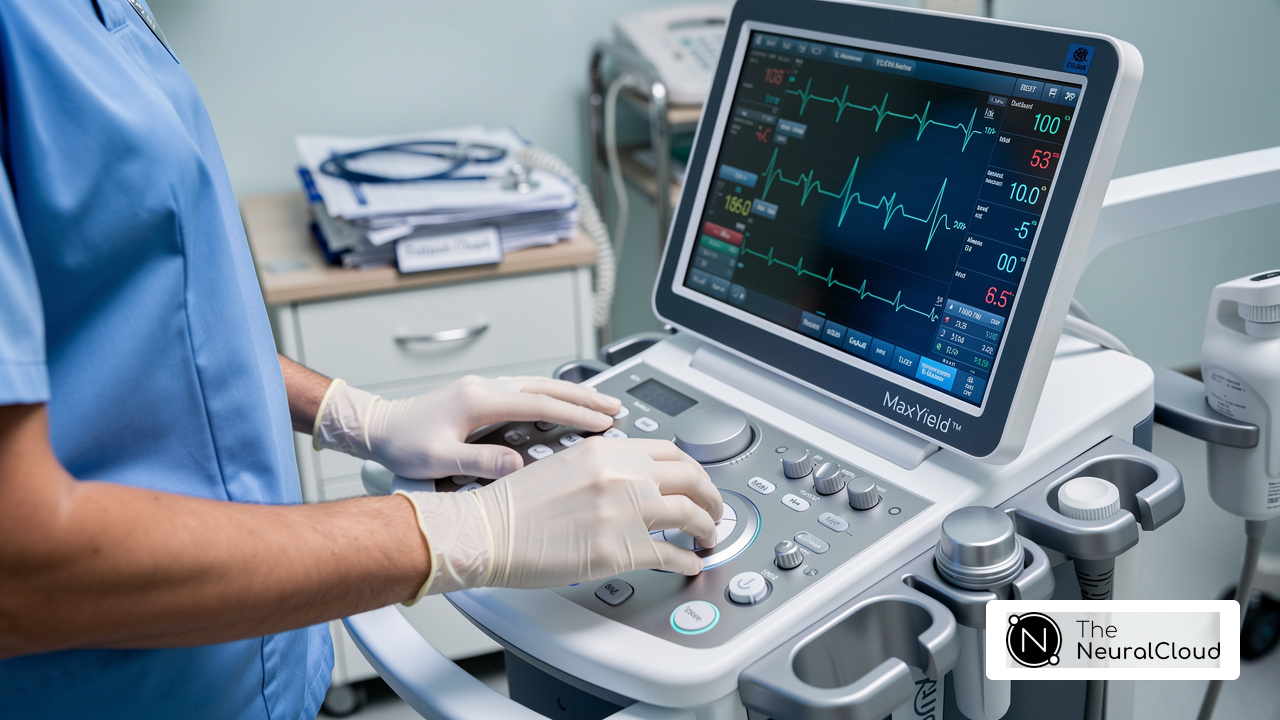
Healthcare professionals have observed the benefits of utilizing ECG simulators in education, emphasizing that these tools not only enhance diagnostic skills but also promote confidence in clinical decision-making. As heart care evolves, the use of ECG rhythm simulators, particularly with the support of Neural Cloud Solutions' MaxYield™, is essential for training and education. MaxYield™ transforms lengthy and noisy ECG recordings into clean, crisp signals, addressing challenges such as physiological variability and signal artifacts. This ultimately contributes to better patient outcomes and enhanced quality of care.

Trace the Evolution of ECG Rhythm Simulators: Historical Development
The journey of the ecg rhythm simulator reflects a significant transformation in cardiac care technology. The evolution of these simulators dates back to the early 20th century, coinciding with the development of the first electrocardiographs. Early ECG devices were not user-friendly, making it difficult for healthcare professionals to adopt them. However, over the decades, advancements have miniaturized and automated ECG devices. The introduction of solid-state electronics in the 1950s marked a pivotal moment, making ECG machines smaller, lighter, and more affordable, which facilitated broader use in clinical settings.
By the 1970s, the advent of digital technology transformed ECG devices, allowing for computerized analysis and digital readouts. This shift enabled more advanced simulations of heart rhythms, enhancing the accuracy and reliability of ECG readings. Today’s ECG Rhythm Simulators feature:
- Advanced algorithms
- Software that produces realistic ECG waveforms
- The ability to simulate intricate arrhythmias and various heart conditions.
This evolution shows how technology is committed to improving medical education and training in cardiology. As ECG technology continues to evolve, it plays an essential role in equipping healthcare professionals to diagnose and manage heart conditions more effectively, ultimately improving patient care and outcomes. As technology advances, the potential for improved patient outcomes in cardiology continues to grow.

Identify Key Features and Characteristics of ECG Rhythm Simulators
Healthcare professionals frequently encounter challenges in accurately interpreting ECGs, especially in critical situations. The training experience is significantly enhanced by the essential features equipped in ECG rhythm simulators. These devices generate various heart rhythms and offer adjustable settings for different practice scenarios. Using an ECG rhythm simulator, users can practice interpreting ECGs with multiple lead configurations, including 3-lead, 5-lead, and 12-lead setups, which are crucial for developing proficiency in real-world situations.
Advanced models, including the ECG rhythm simulator, also replicate patient-specific conditions, enabling focused practice that mirrors the intricacies of real cardiac emergencies. Their integration with other medical education devices and user-friendly interfaces further supports the learning process, ensuring that healthcare professionals are well-prepared to respond effectively in critical situations.
Users report high satisfaction with the ECG rhythm simulator because it provides real-time feedback during training, enabling learners to refine their skills in a controlled environment. This immediate feedback mechanism is vital for mastering the nuances of ECG interpretation and cardiac rhythm analysis. Ultimately, mastering ECG interpretation through the use of an ECG rhythm simulator can lead to enhanced patient safety and care.

Conclusion
In the fast-paced world of cardiac care, accurate ECG interpretation is critical, yet many healthcare professionals struggle with this skill. ECG rhythm simulators represent a pivotal advancement in cardiac care, empowering healthcare professionals to enhance their ECG interpretation skills in a controlled environment. These simulators mimic the heart's electrical activity, offering valuable training opportunities. They help practitioners recognize and respond to various arrhythmias effectively, which is essential in high-pressure situations where accurate interpretation can significantly impact patient outcomes.
Throughout the article, key insights highlighted the importance of ECG rhythm simulators in medical education and clinical practice. These simulators not only facilitate the mastery of different heart rhythms but also bolster the confidence of healthcare providers in their diagnostic abilities. Furthermore, the evolution of these devices - from early ECG machines to today's sophisticated simulators - demonstrates a commitment to improving training and education in cardiology, ultimately leading to better patient care.
Integrating ECG rhythm simulators into training programs is essential for equipping healthcare professionals to tackle real-world challenges. As cardiac care continues to evolve, the emphasis on accurate ECG interpretation remains paramount. Embracing these advanced tools will not only enhance individual skills but also contribute to improved patient safety and health outcomes. Ultimately, the adoption of ECG rhythm simulators is not just about training; it's about saving lives through improved diagnostic accuracy.
Frequently Asked Questions
What is an ECG rhythm simulator?
An ECG rhythm simulator is an advanced device that replicates the heart's electrical activity, allowing healthcare professionals to practice and refine their ECG interpretation skills by producing a range of heart rhythms and conditions.
Why are ECG rhythm simulators important in medical education?
ECG rhythm simulators are crucial educational tools, particularly in emergency and critical care settings, as they help improve rapid and accurate ECG interpretation, which is vital for patient outcomes.
How do ECG rhythm simulators enhance diagnostic skills?
They provide practitioners with the opportunity to work through various scenarios, thereby enhancing their diagnostic skills and confidence in recognizing different arrhythmias and heart conditions.
What impact do ECG devices have on healthcare professionals?
ECG devices significantly improve learning and understanding of heart physiology and arrhythmia management, which is essential for effective patient care.
How do ECG rhythm simulators contribute to patient safety and care quality?
By preparing healthcare professionals for real-world challenges and improving their ability to interpret ECGs accurately, these tools play an essential role in enhancing heart care and ensuring better health outcomes for patients.
What evidence supports the need for accurate ECG interpretation education?
A recent study showed that long-term continuous ECG monitoring identified significant arrhythmias in 50% of patients, compared to only 24% identified by mobile heart telemetry, highlighting the necessity for accurate education in ECG interpretation.
What is the ultimate benefit of mastering ECG interpretation through simulation?
Mastering ECG interpretation through simulation can be critical for patient survival, as it can mean the difference between life and death in emergency situations.
List of Sources
- Define ECG Rhythm Simulator: Core Concepts and Functionality
- New Clinical Trial Finds Human Oversight ECG Monitors Outperform AI-Dependent Monitoring - HRS (https://hrsonline.org/news/human-oversight-ecg-monitors-outperform-ai-dependent-monitoring)
- cardiacrhythmnews.com (https://cardiacrhythmnews.com)
- researchgate.net (https://researchgate.net/publication/281547790_Effects_of_web-based_electrocardiography_simulation_on_strategies_and_learning_styles)
- Contextualize the Role of ECG Rhythm Simulators in Cardiac Care
- pmc.ncbi.nlm.nih.gov (https://pmc.ncbi.nlm.nih.gov/articles/PMC12292736)
- Checking your browser - reCAPTCHA (https://pmc.ncbi.nlm.nih.gov/articles/PMC11224887)
- noravmedical.com (https://noravmedical.com/overview-of-ecg-simulation-technology)
- experts.llu.edu (https://experts.llu.edu/en/publications/does-ecg-and-arrhythmia-simulation-training-in-adjunct-to-didacti-3)
- Trace the Evolution of ECG Rhythm Simulators: Historical Development
- pfizer.com (https://pfizer.com/news/articles/flashback_the_first_ecg)
- info.nhanow.com (https://info.nhanow.com/blog/the-interesting-history-of-ekgs)
- intelesens.com (https://intelesens.com/evolution-of-the-ecg-machine)
- litfl.com (https://litfl.com/history-of-the-electrocardiogram)
- Identify Key Features and Characteristics of ECG Rhythm Simulators
- pronktech.com (https://pronktech.com/new-advancements-in-multi-parameter-simulator-design)
- realityworks.com (https://realityworks.com/blog/4-helpful-features-of-our-ecg-training-simulators?srsltid=AfmBOopqAXUdJ8dkybyI2YtWemhf0paN4mYERKDdlyLCxOKdvr2XlM72)
- danleemedical.com (https://danleemedical.com/blog/what-is-an-ekg-simulator-what-are-its-benefits)
- cardiacrhythmnews.com (https://cardiacrhythmnews.com)
- netechbiomedical.com (https://netechbiomedical.com/patient-simulators)