Introduction
Identifying left anterior fascicular block (LAFB) presents significant challenges for clinicians in cardiac health management. Identifying LAFB can be challenging due to its subtle presentation on ECGs, yet it is a crucial indicator of potential heart issues. If not properly managed, LAFB may lead to serious conditions like atrial fibrillation and heart failure. With the rising prevalence of LAFB, especially in older adults, healthcare providers must consider effective strategies for identification and management to enhance patient outcomes.
Define Left Anterior Fascicular Block (LAFB)
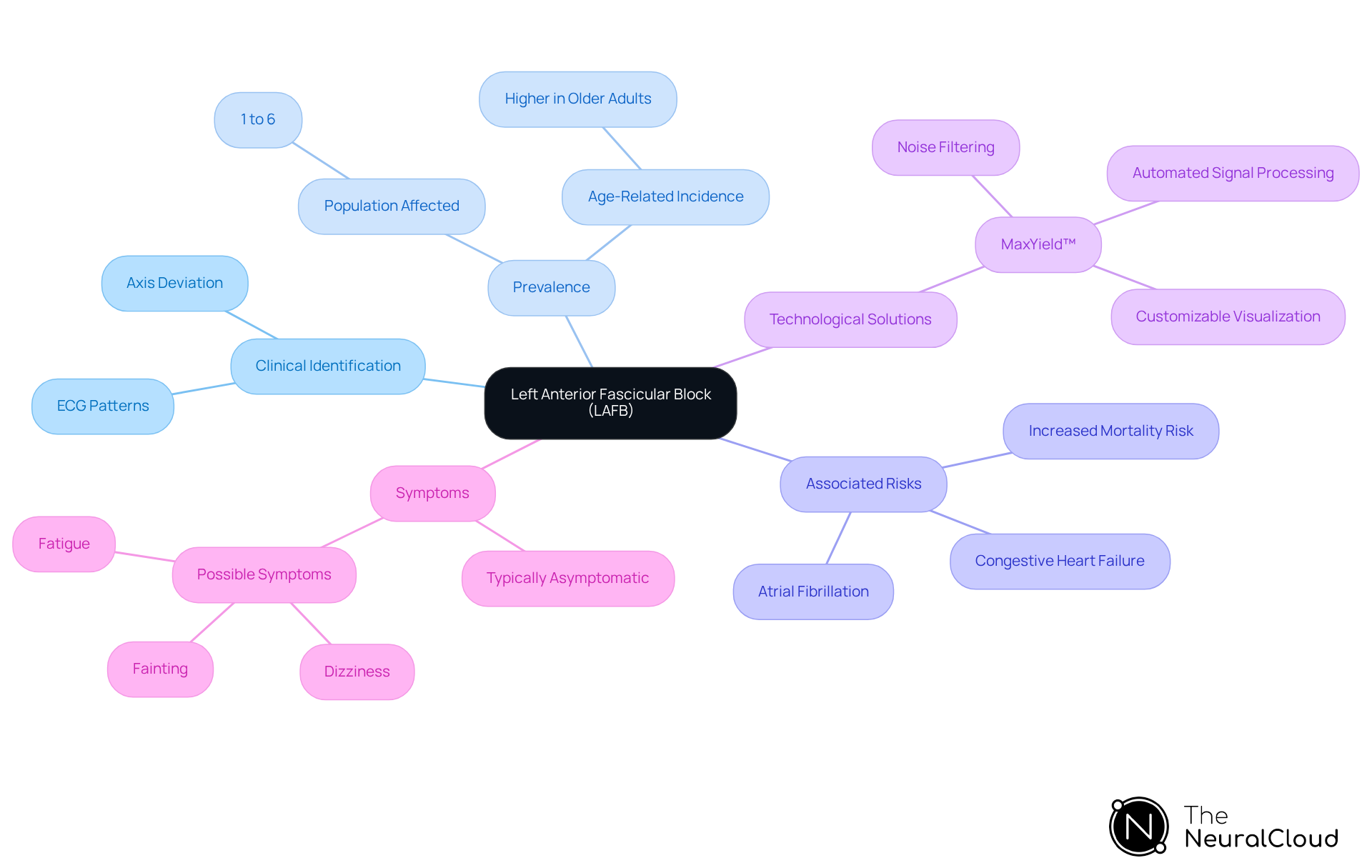
Understanding what is left anterior fascicular block presents unique challenges in ECG analysis, impacting the accuracy of cardiac assessments. This condition delays electrical impulses in the anterior fascicle, leading to changes in how the ventricle depolarizes. Clinically, what is left anterior fascicular block is identifiable by a distinct pattern on an electrocardiogram (ECG), characterized by left axis deviation and specific changes in the QRS complex morphology. Although what is left anterior fascicular block often presents without symptoms, it can indicate underlying cardiac issues and is frequently discovered incidentally during routine ECG examinations.
Prevalence studies indicate that what is left anterior fascicular block affects approximately 1% to 6% of the population, with a higher incidence observed in older adults. A recent examination of information from 1,664 individuals aged 65 and older showed that those with what is left anterior fascicular block face a heightened risk of severe conditions such as atrial fibrillation, congestive heart failure, and death compared to individuals with normal ECG readings. This shows why it's important to keep a close eye on patients with what is left anterior fascicular block, as they may be at risk for more severe cardiovascular complications.
To improve the analysis of left atrial appendage function and similar conditions, Neural Cloud Solutions' MaxYield™ platform provides advanced noise filtering and automated signal processing. By utilizing MaxYield™, health tech developers can streamline their workflow, overcoming inefficiencies and physiological variability that often complicate ECG interpretation. The platform's capability to provide a clean, 'neuralized' signal and clear, beat-by-beat data wall enables more precise evaluations of what is left anterior fascicular block and its implications. Additionally, the customizable visualization and reporting tool, Insight360, transforms MaxYield’s clean ECG data into interactive dashboards and clinical-ready reports, further enhancing the analysis.
Case studies highlight that while what is left anterior fascicular block typically does not produce symptoms, it can be associated with dizziness, fatigue, or fainting in severe instances. The condition may stem from various factors, including complications from cardiac surgeries and structural cardiovascular diseases. Comprehending these possible causes and symptoms is essential for effective management, especially in patients with a history of cardiovascular problems. Overall, although this condition may be harmless in many instances, understanding what is left anterior fascicular block is crucial as it acts as a vital sign for various cardiac issues, highlighting the necessity for regular cardiovascular health evaluations. Furthermore, MaxYield™ is designed to be device-agnostic, integrating seamlessly via API, SDK, or CDK without requiring hardware changes, and is compliant with regulatory standards, ensuring audit-ready documentation for GxP inspections.
Contextualize LAFB in Cardiac Health
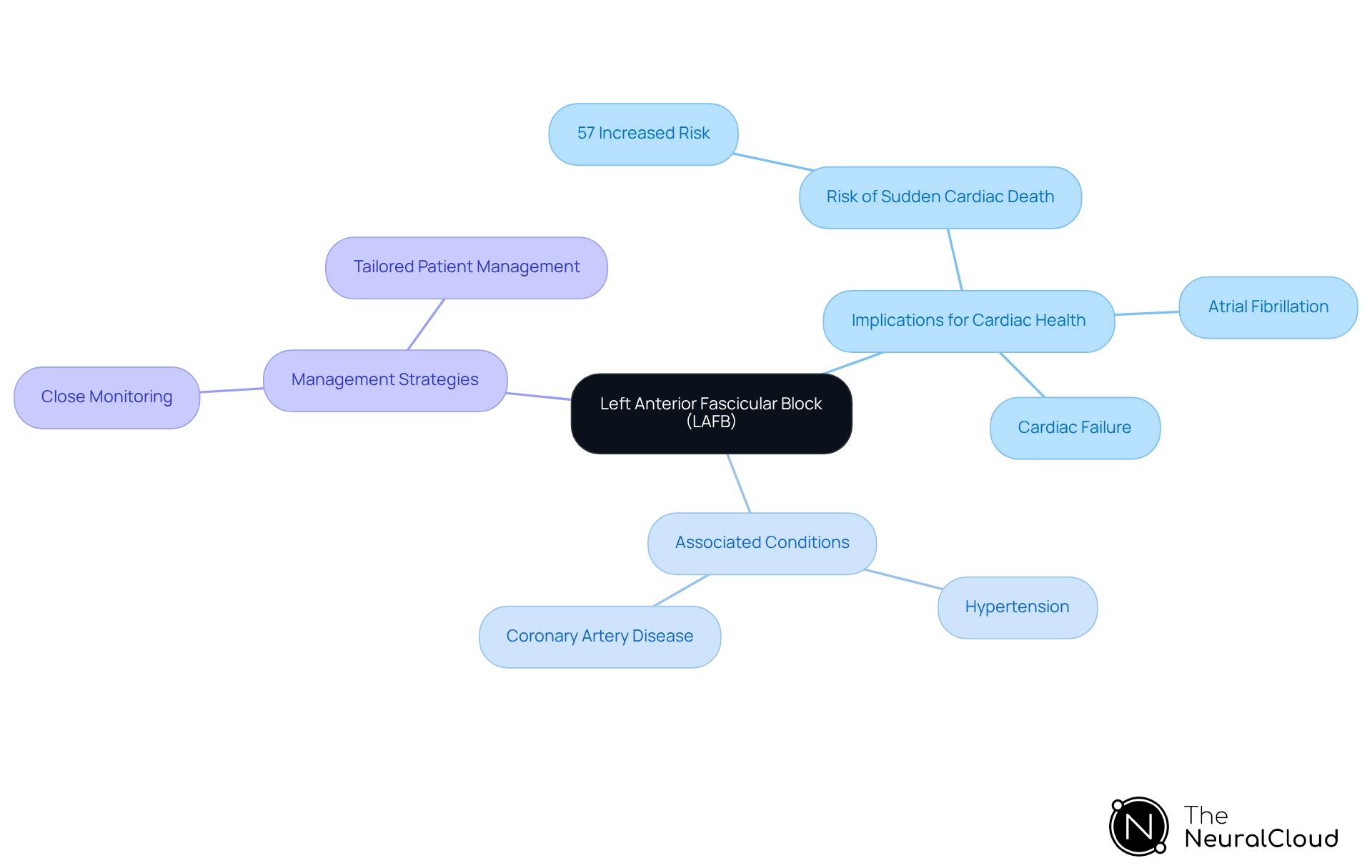
What is left anterior fascicular block, and how does it pose serious implications for cardiac health, often linked to conditions like hypertension and coronary artery disease? When detected on an ECG, it acts as a crucial signal for clinicians to take action, prompting further evaluation of a patient's cardiac status. Research indicates that individuals with left anterior fascicular block face a 57% higher risk of sudden cardiac death, along with an elevated likelihood of developing atrial fibrillation and cardiac failure. This heightened risk underscores the urgency for clinicians to monitor patients closely.
A thorough understanding of left atrial function block is essential for healthcare providers, as this knowledge can lead to more tailored and effective patient management strategies. Recognizing these risks can empower healthcare providers to make informed decisions that enhance patient outcomes.
Trace the Origins and Classification of LAFB
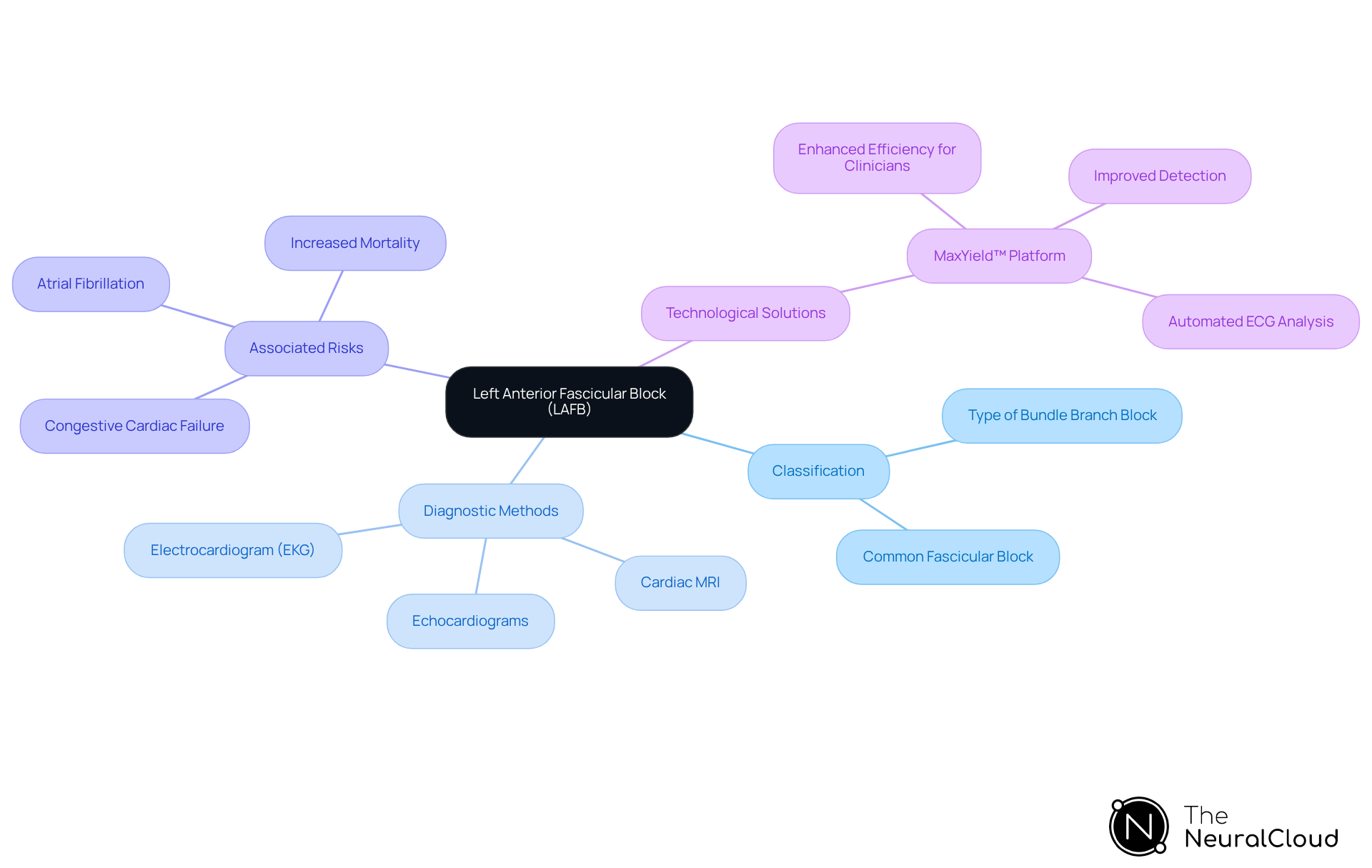
Understanding what is left anterior fascicular block is essential for effective cardiac care. This condition is categorized as what is left anterior fascicular block, a type of bundle branch block specifically affecting the anterior fascicle. This classification matters because the left anterior fascicle is thinner and more prone to damage than the posterior one, making it one of the most common fascicular blocks.
Over the decades, advancements in electrocardiography have led to refined diagnostic criteria for what is left anterior fascicular block, enhancing the accuracy of its identification. An electrocardiogram (EKG) is primarily utilized to identify what is left anterior fascicular block, with supplementary tests like cardiac MRI and echocardiograms providing additional insights into heart health. Studies show that individuals with what is left anterior fascicular block have an increased risk of congestive cardiac failure, atrial fibrillation, and mortality, necessitating vigilant monitoring and accurate diagnosis.
Neural Cloud Solutions' MaxYield™ platform transforms ECG analysis through automation, significantly improving the detection of conditions like what is left anterior fascicular block. MaxYield™ uses advanced AI algorithms to simplify the labeling and processing of ECG data, helping healthcare professionals use their time and skills more efficiently. This not only reduces operational costs but also maximizes productivity, enabling clinicians to focus on critical decision-making tasks.
As noted by the Cleveland Clinic, while what is left anterior fascicular block typically presents no symptoms, it can indicate underlying cardiac issues that may require attention. Recognized causes of what is left anterior fascicular block include heart disease and complications from procedures such as transcatheter aortic valve replacement (TAVR). As research continues to evolve, the historical context of fascicular blocks remains crucial for appreciating their role in contemporary cardiology, especially with the support of innovative technologies like MaxYield™. As technology advances, the integration of platforms like MaxYield™ will be pivotal in transforming cardiac diagnostics and patient outcomes.
Identify Key Characteristics and Diagnostic Criteria of LAFB
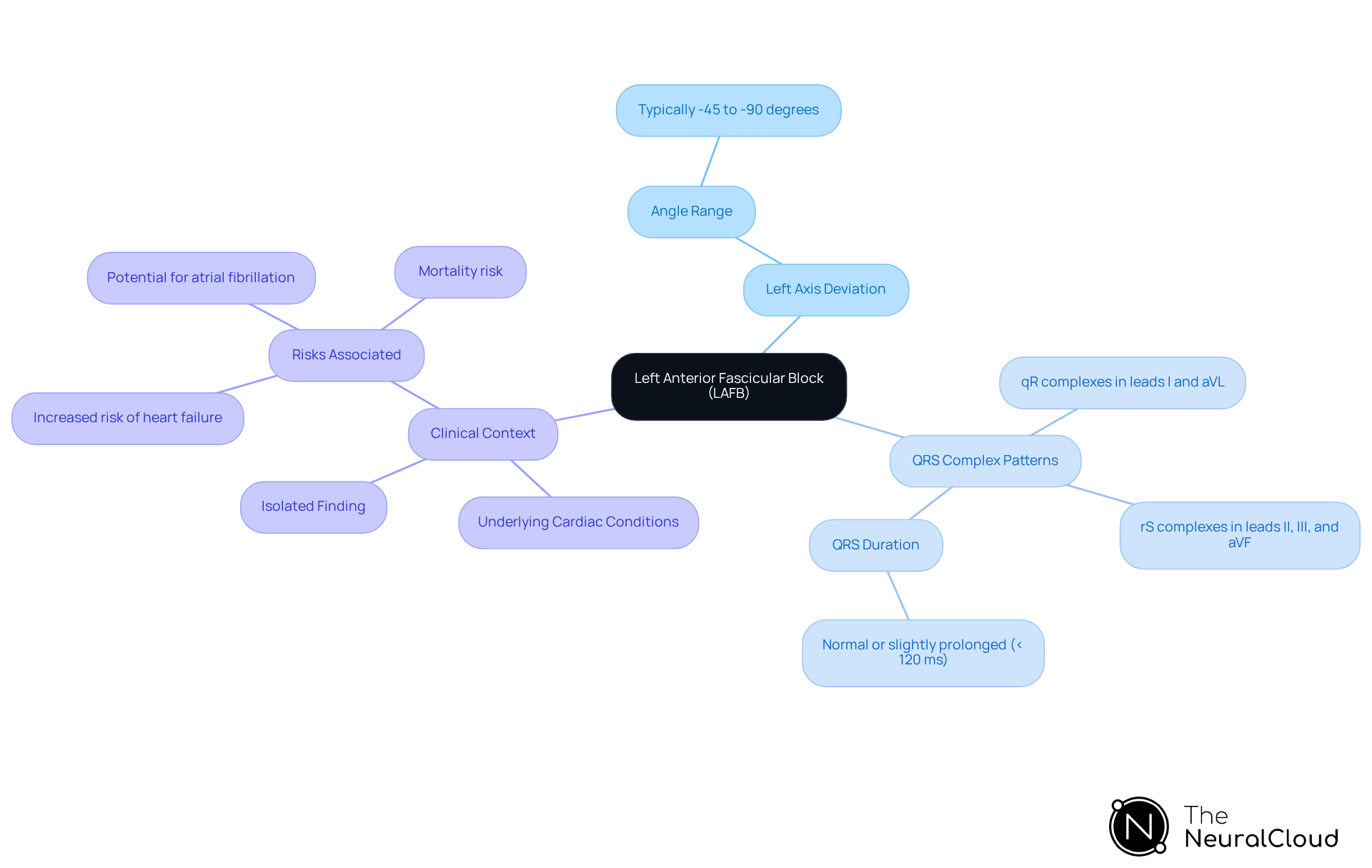
Diagnosing what is left anterior fascicular block can be challenging due to the subtle yet significant ECG findings associated with it. Key characteristics include:
- Left axis deviation, typically ranging from -45 to -90 degrees
- Specific QRS complex patterns:
- qR complexes in leads I and aVL
- rS complexes in leads II, III, and aVF
The QRS duration is generally normal or slightly prolonged, usually measuring less than 120 milliseconds.
Clinicians must also consider the clinical context, as what is left anterior fascicular block can manifest in patients with underlying cardiac conditions or appear as an isolated finding. Recognizing these diagnostic criteria is crucial, as timely recognition can significantly impact patient outcomes in those with potential cardiac issues. Recent case studies highlight the significance of these ECG patterns, reinforcing the need for vigilance in monitoring patients with LAFB, particularly given its association with increased risks of heart failure and other cardiovascular conditions.
Conclusion
Left anterior fascicular block (LAFB) is more than just an ECG finding; it’s a crucial indicator of potential heart issues that demands attention. This condition shows specific changes on the ECG and can often be overlooked, but it has serious implications for patient health. Recognizing LAFB helps ensure accurate diagnosis and prompts evaluations that can lead to timely interventions.
LAFB is particularly prevalent among older adults and is linked to serious cardiovascular risks, including atrial fibrillation and sudden cardiac death. Advanced diagnostic tools, such as Neural Cloud Solutions' MaxYield™ platform, enhance ECG analysis through automation and better signal processing. Leveraging this technology allows healthcare providers to monitor LAFB patients more effectively, ensuring they receive tailored care.
The significance of LAFB goes beyond its ECG findings; it’s a vital sign of cardiac health that requires careful attention. Clinicians should stay vigilant in monitoring LAFB patients and use innovative solutions to improve diagnostic accuracy and outcomes. Focusing on LAFB management allows healthcare professionals to enhance cardiovascular health and prevent severe complications in patients.
Frequently Asked Questions
What is Left Anterior Fascicular Block (LAFB)?
Left Anterior Fascicular Block (LAFB) is a condition that delays electrical impulses in the anterior fascicle of the heart, leading to changes in how the ventricle depolarizes. It is identifiable on an electrocardiogram (ECG) by a distinct pattern characterized by left axis deviation and specific changes in the QRS complex morphology.
How common is Left Anterior Fascicular Block?
LAFB affects approximately 1% to 6% of the population, with a higher incidence observed in older adults.
What are the potential risks associated with Left Anterior Fascicular Block?
Individuals with LAFB, particularly those aged 65 and older, face a heightened risk of severe conditions such as atrial fibrillation, congestive heart failure, and death compared to individuals with normal ECG readings.
Does Left Anterior Fascicular Block present symptoms?
LAFB often presents without symptoms, but in severe cases, it can be associated with dizziness, fatigue, or fainting.
What factors can contribute to the development of Left Anterior Fascicular Block?
LAFB may stem from various factors, including complications from cardiac surgeries and structural cardiovascular diseases.
How can the MaxYield™ platform assist in analyzing Left Anterior Fascicular Block?
Neural Cloud Solutions' MaxYield™ platform provides advanced noise filtering and automated signal processing, enabling more precise evaluations of LAFB and its implications. It offers a clean, 'neuralized' signal and clear, beat-by-beat data wall for improved analysis.
What additional features does Insight360 provide for ECG data analysis?
Insight360 transforms MaxYield’s clean ECG data into interactive dashboards and clinical-ready reports, enhancing the analysis of conditions like Left Anterior Fascicular Block.
Is MaxYield™ compatible with existing medical devices?
Yes, MaxYield™ is designed to be device-agnostic, integrating seamlessly via API, SDK, or CDK without requiring hardware changes, and is compliant with regulatory standards for audit-ready documentation.
List of Sources
- Define Left Anterior Fascicular Block (LAFB)
- Routine EKG finding could signal serious heart problem (https://medicalxpress.com/news/2013-04-routine-ekg-heart-problem.html)
- Left Anterior Fascicular Block: Causes and Treatment (https://my.clevelandclinic.org/health/diseases/23212-left-anterior-fascicular-block)
- Contextualize LAFB in Cardiac Health
- Routine EKG finding could signal serious heart problem (https://medicalxpress.com/news/2013-04-routine-ekg-heart-problem.html)
- Trace the Origins and Classification of LAFB
- Left Anterior Fascicular Block: Causes and Treatment (https://my.clevelandclinic.org/health/diseases/23212-left-anterior-fascicular-block)
- Bundle Branch Block and Fascicular Block - Cardiology - Merck Manual Professional Edition (https://merckmanuals.com/professional/cardiovascular-disorders/specific-cardiac-arrhythmias/bundle-branch-block-and-fascicular-block)
- Left Anterior Fascicular Block May Not Be a Benign Finding (https://empr.com/home/news/drug-news/left-anterior-fascicular-block-may-not-be-a-benign-finding)
- Identify Key Characteristics and Diagnostic Criteria of LAFB
- Left Anterior Fascicular Block (LAFB) (https://litfl.com/left-anterior-fascicular-block-lafb-ecg-library)
- Left Anterior Fascicular Block (LAFB) - ECG (https://ecgbook.com/lafb)
- Electrocardiogram (ECG) patterns of left anterior fascicular block and conduction impairment in ventricular myocardium: a whole-heart model-based simulation study - PMC (https://pmc.ncbi.nlm.nih.gov/articles/PMC5802974)
- Left Anterior Fascicular Block: Causes and Treatment (https://my.clevelandclinic.org/health/diseases/23212-left-anterior-fascicular-block)