Introduction
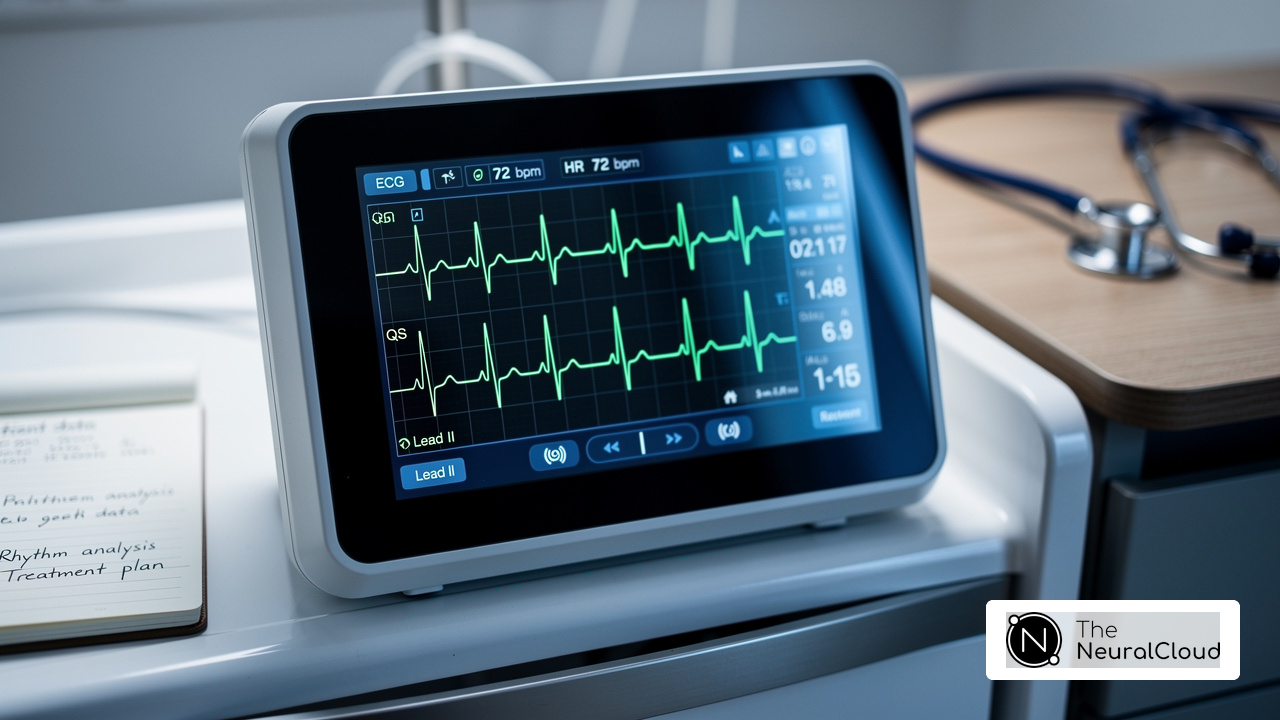
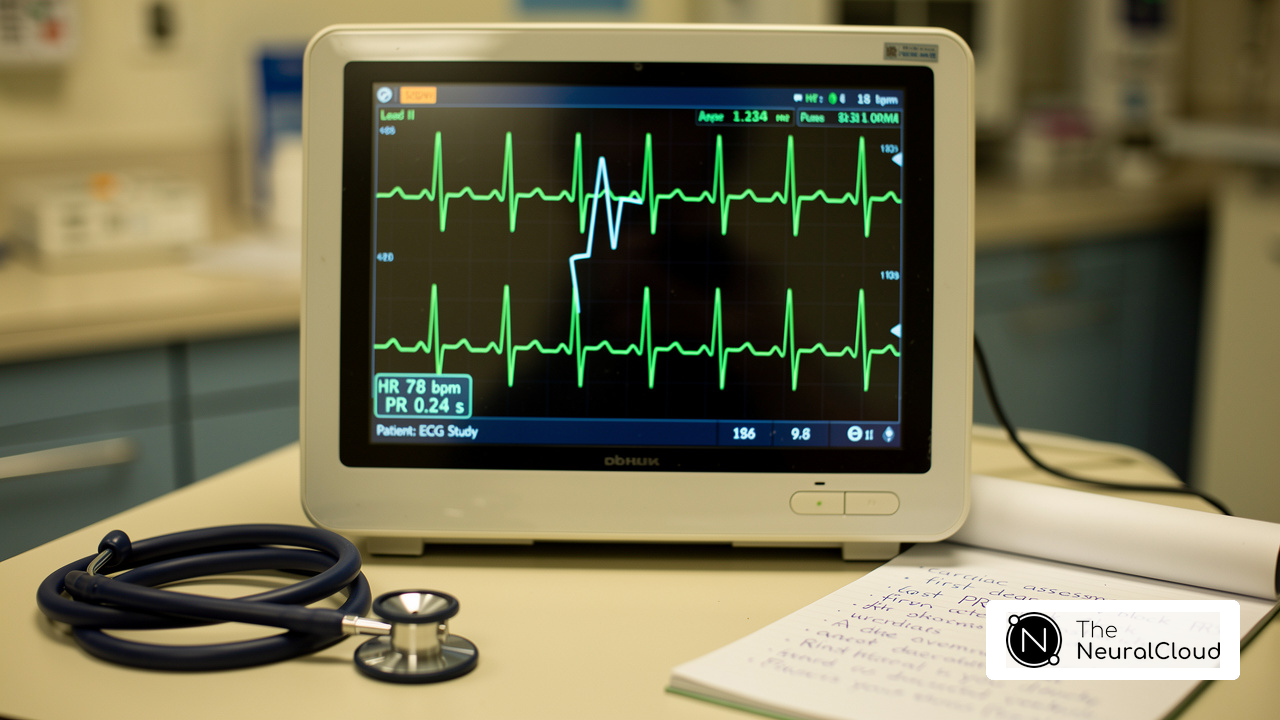
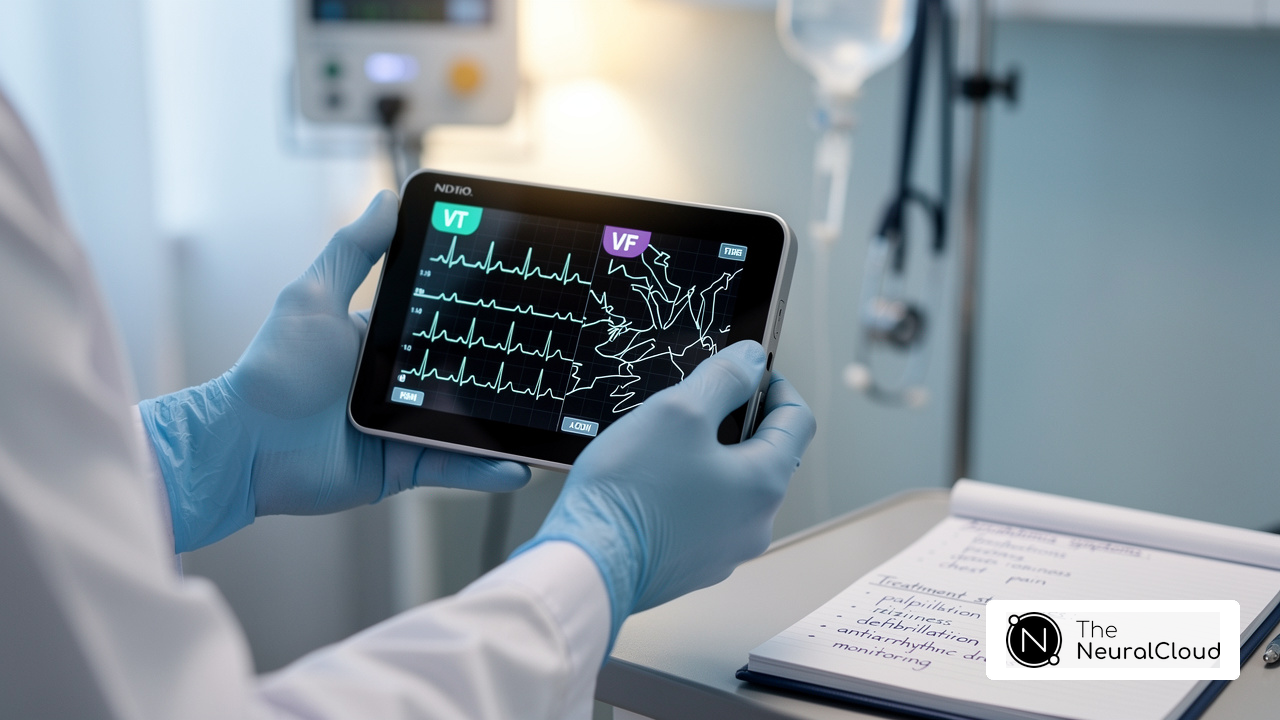
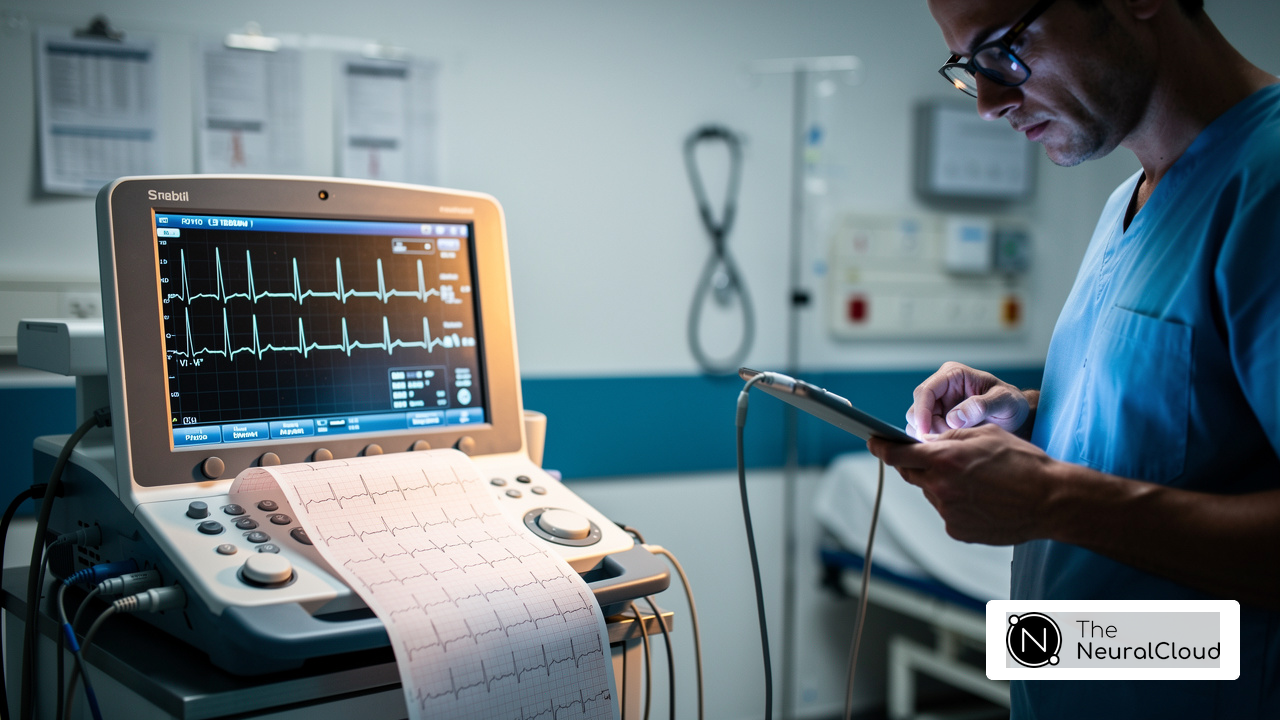
The 12-lead electrocardiogram (ECG) is essential for cardiac diagnostics, providing a detailed view of the heart's electrical activity. This diagnostic tool aids in identifying various cardiac conditions and plays a crucial role in enhancing patient outcomes, especially in emergencies. Many healthcare professionals struggle with the intricacies of ECG interpretation, which can lead to misdiagnoses. Advancements in technology, like those from Neural Cloud Solutions Inc., promise to simplify ECG analysis and improve diagnostic accuracy.
Define the 12-Lead ECG: An Overview of Its Structure and Function
What is the main reason for obtaining a 12-lead ECG is its critical role in diagnosing cardiac conditions, although challenges in analysis persist, impacting patient care. A 12-lead electrocardiogram (ECG) is an essential diagnostic instrument that records the heart's electrical activity from 12 unique viewpoints using 10 strategically positioned electrodes on the body. It consists of six limb leads (I, II, III, aVR, aVL, aVF) and six precordial leads (V1 to V6). Together, they provide a comprehensive view of the heart's electrical signals. The resulting waveforms represent critical aspects of the heart's rhythm and function, which raises the question of what is the main reason for obtaining a 12-lead ECG, enabling healthcare professionals to identify a range of cardiac conditions such as arrhythmias, ischemia, and myocardial infarctions.
In Canada, the incorporation of advanced technologies into multi-lead ECG machines is expected to greatly improve diagnostic capabilities. These machines are recognized for their high accuracy, maintaining a diagnostic accuracy rate of approximately 80% in detecting various cardiac conditions. However, these machines require regular maintenance and calibration, leading to ongoing costs for healthcare facilities.
Furthermore, progress in ECG technology, including the incorporation of MaxYield, is enhancing data clarity and automating processes, thus improving the overall usefulness of twelve-lead ECGs. MaxYield is an ECG intelligence layer from Neural Cloud Solutions Inc. that works with any device, making ECG analysis faster and more efficient. It captures ECG recordings from any 1-lead or 3-lead device, transforming noisy recordings into detailed insights and delivering beat-by-beat analysis in less than 5 minutes. This innovative platform empowers healthcare professionals to make confident clinical decisions by isolating and labeling key features in every heartbeat.
Expert endorsements from Dr. Alan Rabinowitz, Dr. Brett Heilbron, and Dr. Marc W. Deyell emphasize that MaxYield’s precision rivals human interpretation, particularly in noise reduction and artifact handling. Additionally, MaxYield is currently pending FDA Class II SaMD clearance, ensuring compliance with regulatory standards. Case studies emphasize what is the main reason for obtaining a 12-lead ECG in Canadian cardiovascular care, as they demonstrate their effectiveness in early diagnosis and prompt intervention. For example, the application of multi-lead ECGs enables faster reactions to critical cardiac incidents, ultimately enhancing patient results. As cardiovascular diseases account for over 17 million deaths annually worldwide, the importance of accurate and reliable ECG diagnostics cannot be overstated. The standard ECG remains the gold benchmark for diagnostic accuracy, ensuring that healthcare providers can deliver optimal care to patients with cardiovascular issues. Additionally, the data storage capabilities of these machines support continuity in patient care, allowing for easy access to previous readings for comparison and analysis. The rise of cardiovascular diseases underscores the need for innovations like MaxYield to enhance ECG diagnostics and improve patient care.

Explore Clinical Significance: Why Obtain a 12-Lead ECG?
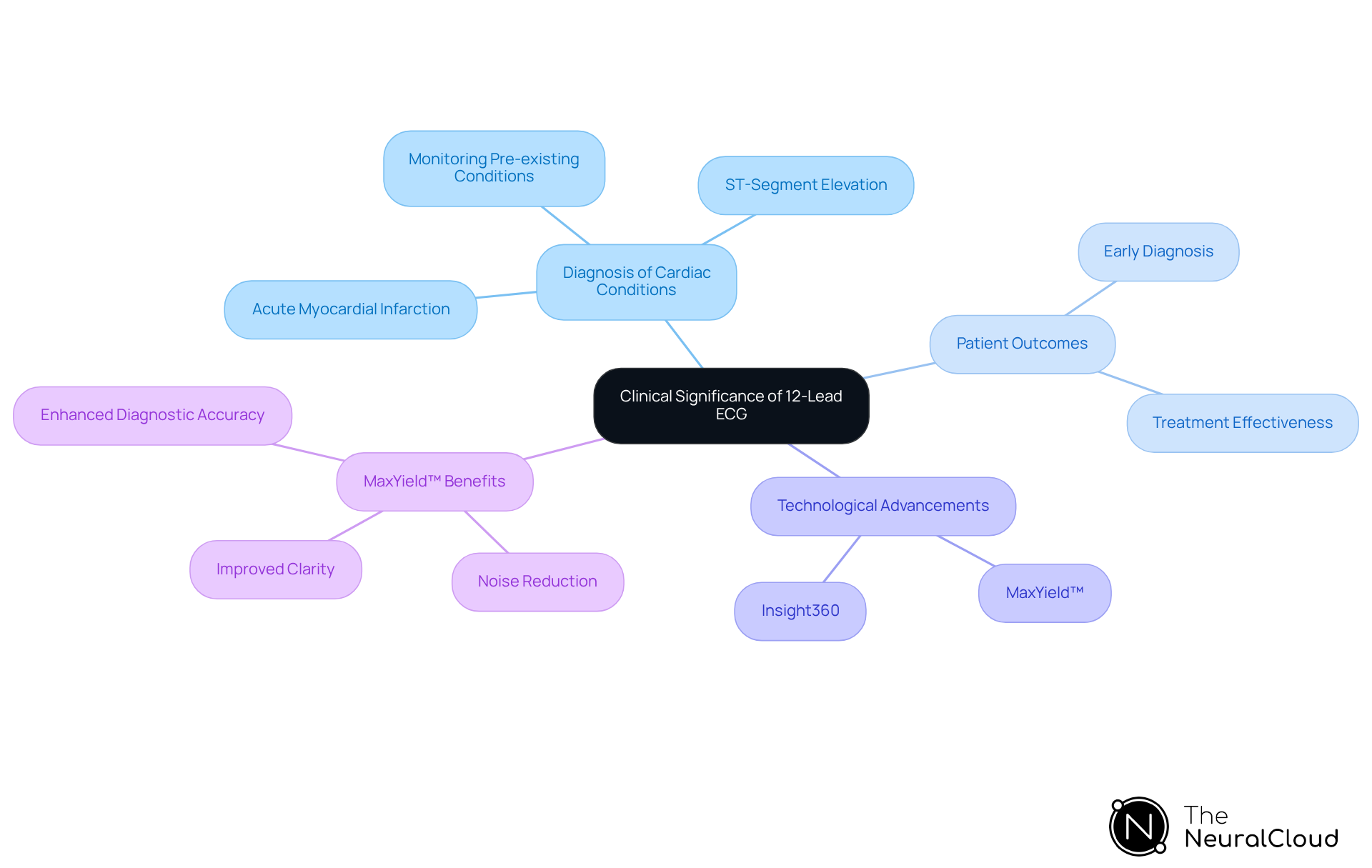
Despite its critical role in diagnosing cardiac conditions, ECG analysis often faces challenges that can hinder effective patient care. The standard ECG is a cornerstone in the diagnosis of acute myocardial infarction (AMI) and other cardiac conditions, providing immediate insights into the heart's electrical activity. This capability enables healthcare providers to make swift decisions in emergency situations. For instance, in cases of chest discomfort, a multi-lead ECG can quickly detect ST-segment elevation, a hallmark of STEMI, which requires immediate action. In Canada, the main reason for obtaining a 12-lead ECG is its association with better patient outcomes, as studies indicate that early diagnosis significantly enhances treatment effectiveness.
Furthermore, the multi-lead ECG is essential for monitoring patients with pre-existing cardiac conditions, allowing for the evaluation of treatment effectiveness and guiding additional diagnostic testing. Its comprehensive view of the heart's electrical activity makes it an indispensable tool in both pre-hospital and hospital settings. Today, nearly 3 million people worldwide are affected by acute myocardial infarction (AMI), with an estimated annual incidence of 605,000 new cases. This underscores the vital role of the ECG in improving patient care and outcomes.
To further enhance ECG data analysis, Neural Cloud Solutions Inc. offers MaxYield™, an advanced automated ECG analysis platform that significantly improves the clarity and efficiency of cardiac diagnostics. MaxYield™ effectively maps ECG signals, filtering out noise and clearly identifying key features in each heartbeat. This is especially useful in noisy environments. Dr. Alan Rabinowitz emphasizes that MaxYield™ rivals human interpretation in precision, while Dr. Brett Heilbron highlights its exceptional noise reduction capabilities. Additionally, Insight360 serves as a customizable visualization and reporting tool that transforms MaxYield’s clean ECG data into interactive dashboards and clinical-ready reports. By utilizing MaxYield™, healthcare providers can enhance diagnostic accuracy, leading to better patient outcomes. Together, the twelve-lead ECG and MaxYield™ are vital tools in the continuous pursuit of better cardiovascular health in Canada.
Trace the Evolution: Historical Context of the 12-Lead ECG
Despite the advancements in ECG technology, challenges in accurate interpretation persist, impacting patient care. The twelve-lead ECG originated in the early 20th century, thanks to Dutch physiologist Willem Einthoven, who developed the first practical electrocardiograph in 1903. His groundbreaking work laid the foundation for modern ECG technology, enabling precise recording of the heart's electrical signals. Over the years, advancements in technology and understanding of cardiac physiology have enhanced the capabilities of the electrocardiogram. The late 20th century saw the introduction of digital ECG machines, which significantly improved the accuracy and accessibility of this vital diagnostic tool. What is the main reason for obtaining a 12-lead ECG is that it serves as the gold standard in cardiac diagnostics. It continues to evolve with innovations like AI-driven analysis and remote monitoring, transforming patient care.
In this context, Neural Cloud Solutions Inc. has emerged as a pioneer in enhancing ECG analysis efficiency through its MaxYield™ platform. By integrating advanced noise filtering and distinct wave recognition, MaxYield™ addresses the challenges of physiological variability and signal artifacts that often hinder traditional ECG interpretation. MaxYield™ can recover hidden sections from long Holter and patch monitor recordings, which is a significant advantage for clinicians and researchers. Furthermore, MaxYield™ is currently pending FDA Class II SaMD clearance, ensuring compliance with regulatory standards.
According to experts like Dr. Alan Rabinowitz and Dr. Brett Heilbron, MaxYield™ matches human interpretation in precision, significantly reducing noise and improving diagnostic accuracy. This revolutionary approach not only streamlines the ECG analysis process but also empowers healthcare professionals with actionable insights, ultimately enhancing patient outcomes. Additionally, the Insight360 tool complements MaxYield™ by transforming clean ECG data into interactive dashboards and clinical-ready reports. As the field of cardiac monitoring continues to evolve, the integration of such innovative technologies will play a crucial role in shaping the future of ECG diagnostics.

Identify Key Components: Understanding the Leads and Their Functions
Understanding the intricacies of the 12-lead ECG is vital for accurate cardiac diagnostics, particularly when considering what is the main reason for obtaining a 12-lead ECG. The 12-lead ECG comprises two main categories of electrodes: limb electrodes and precordial electrodes. Limb electrodes (I, II, III, aVR, aVL, aVF) are obtained from sensors positioned on the arms and legs, offering a perspective of the organ's electrical activity in the frontal plane. These electrodes are crucial for evaluating the overall electrical function of the cardiac system and can signify conditions such as myocardial infarction and arrhythmias. For example, electrodes II, III, and aVF concentrate on the inferior wall, while electrodes I, aVL, and aVR provide insights into the lateral regions of the organ.
In contrast, precordial electrodes (V1 to V6) are placed on the chest and provide a horizontal perspective of the organ's activity. Each precordial electrode captures specific electrical signals, allowing for detailed analysis of the heart's anterior and lateral walls. Leads V1 and V2 primarily assess the anterior wall, while V5 and V6 focus on the lateral wall. Understanding these distinctions is key, as abnormalities can indicate various cardiac conditions.
Statistics show that limb electrodes effectively detect frontal plane abnormalities. In contrast, precordial electrodes are better at identifying issues in the horizontal plane. Clinicians often struggle with the complexities of ECG analysis, which can lead to misdiagnoses. Case studies have demonstrated that misinterpretation of lead placements can lead to diagnostic errors, underscoring the importance of proper electrode positioning and understanding of lead functions in ECG diagnostics.
In Canada, expert opinions emphasize the necessity of mastering the components of the 12-lead ECG for healthcare professionals involved in cardiac care. This knowledge helps ensure accurate diagnoses and improves patient outcomes by clarifying what is the main reason for obtaining a 12-lead ECG through timely interventions. Neural Cloud Solutions Inc.'s MaxYield platform addresses the challenges of physiological variability and signal artifacts through advanced noise reduction and artifact handling, ensuring that healthcare professionals can rely on accurate interpretations. As Dr. Alan Rabinowitz notes, "MaxYield’s precision rivals human interpretation, significantly enhancing diagnostic accuracy." Furthermore, the platform is currently pending FDA Class II SaMD clearance, ensuring compliance with regulatory standards and audit-ready documentation supporting GxP inspections. With the right tools and knowledge, healthcare professionals can significantly enhance their diagnostic capabilities and patient care.

Conclusion
The 12-lead ECG stands as a cornerstone in cardiac diagnostics, yet many healthcare professionals face challenges in its interpretation. Its unparalleled ability to diagnose a wide range of cardiac conditions effectively makes it an essential tool. This tool captures the heart's electrical activity from various angles, playing a vital role in providing timely and accurate patient care. By leveraging advanced technologies like MaxYield from Neural Cloud Solutions Inc., healthcare professionals can enhance the clarity and efficiency of ECG analysis, ultimately leading to improved patient outcomes.
Throughout the article, key insights have been highlighted, including:
- The structure and function of the 12-lead ECG
- Its historical evolution
- The importance of understanding the specific roles of each lead
The integration of innovative platforms such as MaxYield demonstrates how technology can address challenges in ECG interpretation, ensuring that clinicians can make informed decisions swiftly. The evidence presented underscores the necessity of accurate ECG diagnostics in managing cardiovascular diseases, which remain a leading cause of mortality worldwide.
In light of the critical role that 12-lead ECGs play in clinical practice, it is essential for healthcare providers to embrace these advancements and prioritize their use in patient assessments. By adopting these technologies, healthcare providers can improve diagnostic accuracy and foster greater patient trust. As cardiovascular health continues to be a pressing concern, the continuous advancements in ECG technology are crucial for the future of cardiac diagnostics. By investing in tools like MaxYield and fostering a deeper understanding of ECG interpretation, clinicians can significantly enhance their diagnostic capabilities and contribute to better health outcomes for patients across Canada.
Frequently Asked Questions
What is a 12-lead ECG and why is it important?
A 12-lead electrocardiogram (ECG) is a diagnostic tool that records the heart's electrical activity from 12 different viewpoints using 10 electrodes placed on the body. It is crucial for diagnosing various cardiac conditions, including arrhythmias, ischemia, and myocardial infarctions.
How is a 12-lead ECG structured?
A 12-lead ECG consists of six limb leads (I, II, III, aVR, aVL, aVF) and six precordial leads (V1 to V6), providing a comprehensive view of the heart's electrical signals.
What are the diagnostic capabilities of multi-lead ECG machines in Canada?
Multi-lead ECG machines in Canada have a diagnostic accuracy rate of approximately 80% for detecting various cardiac conditions. However, they require regular maintenance and calibration, which incurs ongoing costs for healthcare facilities.
How does MaxYield enhance ECG analysis?
MaxYield, an ECG intelligence layer from Neural Cloud Solutions Inc., improves ECG analysis by capturing recordings from any 1-lead or 3-lead device, transforming noisy recordings into detailed insights, and delivering beat-by-beat analysis in under 5 minutes.
What endorsements support the effectiveness of MaxYield?
Experts such as Dr. Alan Rabinowitz, Dr. Brett Heilbron, and Dr. Marc W. Deyell endorse MaxYield, highlighting its precision in noise reduction and artifact handling, which rivals human interpretation.
What is the significance of obtaining a 12-lead ECG in Canadian cardiovascular care?
Obtaining a 12-lead ECG is significant for early diagnosis and prompt intervention in cardiovascular care, which is critical given that cardiovascular diseases account for over 17 million deaths annually worldwide.
How do ECG machines support continuity in patient care?
ECG machines have data storage capabilities that allow for easy access to previous readings, facilitating comparison and analysis, which is essential for ongoing patient care.
What is the current regulatory status of MaxYield?
MaxYield is currently pending FDA Class II SaMD clearance, ensuring that it complies with regulatory standards for medical devices.
List of Sources
- Define the 12-Lead ECG: An Overview of Its Structure and Function
- theneuralcloud.com (https://theneuralcloud.com/post/comparing-12-lead-ecg-machines-and-portable-devices-for-medical-offices)
- 12 Lead ECG vs Single Lead ECG: The Superior Choice (https://tricog.com/12-lead-ecg-vs-single-lead-ecg?srsltid=AU7gw4WGEoTDladS59Lw-aBlQAcgdsrblViM9515m14rbTin_sL9paEs)
- The ECG: old test, new possibilities - Canadian Journal of Emergency Medicine (https://link.springer.com/article/10.1007/s43678-024-00822-0)
- Assessment of the 12-Lead ECG as a Screening Test for Detection of Cardiovascular Disease in Healthy General Populations of Young People (https://professional.heart.org/en/science-news/assessment-of-the-12-lead-ecg-as-a-screening-test-for-cvd-in-healthy-young-people/top-things-to-know)
- Explore Clinical Significance: Why Obtain a 12-Lead ECG?
- Acute Myocardial Infarction - StatPearls - NCBI Bookshelf (https://ncbi.nlm.nih.gov/books/NBK459269)
- Role of rapid 12-lead electrocardiogram in triage initiatives for ST-elevation myocardial infarction patients self-presenting in emergency departments: a systematic review and meta-analysis (https://academic.oup.com/eurjcn/article/24/6/841/8003625)
- Use and impact of the prehospital 12-lead ECG in the primary PCI era (PHECG2): protocol for a mixed-method study - PMC (https://pmc.ncbi.nlm.nih.gov/articles/PMC6887506)
- The ECG: old test, new possibilities - Canadian Journal of Emergency Medicine (https://link.springer.com/article/10.1007/s43678-024-00822-0)
- Trace the Evolution: Historical Context of the 12-Lead ECG
- HeartBeam Earns FDA Clearance for 12-Lead Synthesis Software for Assessing Arrhythmia (https://dicardiology.com/content/heartbeam-earns-fda-clearance-12-lead-synthesis-software-assessing-arrhythmia)
- FDA clears 12-lead, cable-free home ECG monitoring system (https://cardiovascularbusiness.com/topics/cardiac-imaging/electrocardiography-ecg/fda-clears-12-lead-cable-free-home-ecg-monitoring-system)
- Flashback: The First ECG | Pfizer (https://pfizer.com/news/articles/flashback_the_first_ecg)
- HeartBeam Initiates Pilot Study of First On-Demand 12-Lead ECG Patch to Detect Ischemia Outside the Clinic (https://ir.heartbeam.com/news-events/press-releases/detail/121/heartbeam-initiates-pilot-study-of-first-on-demand-12-lead)
- Einthoven's String Galvanometer: The First Electrocardiograph - PMC (https://pmc.ncbi.nlm.nih.gov/articles/PMC2435435)
- Identify Key Components: Understanding the Leads and Their Functions
- Electrocardiographic Limb Leads Placement and Its Clinical Implication: Two Cases of Electrocardiographic Illustrations - PMC (https://pmc.ncbi.nlm.nih.gov/articles/PMC8415387)
- Electrocardiography - Cardiology - Merck Manual Professional Edition (https://merckmanuals.com/professional/cardiovascular-disorders/cardiovascular-tests-and-procedures/electrocardiography)
- The ECG leads: Electrodes, limb leads, chest (precordial) leads and the 12-Lead ECG (https://ecgwaves.com/articles/ekg-ecg-leads-electrodes-systems-limb-chest-precordial)
- Electrocardiogram - StatPearls - NCBI Bookshelf (https://ncbi.nlm.nih.gov/books/NBK549803)
- PR16: 12-Lead ECG Acquisition (https://handbook.bcehs.ca/clinical-practice-guidelines/pr-clinical-procedure-guide/pr16-12-lead-ecgs/pr16-12-lead-ecg-acquisition)