Introduction
Understanding the complexities of ST-Elevation Myocardial Infarction (STEMI) is crucial, as this serious condition can occur suddenly, often leading to severe consequences. A complete blockage of coronary arteries results in significant heart muscle damage, making it essential to recognize symptoms and respond promptly. This swift action can be the deciding factor between life and death.
However, diagnosing and treating this urgent medical emergency presents several challenges. Healthcare professionals must navigate the intricacies of ECG analysis to identify STEMI accurately. Innovative solutions, such as advanced ECG analysis, can enhance diagnostic capabilities and improve patient outcomes. By leveraging these technologies, medical teams can respond more effectively to this critical situation.
Define STEMI: Understanding ST-Elevation Myocardial Infarction
ST-Elevation Myocardial Infarction, commonly referred to as STEMI, stands for a condition marked by a complete blockage of one or more coronary arteries, resulting in severe myocardial ischemia. This condition is identified through the elevation of the ST segment on an electrocardiogram (ECG), which signals that a portion of the heart muscle is not receiving enough blood. Typically, the blockage arises from the rupture of an atherosclerotic plaque, leading to heart damage. Prompt recognition and intervention for STEMI are crucial, as it is linked to significantly higher morbidity and mortality rates compared to NSTEMI. Recent studies have shown fluctuations in hospitalization rates for STEMI, with a notable rise in cases among young women, underscoring the need for targeted research and enhanced treatment protocols.
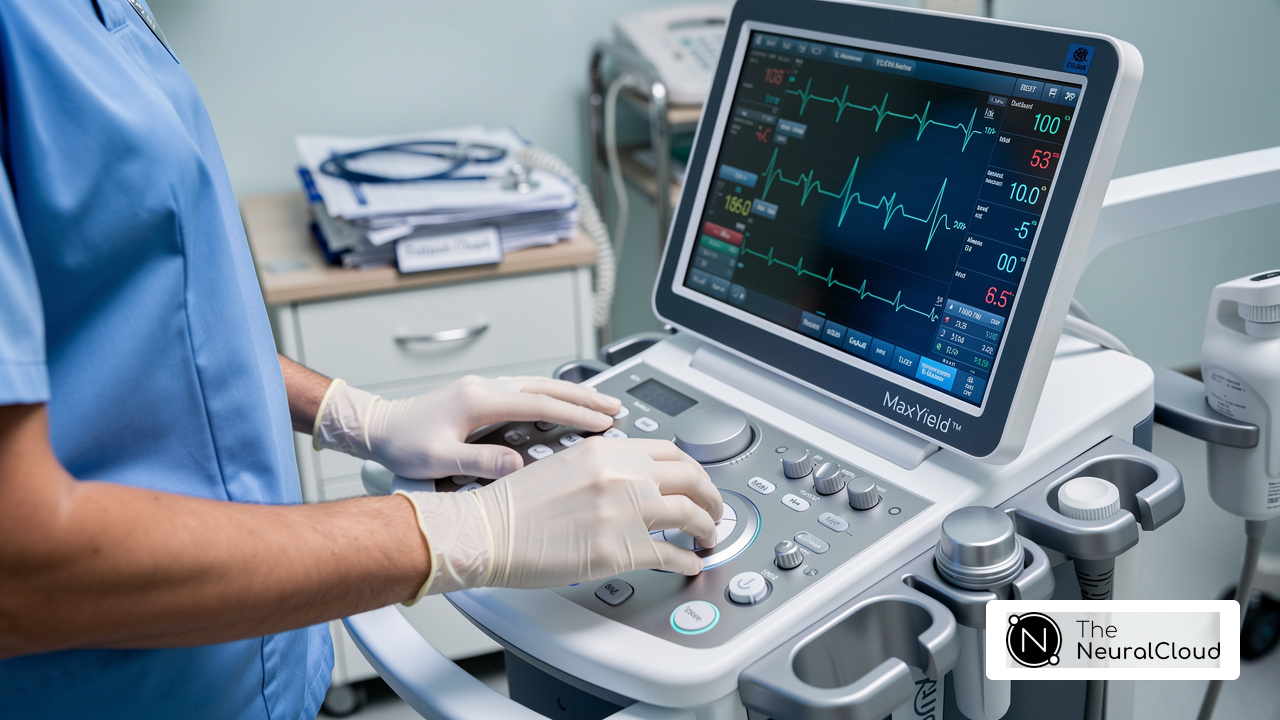
The adjusted odds of in-hospital mortality for patients not treated within recommended time frames highlight the urgency of timely intervention. In this context, the integration of Neural Cloud Solutions' technology can greatly improve the efficiency of ECG analysis. This platform features advanced algorithms and automated labeling, which tackle challenges such as physiological variability and signal artifacts. As a result, critical data is accurately identified and labeled, even in recordings with high noise levels.
The advantages of using MaxYield™ extend beyond just streamlining the ECG interpretation process; it also empowers healthcare professionals to make informed decisions, ultimately enhancing patient outcomes. Expert insights, including those from Harold Dauerman, emphasize the necessity for automatic decision-making in heart attack care, further reinforcing the importance of effectively addressing these challenges.
Key Features of MaxYield™:
- Advanced algorithms to enhance signal clarity.
- Automated labeling for efficient data processing.
- Robust handling of physiological variability and artifacts.
Benefits for Healthcare Professionals:
- Improved accuracy in ECG interpretation.
- Faster decision-making capabilities.
- Enhanced patient care through timely interventions.
Recognize Symptoms: Identifying Signs of STEMI for Timely Intervention
The symptoms of STEMI can vary among individuals, but common indicators include:
- Chest Pain: Often described as pressure, squeezing, or fullness in the center or left side of the chest. This sensation is frequently the most significant sign of a cardiac event.
- Radiating Pain: Discomfort may extend to the shoulders, neck, arms, back, jaw, or stomach, signaling that the heart is under stress.
- Shortness of Breath: This symptom can occur on its own or alongside chest pain, serving as a critical warning sign.
- Other Symptoms: Additional signs may include cold sweats, nausea, lightheadedness, or unusual fatigue, particularly common among women. Research shows that women may experience less typical symptoms, such as back or jaw pain, which can lead to misdiagnosis or delayed treatment.
Awareness is crucial, as statistics reveal that up to 10% of individuals experiencing a heart attack may die within 30 days if not treated swiftly. Current guidelines stress the importance for healthcare professionals to be vigilant in identifying these signs, especially in populations that may present atypically. Real-life examples, like heart attack survivor Cindy McCall, underscore the serious consequences of late diagnosis, highlighting the importance of awareness and prompt action in the presence of potential heart attacks. Prompt intervention is essential, as the gold standard treatment for STEMI, which is percutaneous coronary intervention (PCI), is ideally performed within 90 minutes of initial medical contact.

Diagnose STEMI: Clinical Tests and Evaluation Methods
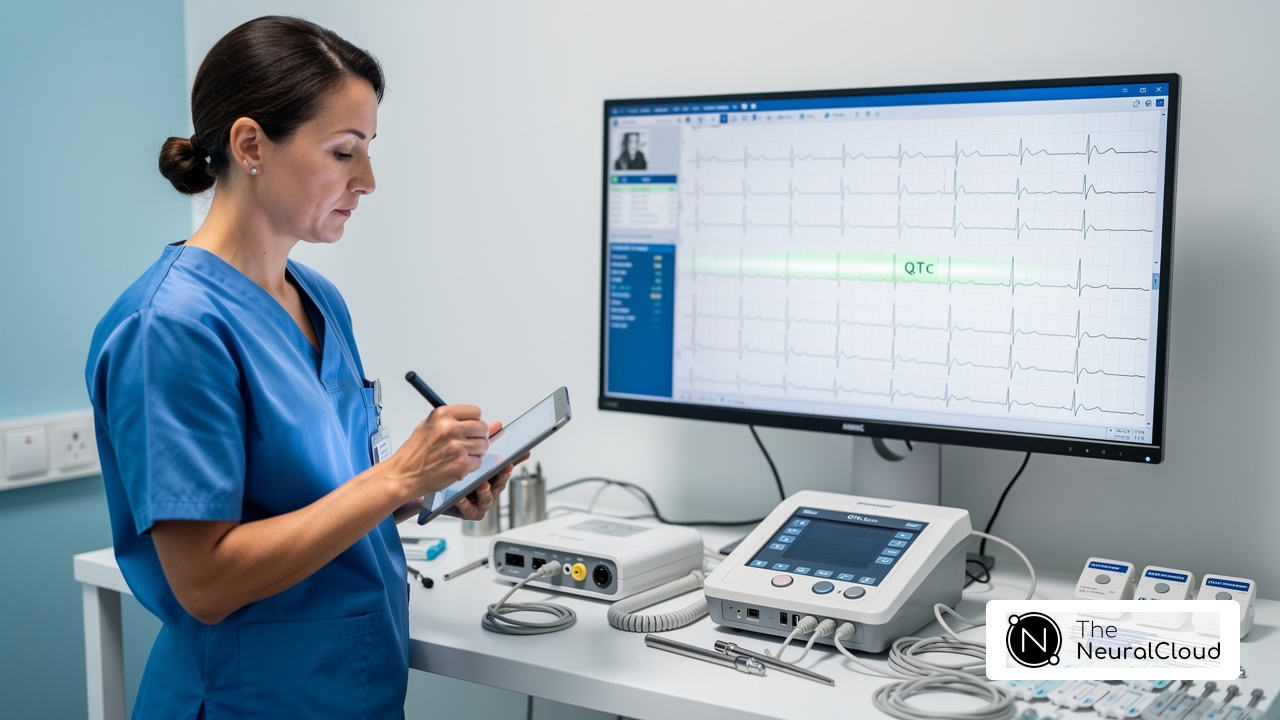
Diagnosing a myocardial infarction presents several challenges, particularly in ECG analysis. The 12-lead electrocardiogram (ECG) is crucial for identifying ST elevation, a key indicator of STEMI. However, traditional ECG analysis can be hindered by noise and artifacts, complicating accurate diagnosis.
Technology addresses these challenges by enhancing ECG analysis through advanced algorithms and distinct wave recognition. This platform effectively filters out recordings affected by baseline wander, movement, and muscle artifacts. As a result, healthcare professionals can achieve accurate identification of critical data, even in challenging conditions, leading to more reliable diagnoses.
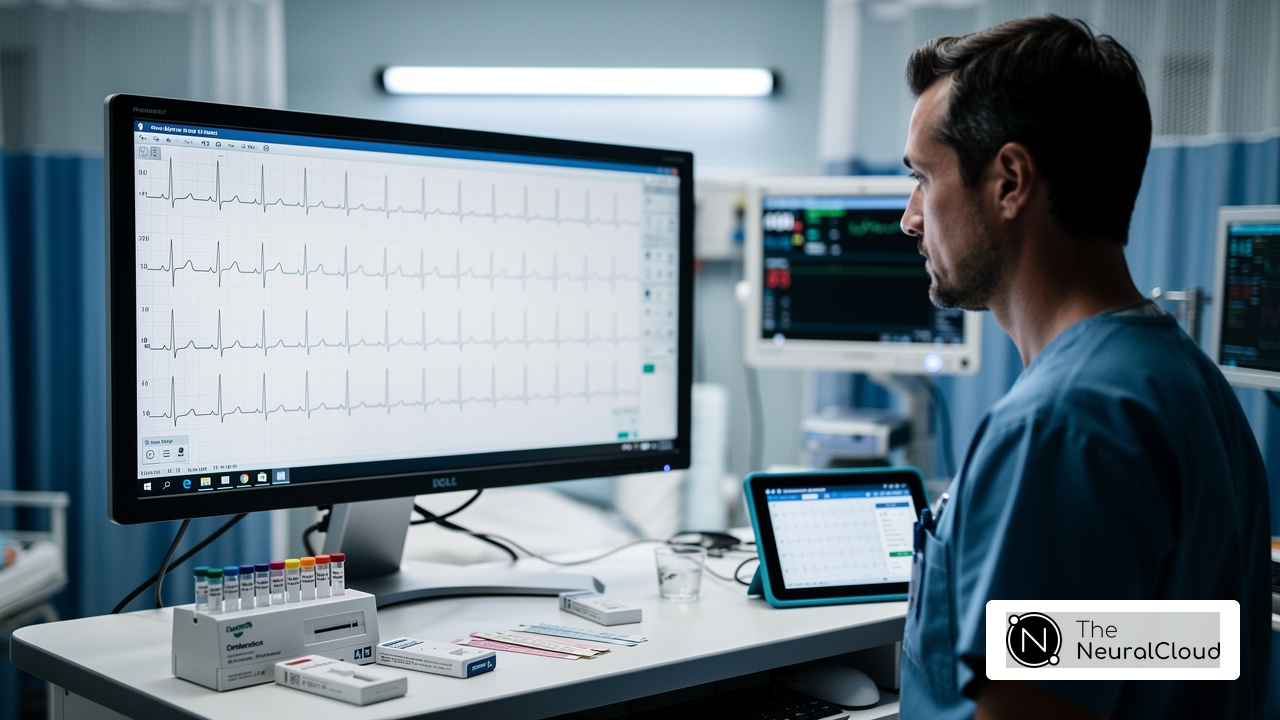
In addition to ECGs, blood tests are essential for confirming myocardial injury. Blood tests measuring troponin levels are particularly significant; elevated troponin indicates damage to the heart muscle and supports the diagnosis of STEMI, which is critical. Recent studies have demonstrated that integrating cardiac biomarker testing with ECG results can significantly improve diagnostic accuracy.
Coronary angiography is another vital imaging technique used to visualize blockages in the coronary arteries, typically performed following an initial diagnosis. This procedure allows for direct evaluation of the coronary anatomy, guiding subsequent decision-making.
A thorough clinical evaluation, including a detailed patient history and physical examination, is essential to correlate symptoms with diagnostic findings. The integration of these techniques guarantees prompt and precise diagnosis, which is crucial for the efficient management and care of patients with STEMI, ultimately enhancing patient outcomes.

Treat STEMI: Overview of Treatment Options and Recovery Strategies
Effective management of STEMI requires prompt intervention, as time is critical to restore blood flow to the heart muscle. The primary treatment options include:
- Percutaneous Coronary Intervention: This minimally invasive procedure involves inserting a catheter to open blocked arteries, often accompanied by stenting to keep arteries open. Recent advancements in PCI techniques, such as drug-eluting stents and quicker stent deployment, have improved the speed and effectiveness of this intervention. The goal is to initiate the procedure within 90 minutes of a patient's arrival at the hospital, as highlighted in the guidelines.
- Thrombolytic Therapy: This treatment aims to dissolve blood clots and is most effective when given within the first few hours after symptoms begin. Timely administration is critical, as delays can worsen heart damage. Research indicates that thrombolytics can significantly reduce mortality rates when administered quickly, underscoring the urgency of care in acute situations.
- Medications: Commonly prescribed medications include antiplatelet agents like aspirin and clopidogrel, beta-blockers, and ACE inhibitors. These medications help manage symptoms and prevent further complications, leading to better outcomes for patients. Dr. Mohamad Taha, an interventional cardiologist, emphasizes, 'Prompt identification and care of STEMI, which stemi stands for, are essential, as every minute is vital in restoring blood flow and reducing cardiac damage.'
- Cardiac Rehabilitation: After treatment, patients are encouraged to engage in rehabilitation programs that focus on lifestyle changes, exercise, and education to promote long-term heart health. Recovery from a heart attack can take several weeks to months, making ongoing follow-up care crucial for monitoring and preventing future cardiac events.
Incorporating these strategies not only improves immediate care but also supports sustained recovery and health management for patients, as evidenced by numerous studies.

Conclusion
ST-Elevation Myocardial Infarction, or STEMI, is a critical medical condition that demands immediate attention due to its severe implications for heart health. Understanding the complexities of STEMI - from its definition and symptoms to diagnosis and treatment - is essential for both healthcare professionals and the general public. Recognizing the urgency of timely intervention can significantly impact patient outcomes and reduce mortality rates associated with this condition.
This article outlines the key aspects of STEMI, including:
- Definition
- Common symptoms
- Diagnostic methods
- Treatment options
Advanced technologies like the MaxYield™ platform enhance ECG analysis, enabling quicker and more accurate diagnoses. This platform features improved data processing and real-time analysis, which allows healthcare providers to make informed decisions swiftly. Recognizing diverse symptoms, particularly in populations such as young women, is crucial for timely medical intervention. Effective treatments, including PCI and thrombolytic therapy, must be administered promptly to restore blood flow and minimize heart damage.
The significance of understanding STEMI extends beyond medical professionals; it calls for increased awareness and education among the public. By recognizing the symptoms and advocating for rapid response to potential heart attacks, lives can be saved. Engaging in discussions about heart health and supporting research into innovative treatment options will contribute to better outcomes for individuals affected by STEMI and enhance overall cardiovascular care.
Frequently Asked Questions
What is STEMI?
STEMI stands for ST-Elevation Myocardial Infarction, a critical cardiac event characterized by a complete blockage of one or more coronary arteries, leading to severe myocardial ischemia. It is identified by the elevation of the ST segment on an electrocardiogram (ECG).
How does STEMI occur?
STEMI typically occurs due to the rupture of an atherosclerotic plaque, resulting in thrombus formation that obstructs blood flow to a portion of the heart muscle.
Why is prompt recognition and intervention for STEMI important?
Prompt recognition and intervention for STEMI are crucial because it is associated with significantly higher morbidity and mortality rates compared to Non-ST-Elevation Myocardial Infarction (NSTEMI). Delays in treatment can lead to worse outcomes.
What recent trends have been observed in STEMI hospitalization rates?
Recent studies have shown fluctuations in hospitalization rates for STEMI, with a notable rise in cases among young women, indicating a need for targeted research and improved treatment protocols.
What is the significance of timely treatment for STEMI patients?
The adjusted odds of in-hospital mortality for patients not treated within recommended time frames highlight the critical importance of a swift medical response to improve survival rates.
How can Neural Cloud Solutions' MaxYield™ platform assist in STEMI cases?
The MaxYield™ platform enhances the efficiency of ECG analysis through advanced noise filtering and automated labeling, allowing for accurate identification of critical data even in recordings with high noise levels.
What are the key features of the MaxYield™ platform?
Key features of MaxYield™ include advanced noise filtering to improve signal clarity, automated labeling for efficient data processing, and robust handling of physiological variability and artifacts.
What benefits does MaxYield™ offer to healthcare professionals?
MaxYield™ provides improved accuracy in ECG interpretation, faster decision-making capabilities, and enhanced patient care through timely interventions.
List of Sources
- Define STEMI: Understanding ST-Elevation Myocardial Infarction
- North American COVID-19 ST-Elevation Myocardial Infarction (STEMI) Research Reveals Impact on Minority Populations, High Mortality and Atypical Symptoms | Minneapolis Heart Institute Foundation (https://mplsheart.org/news/north-american-covid-19-st-elevation-myocardial-infarction-stemi-research-reveals-impact)
- cardiovascularnews.com (https://cardiovascularnews.com/tag/stemi)
- Trends and Outcomes of ST‐Segment–Elevation Myocardial Infarction Among Young Women in the United States | Journal of the American Heart Association (https://ahajournals.org/doi/10.1161/JAHA.122.026811)
- tctmd.com (https://tctmd.com/news/delays-stemi-treatment-remain-common-tied-worse-pci-outcomes)
- Recognize Symptoms: Identifying Signs of STEMI for Timely Intervention
- verywellhealth.com (https://verywellhealth.com/stemi-st-segment-elevation-myocardial-infarction-1746032)
- heartfoundation.org.au (https://heartfoundation.org.au/heart-stories/cindys-journey-with-stemi-heart-spasms)
- STEMI heart attack: Symptoms and more (https://medicalnewstoday.com/articles/stemi-heart-attack)
- STEMI: ST-segment Elevation Myocardial Infarction - The Cardiology Advisor (https://thecardiologyadvisor.com/ddi/stemi-st-elevation-myocardial-infarction)
- nuvancehealth.org (https://nuvancehealth.org/health-tips-and-news/the-journey-of-a-stemi-patient)
- Diagnose STEMI: Clinical Tests and Evaluation Methods
- AI ECG Better Detects Severe Heart Attacks in Emergency Setting - American College of Cardiology (https://acc.org/about-acc/press-releases/2025/10/28/18/55/ai-ecg-better-detects-severe-heart-attacks-in-emergency-setting)
- New study finds AI model improves heart attack detection (https://health.ucdavis.edu/news/headlines/new-study-finds-ai-model-improves-heart-attack-detection/2025/11)
- AI-ECG Finds STEMI Faster, Cuts False-Positive Cath Lab Activations (https://tctmd.com/news/ai-ecg-finds-stemi-faster-cuts-false-positive-cath-lab-activations)
- Artificial intelligence may speed heart attack diagnosis and treatment (https://newsroom.heart.org/news/artificial-intelligence-may-speed-heart-attack-diagnosis-and-treatment)
- Queen of Hearts AI Hits 92% STEMI Accuracy (https://powerfulmedical.com/blog/pmcardio-reports-positive-rct-results-and-late-breaking-clinical-science-for-stemi-detection)
- Treat STEMI: Overview of Treatment Options and Recovery Strategies
- escardio.org (https://escardio.org/news/press/press-releases/New-data-presented-to-guide-the-treatment-of-patients-with-multivessel-coronary-artery-disease)
- phillyvoice.com (https://phillyvoice.com/fast-focused-stemi-care-cath-lab-advances-roxborough-memorial-hospital-05999-14)
- thehindu.com (https://thehindu.com/news/cities/chennai/mmc-study-compares-two-treatment-strategies-for-stemi-in-resource-limited-settings/article70712605.ece)
- jamanetwork.com (https://jamanetwork.com/collections/5847/percutaneous-coronary-intervention)
- ahajournals.org (https://ahajournals.org/doi/10.1161/JAHA.125.041995)