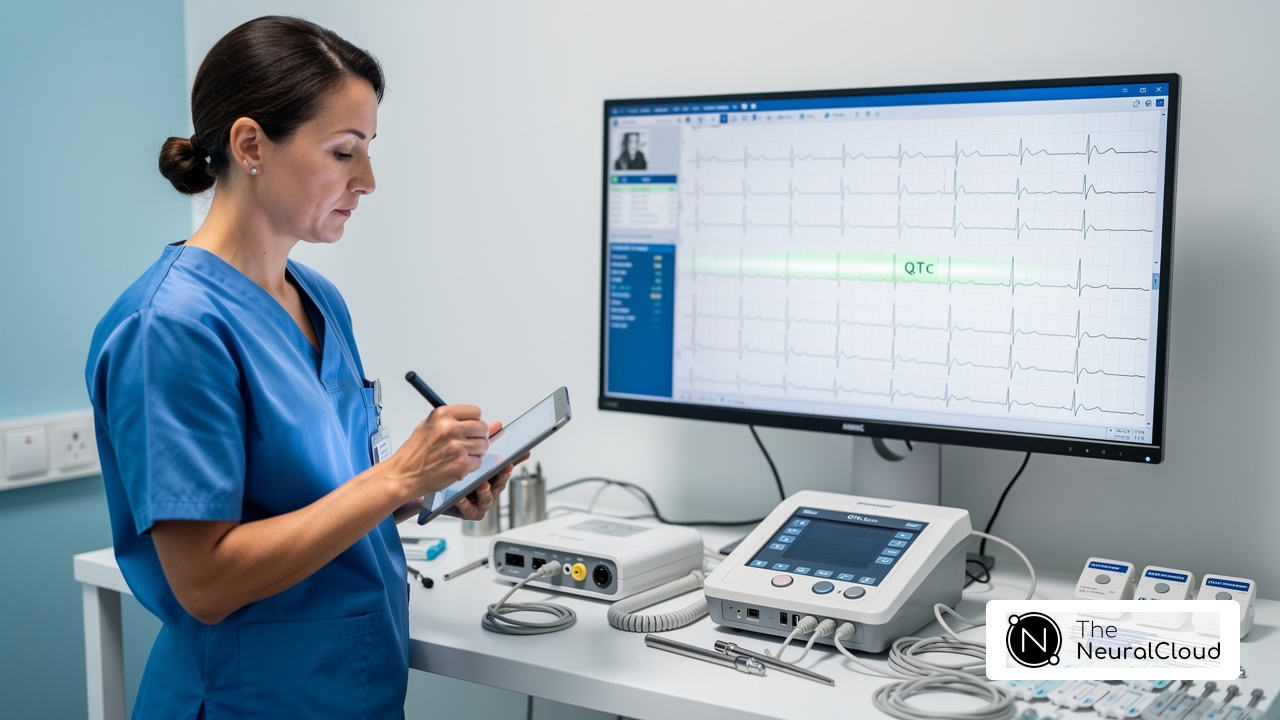
Introduction
Atrial flutter and atrial fibrillation are two distinct heart rhythm disorders that are often confused, each presenting unique challenges for diagnosis and treatment. Understanding their differences is crucial for effective patient management, as misdiagnosis can lead to severe implications. Atrial fibrillation affects a significant portion of the population, making it essential for clinicians to accurately distinguish it from atrial flutter.
This article explores the key differences that healthcare professionals must recognize to ensure optimal care. We will delve into the essential characteristics, symptoms, and treatment approaches for both conditions, providing insights that can enhance clinical decision-making and improve patient outcomes.
Distinguish Atrial Flutter from Atrial Fibrillation
Atrial tachycardia (AFl) and heart rhythm disturbance (AFib) are both arrhythmias affecting the heart's upper chambers, which raises the question: is atrial flutter the same as AFib, even though they exhibit distinct characteristics, often resulting in a clear pattern on an ECG. In contrast, heart fibrillation features chaotic and irregular electrical impulses, leading to an uncoordinated heartbeat. This distinction is crucial for clinicians, as it directly influences patient management and treatment strategies.
Prevalence rates highlight the significance of these conditions; AFib affects approximately 1 in 45 individuals in the UK, while atrial flutter is less common, impacting about 1 in 1,000 people. Real-world ECG analysis indicates that although both conditions can result in a resting heart rate exceeding 100 beats per minute, the structured rhythm of heart rhythm disturbance is often more easily recognized on an ECG compared to the chaotic pattern seen in atrial flutter, leading to the question of whether is atrial flutter the same as AFib.
Recent studies underscore the importance of anticoagulation therapy to reduce stroke risk. For instance, catheter ablation effectively targeting the irregular electrical pathways. The integration of neural cloud solutions enhances ECG analysis through automated labeling and noise reduction, aiding in the differentiation between heart rhythm disturbances and AFib. Cardiologists emphasize the necessity for accurate differentiation between these two arrhythmias, particularly in answering whether is atrial flutter the same as AFib, as misdiagnosis can lead to inappropriate treatment. Understanding these distinctions not only supports clinical decision-making but also improves patient outcomes by ensuring timely and appropriate interventions.
Identify Symptoms of Atrial Flutter and AFib
Atrial Flutter often present as palpitations and a rapid heartbeat, and may also include dizziness or shortness of breath. In contrast, Atrial Fibrillation can exhibit additional symptoms such as fatigue, chest pain, and a sensation of lightheadedness. While both conditions share overlapping symptoms, Atrial Fibrillation is more likely to lead to complications due to its chaotic electrical activity.
Notably, about 27% of individuals with Atrial Flutter may not experience any symptoms, which complicates diagnosis. In comparison, roughly half of those with Atrial Fibrillation experience symptoms within three years. This highlights the significance of identifying these symptoms for prompt intervention and effective management.
Recent insights from cardiologists emphasize that understanding the nuances of these symptoms is crucial for developing appropriate treatment strategies.

Explore Causes of Atrial Flutter and Atrial Fibrillation
can arise from various factors, such as lifestyle choices, hypertension, and certain medications. In contrast, atrial fibrillation is often linked to age, obesity, and underlying heart conditions. Both conditions share common risk factors, including family history and high blood pressure, which are crucial for understanding their prevalence. Recent studies show that the likelihood of developing atrial flutter increases with age, especially for individuals over 65, and it is quite rare in children. Additionally, certain health conditions significantly heighten the risk for both conditions.
Notably, losing even 10% of body weight can lower the risk of atrial fibrillation, providing practical guidance for those at risk. Real-world triggers for atrial flutter include:
- Emotional stress
- Panic disorders
- Excessive alcohol consumption
- Sleep apnea, which is strongly correlated with the development of heart rhythm issues.
Current research underscores the connection between obesity and these arrhythmias, highlighting the importance for clinicians to recognize these risk factors. This awareness is essential for developing effective treatment plans.

Compare Treatment Approaches for Atrial Flutter and AFib
Treatment approaches for atrial flutter typically involve a combination of medications, cardioversion, and catheter ablation. In contrast, managing AFib, which affects over 10 million Americans, often necessitates the use of anticoagulants to mitigate stroke risk, alongside medications aimed at rhythm or rate control. Untreated AFib can lead to serious complications, highlighting the critical need for effective management. While both conditions can be treated through similar therapeutic methods, the choice of treatment is influenced by the patient's overall health and the specific characteristics of the arrhythmia, raising the question of whether atrial flutter is the same as AFib.
Current guidelines emphasize the importance of patient education in managing both conditions, indicating a shift towards proactive care. For instance, catheter ablation has emerged as a highly effective treatment option, often preferred over medications for persistent cases due to its ability to restore normal rhythm. This procedure has become more streamlined and quicker over the years, typically lasting one to two hours, with many patients able to return home the same day. This underscores the advancements in the effectiveness of treatments.
Real-world examples demonstrate the efficacy of medications for both conditions. For atrial tachycardia, antiarrhythmics can successfully restore normal rhythm in many patients. Conversely, managing AFib often requires a comprehensive approach, including essential lifestyle changes, which are crucial regardless of the severity of the condition, and adherence to anticoagulant treatment to prevent complications such as stroke. As our understanding of these arrhythmias continues to evolve, so do the treatment protocols, ensuring healthcare providers can deliver the most effective care tailored to individual patient needs.

Assess Complications of Atrial Flutter vs. AFib
It is important to understand whether atrial flutter is the same as atrial fibrillation, as both conditions pose significant risks, including stroke, heart failure, and other complications. Atrial fibrillation, in particular, is linked to a higher occurrence of thromboembolic events due to its irregular heartbeat, which can lead to inconsistent blood flow and increased clot formation. Recent statistics show that at least 2.7 million individuals in the United States are affected by atrial fibrillation, highlighting its prevalence and associated dangers. While atrial flutter also carries risks, the complications can still be severe, including heart disease and decreased exercise tolerance. Understanding the differences is crucial for healthcare providers, as it informs the development of targeted preventive measures and treatment strategies tailored to each condition.
Real-world examples illustrate that individuals with atrial fibrillation face a higher likelihood of experiencing strokes, emphasizing the need for careful observation and management of this arrhythmia. By identifying the unique risks associated with atrial flutter and atrial fibrillation, healthcare professionals can allocate resources more effectively and implement successful measures to mitigate these significant health threats.
The neural cloud solution, integrated with wearable technology, enhances ECG analysis efficiency through automated labeling and data extraction. This innovation simplifies the process and addresses challenges such as physiological variability and signal artifacts, leading to more accurate evaluations of conditions like atrial flutter and atrial fibrillation. Key features of the neural cloud solution include:
- Efficient data extraction processes
These features translate into several advantages for healthcare professionals:
- Reduced operational costs
- Time savings through automation of labor-intensive tasks
- Increased focus on critical decision-making and patient care
By adopting the neural cloud solution, healthcare providers can streamline their ECG analysis processes, ultimately improving patient outcomes and enhancing the quality of care.
Review Diagnostic Techniques for Atrial Flutter and AFib
The electrocardiogram (ECG) serves as the primary diagnostic tool for atrial flutter and atrial fibrillation, effectively capturing the heart's electrical activity. Alongside ECG, healthcare professionals may employ:
- Holter monitoring
- Echocardiography
- Event recorders
to confirm diagnoses and guide treatment strategies. Event recorders, in particular, offer valuable insights, enabling the detection of arrhythmias that might not be apparent during a standard ECG.
Recent studies underscore the accuracy of ECG in diagnosing these conditions, revealing a significant 93.4% diagnostic agreement between advanced ECG software and traditional 12-lead ECG readings. However, misunderstandings can arise; for instance, 57% of misconceptions were associated with heart rhythm issues, emphasizing the need for thorough examination and the integration of advanced technology to mitigate such errors.
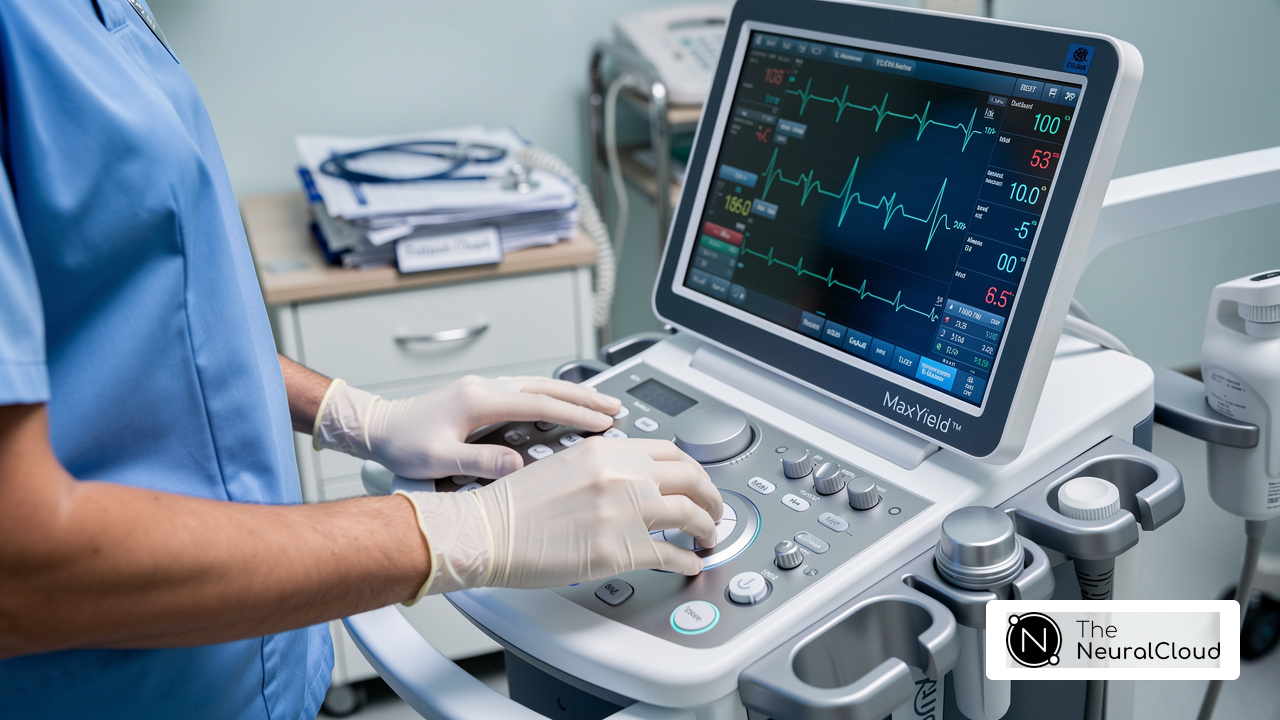
Current best practices highlight the necessity of incorporating advanced solutions, such as Neural Cloud Solutions' MaxYield™. This platform enhances analysis, mapping signals through noise, isolating, and labeling key features in every heartbeat. MaxYield™ delivers beat-by-beat analysis of 200,000 heartbeats in under 5 minutes, significantly improving diagnostic accuracy while streamlining workflows. This allows clinicians to concentrate on critical decision-making.
Healthcare technology developers should explore how to integrate solutions like MaxYield™ into existing systems and provide training for healthcare professionals on accurately interpreting ECG data. As advancements in ECG technology continue to progress, they hold the potential to enhance the detection and management of arrhythmias, ultimately leading to improved outcomes for patients.

Examine Lifestyle Factors Affecting Atrial Flutter and AFib
significantly impact the management of atrial flutter, including AFib. Lifestyle changes are essential strategies. Moreover, these changes can help reduce the frequency and severity of symptoms. Educating individuals about these lifestyle elements is crucial for patients, empowering them to take control of their health.

Investigate Progression from Atrial Flutter to AFib
presents several challenges, particularly when it comes to accurately interpreting data. Conditions like atrial flutter can progress to fibrillation if not properly managed, raising the question of whether atrial flutter is the same as afib, with studies showing that around 30-50% of individuals with atrial flutter may eventually develop AFib. Patient education is vital for clinicians, as it allows for effective management strategies and patient supervision.
The solution from Neural Cloud Solutions addresses these challenges by enhancing efficiency. Key features include:
- Data extraction
These features help tackle issues such as physiological variability and signal artifacts. This means that healthcare providers can rely on precise and dependable data, ultimately leading to improved health outcomes.
By integrating with the healthcare system, clinicians can streamline their workflow and focus on patient care. The advantages of using MaxYield™ are clear: it not only simplifies the analysis process but also empowers healthcare professionals with the tools they need to make informed decisions. This results in better patient care and outcomes, making it an invaluable asset in modern healthcare.

Emphasize Patient Education on Atrial Flutter and AFib
plays a crucial role in effectively managing both atrial flutter and AFib. By providing individuals with information about their condition, treatment options, and necessary lifestyle changes, they can actively participate in their care and enhance understanding and adherence to treatment plans. Notably, research shows that over 15% of strokes can be linked to atrial fibrillation, underscoring the importance of following treatment plans to mitigate these risks.
Current strategies for educating individuals include brochures, workshops, and digital tools that simplify complex medical information. For instance, educational workshops offer interactive learning experiences, allowing individuals to ask questions and engage directly with healthcare professionals. Digital health tools, like mobile applications and smartwatches, provide personalized reminders for medication and lifestyle changes, while also monitoring treatment effectiveness for those diagnosed with atrial flutter, thereby improving adherence.
Real-world examples highlight the effectiveness of these educational strategies. Programs that integrate lifestyle interventions, such as exercise and diet modifications, have demonstrated significant improvements in managing symptoms. Additionally, support groups foster a sense of community among individuals, reducing feelings of isolation and anxiety related to their conditions.
The impact of education on individual outcomes is substantial. Research indicates that individuals who receive thorough education about their arrhythmias experience fewer complications and an enhanced quality of life. By prioritizing patient education and employing a multidisciplinary approach to arrhythmia treatment, healthcare providers can significantly improve the management of heart rhythm issues, ultimately leading to better health outcomes.
Utilize Neural Cloud Solutions for Accurate ECG Analysis of Atrial Flutter and AFib
ECG analysis presents several challenges, particularly in accurately diagnosing arrhythmias. Traditional methods often require extensive manual interpretation, which can lead to inefficiencies and potential errors. Neural Cloud Solutions addresses these issues by revolutionizing the ECG analysis process.
MaxYield™ automates the labeling of ECG waveforms and employs advanced techniques. This automation allows healthcare professionals to focus on patient care rather than getting bogged down in manual data interpretation. As a result, workflows are streamlined, and diagnostic yield is enhanced, leading to improved outcomes for patients.
Key features of MaxYield™ include:
- Automation: Reduces the time spent on manual tasks.
- Clarity: Ensures clearer data for analysis.
- Rapid processing: Analyzes over 200,000 heartbeats in under five minutes.
These features translate into significant advantages for healthcare providers. Recent studies indicate that using similar techniques can improve diagnostic accuracy, raising the question of whether efficiency can be increased by approximately 18% compared to traditional methods. In a trial, 19.6% of individuals in the monitoring group experienced AF, compared to just 1.7% in the standard care group. This highlights the platform's effectiveness in identifying critical data, even in recordings with high noise levels.
Moreover, MaxYield™ continuously evolves its adaptive algorithm with each use, enhancing its accuracy and efficiency over time. Real-world applications have underscored the importance of recognizing specific EKG patterns associated with AF, such as irregular rhythms and absent P waves. By improving the identification of these patterns, MaxYield™ ultimately enhances overall patient care.

Conclusion
Atrial flutter and atrial fibrillation are both arrhythmias that affect the heart, yet they exhibit distinct characteristics crucial for accurate diagnosis and treatment. Understanding these differences is essential for healthcare providers, as it directly influences patient management strategies and outcomes. The organized electrical activity seen in atrial flutter sharply contrasts with the chaotic impulses of atrial fibrillation, highlighting the need for precise differentiation.
Key points include prevalence rates, symptoms, causes, treatment approaches, and complications associated with both conditions. Atrial fibrillation is more common and carries a higher risk for severe complications, such as stroke, while atrial flutter, though less frequent, can progress to fibrillation if not managed properly. Early diagnosis is vital, and advanced technologies like the MaxYield™ platform play a significant role in enhancing ECG analysis, demonstrating how these innovations can lead to improved patient care.
Raising awareness about the distinctions between atrial flutter and atrial fibrillation is crucial for both healthcare professionals and patients. By prioritizing education and integrating advanced diagnostic tools, the healthcare community can enhance management strategies, reduce complications, and improve the quality of life for those affected by these arrhythmias. Empowering patients with knowledge about their conditions and treatment options encourages active participation in their health management, paving the way for more effective outcomes.
Frequently Asked Questions
What is the difference between atrial flutter and atrial fibrillation?
Atrial flutter is characterized by rapid, organized electrical activity and often shows a 'sawtooth' pattern on an ECG, while atrial fibrillation features chaotic and irregular electrical impulses, leading to an uncoordinated heartbeat.
How common are atrial flutter and atrial fibrillation?
Atrial fibrillation affects approximately 1 in 45 individuals in the UK, whereas atrial flutter is less common, impacting about 1 in 1,000 people.
What are the symptoms of atrial flutter?
Symptoms of atrial flutter often include palpitations, a rapid heartbeat, dizziness, and shortness of breath.
What symptoms are associated with atrial fibrillation?
Atrial fibrillation may present additional symptoms such as fatigue, chest pain, and a sensation of irregular heartbeats. Notably, about 27% of individuals with atrial fibrillation may not experience any symptoms.
What are the causes of atrial flutter?
Atrial flutter can arise from factors such as heart disease, hypertension, and certain medications.
What causes atrial fibrillation?
Atrial fibrillation is often linked to age, obesity, and underlying heart conditions, with common risk factors including high blood pressure and coronary artery disease.
What lifestyle factors increase the risk of atrial flutter and atrial fibrillation?
Lifestyle factors such as obesity and inactivity significantly heighten the risk for both conditions.
How can weight loss affect the risk of atrial fibrillation?
Losing even 10% of body weight can lower the risk of developing atrial fibrillation.
What are some real-world triggers for heart rhythm disturbances?
Triggers include emotional stress, panic disorders, excessive alcohol consumption, and sleep apnea.
Why is early diagnosis important for atrial flutter and atrial fibrillation?
Early diagnosis is crucial to reduce stroke risk and allows for timely and appropriate treatment interventions.
List of Sources
- Distinguish Atrial Flutter from Atrial Fibrillation
- New AFib diagnosis? Here’s some help to clear any confusion (https://heart.org/en/news/2025/09/23/new-afib-diagnosis-heres-some-help-to-clear-any-confusion)
- bhf.org.uk (https://bhf.org.uk/informationsupport/heart-matters-magazine/medical/ask-the-experts/atrial-flutter-vs-atrial-fibrillation)
- pmc.ncbi.nlm.nih.gov (https://pmc.ncbi.nlm.nih.gov/articles/PMC12326374)
- newsroom.heart.org (https://newsroom.heart.org/news/ablation-reduces-stroke-risk-for-afib-and-may-remove-need-for-some-types-of-blood-thinners)
- uchicagomedicine.org (https://uchicagomedicine.org/forefront/heart-and-vascular-articles/2017/may/atrial-fibrillation-vs-atrial-flutter-understanding)
- Identify Symptoms of Atrial Flutter and AFib
- New AFib diagnosis? Here’s some help to clear any confusion (https://heart.org/en/news/2025/09/23/new-afib-diagnosis-heres-some-help-to-clear-any-confusion)
- Atrial flutter - Symptoms and causes (https://mayoclinic.org/diseases-conditions/atrial-flutter/symptoms-causes/syc-20352586)
- New research finds 62% of AFib patients were unaware of the condition before diagnosis (https://newsroom.heart.org/news/new-research-finds-62-of-afib-patients-were-unaware-of-the-condition-before-diagnosis)
- jnj.com (https://jnj.com/innovation/5-things-we-now-know-about-atrial-fibrillation)
- Explore Causes of Atrial Flutter and Atrial Fibrillation
- Who Is at Risk for Atrial Fibrillation? (https://heart.org/en/health-topics/atrial-fibrillation/who-is-at-risk-for-atrial-fibrillation-af-or-afib)
- cell.com (https://cell.com/heliyon/fulltext/S2405-8440(24)00083-5)
- Causes and Risk Factors (https://nhlbi.nih.gov/health/atrial-fibrillation/causes)
- Compare Treatment Approaches for Atrial Flutter and AFib
- northwell.edu (https://northwell.edu/news/insights/afib-treatment-what-heart-doctors-need-you-to-know)
- newsroom.heart.org (https://newsroom.heart.org/news/ablation-reduces-stroke-risk-for-afib-and-may-remove-need-for-some-types-of-blood-thinners)
- New AFib diagnosis? Here’s some help to clear any confusion (https://heart.org/en/news/2025/09/23/new-afib-diagnosis-heres-some-help-to-clear-any-confusion)
- mplsheart.org (https://mplsheart.org/news/treatment-atrial-fibrillation-advancing-rapidly)
- Assess Complications of Atrial Flutter vs. AFib
- newsroom.heart.org (https://newsroom.heart.org/news/ablation-reduces-stroke-risk-for-afib-and-may-remove-need-for-some-types-of-blood-thinners)
- medicalnewstoday.com (https://medicalnewstoday.com/articles/afib-flutter)
- frontiersin.org (https://frontiersin.org/journals/cardiovascular-medicine/articles/10.3389/fcvm.2025.1585980/full)
- Review Diagnostic Techniques for Atrial Flutter and AFib
- New AFib diagnosis? Here’s some help to clear any confusion (https://heart.org/en/news/2025/09/23/new-afib-diagnosis-heres-some-help-to-clear-any-confusion)
- FDA clears HeartBeam’s at-home arrhythmia assessment tool (https://medicaldevice-network.com/news/fda-clears-heartbeam-at-home-arrhythmia-assessment-tool)
- pubmed.ncbi.nlm.nih.gov (https://pubmed.ncbi.nlm.nih.gov/20881756)
- Examine Lifestyle Factors Affecting Atrial Flutter and AFib
- Lifestyle Strategies for Atrial Fibrillation (https://heart.org/en/health-topics/atrial-fibrillation/treatment-and-prevention-of-atrial-fibrillation/lifestyle-strategies-for-afib)
- apnews.com (https://apnews.com/article/what-is-atrial-fibrillation-afib-68365b1f1cfc17bf4363f6ca0180daed)
- Emphasize Patient Education on Atrial Flutter and AFib
- New AFib diagnosis? Here’s some help to clear any confusion (https://heart.org/en/news/2025/09/23/new-afib-diagnosis-heres-some-help-to-clear-any-confusion)
- northwell.edu (https://northwell.edu/news/insights/afib-treatment-what-heart-doctors-need-you-to-know)
- How Innovation and Technology Can Improve Atrial Fibrillation Patient Care - InventUM (https://news.med.miami.edu/how-innovation-and-technology-can-improve-atrial-fibrillation-patient-care)
- apnews.com (https://apnews.com/article/what-is-atrial-fibrillation-afib-68365b1f1cfc17bf4363f6ca0180daed)
- studocu.com (https://studocu.com/en-us/document/california-state-university-fullerton/integrated-pathophysiology-and-pharmacology/a-fib-case-study-case-stsudy-about-afib/61151533)
- Utilize Neural Cloud Solutions for Accurate ECG Analysis of Atrial Flutter and AFib
- theneuralcloud.com (https://theneuralcloud.com/post/master-heart-arrhythmia-ecg-analysis-with-max-yield-tm-techniques)
- theneuralcloud.com (https://theneuralcloud.com/post/master-atrial-fibrillation-ekg-analysis-with-max-yield-tm-techniques)
- gurufocus.com (https://gurufocus.com/news/2904189/aiml-subsidiary-neural-cloud-signs-loi-with-circular-health-to-license-maxyieldtm-ecg-signal-processing?mobile=true)
- theneuralcloud.com (https://theneuralcloud.com/post/4-key-insights-on-continuous-ecg-monitoring-devices-for-developers)