Introduction
Understanding the complexities of Supraventricular Tachycardia (SVT) alongside Left Bundle Branch Block (LBBB) is essential for healthcare professionals dedicated to delivering effective patient care. ECG analysis presents numerous challenges, particularly in differentiating SVT from ventricular tachycardia. The MaxYield™ platform emerges as a powerful tool in this context, revolutionizing the way ECGs are analyzed.
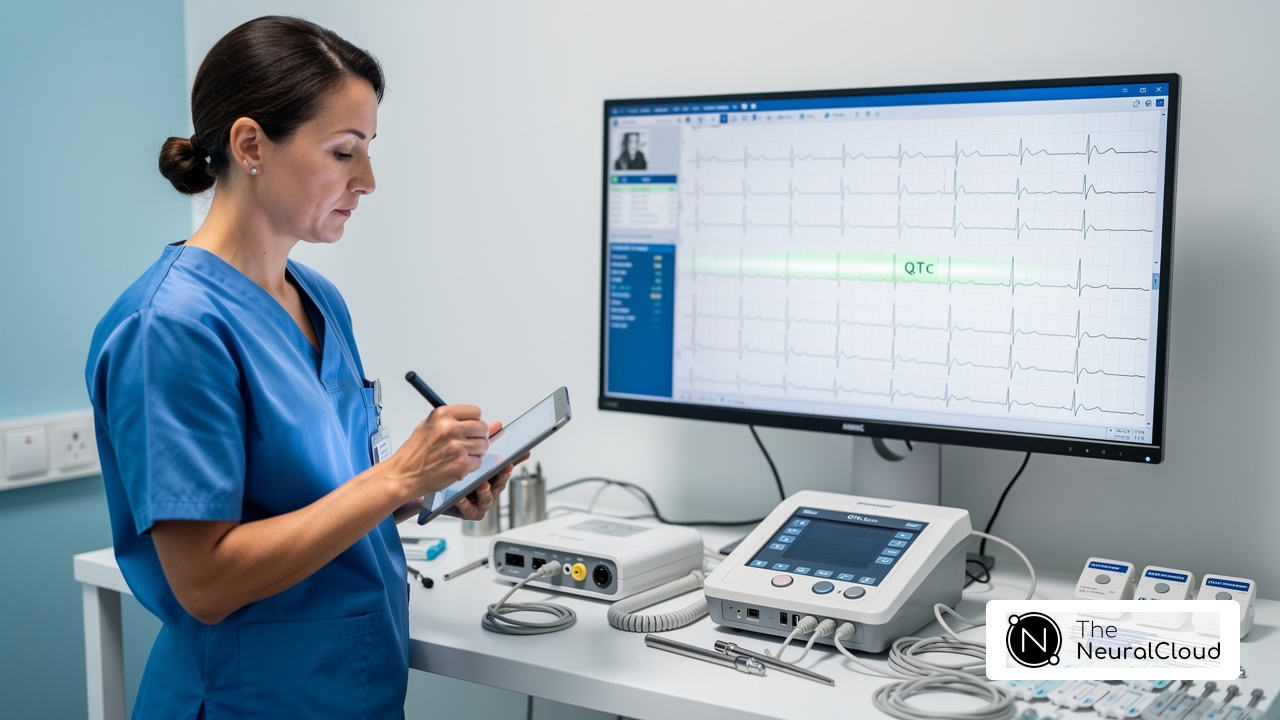
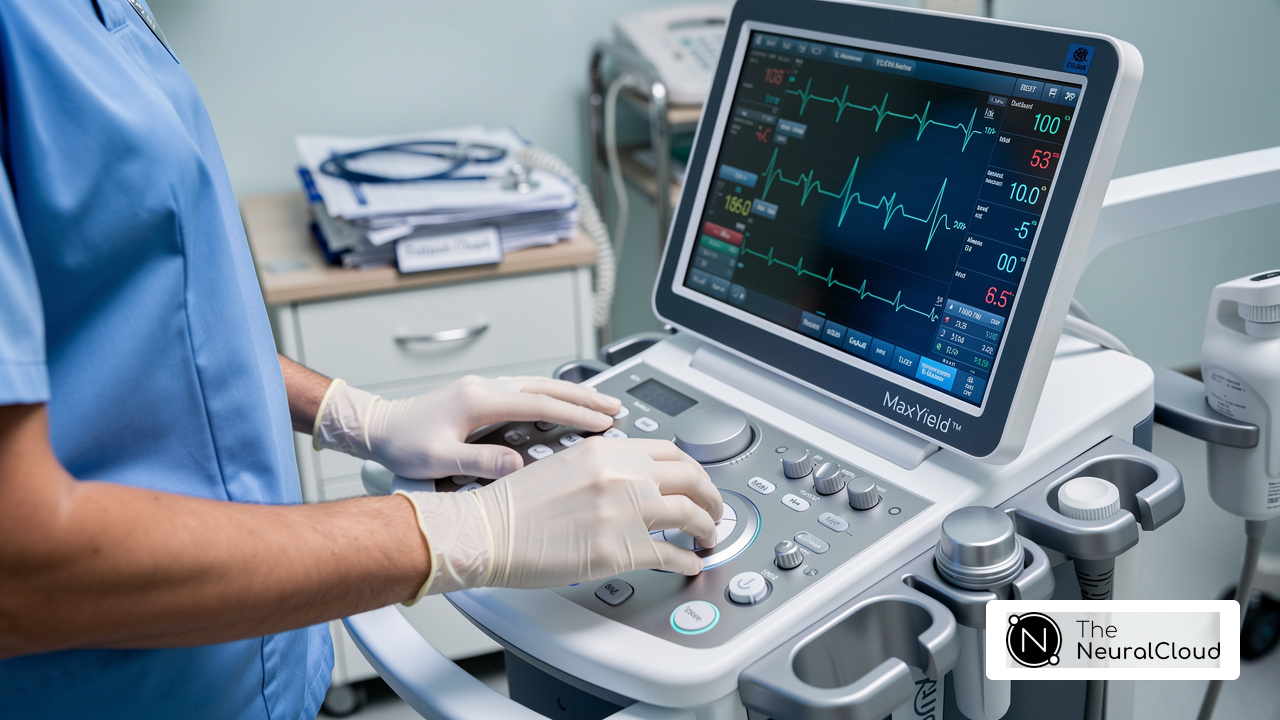
This innovative platform offers advanced features that enhance diagnostic clarity and efficiency. By leveraging cutting-edge technology, MaxYield™ streamlines the ECG analysis process, allowing practitioners to identify critical patterns with greater accuracy. The platform's user-friendly interface ensures that healthcare professionals can easily navigate its functionalities, making it accessible for both seasoned experts and those less familiar with advanced ECG interpretation.
The advantages of utilizing the MaxYield™ platform are significant. Enhanced diagnostic accuracy leads to improved patient outcomes, as timely and precise identification of conditions like SVT and LBBB can facilitate appropriate treatment strategies. Furthermore, the platform's ability to provide real-time data analysis empowers healthcare providers to make informed decisions swiftly, ultimately benefiting patient care in clinical settings.
In summary, the MaxYield™ platform not only addresses the complexities of ECG analysis but also equips healthcare professionals with the tools necessary to enhance their diagnostic capabilities. By integrating this technology into their practice, practitioners can navigate the intricacies of cardiac conditions more effectively, ensuring better care for their patients.
Define Supraventricular Tachycardia and Left Bundle Branch Block
with LBBB includes various rapid heart rhythms that start above the ventricles, typically presenting with a heart rate over 100 beats per minute. Common types of SVT with LBBB include atrial fibrillation and atrial flutter, each characterized by unique features. In contrast, left bundle branch block occurs when there's a delay or blockage in the electrical impulses traveling through the left bundle branch of the heart's conduction system. This condition can be identified on an electrocardiogram (ECG) by a characteristic widening of the QRS complex, complicating the interpretation of cardiac rhythms.
Understanding these conditions is crucial for accurate diagnosis and effective treatment planning, particularly with technologies like the advanced ECG platform. This platform enhances ECG analysis efficiency by utilizing advanced noise filtering and distinct wave recognition. It allows healthcare professionals to quickly isolate critical data, even in recordings affected by significant interference. Additionally, the continuous learning model of the system ensures that the algorithm improves with each use, enhancing diagnostic accuracy and efficiency over time.
As Dr. Pugazhendhi Vijayaraman notes, "While these results are promising, ongoing large randomized controlled trials will offer further insights into the long-term benefits of advanced ECG technology." This highlights the importance of precise diagnosis and management strategies. Incorporating insights from studies like the I-CLAS study, which showed better outcomes with advanced pacing compared to biventricular pacing, further emphasizes the clinical relevance of these conditions.

Differentiate SVT with LBBB from Ventricular Tachycardia
presents significant challenges in diagnosis. Typically, SVT is characterized by a narrow QRS complex, while the presence of LBBB results in a wider QRS complex. Key indicators for differentiation include the presence of P waves and the morphology of the QRS complexes. For instance, the presence of P waves suggests SVT, whereas the presence of LBBB morphology strongly suggests VT.
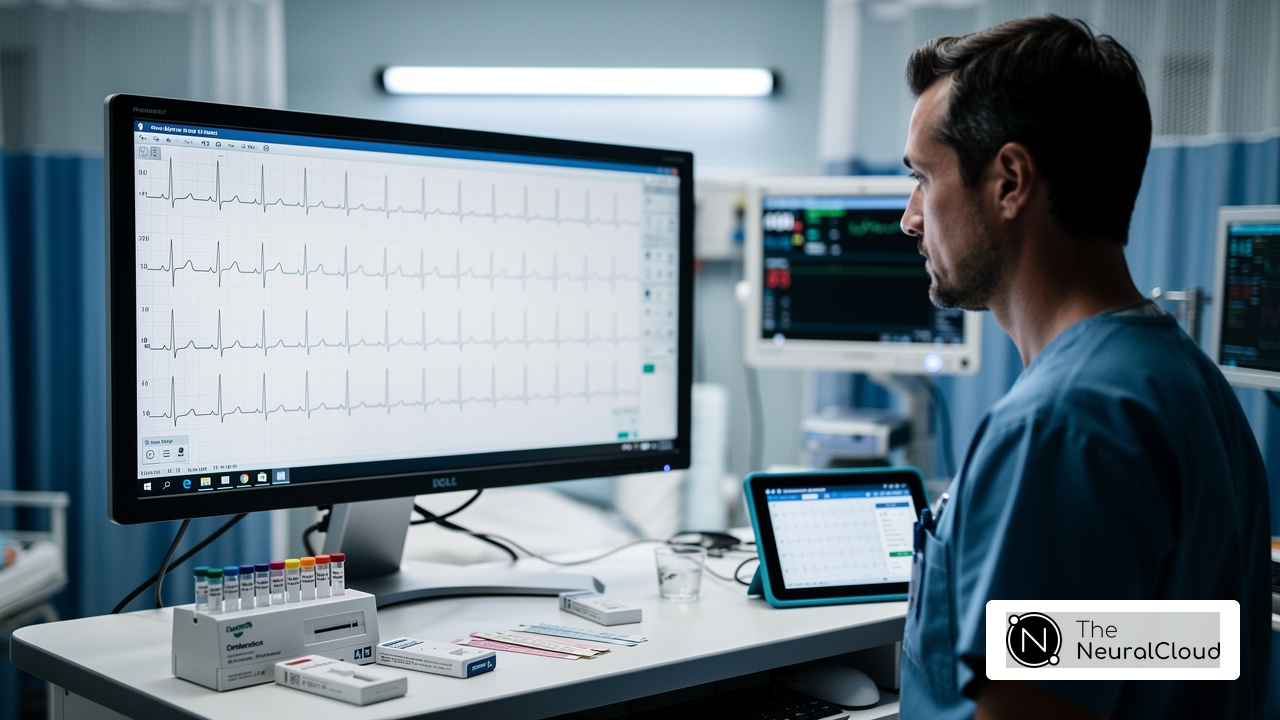
To aid in this differentiation, current guidelines recommend utilizing the latest diagnostic tools. Accurate identification is essential in clinical practice, as it influences the urgency and type of intervention required. The advanced technology enhances this process by employing sophisticated noise filtering and distinct wave recognition. This allows for the rapid isolation of ECG waves, even in recordings with high levels of noise and artifact, which is crucial for salvaging previously obscured sections of lengthy Holter, 1-Lead, and patch monitor recordings.
The continuous learning model of MaxYield™ improves over time. Case studies illustrate these principles: one case demonstrated AV-nodal re-entry tachycardia (AVNRT) with LBBB morphology, while another highlighted the diagnostic challenges of distinguishing between SVT and VT in a pediatric patient with antidromic atrioventricular re-entry tachycardia (AVRT). These examples underscore the necessity for healthcare professionals to be adept at interpreting ECGs to ensure timely and appropriate management.

Implement Management Strategies for SVT with LBBB
Effective management strategies for SVT with LBBB begin with a thorough patient assessment, which includes a detailed history and a 12-lead ECG. However, this process can be challenging and time-consuming for healthcare professionals. This is where technology comes into play, offering features that significantly enhance the process.
The system provides analysis and data extraction, streamlining workflows for healthcare professionals. This means they can focus more on patient care rather than getting bogged down by labor-intensive tasks. The advantages of using this platform are clear: it improves efficiency, reduces the risk of human error, and ultimately leads to better patient outcomes.
Initial treatment for SVT often involves vagal maneuvers, which have shown a 90% effectiveness rate in terminating episodes, especially in hemodynamically stable patients. Notably, facial immersion in ice water is particularly effective for infants. If these maneuvers are ineffective, medications such as adenosine, beta-blockers, or calcium channel blockers should be considered. It's crucial to remember that adenosine is contraindicated in children under 12 months due to the risk of irreversible hypotension.
Adenosine is known for its rapid action, with a half-life of just 5-10 seconds, making it particularly useful in acute settings. For patients experiencing recurrent SVT, catheter ablation may be pursued as a curative option. Continuous monitoring and follow-up are essential to adapt treatment plans based on patient responses and any new symptoms that may arise. This ensures optimal care and outcomes, including the early identification of shock symptoms, which is vital in the context of managing SVT with LBBB.
By incorporating the MaxYield™ system, healthcare professionals can enhance the clarity and efficiency of ECG evaluation, ultimately improving patient care. The platform not only simplifies the analysis process but also empowers professionals to deliver timely and effective care.

Leverage Advanced Technology for Enhanced ECG Analysis
ECG analysis faces significant challenges, particularly for individuals with supraventricular tachycardia, leading to delays in diagnosis and treatment. However, the technology from Neural Cloud Solutions is changing the game.
This advanced platform utilizes cutting-edge algorithms to streamline the identification and labeling of essential ECG features. By processing over 200,000 heartbeats in under five minutes, it significantly reduces evaluation time, allowing clinicians to focus on interpretation rather than manual data entry. Additionally, MaxYield™ incorporates advanced signal and wave recognition capabilities, enhancing the detection of subtle changes in ECG patterns.
The benefits of implementing MaxYield™ are clear. Healthcare professionals can achieve faster and more efficient patient management, ultimately leading to improved outcomes. For instance, recent case studies, including one involving a 69-year-old woman with acute chest pain, demonstrate that AI-driven solutions can outperform traditional methods, showcasing its potential to enhance decision-making in emergency settings.
Despite its advantages, the integration of AI in ECG assessment does present challenges, such as data privacy concerns. Addressing these concerns is crucial to fully realize the benefits of AI in this field. As the demand for efficient diagnostic tools continues to grow, platforms like MaxYield™ are becoming essential for healthcare providers aiming to optimize patient care.
Conclusion
Managing Supraventricular Tachycardia (SVT) alongside Left Bundle Branch Block (LBBB) presents unique challenges in ECG analysis. Understanding both conditions is crucial for accurate diagnosis and effective treatment. The MaxYield™ platform offers advanced technology that significantly enhances ECG analysis, allowing healthcare professionals to identify and manage these complex cardiac conditions more efficiently.
Key features of the MaxYield™ platform include its ability to streamline ECG evaluations and improve diagnostic accuracy. By utilizing sophisticated algorithms, the platform helps distinguish SVT with LBBB from ventricular tachycardia, which is essential for precise ECG interpretation. This capability not only facilitates timely interventions but also leads to better patient outcomes, showcasing the platform's advantages in clinical settings.
Moreover, effective management strategies are illustrated through the use of MaxYield™, including:
- Initial treatment options
- The importance of continuous monitoring
These strategies adapt care plans to meet the evolving needs of patients, ensuring that healthcare providers can respond promptly to changes in their condition.
In conclusion, integrating cutting-edge technology like MaxYield™ into the management of SVT with LBBB enhances diagnostic capabilities and empowers healthcare providers to deliver more effective patient care. As cardiac monitoring continues to evolve, embracing these advancements is vital for improving patient outcomes. Engaging with the latest innovations in ECG analysis will be essential for optimizing treatment strategies and ultimately enhancing the quality of care for patients experiencing SVT with LBBB.
Frequently Asked Questions
What is Supraventricular Tachycardia (SVT) with Left Bundle Branch Block (LBBB)?
SVT with LBBB refers to various rapid heart rhythms that originate above the ventricles, typically with a heart rate exceeding 100 beats per minute. Common types include atrial fibrillation and atrial flutter, each with distinct electrophysiological mechanisms.
What causes Left Bundle Branch Block (LBBB)?
LBBB occurs when there is a delay or blockage in the electrical impulses that travel through the left bundle branch of the heart's conduction system.
How can LBBB be identified?
LBBB can be identified on an electrocardiogram (ECG) by a characteristic widening of the QRS complex.
Why is understanding SVT and LBBB important?
Understanding these conditions is crucial for accurate diagnosis and effective treatment planning, particularly with advanced ECG evaluation technologies.
What is the MaxYield™ platform?
The MaxYield™ platform is an advanced ECG analysis tool that enhances efficiency by utilizing noise filtering and distinct wave recognition, allowing healthcare professionals to quickly isolate critical data in recordings with noise and artifacts.
How does the MaxYield™ platform improve over time?
The continuous learning model of the MaxYield™ platform ensures that its algorithm improves with each use, enhancing diagnostic accuracy and efficiency.
What insights do ongoing studies provide regarding LBBB?
Ongoing large randomized controlled trials, as noted by Dr. Pugazhendhi Vijayaraman, aim to provide further insights into the long-term benefits of left bundle branch area pacing.
What does the I-CLAS study indicate about pacing methods?
The I-CLAS study suggests that left bundle branch area pacing may lead to better outcomes compared to biventricular pacing, highlighting the clinical relevance of these conditions.
List of Sources
- Define Supraventricular Tachycardia and Left Bundle Branch Block
- Late-Breaking Clinical Trials at Heart Rhythm 2025 Showcase Promising Outcomes for Left Bundle Branch Area Pacing in Heart Failure Treatment - HRS (https://hrsonline.org/news/lcbt-showcase-promising-outcomes-left-bundle-branch-area-pacing)
- ahajournals.org (https://ahajournals.org/doi/10.1161/CIRCINTERVENTIONS.125.015441)
- upstate.edu (https://upstate.edu/news/articles/2025/2025-08-11-zipes.php)
- pubmed.ncbi.nlm.nih.gov (https://pubmed.ncbi.nlm.nih.gov/34011435)
- sciencedirect.com (https://sciencedirect.com/science/article/pii/S2688115226000184)
- Differentiate SVT with LBBB from Ventricular Tachycardia
- aclsmedicaltraining.com (https://aclsmedicaltraining.com/blog/svt-aberrancy-ventricular-tachycardia)
- VT versus SVT (https://litfl.com/vt-versus-svt-ecg-library)
- Implement Management Strategies for SVT with LBBB
- rch.org.au (https://rch.org.au/clinicalguide/guideline_index/supraventricular_tachycardia_svt)
- ESC Guidelines for Management of Supraventricular Tachycardia: Key Points - American College of Cardiology (https://acc.org/latest-in-cardiology/ten-points-to-remember/2019/09/10/12/36/2019-esc-guidelines-for-supraventricular-tachycardia)
- Leverage Advanced Technology for Enhanced ECG Analysis
- FDA clears 12-lead, cable-free home ECG monitoring system (https://cardiovascularbusiness.com/topics/cardiac-imaging/electrocardiography-ecg/fda-clears-12-lead-cable-free-home-ecg-monitoring-system)
- AI outperforms conventional diagnosis for certain types of heart attacks (https://medicalxpress.com/news/2026-03-ai-outperforms-conventional-diagnosis-heart.html)
- ejinme.com (https://ejinme.com/article/S0953-6205(25)00178-5/fulltext)
- AI-ECG Momentum and Rising Competition Reshape Diagnostic Cardiology in 2026 (https://signifyresearch.net/insights/diagnostic-cardiology-market-bouncing-into-2026)
- 1st synthesized 12-lead ECG to launch in 2026 (https://beckershospitalreview.com/supply-chain/1st-synthesized-12-lead-ecg-to-launch-in-2026)