Introduction
Atrial Fibrillation (A Fib) poses a significant challenge in cardiology, characterized by chaotic electrical activity and an irregular heartbeat. This condition can lead to serious health complications, making it essential to understand the differences between A Fib and Normal Sinus Rhythm (NSR) for accurate diagnosis and effective treatment. A key question arises: does A Fib exhibit P waves on an ECG? This inquiry not only highlights the distinct characteristics of these heart rhythms but also emphasizes the importance of advanced diagnostic tools in managing such conditions.
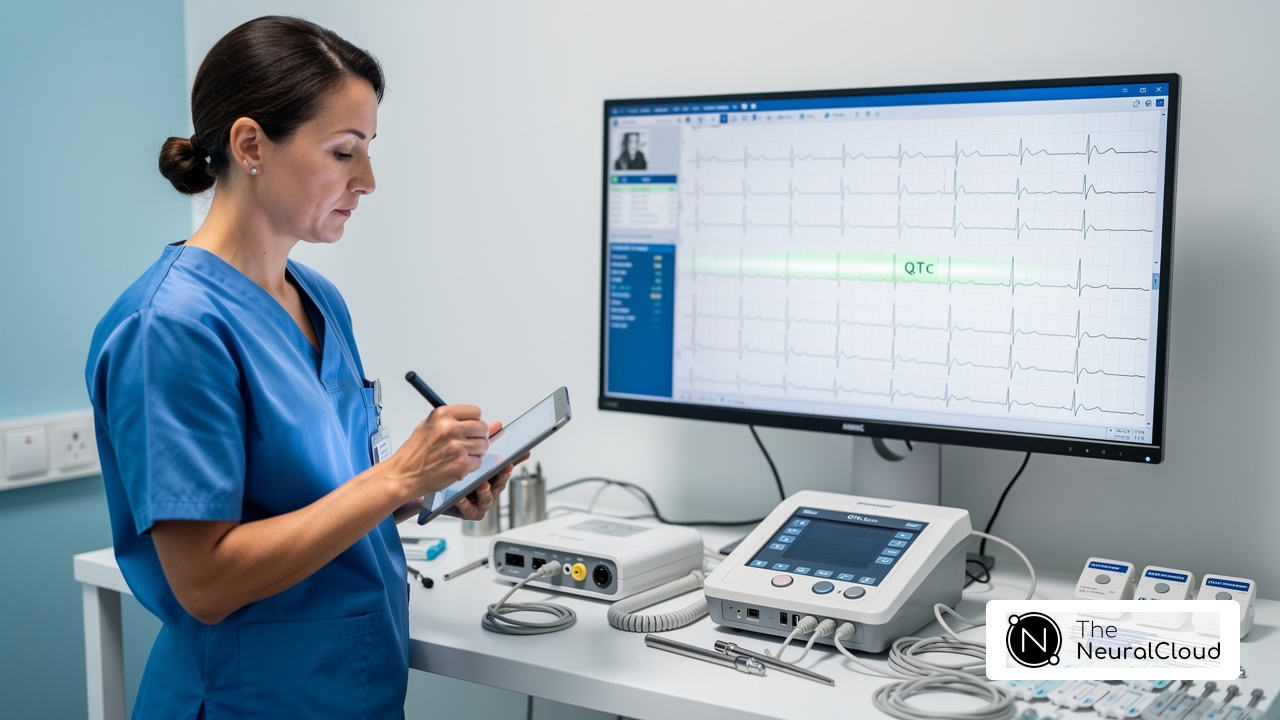
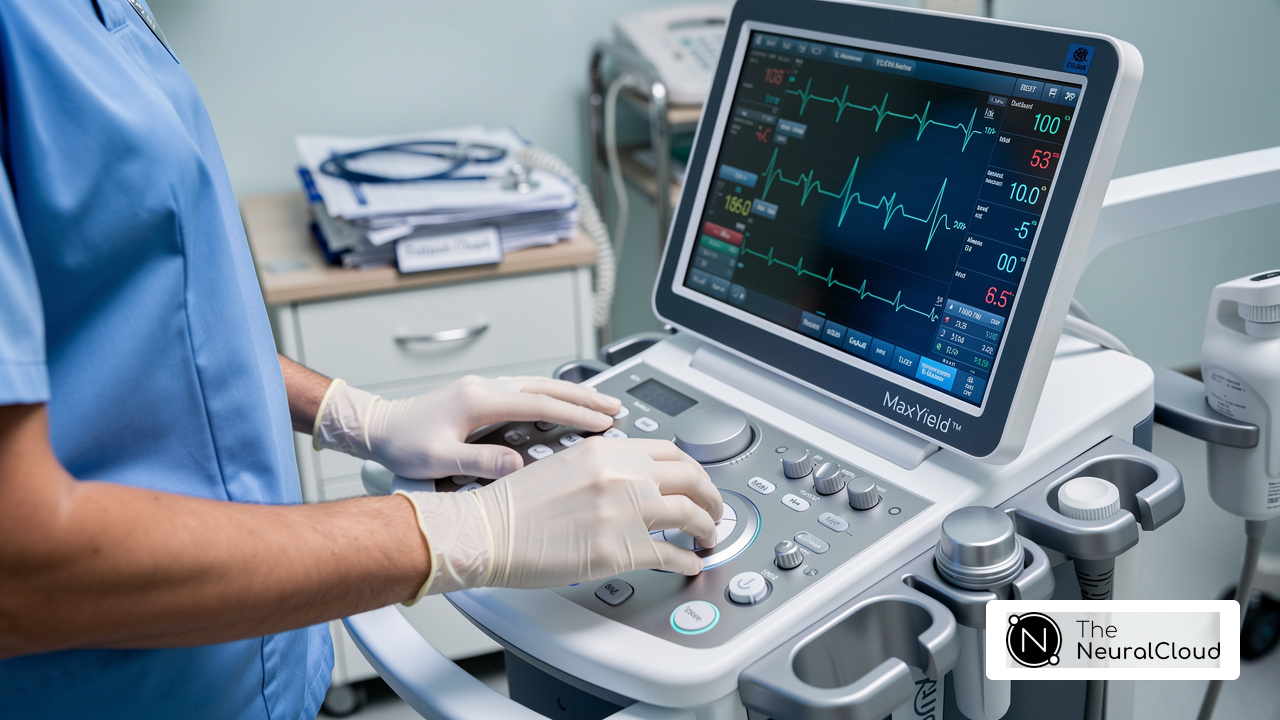
In the realm of ECG analysis, healthcare professionals face numerous challenges. The complexity of interpreting heart rhythms can lead to misdiagnoses and delayed treatments. This is where the MaxYield™ platform comes into play. It enhances ECG analysis by providing clear visual representations of heart rhythms, making it easier for clinicians to identify conditions like A Fib.
The features of MaxYield™ include:
- Advanced algorithms that improve the accuracy of ECG readings
- Real-time data processing
- User-friendly interfaces
These features allow healthcare professionals to make informed decisions quickly, ultimately improving patient outcomes. By streamlining the analysis process, MaxYield™ not only saves time but also reduces the risk of errors in diagnosis.
The advantages of using MaxYield™ are significant. Clinicians can expect:
- Enhanced diagnostic confidence
- Quicker identification of critical conditions
- Improved patient management
With its focus on clarity and precision, MaxYield™ ensures that both technical and non-technical users can navigate ECG data effectively, leading to better healthcare delivery.
Define Atrial Fibrillation and Normal Sinus Rhythm
is characterized by an irregular and often rapid heartbeat, resulting from chaotic electrical signals in the atria. This disorganization results in a lack of synchronized atrial contractions, prompting the inquiry of whether P waves are present, which is reflected on an ECG as an irregular pattern. In contrast, normal sinus rhythm represents the typical rhythm of a healthy heart, originating from the sinoatrial (SA) node, with a consistent rate of 60-100 beats per minute and recognizable P deflections preceding each QRS complex. The presence of P waves in NSR indicates organized electrical activity, leading to the question of whether P waves are present in A Fib, which signifies a loss of organized electrical activity. Research shows that a significant number of patients with A Fib raise the question, does A Fib have P waves, underscoring the importance of accurate diagnosis in diagnosing and managing this condition.
The platform from Neural Cloud Solutions addresses the challenges of noise and signal artifacts in ECG recordings. This platform employs advanced noise filtering and signal processing techniques, which enhances the clarity and accuracy of ECG data. Such improvements are crucial for accurately identifying A Fib, ultimately benefiting healthcare professionals in their diagnostic processes. In 2021, A Fib was noted on 232,030 death certificates, highlighting its clinical significance and the need for effective monitoring and management strategies.
Additionally, the CHA2DS2-VASc score plays a vital role in assessing stroke risk in patients with A Fib. This scoring system provides healthcare professionals with essential information to inform treatment decisions, ensuring that patients receive appropriate care based on their individual risk factors.

Examine ECG Features of Atrial Fibrillation
In atrial fibrillation, a common question is whether atrial fibrillation (AFib) presents unique challenges characterized by erratic patterns and fluctuating R-R intervals. On the ECG baseline, small, erratic fibrillatory patterns often appear instead of distinct P wave oscillations, leading to the inquiry of whether AFib does have P waves. While QRS complexes are typically narrow, their width can vary depending on ventricular conduction. This variability is particularly concerning if irregularities are not promptly recognized. In AFib, ventricular rates can fluctuate significantly, commonly ranging from 100 to 175 beats per minute, which adds to the challenges faced by healthcare professionals.
Neural Cloud Solutions' automated platform addresses these challenges effectively. It enhances ECG analysis by mapping signals through noise, isolating and labeling key features such as onsets and offsets. With the capability to deliver analysis of 200,000 heartbeats in under 5 minutes, it supports healthcare professionals in identifying and making confident clinical decisions.
The benefits of using this platform are substantial. By providing accurate and rapid analysis, it allows for timely interventions, ultimately improving patient outcomes. As Ashley Morgan, a medical content writer, notes, "The lack of a stable P signal preceding each QRS complex raises the important question of whether AFib does have P waves, which is a crucial diagnostic indication that distinguishes AFib from other heart patterns." This insight underscores the importance of utilizing advanced tools like Neural Cloud Solutions in clinical practice.
Analyze ECG Features of Normal Sinus Rhythm
The heart rate typically between 60 to 100 beats per minute. In a healthy ECG, the question of whether atrial fibrillation has P waves is important, as P waves signify proper conduction through the atria. The PR interval remains stable, averaging between 120 and 200 milliseconds in individuals with normal sinus rhythm. Additionally, the QRS complexes are narrow, reflecting efficient ventricular conduction. This ECG pattern, marked by a distinct isoelectric baseline between the peaks, is essential for maintaining optimal cardiac output and serves as a critical indicator of heart health. Recent studies emphasize the importance of accurate diagnosis to prevent misdiagnosis and ensure timely intervention in patients.

Compare A Fib and Normal Sinus Rhythm ECG Features
When comparing Atrial Fibrillation and Normal Sinus Rhythm, several key differences stand out:
- Rhythm Regularity: NSR showcases a regular rhythm with consistent R-R intervals, while A Fib features an irregularly irregular rhythm with varying intervals, complicating the heart's electrical activity.
- P Waves: In NSR, distinct P deflections precede each QRS complex, indicating organized atrial depolarization. In contrast, the question of does A Fib have P waves arises, as A Fib is characterized by the absence of P waves, which are replaced by fibrillatory waves that reflect chaotic atrial activity.
- Heart Rate: NSR typically maintains a heart rate of 60 to 100 beats per minute (bpm). Conversely, A Fib can lead to a rapid ventricular response, often exceeding 100 bpm, significantly impacting patient health.
- QRS Complex: While both rhythms may display narrow QRS complexes, A Fib can occasionally present with wider complexes due to conduction abnormalities, indicating potential underlying issues.
- Cardiac Function: The presence of NSR signifies effective cardiac function, whereas A Fib is associated with a decline in cardiac efficiency due to its chaotic nature. Approximately 5 million new A Fib cases are diagnosed annually, highlighting the importance of accurate diagnosis and management strategies.
Integrating technology with the MaxYield™ platform addresses the challenges in ECG analysis by automating labeling and tackling issues like physiological variability and signal artifacts. This technological advancement streamlines the analysis process, supporting healthcare professionals in diagnosing and managing patients effectively. Ultimately, it reduces operational costs and enhances productivity.

Conclusion
Atrial Fibrillation (A Fib) poses a significant challenge in cardiac health due to its irregular rhythm and the absence of P waves on an ECG. This starkly contrasts with Normal Sinus Rhythm (NSR), where P waves are present, indicating organized atrial depolarization. Understanding these differences is vital for accurate diagnosis and effective management of patients, especially considering the serious clinical implications associated with A Fib.
In this article, we explored key distinctions between A Fib and NSR, focusing on:
- Rhythm regularity
- Heart rate variations
- The presence or absence of P waves
The MaxYield™ platform has emerged as a transformative tool in ECG analysis, enhancing clarity and accuracy in identifying A Fib. This advanced technology not only streamlines the diagnostic process but also empowers healthcare professionals to make informed decisions. Additionally, tools like the CHA2DS2-VASc score play a crucial role in assessing stroke risk, highlighting the need for precise evaluation in clinical practice.
Recognizing the differences between A Fib and NSR is essential for healthcare professionals to ensure timely interventions and improve patient outcomes. As the prevalence of A Fib continues to rise, leveraging advanced diagnostic tools like MaxYield™ will be pivotal in managing this condition effectively. By emphasizing the importance of accurate ECG interpretation, we can develop better treatment strategies and ultimately enhance the quality of care for patients at risk.
Frequently Asked Questions
What is Atrial Fibrillation (A Fib)?
Atrial Fibrillation (A Fib) is characterized by an irregular and often rapid heartbeat caused by chaotic electrical signals in the atria, leading to disorganized atrial contractions.
How does A Fib appear on an ECG?
On an ECG, A Fib is reflected by the absence of clear P waves, indicating a loss of organized electrical activity in the atria.
What is Normal Sinus Rhythm (NSR)?
Normal Sinus Rhythm (NSR) is the typical rhythm of a healthy heart, originating from the sinoatrial (SA) node, with a consistent rate of 60-100 beats per minute and recognizable P waves preceding each QRS complex.
What is the significance of P waves in Normal Sinus Rhythm?
The presence of P waves in NSR indicates effective atrial depolarization, which is absent in A Fib.
How does MaxYield™ technology improve ECG recordings?
MaxYield™ technology enhances ECG recordings by employing advanced noise filtering and automated labeling, improving the clarity and accuracy of ECG data, which is crucial for identifying A Fib.
What was the clinical significance of A Fib in 2021?
In 2021, A Fib was noted on 232,030 death certificates, highlighting its clinical significance and the need for effective monitoring and management strategies.
What is the CHA2DS2-VASc score?
The CHA2DS2-VASc score is a scoring system used to assess stroke risk in patients with A Fib, providing healthcare professionals with essential information to inform treatment strategies based on individual risk factors.
List of Sources
- Define Atrial Fibrillation and Normal Sinus Rhythm
- About Atrial Fibrillation (https://cdc.gov/heart-disease/about/atrial-fibrillation.html)
- Atrial Fibrillation - StatPearls - NCBI Bookshelf (https://ncbi.nlm.nih.gov/books/NBK526072)
- webmd.com (https://webmd.com/heart-disease/afib-normal-sinus-rhythm)
- New Estimates Suggest Atrial Fibrillation 3 Times More Common Than Thought | AJMC (https://ajmc.com/view/new-estimates-suggest-atrial-fibrillation-3-times-more-common-than-thought)
- Examine ECG Features of Atrial Fibrillation
- apnews.com (https://apnews.com/article/what-is-atrial-fibrillation-afib-68365b1f1cfc17bf4363f6ca0180daed)
- Atrial Fibrillation (https://litfl.com/atrial-fibrillation-ecg-library)
- New AFib diagnosis? Here’s some help to clear any confusion (https://heart.org/en/news/2025/09/23/new-afib-diagnosis-heres-some-help-to-clear-any-confusion)
- int.livhospital.com (https://int.livhospital.com/a-fib-ekg-4-key-ecg-features)
- Analyze ECG Features of Normal Sinus Rhythm
- emergencymedicinecases.com (https://emergencymedicinecases.com/prehospital-ecg-pearls-pitfalls)
- Normal Electrocardiography (ECG) Intervals: Normal Electrocardiography Intervals (https://emedicine.medscape.com/article/2172196-overview)
- Normal Sinus Rhythm (https://litfl.com/normal-sinus-rhythm-ecg-library)
- Compare A Fib and Normal Sinus Rhythm ECG Features
- jnj.com (https://jnj.com/innovation/5-things-we-now-know-about-atrial-fibrillation)
- webmd.com (https://webmd.com/heart-disease/afib-normal-sinus-rhythm)
- New Developments in Atrial Fibrillation (https://uscjournal.com/articles/new-developments-atrial-fibrillation?language_content_entity=en)