Introduction
Atrial fibrillation (AFib) poses significant challenges for healthcare professionals, as it affects nearly one million Canadians and complicates cardiovascular care. Recognizing the differences between AFib and a normal heart rhythm is essential for clinicians and researchers. Accurate ECG analysis plays a vital role in improving patient outcomes.
So, how can healthcare professionals tell these two rhythms apart to improve diagnosis and treatment?
With advanced technologies like Neural Cloud Solutions Inc.'s MaxYield™, ECG interpretation is being transformed.
Define Atrial Fibrillation and Normal Heart Rhythm
Atrial fibrillation poses significant challenges due to its irregular pulse and associated health risks. This condition is characterized by an irregular and often rapid heartbeat caused by disordered electrical signals in the atria. In Canada, around one million people have AFib. Its prevalence is estimated at 1%-2% in the general population, increasing with age:
- Less than 1.0% up to 50 years
- 4% at 65 years
- 12% for those 80 years or older
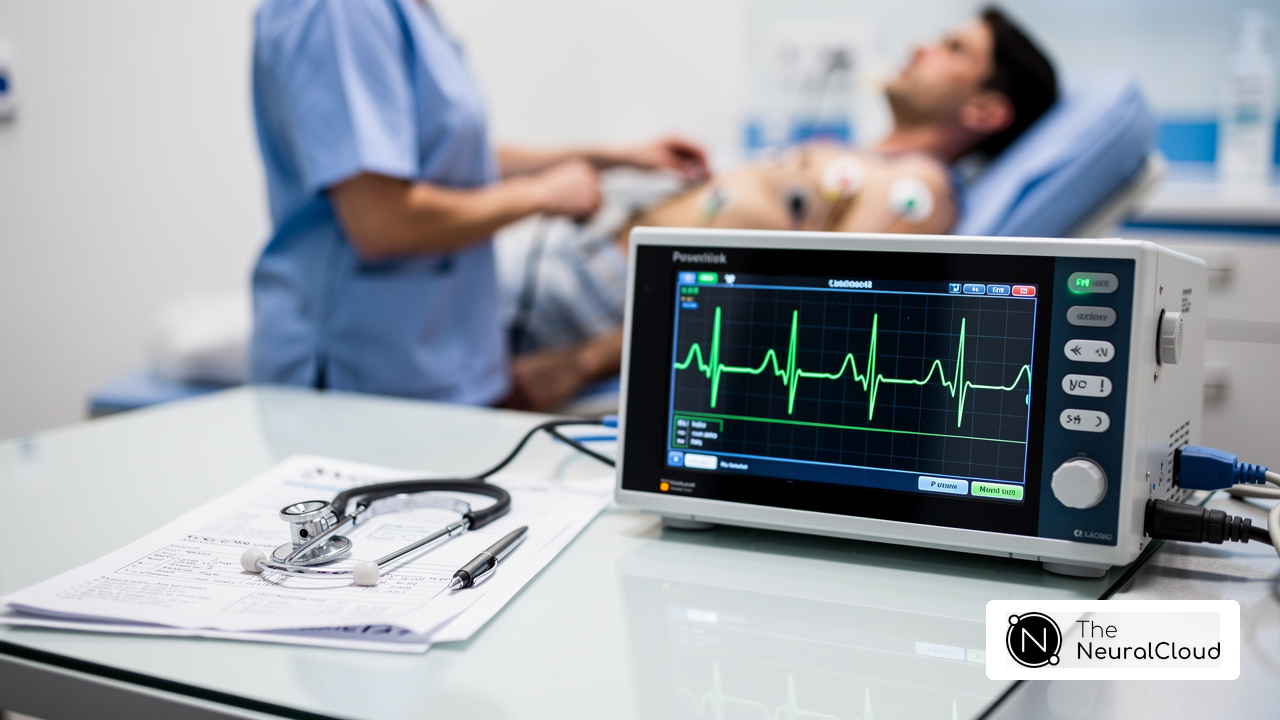
In contrast, a normal cardiac pattern, known as sinus rhythm, is defined by a consistent electrical impulse from the sinoatrial (SA) node, resulting in a pulse rate typically ranging from 60 to 100 beats per minute. A regular sinus rhythm helps ensure efficient blood flow and optimal heart function.
Atrial fibrillation is linked to significant reductions in health-related quality of life (HRQOL), comparable to or worse than those seen in individuals with heart failure or undergoing long-term hemodialysis. Notably, nonanticoagulated patients with AF have a 3- to 5-fold increased risk of stroke, which underscores the importance of accurate ECG analysis in the context of ecg afib vs normal.
Neural Cloud Solutions Inc.'s MaxYield™ platform addresses these challenges by utilizing advanced noise filtering and automated labeling. This capability is crucial for creating effective diagnostic and treatment strategies in cardiovascular care, leading to better patient outcomes. Additionally, the platform is pending FDA Class II SaMD clearance, ensuring compliance with regulatory standards. Expert endorsements from Dr. Alan Rabinowitz, Dr. Brett Heilbron, and Dr. Marc W. Deyell further validate MaxYield™'s precision and noise reduction benefits, reinforcing its role in transforming ECG analysis. MaxYield™'s advancements in ECG analysis could significantly improve patient care and outcomes.

Compare Key Characteristics of AFib and Normal Heart Rhythms
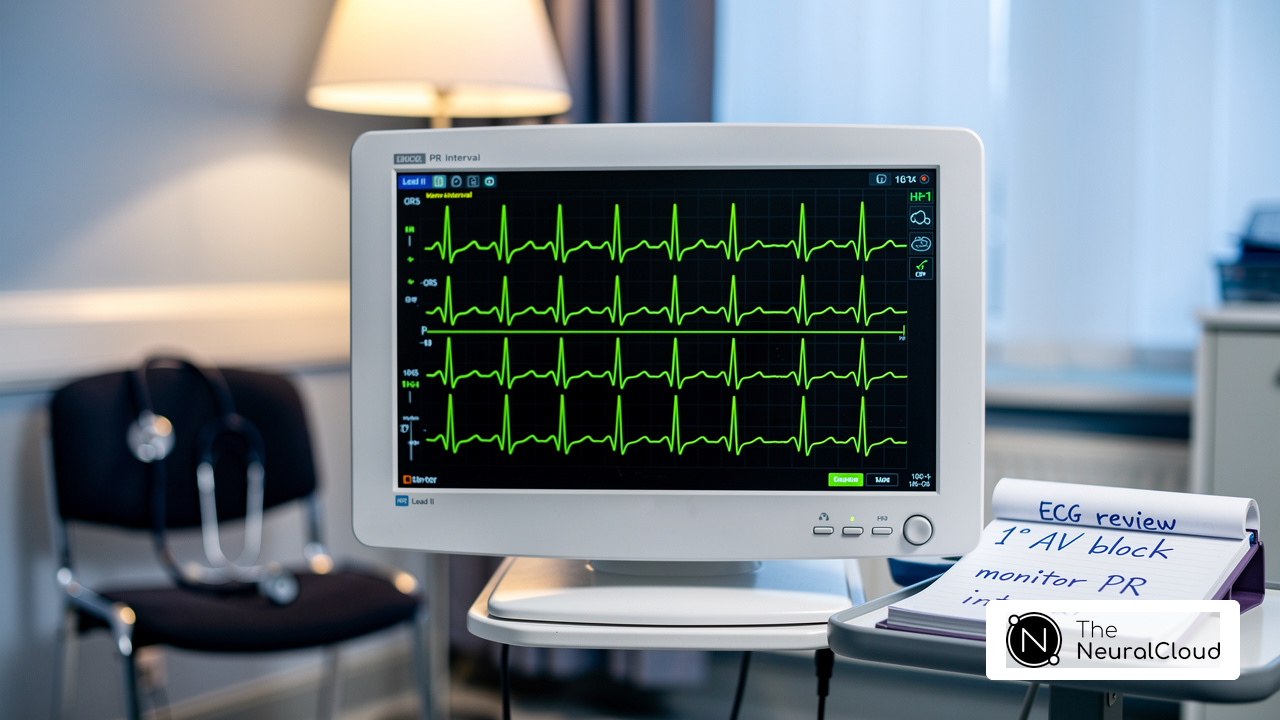
Atrial fibrillation presents unique challenges in ECG analysis due to its irregular patterns and absence of identifiable P waves, indicating disorganized atrial activity. The ventricular response in atrial fibrillation can vary significantly, typically ranging from 100 to 175 beats per minute. In contrast, a normal rhythm shows a consistent pattern with regular intervals between beats, identifiable P waves, and a rate maintained within the 60 to 100 beats per minute range. The presence of P waves is crucial. They signify effective atrial contraction, contributing to optimal ventricular filling and cardiac output.
Most individuals with atrial fibrillation should aim to keep their resting pulse rate below 110 bpm to minimize associated health risks. In Canada, studies indicate that a sustained resting pulse rate of 150 bpm or higher suggests atrial fibrillation with rapid ventricular response, necessitating urgent medical attention.
Case studies comparing ECG AFib vs normal rhythms in Canadian patients emphasize the significance of precise diagnosis and management. For instance, a nationwide analysis found that 26% of patients experienced their first detected AF recurrence beyond 48 hours post-ablation, underscoring the limitations of short-duration monitoring. This highlights the necessity for prolonged monitoring approaches to detect the complete range of arrhythmias, especially in groups at greater risk, such as individuals with atrial fibrillation. Recognizing these differences is vital for healthcare professionals to enhance diagnostic accuracy and optimize patient care strategies.

Discuss Clinical Implications and Diagnostic Approaches
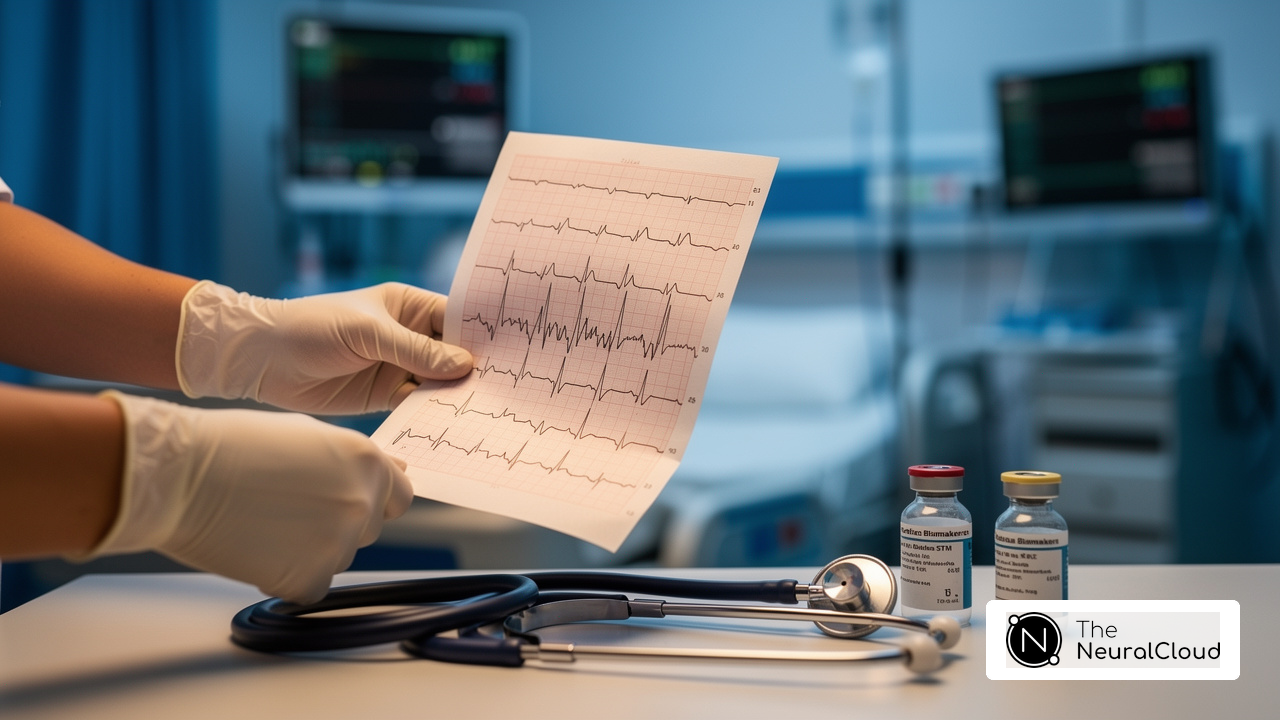
Atrial fibrillation presents significant challenges in clinical management, particularly due to its association with serious complications like stroke and heart failure. In Canada, around one million individuals are living with atrial fibrillation, underscoring the urgent need for effective management strategies. Patients diagnosed with atrial fibrillation typically require anticoagulation treatment to reduce stroke risk, along with measures for rate control. Electrocardiograms (ECGs) serve as the primary diagnostic tool for evaluating ECG afib vs normal, as they detect the irregular heartbeat and absence of P waves characteristic of atrial fibrillation. In contrast, when comparing ecg afib vs normal, normal sinus patterns exhibit regular intervals and identifiable P waves, generally not necessitating intervention unless symptoms arise.
Advanced diagnostic instruments, such as Holter monitors and event recorders, are essential for evaluating ECG afib vs normal sinus rhythm. They capture transient episodes and provide extensive data for analysis. Studies show that patients starting with catheter ablation for persistent atrial fibrillation tend to have better outcomes than those who begin with medication, reinforcing the importance of a proactive approach to managing this condition. Furthermore, the Canadian atrial fibrillation guidelines advocate for a comprehensive view of atrial fibrillation as a marker of broader cardiovascular disease, emphasizing the need to address underlying risk factors such as hypertension and diabetes.
Case studies, including one conducted by Dr. Carlos Morillo, demonstrate that cryoablation significantly improves quality of life and reduces hospital visits for patients with early paroxysmal atrial fibrillation, indicating a shift in treatment strategies. As the management of atrial fibrillation evolves, integrating innovative technologies and comprehensive care strategies is key to improving patient outcomes and optimizing healthcare delivery. Notably, with the integration of MaxYield, healthcare professionals can leverage automated, accurate, and scalable ECG analysis, enhancing the clarity and efficiency of their diagnostic processes. MaxYield's precision rivals human interpretation, significantly reducing noise and improving diagnostic confidence. Additionally, the platform's ability to rapidly label P, QRS, and T wave onsets and offsets allows for beat-by-beat tabulation in CSV format, facilitating seamless data ingestion into existing workflows. Insight360 complements MaxYield by transforming clean ECG data into interactive dashboards and clinical-ready reports, further supporting the discovery of new digital biomarkers and positioning Neural Cloud Solutions Inc. at the forefront of cardiac diagnostics. Regulatory compliance details, including FDA Class II SaMD clearance-pending status, ensure that the MaxYield platform meets the highest standards for safety and efficacy.

Analyze ECG Readings: AFib vs Normal Heart Rhythm
In ECG analysis, the challenges presented by atrial fibrillation (AFib) are evident when examining ECG AFib vs normal due to its irregular patterns and absence of P waves. The comparison of ECG AFib vs normal readings is characterized by an inconsistent pattern, indicating chaotic atrial activity. This disorganization often leads to a variable ventricular response, resulting in a rapid pulse rate. In contrast, normal sinus activity demonstrates a consistent ECG pattern, especially when analyzed in the context of ECG AFib vs normal. There are regular intervals between beats, identifiable P waves preceding each QRS complex, and a heart rate typically ranging from 60 to 100 beats per minute. In the comparison of ECG AFib vs normal, the presence of P waves in a normal sinus pattern signifies effective atrial contraction, while their absence in AFib reflects disorganized electrical activity within the atria. Grasping these ECG characteristics is crucial for diagnosing and managing patients with cardiac arrhythmias effectively.
In Canada, the occurrence of atrial fibrillation is significant, affecting up to 4.5% of the population annually. This statistic underscores the importance of precise ECG interpretation in clinical practice. The ability to differentiate between ECG AFib vs normal heart rhythm can significantly influence treatment decisions and patient outcomes. Therefore, it is imperative for healthcare professionals to be adept at analyzing these readings.
With the integration of MaxYield™, Neural Cloud Solutions Inc.'s advanced automated ECG analysis platform, clinicians can enhance their diagnostic capabilities. MaxYield™ is a device-agnostic ECG intelligence layer that integrates seamlessly via API, SDK, or CDK without requiring hardware changes. It utilizes AI-driven signal mapping and automated PQRST labeling to streamline ECG analysis, effectively addressing challenges such as noise and signal artifacts. Additionally, regulatory compliance details, including FDA Class II SaMD clearance-pending status, further enhance the credibility of MaxYield™.
Expert endorsements from Dr. Alan Rabinowitz, Dr. Brett Heilbron, and Dr. Marc W. Deyell emphasize that MaxYield™ rivals human interpretation in precision and significantly reduces noise, allowing for clearer insights into cardiac events. This innovative platform enhances the efficiency of ECG analysis. It also supports confident clinical decisions, which ultimately benefits patient care. Moreover, Insight360 serves as a customizable visualization and reporting tool that transforms MaxYield™’s clean ECG data into interactive dashboards and clinical-ready reports, providing a more comprehensive overview for healthcare professionals.

Conclusion
The challenges of accurately diagnosing atrial fibrillation versus normal heart rhythm are significant in clinical practice. Recognizing these differences is essential for healthcare professionals because accurate diagnosis and management directly affect patient outcomes. The differences between AFib's irregular patterns and the consistent sinus rhythm underscore the need for advanced diagnostic tools, such as MaxYield™, which enhances ECG interpretation and supports effective treatment strategies.
Key insights from the article emphasize the critical role of ECG in distinguishing between AFib and normal heart rhythms. The absence of identifiable P waves in AFib, coupled with its variable ventricular response, contrasts sharply with the regular intervals and identifiable P waves characteristic of a normal rhythm. This understanding is vital, especially in the Canadian context, where the prevalence of AFib necessitates a proactive approach to diagnosis and management. The integration of innovative technologies like MaxYield™ not only streamlines ECG analysis but also empowers clinicians to make informed decisions that can lead to improved patient care.
Given the serious health implications of atrial fibrillation, healthcare professionals must stay alert in their diagnostic practices. Embracing advanced tools and methodologies will enhance the accuracy of ECG readings and ultimately contribute to better management of this prevalent condition. By leveraging advanced technologies like MaxYield™, healthcare professionals can significantly enhance patient outcomes and quality of life for those with atrial fibrillation.
Frequently Asked Questions
What is atrial fibrillation (AFib)?
Atrial fibrillation is a condition characterized by an irregular and often rapid heartbeat caused by disordered electrical signals in the atria. It poses significant health risks and affects around one million people in Canada.
How prevalent is atrial fibrillation in the Canadian population?
The prevalence of atrial fibrillation in Canada is estimated at 1%-2% of the general population, increasing with age: less than 1.0% up to 50 years, 4% at 65 years, and 12% for those 80 years or older.
What is a normal heart rhythm?
A normal heart rhythm, known as sinus rhythm, is defined by a consistent electrical impulse from the sinoatrial (SA) node, resulting in a pulse rate typically ranging from 60 to 100 beats per minute, which ensures efficient blood flow and optimal heart function.
How does atrial fibrillation affect health-related quality of life?
Atrial fibrillation is linked to significant reductions in health-related quality of life (HRQOL), comparable to or worse than those seen in individuals with heart failure or undergoing long-term hemodialysis.
What is the risk of stroke for patients with atrial fibrillation?
Nonanticoagulated patients with atrial fibrillation have a 3- to 5-fold increased risk of stroke, highlighting the importance of accurate ECG analysis for effective management.
How does Neural Cloud Solutions Inc.'s MaxYield™ platform address the challenges of atrial fibrillation?
MaxYield™ utilizes advanced noise filtering and automated labeling to enhance ECG analysis, which is crucial for developing effective diagnostic and treatment strategies in cardiovascular care.
What is the regulatory status of the MaxYield™ platform?
The MaxYield™ platform is pending FDA Class II SaMD clearance, ensuring compliance with regulatory standards.
Who endorses the MaxYield™ platform?
The platform has received expert endorsements from Dr. Alan Rabinowitz, Dr. Brett Heilbron, and Dr. Marc W. Deyell, validating its precision and noise reduction benefits in ECG analysis.
List of Sources
- Define Atrial Fibrillation and Normal Heart Rhythm
- One moment, please... (https://ccs.ca/guideline/2020-atrial-fibrillation/chapter-2-epidemiology)
- New study reveals a better way to get the heart back on beat - UBC Faculty of Medicine (https://med.ubc.ca/news/new-study-reveals-a-better-way-to-get-the-heart-back-on-beat)
- Better measurement, better care for atrial fibrillation - News - PHRI (https://phri.ca/better-measurement-better-care-for-atrial-fibrillation)
- Compare Key Characteristics of AFib and Normal Heart Rhythms
- Heart failure is common in people (https://escardio.org/news/press/press-releases/heart-failure-is-common-in-people)
- HRS Reports First Success of COMPASS Initiative for Early Atrial Fibrillation Care (https://hrsonline.org/news/compass-initiative-early-afib-care)
- What is a Dangerous Heart Rate with AFib? (https://theheartcarecenter.com/what-is-a-dangerous-heart-rate-with-afib)
- Atrial Fibrillation (A-Fib): Symptoms & Risk Factors | Brigham and Women's Hospital (https://brighamandwomens.org/heart-and-vascular-center/diseases-and-conditions/atrial-fibrillation)
- New Data Presented at HRS 2026 Show Short-Term Holter Monitoring Misses a Large Proportion of AF Recurrence Post-Ablation and Clinically Significant Arrhythmias in Pregnancy (https://irhythm2024rd.q4web.com/news/news-details/2026/New-Data-Presented-at-HRS-2026-Show-Short-Term-Holter-Monitoring-Misses-a-Large-Proportion-of-AF-Recurrence-Post-Ablation-and-Clinically-Significant-Arrhythmias-in-Pregnancy/default.aspx)
- Discuss Clinical Implications and Diagnostic Approaches
- HRS Reports First Success of COMPASS Initiative for Early Atrial Fibrillation Care (https://hrsonline.org/news/compass-initiative-early-afib-care)
- New study reveals a better way to get the heart back on beat - UBC Faculty of Medicine (https://med.ubc.ca/news/new-study-reveals-a-better-way-to-get-the-heart-back-on-beat)
- Treat the Growing Epidemic of Atrial Fibrillation By Targeting Risk Factors, Leading Cardiologists Urge - Canadian Cardiovascular Society (https://ccs.ca/news/treat-growing-epidemic-of-atrial-fibrillation-by-targeting-risk-factors-leading-cardiologists-urge)
- libin.ucalgary.ca (https://libin.ucalgary.ca/news/ucalgary-research-may-lead-new-guidelines-treating-atrial-fibrillation)
- Better measurement, better care for atrial fibrillation - News - PHRI (https://phri.ca/better-measurement-better-care-for-atrial-fibrillation)
- Analyze ECG Readings: AFib vs Normal Heart Rhythm
- Atrial Fibrillation - Cardio Guide (https://cardioguide.ca/atrial-fibrillation)
- AI Screening for Atrial Fibrillation Shows 90% Accuracy at HRS (https://mddionline.com/cardiovascular/ai-powered-atrial-fibrillation-detection-how-machine-learning-is-transforming-cardiac-care-through-ecg-analysis)
- Normal ECG? Artificial Intelligence Disagrees, Spots Signs of A-fib (https://tctmd.com/news/normal-ecg-artificial-intelligence-disagrees-spots-signs-fib)