Introduction
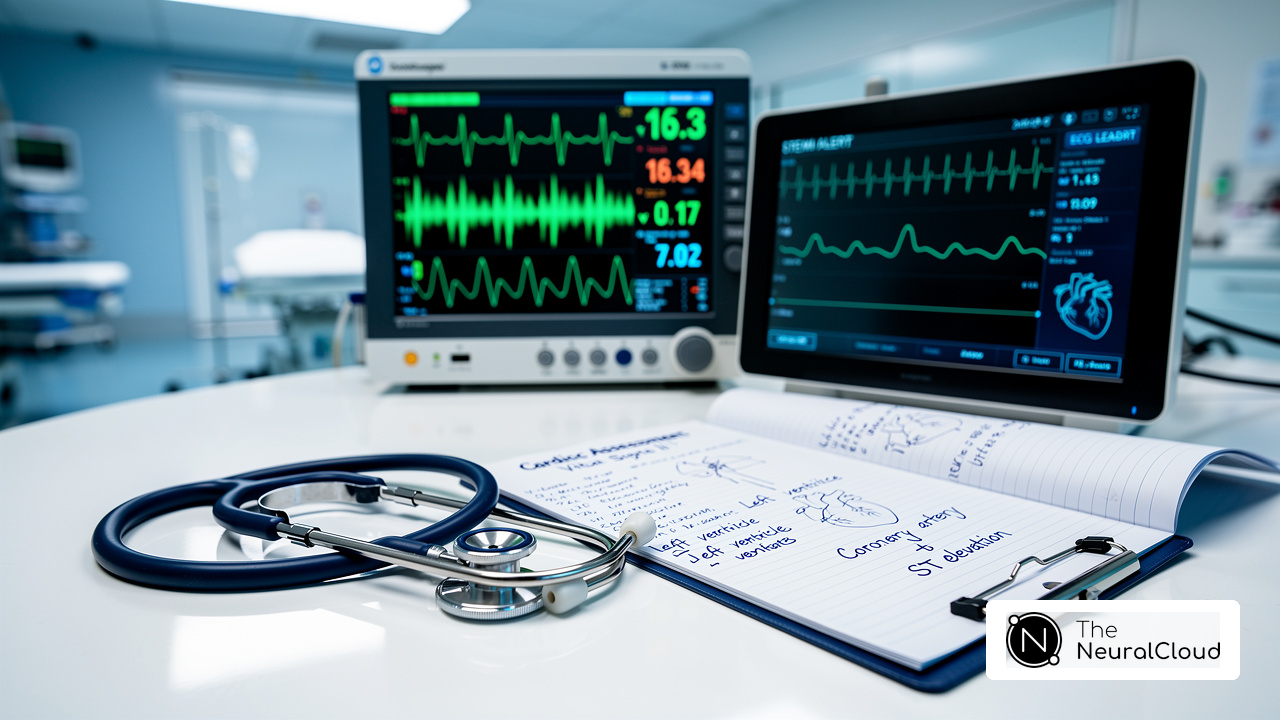
Mastering the art of cardiac rhythm identification is essential in healthcare, where every heartbeat matters. Clinicians can significantly boost their diagnostic accuracy and improve patient outcomes by adopting a structured approach to EKG interpretation. Yet, despite advancements in technology and training, many healthcare professionals encounter common pitfalls in EKG analysis. To navigate these challenges effectively, it’s crucial to explore best practices that ensure precise identification of cardiac rhythms.
The MaxYield™ platform offers a comprehensive solution to enhance ECG analysis. By integrating advanced algorithms and user-friendly interfaces, it simplifies the interpretation process. This platform not only streamlines the identification of cardiac rhythms but also reduces the likelihood of errors, ultimately benefiting patient care. With MaxYield™, healthcare professionals can feel more confident in their diagnostic capabilities, leading to improved outcomes for their patients.
Implement a Structured 10-Step Approach to EKG Interpretation
A systematic 10-step method for EKG analysis can significantly enhance the precision and effectiveness of diagnosis, especially when paired with advanced technologies like Neural Cloud Solutions' platform. Here’s a breakdown of the steps:
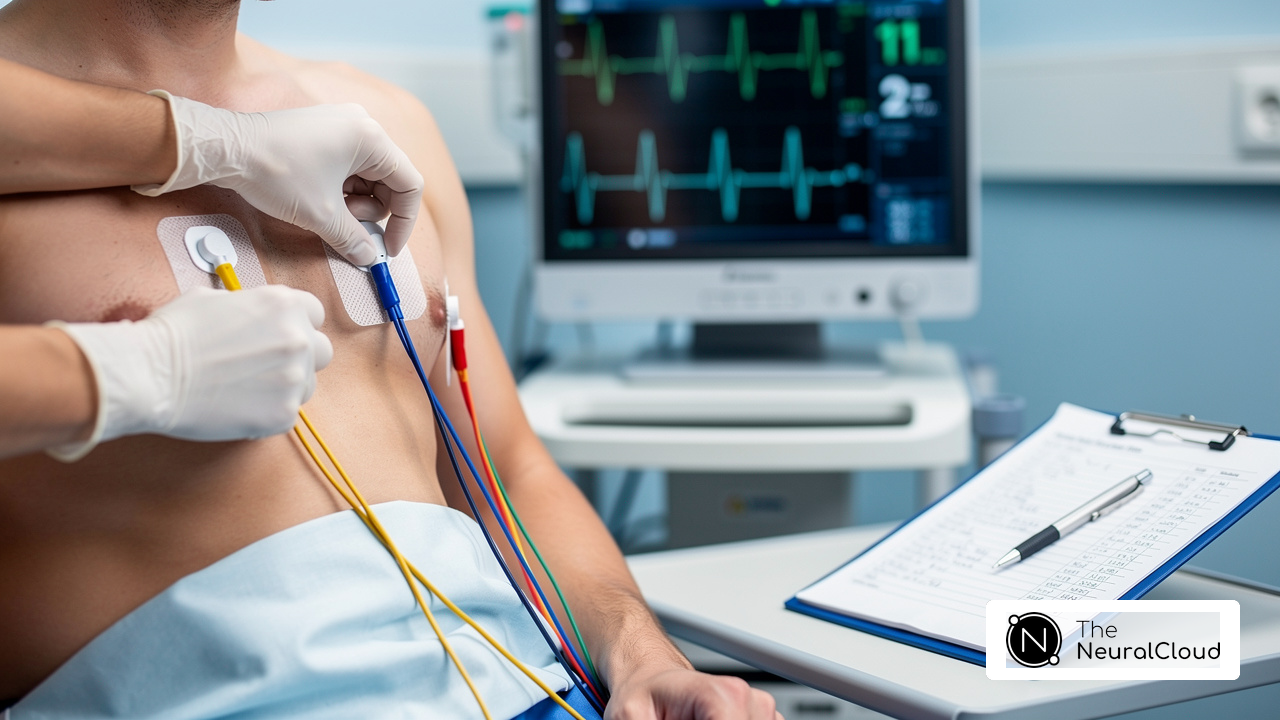
- Confirm Patient Details: Ensure that the EKG belongs to the correct patient and check for any relevant medical history.
- Assess Signal Quality: Look for artifacts or noise that may influence understanding, as these can obscure critical signals. Even in recordings with high levels of noise and artifact, ensuring that healthcare professionals can salvage previously obscured sections of lengthy recordings.
- Determine the Heart Rate: Calculate the heart rate using the R-R interval or other methods, noting that a normal heart rate ranges from 60 to 100 beats per minute. Be aware that potentially dangerous heart rhythms occur above 150 beats per minute.
- Evaluate the Rhythm: Identify whether the rhythm is regular or irregular, which is crucial for diagnosing potential arrhythmias.
- Analyze P-Waves: Check for the presence, shape, and regularity of P-waves, as their characteristics can indicate the origin of the electrical impulse.
- Measure the PR Interval: Assess the duration of the PR interval, which should be between 0.12 and 0.20 seconds, to identify any conduction delays.
- Examine the QRS Complex: Analyze the width and morphology of the QRS complex, which normally lasts 0.04 to 0.10 seconds, for any abnormalities that may suggest underlying heart disease.
- Evaluate the ST Segment: Look for elevation or depression that may indicate ischemia or infarction, as these changes are critical for timely intervention.
- Assess T-Waves: Check for inversion or abnormal morphology that could suggest underlying issues, as T-wave abnormalities can signal significant cardiac events.
- Summarize Findings: Compile all observations to create a thorough understanding and determine the clinical significance, ensuring that all critical findings are communicated effectively.
By following these steps, clinicians can ensure a thorough and methodical approach to EKG interpretation, which leads to improved patient outcomes. The incorporation of organized techniques, especially with the support offered by a leading system, has been demonstrated to improve accuracy of understanding. Studies indicate that structured approaches enhance diagnostic confidence and improve overall patient care. Continuous training and awareness of the limitations of computerized ECG interpretations are essential to avoid misdiagnoses and ensure effective patient care.

Analyze Key EKG Components: P-Waves, QRS Complexes, and T-Waves
Mastering cardiac rhythm identification necessitates a thorough understanding of key components of an EKG, and the advanced tools offered by the Neural Cloud Solutions enhance this process.
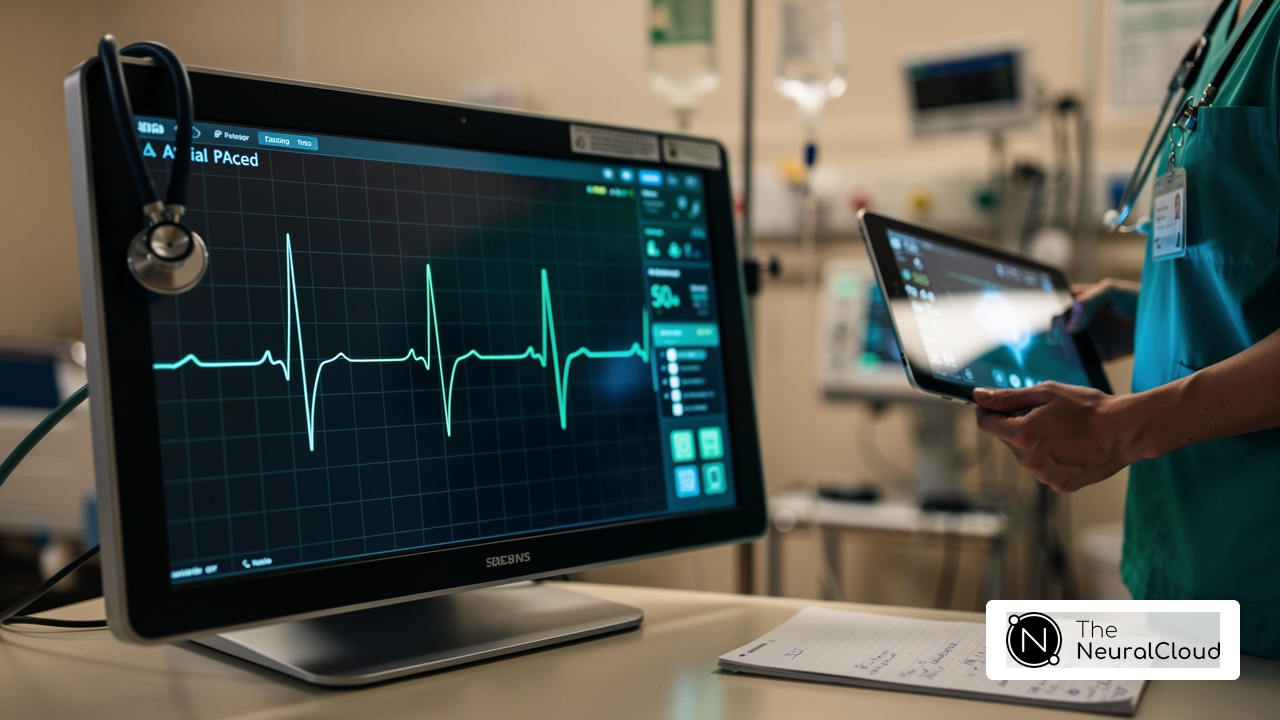
A normal P-wave is smooth and rounded, representing atrial depolarization. Abnormalities can indicate atrial enlargement or other issues. Recent studies reveal that P-wave abnormalities are common and progressive, especially in patients with atrial fibrillation. Aging and chronic cardiovascular diseases significantly contribute to their development. For example, a study found that 38.9% of patients exhibited moderate P-wave abnormalities after cardioversion. This highlights the importance of monitoring these changes over time. The technology enhances this monitoring by providing comprehensive insights and automated tagging, enabling medical professionals to swiftly recognize and address these irregularities.
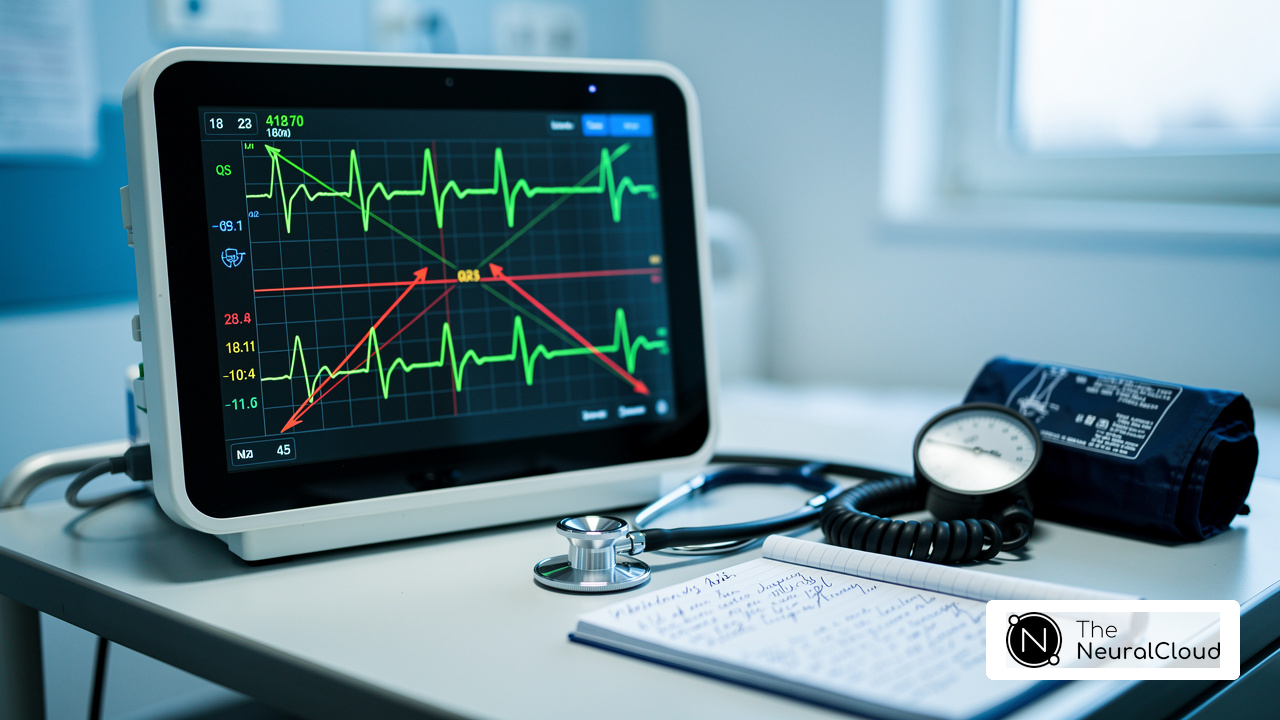
The QRS complex reflects ventricular depolarization, with a duration ranging from 70-100 ms. Anything over 0.12 seconds is considered abnormal. A wide QRS may suggest a bundle branch block or other conduction abnormalities. In clinical practice, distinguishing between narrow and broad QRS complexes is crucial. Narrow complexes typically originate from supraventricular sources, while broad complexes may indicate ventricular issues or aberrant conduction. The technology aids in this differentiation by offering beat-by-beat analysis, allowing for rapid identification of critical data, even in recordings with high levels of noise and artifact.
Indicating ventricular repolarization, T-wave inversions can signal ischemia or other cardiac conditions. Analyzing T-wave morphology is essential for identifying potential cardiac events, as changes in T-wave patterns can provide critical insights into a patient's cardiac health. With the MaxYield™ technology, healthcare professionals benefit from advanced T-wave and wave recognition, ensuring that even subtle changes in T-wave patterns are accurately captured and analyzed.
By focusing on these components and leveraging the features of the technology, clinicians can more effectively conduct assessments to identify arrhythmias and other abnormalities. This leads to timely interventions and improved patient outcomes.

Leverage Advanced Technology for Enhanced EKG Analysis
Incorporating advanced technology into EKG analysis addresses several challenges faced in the interpretation process. Traditional methods often struggle with accuracy, leading to delays in diagnosis. The platform offers innovative solutions that enhance the analysis of EKG data, making it a valuable tool for healthcare providers.
- AI-Driven Technology: The platform utilizes AI-driven technology, such as Neural Cloud Solutions' MaxYield™, to automate the identification of key EKG features. This reduces the manual workload for healthcare providers and increases accuracy. Notably, the AI ECG model has demonstrated a sensitivity of 92% and specificity of 81% in detecting cardiac conditions, significantly outperforming traditional triage methods.
- Gold Standard Noise Filtering: MaxYield™ employs advanced noise filtering alongside P, QRS, and T Wave highlighting. This combination streamlines the workflow and enhances the clarity of EKG readings. As a result, healthcare providers can process more data in less time, allowing them to focus on critical analysis rather than manual adjustments.
- Real-Time Analysis: The system is designed to analyze EKG data in real-time, providing instant feedback to healthcare providers. This capability allows for results to be delivered in minutes rather than days, facilitating timely decision-making in critical situations.
- Wearable Technology Integration: By leveraging data from wearable ECG monitors, MaxYield™ enhances patient monitoring and early detection of arrhythmias. This integration is particularly crucial in remote or under-resourced areas, where access to specialized facilities may be limited.
As Timothy D. Henry, MD, FACC, noted, "advanced technology has the potential to shorten treatment time and reduce false activations," highlighting the importance of these technologies in improving patient outcomes.
By embracing these advancements, healthcare providers can significantly improve diagnostic yield and optimize resource allocation, ultimately enhancing patient care.

Embrace Continuous Learning and Adaptation in EKG Practices
Healthcare professionals face significant challenges in EKG interpretation, often stemming from limited training and outdated techniques. To address these issues, engaging in workshops, webinars, and courses focused on the latest practices is essential. Innovative solutions like Neural Cloud Solutions' platform offer advanced features that can transform ECG interpretation.
MaxYield™ enhances EKG analysis through its cutting-edge AI technology, which swiftly identifies the beginnings and endings of heartbeats, as well as time-series intervals. This capability allows healthcare professionals to convert extensive and noisy ECG recordings into clear, distinct signals. The advantages of using MaxYield™ are substantial: it not only improves analytical abilities but also increases accuracy in EKG interpretations.
Research supports the effectiveness of continuous education in improving diagnostic skills. A study involving around 900 healthcare professionals found that continuing education initiatives led to a 15% improvement in accuracy and a 52-second decrease in interpretation time per ECG. By implementing peer review and feedback mechanisms, healthcare providers can enhance their skills and adapt to the evolving demands of cardiac care.
Regularly reviewing current literature and studies related to EKG analysis is crucial for integrating new findings into practice. Dr. Kashou's research emphasizes the need for collaboration across various healthcare professionals, reinforcing the importance of incorporating education into clinical workflows. By fostering a culture of continuous learning, clinicians can refine their skills and effectively respond to the challenges of cardiac care.

Conclusion
Mastering cardiac rhythm identification is essential for effective patient care, and a structured approach can significantly enhance both accuracy and efficiency. By employing a systematic 10-step method for EKG interpretation, healthcare professionals can navigate the complexities of cardiac rhythms with greater confidence and precision. This methodology, when combined with advanced technological solutions like the MaxYield™ platform, facilitates a deeper understanding of EKG data, ultimately leading to improved patient outcomes.
Key insights emphasize the importance of analyzing critical EKG components - P-waves, QRS complexes, and T-waves - while leveraging advanced tools such as the MaxYield™ platform. These technologies streamline the analysis process and provide essential real-time feedback and noise filtering. This allows clinicians to focus on critical findings without the distractions of artifacts. Continuous learning and adaptation in EKG practices empower healthcare professionals to enhance their skills, ensuring they remain adept at interpreting complex cardiac data.
In an era where timely and accurate diagnosis can significantly impact patient survival, embracing best practices and advanced technologies is crucial. Healthcare providers are encouraged to invest in ongoing education and utilize innovative tools to refine their EKG interpretation skills. By doing so, they can navigate the challenges of cardiac rhythm analysis with greater ease, ultimately leading to better care for patients and improved health outcomes across the board.
Features of the MaxYield™ Platform:
- Real-Time Feedback: Provides immediate insights during EKG analysis.
- Noise Filtering: Eliminates distractions from artifacts, enhancing focus on critical findings.
- User-Friendly Interface: Simplifies the interpretation process for both technical and non-technical users.
Advantages for Healthcare Professionals:
- Improved Accuracy: Enhances the precision of EKG interpretations.
- Increased Efficiency: Streamlines the analysis process, saving valuable time.
- Ongoing Education: Supports continuous learning and skill enhancement in EKG practices.
Frequently Asked Questions
What is the purpose of the 10-step approach to EKG interpretation?
The 10-step approach is designed to enhance the precision and effectiveness of cardiac rhythm identification, especially when used with advanced technologies.
What is the first step in the 10-step EKG interpretation process?
The first step is to confirm patient details, ensuring that the EKG belongs to the correct patient and checking for any relevant medical history.
Why is it important to evaluate the quality of the EKG tracing?
Evaluating the quality of the tracing is important to identify any artifacts or noise that may obscure critical signals, which can influence the understanding of the EKG.
How can MaxYield™ assist in EKG interpretation?
MaxYield™ excels in identifying and labeling critical data even in recordings with high levels of noise and artifacts, helping healthcare professionals salvage previously obscured sections of EKG recordings.
What is the normal heart rate range, and why is it significant?
The normal heart rate ranges from 60 to 100 beats per minute. Heart rhythms above 150 beats per minute can be potentially dangerous, making this assessment crucial.
How do you determine if the rhythm is regular or irregular?
By evaluating the rhythm in the fourth step of the process, clinicians can identify whether it is regular or irregular, which is essential for diagnosing potential arrhythmias.
What should be analyzed regarding P-waves during EKG interpretation?
The presence, shape, and regularity of P-waves should be checked, as their characteristics can indicate the origin of the electrical impulse.
What is the normal duration of the PR interval, and why is it measured?
The PR interval should last between 0.12 and 0.20 seconds. Measuring it helps identify any conduction delays.
What does the QRS complex indicate, and what is its normal duration?
The QRS complex indicates the electrical activity of the ventricles and should normally last between 0.04 to 0.10 seconds. Abnormalities in its width or morphology can suggest underlying heart disease.
What changes in the ST segment should be looked for during interpretation?
Elevation or depression in the ST segment should be assessed, as these changes may indicate ischemia or infarction, which are critical for timely intervention.
What should be evaluated regarding the T-wave?
The T-wave should be checked for inversion or abnormal morphology, as these abnormalities can signal significant cardiac events.
What is the final step in the 10-step EKG interpretation process?
The final step is to summarize findings by compiling all observations to create a thorough understanding and determine clinical significance, ensuring effective communication of critical findings.
How does following these steps impact patient outcomes?
Following these steps leads to a thorough and methodical approach to cardiac rhythm identification, which improves patient outcomes and reduces diagnostic delays.
Why is continuous training important in EKG interpretation?
Continuous training and awareness of the limitations of computerized ECG interpretations are essential to avoid misdiagnoses and ensure effective patient care.
List of Sources
- Implement a Structured 10-Step Approach to EKG Interpretation
- Mastering EKG interpretation: 10 steps for accurate rhythm identification (https://ems1.com/ems-products/medical-monitoring/articles/ecg-interpretation-10-steps-for-rhythm-identification-HlbOvohuSltPKAL2)
- Checking your browser - reCAPTCHA (https://pmc.ncbi.nlm.nih.gov/articles/PMC10800643)
- Electrocardiogram Interpretation: A Core Competency CR Professionals Need to Improve Care Outcomes (https://newsandviews.aacvpr.org/Full-Article/electrocardiogram-interpretation-a-core-competency-cr-professionals-need-to-improve-care-outcomes-1)
- Artificial Intelligence–Assisted ECG Interpretation versus Conventional Reporting in Predicting Arrhythmias in Acute Coronary Syndrome: A Diagnostic Accuracy Study (https://healthcare-bulletin.co.uk/article/artificial-intelligence-assisted-ecg-interpretation-versus-conventional-reporting-in-predicting-arrhythmias-in-acute-coronary-syndrome-a-diagnostic-accuracy-study-4252)
- Analyze Key EKG Components: P-Waves, QRS Complexes, and T-Waves
- sciencedirect.com (https://sciencedirect.com/science/article/pii/S154752712502243X)
- AI-Powered ECG Analysis Offers Promising Path for Early Detection of Chronic Obstructive Pulmonary Disease, Say Mount Sinai Researchers (https://mountsinai.org/about/newsroom/2026/ai-powered-ecg-analysis-offers-promising-path-for-early-detection-of-chronic-obstructive-pulmonary-disease-say-mount-sinai-researchers)
- QRS Interval (https://litfl.com/qrs-interval-ecg-library)
- Checking your browser - reCAPTCHA (https://pmc.ncbi.nlm.nih.gov/articles/PMC3319226)
- Leverage Advanced Technology for Enhanced EKG Analysis
- AccurKardia wins FDA clearance for next-generation ECG analysis system | Medical Economics (https://medicaleconomics.com/view/accurkardia-wins-fda-clearance-for-next-generation-ecg-analysis-system)
- AI-Powered ECG Analysis Offers Promising Path for Early Detection of Chronic Obstructive Pulmonary Disease, Say Mount Sinai Researchers (https://mountsinai.org/about/newsroom/2026/ai-powered-ecg-analysis-offers-promising-path-for-early-detection-of-chronic-obstructive-pulmonary-disease-say-mount-sinai-researchers)
- AI-Based ECG Analysis Significantly Improves STEMI Detection, Reduces False Activations - American College of Cardiology (https://acc.org/latest-in-cardiology/articles/2025/10/24/16/56/tues-554pm-ai-tct-2025)
- finance.yahoo.com (https://finance.yahoo.com/news/ge-healthcare-ecg-ai-imaging-010847179.html)
- AI-ECG Momentum and Rising Competition Reshape Diagnostic Cardiology in 2026 (https://signifyresearch.net/insights/diagnostic-cardiology-market-bouncing-into-2026)
- Embrace Continuous Learning and Adaptation in EKG Practices
- asahq.org (https://asahq.org/meetings/calendar/2025/08/ekg-interpretation-seminar-20250809)
- 28 quotes about continual learning (https://skipprichard.com/28-quotes-about-continual-learning)
- gehealthcare.com (https://gehealthcare.com/en-sg/insights/article/the-future-of-algorithms-for-ecg-interpretation-what-new-research-show?srsltid=AfmBOorZB3WvTz2luqNbnhRWjQEERQ48kvvFWLouzbEM6H0Yguxi0cxv)
- 18 Powerful Quotes To Inspire You To Embrace Continuous Learning (https://linkedin.com/pulse/18-powerful-quotes-inspire-you-embrace-continuous-learning-jenkins)
- ryanjenkins.com (https://ryanjenkins.com/blog/18-quotes-to-inspire-you-to-embrace-the-powerful-pursuit-of-continuous-learning)