Introduction
Systolic heart failure presents significant challenges in cardiac health, impacting millions of lives and complicating care for healthcare providers. By exploring the symptoms, causes, and treatment strategies associated with systolic failure, individuals can gain valuable insights into effectively managing this serious condition. Misunderstanding the symptoms can lead to delayed treatment and worsening health outcomes. Recognizing the difference between normal fatigue and the symptoms of systolic heart failure is essential for timely intervention and improved patient outcomes.
Define Systolic Heart Failure: Key Concepts and Importance
Systolic failure in cardiac function presents significant challenges for healthcare professionals in effective diagnosis and treatment. This condition, known as systolic failure or HFrEF, occurs when the left ventricle struggles to contract effectively, leading to inadequate blood ejection during systole. It is characterized by an ejection fraction below 40%, which signifies that the heart is not pumping blood efficiently. Grasping this definition is crucial for recognizing the severity of the condition and the urgency for timely intervention.
This dysfunction can stem from various underlying issues, including:
- Coronary artery disease
- Hypertension
- Previous myocardial infarctions
Highlighting its importance in cardiology, timely recognition and intervention are essential to improving patient outcomes in those with systolic failure.

Identify Symptoms of Systolic Heart Failure: Early Warning Signs
Systolic failure presents a range of symptoms that can significantly affect daily life and overall health. Common symptoms include:
- Shortness of Breath: Often experienced during physical activity and sometimes at rest, this symptom can severely limit daily activities and overall quality of life.
- Fatigue: Patients frequently report a persistent feeling of tiredness that doesn’t improve with rest, significantly affecting their ability to perform routine tasks.
- Swelling: Fluid buildup in the legs, ankles, or abdomen is common due to poor circulation, indicating the heart's reduced ability to pump effectively.
- Coughing or Wheezing: These signs, especially when reclined, may indicate fluid accumulation in the lungs, a vital signal of deteriorating cardiac function.
- Rapid or Irregular Pulse: Palpitations can occur as the heart struggles to maintain adequate blood flow, often leading to increased anxiety for patients.
Spotting these symptoms early is key, as getting medical help in time can prevent serious complications associated with systolic failure. Currently, about 6.7 million Americans over 20 years old have cardiac dysfunction. This number is expected to rise to 8.7 million by 2030. In 2022, cardiac insufficiency contributed to 425,147 fatalities in the United States, accounting for 45% of cardiovascular deaths. The lifetime risk of cardiovascular issues has risen to 24%, highlighting the significance of awareness and proactive health management. Take Alex Balmes, for instance. He initially brushed off his symptoms as anxiety, but his story underscores the importance of recognizing these warning signs.

Explore Causes of Systolic Heart Failure: Risk Factors and Triggers
Systolic heart failure presents a significant challenge, stemming from various underlying factors that impair the heart's pumping efficiency:
- Coronary Artery Disease: This is the leading cause of systolic heart failure, characterized by narrowed arteries that restrict blood flow to the heart muscle, ultimately impairing its function.
- Hypertension: Chronic high blood pressure places excessive strain on the organ, leading to muscle weakening over time. Approximately 6.7 million Americans over 20 years of age currently experience cardiac insufficiency, with hypertension being a significant risk factor.
- Previous Myocardial Infarctions: Damage to cardiac tissue from earlier attacks can significantly impact the organ's pumping ability, raising the risk of cardiac dysfunction.
- Cardiomyopathy: This encompasses various diseases of the muscle that can lead to systolic failure, often resulting in a reduced ejection fraction.
- Lifestyle Factors: Obesity, smoking, excessive alcohol consumption, and a sedentary lifestyle are significant contributors to cardiovascular risk. These factors not only make existing conditions worse but also increase the likelihood of future cardiac problems.
Understanding these factors is essential for developing effective strategies to combat the rising tide of cardiovascular disease. The lifetime risk of cardiovascular issues has now reached 24%, highlighting the urgent need for improved healthcare interventions. Moreover, the anticipated expenses related to cardiac dysfunction are projected to increase to $858 billion by 2050, underscoring the financial consequences of this escalating health issue.

Understand Diagnosis of Systolic Heart Failure: Testing and Evaluation
Diagnosing systolic heart failure presents numerous challenges that require a comprehensive approach to ensure accurate assessment. This multifaceted strategy combines clinical evaluation with various diagnostic tests, including physical examinations, echocardiograms, ECGs, blood tests, chest X-rays, and stress tests.
- Physical Examination: A thorough assessment of symptoms and medical history is crucial for initial evaluation.
- Echocardiogram: Echocardiograms are essential for assessing cardiac function, particularly in measuring ejection fraction, which is crucial for diagnosing heart failure. They help differentiate between systolic and diastolic dysfunction and provide valuable insights into cardiac structure and function, making them a vital tool in clinical practice. Recent advancements, such as real-time 3-D echocardiographic techniques, have significantly improved the assessment of ventricular function.
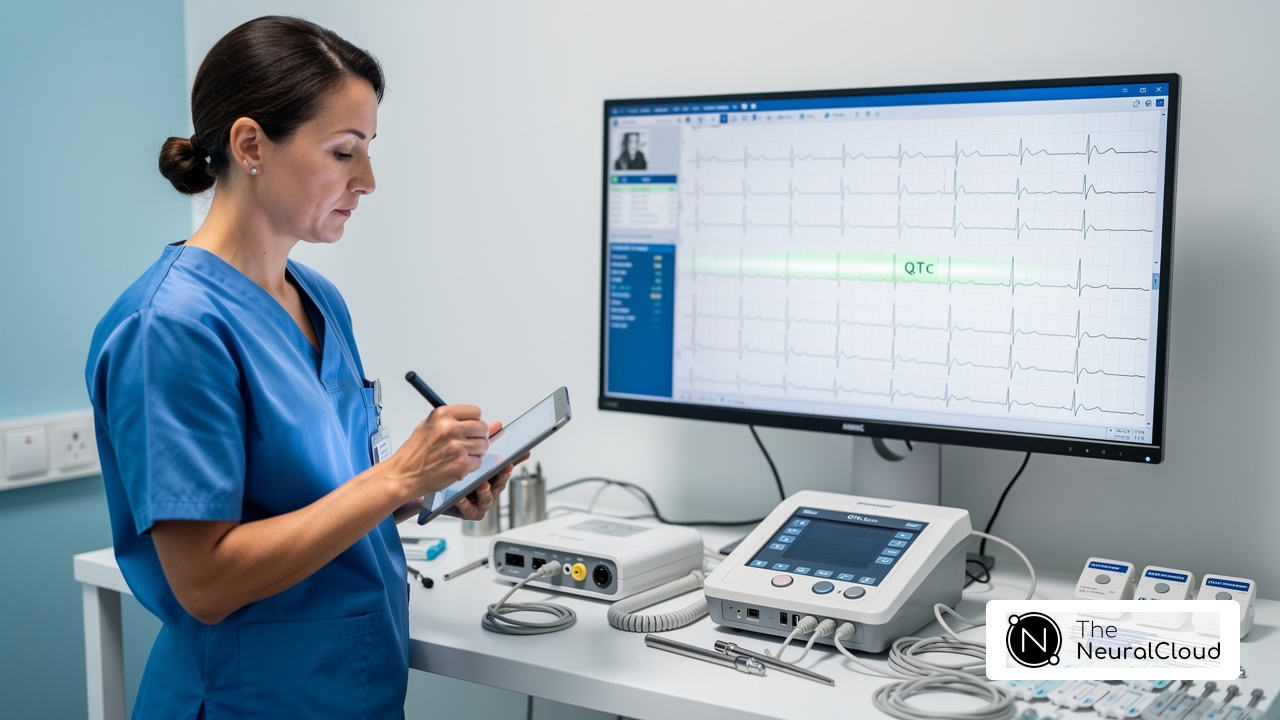
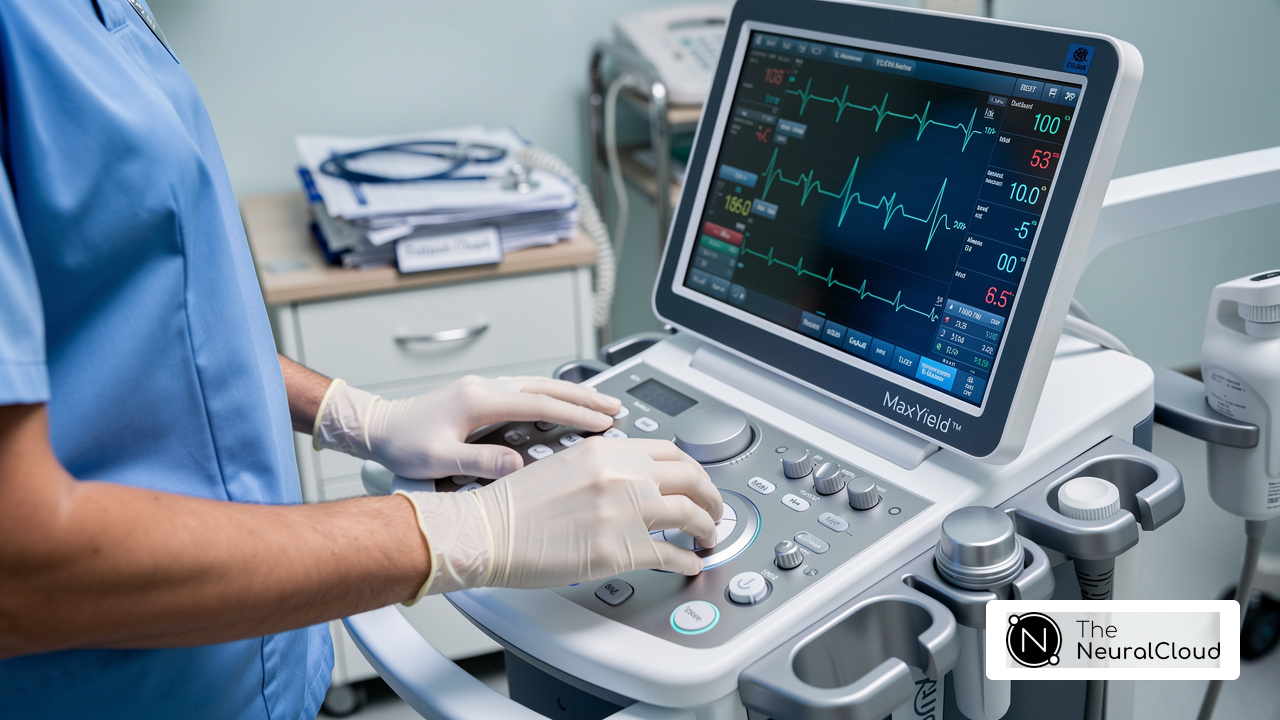
- Electrocardiogram (ECG): This test detects arrhythmias or evidence of prior cardiac damage, contributing to a comprehensive cardiovascular assessment. Integrating Neural Cloud Solutions' MaxYield™ platform enhances ECG analysis by automating processes and providing detailed insights. By transforming noisy recordings into clear data, it allows for beat-by-beat analysis, outputting an analysis of 200,000 heartbeats in less than 5 minutes, which is crucial for timely diagnosis. This capability addresses challenges such as physiological variability and signal artifacts, ensuring more reliable results.
- Blood Tests: Measurements of B-type natriuretic peptide (BNP) levels are particularly informative, as elevated levels can indicate cardiac dysfunction.
- Chest X-ray: This imaging method detects fluid buildup in the lungs or indications of cardiac enlargement, both of which suggest cardiac insufficiency.
- Stress Tests: These tests assess cardiac function under physical stress, providing additional context for the patient's cardiovascular health.
These diagnostic instruments are crucial for verifying the presence of systolic failure and assessing its severity. Heart dysfunction impacts approximately 6.7 million adults in the U.S., highlighting the significance of efficient diagnostic tools such as echocardiograms. As specialists like Dr. Galligan emphasize, echocardiography is crucial for managing cardiac dysfunction, helping clinicians make informed treatment decisions. The ability to visualize cardiac structures and measure hemodynamic parameters allows for tailored treatment strategies that can improve patient outcomes. Furthermore, the Kansas City Cardiomyopathy Questionnaire (KCCQ) is frequently utilized to monitor symptoms in patients with cardiac issues, offering valuable insights into their condition. In clinical environments, echocardiograms are regularly conducted, frequently requiring just 15-20 minutes, rendering them a practical option for prompt diagnosis and management of cardiac dysfunction. The integration of advanced diagnostic tools like echocardiograms and the MaxYield™ platform is essential for improving patient outcomes in heart failure management.

Review Treatment Strategies for Systolic Heart Failure: Medications and Lifestyle Adjustments
Managing systolic failure presents numerous challenges, including medication adherence and lifestyle changes. Effective management typically includes:
-
Medications: Commonly prescribed drugs include:
- ACE Inhibitors: Help relax blood vessels and lower blood pressure.
- Beta-Blockers: Lower pulse rate and enhance cardiac function.
- Diuretics: Help reduce fluid buildup in the body.
- ARNIs: A newer class of medications that combine an angiotensin receptor blocker with a neprilysin inhibitor.
Lifestyle Adjustments: Patients are encouraged to:
- Follow a heart-healthy diet low in sodium.
- Engage in regular physical activity as tolerated.
- Monitor weight and fluid intake.
- Avoid smoking and limit alcohol consumption.
By implementing these strategies, patients can experience improved heart function and overall well-being. Ultimately, these strategies can lead to a significant improvement in the quality of life for those affected by systolic failure.

Conclusion
Systolic heart failure presents significant health challenges that require urgent attention and a thorough understanding. Recognizing the importance of this condition is crucial for both patients and healthcare providers, as timely intervention can greatly enhance patient outcomes. A comprehensive grasp of systolic heart failure, including its symptoms, causes, diagnostic methods, and treatment strategies, is essential for effective management and improved quality of life.
We’ve looked at the many facets of systolic heart failure, from its defining characteristics and warning signs that indicate a need for medical evaluation to the underlying causes and risk factors that contribute to its development. The diagnostic process involves various tests and evaluations that are crucial for accurate assessment, while effective treatment strategies, including medication and lifestyle changes, play a pivotal role in managing the condition. The statistics highlight the urgency of addressing this growing health concern, with millions affected and a significant impact on mortality rates.
Ultimately, understanding systolic heart failure goes beyond just recognizing symptoms or causes; it’s about promoting proactive health management and awareness. People should focus on heart health by making healthier lifestyle choices and consulting a doctor when they notice troubling symptoms. By prioritizing heart health and seeking timely medical advice, individuals can significantly improve their quality of life and health outcomes.
Frequently Asked Questions
What is systolic heart failure?
Systolic heart failure, also known as HFrEF, occurs when the left ventricle of the heart struggles to contract effectively, leading to inadequate blood ejection during systole. It is characterized by an ejection fraction below 40%, indicating inefficient blood pumping.
What are the common causes of systolic heart failure?
Common causes of systolic heart failure include coronary artery disease, hypertension, and previous myocardial infarctions.
Why is timely recognition of systolic heart failure important?
Timely recognition and intervention are essential to improving patient outcomes in individuals with systolic heart failure, as it can significantly affect their health and quality of life.
What are the common symptoms of systolic heart failure?
Common symptoms include shortness of breath (during physical activity and sometimes at rest), fatigue (persistent tiredness that doesn't improve with rest), swelling in the legs, ankles, or abdomen, coughing or wheezing (especially when reclined), and a rapid or irregular pulse.
How can early recognition of symptoms impact health outcomes?
Early recognition of symptoms is key to obtaining timely medical help, which can prevent serious complications associated with systolic heart failure.
What is the prevalence of cardiac dysfunction in the United States?
Currently, about 6.7 million Americans over 20 years old have cardiac dysfunction, with projections indicating this number may rise to 8.7 million by 2030.
How significant is cardiac insufficiency in terms of mortality?
In 2022, cardiac insufficiency contributed to 425,147 fatalities in the United States, accounting for 45% of cardiovascular deaths, highlighting the importance of awareness and proactive health management.
List of Sources
- Define Systolic Heart Failure: Key Concepts and Importance
- New Study Offers Strong Evidence of Elevated Heart Failure Risk in Adults with Prediabetes, Hypertension and Subclinical Heart Injury or Stress (https://hopkinsmedicine.org/news/newsroom/news-releases/2026/03/new-study-offers-strong-evidence-of-elevated-heart-failure-risk-in-adults-with-prediabetes-hypertension-and-subclinical-heart-injury-or-stress)
- New HFSA Scientific Statement Provides Practical Guidance for Managing Heart Failure with Mildly Reduced Ejection Fraction (https://prnewswire.com/news-releases/new-hfsa-scientific-statement-provides-practical-guidance-for-managing-heart-failure-with-mildly-reduced-ejection-fraction-302750531.html)
- Clinical trial offers first-of-its-kind heart failure treatment (https://health.ucdavis.edu/news/headlines/clinical-trial-offers-first-of-its-kind-heart-failure-treatment/2026/02)
- Heart Failure Management: Current Approaches and Future Directions (https://thecardiologyadvisor.com/features/heart-failure-management-2026)
- Heart failure evidence update 2026 - PMC (https://pmc.ncbi.nlm.nih.gov/articles/PMC12979370)
- Identify Symptoms of Systolic Heart Failure: Early Warning Signs
- Heart Failure Society of America (HFSA) Scientific Statement: Update on Device Based Therapies in Heart Failure (https://hfsa.org/hf-stats-2025-heart-failure-epidemiology-and-outcomes-statistics)
- Heart Failure Society of America (HFSA) Scientific Statement: Update on Device Based Therapies in Heart Failure (https://hfsa.org/hf-stats-2024-heart-failure-epidemiology-and-outcomes-statistics)
- New Study Offers Strong Evidence of Elevated Heart Failure Risk in Adults with Prediabetes, Hypertension and Subclinical Heart Injury or Stress (https://hopkinsmedicine.org/news/newsroom/news-releases/2026/03/new-study-offers-strong-evidence-of-elevated-heart-failure-risk-in-adults-with-prediabetes-hypertension-and-subclinical-heart-injury-or-stress)
- powershealth.org (https://powershealth.org/about-us/newsroom/health-library/2026/02/03/faced-with-common-heart-failure-symptoms-most-young-adults-wouldnt-seek-care)
- Explore Causes of Systolic Heart Failure: Risk Factors and Triggers
- American heart health worsening — Harvard Gazette (https://news.harvard.edu/gazette/story/2026/02/american-heart-health-worsening)
- Cardiology Experts Warn of Growing Heart Failure Epidemic and Soaring Costs in New HF Stats 2025 Report | HFSA (https://hfsa.org/cardiology-experts-warn-growing-heart-failure-epidemic-and-soaring-costs-new-hf-stats-2025-report)
- New Study Offers Strong Evidence of Elevated Heart Failure Risk in Adults with Prediabetes, Hypertension and Subclinical Heart Injury or Stress (https://hopkinsmedicine.org/news/newsroom/news-releases/2026/03/new-study-offers-strong-evidence-of-elevated-heart-failure-risk-in-adults-with-prediabetes-hypertension-and-subclinical-heart-injury-or-stress)
- 2026 Heart Disease and Stroke Statistics: A Report of US and Global Data From the American Heart Association | Circulation (https://ahajournals.org/doi/10.1161/CIR.0000000000001412)
- Understand Diagnosis of Systolic Heart Failure: Testing and Evaluation
- Clinical trial offers first-of-its-kind heart failure treatment (https://health.ucdavis.edu/news/headlines/clinical-trial-offers-first-of-its-kind-heart-failure-treatment/2026/02)
- uscjournal.com (https://uscjournal.com/articles/expanding-role-echocardiography-patients-heart-failure?language_content_entity=en)
- rumcsi.org (https://rumcsi.org/news/echocardiograms-role-in-diagnosing-heart-disease)
- New Study Offers Strong Evidence of Elevated Heart Failure Risk in Adults with Prediabetes, Hypertension and Subclinical Heart Injury or Stress (https://hopkinsmedicine.org/news/newsroom/news-releases/2026/03/new-study-offers-strong-evidence-of-elevated-heart-failure-risk-in-adults-with-prediabetes-hypertension-and-subclinical-heart-injury-or-stress)
- Review Treatment Strategies for Systolic Heart Failure: Medications and Lifestyle Adjustments
- New treatment pathways for patients with advanced heart failure - Mayo Clinic (https://mayoclinic.org/medical-professionals/cardiovascular-diseases/news/new-treatment-pathways-for-patients-with-advanced-heart-failure/mac-20585947)
- Heart failure evidence update 2026 - PMC (https://pmc.ncbi.nlm.nih.gov/articles/PMC12979370)
- Systolic Heart Failure Treatment: Key Strategies for Better Care | amavita Heart and Vascular Health® (https://amavita.health/blog/systolic-heart-failure-treatment-key-strategies-for-better-care)
- Heart Failure Management: Current Approaches and Future Directions (https://thecardiologyadvisor.com/features/heart-failure-management-2026)
- newsroom.heart.org (https://newsroom.heart.org/news/combination-pill-for-heart-failure-improved-heart-function-symptoms-and-quality-of-life)