Introduction
Understanding the nuances of hyperdynamic systolic function is essential in modern cardiology. This condition, marked by an elevated left ventricular ejection fraction, offers significant insights into cardiac health and potential underlying conditions. It can indicate various physiological and pathological states, which directly influence patient management and outcomes.
However, accurately diagnosing hyperdynamic states poses a challenge. Clinicians must distinguish these conditions from normal variations in heart function. Effective monitoring and management strategies are crucial to ensure optimal care for patients.
What approaches can healthcare professionals adopt to navigate this complex landscape?
Define Hyperdynamic Systolic Function and Its Clinical Relevance
When systolic function is hyperdynamic, it is marked by an elevated left ventricular ejection fraction (LVEF), typically exceeding 70%. This condition signifies that the heart is pumping blood more vigorously than usual, suggesting that the systolic function is hyperdynamic, which can result from physiological responses to increased metabolic demands or pathological states. Identifying excessive activity is clinically important, as it may indicate underlying conditions such as sepsis or hypervolemia, which can occur when systolic function is hyperdynamic, and both are associated with higher short-term mortality rates.
Research shows that when systolic function is hyperdynamic, it correlates with an odds ratio (OR) of 2.37 for short-term mortality in comparison to normal left ventricular performance. This highlights the necessity for careful hemodynamic management in affected individuals. Understanding that the systolic function is hyperdynamic enables clinicians to distinguish between normal physiological adaptations and potentially harmful cardiac conditions, guiding appropriate management strategies.
The occurrence of exaggerated left ventricular systolic activity in sepsis has been reported at 18.2%. This statistic underscores its clinical significance and the need for healthcare professionals to monitor this condition closely, ultimately enhancing patient outcomes.

Explore Diagnostic Techniques for Hyperdynamic Systolic Function
A variety of diagnostic techniques are essential for evaluating the condition when systolic function is hyperdynamic. These methods include:
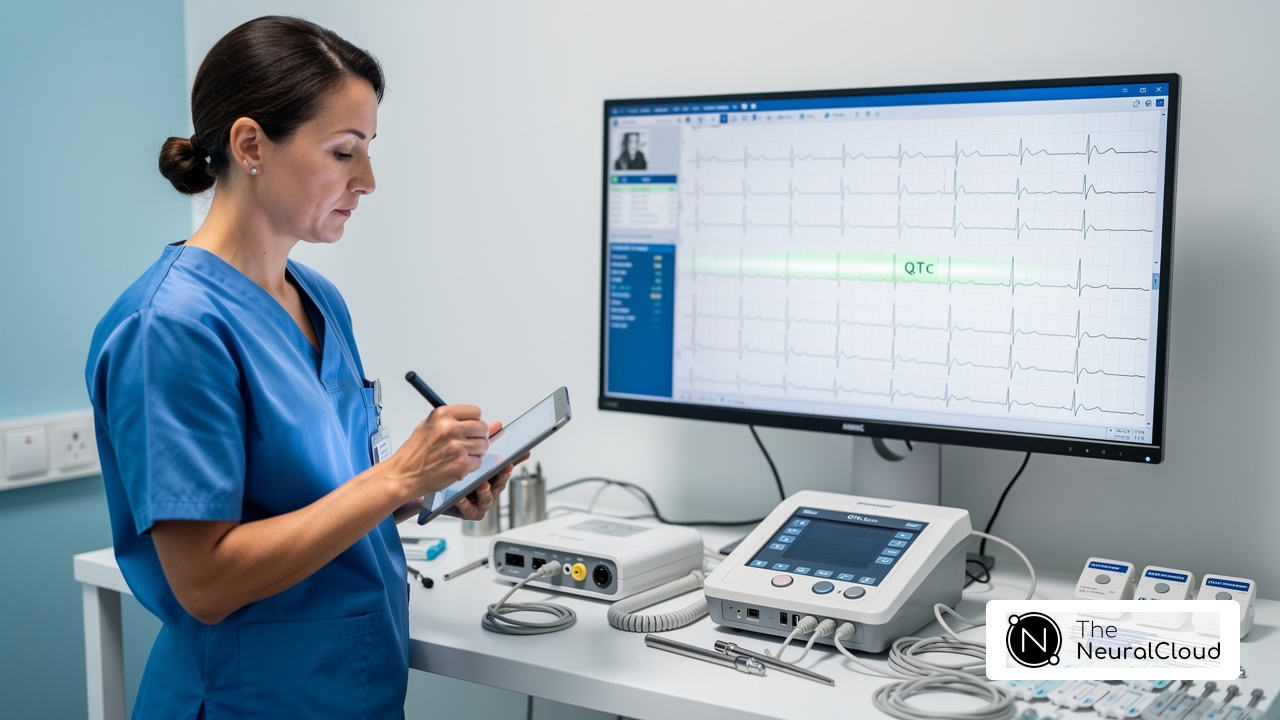
- Echocardiography: This primary tool provides real-time visualization of the heart's structure and motion. It measures left ventricular ejection fraction (LVEF) to detect elevated activity states. Research indicates that individuals with increased left ventricular systolic performance typically display an average LVEF of 70% or above, which is crucial for accurate diagnosis. Notably, the occurrence of elevated LV systolic activity in septic patients is reported to be 18.2%, underscoring the need for prompt diagnosis in this population.
- Cardiac MRI: This imaging modality offers detailed insights into both systolic and diastolic function, allowing for differentiation between various cardiac conditions. It is particularly beneficial in evaluating the structural and functional features of the heart, facilitating a comprehensive assessment of heightened physiological states.
- Radionuclide Imaging: This technique quantifies LVEF and assesses myocardial perfusion, providing valuable information about the heart's functional capacity. Studies have shown that an excessively active left ventricle can significantly predict diastolic dysfunction, with a specificity of 96.77% and a positive predictive value of 97.83%. Furthermore, the odds ratio of 2.37 for elevated LV systolic performance predicting higher mortality highlights the clinical importance of accurate diagnosis.
- Hemodynamic Monitoring: Invasive techniques, such as pulmonary artery catheterization, provide direct assessments of cardiac output and pressures, which are vital for understanding the dynamics of increased activity. These measurements help clinicians tailor interventions based on the individual's hemodynamic status. Additionally, patients with elevated LV systolic activity often exhibit a higher heart rate and reduced LV end-diastolic diameter (LVEDD), which are significant characteristics to consider.
By employing these diagnostic methods, clinicians can accurately identify and monitor patients with suspected increased systolic function is hyperdynamic, ensuring timely and effective management.

Discuss Management Strategies and Treatment Options
The management of conditions where systolic function is hyperdynamic focuses on addressing underlying causes and optimizing cardiac performance through a comprehensive approach. Key strategies include:
- Pharmacological Interventions: Beta-blockers serve as the first-line therapy, effectively lowering pulse rate and contractility, which alleviates the excessive burden on the heart. Alongside beta-blockers, ACE inhibitors and diuretics may be utilized based on the patient's specific condition, enhancing overall cardiac function. Recent studies, including the DAPA-HF trial, indicate that medications like Farxiga can reduce the risk of cardiovascular death or hospitalization by 26%. This underscores the importance of effective pharmacological management in heart failure.
- Fluid Management: Careful monitoring and adjustment of fluid status are critical, particularly in cases of sepsis or volume overload. It's vital to avoid excessive diuresis, as this can worsen situations where systolic function is hyperdynamic. Real-world examples demonstrate that effective fluid management strategies can significantly improve outcomes for individuals facing these conditions. As noted by John McMurray, M.D., new pharmacological methods can greatly enhance results for patients with cardiac failure, emphasizing the need for tailored fluid management strategies.
- Lifestyle Modifications: Promoting heart-healthy habits, such as maintaining a balanced diet, engaging in regular exercise, and quitting smoking, can have a profound impact on overall cardiac health and support the management of hyperdynamic states. These lifestyle changes are essential in alleviating the burden of heart failure, which affects nearly 6.5 million Americans.
- Regular Monitoring: Continuous evaluation of cardiac performance through echocardiography and other diagnostic methods is crucial for adjusting treatment strategies and ensuring optimal results for individuals. This ongoing assessment allows healthcare providers to tailor interventions effectively.
Together, these strategies aim to stabilize cardiac performance and enhance the quality of life for individuals, particularly when systolic function is hyperdynamic, ensuring a thorough approach to management.

Highlight Importance of Continuous Monitoring and Follow-Up
Continuous monitoring of patients with hyperdynamic systolic function is crucial for several reasons:
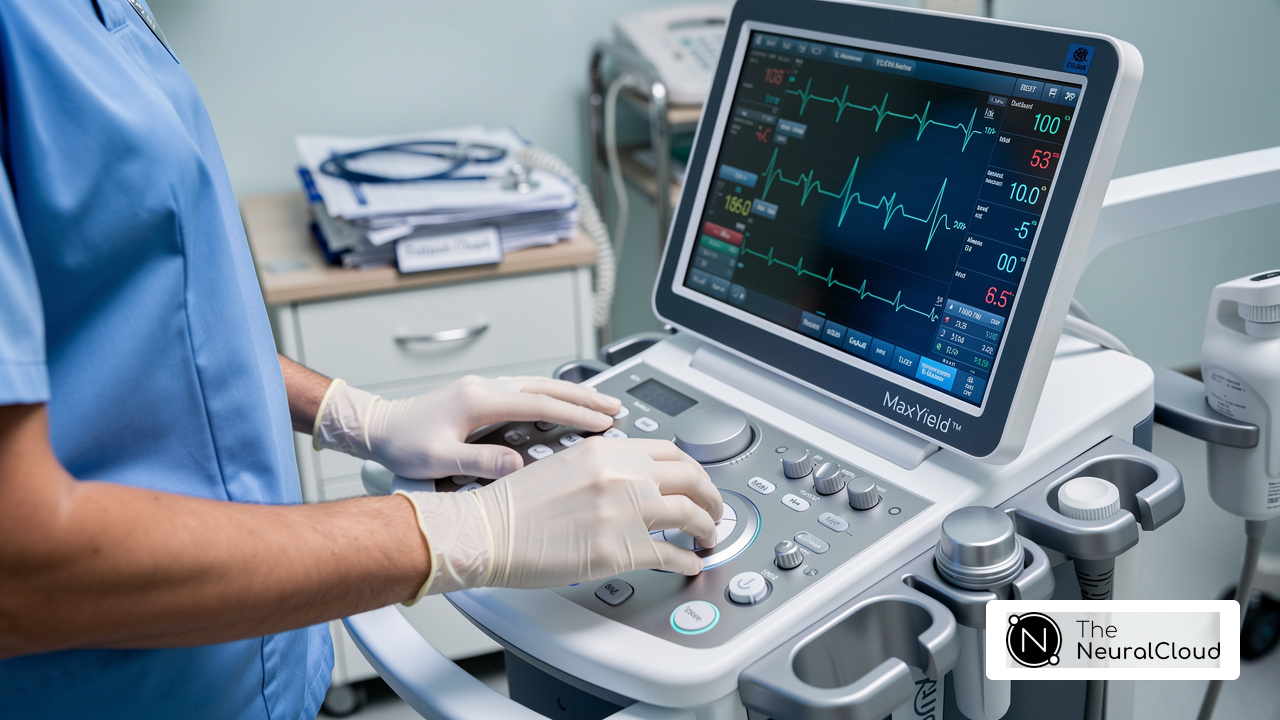
- Real-Time Data: Advanced monitoring technologies like MaxYield™ provide immediate insights into cardiac performance. This enables healthcare providers to swiftly adjust treatment plans based on the patient's current status. The integration of AI-driven ECG analysis enhances clinical decision-making by delivering actionable data that can lead to timely interventions, transforming lengthy and noisy ECG recordings into clean, crisp signals.
- Early Detection of Complications: Regular evaluations are vital for identifying potential complications, such as diastolic dysfunction or cardiac failure, before they escalate into critical conditions. Research indicates that ongoing observation can significantly reduce hospital readmissions, with some systems reporting a 57% decrease in failure-related admissions. This underscores the importance of proactive management in patient care.
- Tailored Treatment Plans: Continuous data collection allows healthcare providers to customize treatment strategies, ensuring that interventions are effective and aligned with the individual's evolving condition. This adaptability is essential, as individuals with heart failure often experience silent progression of their condition. MaxYield™ supports this by offering scalable and automated solutions that cater to individual requirements.
- Enhanced Health Outcomes: Studies consistently show that individuals receiving regular monitoring and follow-up care enjoy better health results, including fewer hospitalizations and improved quality of life. For example, remote health monitoring, enhanced by MaxYield™, has been linked to greater accountability and lifestyle changes, which are critical for managing chronic conditions. As healthcare experts note, "real-time data is crucial in managing cardiac performance effectively, enabling timely adjustments that can greatly influence individual outcomes."
Incorporating continuous monitoring into the management of systolic function is hyperdynamic marks a significant advancement in patient care. This approach aligns with the goals of precision medicine and addresses the challenges of data management in remote monitoring.

Conclusion
Understanding hyperdynamic systolic function is crucial for effective clinical practice. This condition highlights the heart's increased pumping capacity, which can indicate both physiological responses and underlying pathological states. By recognizing hyperdynamic systolic function, healthcare professionals can distinguish between normal adaptations of heart function and potentially dangerous situations. This differentiation ultimately guides timely and appropriate management strategies.
The article discusses key aspects of hyperdynamic systolic function, including its clinical relevance, diagnostic techniques, and management strategies. Diagnostic methods such as echocardiography, cardiac MRI, and hemodynamic monitoring provide essential insights into heart performance. Management strategies focus on addressing underlying causes through pharmacological interventions, fluid management, lifestyle modifications, and regular monitoring. Each component plays a vital role in optimizing patient outcomes, particularly in cases linked to conditions like sepsis.
Incorporating continuous monitoring and follow-up care is paramount in managing hyperdynamic systolic function. By leveraging advanced technologies and real-time data analysis, healthcare providers can enhance patient care, reduce complications, and improve overall health outcomes. Clinicians must remain vigilant and proactive in monitoring patients, ensuring they receive tailored interventions that align with their evolving health status. The significance of understanding and managing hyperdynamic systolic function cannot be overstated, as it directly impacts patient survival and quality of life.
Frequently Asked Questions
What is hyperdynamic systolic function?
Hyperdynamic systolic function is characterized by an elevated left ventricular ejection fraction (LVEF) that typically exceeds 70%, indicating that the heart is pumping blood more vigorously than usual.
What causes hyperdynamic systolic function?
Hyperdynamic systolic function can result from physiological responses to increased metabolic demands or pathological states.
Why is identifying hyperdynamic systolic function clinically important?
Identifying hyperdynamic systolic function is important because it may indicate underlying conditions such as sepsis or hypervolemia, both of which are associated with higher short-term mortality rates.
What is the correlation between hyperdynamic systolic function and short-term mortality?
Research indicates that hyperdynamic systolic function correlates with an odds ratio (OR) of 2.37 for short-term mortality compared to normal left ventricular performance.
How does hyperdynamic systolic function relate to sepsis?
The occurrence of exaggerated left ventricular systolic activity in patients with sepsis has been reported at 18.2%, highlighting its clinical significance and the need for close monitoring by healthcare professionals.
What is the importance of hemodynamic management in patients with hyperdynamic systolic function?
Careful hemodynamic management is necessary in individuals with hyperdynamic systolic function to distinguish between normal physiological adaptations and potentially harmful cardiac conditions, guiding appropriate management strategies.
List of Sources
- Define Hyperdynamic Systolic Function and Its Clinical Relevance
- Hyperdynamic Left Ventricular Function: Good or Bad News? | 2020-04-14 (https://clinician.com/articles/146090-hyperdynamic-left-ventricular-function-good-or-bad-news)
- Checking your browser - reCAPTCHA (https://pmc.ncbi.nlm.nih.gov/articles/PMC10838258)
- Hyperdynamic Heart EF >70% Increases Mortality Risk 56% | www.PhysiciansWeekly.com (https://physiciansweekly.com/post/clinical-outcomes-and-echocardiographic-features-of-the-hyperdynamic-heart)
- Explore Diagnostic Techniques for Hyperdynamic Systolic Function
- ultromics.com (https://ultromics.com/articles/top-advances-in-echocardiography-transforming-cardiac-imaging-on-world-heart-day)
- Checking your browser - reCAPTCHA (https://pmc.ncbi.nlm.nih.gov/articles/PMC10838258)
- pmc.ncbi.nlm.nih.gov (https://pmc.ncbi.nlm.nih.gov/articles/PMC5497293)
- Hyperdynamic Heart EF >70% Increases Mortality Risk 56% | www.PhysiciansWeekly.com (https://physiciansweekly.com/post/clinical-outcomes-and-echocardiographic-features-of-the-hyperdynamic-heart)
- diagnosticimaging.com (https://diagnosticimaging.com/view/ai-more-effective-than-sonographer-interpretation-of-cardiac-function-on-echocardiograms)
- Discuss Management Strategies and Treatment Options
- FDA Approves New Treatment For a Type of Heart Failure | HFSA (https://hfsa.org/fda-approves-new-treatment-type-heart-failure)
- Heart Failure Management: Current Approaches and Future Directions (https://thecardiologyadvisor.com/features/heart-failure-management-2026)
- drugs.com (https://drugs.com/news/kerendia-approved-heart-failure-left-ventricular-ejection-fraction-40-percent-125790.html)
- newsroom.heart.org (https://newsroom.heart.org/news/combination-pill-for-heart-failure-improved-heart-function-symptoms-and-quality-of-life)
- thecardiologyadvisor.com (https://thecardiologyadvisor.com/cch/heart-failure-preserved-ejection-fraction-finerenone-inflammation)
- Highlight Importance of Continuous Monitoring and Follow-Up
- blog.prevounce.com (https://blog.prevounce.com/remote-patient-monitoring-to-improve-heart-failure-management)
- Technological Advancements in Cardiology: Improved Monitoring (https://bstquarterly.com/article/technological-advancements-in-cardiology-improved-monitoring)
- eclinicalworks.com (https://eclinicalworks.com/blog/remote-patient-monitoring-to-improve-cardiac-care)
- Cardiology Updates Leading Into 2026 | Passaic, New Jersey | Apex Heart and Vascular Center (https://apexheartandvascular.com/cardiology-updates-leading-into-2026)
- Remote Monitoring in Heart Failure: Revolutionizing Patient Management and Outcomes (https://uscjournal.com/articles/remote-monitoring-heart-failure-revolutionizing-patient-management-and-outcomes?language_content_entity=en)