Introduction
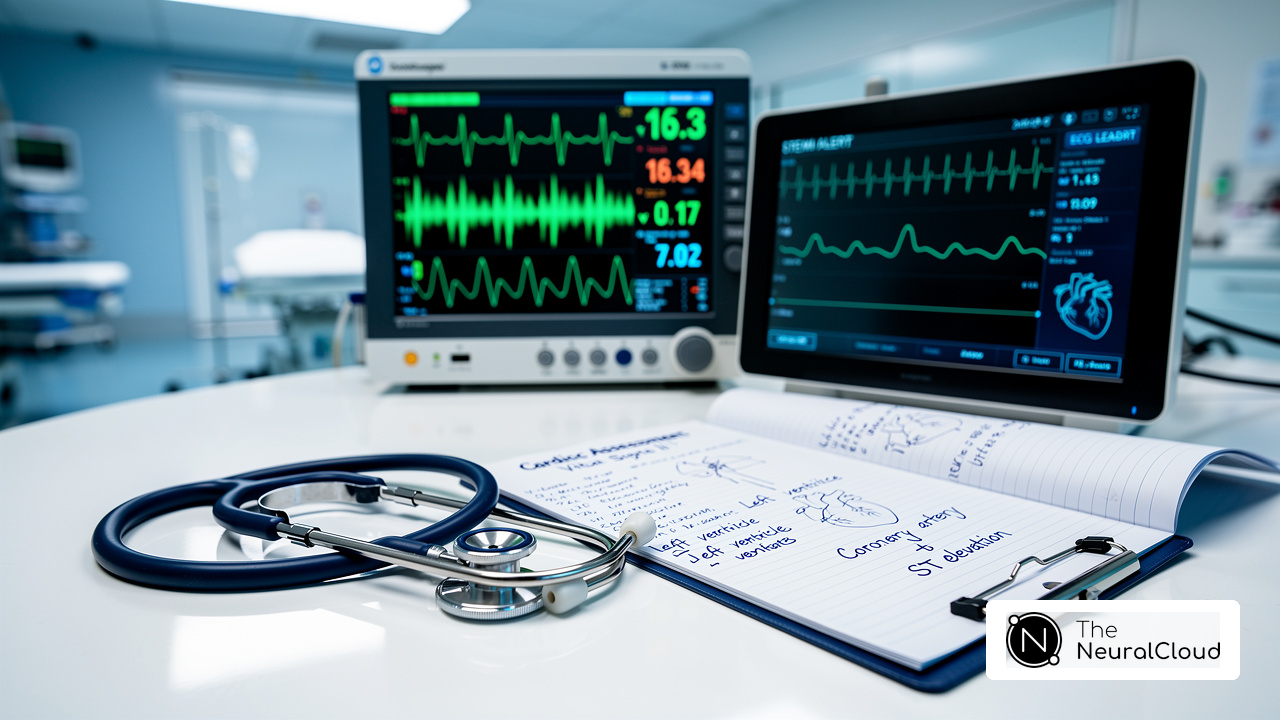
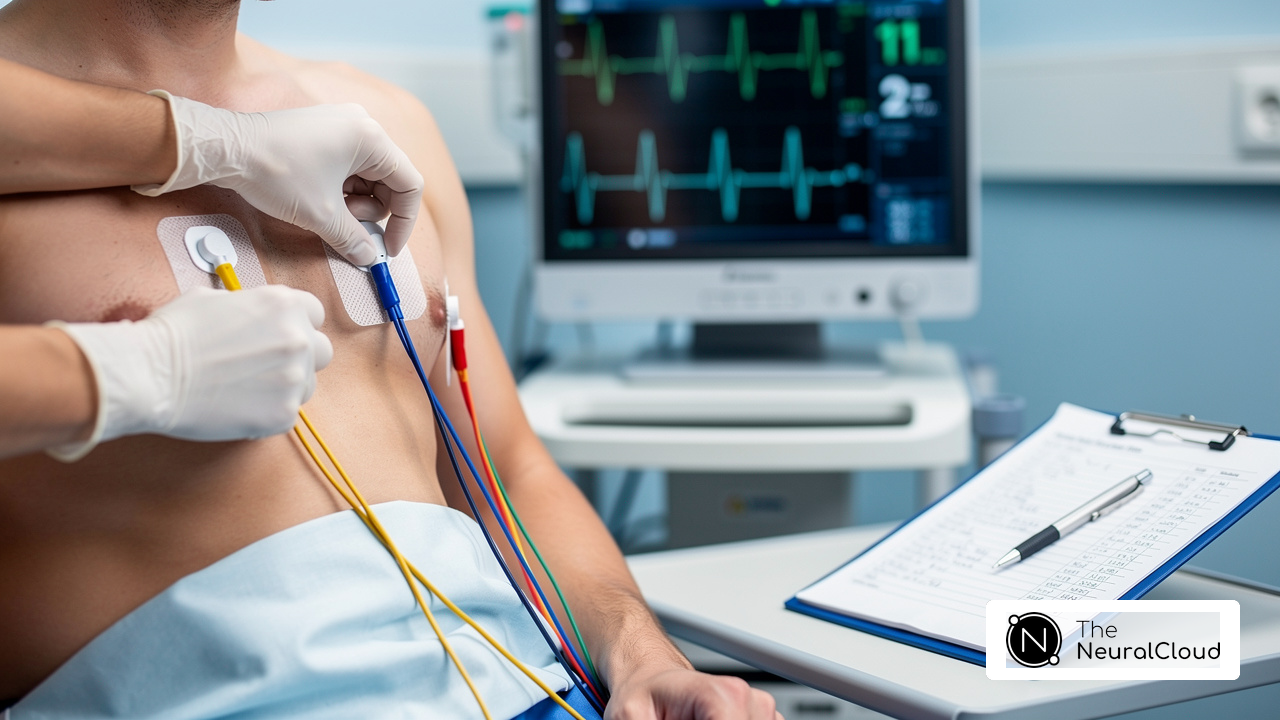
Atrial fibrillation (AFib) is more than just a medical term; it represents a growing public health concern affecting millions worldwide. As the most common sustained cardiac arrhythmia, AFib presents significant challenges for timely diagnosis and treatment. Understanding its characteristics on an electrocardiogram (ECG) is crucial for healthcare professionals. Key visual indicators signal the presence of AFib, and modern technology can enhance the accuracy of these interpretations.
Exploring these questions reveals essential features of AFib on an ECG, such as irregularly irregular rhythms and varying R-R intervals. These indicators are vital for accurate diagnosis. Furthermore, innovative tools like the MaxYield™ platform are reshaping cardiovascular care by improving ECG analysis. This platform enhances the detection of AFib, allowing for quicker and more reliable interpretations.
The advantages of using MaxYield™ are clear:
- It streamlines the diagnostic process.
- It reduces the risk of misinterpretation.
- It ultimately leads to better patient outcomes.
By leveraging advanced algorithms and user-friendly interfaces, healthcare professionals can make informed decisions faster. This not only improves efficiency but also enhances the overall quality of care for patients with AFib.
Defining Atrial Fibrillation: Importance and Implications
is the most common sustained cardiac arrhythmia, marked by an irregular and often accelerated heart rate. This condition stems from disorganized electrical signals in the atria, resulting in ineffective contractions. The implications of atrial fibrillation are significant, as it greatly increases the risk of stroke, heart failure, and other cardiovascular complications. For healthcare professionals, grasping the complexities of atrial fibrillation is essential; timely diagnosis and management can lead to improved patient outcomes.
The impact of atrial fibrillation extends beyond individual patients, placing considerable strain on healthcare systems due to high treatment costs and the need for ongoing monitoring and management strategies. Projections indicate that by 2030, nearly 19.6% of individuals over 65 will exhibit noticeable symptoms of atrial fibrillation, highlighting the urgent need for effective management approaches. Additionally, the lifetime risk of developing AF for those over 40 is estimated at 25%, underscoring the necessity for proactive healthcare interventions.
As AFib cases continue to rise, the integration of digital health tools, such as the MaxYield™ system, will be crucial in enhancing patient outcomes. The MaxYield™ system improves diagnosis through innovative neural network solutions. It automates the labeling of ECG signals, which helps reduce operational costs. This technology addresses challenges in AFib interpretation by minimizing physiological variability and signal artifacts, ultimately aiding healthcare professionals in delivering better care.
Moreover, the MaxYield™ system assists in identifying new patterns, further enhancing the accuracy of diagnosis. The combination of advanced wearable technology and MaxYield™ will play a vital role in managing related medical expenses and improving the quality of care for patients with atrial fibrillation.

Identifying Atrial Fibrillation on ECG: Key Visual Features
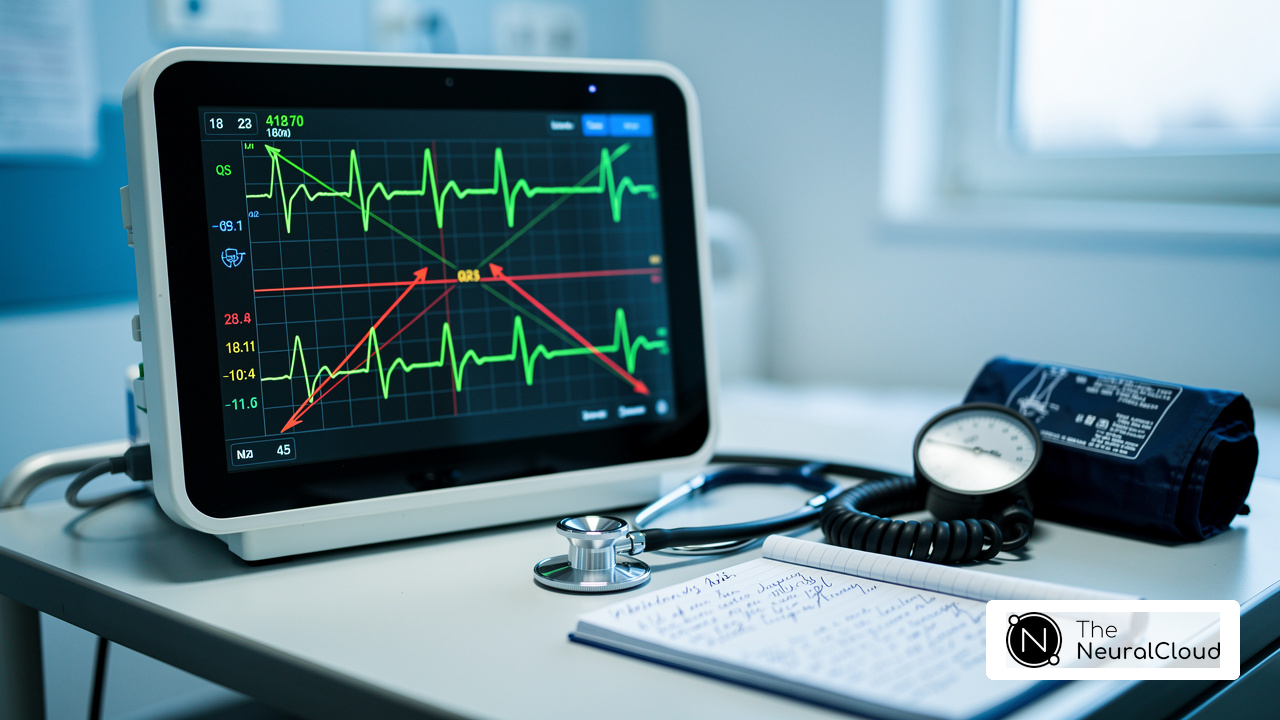
In this context, understanding atrial fibrillation is essential, as atrial fibrillation (AFib) presents unique challenges characterized by distinct visual features on an electrocardiogram (ECG). These include an irregularly irregular rhythm, the absence of consistent P waves, and variable R-R intervals. The chaotic electrical activity in the atria leads to fibrillatory waves that may appear between the QRS complexes. This irregularity can result in a rapid heart rate, often exceeding 100 beats per minute, with uncontrolled rates sometimes reaching 150 bpm or more. Recognizing AFib is crucial for healthcare providers, as it indicates the need for further evaluation and potential treatment options.
With over 10 million Americans affected by atrial fibrillation, and projections suggesting that more than 8 million people in the US will be impacted by 2050, understanding these visual features is vital for prompt and effective management of the condition. The associated risks, such as stroke and heart failure, further emphasize the urgency of recognizing AFib.
The MaxYield™ platform enhances ECG interpretation by automating the process, providing real-time analysis, and adapting to physiological variability. Key features of the platform include:
- Automation for efficiency
- Clarity for clearer readings
- Adaptability to individual physiological differences
These features translate into significant advantages for healthcare professionals. By utilizing the MaxYield™ platform, providers can confidently identify critical ECG features, leading to better patient outcomes. As Ashley Morgan notes, the absence of consistent P waves is a vital diagnostic sign of AFib, making it essential for medical professionals to master ECG interpretation. With this solution, healthcare providers are better equipped to manage atrial fibrillation effectively.

Modern Approaches to AFib Detection: Technology and Innovation
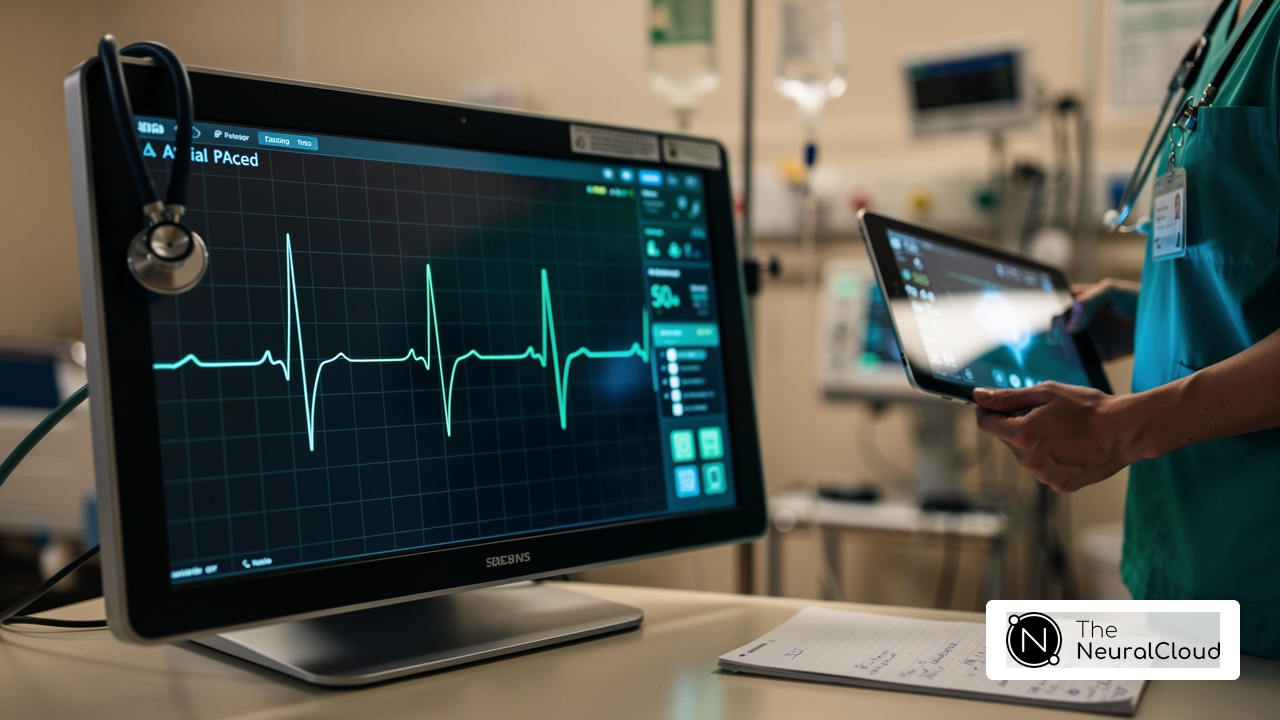
Recent advancements in technology have revolutionized the detection of atrial fibrillation (AF) and now facilitate continuous monitoring and diagnosis, significantly improving patient outcomes. For instance, smartwatches equipped with ECG functionalities can detect irregular heart rhythms, alerting users to potential AF episodes even when they are asymptomatic. This proactive approach allows for timely intervention, crucial for preventing complications associated with AF.
The integration of AI in ECG interpretation improves diagnostic accuracy by minimizing human error and leveraging extensive datasets for analysis. The MaxYield™ platform exemplifies this advancement, offering algorithms that effectively handle physiological variability and noise. This device-agnostic system ensures compatibility with various ECG devices and employs advanced signal processing and distinct wave recognition. As a result, it can salvage previously obscured sections of ECG recordings, enhancing the clarity of diagnostic insights.
Studies have shown that AI algorithms can achieve over 95% accuracy in detecting AF, demonstrating their potential to transform cardiac care. Notably, the Apple Heart Study, which enrolled over 400,000 participants, highlighted the effectiveness of smartwatches in reliably identifying irregular heart rhythms and facilitating early clinical intervention. Furthermore, the EQUAL trial illustrated the practical benefits of smartwatch monitoring, revealing that 9.6% of participants in the intervention group were diagnosed with new-onset AF compared to just 2.3% in the control group.
This underscores the significant impact of wearable technology, enabling rapid diagnosis and treatment initiation. As the prevalence of AF continues to rise, the role of wearable technology and AI, particularly through solutions like MaxYield™, in enhancing early detection and management becomes increasingly vital. The continuous learning model of MaxYield™ ensures that its accuracy and efficiency improve over time, adapting to new data and enhancing clinical decision-making.
However, it is essential to consider the ethical implications and integration challenges associated with these technologies in clinical practice.
Key Features of MaxYield™:
- Distinct wave recognition
Advantages for Healthcare Professionals:
- Enhanced diagnostic accuracy
- Improved patient outcomes
- Adaptability to new data

Challenges in AFib Interpretation: Misdiagnoses and Signal Clarity
Understanding what does afib look like on an ecg can be quite challenging, leading to misinterpretations. Common issues include artifacts, overlapping arrhythmias, and variations in patient physiology that can obscure true ECG signals. Conditions like atrial flutter and premature atrial contractions often mimic AFib, complicating the diagnostic process. A study found that 34% of cases were misdiagnosed, compared to 7% for atrial fibrillation, highlighting a significant discrepancy in diagnostic accuracy. Furthermore, poor signal quality due to movement or electrical interference can hinder accurate interpretation, with minor disturbances present in 29% of misclassified ECGs and major artifacts in 10%.
To address these challenges, healthcare professionals can leverage advanced tools and methodologies, such as the MaxYield™ platform. This innovative system employs machine learning algorithms and signal processing techniques to enhance ECG analysis. By salvaging previously obscured sections of recordings, it ensures that critical data is accurately identified and labeled. This capability is crucial in mitigating the risks of misdiagnosis; for instance, inappropriate anticoagulant treatment was initiated in 12 patients due to misdiagnosis, underscoring the real-world implications of these challenges.
The MaxYield™ platform offers several key features that improve ECG analysis:
- Artifact reduction: Reduces artifacts and enhances signal clarity.
- Data labeling: Identifies and labels critical data accurately.
- Workflow integration: Simplifies integration into clinical workflows.
These features translate into significant advantages for healthcare professionals. By utilizing MaxYield™, clinicians can enhance diagnostic yield and ensure better patient outcomes. For practical guidance on implementing MaxYield™, refer to the user manual, which outlines effective strategies for its integration into clinical workflows.

Conclusion
Atrial fibrillation (AFib) poses a significant challenge in cardiovascular health, marked by irregular heart rhythms that can greatly impact patient well-being. Recognizing how AFib appears on an electrocardiogram (ECG) is essential for timely diagnosis and intervention, which can significantly enhance outcomes for those affected. The urgency to identify these patterns is heightened by the increasing prevalence of AFib, particularly among older populations, making effective management strategies more crucial than ever.
This article explores the key features of AFib on an ECG, emphasizing the absence of distinct P waves and irregular rhythms. It also highlights the role of advanced technology, such as the MaxYield™ platform. This innovative tool enhances ECG analysis by improving diagnostic accuracy through automated features and noise reduction, addressing common challenges like misdiagnosis and signal clarity issues. By leveraging these technological advancements, healthcare providers can navigate the complexities of AFib detection and management more effectively.
Given the rising incidence of atrial fibrillation, adopting modern diagnostic tools and methodologies is vital for healthcare professionals. The integration of AI and wearable technology not only supports early detection but also empowers clinicians to initiate timely interventions, ultimately reducing the risks associated with AFib. As the landscape of cardiovascular care evolves, prioritizing education on ECG interpretation and utilizing cutting-edge solutions will be essential in addressing the challenges posed by this prevalent arrhythmia.
Frequently Asked Questions
What is atrial fibrillation?
Atrial fibrillation is the most common sustained cardiac arrhythmia, characterized by an irregular and often accelerated heart rate due to disorganized electrical signals in the atria, leading to ineffective contractions.
What are the implications of atrial fibrillation?
Atrial fibrillation significantly increases the risk of stroke, heart failure, and other cardiovascular complications, making timely diagnosis and management crucial for improving patient outcomes.
How does atrial fibrillation affect healthcare systems?
The impact of atrial fibrillation extends beyond individual patients, placing considerable strain on healthcare systems due to high treatment costs and the need for ongoing monitoring and management strategies.
What are the projections for atrial fibrillation prevalence by 2030?
By 2030, it is projected that nearly 19.6% of individuals over 65 will exhibit noticeable atrial fibrillation.
What is the lifetime risk of developing atrial fibrillation for those over 40?
The lifetime risk of developing atrial fibrillation for individuals over 40 is estimated at 25%.
How can digital health tools assist in managing atrial fibrillation?
Digital health tools, such as the MaxYield™ platform, enhance patient outcomes by improving ECG analysis efficiency, automating the labeling of ECG signals, and addressing challenges in ECG analysis.
What benefits does the MaxYield™ platform provide?
The MaxYield™ platform helps reduce operational costs, improves ECG analysis by overcoming inefficiencies, physiological variability, and signal artifacts, and assists in identifying new digital biomarkers for better management of atrial fibrillation.
What role does advanced wearable technology play in managing atrial fibrillation?
The combination of advanced wearable technology and the MaxYield™ platform is vital in managing medical expenses related to atrial fibrillation and improving the quality of care for affected patients.
List of Sources
- Defining Atrial Fibrillation: Importance and Implications
- How Innovation and Technology Can Improve Atrial Fibrillation Patient Care - InventUM (https://news.med.miami.edu/how-innovation-and-technology-can-improve-atrial-fibrillation-patient-care)
- newsroom.heart.org (https://newsroom.heart.org/news/ablation-reduces-stroke-risk-for-afib-and-may-remove-need-for-some-types-of-blood-thinners)
- The Global Impact of Atrial Fibrillation (https://aerjournal.com/articles/global-impact-atrial-fibrillation?language_content_entity=en)
- pmc.ncbi.nlm.nih.gov (https://pmc.ncbi.nlm.nih.gov/articles/PMC11492272)
- researchgate.net (https://researchgate.net/publication/350713501_Atrial_Fibrillation_Diagnosis_Treatment_and_Outcomes-_A_Case_Study)
- Identifying Atrial Fibrillation on ECG: Key Visual Features
- int.livhospital.com (https://int.livhospital.com/a-fib-ekg-4-key-ecg-features)
- The Global Impact of Atrial Fibrillation (https://aerjournal.com/articles/global-impact-atrial-fibrillation?language_content_entity=en)
- New AFib diagnosis? Here’s some help to clear any confusion (https://heart.org/en/news/2025/09/23/new-afib-diagnosis-heres-some-help-to-clear-any-confusion)
- northwell.edu (https://northwell.edu/news/insights/afib-treatment-what-heart-doctors-need-you-to-know)
- Modern Approaches to AFib Detection: Technology and Innovation
- clinaudits.com (https://clinaudits.com/case-studies-and-real-world-applications-of-wearables-in-clinical-trials)
- pmc.ncbi.nlm.nih.gov (https://pmc.ncbi.nlm.nih.gov/articles/PMC11822239)
- dig.watch (https://dig.watch/updates/new-radar-technology-advances-heart-rhythm-detection)
- mountsinai.org (https://mountsinai.org/about/newsroom/2025/new-artificial-intelligence-model-accurately-identifies-which-atrial-fibrillation-patients-need-blood-thinners-to-prevent-stroke)
- EQUAL: Smartwatch Monitoring Improves AFib Detection - American College of Cardiology (https://acc.org/latest-in-cardiology/journal-scans/2026/01/28/02/51/equal)
- Challenges in AFib Interpretation: Misdiagnoses and Signal Clarity
- pubmed.ncbi.nlm.nih.gov (https://pubmed.ncbi.nlm.nih.gov/15501200)
- New AFib diagnosis? Here’s some help to clear any confusion (https://heart.org/en/news/2025/09/23/new-afib-diagnosis-heres-some-help-to-clear-any-confusion)
- pmc.ncbi.nlm.nih.gov (https://pmc.ncbi.nlm.nih.gov/articles/PMC6883419)
- pmc.ncbi.nlm.nih.gov (https://pmc.ncbi.nlm.nih.gov/articles/PMC12777708)