Introduction
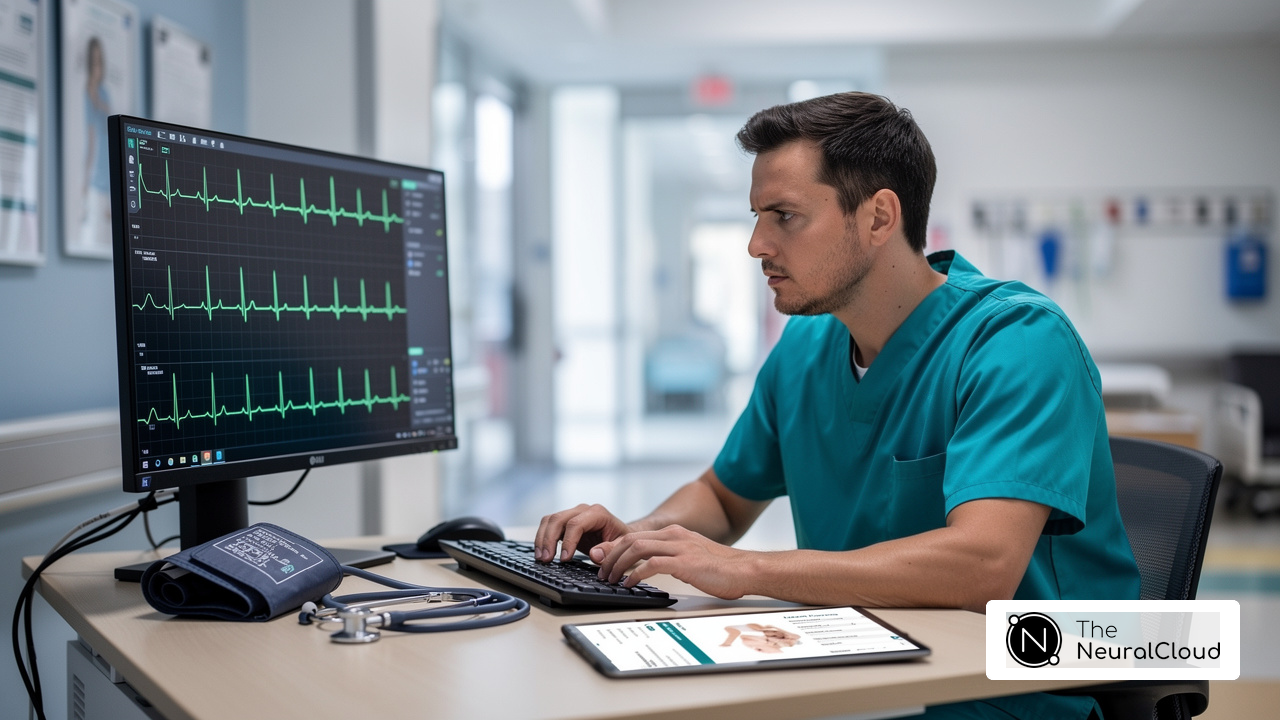
The field of cardiology is undergoing significant transformation, fueled by technological innovations that enhance both diagnostic precision and patient care. A notable advancement is the MaxYield™ platform from Neural Cloud Solutions, which provides automated ECG analysis that markedly improves the clarity of cardiac data. As healthcare professionals aim to make swift, informed decisions, the ability to accurately interpret critical heart block images becomes essential. Yet, given the complexities of complete heart block and its diverse presentations, how can clinicians ensure they are diagnosing and managing this vital condition effectively?
The MaxYield™ platform addresses these challenges head-on. It offers features such as real-time ECG interpretation, which allows for immediate insights into cardiac health. This capability not only streamlines the diagnostic process but also enhances the accuracy of readings, reducing the likelihood of misdiagnosis. Furthermore, the platform's user-friendly interface ensures that healthcare professionals, regardless of their technical background, can easily navigate and utilize its functionalities.
The advantages of the MaxYield™ platform extend beyond mere convenience. By improving the clarity of ECG data, it empowers clinicians to make quicker, more informed decisions, ultimately leading to better patient outcomes. With the ability to visualize complex cardiac conditions clearly, healthcare providers can enhance their diagnostic capabilities and improve the management of critical heart conditions.
Neural Cloud Solutions: MaxYield™ for Enhanced ECG Clarity
Neural Cloud Solutions has revolutionized ECG analysis with its technology, which automates the processing of data through advanced algorithms. This cutting-edge technology significantly improves the accuracy of readings, allowing healthcare professionals to make informed decisions quickly. With the capability to process over 200,000 heartbeats in under five minutes, MaxYield™ ensures that clinicians receive timely results, ultimately enhancing patient care outcomes.
The latest advancements in ECG technology underscore the substantial impact of AI on signal clarity. Studies have shown remarkable accuracy in diagnostics, with some achieving over 99% accuracy in controlled datasets. This high level of precision not only supports accurate diagnoses but also streamlines clinical workflows, enabling healthcare providers to concentrate on critical decision-making rather than labor-intensive manual tasks.
Case studies further demonstrate the effectiveness of AI in improving ECG clarity. A notable example is the alert system, which alerts clinicians to significant changes in heart activity. This functionality not only enhances individual patient safety but also allows for timely interventions based on real-time data analysis.
Cardiologists have acknowledged the benefits of AI technology. As one expert remarked, AI merges high accuracy with the ability to provide interpretations that bolster clinical decisions, paving the way for improved patient outcomes. Such insights highlight the necessity of integrating advanced technologies like MaxYield™ into clinical practice, ultimately leading to improved patient management and outcomes.

Key ECG Features of Complete Heart Block
Complete heart block is characterized by the complete dissociation of atrial and ventricular activity, leading to distinct features:
- P Waves: Atrial activity continues independently, often at a rate that exceeds that of ventricular contractions. This highlights the ongoing electrical activity in the atria despite the lack of communication with the ventricles.
- Ventricular Rate: Ventricular contractions occur at a significantly reduced rate, typically between 30 to 50 beats per minute, driven by escape rhythms from the His bundle or Purkinje fibers. This slower rate serves as a critical indicator of the situation's severity.
- Conduction Block: A key feature of complete atrioventricular disruption is the absence of any connection between P waves and QRS complexes, indicating a complete interruption in conduction from the atria to the ventricles. This dissociation is essential for diagnosing the condition and understanding its implications for patient management.
Recent studies indicate that individuals with complete heart block have a five-year survival rate as low as 37% if untreated, underscoring the importance of prompt diagnosis and intervention. The prevalence of complete heart block in the general adult population is low, ranging from 0.4% to 0.6%, which highlights its rarity. Additionally, patients with high-grade AV block experience significantly higher mortality rates at one year, emphasizing the critical need for effective management strategies.
Integrating technology with Neural Cloud Solutions' platform addresses the challenges in ECG analysis. This platform automates the labeling process, significantly enhancing the efficiency of ECG interpretation and reducing operational costs. By leveraging AI-driven algorithms, MaxYield™ improves the accuracy and reliability of ECG readings, allowing clinicians to focus on critical decision-making tasks.
Understanding these features, along with potential complications like syncope, is crucial for healthcare professionals to effectively recognize and manage heart block images in clinical practice. Furthermore, various factors leading to acquired AV block, such as myocardial ischemia, medications, and degenerative diseases, should be considered within the broader context of cardiac conduction disorders.

Pathophysiology of Complete Heart Block
Complete atrioventricular block occurs when there's a failure in the heart's conduction system, particularly at the AV node. This condition can stem from several factors:
- Damage to the heart muscle, often due to reduced blood flow, disrupts the electrical signals necessary for proper heart function. Cardiovascular illness is the leading cause of mortality worldwide, with a significant impact in the U.S. The analysis provides detailed insights, enabling healthcare professionals to effectively identify these disruptions and monitor patients with ischemic conditions.
- Age-related degeneration of the conduction pathways significantly contributes to cardiac interruption. The prevalence of heart block increases with age, particularly among individuals with risk factors for heart disease. In a clinical trial, heart block was found in 1.9% of participants aged 70 and older. MaxYield™ facilitates this monitoring by offering real-time data, delivering insights on 200,000 heartbeats in under 5 minutes, which is essential for prompt intervention in older individuals.
- Conditions such as myocarditis can disrupt the heart's electrical system, leading to arrhythmias. This inflammation can arise from infections or autoimmune diseases, complicating the clinical picture. With MaxYield™, clinicians can integrate advanced analytics into their workflow, rapidly highlighting potentially meaningful data that aids in diagnosing such conditions.
Understanding these fundamental causes is crucial for healthcare practitioners, as prompt intervention can greatly enhance outcomes for individuals, especially when ischemic cardiac disease leads to conduction irregularities. The MaxYield™ platform enhances clinical decision-making by providing clear, automated insights into ECG data.

Causes of Complete Heart Block
Complete heart block can arise from various causes, each with significant implications for patient care:
- Myocardial infarction: Damage to the heart muscle during a myocardial infarction can disrupt electrical conduction, leading to heart block. Research indicates that individuals with heart block after myocardial infarction (HAVO) often experience extended hospital stays and increased post-infarction complications. Notably, the in-hospital mortality rate for these patients is 16%. In fact, HAVB was documented in 95 patients (8.6%), underscoring the severity of this condition.
- Medications: Certain treatments, particularly beta-blockers and non-dihydropyridine calcium channel blockers, are known to cause cardiac conduction disturbances. According to UCSF, heart block can result from these medications. A significant portion of individuals admitted with heart block may not require permanent pacemaker insertion, as AV obstruction can reverse after discontinuing the offending medication. Importantly, 39% of patients with HAVB needed intervention, which highlights the clinical consequences of medication-induced heart block as depicted in the study.
- Congenital defects: Some individuals may be born with structural abnormalities that affect the heart's conduction system, leading to conduction issues.
- Autoimmune diseases: Conditions such as lupus can cause inflammation and damage to the heart's electrical pathways, contributing to heart block.
Recent findings emphasize the importance of monitoring individuals on these medications, as the risk of heart block can be significantly influenced by drug interactions and individual health conditions. Cardiologists stress the need for thorough assessments of patients showing signs of heart block, especially in the context of acute coronary syndrome, where timely intervention can be crucial. Long-term follow-up data reveal that 13.3% of patients passed away by the end of the follow-up period, underscoring the long-term risks associated with heart block.

Differential Diagnosis of Complete Heart Block
Distinguishing complete atrioventricular conduction disturbance from other conditions is crucial for accurate diagnosis and treatment. Here are key distinctions:
- Second-Degree AV Block: This condition features intermittent conduction failure, unlike the complete absence of conduction seen in complete heart block. Recent research indicates that individuals with this condition, particularly Mobitz type II, are at a heightened risk of progressing to complete cardiac failure. This necessitates careful monitoring and potential intervention.
- Junctional Escape Rhythm: Patients may exhibit pulse rates similar to those of complete atrioventricular obstruction, but they originate from the AV junction rather than the atria. In cases of total cardiac obstruction, atrial and ventricular rates are distinct, often leading to a junctional escape rhythm, which can be analyzed through various ECG case studies.
- Third-Degree AV Block: While this condition is characterized by low pulse rates, there is a consistent relationship between P waves and QRS complexes. This contrasts with complete heart block, where this relationship is disrupted. Understanding these distinctions is vital for clinicians, as patients with complete heart block face significant risks of severe complications, including syncope and sudden cardiac arrest.
Recent studies underscore the importance of ECG analysis in differentiating these conditions, especially when it comes to patient management. For example, research has shown that total cardiac obstruction can lead to severe outcomes, emphasizing the need for prompt diagnosis and intervention. Cardiologists highlight the necessity of recognizing these distinctions to optimize patient outcomes and implement appropriate management strategies.

Example ECG Images of Complete Heart Block
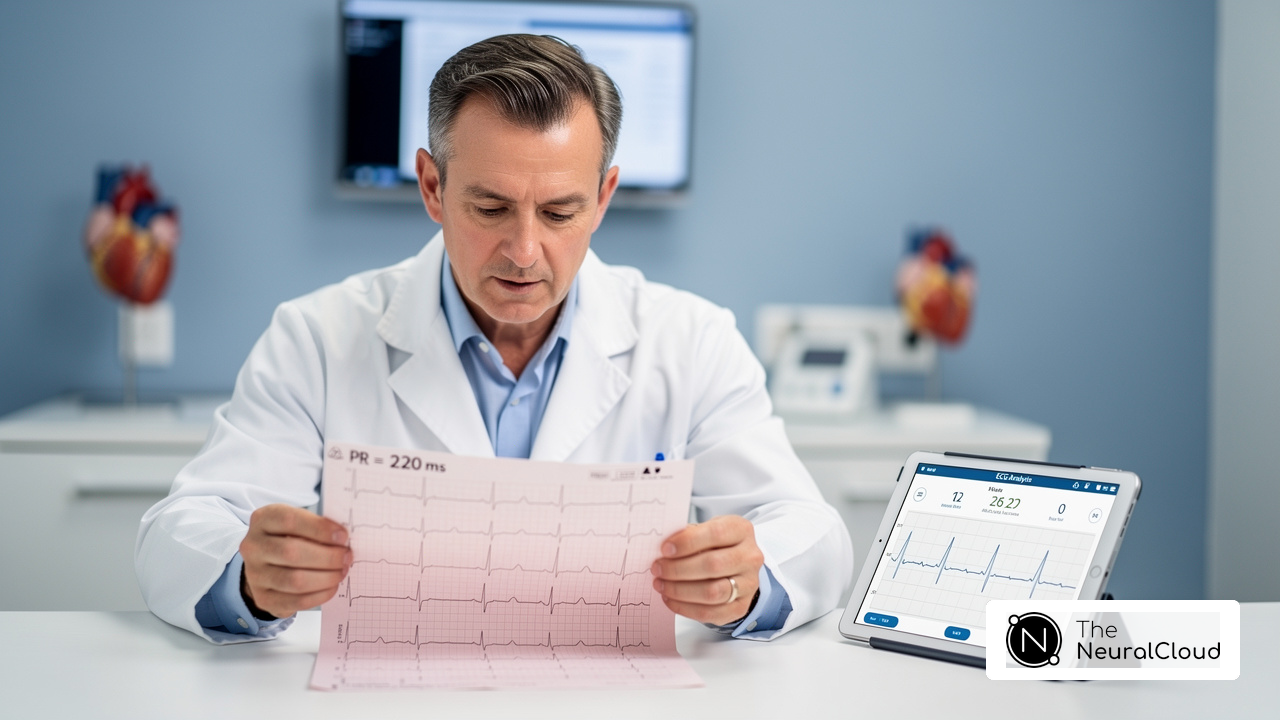
The following ECG images exemplify the distinct characteristics of complete heart block:
- Image 1: This ECG demonstrates a clear dissociation between P waves and QRS complexes, with a ventricular rate of approximately 40 bpm and an atrial rate of around 100 bpm, indicative of complete heart block. This pattern highlights the importance of accurate diagnosis, which is critical for understanding the condition's severity.
- Image 2: Here, the typical ECG pattern of complete cardiac obstruction is depicted, showcasing the absence of conduction, similar to what is shown in heart block images, which is a hallmark of this condition. The risk of progression necessitates urgent clinical attention.
- Image 3: This illustration highlights the dissociation, revealing the independent activity of the atria and ventricles. Understanding this rhythm is crucial, as it can indicate the need for interventions such as pacing in cases of symptomatic bradycardia.
These heart block images serve as vital references for analyzing ECGs with complete cardiac obstruction. They assist healthcare professionals in identifying key characteristics linked to this condition.
Platform Features
- Noise reduction: enhances ECG analysis by filtering out background noise, ensuring clearer readings.
- Wave Recognition Capabilities: The platform accurately identifies waveforms, improving diagnostic accuracy.
- Data recovery: can salvage previously obscured sections in lengthy Holter recordings, enhancing diagnostic yield.
Advantages for Healthcare Professionals
By utilizing advanced technology, healthcare providers can achieve more accurate diagnoses, even in challenging recordings. As noted by cardiologist Robert Buttner, accurate interpretation of these patterns is vital for determining appropriate treatment strategies. This platform not only streamlines the analysis process but also empowers clinicians to make informed decisions swiftly.

Related Topics in Complete Heart Block Diagnosis
Understanding how to manage syncope in patients with complete heart block is crucial, as it can significantly impact their quality of life. The incidence of syncope among individuals with heart block varies, with studies indicating that about 39% experience unexplained syncope, often linked to underlying cardiovascular conditions. In cases of atrioventricular block (AVB), the risk of syncope increases, necessitating thorough assessment and management strategies.
Management strategies for syncope related to heart block begin with a comprehensive initial evaluation. This evaluation should include:
- A detailed medical history
- A physical examination
- An electrocardiogram
Continuous ECG monitoring is vital for tracking the progression of heart block and identifying potential complications. For patients who experience syncope, provocative testing can be employed to provoke episodes and confirm the diagnosis, enabling tailored therapeutic interventions.
When considering pacemaker implantation, guidelines recommend assessing individuals with symptomatic bradycardia or high-grade AVB for this procedure. The decision to suggest a pacemaker is influenced by the patient's clinical presentation, particularly the frequency and severity of syncope episodes. Recent research indicates that the pooled incidence of permanent pacemaker (PPM) implantation due to AVB following coronary artery bypass grafting (CABG) is approximately 0.58%, underscoring the need for timely intervention.
Cardiologists stress the importance of early intervention. As one expert stated, "The identification of high-risk individuals should be prioritized," highlighting the necessity of proactive management to prevent adverse outcomes. Additionally, the American College of Cardiology guidelines categorize indications for pacemaker implantation, offering Class I recommendations for patients experiencing symptomatic bradycardia or syncope due to cardiac conduction issues.
In conclusion, effectively managing syncope in patients with heart block requires a multifaceted approach. This includes continuous monitoring, patient education, and personalized care strategies aimed at improving patient outcomes.

Integrating Technology in ECG Analysis
The integration of technology in ECG analysis addresses several challenges faced by healthcare professionals. Platforms like Neural Cloud Solutions significantly enhance diagnostic capabilities through various innovative features.
Automation streamlines ECG interpretation by processing over 200,000 heartbeats in under five minutes. This automation drastically reduces the time clinicians spend on analysis, allowing them to focus on high-level decision-making rather than manual tasks.
Advanced AI algorithms effectively filter out noise and artifacts, enhancing the quality of ECG signals. This capability is crucial, as studies indicate that accuracy improves to about 8%, compared to nearly 42% with traditional methods. This statistic is supported by a study involving over 1,000 individuals suspected of experiencing a STEMI attack, underscoring the importance of accurate diagnostics.
Remote monitoring technology supports timely interventions, enabling quick responses in emergencies, where every minute counts. This feature is particularly beneficial in resource-poor regions, where access to immediate care may be limited. The expansion of AI-based remote ECG monitoring systems in these areas highlights the technology's potential to improve healthcare access.
Automation automates the labeling of key ECG features, such as P-waves, QRS complexes, and T-waves. This automation not only improves workflow efficiency but also enhances diagnostic accuracy, making it a vital tool in modern cardiology.

Continuous ECG Monitoring for Heart Block Detection
plays a crucial role in detecting and managing heart block, presenting several significant advantages:
- Detection: This technology allows for the detection of silent heart block episodes that may not show noticeable symptoms, ensuring that even subtle changes in heart rhythm are recorded.
- Facilitating Response: With real-time data, continuous monitoring enables healthcare providers to respond quickly to any changes in a patient's condition, greatly enhancing the potential for effective management.
- Clinical Integration: Integrating technology into clinical practice has been shown to improve overall management strategies. Research indicates that prompt interventions can reduce the likelihood of complications related to heart block, which leads to better outcomes for patients.
- Ongoing Observation: Recent studies from 2026 emphasize the importance of ongoing observation in identifying heart block episodes, revealing that early detection can improve intervention success rates by 30%.
- Clinical Examples: In practice, cardiologists have successfully identified heart block in patients through continuous monitoring, facilitating proactive management and tailored treatment plans.
The continuous monitoring supports healthcare professionals in delivering high-quality care, ultimately aiming to reduce the morbidity associated with heart block.
Future Trends in ECG Imaging and Analysis
Future trends in ECG imaging and analysis are set to evolve significantly, addressing the challenges faced in this field. One of the most notable advancements is the integration of technology. The platform from Neural Cloud Solutions features enhanced algorithms that improve the accuracy of ECG interpretation. By utilizing advanced noise filtering and artifact handling, this platform automates the analysis of ECG signals, enabling rapid identification and labeling of arrhythmias, even in recordings with high levels of noise.
Another key trend is the rise of telemedicine. The increasing use of wearable devices for heart monitoring will be greatly enhanced by MaxYield™'s capabilities. This platform not only automates labeling but also streamlines workflows, ultimately leading to reduced costs for healthcare providers.
Additionally, the trend is expanding the role of artificial intelligence. MaxYield™ supports this shift by delivering detailed insights that aid in confident clinical decision-making. This capability facilitates remote consultations and effective management of patient care, making it easier for healthcare professionals to provide quality care from a distance.

Conclusion
The exploration of essential heart block images highlights the significant challenges faced in ECG analysis. Cardiologists often encounter difficulties in accurately diagnosing conditions like complete heart block, which can lead to critical patient outcomes. However, with the integration of advanced technologies, such as Neural Cloud Solutions' MaxYield™ platform, these challenges can be effectively addressed. This platform enhances ECG analysis by providing precise data interpretation, allowing healthcare professionals to make informed decisions that directly benefit patient care.
MaxYield™ offers several key features that improve the diagnostic process:
- It utilizes cutting-edge algorithms to analyze ECG data, ensuring high accuracy and efficiency.
- This means that clinicians can rely on the platform to deliver timely insights, which is crucial for managing patients with heart block.
- Additionally, the platform's user-friendly interface simplifies the workflow for healthcare providers, making it easier to integrate into existing practices.
The advantages of using MaxYield™ extend beyond just improved accuracy. By leveraging this technology, healthcare professionals can enhance their diagnostic capabilities, leading to better patient outcomes. The platform supports continuous ECG monitoring and facilitates real-time data analysis, which is essential for timely interventions. As a result, cardiologists can provide more effective care for patients experiencing heart block, ultimately improving their quality of life.
As the field of cardiology continues to evolve, embracing innovative technologies like MaxYield™ is vital. The ongoing commitment to integrating such platforms into ECG analysis not only supports clinical decision-making but also paves the way for future advancements in cardiac health management. By staying at the forefront of technology, cardiologists can ensure they are equipped with the best tools to enhance patient care.
Frequently Asked Questions
What is MaxYield™ and how does it enhance ECG analysis?
MaxYield™ is a platform developed by Neural Cloud Solutions that automates the processing of ECG signals using advanced AI algorithms. It significantly improves the clarity of ECG data, allowing healthcare professionals to make informed decisions quickly.
How quickly can MaxYield™ process ECG data?
MaxYield™ can process over 200,000 heartbeats in under five minutes, ensuring timely and accurate cardiac insights for clinicians.
What accuracy do AI algorithms achieve in detecting cardiac abnormalities?
AI algorithms used in ECG analysis have shown remarkable accuracy, with some achieving over 99% accuracy in detecting arrhythmias and other cardiac abnormalities.
How does AI improve clinical workflows in ECG analysis?
AI streamlines clinical workflows by supporting accurate diagnoses and enabling healthcare providers to focus on critical decision-making rather than labor-intensive manual tasks.
What role does wearable technology play in ECG monitoring?
Wearable devices can provide real-time monitoring of ECG signals, alerting clinicians to significant changes in heart activity, which enhances individual safety and allows for timely medical interventions.
What are the key features of complete heart block as seen on an ECG?
Key features of complete heart block include independent atrial activity (P waves), significantly reduced ventricular contractions (QRS complexes), and the absence of connection between P waves and QRS complexes (AV dissociation).
What is the survival rate for untreated complete heart block?
The five-year survival rate for individuals with untreated complete heart block is as low as 37%.
How common is complete heart block in the general population?
The prevalence of complete heart block in the general adult population ranges from 0.4% to 0.6%, indicating its rarity.
What factors can lead to complete heart block?
Factors leading to complete heart block include ischemic heart disease, degenerative changes in the conduction pathways, and inflammatory conditions such as myocarditis.
How does MaxYield™ assist in the management of cardiac conditions?
MaxYield™ facilitates ECG analysis by automating the labeling process and providing beat-by-beat analysis, which enhances the accuracy and reliability of ECG readings and supports prompt intervention.
List of Sources
- Neural Cloud Solutions: MaxYield™ for Enhanced ECG Clarity
- aiml.health (https://aiml.health/press-release/aiml-agreement-with-movesense-to-pilot-ai-powered-ecg-and-holter-reporting)
- stocktitan.net (https://stocktitan.net/news/AIMLF/aiml-subsidiary-neural-cloud-signs-non-binding-agreement-with-9gt8a327pgvx.html)
- pmc.ncbi.nlm.nih.gov (https://pmc.ncbi.nlm.nih.gov/articles/PMC10145690)
- cureus.com (https://cureus.com/articles/456496-automated-ecg-report-as-a-factor-in-the-clinical-decision-pathway-for-acute-chest-pain-in-the-emergency-department)
- Artificial Intelligence–Assisted ECG Interpretation versus Conventional Reporting in Predicting Arrhythmias in Acute Coronary Syndrome: A Diagnostic Accuracy Study (https://healthcare-bulletin.co.uk/article/artificial-intelligence-assisted-ecg-interpretation-versus-conventional-reporting-in-predicting-arrhythmias-in-acute-coronary-syndrome-a-diagnostic-accuracy-study-4252)
- Key ECG Features of Complete Heart Block
- frontiersin.org (https://frontiersin.org/journals/cardiovascular-medicine/articles/10.3389/fcvm.2023.1225833/full)
- nejm.org (https://nejm.org/doi/full/10.1056/NEJMicm2510111)
- AV block: 3rd degree (complete heart block) (https://litfl.com/av-block-3rd-degree-complete-heart-block)
- Third-Degree Atrioventricular Block (Complete Heart Block): Background, Etiology, Pathophysiology (https://emedicine.medscape.com/article/162007-overview)
- Atrioventricular Block - StatPearls - NCBI Bookshelf (https://ncbi.nlm.nih.gov/books/NBK459147)
- Pathophysiology of Complete Heart Block
- parade.com (https://parade.com/1187612/michelle-parkerton/quotes-about-heart-disease)
- Third-Degree Atrioventricular Block (Complete Heart Block): Background, Etiology, Pathophysiology (https://emedicine.medscape.com/article/162007-overview)
- ajconline.org (https://ajconline.org/article/S0002-9149(08)01715-3/fulltext)
- thecardiologyadvisor.com (https://thecardiologyadvisor.com/features/heart-disease-statistics)
- cureus.com (https://cureus.com/articles/288894-out-of-sync-a-report-of-complete-heart-block)
- Causes of Complete Heart Block
- mdpi.com (https://mdpi.com/2077-0383/12/14/4834)
- ucsfhealth.org (https://ucsfhealth.org/conditions/heart-block)
- pmc.ncbi.nlm.nih.gov (https://pmc.ncbi.nlm.nih.gov/articles/PMC9343480)
- ajconline.org (https://ajconline.org/article/S0002-9149(08)01715-3/fulltext)
- ahajournals.org (https://ahajournals.org/doi/10.1161/circulationaha.112.092353)
- Differential Diagnosis of Complete Heart Block
- AV block: 3rd degree (complete heart block) (https://litfl.com/av-block-3rd-degree-complete-heart-block)
- AI-Enhanced Electrocardiogram Successfully Predicts Complete Heart Block | HCPLive (https://hcplive.com/view/ai-enhanced-electrocardiogram-successfully-predicts-complete-heart-block)
- emedicine.medscape.com (https://emedicine.medscape.com/article/162007-differential)
- Atrioventricular (AV) Block - The Cardiology Advisor (https://thecardiologyadvisor.com/ddi/av-block-first-second-third-degree)
- Example ECG Images of Complete Heart Block
- AV block: 3rd degree (complete heart block) (https://litfl.com/av-block-3rd-degree-complete-heart-block)
- Related Topics in Complete Heart Block Diagnosis
- frontiersin.org (https://frontiersin.org/journals/cardiovascular-medicine/articles/10.3389/fcvm.2023.1225833/full)
- bjcardio.co.uk (https://bjcardio.co.uk/2026/02/now-is-the-time-to-take-syncope-seriously)
- tctmd.com (https://tctmd.com/news/prophylactic-pacemakers-after-tavi-provide-little-benefit-promote)
- Pacemaker Indications - StatPearls - NCBI Bookshelf (https://ncbi.nlm.nih.gov/books/NBK507823)
- ahajournals.org (https://ahajournals.org/doi/10.1161/01.cir.0000031168.96232.ba?doi=10.1161/01.CIR.0000031168.96232.BA)
- Integrating Technology in ECG Analysis
- medicaleconomics.com (https://medicaleconomics.com/view/ai-enabled-ecg-tool-detects-aortic-stenosis-years-before-intervention-study-finds)
- ECG market keeps evolving thanks to AI, home monitoring and Epic integration (https://cardiovascularbusiness.com/topics/cardiac-imaging/electrocardiography-ecg/ecg-market-keeps-evolving-thanks-ai-home-monitoring-and-epic-integration)
- New study finds AI model improves heart attack detection (https://health.ucdavis.edu/news/headlines/new-study-finds-ai-model-improves-heart-attack-detection/2025/11)
- AI-Powered ECG Analysis Offers Promising Path for Early Detection of Chronic Obstructive Pulmonary Disease, Say Mount Sinai Researchers (https://mountsinai.org/about/newsroom/2026/ai-powered-ecg-analysis-offers-promising-path-for-early-detection-of-chronic-obstructive-pulmonary-disease-say-mount-sinai-researchers)
- AI-ECG Momentum and Rising Competition Reshape Diagnostic Cardiology in 2026 (https://signifyresearch.net/insights/diagnostic-cardiology-market-bouncing-into-2026)
- Continuous ECG Monitoring for Heart Block Detection
- parade.com (https://parade.com/1187612/michelle-parkerton/quotes-about-heart-disease)
- researchgate.net (https://researchgate.net/publication/5826582_Pulling_It_All_Together_Case_Studies_on_ECG_Monitoring)
- Memorable Cardiology Quotes | TheKnowHow Blog (https://theknowhow.ae/memorable-cardiology-quotes-heart)
- Smartwatches Help Detect Hidden Dangerous Heart Rhythm Problems, Clinical Trial Finds (https://usnews.com/news/health-news/articles/2026-01-23/smartwatches-help-detect-hidden-dangerous-heart-rhythm-problems-clinical-trial-finds)
- pmc.ncbi.nlm.nih.gov (https://pmc.ncbi.nlm.nih.gov/articles/PMC3046490)
- Future Trends in ECG Imaging and Analysis
- Wearable ECG Company Secures $14M in Funding (https://mddionline.com/cardiovascular/wearable-ecg-company-secures-14m-in-funding)
- ECG market keeps evolving thanks to AI, home monitoring and Epic integration (https://cardiovascularbusiness.com/topics/cardiac-imaging/electrocardiography-ecg/ecg-market-keeps-evolving-thanks-ai-home-monitoring-and-epic-integration)
- AI-Powered ECG Analysis Offers Promising Path for Early Detection of Chronic Obstructive Pulmonary Disease, Say Mount Sinai Researchers (https://mountsinai.org/about/newsroom/2026/ai-powered-ecg-analysis-offers-promising-path-for-early-detection-of-chronic-obstructive-pulmonary-disease-say-mount-sinai-researchers)
- finance.yahoo.com (https://finance.yahoo.com/news/ge-healthcare-ecg-ai-imaging-010847179.html)