Introduction
Many healthcare professionals struggle with ECG interpretation, which can lead to misdiagnoses and compromised patient care. This guide breaks down the essential parts of electrocardiograms in an easy-to-understand way and provides a systematic approach to identifying different heart rhythms accurately. By mastering these techniques, healthcare professionals can significantly improve patient care and clinical outcomes.
Understand ECG Basics and Terminology
Accurate interpretation of heart rhythms is essential, yet many clinicians struggle with the complexities of ECG analysis. To effectively learn how to read heart rhythms, it is crucial to grasp the fundamental components of an electrocardiogram (ECG). The following key terms and concepts are vital:
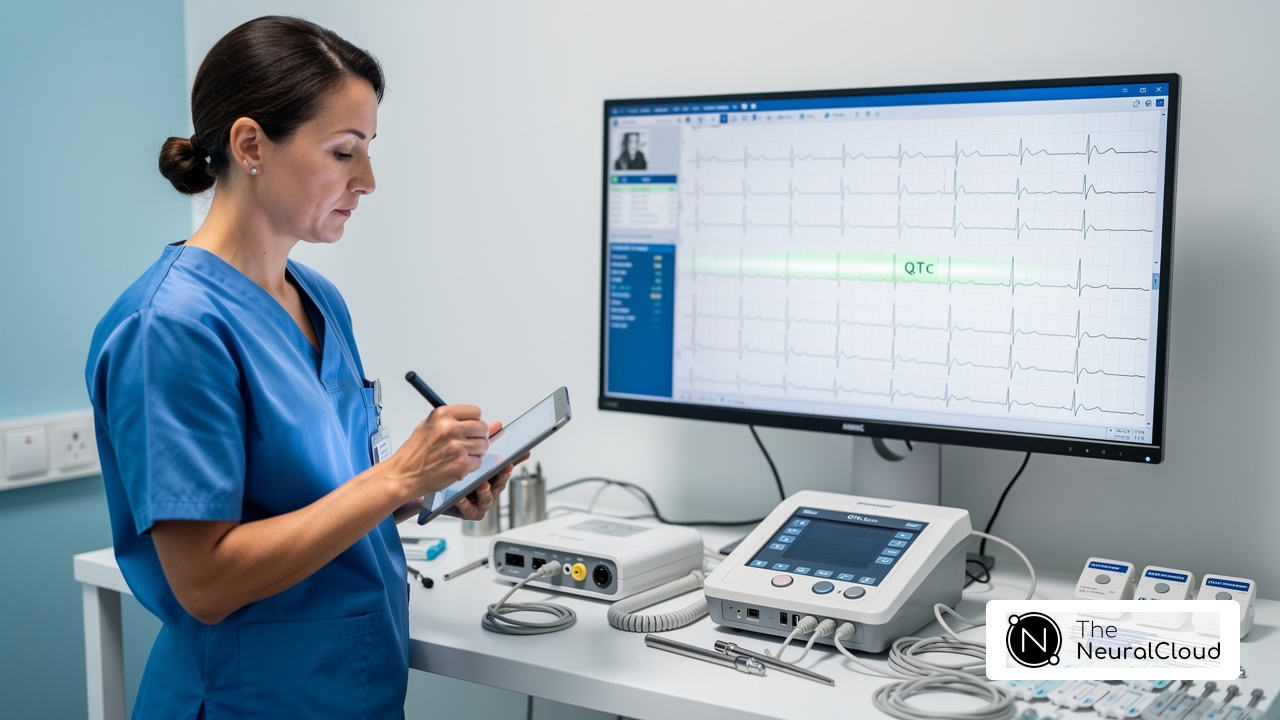
- ECG Waves: The ECG comprises several critical waves: the P wave, which represents atrial depolarization; the QRS complex, indicating ventricular depolarization; and the T wave, reflecting ventricular repolarization. Grasping these waves is crucial for making accurate interpretations in clinical settings. With the advanced platform from Neural Cloud Solutions, clinicians can attain hospital-grade ECG precision from consumer devices, streamlining the acquisition process and facilitating quicker identification of life-threatening conditions such as myocardial infarction (MI). This ultimately results in improved patient outcomes.
- Intervals and Segments: Key intervals include the PR interval, which measures the time from atrial depolarization to ventricular depolarization, and the QT interval, which indicates the duration of ventricular depolarization and repolarization. Recent studies show how these intervals can significantly impact diagnosis and treatment decisions in everyday practice. Advanced AI-driven analysis through this platform enhances the interpretation of these intervals, supporting clinicians in utilizing biomarkers such as NT-proBNP and Troponins to assess heart strain and myocardial injury.
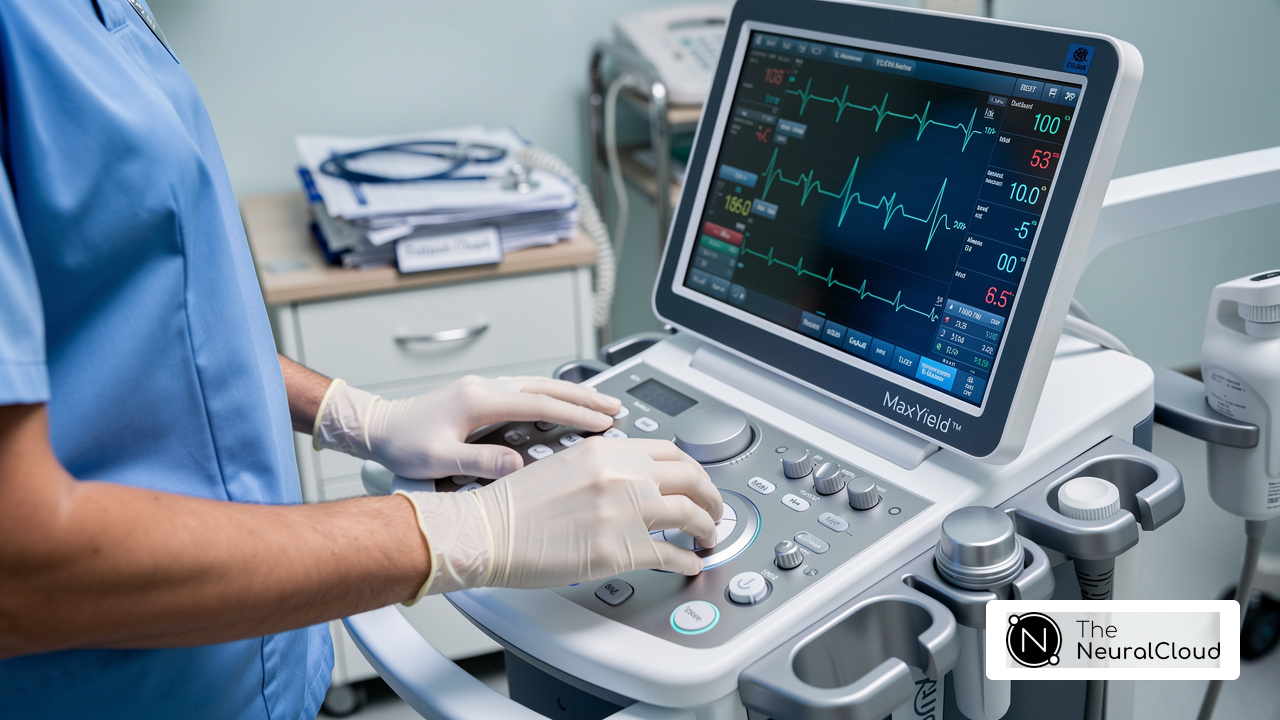
- Heart Rate: Typically calculated by counting the number of QRS complexes within a minute, heart rate is a fundamental metric in assessing cardiac function. Research indicates that timely heart rate assessment can significantly impact patient management strategies. MaxYield™ automates this process, providing rapid analysis that can inform clinical decisions.
- Regularity of Beats: Determining whether the beats are regular or irregular is crucial for diagnosis. Irregular rhythms can indicate underlying issues that require further investigation. Real-world examples from clinical settings illustrate how understanding these components, along with the advanced features of this system, can result in prompt and efficient patient care.
Additionally, the continuous monitoring capabilities of this system foster patient confidence in home monitoring solutions while also reducing erroneous complaint tickets, ensuring a more reliable patient management experience.
Familiarizing yourself with these terms will significantly enhance your ability to interpret ECGs accurately and efficiently, particularly in understanding how to read heart rhythms using the insights provided by MaxYield™. Mastering these concepts not only improves ECG interpretation but also empowers clinicians to make informed decisions that enhance patient care.

Follow a Step-by-Step Method for Rhythm Identification
Accurate ECG interpretation is often hindered by the complexity of heart rhythms and variations in patient presentations. To accurately identify heart rhythms, healthcare professionals should adhere to the following systematic steps:
- Assess the Heart Rate: Count the number of QRS complexes in a 6-second strip and multiply by 10 to estimate the beats per minute (BPM). This method helps categorize the heart rate into bradycardic (less than 60 bpm), normal (60-100 bpm), tachycardic (100-150 bpm), or potentially dangerous (above 150 bpm).
- Determine Rhythm Regularity: Evaluate the consistency of intervals between QRS complexes. A regular pattern will exhibit equal spacing, while an irregular pattern will show variability. This assessment is vital for identifying conditions such as atrial fibrillation or flutter.
- Evaluate the P Oscillations: Inspect for P oscillations preceding each QRS complex, indicating atrial depolarization. The presence and shape of P signals can aid in distinguishing between sinus rhythms and arrhythmias. If P signals are absent or inconsistent, further investigation is warranted.
- Measure the PR Interval: The PR interval should range from 0.12 to 0.20 seconds. A prolonged PR interval may suggest a delay in conduction through the AV node, indicating potential underlying cardiac issues.
- Analyze the QRS Complex: The width of the QRS complex should be less than 0.12 seconds. A wider complex may indicate a ventricular origin, necessitating prompt evaluation and intervention.
- Identify the T Deflections: Ensure T deflections follow each QRS complex and are upright in most leads. Abnormalities in T wave morphology can signal ischemia or electrolyte imbalances.
- Document Findings: Systematically record your observations to facilitate accurate diagnosis and treatment planning. This documentation is essential for effective communication among healthcare providers and for ongoing patient management.
By mastering these steps, healthcare professionals can significantly enhance patient care and outcomes, including how to read heart rhythms.

Identify Key Heart Rhythms: Shockable vs. Non-Shockable
In emergency situations, a lack of knowledge on how to read heart rhythms can lead to ineffective interventions, jeopardizing patient survival. Here are the key rhythms to identify:
-
Shockable Rhythms:
- Ventricular Fibrillation (VF): Characterized by chaotic electrical activity, VF is the most common initial rhythm in witnessed adult cardiac arrests. Immediate defibrillation is essential, and understanding how to read heart rhythms can lead to survival rates exceeding 50% with prompt CPR and shock delivery within the first few minutes. The system enhances this process by filtering out noise and artifacts, allowing for clearer identification of VF in challenging recordings.
- Pulseless Ventricular Tachycardia (pVT): Understanding how to read heart rhythms is crucial, as this pattern presents with a rapid heart rate exceeding 180 beats per minute without a detectable pulse. Like VF, pVT is shockable and requires immediate defibrillation to restore effective circulation, highlighting the importance of knowing how to read heart rhythms. The advanced noise filtering capabilities of this system ensure that pVT can be accurately recognized even in recordings with significant interference.
Non-Shockable Rhythms:
- Asystole: This rhythm appears as a flatline on the ECG, indicating a complete absence of electrical activity in the heart. Understanding how to read heart rhythms is important because asystole carries a poor prognosis, with survival rates typically under 2%. Understanding how to read heart rhythms is critical, as immediate CPR and epinephrine administration are necessary when defibrillation is ineffective. This system can assist in confirming asystole by providing clear wave recognition amidst noise, ensuring accurate diagnosis.
- Pulseless Electrical Activity (PEA): Understanding how to read heart rhythms is crucial, as PEA shows organized electrical activity on the ECG but fails to produce a pulse. Management involves high-quality CPR, identifying reversible causes, and knowing how to read heart rhythms, as defibrillation will not correct this arrhythmia. The capability of this system to recover obscured parts of recordings can be invaluable in identifying PEA accurately, enhancing patient outcomes.
By leveraging advanced technology, healthcare professionals can significantly improve patient outcomes through timely interventions.

Apply Tips for Enhancing ECG Interpretation Skills
Improving your ECG interpretation skills requires a multifaceted approach that addresses common challenges. To enhance your skills, consider implementing the following strategies:
- Practice Regularly: Use online resources or mobile apps that provide practice strips to strengthen your skills. Frequent exposure to a variety of ECG strips is crucial for developing recognition skills. Notably, 96.3% of respondents in a recent survey favored more extensive ECG training, highlighting the demand for improved educational approaches.
- Adopt a Systematic Approach: Consistency is key in ECG interpretation. Employ a structured method to ensure that you do not overlook critical details in the ECG readings. The American College of Cardiology recommends a minimum of 500 supervised interpretations for ECG training, underscoring the importance of systematic practice.
- Familiarize Yourself with Common Arrhythmias: Understanding the characteristics of prevalent arrhythmias is essential. Create cheat sheets or flashcards for quick reference to aid in memorization and recall during practice. Many residents struggle with interpreting arrhythmias, highlighting a significant gap in training.
- Engage in Continuous Learning: Stay abreast of best practices and emerging techniques by participating in workshops, webinars, or online courses dedicated to ECG interpretation. Workshops have shown to be effective in boosting exam scores, making them a great option for learning. Additionally, leveraging Neural Cloud Solutions' Continuous Learning Model can enhance your ECG analysis accuracy and efficiency through AI-driven automation, allowing for improved diagnostic yield and reduced workload.
- Collaborate with Peers: Discussing challenging cases with colleagues or mentors can provide valuable insights and diverse perspectives, enriching your understanding of ECG interpretation. Given the reported average competency score of 6 out of 16 among residents, collaboration can help bridge knowledge gaps and enhance skills.
By embracing these strategies, you can elevate your ECG interpretation skills and ultimately improve patient care.

Conclusion
Navigating the complexities of ECG interpretation is essential for healthcare professionals, as it directly affects patient outcomes. By understanding ECG components and using a systematic approach to rhythm identification, clinicians can enhance their diagnostic accuracy and therapeutic effectiveness. This comprehensive guide provides the tools needed to navigate ECG interpretation, ensuring that critical heart conditions are recognized and addressed promptly.
Throughout the article, key insights were provided, including:
- The importance of familiarizing oneself with ECG terminology
- Employing a step-by-step method for rhythm identification
- Distinguishing between shockable and non-shockable rhythms
Additionally, practical tips for improving ECG interpretation skills were highlighted, emphasizing the necessity of continuous learning and collaboration among peers. These strategies help improve individual skills and foster a culture of excellence in patient care.
Improved ECG skills can directly impact patient safety and treatment effectiveness. By committing to ongoing education and practice, healthcare professionals can empower themselves to make informed decisions that enhance patient safety and care quality. Embrace these insights and techniques, and take action to refine ECG interpretation skills, thereby contributing to better health outcomes for all patients.
Frequently Asked Questions
What are the main components of an electrocardiogram (ECG)?
The main components of an ECG include the P wave, which represents atrial depolarization; the QRS complex, indicating ventricular depolarization; and the T wave, reflecting ventricular repolarization.
How can advanced technology improve ECG interpretation?
Advanced platforms, such as those from Neural Cloud Solutions, provide hospital-grade ECG precision from consumer devices, facilitating quicker identification of life-threatening conditions like myocardial infarction (MI) and improving patient outcomes.
What are the key intervals in ECG analysis?
Key intervals in ECG analysis include the PR interval, which measures the time from atrial depolarization to ventricular depolarization, and the QT interval, which indicates the duration of ventricular depolarization and repolarization.
How does heart rate factor into ECG interpretation?
Heart rate is typically calculated by counting the number of QRS complexes within a minute and is essential for assessing cardiac function. Timely heart rate assessment can significantly impact patient management strategies.
Why is determining the regularity of beats important in ECG analysis?
Determining whether the beats are regular or irregular is crucial for diagnosis, as irregular rhythms can indicate underlying issues that require further investigation.
What benefits does continuous monitoring provide in patient management?
Continuous monitoring fosters patient confidence in home monitoring solutions and reduces erroneous complaint tickets, ensuring a more reliable patient management experience.
How can mastering ECG terminology enhance clinical practice?
Familiarizing oneself with ECG terminology significantly enhances the ability to interpret ECGs accurately and empowers clinicians to make informed decisions that improve patient care.
List of Sources
- Understand ECG Basics and Terminology
- MedTech Breakthrough Names AI-powered Hyperkalemia Detection Software 'Best New ECG Technology Solution' (https://dicardiology.com/content/medtech-breakthrough-names-ai-powered-hyperkalemia-detection-software-best-new-ecg)
- Breakthrough in heart health: A new approach to interpreting ECG data using large language models (https://eurekalert.org/news-releases/1073406)
- beckershospitalreview.com (https://beckershospitalreview.com/supply-chain/1st-synthesized-12-lead-ecg-to-launch-in-2026)
- AliveCor Launches Handheld 12-Lead ECG with Single-Cable Design (https://dicardiology.com/content/alivecor-launches-handheld-12-lead-ecg-single-cable-design)
- AI-ECG Momentum and Rising Competition Reshape Diagnostic Cardiology in 2026 (https://signifyresearch.net/insights/diagnostic-cardiology-market-bouncing-into-2026)
- imjhealth.org (https://imjhealth.org/blog/cardiology-breakthroughs-2026-new-heart-failure-arrhythmia-treatments)
- Follow a Step-by-Step Method for Rhythm Identification
- Accuracy of Physicians’ Electrocardiogram Interpretation (https://jamanetwork.com/journals/jamainternalmedicine/fullarticle/2771093)
- emjreviews.com (https://emjreviews.com/cardiology/news/smart-ecg-shirt-monitors-heart-rate-recovery-predicts-cardiovascular-risk)
- Mastering EKG interpretation: 10 steps for accurate rhythm identification (https://ems1.com/ems-products/medical-monitoring/articles/ecg-interpretation-10-steps-for-rhythm-identification-HlbOvohuSltPKAL2)
- code1web.com (https://code1web.com/learning-center/5-step-process-to-rhythm-interpretation)
- Basics of ECG Rhythm Interpretation 2026 Livestream (virtual) CNE Course Series | Mayo Clinic School of Continuous Professional Development | CNE Course Conference (https://ce.mayo.edu/nursing/content/basics-ecg-rhythm-interpretation-2026-livestream-virtual-cne-course-series)
- goodnurse.com (https://goodnurse.com/article/210/ekg-basics-for-nurses-2026-rhythm-id-red-flags-first-actions)
- foxnews.com (https://foxnews.com/health/wearables-detect-heart-problems-early-doctor-breaks-real-data)
- bostonscientific.com (https://bostonscientific.com/en-US/medical-specialties/electrophysiology/news---events/hrs2026.html)
- pmc.ncbi.nlm.nih.gov (https://pmc.ncbi.nlm.nih.gov/articles/PMC10506301)
- Identify Key Heart Rhythms: Shockable vs. Non-Shockable
- calmedequipment.com (https://calmedequipment.com/shockable-vs-non-shockable-heart-rhythms-aed-use-explained?srsltid=AfmBOorpZTqT1EcH691nRj0IKIBkqXIQSXFRHodVpqKdhMqoOKutIx9t)
- calmedequipment.com (https://calmedequipment.com/shockable-vs-non-shockable-heart-rhythms-aed-use-explained?srsltid=AfmBOoo2GOpnclM4-nvYMgZ_SCrxUw4Enh6VXpIWPp1qbQYKHcb-sjqy)
- Epidemiology of cardiac arrest Guidelines (https://resus.org.uk/professional-library/2025-resuscitation-guidelines/epidemiology-cardiac-arrest-guidelines)
- hrsonline.org (https://hrsonline.org/resource/the-lead-episode-150-heart-rhythm-2026-late-breaker-coverage-a-discussion-of-total-fatal-adverse-events-following-atrial-fibrillation-ablation-reported-in-an-fda-mandatory-reporting-system-a-matt)
- jamanetwork.com (https://jamanetwork.com/journals/jamacardiology/fullarticle/2835966)
- avive.life (https://avive.life/blog/shockable-vs-non-shockable-heart-rhythms)
- acls-bls-tampa.com (https://acls-bls-tampa.com/shockable-vs-non-shockable-heart-rhythms)
- pmc.ncbi.nlm.nih.gov (https://pmc.ncbi.nlm.nih.gov/articles/PMC7142338)
- Sudden Cardiac Arrest with Shockable Rhythm in Patients with Heart Failure - PMC (https://pmc.ncbi.nlm.nih.gov/articles/PMC7541513)
- heartrhythm.com (https://heartrhythm.com/learn/late-breaking-clinical-trials-science)
- Apply Tips for Enhancing ECG Interpretation Skills
- pmc.ncbi.nlm.nih.gov (https://pmc.ncbi.nlm.nih.gov/articles/PMC11386347)
- pmc.ncbi.nlm.nih.gov (https://pmc.ncbi.nlm.nih.gov/articles/PMC12766123)
- gehealthcare.com (https://gehealthcare.com/en-us/insights/article/the-future-of-algorithms-for-ecg-interpretation-what-new-research-shows?srsltid=AfmBOoppEGPnumjhuHFyTi5O0MsDRfY8sSvahk0cccAvo23pv9wRbxdq)
- gehealthcare.com (https://gehealthcare.com/en-us/insights/article/the-future-of-algorithms-for-ecg-interpretation-what-new-research-shows?srsltid=AfmBOorBoZjeB1_S7iHPqiCfork850z2dovQi0WaEtN74-5jNIuNjQG3)
- gehealthcare.com (https://gehealthcare.com/en-us/insights/article/the-future-of-algorithms-for-ecg-interpretation-what-new-research-shows?srsltid=AfmBOopHhWjI3zt7XK6AaK5AbtHQBn2KQf2_RfTMKs3xWP86bgZ24-Su)
- healthcaretoday.com (https://healthcaretoday.com/article/ecg-education-and-training-lacks-consistency)
- gehealthcare.com (https://gehealthcare.com/en-ca/insights/article/the-ecg--how-can-we-fix-the-training-gap-for-medical-students-and-trainees?srsltid=AfmBOoqsjSY1DztWyKeOsNsyMZU_tD2w5oI7mX-fk7RUU96BTD88c85J)
- gehealthcare.com (https://gehealthcare.com/en-us/insights/article/the-future-of-algorithms-for-ecg-interpretation-what-new-research-shows?srsltid=AfmBOoqSc2EOaLzgNl7xCu4o0W9HO03QwtpKn7fy1MTRb436eZASUONb)
- pmc.ncbi.nlm.nih.gov (https://pmc.ncbi.nlm.nih.gov/articles/PMC11428852)
- Accuracy of Physicians’ Electrocardiogram Interpretation (https://jamanetwork.com/journals/jamainternalmedicine/fullarticle/2771093)