Introduction
Atrial fibrillation (AF) presents a significant challenge in cardiac diagnostics, especially in interpreting EKG strips. As healthcare technology advances, innovative solutions like Neural Cloud Solutions' MaxYield™ platform are revolutionizing the analysis of these complex patterns. This platform equips developers with a powerful tool to enhance diagnostic accuracy. However, with the rapid evolution of AI-driven ECG analysis, developers must consider how to effectively leverage these technologies to address the unique characteristics of AF.
This article explores four key insights that illuminate the intricacies of atrial fibrillation EKG strips. It also highlights the substantial impact of automated analysis on patient care and clinical outcomes. By understanding the features of the MaxYield™ platform, healthcare professionals can better navigate the complexities of AF diagnostics, ultimately improving their practice and patient results.
Neural Cloud Solutions: MaxYield™ for Enhanced Atrial Fibrillation Analysis
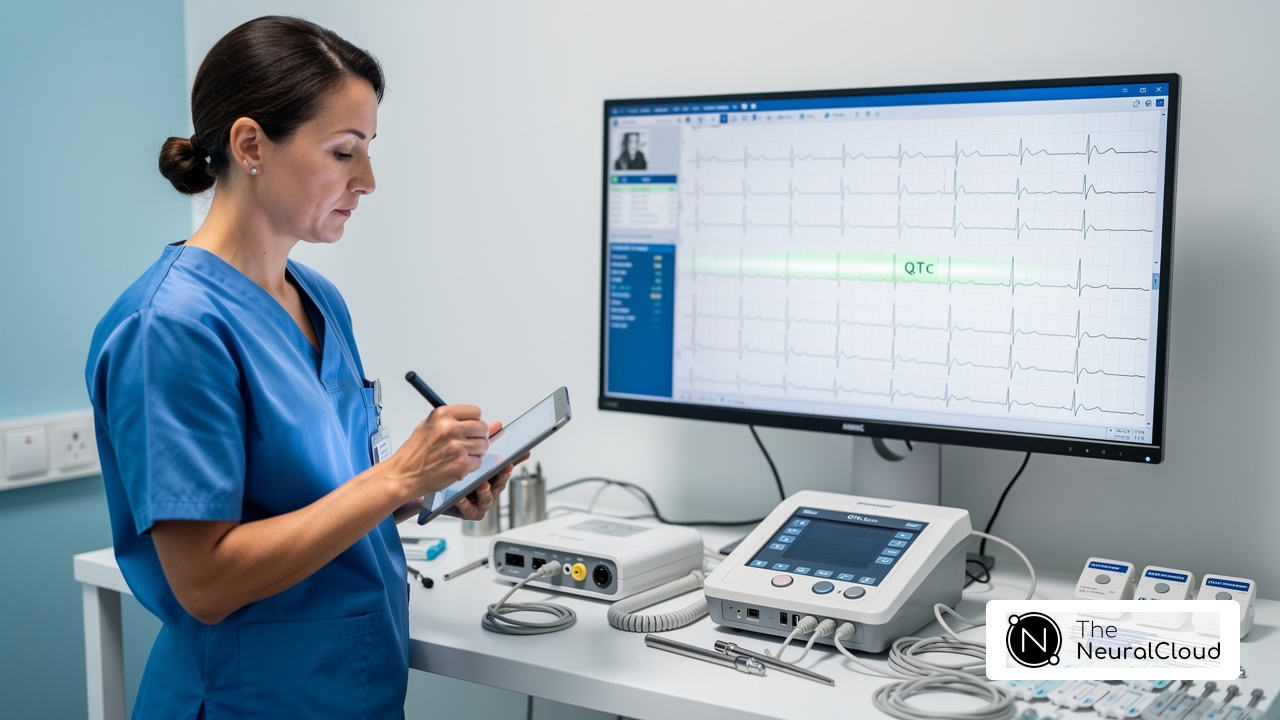
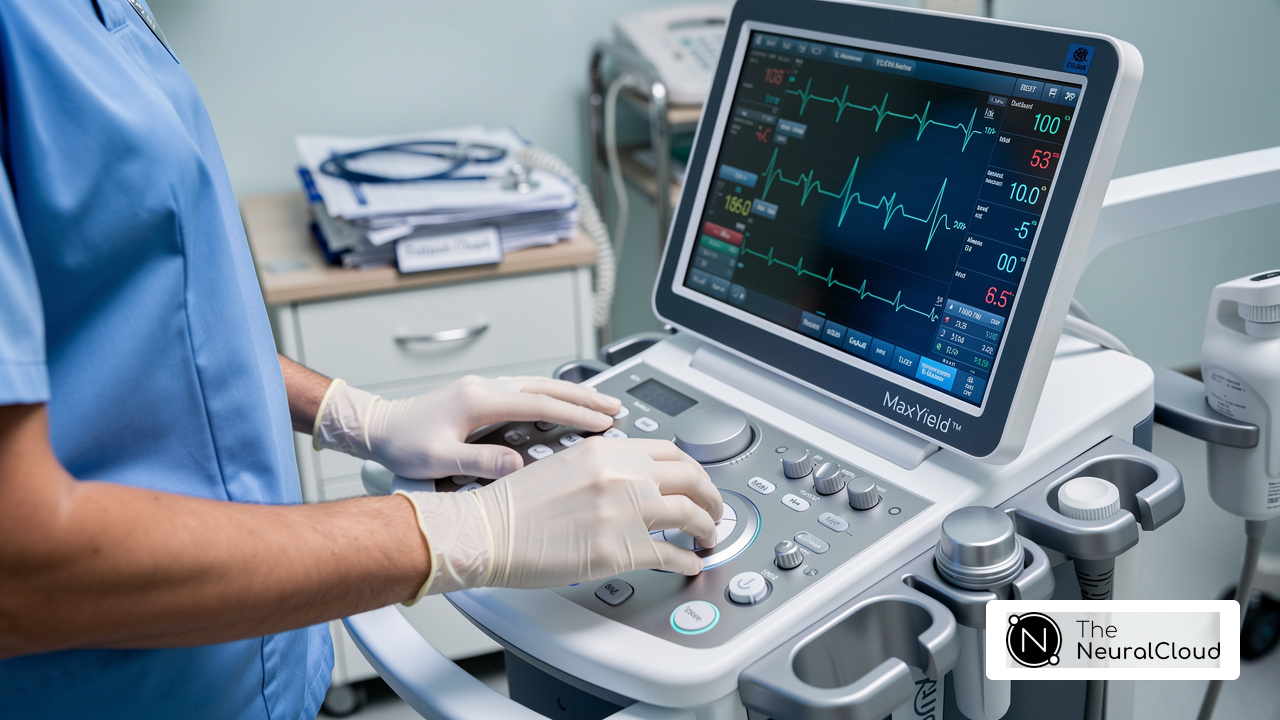
Atrial fibrillation (AF) poses significant challenges in the analysis of atrial fibrillation EKG strips, often complicating timely diagnosis and treatment. Neural Cloud Solutions addresses these challenges with its innovative platform, which automates ECG signal processing. By utilizing advanced AI algorithms, the platform enhances the clarity of ECG signals, allowing for rapid and precise identification of AF characteristics.
One of the standout features of this platform is its ability to process over 200,000 heartbeats in under five minutes. This remarkable efficiency enables healthcare professionals to conduct beat-by-beat analysis, effectively isolating critical features such as P-waves, QRS complexes, and T-wave intervals. As a result, the diagnostic process is not only accelerated but also improves the overall quality of ECG data, making it an essential resource for developers creating applications that require accurate cardiac insights.
The advantages of automating ECG evaluation are significant. Leading cardiologists have noted that this technology saves time and reduces the likelihood of human error, ultimately enhancing patient care and outcomes. The integration of AI in ECG signal processing is proving to be a game-changer in diagnosing atrial fibrillation EKG strips, paving the way for more effective and timely interventions.
Furthermore, as the mobile ECG market is expected to expand significantly, the importance of technologies like Neural Cloud Solutions in enhancing patient care and addressing noise interference in ECG monitoring is becoming increasingly vital. This platform not only meets the current demands of healthcare professionals but also provides innovative solutions for future challenges.

Identifying Irregular Rhythms: Key EKG Features of Atrial Fibrillation
Atrial fibrillation (AF) presents unique challenges in analyzing atrial fibrillation EKG strips, primarily due to their distinct EKG characteristics. Developers must accurately identify these features, especially when utilizing advanced tools like Neural Cloud Solutions' MaxYield™ platform. This platform addresses the complexities of AF analysis by focusing on key indicators that enhance diagnostic accuracy.
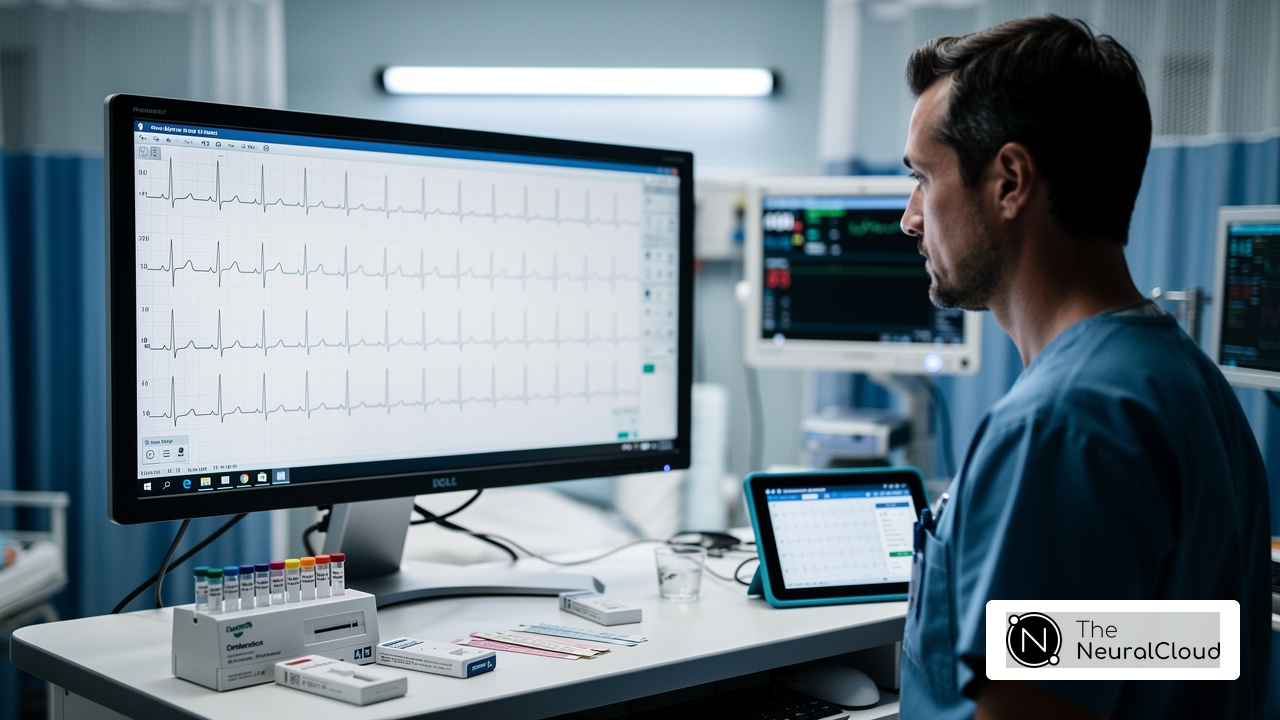
In atrial fibrillation EKG strips, the absence of P waves is noted, as they are typically replaced by fibrillatory waves that vary in amplitude and timing. MaxYield™ excels in isolating these critical features, even in noisy recordings. This capability ensures accurate identification, transforming challenging data into detailed insights that healthcare professionals can rely on.
The irregularly irregular QRS complexes observed in atrial fibrillation EKG strips reflect the chaotic electrical activity in the atria. The automated analysis provided by MaxYield™ can rapidly process these irregularities, significantly enhancing clinical decision-making. This efficiency allows healthcare providers to respond more effectively to patient needs.
Variable Ventricular Rate: The ventricular rate in atrial fibrillation EKG strips can vary significantly, often ranging from 100 to 175 beats per minute. With MaxYield™, developers can efficiently analyze these variations, improving the diagnostic yield. This feature is crucial for accurate patient assessment and treatment planning.
Atrial fibrillation ekg strips often display fibrillatory baseline waves that are observed between the QRS complexes, further indicating the presence of AF. MaxYield™'s advanced noise filtering capabilities enable the recognition of these subtle indicators, even amidst physiological variability and signal artifacts. Recognizing these features is essential for developers aiming to create precise ECG interpretation tools that include atrial fibrillation EKG strips, ultimately benefiting healthcare professionals in their practice.

Classifying Atrial Fibrillation: Understanding EKG Strip Variations
Atrial fibrillation (AF) can be categorized into several distinct types, each with unique EKG strip characteristics that are essential for accurate diagnosis and management:
- Paroxysmal AF: This type features intermittent episodes of AF that resolve spontaneously. EKG recordings typically show alternating periods of normal sinus rhythm interspersed with AF episodes. Accurate detection of these fluctuations is crucial for effective management.
- Persistent AF: In this classification, AF lasts longer than seven days and requires medical intervention to restore normal rhythm. Atrial fibrillation EKG strips consistently display irregularly irregular rhythms, often lacking identifiable P waves. This indicates a need for prompt clinical action to address the condition.
- Permanent AF: This type is characterized by continuous AF where attempts to restore normal rhythm have been unsuccessful. The ongoing irregularities shown in atrial fibrillation EKG strips will reveal no recognizable P waves, emphasizing the enduring nature of this condition.
Understanding these classifications is vital for developers aiming to create applications that accurately identify and interpret EKG strips. This knowledge enhances clinical decision-making and aligns with updated guidelines that emphasize early detection and personalized treatment strategies for AF management. As the prevalence of AF continues to rise, particularly among older adults, distinguishing between these types will be increasingly important for improving patient outcomes.

Management Strategies: Interpreting EKG Strips for Atrial Fibrillation Treatment
Effective management of atrial fibrillation (AF) hinges on a comprehensive interpretation of atrial fibrillation EKG strips. The MaxYield™ platform addresses several key strategies that enhance ECG analysis:
- Rate Control: This feature employs medications to regulate heart rate, keeping it within a safe range. The platform incorporates algorithms that suggest rate control options based on EKG data, utilizing for improved accuracy.
- Rhythm Control: In certain situations, restoring normal sinus rhythm is crucial. MaxYield™ provides insights into potential interventions, such as cardioversion or ablation, derived from EKG findings. It simplifies the examination of long-form Holter and Patch recordings, streamlining this process for healthcare professionals.
- Anticoagulation Therapy: Given the heightened risk of thromboembolism in AF patients, the platform emphasizes the necessity of anticoagulation therapy tailored to the patient's risk factors and EKG interpretation. Its advanced algorithms efficiently identify these risk factors, ensuring timely and appropriate treatment.
- Patient Monitoring: Continuous monitoring of atrial fibrillation EKG strips is vital for assessing treatment efficacy and making necessary adjustments. MaxYield™ enables developers to create features that alert healthcare providers to significant changes in EKG patterns, supported by automated annotations that enhance productivity and ensure timely interventions.

Conclusion
Analyzing atrial fibrillation EKG strips is essential for accurate diagnosis and effective patient management. However, traditional ECG analysis can be time-consuming and prone to errors. This is where advanced technologies like Neural Cloud Solutions' MaxYield™ platform come into play, automating the evaluation of ECG signals.
The MaxYield™ platform offers several key features that enhance EKG analysis. It improves the clarity of EKG data, allowing healthcare professionals to quickly identify critical patterns such as the absence of P waves and irregular QRS complexes. By streamlining the diagnostic process, MaxYield™ enables timely and informed decisions regarding atrial fibrillation treatment, which is crucial for patient outcomes.
The advantages of using MaxYield™ are significant. Developers can create tools that aid in accurate diagnosis and treatment planning by understanding the various classifications of atrial fibrillation, from paroxysmal to permanent. Effective management strategies, including rate and rhythm control, rely on precise EKG interpretation, which MaxYield™ facilitates. This innovation not only enhances diagnostic accuracy but also improves treatment efficacy, ultimately benefiting patients.
As the prevalence of atrial fibrillation continues to rise, embracing advanced analysis techniques like those offered by MaxYield™ will be vital for enhancing patient care. Healthcare professionals are encouraged to leverage these insights and technologies to improve their practice. By prioritizing innovation in EKG analysis, the healthcare community can ensure better outcomes for patients affected by atrial fibrillation.
Frequently Asked Questions
What is the main purpose of Neural Cloud Solutions' MaxYield™ platform?
The MaxYield™ platform automates ECG signal processing to enhance the analysis of atrial fibrillation EKG strips, facilitating timely diagnosis and treatment.
How does the MaxYield™ platform improve ECG signal clarity?
It utilizes advanced AI algorithms to enhance the clarity of ECG signals, allowing for rapid and precise identification of atrial fibrillation characteristics.
What is the processing capability of the MaxYield™ platform?
The platform can process over 200,000 heartbeats in under five minutes, enabling beat-by-beat analysis of critical ECG features.
What critical features can the MaxYield™ platform isolate during ECG analysis?
It can effectively isolate P-waves, QRS complexes, and T-wave intervals.
What are the benefits of automating ECG evaluation with this technology?
Automating ECG evaluation saves time, reduces the likelihood of human error, and ultimately enhances patient care and outcomes.
How is the integration of AI changing the diagnosis of atrial fibrillation?
The integration of AI in ECG signal processing is improving the accuracy and speed of diagnosing atrial fibrillation, leading to more effective and timely interventions.
Why is the MaxYield™ platform important in the context of the expanding mobile ECG market?
As the mobile ECG market grows, technologies like Neural Cloud Solutions are vital for enhancing patient care and addressing noise interference in ECG monitoring.
What future implications does the MaxYield™ platform have for cardiac diagnostics?
It sets a new standard for cardiac diagnostics, meeting current healthcare demands and paving the way for advancements in the field.
List of Sources
- Neural Cloud Solutions: MaxYield™ for Enhanced Atrial Fibrillation Analysis
- AI-Enhanced ECG Analysis Shows Strong Accuracy in Detecting Hypertrophic Cardiomyopathy (https://consultqd.clevelandclinic.org/ai-enhanced-ecg-analysis-shows-strong-accuracy-in-detecting-hypertrophic-cardiomyopathy)
- theneuralcloud.com (https://theneuralcloud.com/post/4-key-insights-on-continuous-ecg-monitoring-devices-for-developers)
- theneuralcloud.com (https://theneuralcloud.com/post/master-heart-arrhythmia-ecg-analysis-with-max-yield-tm-techniques)
- AI-Based ECG Analysis Significantly Improves STEMI Detection, Reduces False Activations - American College of Cardiology (https://acc.org/latest-in-cardiology/articles/2025/10/24/16/56/tues-554pm-ai-tct-2025)
- Classifying Atrial Fibrillation: Understanding EKG Strip Variations
- jacc.org (https://jacc.org/doi/10.1016/j.jacadv.2024.101330)
- nortonhealthcareprovider.com (https://nortonhealthcareprovider.com/news/updates-in-afib-cme)