Introduction
In emergency medicine, the ability to accurately recognize ST-Elevation Myocardial Infarction (STEMI) is crucial, as misinterpretation can have dire consequences. The nuances of interpreting a STEMI EKG strip are vital for healthcare professionals and can significantly impact patient outcomes.
Let’s explore the essential criteria for identifying STEMI and how to effectively analyze EKGs. We’ll cover the following:
- The essential criteria for identifying STEMI
- A step-by-step guide for effective EKG analysis
- Advanced technologies that enhance diagnostic precision in urgent care settings
Understand STEMI: Definition and Importance in ECG Analysis
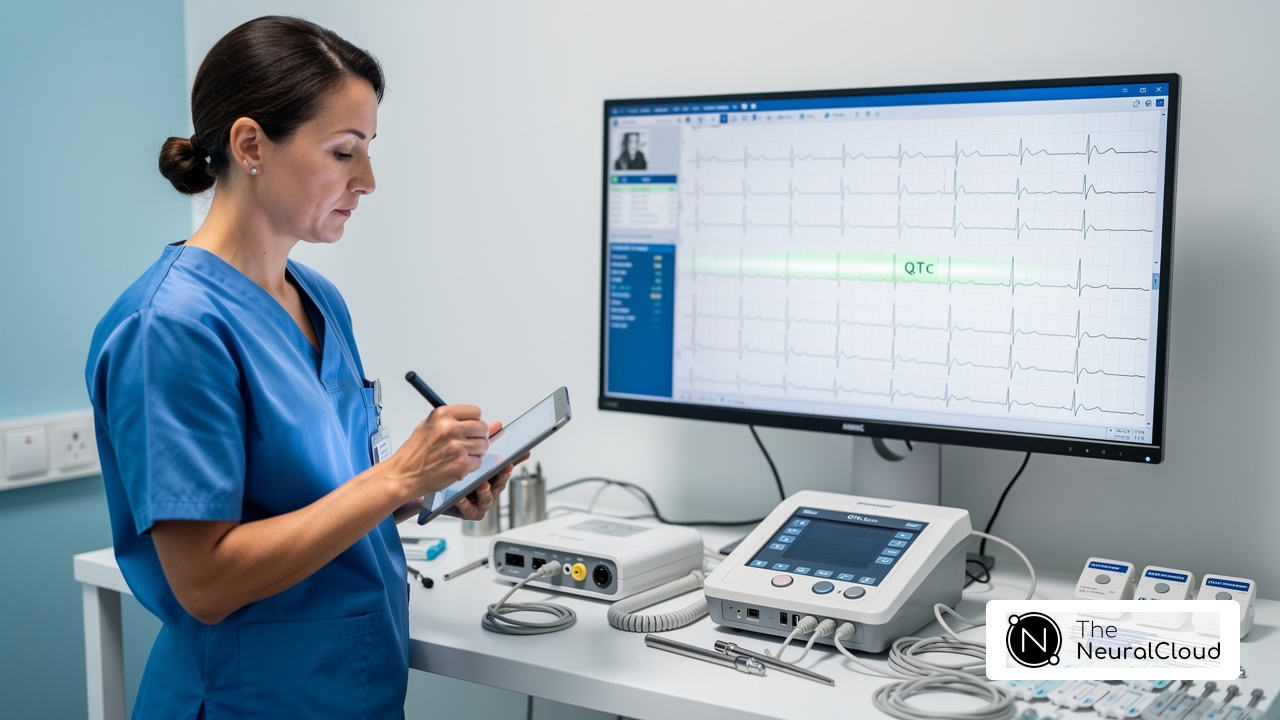
Recognizing ST-Elevation Myocardial Infarction is vital for effective emergency response and patient survival. This critical cardiac event is marked by a significant elevation in the ST segment of the ECG, as seen on a stemi ekg strip, indicating a total blockage of a coronary artery. This blockage causes serious damage to heart tissue due to a lack of oxygen. The timely identification of ST elevation myocardial infarction through a stemi ekg strip is crucial, as prompt intervention can significantly reduce morbidity and mortality rates associated with heart attacks.
Guidelines state that patients with chest pain should have an ECG within 10 minutes of arriving at the emergency department. Precise evaluation of the stemi ekg strip is essential, with:
- Men aged 40 and above needing a minimum of 2 mm of ST-segment rise in anterior positions (V2-V3) for diagnosis.
- Women of any age requiring at least 1.5 mm in the same positions.
- Men below 40 years needing a minimum of 2.5 mm of ST-segment elevation in anterior leads (V2-V3) as shown on a stemi ekg strip for a heart attack diagnosis.
Understanding these criteria helps healthcare professionals quickly identify patients who need urgent care, making the recognition of a stemi ekg strip an essential skill in emergency medicine.
Furthermore, with Neural Cloud Solutions' MaxYield technology, achieving hospital-grade ECG accuracy from consumer devices enhances the reliability of remote patient monitoring. The sophisticated noise filtering and automation features improve ECG analysis, enabling more efficient data processing and faster identification of critical situations such as heart attacks. This technology addresses the need for near-clinical vitals and continuous monitoring without the costs associated with clinical-grade hardware, ultimately improving patient outcomes. By leveraging MaxYield technology, healthcare professionals can significantly enhance their diagnostic capabilities and improve patient care.

Identify Key STEMI ECG Criteria and Morphology
Identifying a heart attack on a stemi ekg strip can be complex, requiring attention to specific criteria that signal myocardial infarction. Focus on the following key indicators:
- ST Segment Elevation: Look for a rise of at least 1 mm in two or more adjacent views, which is a hallmark of ST-segment myocardial infarction. In men, this increase should be ≥2 mm in at least two adjacent recordings, while in women, it should be ≥1.5 mm in recordings V2 and V3.
- Morphological Changes: The ST segment may exhibit various shapes - concave, convex, or straight - reflecting the severity and duration of ischemia. Convex or straight ST-segments are particularly indicative of transmural ischemia.
- Reciprocal Changes: Look for ST segment depression in leads opposite to those exhibiting elevation, as this can further validate the diagnosis of myocardial infarction.
- Q Waves: The emergence of new Q waves may signify myocardial necrosis, indicating that the infarction has progressed.
Understanding these criteria and the nuances of ST-segment morphology in a stemi ekg strip is crucial for quickly and accurately recognizing a heart attack, ultimately assisting in timely intervention. Identifying unusual presentations of heart attacks is also essential, as some myocardial infarctions may not show classic patterns but still necessitate urgent intervention.
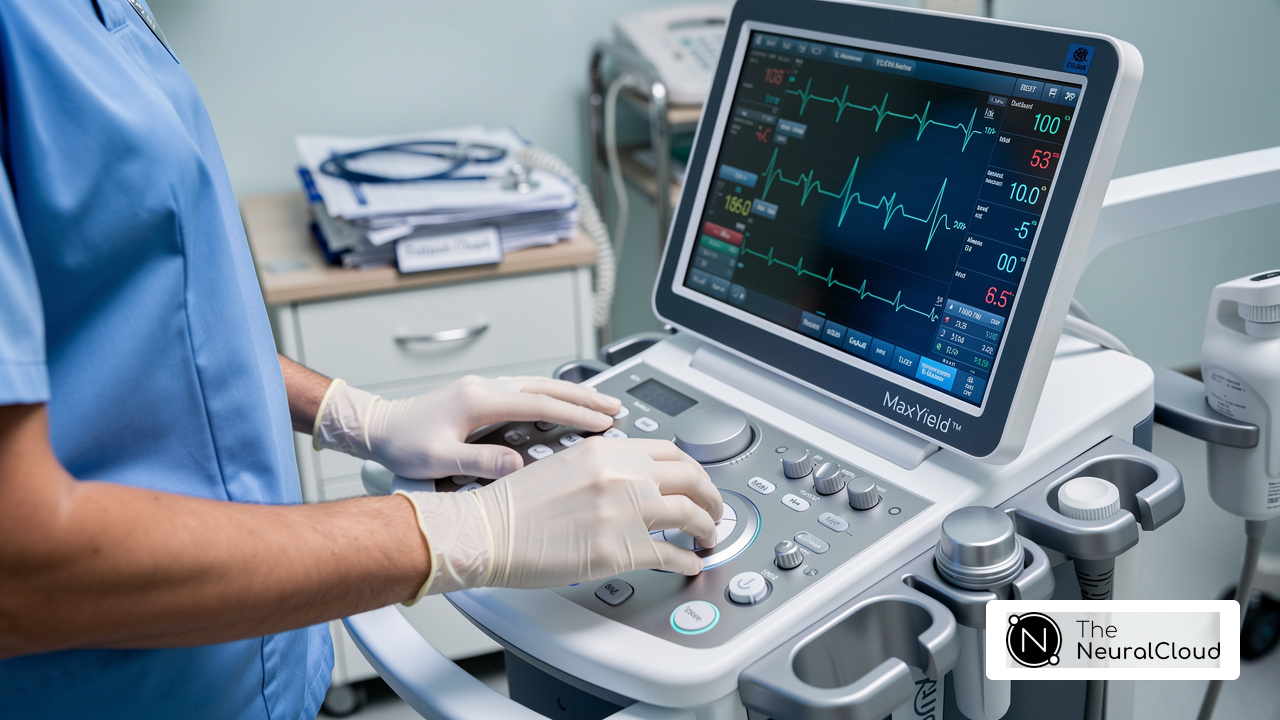
MaxYield™ enhances ECG analysis by mapping signals through noise and providing beat-by-beat analysis of key components like P-wave, QRS complex, and T-wave onsets and offsets. By isolating and labeling critical data, even in recordings with high levels of noise, MaxYield™ supports confident clinical decisions and improves workflow efficiency in ECG analysis.

Analyze the STEMI EKG Strip: Step-by-Step Interpretation
Effectively analyzing a stemi ekg strip for heart attacks requires a systematic approach to ensure accurate diagnosis and timely intervention. To analyze a heart attack EKG strip effectively, follow these steps:
- Obtain the ECG: Ensure you have a clear 12-lead ECG recording.
- Assess the Rhythm: Determine if the rhythm is regular or irregular. Look for P waves and measure the heart rate. Accurate rhythm assessment is crucial, as it can influence the interpretation of ST segment changes.
- Identify ST Segment Changes: Focus on the ST segments in the pertinent channels of the stemi ekg strip. Search for increases of at least 1 mm in adjacent electrodes, which is a crucial sign of the stemi ekg strip. For men, ST rise at the J point in V2-3 should be ≥2 mm, while for women, it should be ≥1.5 mm.
- Evaluate for Reciprocal Changes: Check for ST segment depressions in leads that are opposite to those with elevations. The occurrence of mutual alterations raises the probability of a heart attack diagnosis.
- Look for Q Waves: Identify any new Q waves that may indicate myocardial damage, as their presence can signify a more extensive infarction.
- Document Findings: Record your observations meticulously and prepare to communicate them to the healthcare team for further action.
This systematic approach improves diagnostic accuracy and ensures timely intervention, which is crucial for reducing morbidity and mortality from STEMIs. Additionally, be aware of hyperacute T waves as the first ischemic changes in a myocardial infarction, and consider the challenges of diagnosing this condition in the context of left bundle branch block (LBBB). By utilizing the MaxYield™ platform, healthcare professionals can streamline ECG analysis, leading to quicker diagnoses and improved patient outcomes. Timely intervention is essential, with a goal for Door to Balloon time being less than 90 minutes to improve patient outcomes. By maintaining a high index of suspicion and adhering to these best practices, healthcare professionals can significantly improve patient outcomes. By leveraging advanced tools like MaxYield™, healthcare professionals can enhance their diagnostic capabilities and ultimately save lives.

Troubleshoot Common Challenges in STEMI EKG Analysis
When analyzing stemi ekg strips for heart attacks, healthcare professionals often face significant challenges that can impact diagnostic accuracy. Common challenges include:
- Artifact Interference: Ensure that the ECG electrodes are properly positioned and that there is no movement artifact. If noise is present, consider utilizing Neural Cloud Solutions' MaxYield™ platform, which employs advanced noise filtering to transform noisy recordings into clean, crisp signals. This can significantly enhance the clarity of your ECG analysis.
- Misinterpretation of ST Changes: Be cautious of conditions that mimic the STEMI EKG strip, such as early repolarization or pericarditis. Familiarize yourself with these mimics to avoid misdiagnosis.
- Incomplete Leads: If certain leads are missing or poorly recorded, it may hinder accurate interpretation. Always check for a complete 12-lead ECG.
- Patient Factors: Consider the patient's clinical history and symptoms, as these can influence ECG findings. Always correlate ECG results with clinical presentation for a comprehensive assessment.
These challenges can lead to misdiagnosis and impact patient outcomes. By leveraging the capabilities of MaxYield™, healthcare professionals can enhance their diagnostic precision and ultimately improve patient outcomes.

Conclusion
Analyzing a STEMI EKG strip is not just a skill; it's a critical factor that can influence patient survival. The timely identification of ST-Elevation Myocardial Infarction is crucial because it enables prompt interventions that can save lives. By understanding the key criteria and using advanced technology like Neural Cloud Solutions' MaxYield™, healthcare professionals can boost their diagnostic skills and ensure better patient care.
Throughout this guide, we've outlined essential steps for analyzing a STEMI EKG strip. These include:
- Assessing rhythm
- Identifying ST segment changes
- Recognizing common challenges such as artifact interference and misinterpretation of ST changes
This systematic approach not only aids in accurate diagnosis but also emphasizes the importance of understanding patient symptoms and clinical history.
In the end, being able to analyze STEMI EKG strips effectively is essential in emergency medicine. By implementing the best practices discussed and leveraging innovative technologies for ECG analysis, healthcare professionals can improve diagnostic precision and contribute to better patient outcomes. Adopting these strategies can transform emergency responses, ensuring that every second counts in cardiac care.
Frequently Asked Questions
What is ST-Elevation Myocardial Infarction (STEMI)?
ST-Elevation Myocardial Infarction (STEMI) is a critical cardiac event characterized by a significant elevation in the ST segment of the ECG, indicating a total blockage of a coronary artery, which can lead to serious damage to heart tissue due to a lack of oxygen.
Why is recognizing STEMI important?
Recognizing STEMI is vital for effective emergency response and patient survival, as timely identification can significantly reduce morbidity and mortality rates associated with heart attacks.
What are the guidelines for ECG evaluation in patients with chest pain?
Guidelines state that patients with chest pain should have an ECG within 10 minutes of arriving at the emergency department.
What are the specific ST-segment elevation criteria for diagnosing STEMI in men and women?
For diagnosis, men aged 40 and above need a minimum of 2 mm of ST-segment rise in anterior positions (V2-V3), women of any age require at least 1.5 mm, and men below 40 years need a minimum of 2.5 mm of ST-segment elevation in anterior leads (V2-V3).
How does understanding these criteria assist healthcare professionals?
Understanding these criteria helps healthcare professionals quickly identify patients who need urgent care, making the recognition of a STEMI ECG strip an essential skill in emergency medicine.
What technology enhances ECG accuracy in remote patient monitoring?
Neural Cloud Solutions' MaxYield technology enhances hospital-grade ECG accuracy from consumer devices, improving the reliability of remote patient monitoring.
What features does MaxYield technology provide to improve ECG analysis?
MaxYield technology offers sophisticated noise filtering and automation features that enhance ECG analysis, enabling more efficient data processing and faster identification of critical situations such as heart attacks.
How does MaxYield technology impact patient outcomes?
By leveraging MaxYield technology, healthcare professionals can significantly enhance their diagnostic capabilities and improve patient care, ultimately leading to better patient outcomes.
List of Sources
- Understand STEMI: Definition and Importance in ECG Analysis
- STEMI ECG Criteria: ST-Elevation Thresholds (https://powerfulmedical.com/blog/stemi-ecg-criteria)
- STEMI - Electrocardiogram - M3 Curriculum | SAEM (https://saem.org/about-saem/academies-interest-groups-affiliates2/cdem/for-students/online-education/m3-curriculum/group-electrocardiogram-(ecg)-rhythm-recognition/stemi)
- STEMI: ST-segment Elevation Myocardial Infarction - The Cardiology Advisor (https://thecardiologyadvisor.com/ddi/stemi-st-elevation-myocardial-infarction)
- Identify Key STEMI ECG Criteria and Morphology
- STEMI ECG Criteria: ST-Elevation Thresholds (https://powerfulmedical.com/blog/stemi-ecg-criteria)
- STEMI: ST-segment Elevation Myocardial Infarction - The Cardiology Advisor (https://thecardiologyadvisor.com/ddi/stemi-st-elevation-myocardial-infarction)
- STEMI - Electrocardiogram - M3 Curriculum | SAEM (https://saem.org/about-saem/academies-interest-groups-affiliates2/cdem/for-students/online-education/m3-curriculum/group-electrocardiogram-(ecg)-rhythm-recognition/stemi)
- Analyze the STEMI EKG Strip: Step-by-Step Interpretation
- STEMI - Electrocardiogram - M3 Curriculum | SAEM (https://saem.org/about-saem/academies-interest-groups-affiliates2/cdem/for-students/online-education/m3-curriculum/group-electrocardiogram-(ecg)-rhythm-recognition/stemi)
- STEMI ECG Criteria: ST-Elevation Thresholds (https://powerfulmedical.com/blog/stemi-ecg-criteria)
- ECG Case Studies | Interpretation & Answers | Geeky Medics (https://geekymedics.com/ecg-case-studies)