Introduction
Understanding arrhythmias is crucial for health tech developers who aim to enhance cardiac care. These irregular heartbeats can lead to serious health complications, yet many people remain unaware of their complexities and implications. This article outlines five essential steps that simplify the understanding of arrhythmias, offering valuable insights into their types, mechanisms, symptoms, diagnostic tools, and treatment options. By grasping this knowledge, developers can create innovative solutions that improve patient outcomes and streamline clinical practices.
The challenges in ECG analysis are significant, as accurate interpretation is vital for effective cardiac care. With a deeper understanding of arrhythmias, developers can leverage this information to enhance their platforms, ultimately benefiting healthcare professionals and patients alike.
Define Arrhythmias Clearly
Arrhythmias are disorders that disrupt the heart's normal rhythm, resulting in variations in pulse rate and rhythm. These can be categorized as types of arrhythmias, including:
- Tachycardia (fast heartbeat)
- Bradycardia (slow heartbeat)
The concept of arrhythmias illustrates that irregular heartbeats may be symptomatic or asymptomatic, with common forms like:
- Atrial fibrillation, which involves rapid pulse rates of 150-250 beats per minute due to abnormal electrical signals in the upper chambers.
Ventricular irregularities, often discussed in the context of arrhythmias, originate in the lower chambers and can be particularly dangerous; for instance, ventricular fibrillation is a critical emergency that can lead to sudden cardiac arrest.
Understanding the causes of arrhythmias involves recognizing that they are diverse, ranging from congenital abnormalities in the heart's electrical system to acquired conditions such as ischemic heart disease. Lifestyle factors, including high caffeine or alcohol intake, can lead to arrhythmias, particularly in individuals who are susceptible. As outlined in medical literature, the consequences of these conditions can be severe; untreated AFib may lead to stroke and heart failure, while prolonged ventricular irregularities can result in low blood pressure and heart failure.
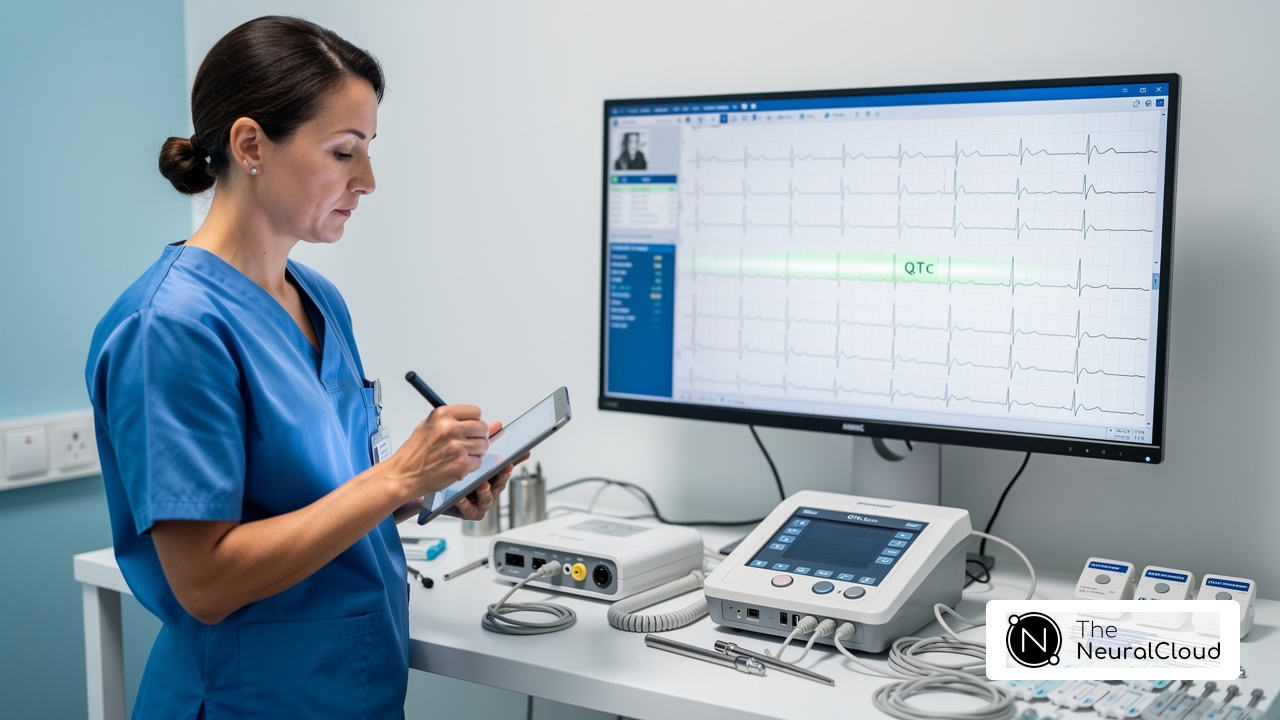
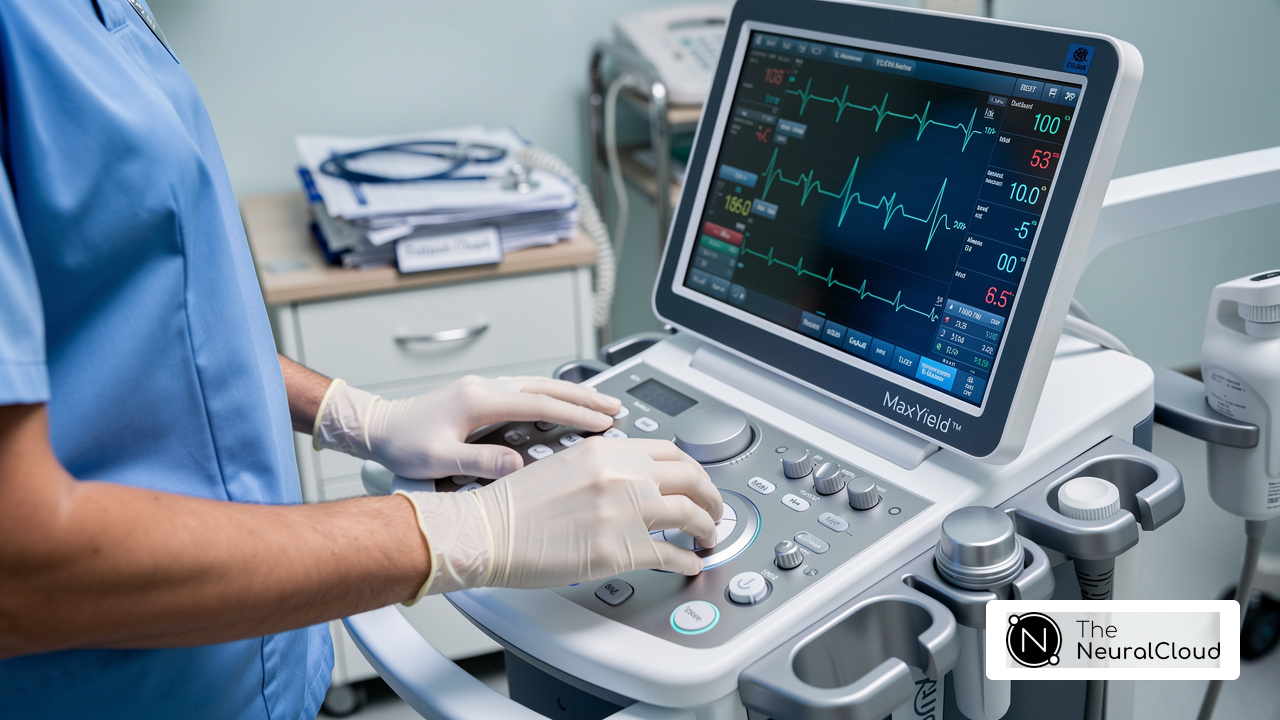
Neural Cloud Solutions' MaxYield™ platform effectively addresses these challenges by utilizing advanced algorithms and distinct wave recognition capabilities. This platform can quickly isolate signals that may contain baseline wander, movement, and muscle artifacts. By ensuring that critical data is preserved in noisy environments, MaxYield™ enhances the efficiency of cardiac monitoring. This allows healthcare professionals to concentrate on accurate diagnoses and timely interventions for conditions such as AFib and SVT.
Case studies illustrate the impact of abnormal heart rhythms on patient health. For instance, patients with AFib often require anticoagulation therapy to reduce stroke risk. Similarly, SVT may necessitate medical intervention, particularly in individuals with risk factors such as anxiety or fatigue.
To ensure accuracy and relevance, validating these definitions with clinical experts is essential. Additionally, establishing a glossary of terms related to irregular heartbeats will facilitate clearer communication in development discussions, aiding health tech developers in understanding the complexities of these cardiac conditions.

Understand Arrhythmia Mechanisms
Understanding the physiological basis of irregular heartbeats requires a close look at impulse generation and conduction issues. Advanced instruments can efficiently assess these factors. The analysis significantly enhances by effectively mapping ECG signals through noise and isolating key features in each heartbeat. This system allows for the identification of factors leading to irregular heart rhythms, such as electrolyte imbalances and structural heart changes, providing beat-by-beat analysis of 200,000 heartbeats in under five minutes.
In clinical settings, integrating technology streamlines the examination of case studies that showcase various heart rhythm mechanisms. This integration automates labeling and data extraction, reducing operational costs and enabling health tech developers to concentrate on essential tasks that require human expertise. Collaborating with cardiologists to understand the real-world implications of these mechanisms is crucial, and documenting observations can help in developing technology that specifically targets arrhythmias.
Additionally, Neural Cloud Solutions' platform improves by evolving its algorithms with each use. This ensures that the diagnostic yield improves over time. This innovative approach addresses challenges in ECG analysis, such as inefficiencies and physiological variability, ultimately contributing to the development of more effective solutions for managing arrhythmias.

Classify Types of Arrhythmias
Establish a detailed classification for arrhythmias, categorizing them into three main types: atrial, ventricular, and conduction disorders.
-
Common examples include:
- Atrial fibrillation: This is the most prevalent arrhythmia, affecting approximately 1% of the overall population. The prevalence increases to 5% in individuals over 65 and 10% in those over 80.
- Ventricular tachycardia: A potentially life-threatening condition characterized by rapid heartbeats originating from the ventricles, often requiring immediate medical intervention.
Develop a flowchart or diagram to visually represent this classification. This will facilitate quick reference for health tech developers, enhancing their ability to diagnose and manage these disorders effectively.
Ensure that the classification aligns with established guidelines, such as those from the American Heart Association. These guidelines emphasize that with accurate information, precise interventions are crucial for patient care.
Regularly update the classification based on emerging research. For instance, there is an increasing recognition of AFib in younger populations and an evolving understanding of its implications for stroke risk and management strategies. This adaptability is essential for effective treatment.

Identify Symptoms and Diagnostic Tools
Recognizing the signs of arrhythmias made easy is essential for prompt intervention. Common symptoms of arrhythmias made easy consist of palpitations, dizziness, fatigue, and shortness of breath. These manifestations can vary in intensity and frequency, which is why it is crucial for both patients and healthcare providers to be aware.
Electrocardiograms (ECGs) remain a cornerstone in cardiac assessment, making the identification of arrhythmias made easy by providing immediate insights into heart rhythm. Holter monitors extend this capability by offering continuous ECG recording over 24 to 48 hours, to capture events, even those that may not be evident during a standard ECG. However, their limited duration can sometimes overlook infrequent events, emphasizing the need for more advanced solutions like Neural Cloud Solutions' platform.
The platform revolutionizes cardiac monitoring by automating the process, with precise, beat-by-beat insights. Its advanced noise filtering and wave recognition capabilities ensure that healthcare professionals receive clean, detailed ECG data, significantly enhancing diagnostic yield. For instance, this system enables arrhythmias made easy by analyzing 200,000 heartbeats in under five minutes, facilitating swift detection of cardiac events and aiding assured clinical decisions.
Wearable devices have emerged as a solution for cardiac monitoring. These devices allow for real-time ECG data transmission, making it easier to monitor patients remotely. For instance, the CardioNet MCOT system can detect and transmit ECG data during arrhythmic events for up to 21 days, making the process of diagnosis more efficient and significantly enhancing diagnostic yield compared to traditional methods.
Collaboration with healthcare professionals is vital to understand how arrhythmias made easy can enhance the practical applications of these diagnostic tools in clinical settings. Insights from cardiologists reveal that integrating automated systems can improve workflows and enhance diagnostic accuracy. Studies indicate that advanced platforms like MaxYield™ can outperform traditional Holter monitoring, making the detection of arrhythmias made easy, which has a maximum yield of 30%. Additionally, the Grodman 1979 study found that automated systems offer arrhythmias made easy with a diagnostic yield significantly higher than that of Holter monitoring, further emphasizing the effectiveness of these technologies.
To effectively integrate these diagnostic tools into health tech solutions, developers should ensure compatibility and user-friendliness. Guidelines should be established to facilitate seamless workflow adjustments in clinical environments. Additionally, creating educational materials for users can empower patients to recognize symptoms and understand when to seek medical attention, ultimately leading to better health outcomes.

Outline Treatment Options for Arrhythmias
Research and document various treatment options, including lifestyle changes, medications, and therapies. This comprehensive approach ensures that patients receive a holistic care plan. Creating a comparison chart of these options can be particularly beneficial. Such a chart should highlight the indications, benefits, and potential side effects, allowing for informed decision-making.
Collaboration with healthcare professionals is essential to ensure that the presented options are up-to-date and evidence-based. This partnership not only enhances the credibility of the information but also aligns it with the latest clinical guidelines. Additionally, developing features in your technology that support patient adherence is crucial. For instance, incorporating reminders for medication or appointments can significantly improve compliance.
Providing resources for patients to learn about their conditions is another key aspect. These resources should encourage engagement in discussions with their healthcare providers, fostering a collaborative approach to treatment. By focusing on these elements, we can enhance patient understanding and involvement in their treatment journey.

Conclusion
Understanding arrhythmias is crucial for health tech developers aiming to create effective solutions in cardiac care. By simplifying the complexities of these heart rhythm disorders, developers can enhance diagnostic accuracy and improve patient outcomes. This article outlines a structured approach to making arrhythmias accessible through a clear definition, classification, and understanding of their mechanisms, symptoms, diagnostic tools, and treatment options.
Key insights include the importance of recognizing various types of arrhythmias, such as:
- Atrial fibrillation
- Ventricular tachycardia
Accurate diagnostic tools, like the MaxYield™ platform, play a vital role in this process. The MaxYield™ platform streamlines ECG analysis, providing healthcare professionals with essential data for timely interventions. Additionally, collaboration with cardiologists and continuous learning models ensures that the technology remains relevant and effective in addressing the challenges posed by arrhythmias.
In conclusion, the integration of advanced health tech solutions is vital for transforming how arrhythmias are diagnosed and treated. By equipping healthcare professionals with innovative tools and fostering clear communication, the potential for improved patient care and management of heart rhythm disorders is significant. Health tech developers are encouraged to embrace this knowledge, collaborate with experts, and continually refine their approaches to ensure that patients receive the best possible care in managing arrhythmias.
Frequently Asked Questions
What are arrhythmias?
Arrhythmias are disorders that disrupt the heart's normal rhythm, resulting in variations in pulse rate and rhythm.
What are the two main types of arrhythmias?
The two main types of arrhythmias are tachycardia (fast heartbeat) and bradycardia (slow heartbeat).
Can arrhythmias be symptomatic or asymptomatic?
Yes, arrhythmias can be either symptomatic or asymptomatic.
What are some common forms of arrhythmias?
Common forms of arrhythmias include atrial fibrillation (AFib), characterized by ineffective contractions of the atria, and supraventricular tachycardia (SVT), which involves rapid pulse rates of 150-250 beats per minute due to abnormal electrical signals in the upper chambers.
What are ventricular irregularities and why are they significant?
Ventricular irregularities originate in the lower chambers of the heart and can be particularly dangerous. For example, ventricular fibrillation is a critical emergency that can lead to sudden cardiac arrest.
What causes arrhythmias?
Causes of arrhythmias can include congenital abnormalities in the heart's electrical system, acquired conditions such as myocardial infarctions that create scar tissue, and lifestyle factors like high caffeine or alcohol intake.
What are the potential consequences of untreated arrhythmias?
Untreated AFib may lead to stroke and heart failure, while prolonged ventricular irregularities can result in low blood pressure and heart failure.
How does the MaxYield™ platform assist in ECG analysis?
The MaxYield™ platform utilizes advanced noise filtering and distinct wave recognition capabilities to isolate ECG waves from recordings, enhancing the efficiency of ECG analysis and allowing for accurate diagnoses and timely interventions.
What is the significance of case studies in understanding arrhythmias?
Case studies illustrate the impact of abnormal heart rhythms on patient health, such as the need for antiplatelet therapy in patients with AFib to prevent blood clots and reduce stroke risk.
How does understanding arrhythmia mechanisms contribute to clinical decision-making?
Understanding the physiological basis of irregular heartbeats, including impulse generation and conduction issues, enhances cardiac insights and clinical decision-making, particularly when integrated with advanced instruments like the MaxYield™ platform.
What role does wearable technology play in studying arrhythmias?
Wearable technology, when integrated with MaxYield™, streamlines the examination of heart rhythm mechanisms, automating labeling and data extraction to reduce operational costs.
How does Neural Cloud Solutions' continuous learning model improve ECG analysis?
The continuous learning model enhances the accuracy and efficiency of ECG analysis by evolving its algorithms with each use, improving diagnostic yield over time.
List of Sources
- Define Arrhythmias Clearly
- mountsinai.org (https://mountsinai.org/care/heart/services/arrhythmia/types)
- Global surge in serious heart rhythm disorders sparks urgent call to action from experts: 1 in 3 people at risk (https://escardio.org/news/press/press-releases/global-surge-in-serious-heart-rhythm-disorders-sparks-urgent-call-to-action-from)
- texasheart.org (https://texasheart.org/heart-health/heart-information-center/topics/categories-of-arrhythmias)
- hopkinsmedicine.org (https://hopkinsmedicine.org/health/conditions-and-diseases/arrhythmias)
- Classify Types of Arrhythmias
- pmc.ncbi.nlm.nih.gov (https://pmc.ncbi.nlm.nih.gov/articles/PMC8890095)
- Atrial fibrillation estimated to affect about 1 in 22 Americans (https://nhlbi.nih.gov/news/2024/atrial-fibrillation-estimated-affect-about-1-22-americans)
- stopafib.org (https://stopafib.org/afib-news-events/news/transcript-of-afib-chat-with-cleveland-clinic-atrial-fibrillation-experts-on-december-15-2017)
- afibmatters.org (https://afibmatters.org/what-do-i-need-to-know/how-common-is-atrial-fibrillation)
- scripps.org (https://scripps.org/services/heart-care/arrhythmia)
- Identify Symptoms and Diagnostic Tools
- crestline.com (https://crestline.com/c/slogans-for-american-heart-month)
- Memorable Cardiology Quotes | TheKnowHow Blog (https://theknowhow.ae/memorable-cardiology-quotes-heart)
- pmc.ncbi.nlm.nih.gov (https://pmc.ncbi.nlm.nih.gov/articles/PMC2989492)
- parade.com (https://parade.com/1187612/michelle-parkerton/quotes-about-heart-disease)
- ecrjournal.com (https://ecrjournal.com/articles/new-methodologies-arrhythmia-monitoring?language_content_entity=en)
- Outline Treatment Options for Arrhythmias
- news.llu.edu (https://news.llu.edu/health-wellness/expanding-advanced-heart-rhythm-care-updated-technology)
- researchgate.net (https://researchgate.net/publication/350713501_Atrial_Fibrillation_Diagnosis_Treatment_and_Outcomes-_A_Case_Study)
- Heart arrhythmia - Diagnosis and treatment - Mayo Clinic (https://mayoclinic.org/diseases-conditions/heart-arrhythmia/diagnosis-treatment/drc-20350674)
- ncbi.nlm.nih.gov (https://ncbi.nlm.nih.gov/books/NBK361762)
- atsjournals.org (https://atsjournals.org/doi/full/10.1164/ajrccm.161.4.16148)