Introduction
Reduced left ventricular systolic function presents significant health risks, challenging both patients and healthcare providers alike. This condition, characterized by the heart's inability to effectively contract, leads to symptoms like fatigue and shortness of breath, which can hinder daily activities.
With advancements in technology, such as MaxYield™ Neural Network Technology, healthcare professionals now have powerful tools to enhance diagnostic accuracy and improve patient care.
Navigating the complexities of diagnosis and management can be overwhelming for both patients and providers. So, how can patients and providers tackle the complexities of diagnosis and management to achieve better outcomes?
Understand Reduced Left Ventricular Systolic Function
When the left ventricle fails to contract effectively, it can lead to serious health complications. Reduced left ventricular systolic function occurs when the left ventricle cannot contract effectively, resulting in insufficient blood ejection during each heartbeat. Typically, this condition is marked by a reduced ejection fraction (EF) of less than 40%. Understanding low ventricular systolic dysfunction requires acknowledging its causes, which may include:
- Coronary artery disease
- Hypertension
- Prior myocardial infarctions
Patients often struggle with debilitating symptoms that hinder daily activities, such as:
- Fatigue
- Shortness of breath
- Fluid retention
Understanding these concepts is crucial for recognizing the need for timely diagnosis and intervention.
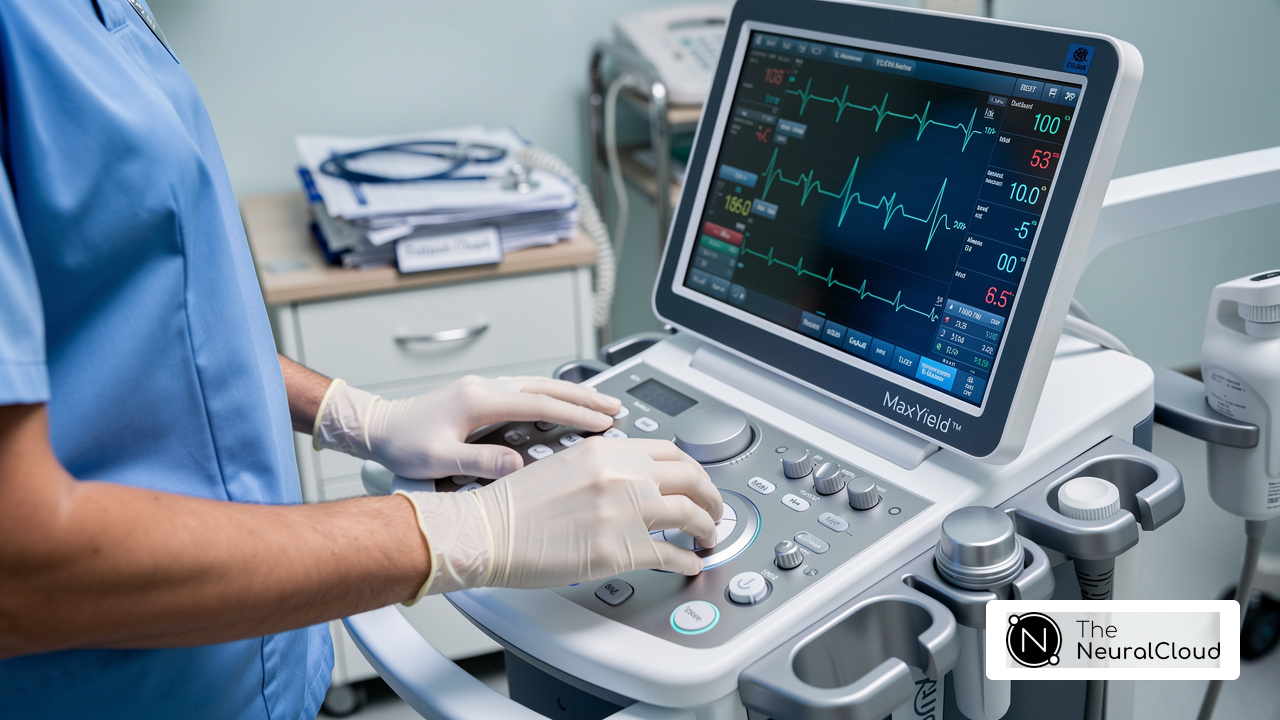
With the introduction of MaxYield™ Neural Network Technology, the evaluation of ECG data has been transformed. This technology offers automated, scalable, and precise cardiac insights that improve the comprehension and management of conditions like reduced left ventricular systolic function. MaxYield™ streamlines diagnostics and supports clinical applications, making it essential for health tech developers advancing cardiac research. This advancement not only enhances the diagnostic process but also significantly improves patient outcomes.

Identify Symptoms of Reduced Left Ventricular Systolic Function
Patients often experience a range of debilitating symptoms that can significantly impact their quality of life when they have reduced left ventricular systolic function. Common symptoms of reduced left ventricular systolic function (LVSD) include:
- Shortness of breath: This symptom often occurs during physical activity or when lying flat, indicating potential fluid buildup in the lungs.
- Fatigue: Patients frequently report unusual tiredness, which can hinder daily activities, making it challenging for them to maintain their usual routines. Research shows that roughly 60% of patients with reduced left ventricular systolic function encounter considerable fatigue, emphasizing the necessity for timely assessment and treatment.
- Swelling: Fluid retention may lead to noticeable swelling in the legs, ankles, or abdomen, a common consequence of cardiac failure.
- Rapid or irregular heartbeat: Palpitations may happen as the heart attempts to sustain sufficient circulation, indicating the body's reaction to impaired cardiac performance.
- Coughing or wheezing: These symptoms may arise from fluid accumulation in the lungs, further complicating respiratory function.
Identifying these symptoms early is crucial for effective medical intervention. Cardiologists emphasize that early identification can lead to prompt diagnostic procedures and improved outcomes for individuals. It's also important to note that the normal ejection fraction (EF) range is 55% to 70%, and individuals with an EF below 40% may indicate systolic cardiac failure. Regular medical follow-ups every three to six months are recommended after reaching optimal dosing of medical therapy to ensure continuous management of heart failure. By understanding these warning signs, healthcare professionals can implement timely interventions that may ultimately save lives.

Explore Diagnostic Procedures for Confirmation
Diagnosing left ventricular systolic dysfunction (LVSD) requires a multifaceted approach, as no single test can provide a complete picture. Several diagnostic procedures are essential:
- Echocardiogram: This is the primary test for visualizing heart structure and function, measuring ejection fraction (LVEF) and assessing wall motion abnormalities. Studies indicate that echocardiograms can achieve high sensitivity and specificity, particularly when multiple imaging views are utilized. For instance, sensitivity for detecting reduced LVEF (<50%) was reported at 69% for novice sonographers and 64% for experienced ones, with specificities of 96% and 98%, respectively.
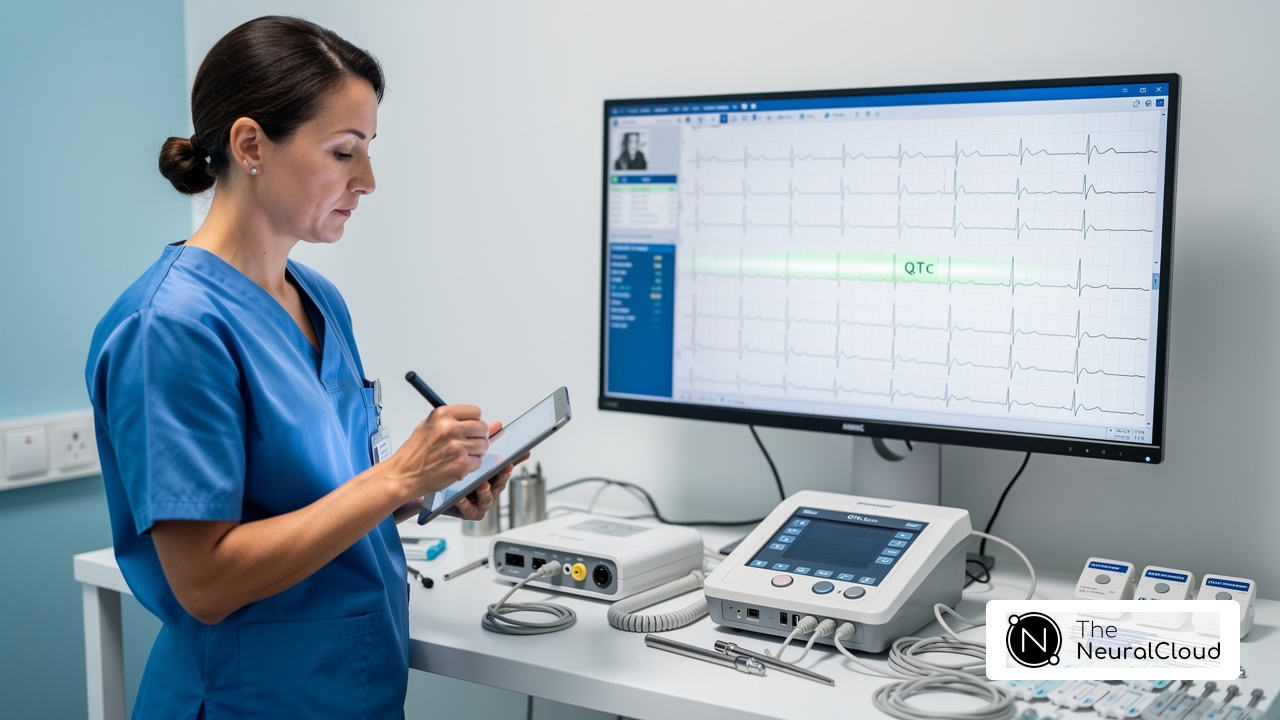
- Electrocardiogram (ECG): An ECG is essential for detecting arrhythmias and other electrical irregularities that may occur with left ventricular systolic dysfunction. It serves as a complementary tool to echocardiography, enhancing the overall diagnostic accuracy. With the integration of Neural Cloud Solutions' MaxYield™ platform, ECG analysis is significantly improved. MaxYield™ employs advanced noise filtering and distinct wave recognition to isolate and label key features in every heartbeat. This means healthcare professionals can analyze each heartbeat, generating data on 200,000 heartbeats in under 5 minutes, which helps them make confident decisions about LVSD.
- Cardiac MRI: This imaging method offers detailed insights into cardiac structure and function, particularly advantageous in intricate cases where echocardiographic results may be inconclusive.
- Blood tests: Biomarkers like B-type natriuretic peptide (BNP) are important indicators of cardiac failure, aiding in evaluating the severity of the condition.
- Stress tests: These evaluations assess how the heart performs under physical stress, offering insights into functional capacity and potential limitations.
Grasping these diagnostic instruments is essential for both individuals receiving care and healthcare professionals, as they validate the diagnosis of reduced left ventricular systolic function and inform treatment choices. Cardiologists highlight the significance of echocardiograms in this context, mentioning their effectiveness in diagnosing reduced left ventricular systolic function and the essential role they play in managing individuals. The advancements brought by MaxYield™ not only streamline ECG analysis but also empower healthcare professionals to enhance patient outcomes through informed decision-making.

Implement Management Strategies for Effective Care
Managing reduced left ventricular systolic function presents significant challenges that require a comprehensive approach. This approach combines lifestyle modifications with medical treatments:
- Medications: Key medications such as ACE inhibitors and beta-blockers are essential in improving heart function and reducing symptoms. These treatments have demonstrated significant effectiveness in clinical settings, with studies indicating that the combination of ACE inhibitors and beta-blockers can lead to a 56% reduction in mortality compared to placebo (H. Burnett). Furthermore, diuretics are crucial in handling fluid overload, which is frequent among individuals with heart failure.
Lifestyle changes, including a heart-healthy diet low in sodium, are essential for managing reduced left ventricular systolic function. Regular physical activity, customized to the individual's capacity, is also recommended to strengthen the cardiovascular system. Stopping smoking and reducing alcohol consumption are essential lifestyle adjustments that can greatly improve cardiovascular health and slow disease progression. Studies show that roughly 70% of individuals who implement lifestyle modifications report enhanced cardiovascular health results.
- Weight Management: Maintaining a healthy weight is crucial, as even a sudden weight increase of two to three pounds can indicate fluid retention, which exacerbates heart strain. Daily monitoring of weight can assist individuals in recognizing these changes early.
- Client Education: It's crucial to empower individuals with knowledge about their condition and how to manage it. This understanding promotes compliance with treatment plans and assists individuals in identifying early signs of worsening symptoms, facilitating timely interventions. Cardiologist Dr. Kenneth B. Margulies emphasizes that educating individuals is vital for improving adherence to guideline-directed medical therapy (GDMT).
- Regular Follow-Ups: Continuous monitoring and adjustments to the treatment plan are vital for optimal management. Regular follow-ups with healthcare providers ensure that individuals receive personalized care tailored to their evolving needs, enhancing overall treatment efficacy. Monitoring physical status daily is crucial for early warning of fluid retention, as highlighted in recent studies.
By implementing these strategies, healthcare professionals can help patients avoid complications and improve their overall health outcomes.

Maintain Ongoing Monitoring and Follow-Up Care
Effectively managing reduced left ventricular systolic function requires ongoing monitoring and proactive care:
- Regular check-ups: Schedule appointments with healthcare providers to assess heart function and adjust medications as needed.
- Self-monitoring: Patients should be encouraged to track their symptoms, weight, and any changes in their condition, reporting these to their healthcare team.
- Use of technology: Consider utilizing wearable devices or mobile health applications that can monitor pulse rate and rhythm, providing real-time data to healthcare providers.
MaxYield™enhances ECG analysis by filtering out noise and recognizing distinct waveforms, which helps ensure accurate data collection, even in tough conditions. Additionally,MaxYield™can salvage previously obscured sections of lengthy Holter, 1-Lead, and patch monitor recordings, evolving with each use to maximize diagnostic yield. - Education on warning signs: Patients should be educated about symptoms that warrant immediate medical attention, such as sudden weight gain, increased shortness of breath, or chest pain.
- Collaborative care: Engage with a multidisciplinary team, including cardiologists, dietitians, and physical therapists, to ensure comprehensive management of the condition. This collaborative method enhances the quality of care and improves outcomes, particularly when supported by advanced technologies like
MaxYield™that evolve with each use to maximize diagnostic yield.
By implementing these strategies, patients can take charge of their heart health and potentially avoid serious complications.

Conclusion
Diagnosing reduced left ventricular systolic function poses significant challenges that can impact patient care and outcomes. This condition can lead to severe health issues if not diagnosed and treated promptly, complicating ECG analysis. Recognizing symptoms, using diagnostic tools, and implementing management strategies can greatly improve care for affected individuals.
Key insights from the article highlight the importance of early symptom identification, such as:
- Fatigue
- Shortness of breath
- Fluid retention
These are essential for timely intervention. Diagnostic tools like echocardiograms and advanced ECG technologies, such as MaxYield™, play a pivotal role in confirming diagnoses and guiding treatment plans. Furthermore, the integration of lifestyle modifications, medication adherence, and regular follow-ups is crucial for effective management and improved patient health outcomes.
A proactive, multidisciplinary approach is essential for effectively managing reduced left ventricular systolic function. Empowering patients with knowledge and using advanced technologies can improve adherence to treatment and enhance care quality. Ongoing monitoring and education are crucial for managing this complex condition, ultimately saving lives and improving well-being.
Frequently Asked Questions
What is reduced left ventricular systolic function?
Reduced left ventricular systolic function occurs when the left ventricle fails to contract effectively, leading to insufficient blood ejection during each heartbeat. It is typically marked by a reduced ejection fraction (EF) of less than 40%.
What are the causes of reduced left ventricular systolic function?
The causes of reduced left ventricular systolic function may include coronary artery disease, hypertension, and prior myocardial infarctions.
What are the common symptoms of reduced left ventricular systolic function?
Common symptoms include shortness of breath, fatigue, swelling due to fluid retention, rapid or irregular heartbeat, and coughing or wheezing.
How does reduced left ventricular systolic function affect daily life?
Patients often experience debilitating symptoms such as fatigue and shortness of breath, which can hinder daily activities and significantly impact their quality of life.
Why is early identification of symptoms important?
Early identification of symptoms is crucial for effective medical intervention, as it can lead to prompt diagnostic procedures and improved outcomes for individuals with reduced left ventricular systolic function.
What is the normal range for ejection fraction (EF)?
The normal ejection fraction (EF) range is between 55% to 70%. An EF below 40% may indicate systolic cardiac failure.
How often should patients follow up with their healthcare provider?
Regular medical follow-ups every three to six months are recommended after reaching optimal dosing of medical therapy to ensure continuous management of heart failure.
What technology has improved the evaluation of ECG data related to reduced left ventricular systolic function?
MaxYield™ Neural Network Technology has transformed the evaluation of ECG data, offering automated and precise cardiac insights that enhance the diagnosis and management of conditions like reduced left ventricular systolic function.
List of Sources
- Understand Reduced Left Ventricular Systolic Function
- news.harvard.edu (https://news.harvard.edu/gazette/story/2026/03/i-think-i-know-how-to-fix-this)
- New Study Offers Strong Evidence of Elevated Heart Failure Risk in Adults with Prediabetes, Hypertension and Subclinical Heart Injury or Stress (https://hopkinsmedicine.org/news/newsroom/news-releases/2026/03/new-study-offers-strong-evidence-of-elevated-heart-failure-risk-in-adults-with-prediabetes-hypertension-and-subclinical-heart-injury-or-stress)
- Heart failure with reduced ejection fraction: a 2026 update on management | Medicine Today (https://medicinetoday.com.au/mt/2026/april/feature-article/heart-failure-reduced-ejection-fraction-2026-update-management)
- Identify Symptoms of Reduced Left Ventricular Systolic Function
- Heart failure with reduced ejection fraction: a 2026 update on management | Medicine Today (https://medicinetoday.com.au/mt/2026/april/feature-article/heart-failure-reduced-ejection-fraction-2026-update-management)
- Systolic Heart Failure: Symptoms, Causes and Treatment (https://my.clevelandclinic.org/health/diseases/23276-systolic-heart-failure)
- pubmed.ncbi.nlm.nih.gov (https://pubmed.ncbi.nlm.nih.gov/40087908)
- Heart failure - Symptoms and causes (https://mayoclinic.org/diseases-conditions/heart-failure/symptoms-causes/syc-20373142)
- Explore Diagnostic Procedures for Confirmation
- pubmed.ncbi.nlm.nih.gov (https://pubmed.ncbi.nlm.nih.gov/31786824)
- How New Tools Are Transforming the Evaluation of Left Ventricular Systolic Function | Xyla Services (https://xylaservices.com/professionals/news/how-new-tools-are-transforming-the-evaluation-of-left-ventricular-systolic-function)
- cedars-sinai.org (https://cedars-sinai.org/newsroom/spectrum-news-1-cedars-sinai-researchers-create-new-ai-based-system-to-read-echocardiograms)
- medicine.yale.edu (https://medicine.yale.edu/news-article/ai-tool-interprets-echocardiograms-in-minutes)
- medconnection.ucsfhealth.org (https://medconnection.ucsfhealth.org/news/multiview-ai-approach-can-improve-diagnostic-accuracy-for-cardiac-imaging)
- Implement Management Strategies for Effective Care
- Heart Failure Management: Current Approaches and Future Directions (https://thecardiologyadvisor.com/features/heart-failure-management-2026)
- skgheartcenter.org (https://skgheartcenter.org/blog/1438054-how-lifestyle-changes-support-heart-failure-management)
- Lifestyle Changes for Heart Failure (https://heart.org/en/health-topics/heart-failure/treatment-options-for-heart-failure/lifestyle-changes-for-heart-failure)
- Heart failure with reduced ejection fraction: a 2026 update on management | Medicine Today (https://medicinetoday.com.au/mt/2026/april/feature-article/heart-failure-reduced-ejection-fraction-2026-update-management)
- ahajournals.org (https://ahajournals.org/doi/10.1161/circheartfailure.116.003529)
- Maintain Ongoing Monitoring and Follow-Up Care
- New Scientific Statement Guides Clinicians on How to Integrate Digital Health Tools Into Heart Failure Care | HFSA (https://hfsa.org/new-scientific-statement-guides-clinicians-how-integrate-digital-health-tools-heart-failure-care)
- atlantichealth.org (https://atlantichealth.org/health-articles/heart-health/improved-heart-failure-management-with-cardiomems)
- AI for Heart Failure Care Is Evolving Rapidly, THT 2026 Makes Clear (https://tctmd.com/news/ai-heart-failure-care-evolving-rapidly-tht-2026-makes-clear)
- nature.com (https://nature.com/articles/s41591-026-04247-3)
- Technological Advancements in Cardiology: Improved Monitoring (https://bstquarterly.com/article/technological-advancements-in-cardiology-improved-monitoring)