Introduction
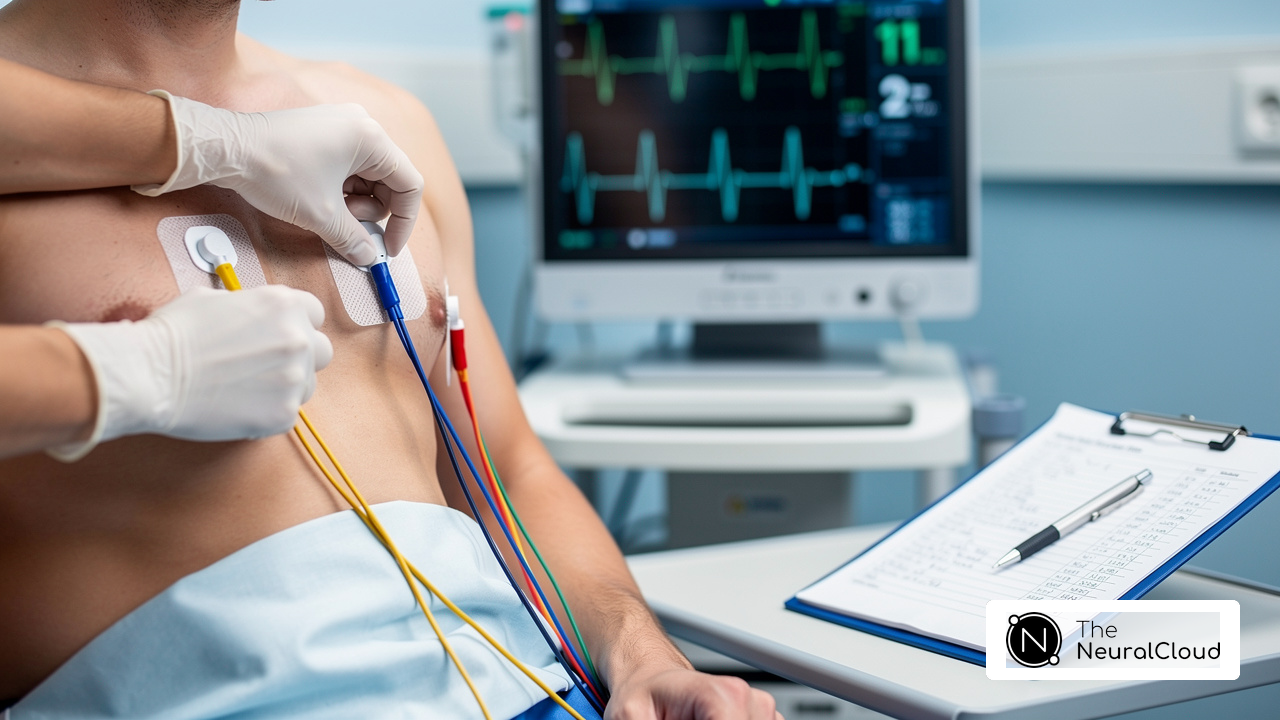
Understanding first-degree heart block is crucial for healthcare professionals, as it can indicate underlying cardiac issues that may necessitate closer monitoring or intervention. This condition is characterized by a delayed transmission of electrical signals in the heart. While often benign, it can lead to more severe complications if not addressed.
Healthcare providers face several challenges in diagnosing and treating first-degree heart block, particularly in accurately interpreting ECG results. Advanced diagnostic tools, such as Neural Cloud Solutions' MaxYield™, can significantly enhance clinicians' ability to assess and manage this condition effectively.
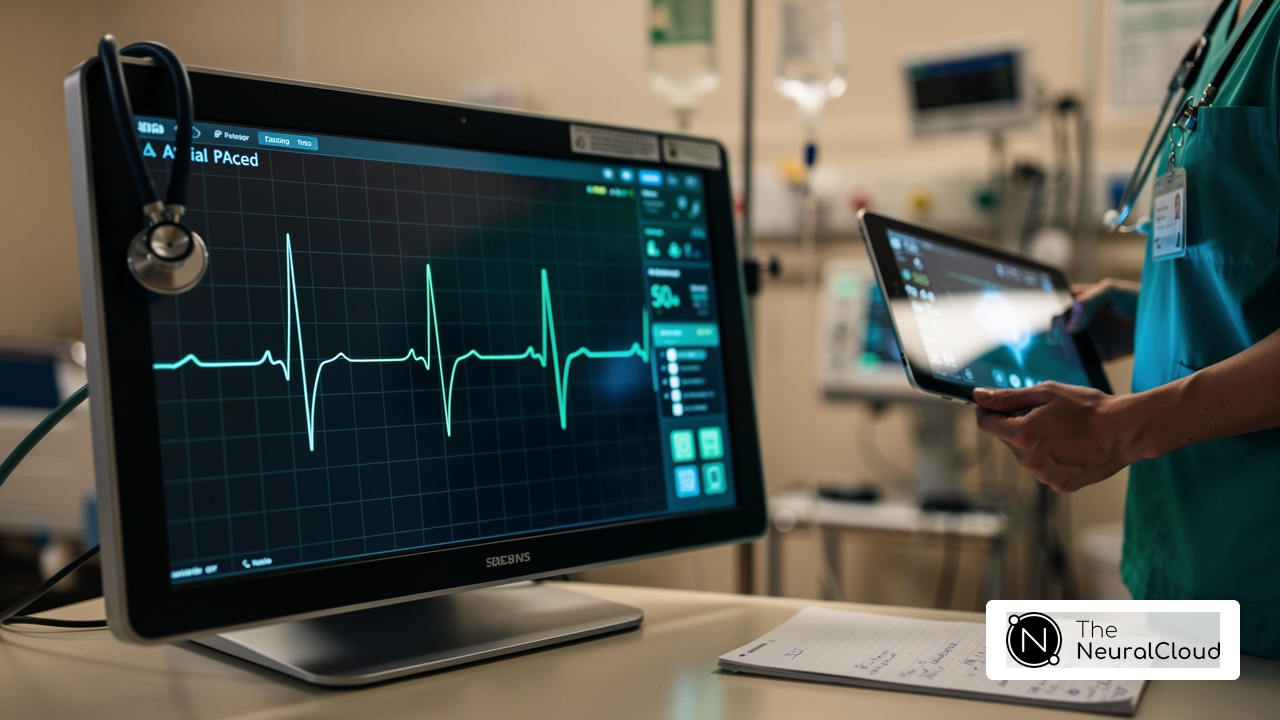
MaxYield™ offers features that streamline ECG analysis, providing clear visualizations and detailed insights into cardiac function. This platform improves the accuracy of diagnoses, allowing healthcare professionals to make informed decisions quickly.
The advantages of using MaxYield™ are substantial. By leveraging innovative technology, clinicians can enhance patient outcomes through timely interventions and better monitoring of heart health. This not only improves the quality of care but also fosters confidence in clinical decision-making.
Define First-Degree Heart Block: Key Concepts and Importance
is characterized by a delay in the transmission of electrical signals from the atria to the ventricles. This condition is identifiable on an electrocardiogram (ECG) by a PR interval exceeding 0.20 seconds. Importantly, all atrial impulses are still transmitted to the ventricles, indicating that while conduction is slowed, it remains uninterrupted. Understanding this condition is crucial, as it often serves as a warning sign and may indicate the need for further monitoring or intervention.
The clinical significance of first-degree heart block lies in its association with other cardiac conditions, making it essential for healthcare professionals to recognize and understand its implications. Statistics show that the prevalence of first-degree heart block ranges from 2% to 14%, with a mean prevalence of approximately 7%. Cardiologists emphasize the importance of early detection in identifying potential complications, noting that its presence can indicate the need for additional evaluation.
Challenges in diagnosis often arise due to factors that can obscure critical information. This is where Neural Cloud Solutions' technology comes into play. MaxYield™ employs advanced noise filtering and distinct wave recognition to isolate ECG waves, even in recordings affected by baseline wander, movement, and muscle artifacts. This capability enhances the diagnostic yield by salvaging previously obscured sections of lengthy Holter, 1-Lead, and patch monitor recordings.
Features of MaxYield™:
- Advanced noise filtering
- Distinct wave recognition
- Enhanced diagnostic yield
Advantages for Healthcare Professionals:
- Improved clarity in ECG readings
- Ability to identify arrhythmias more effectively
- Enhanced decision-making regarding patient management and treatment strategies
As one cardiologist noted, "Identifying primary AV obstruction is essential, as it can be a precursor to more severe conduction issues or atrial fibrillation." This understanding is vital for healthcare professionals, aiding them in making informed decisions regarding patient management and treatment strategies.

Diagnose First-Degree Heart Block: Methods and Criteria
Diagnosing first-degree heart block can be challenging for healthcare providers, particularly when it comes to accurately identifying the condition. To enhance efficiency in this process, advanced diagnostic solutions like artificial intelligence are increasingly utilized. The following steps outline the diagnostic process:
- Obtain an ECG: A 12-lead ECG serves as the primary tool for evaluating the heart's electrical activity. With automated analysis, ECGs can be automatically labeled, streamlining the analysis and reducing the potential for human error.
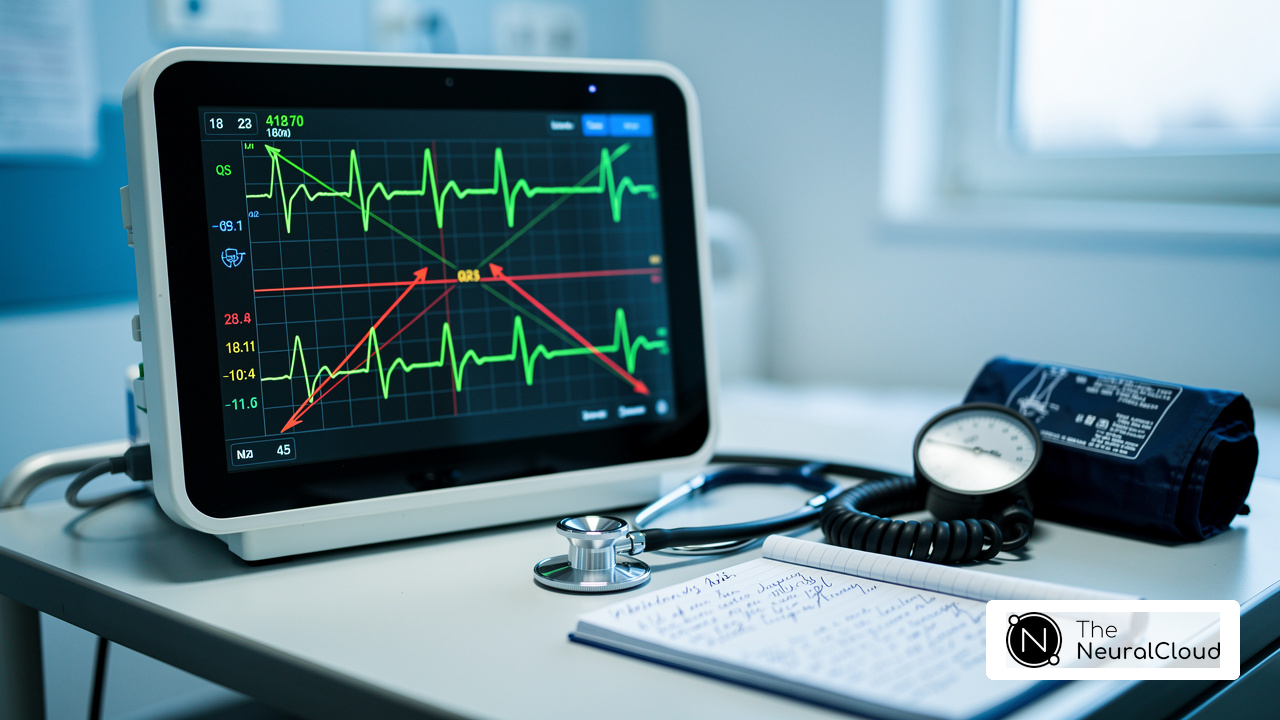
- Measure the PR Interval: The next step involves identifying the PR interval on the ECG. A normal PR interval is less than 200 milliseconds, while in primary atrioventricular block, this interval exceeds 200 milliseconds. Advanced technology enhances accuracy by employing AI-powered algorithms that improve signal clarity, ensuring precise measurements.
- Evaluate Atrial and Ventricular Activity: It is crucial to confirm that every atrial impulse is effectively conducted to the ventricles, indicating that atrial impulses are effectively conducted to the ventricles. The automated annotations provided by diagnostic software enable technicians to process cases more quickly without sacrificing quality.
- Consider Patient Symptoms: Assessing any symptoms the patient may be experiencing is essential, as first-degree heart block is often asymptomatic but can occasionally present with fatigue or palpitations.
- Investigate Underlying Conditions: Investigating underlying conditions or medications that may contribute to cardiac obstruction is vital. By integrating diagnostic tools with clinical assessments, healthcare professionals can further enhance the accuracy and adaptability of their assessments.
By following these steps and leveraging the capabilities of advanced technology, clinicians can accurately diagnose and determine the appropriate course of action. This ultimately leads to improved patient outcomes, showcasing the significant benefits of utilizing innovative diagnostic solutions.

Treat First-Degree Heart Block: Management Strategies and Considerations
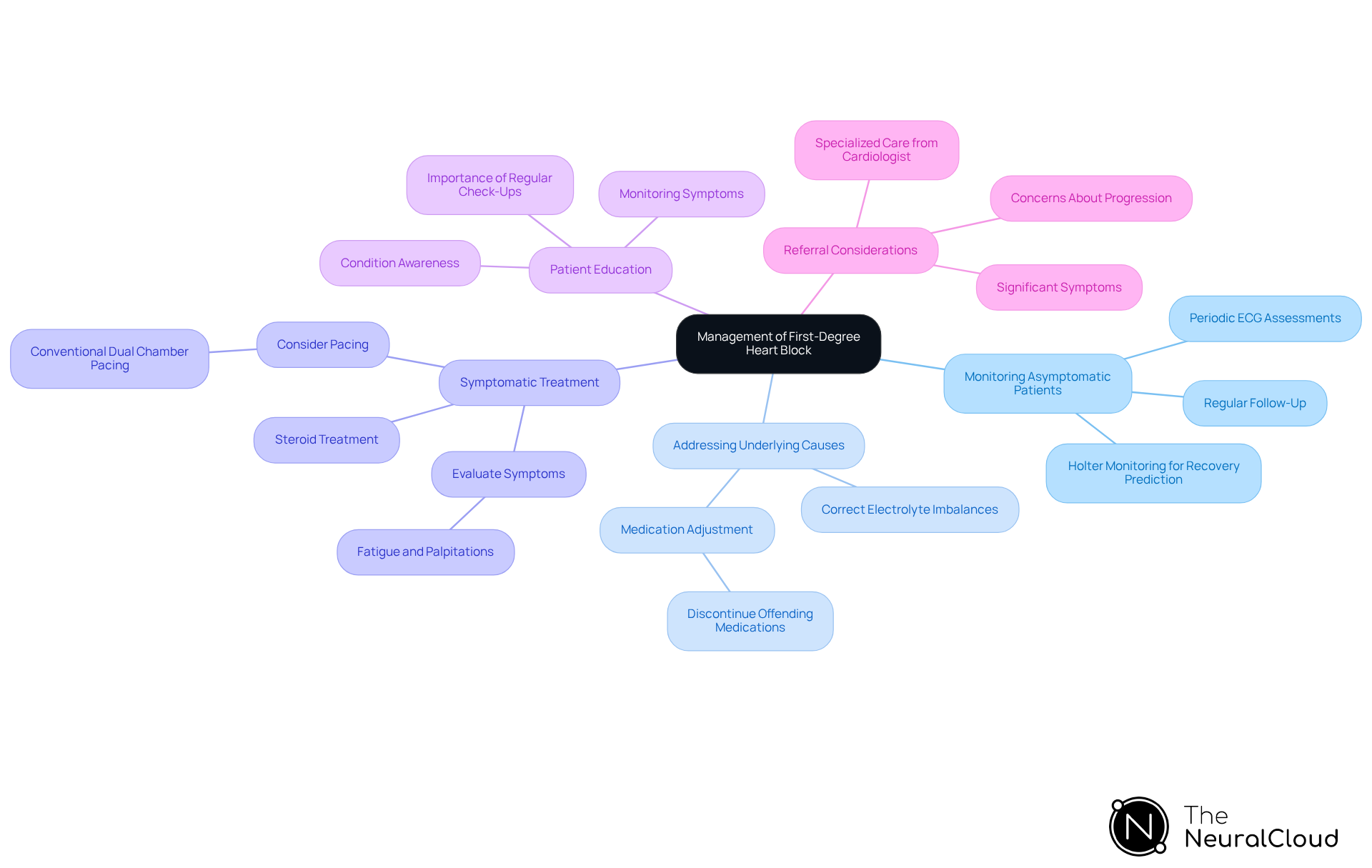
Management of first-degree atrioventricular conduction delay primarily depends on the presence of symptoms and any underlying conditions. Here are key strategies for effective management:
- Monitoring Asymptomatic Patients: For individuals without symptoms, regular follow-up is typically sufficient. This may involve monitoring heart function, ensuring early detection of any progression. The frequency of follow-up appointments is crucial for predicting recovery from a prolonged PR interval.
- Medication Adjustment: If the heart block is secondary to factors such as medications (e.g., beta-blockers) or electrolyte imbalances, adjusting these can often resolve the block. For instance, stopping a medication known to cause AV disruption can lead to significant improvement.
- Symptomatic Treatment: Patients experiencing symptoms like fatigue or palpitations require further evaluation. Treatment options may include discontinuing any offending medications or considering pacing, particularly in cases where symptoms are severe and persistent. In some cases, steroid treatment has proven effective in managing first-degree AV block, especially after specific interventions.
- Patient Education: Educating patients about their condition, potential symptoms to monitor, and the importance of regular check-ups is crucial. This empowers them to recognize changes that may require further medical attention.
- Referral Considerations: If there are concerns about progression to higher-degree blocks or if the patient exhibits significant symptoms, a referral to a cardiologist is advisable. This ensures that patients receive specialized care tailored to their needs.
These management strategies provide a framework for delivering appropriate care to patients with first-degree heart block, ensuring that treatment is individualized and responsive to each patient's clinical status.
Understand Complications and Prognosis of First-Degree Heart Block
1st degree is generally regarded as a benign condition, particularly in asymptomatic patients. However, understanding its complications and prognosis is essential for effective management.
Potential Complications: While most patients do not face significant issues, there is a risk of progression, especially in individuals with pre-existing heart conditions. Symptoms such as syncope or severe fatigue may indicate a deterioration in conduction, warranting further evaluation.
The outlook for patients with isolated first-degree heart block is typically very good. Research shows a heightened risk of developing arrhythmias, with patients having a two-fold adjusted risk of atrial fibrillation compared to those with PR intervals of 200 msec or shorter. Nevertheless, many individuals can lead normal lives without substantial limitations. For example, a study in rural Northeast China involving over 10,000 participants revealed a prevalence of 3.4% for first-degree heart block, with most cases remaining asymptomatic and benign.
Regular follow-up with ECGs is advisable to track any changes in the PR interval or the emergence of new symptoms. This proactive approach aids in the early detection of potential complications. The software from Neural Cloud Solutions enhances this process through automation and data extraction, significantly improving efficiency and reducing operational costs. Its ability to provide real-time data analysis allows healthcare providers to monitor patients more effectively and respond promptly to any changes.
Educating patients about their condition is crucial. While 1st degree is often considered benign, patients should be informed about potential symptoms. This awareness empowers individuals to seek timely medical advice if necessary.
By grasping these elements, healthcare providers can deliver informed guidance and reassurance to patients diagnosed with first-degree heart block. Leveraging innovative technologies like the software can further improve monitoring and analysis, ultimately enhancing patient care.

Conclusion
Understanding first-degree heart block is crucial for healthcare professionals, as it serves as a key indicator of the heart's electrical conduction system. This condition, marked by a prolonged PR interval on an ECG, underscores the importance of accurate diagnosis and ongoing monitoring. Recognizing first-degree heart block not only helps identify potential underlying cardiac issues but also highlights the need for effective management strategies tailored to each patient's unique circumstances.
The article explores the diagnostic process, emphasizing the role of advanced technologies like MaxYield™ in improving ECG analysis. Key steps include:
- Obtaining a 12-lead ECG
- Measuring the PR interval
- Evaluating patient symptoms and history
Management strategies vary from monitoring asymptomatic patients to addressing underlying causes and educating patients about their condition. These insights underscore the necessity of proactive care and the potential risks associated with untreated first-degree heart block.
In conclusion, mastering first-degree heart block is vital. By leveraging innovative diagnostic tools and implementing comprehensive management strategies, healthcare providers can ensure optimal patient outcomes. Awareness of this condition empowers patients to engage actively in their health, fostering a collaborative approach to care that can mitigate potential complications and enhance quality of life.
Frequently Asked Questions
What is first-degree heart block?
First-degree heart block is characterized by a delay in the transmission of electrical signals from the atria to the ventricles, identifiable on an electrocardiogram (ECG) by a prolonged PR interval exceeding 0.20 seconds.
How does first-degree heart block affect electrical impulses?
In first-degree heart block, all atrial impulses are still transmitted to the ventricles, indicating that while conduction is slowed, it remains uninterrupted.
Why is understanding first-degree heart block important?
Understanding first-degree heart block is crucial as it often serves as a marker for potential underlying cardiac issues and may indicate the need for further monitoring or intervention.
What is the prevalence of first-degree heart block?
The prevalence of first-degree AV block ranges from 2% to 14%, with a mean prevalence of approximately 7%.
How do healthcare professionals identify first-degree heart block?
Cardiologists emphasize the importance of ECG analysis in identifying first-degree heart block, as its presence can indicate the need for further evaluation of the patient's cardiac health.
What challenges exist in ECG analysis for detecting first-degree heart block?
Challenges in ECG analysis include noise and artifacts that can obscure critical information, making it difficult to accurately assess the ECG readings.
How does the MaxYield™ platform enhance ECG analysis?
MaxYield™ employs advanced noise filtering and distinct wave recognition to isolate ECG waves, even in recordings affected by baseline wander, movement, and muscle artifacts, enhancing the diagnostic yield.
What are the features of the MaxYield™ platform?
The features of MaxYield™ include advanced noise filtering, distinct wave recognition, and enhanced diagnostic yield.
What advantages does MaxYield™ offer to healthcare professionals?
MaxYield™ provides improved clarity in ECG readings, the ability to identify critical cardiac conditions more effectively, and enhanced decision-making regarding patient management and treatment strategies.
Why is identifying primary AV obstruction important?
Identifying primary AV obstruction is essential as it can be a precursor to more severe conduction issues or atrial fibrillation, aiding healthcare professionals in making informed decisions regarding patient management.
List of Sources
- Define First-Degree Heart Block: Key Concepts and Importance
- First-Degree Atrioventricular Block: Background, Pathophysiology, Etiology (https://emedicine.medscape.com/article/161829-overview)
- ahajournals.org (https://ahajournals.org/doi/10.1161/cir.0b013e31823ac046)
- jamanetwork.com (https://jamanetwork.com/journals/jama/fullarticle/184145)
- ahajournals.org (https://ahajournals.org/doi/10.1161/JAHA.119.015064)
- Diagnose First-Degree Heart Block: Methods and Criteria
- PR Interval (https://litfl.com/pr-interval-ecg-library)
- EKG: PR Interval Abnormalities (https://cancertherapyadvisor.com/home/decision-support-in-medicine/hospital-medicine/ekg-pr-interval-abnormalities)
- droracle.ai (https://droracle.ai/articles/452709/what-is-a-normal-pr-p-r-interval-on-an)
- Normal Electrocardiography (ECG) Intervals: Normal Electrocardiography Intervals (https://emedicine.medscape.com/article/2172196-overview)
- Treat First-Degree Heart Block: Management Strategies and Considerations
- pmc.ncbi.nlm.nih.gov (https://pmc.ncbi.nlm.nih.gov/articles/PMC8888716)
- Atrioventricular Block - StatPearls - NCBI Bookshelf (https://ncbi.nlm.nih.gov/books/NBK459147)
- droracle.ai (https://droracle.ai/articles/725633/what-is-the-management-approach-for-a-patient-with)
- First-Degree Atrioventricular Block Treatment & Management: Approach Considerations, Pacemaker Implantation, Long-Term Monitoring (https://emedicine.medscape.com/article/161829-treatment)
- Understand Complications and Prognosis of First-Degree Heart Block
- academic.oup.com (https://academic.oup.com/eurheartj/article/46/Supplement_1/ehaf784.560/8310132)
- First-Degree Atrioventricular Block: Background, Pathophysiology, Etiology (https://emedicine.medscape.com/article/161829-overview)
- heart.org (https://heart.org/en/health-topics/arrhythmia/about-arrhythmia/conduction-disorders)
- wikidoc.org (https://wikidoc.org/index.php/First_degree_AV_block_natural_history,_complications_and_prognosis)