Introduction
Mastering ACLS rhythms is essential for healthcare providers, as it plays a crucial role in managing cardiac emergencies effectively. Healthcare providers often struggle with the complexities of interpreting ACLS rhythms accurately, but advanced technology can significantly enhance ECG analysis. This article explores how professionals can equip themselves with the skills and knowledge needed to navigate the complexities of shockable versus non-shockable rhythms.
We will examine the core concepts of ACLS rhythms, the role of technology in ECG interpretation, and practical strategies for mastering these essential skills.
Clarify Core Concepts of ACLS Rhythms
Understanding ACLS rhythms is crucial for effective intervention during cardiac emergencies, yet many healthcare providers struggle with this knowledge. These patterns are classified into distinct types based on their electrical activity and clinical significance. Here are the core concepts to grasp:
- Normal Sinus Rhythm (NSR): This is the baseline pattern characterized by a regular heartbeat, with a rate of 60-100 beats per minute (bpm). It indicates proper electrical conduction through the heart.
- Bradycardia: Defined as a heart rate less than 60 bpm, bradycardia can be symptomatic or asymptomatic. It may require intervention if the patient exhibits signs of poor perfusion. It's crucial for healthcare providers to understand ACLS rhythms associated with bradycardia in advanced cardiac life support, as prompt identification can greatly influence patient outcomes. According to the American Heart Association, high-quality CPR and timely interventions are essential for improving survival rates in these cases.
- Tachycardia: A heart rate above 100 bpm, tachycardia can be further categorized into narrow and wide complex patterns, each requiring different management strategies.
- Arrhythmias: These are irregular heartbeats that can be benign or life-threatening. Common types include atrial fibrillation, ventricular tachycardia, and ventricular fibrillation.
- Cardiac Arrest Rhythms: In advanced cardiovascular life support, rhythms are classified as shockable (e.g., ventricular fibrillation and pulseless ventricular tachycardia) or non-shockable (e.g., asystole and pulseless electrical activity). Understanding these classifications is vital for timely and appropriate treatment of ACLS rhythms.
Recent studies suggest that around 350,000 individuals in the United States undergo out-of-hospital heart arrest each year, with 60% to 80% failing to reach the hospital. Moreover, only 8.2% of individuals who undergo out-of-hospital heart arrest attain favorable neurological and functional status, highlighting the essential requirement for healthcare providers to be knowledgeable in advanced life support protocols. By mastering these core concepts, healthcare providers can significantly enhance their response effectiveness, leading to better patient outcomes. This knowledge not only empowers healthcare providers but can also be the difference between life and death for patients in critical situations.

Differentiate Shockable and Non-Shockable Rhythms
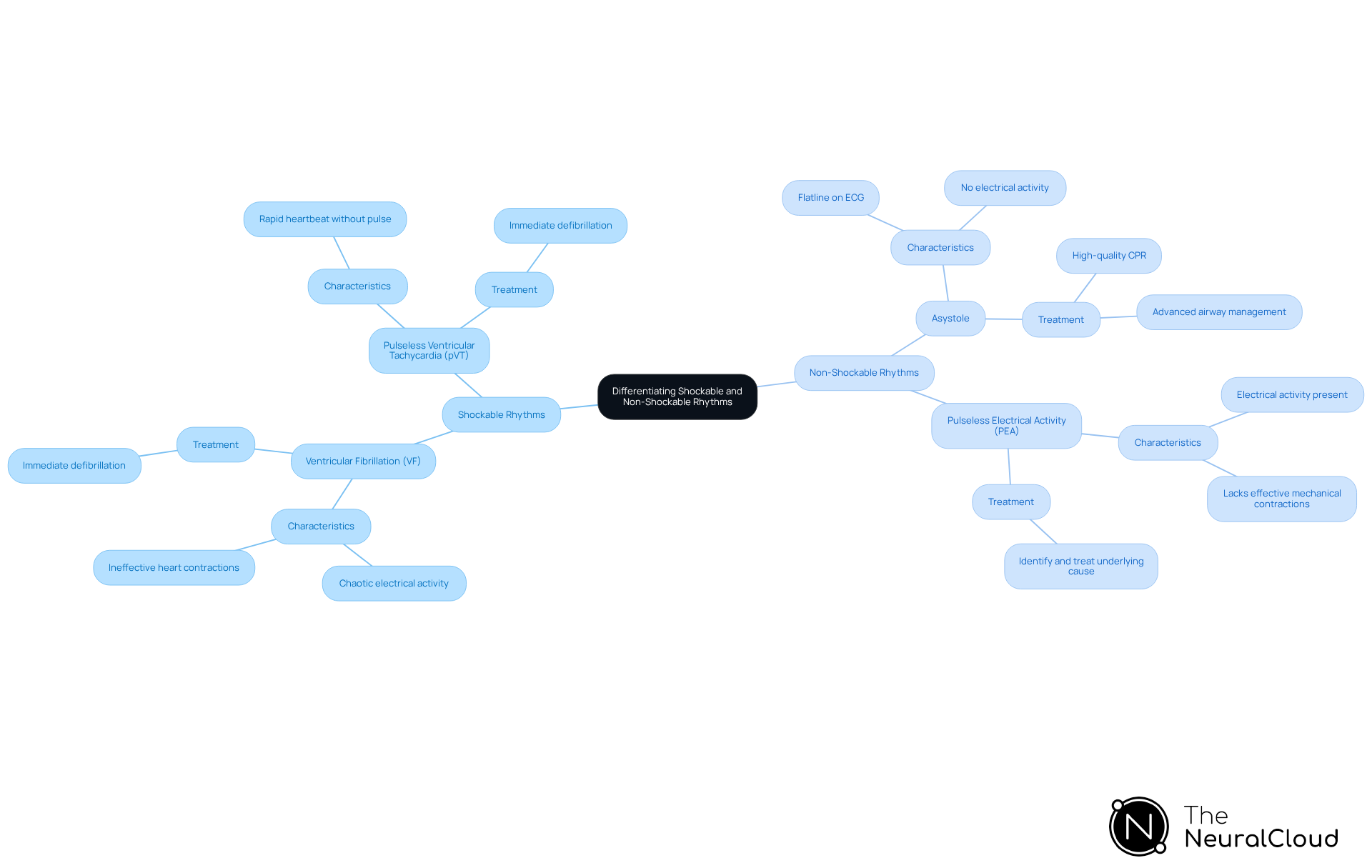
In the high-pressure environment of ACLS rhythms, it is crucial to distinguish between shockable and non-shockable rhythms for effective cardiac arrest management. Here’s how to differentiate them:
-
Shockable Rhythms: These include:
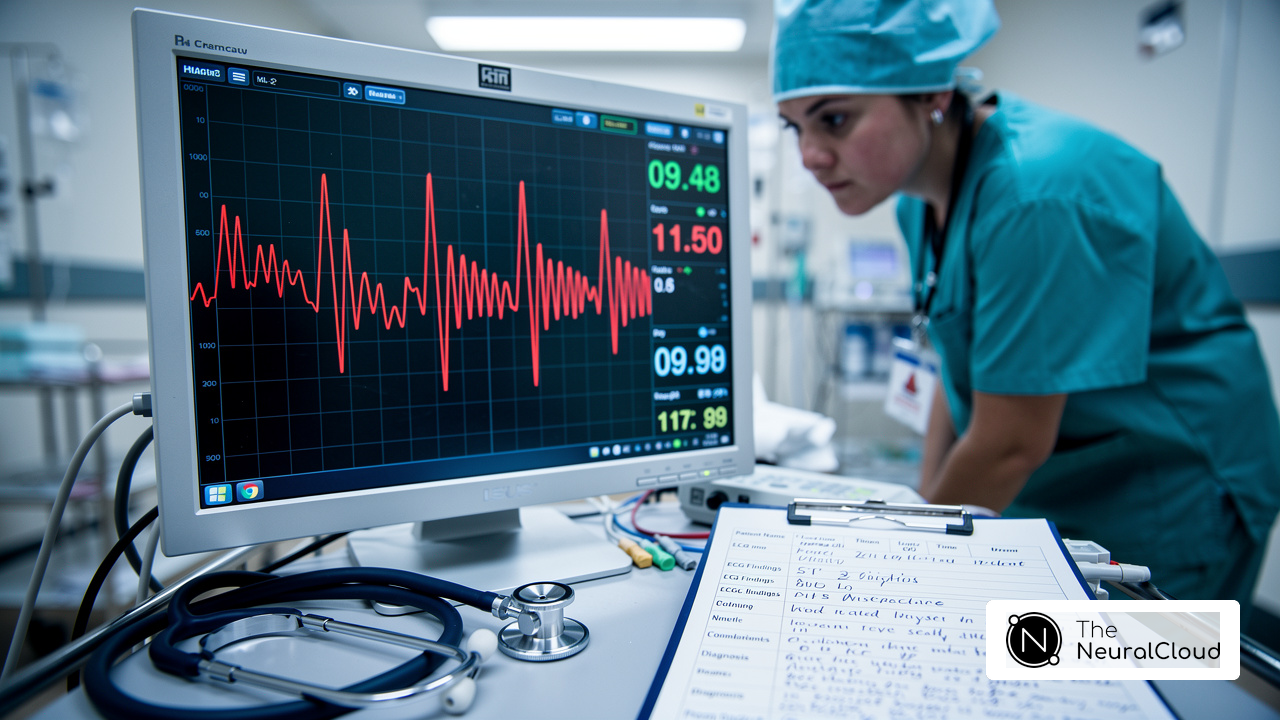
- Ventricular Fibrillation (VF): Characterized by chaotic electrical activity, VF leads to ineffective heart contractions. Prompt defibrillation is essential for returning to a normal heartbeat.
- Pulseless Ventricular Tachycardia (pVT): This condition appears as a rapid heartbeat without a pulse, also necessitating immediate defibrillation to avoid further deterioration.
-
Non-Shockable Rhythms: These include:
- Asystole: Represented by a flatline on the ECG, indicating no electrical activity. Here, high-quality CPR and advanced airway management become essential since defibrillation won't work.
- Pulseless Electrical Activity (PEA): This pattern shows electrical activity on the ECG but lacks effective mechanical contractions. Identifying and treating the underlying cause is crucial for patient recovery.
-
Clinical Implications: Comprehending the distinctions between these ACLS rhythms is essential to the ACLS algorithm. For shockable patterns, immediate defibrillation is indicated, while non-shockable patterns necessitate high-quality CPR and the identification of reversible causes.
By accurately identifying these rhythms, healthcare providers can significantly enhance patient outcomes during cardiac emergencies. Ultimately, this knowledge empowers healthcare providers to make swift, informed decisions that can save lives during cardiac emergencies.
Develop Skills for Accurate Rhythm Interpretation
Accurate timing interpretation of ACLS rhythms is crucial for healthcare providers involved in Advanced Cardiac Life Support (ACLS). Here are effective strategies to develop this vital skill:
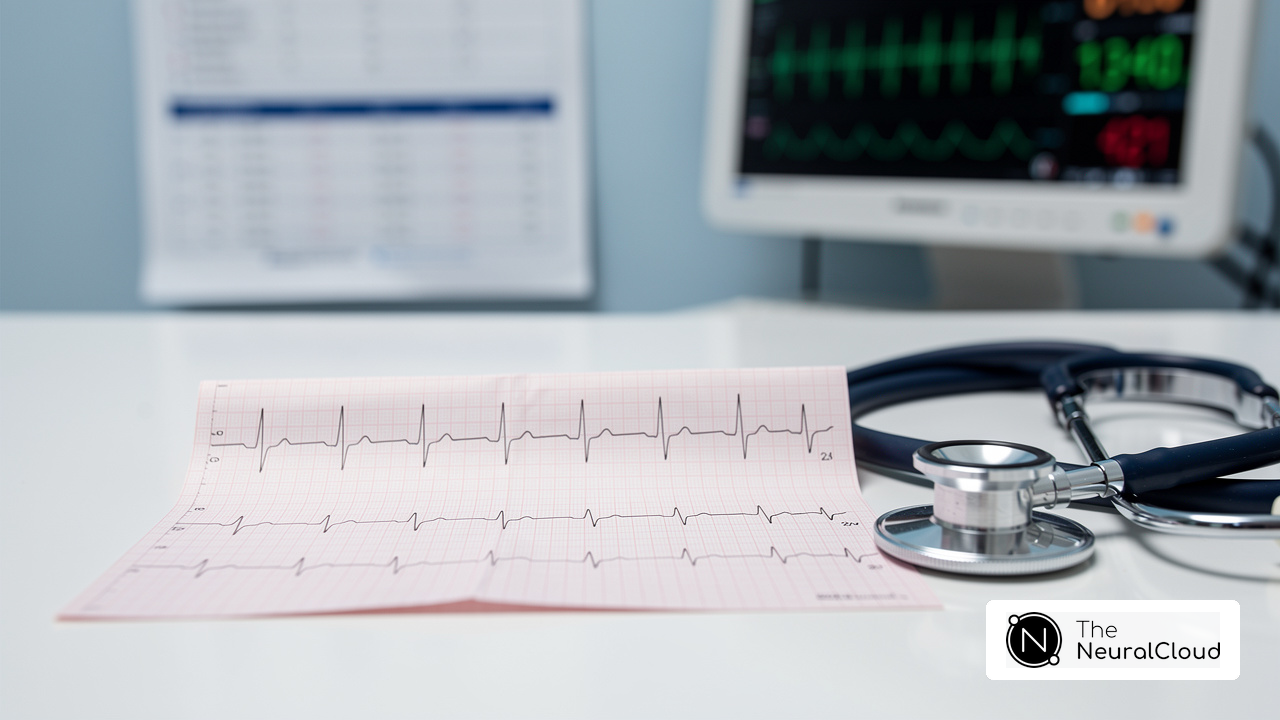
- Familiarize with ECG Waveforms: Understanding the components of the ECG waveform - P waves, QRS complexes, and T waves - is essential for identifying patterns. Recognizing these elements is crucial for accurate diagnosis.
- Practice Consistently: Regular practice helps solidify your learning and boosts your confidence, so you can recognize patterns faster when it matters most. Utilize strips and ECG simulators to practice recognizing ACLS rhythms and various patterns.
- Utilize Technology: Advanced technologies, such as AI-powered ECG analysis tools like MaxYield™ from Neural Cloud Solutions, can significantly enhance accuracy in rhythm interpretation. MaxYield™ quickly labels the onsets and offsets of P, QRS, and T waves. It also provides beat-by-beat tabulation in CSV format, making integration into current workflows seamless. Furthermore, the Insight360 tool converts MaxYield’s clean ECG data into interactive dashboards and clinical-ready reports, aiding in detecting subtle abnormalities that might be missed, ensuring a more accurate analysis of heart data.
- Engage in Simulation Training: Participate in simulation-based training sessions that replicate real-life scenarios. This hands-on experience facilitates practical application of knowledge, improving decision-making skills under pressure and enhancing overall preparedness for heart-related emergencies.
- Seek Feedback: Collaborate with experienced colleagues or mentors to review your interpretations. Constructive feedback is invaluable for identifying areas for improvement and reinforcing correct practices, ultimately leading to better patient outcomes.
By leveraging these strategies and advanced tools, healthcare professionals can significantly enhance their ECG interpretation skills, ultimately improving patient care. Furthermore, it is important to note that MaxYield™ is pending FDA Class II SaMD clearance, ensuring compliance with regulatory standards, which is vital for health tech developers.

Integrate Advanced Technologies for Enhanced ECG Analysis
Traditional ECG analysis often faces challenges in accuracy and efficiency, necessitating the integration of advanced technologies. Here’s how to leverage these technologies:
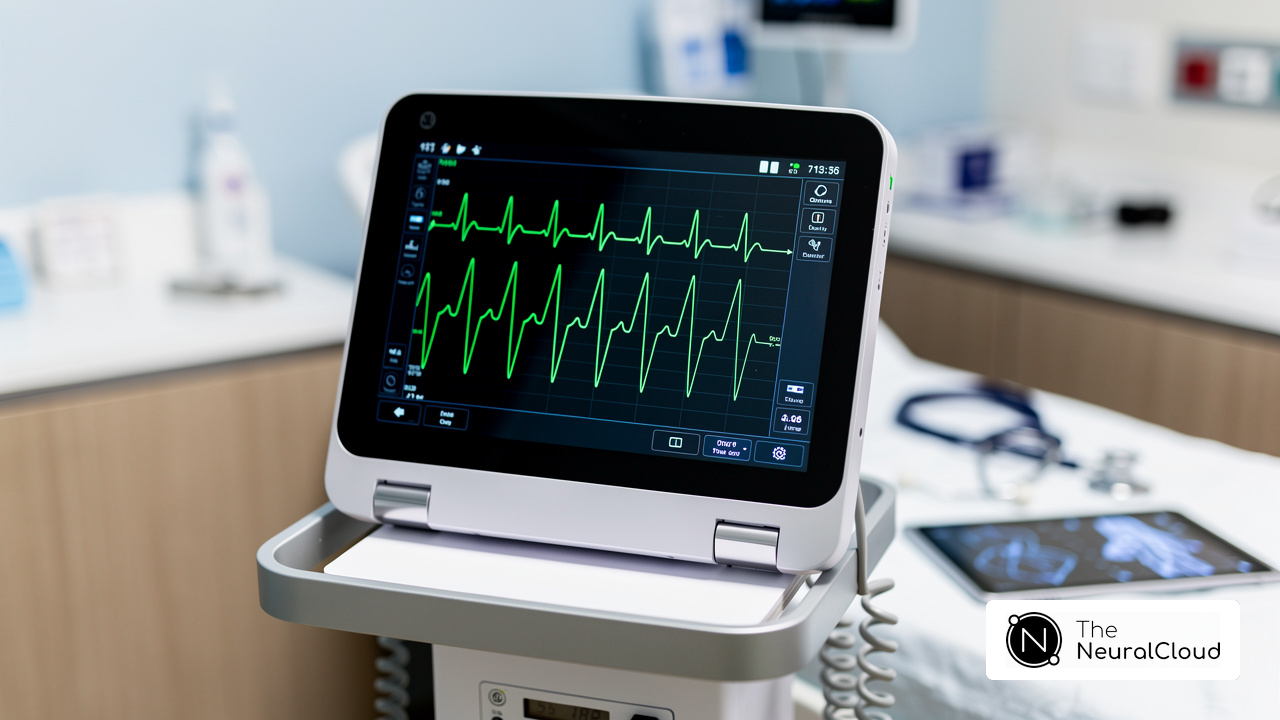
- AI-Powered ECG Interpretation: Utilize AI algorithms that analyze ECG data to identify arrhythmias and other abnormalities with high precision. These tools can process large datasets quickly, providing actionable insights that support clinical decision-making. With AI, ECG analysis can achieve an impressive 95.4% accuracy in classifying arrhythmias, making it a game-changer for diagnostics.
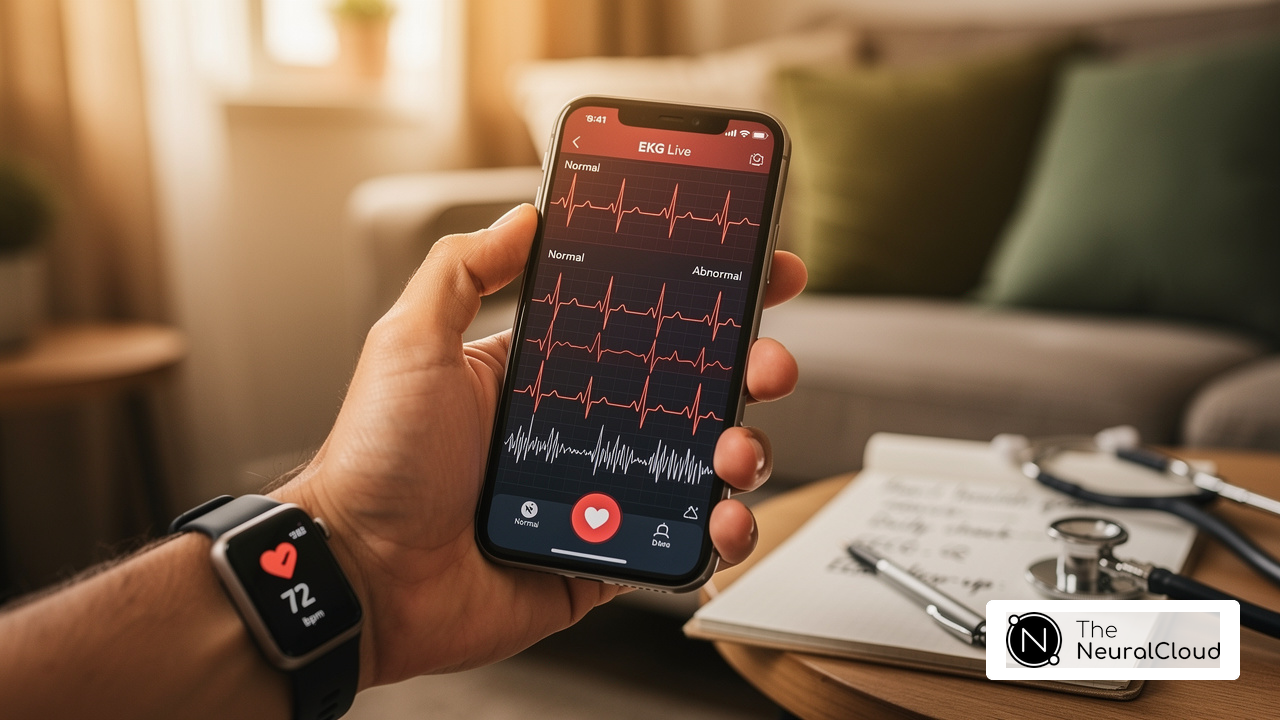
- Wearable ECG Devices: Incorporate wearable technology that continuously monitors cardiac rhythms. Devices such as smartwatches and ECG patches provide real-time data, allowing for early detection of arrhythmias and timely interventions. For instance, studies show that AI-integrated wearables can achieve a sensitivity of 93% and specificity of 84% for atrial fibrillation detection, showcasing their effectiveness in real-world applications.
- Data Visualization Tools: Use advanced visualization tools, like Insight360, to create customizable dashboards that display ECG trends and patterns. These tools help clinicians visualize complex data, making it easier to interpret and act upon. By transforming raw ECG data into structured formats, healthcare providers can enhance their analytical capabilities.
- Telemedicine Integration: Implement telemedicine solutions that allow for remote ECG monitoring and interpretation. This approach enhances access to care, especially in emergency situations where immediate expert consultation is needed. AI-driven monitoring systems can alert healthcare providers to abnormalities in real-time, facilitating prompt interventions.
- Continuous Education: Stay updated on the latest advancements in ECG technology and analysis. Engage in continuous education and training programs to ensure proficiency in using these advanced tools effectively. As AI technologies evolve, ongoing training will be crucial for maximizing their potential in clinical settings.
Ultimately, embracing these technologies can transform ECG analysis, ensuring healthcare providers deliver optimal patient care in critical situations.

Conclusion
Understanding ACLS rhythms is crucial for effective emergency response, yet many healthcare providers face challenges in mastering them. A solid grasp of the various rhythm types, including their classifications and clinical implications, is essential for effective interventions during cardiac emergencies. Without this understanding, healthcare providers may struggle to respond effectively in emergencies, which can significantly impact patient outcomes. By integrating advanced technologies and continuous education into practice, healthcare professionals can elevate their ECG analysis skills. This integration not only enhances skills but also directly impacts patient survival rates, ultimately making a profound difference in life-saving situations.
The article highlighted critical aspects of ACLS rhythms, including:
- The significance of distinguishing between shockable and non-shockable rhythms
- The importance of accurate rhythm interpretation
- The role of advanced technologies like AI-powered ECG tools and wearable devices
It's clear that healthcare providers need to stay updated and skilled in using modern tools to make better clinical decisions and improve patient care.
In conclusion, integrating advanced technology in ECG analysis streamlines how cardiac rhythms are identified and managed, empowering healthcare providers to act quickly and decisively. Prioritizing ongoing education and technology adoption is not just beneficial; it is essential for saving lives in critical situations.
Frequently Asked Questions
What is Normal Sinus Rhythm (NSR) and what does it indicate?
Normal Sinus Rhythm (NSR) is characterized by a regular heartbeat with a rate of 60-100 beats per minute (bpm). It indicates proper electrical conduction through the heart.
What is bradycardia and when does it require intervention?
Bradycardia is defined as a heart rate less than 60 bpm. It can be symptomatic or asymptomatic, but may require intervention if the patient shows signs of poor perfusion.
What is tachycardia and how is it categorized?
Tachycardia is a heart rate above 100 bpm, and it can be further categorized into narrow and wide complex patterns, each necessitating different management strategies.
What are arrhythmias and can they be life-threatening?
Arrhythmias are irregular heartbeats that can be either benign or life-threatening. Common types include atrial fibrillation, ventricular tachycardia, and ventricular fibrillation.
How are cardiac arrest rhythms classified in advanced cardiovascular life support?
Cardiac arrest rhythms are classified as shockable (e.g., ventricular fibrillation and pulseless ventricular tachycardia) or non-shockable (e.g., asystole and pulseless electrical activity). Understanding these classifications is crucial for timely and appropriate treatment.
Why is it important for healthcare providers to understand ACLS rhythms?
Understanding ACLS rhythms is vital for effective intervention during cardiac emergencies. Knowledge of these rhythms can significantly enhance response effectiveness and improve patient outcomes, as timely interventions can be the difference between life and death.
What statistics highlight the importance of mastering ACLS protocols?
Recent studies indicate that approximately 350,000 individuals in the U.S. experience out-of-hospital cardiac arrest each year, with 60% to 80% not reaching the hospital. Only 8.2% of those who experience out-of-hospital cardiac arrest achieve favorable neurological and functional status, underscoring the need for healthcare providers to be knowledgeable in advanced life support protocols.
List of Sources
- Clarify Core Concepts of ACLS Rhythms
- Abbott showcases strength of its technologies to address abnormal heart rhythms with late-breaking clinical data at Heart Rhythm Society 2026 (https://prnewswire.com/news-releases/abbott-showcases-strength-of-its-technologies-to-address-abnormal-heart-rhythms-with-late-breaking-clinical-data-at-heart-rhythm-society-2026-302753567.html)
- Heart Rhythm 2026: The World's Leading EP Event Returns for its 47th Year (https://hrsonline.org/news/heartrhythm2026-pressrelease)
- Heart Rhythm 2026 to feature late-breaking EP data, hands-on training and more (https://cardiovascularbusiness.com/topics/clinical/heart-rhythm/heart-rhythm-2026-feature-late-breaking-ep-data-hands-training-and-more)
- Advanced Cardiac Life Support (ACLS) - StatPearls - NCBI Bookshelf (https://ncbi.nlm.nih.gov/books/NBK613285)
- Millions live with undiagnosed heart rhythm disorders – World Heart Rhythm Week 2026 calls for urgent action (https://news-medical.net/news/20260601/Millions-live-with-undiagnosed-heart-rhythm-disorders-e28093-World-Heart-Rhythm-Week-2026-calls-for-urgent-action.aspx)
- Differentiate Shockable and Non-Shockable Rhythms
- The Importance of Cardiac Arrest Rhythms - RECOVER Initiative (https://recoverinitiative.org/resource/the-importance-of-cardiac-arrest-rhythms)
- New smart technology in a wearable wristband may detect cardiac arrest (https://newsroom.heart.org/news/new-smart-technology-in-a-wearable-wristband-may-detect-cardiac-arrest)
- Advanced Cardiac Life Support (ACLS) - StatPearls - NCBI Bookshelf (https://ncbi.nlm.nih.gov/books/NBK613285)
- Develop Skills for Accurate Rhythm Interpretation
- ACLS Rhythms and Interpretation - SaveaLife.com | Advanced Medical Certification (https://advancedmedicalcertification.com/lesson/acls-rhythms-and-interpretation-acls-online-handbook)
- ACC: Don’t Mandate ECG Screening for Athletes (https://medscape.com/viewarticle/dont-mandate-ecg-cardiovascular-screening-athletes-american-2026a10005dq)
- ECG Rhythms to Know for ACLS | Rhythm Recognition Guide (https://heartstartcpr.net/acls-rhythms-you-need-to-know)
- HeartBeam to Attend JP Morgan 2026 Annual Healthcare Conference (https://ir.heartbeam.com/news-events/press-releases/detail/108/heartbeam-to-attend-jp-morgan-2026-annual-healthcare)
- ACLS Rhythm Strips Training and Interpretation (https://aclsmedicaltraining.com/rhythm-recognition)
- Integrate Advanced Technologies for Enhanced ECG Analysis
- Wearable ECG Company Secures $14M in Funding (https://mddionline.com/cardiovascular/wearable-ecg-company-secures-14m-in-funding)
- AI-powered electrocardiogram detects early signs of heart failure (https://utsouthwestern.edu/newsroom/articles/year-2026/may-ai-powered-electrocardiogram.html)
- How is AI transforming ECG interpretation? | AI ECG (https://powerfulmedical.com/blog/how-is-ai-transforming-ecg-interpretation)
- Checking your browser - reCAPTCHA (https://pmc.ncbi.nlm.nih.gov/articles/PMC12419789)