Introduction
In the fast-changing world of healthcare, artificial intelligence (AI) and deep learning technologies are transforming patient care and operational efficiency. Developers are at the forefront of this change, ready to harness these advanced tools to improve diagnostic accuracy, streamline processes, and enhance patient outcomes. However, they face significant challenges, including:
- Regulatory compliance
- Ethical considerations
- Effective user training
How can developers ensure their AI solutions meet strict industry standards while also building trust and engagement among healthcare professionals and patients?
Understand Core AI Technologies in Healthcare
To effectively harness AI, developers need to understand the foundational technologies that drive these frameworks. Key areas include:
- Machine Learning: This subset of AI focuses on algorithms that enable systems to learn from data and enhance their performance over time without explicit programming. In medicine, ML analyzes large datasets to uncover patterns that inform clinical decisions, significantly improving patient outcomes.
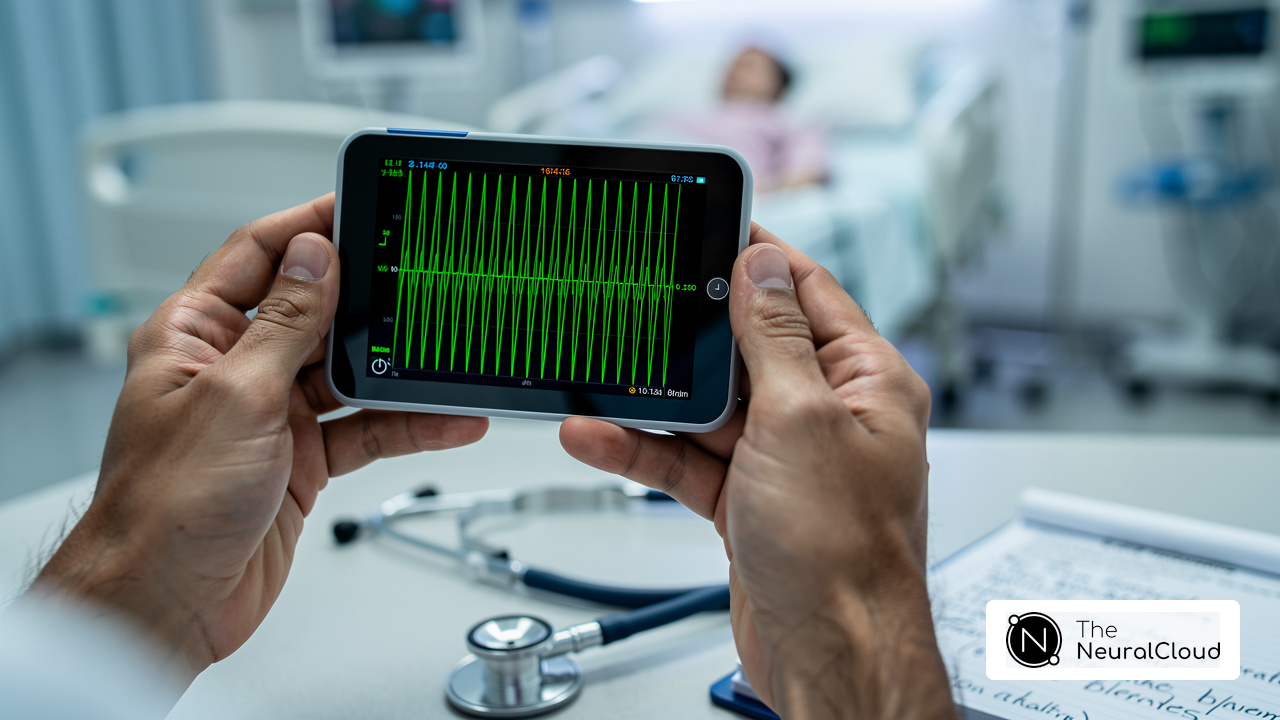
- Deep Learning: A more advanced form of ML, deep learning utilizes neural networks with multiple layers to process complex data inputs, such as medical images or ECG signals. This innovation is vital for diagnostics, with studies indicating that deep learning can detect heart disease and identify colon polyps in real time, leading to better clinical outcomes. Neural Cloud Solutions' technology exemplifies this by automating the labeling of ECG signals, accurately mapping PQRST waveforms while adapting to physiological variability, thus improving clarity and efficiency in ECG analysis.
- Natural Language Processing: NLP enables machines to understand and interpret human language, which is essential for processing clinical notes and patient interactions. This innovation streamlines documentation and fosters greater patient engagement, allowing medical professionals to focus on care.
- Computer Vision: This technology allows machines to analyze and make decisions based on visual data. In the medical field, it plays a crucial role in examining medical imaging, such as X-rays and MRIs, to identify abnormalities, facilitating timely interventions.
By mastering these technologies, including the innovative solutions of Neural Cloud Solutions, developers can create AI solutions that enhance operational efficiency and significantly improve patient care outcomes, particularly through the use of predictive analytics. The integration of advanced noise filtering methodologies and workflow automation further highlights the transformative potential of AI within clinical settings.

Navigate Regulatory and Ethical Challenges
Developers face a challenging landscape of regulations and compliance when implementing AI in the medical field. Understanding these challenges is crucial for success.
- Familiarity: It's essential to familiarize yourself with relevant laws. These regulations govern the use of AI in medical devices and the protection of patient data. By ensuring compliance, AI applications can meet safety and efficacy standards, ultimately benefiting patient care.
- Ethical concerns: Developers must also address ethical concerns, including data privacy, bias, and the implications of automated decision-making. Implementing strategies that promote fairness and transparency in AI technologies is vital for building trust among users and stakeholders.
- Stakeholder engagement: Engaging medical professionals, patients, and regulatory bodies during the development process is key. This involvement helps gather diverse perspectives and ensures that solutions are tailored to meet real-world needs effectively.
- Continuous Monitoring: Establishing mechanisms for oversight is necessary to identify and rectify any ethical or regulatory issues that may arise after deployment. This proactive approach fosters accountability and enhances the reliability of AI applications.
By addressing these challenges head-on, developers can cultivate trust and acceptance of AI technologies in the medical field.

Implement Effective User Training and Adoption Strategies
To ensure the successful adoption of AI technologies, developers should focus on effective user training:
- Training programs: These programs should address the specific needs of various groups, such as clinicians, technicians, and administrative staff. This approach guarantees that everyone understands how to utilize AI tools effectively.
- Hands-on practice: Providing opportunities for individuals to engage with AI tools in controlled environments is crucial. Simulations and real-world scenarios help build confidence and competence in using these technologies.
- Support resources: A robust support framework is essential, encompassing resources like FAQs, manuals, and access to technical support. Ongoing assistance aids individuals in navigating challenges as they arise.
- Feedback mechanisms: Implementing channels for individuals to provide feedback on AI tools is vital. This input can guide future enhancements and ensure that the system evolves to meet users' needs.
By prioritizing user training and support, developers can significantly enhance the effectiveness of AI solutions, particularly in the context of healthcare, and improve overall outcomes.

Ensure Seamless Integration with Existing Systems
For AI and deep learning in healthcare innovations to be effective in medical services, they must merge smoothly with current frameworks. Key strategies include:
- Following established standards, such as HL7 and FHIR, ensures that AI technologies can communicate effectively with electronic health records (EHRs) and other healthcare applications.
- Developing robust data strategies allows AI systems to access and analyze data from multiple sources, including wearable devices, lab systems, and imaging technologies. This comprehensive data access enhances the quality of patient care.
- Designing AI tools with the end-user in mind ensures that interfaces are intuitive and workflows are streamlined. This approach minimizes resistance to adoption and enhances participant satisfaction.
- Conducting pilot tests evaluates the integration of AI solutions within existing workflows. Gathering feedback from users during this phase helps identify potential issues and make necessary adjustments before full-scale deployment.
By concentrating on smooth integration, developers can improve the functionality of AI and deep learning in healthcare, ensuring they contribute positively to medical outcomes.
that significantly enhance workflow efficiency in ECG analysis. Its key features include:
- This feature ensures that only relevant signals are processed, improving the clarity of ECG readings.
- Automation reduces the time healthcare professionals spend on manual analysis, allowing for quicker decision-making.
- Data Consolidation: MaxYield™ consolidates ECG data, providing a clean, 'neuralized' signal and distinct waveforms.
The advantages of using MaxYield™ are clear. By streamlining processes and ensuring compliance with healthcare standards, it ultimately leads to improved patient outcomes. Healthcare professionals can rely on MaxYield™ to enhance their diagnostic capabilities, making it an invaluable tool in modern medical practice.

Conclusion
Mastering AI and deep learning in healthcare is crucial for developers who want to improve patient care and operational efficiency. By understanding foundational technologies like machine learning, deep learning, natural language processing, and computer vision, developers can craft innovative solutions that significantly enhance clinical outcomes. The integration of these technologies, along with effective noise reduction and artifact handling, highlights the transformative potential of AI in the medical field.
Key insights include:
- The necessity of grasping regulatory and ethical challenges, which are essential for ensuring compliance and building trust in AI applications.
- Strategies such as engaging stakeholders, continuous monitoring, and tailored user training are vital for the successful adoption of AI technologies.
- Seamless integration with existing healthcare systems through interoperability standards and user-centric design is crucial to maximize the benefits of AI innovations.
Ultimately, the journey to harnessing AI and deep learning in healthcare transcends mere technology; it involves fostering a culture of continuous improvement, collaboration, and ethical responsibility. As the healthcare landscape evolves, embracing these best practices will empower developers to create AI solutions that not only advance medical technology but also prioritize patient welfare and trust. The call to action is clear: invest in understanding and implementing these best practices to drive meaningful change in healthcare through AI.
Frequently Asked Questions
What are the core AI technologies in healthcare?
The core AI technologies in healthcare include Machine Learning (ML), Deep Learning (DL), Natural Language Processing (NLP), and Computer Vision.
What is Machine Learning (ML) and its significance in healthcare?
Machine Learning is a subset of AI that focuses on algorithms enabling systems to learn from data and improve performance over time. In healthcare, ML analyzes large datasets to uncover patterns that enhance clinical decision-making and improve diagnostic accuracy.
How does Deep Learning (DL) differ from Machine Learning (ML)?
Deep Learning is a more advanced form of Machine Learning that uses neural networks with multiple layers to process complex data inputs, such as medical images or ECG signals. This technology enhances diagnostic capabilities and can detect conditions like heart disease in real time.
What role does Natural Language Processing (NLP) play in healthcare?
Natural Language Processing allows machines to understand and interpret human language, which is crucial for processing clinical notes and patient interactions. It streamlines documentation and improves patient engagement, enabling medical professionals to focus on decision-making.
How is Computer Vision utilized in the medical field?
Computer Vision enables machines to analyze visual data, such as medical imaging (X-rays and MRIs), to identify abnormalities. This technology facilitates timely interventions by helping healthcare providers detect issues early.
What is the MaxYield™ platform and its significance in healthcare AI?
The MaxYield™ platform by Neural Cloud Solutions automates the labeling of ECG signals and improves clarity and efficiency in ECG analysis. It incorporates advanced noise reduction and artifact handling capabilities, enhancing operational efficiency and patient care outcomes.
How do AI and deep learning contribute to patient care in healthcare settings?
AI and deep learning improve operational efficiency and patient care outcomes by enabling the analysis of complex data, enhancing diagnostic accuracy, and streamlining workflows through automation and advanced noise filtering methodologies.
List of Sources
- Understand Core AI Technologies in Healthcare
- Incorrect Browser (https://medtronic.com/en-us/our-company/stories/6-healthcare-tech-trends-for-2026.html)
- Top Five Health Care Trends for 2026: How New Technology Is Transforming Patient Care (https://aanp.org/news-feed/top-five-health-care-trends-for-2026-how-new-technology-is-transforming-patient-care)
- Top healthcare AI trends in 2026 (https://healthcaredive.com/news/top-healthcare-ai-artificial-intelligence-trends-2026/809493)
- How AI Agents and Tech Will Transform Health Care in 2026 (https://bcg.com/publications/2026/how-ai-agents-will-transform-health-care)
- MoFo Tech (https://mofotech.mofo.com/topics/ai-trends-for-2026---how-ai-is-rewiring-clinical-workflows-and-medical-devices)
- Navigate Regulatory and Ethical Challenges
- AI is speeding into healthcare. Who should regulate it? — Harvard Gazette (https://news.harvard.edu/gazette/story/2026/01/ai-is-speeding-into-healthcare-who-should-regulate-it)
- AI In Healthcare Statistics (2026) - Adoption & Market Size (https://demandsage.com/ai-in-healthcare-stats)
- 2026 Healthcare Predictions: The Year AI Becomes Mission-Critical for Regulatory Compliance | Censinet (https://censinet.com/perspectives/healthcare-predictions-ai-regulatory-compliance)
- AI in Healthcare 2025 Statistics: Market Size, Adoption, Impact (https://ventionteams.com/healthtech/ai/statistics)
- Bias in Medical AI: Algorithmic Fairness and Ethics Challenges — Journal of Young Investigators (https://jyi.org/2026-january-1/2026/1/8/bias-in-medical-ai-algorithmic-fairness-and-ethics-challenges)
- Implement Effective User Training and Adoption Strategies
- physemp.com (https://physemp.com/career-beat/healthcare-ai-reaches-its-tipping-point-in-2026)
- healthexec.com (https://healthexec.com/topics/artificial-intelligence/overheard-week-notable-quotes-healthcare-ai)
- forbes.com (https://forbes.com/sites/sachinjain/2025/10/21/ai-adoption-in-healthcare-is-surging-what-a-new-report-reveals)
- ama-assn.org (https://ama-assn.org/education/changemeded-initiative/using-big-data-ai-boost-physician-training)
- Ensure Seamless Integration with Existing Systems
- electroiq.com (https://electroiq.com/stats/ai-in-healthcare-statistics)
- AI in Hospitals: 2025 Adoption Trends & Statistics | IntuitionLabs (https://intuitionlabs.ai/articles/ai-adoption-us-hospitals-2025)
- hhs.gov (https://hhs.gov/press-room/tefca-americas-national-interoperability-network-reaches-nearly-500-million-health-records-exchanged.html)
- 30+ US Electronic Health Records (EHR) Adoption Statistics for 2026 (https://aptarro.com/insights/us-ehr-adoption-statistics)
- captechconsulting.com (https://captechconsulting.com/articles/2026-healthcare-trends)