Introduction
Understanding the complexities of ECG strip reading is crucial for health tech developers who aim to transform cardiac diagnostics. This article explores the challenges faced in ECG analysis and introduces the MaxYield™ platform, which offers innovative features designed to enhance ECG interpretation. As the demand for accurate and timely cardiac assessments increases, developers must consider how to leverage these insights to improve patient outcomes.
The MaxYield™ platform integrates advanced technologies that streamline ECG analysis, providing healthcare professionals with tools that enhance accuracy and efficiency. By utilizing state-of-the-art algorithms, the platform minimizes the risk of human error and ensures that critical data is readily available for timely decision-making. This not only improves the quality of care but also supports healthcare providers in meeting the growing expectations of patients and regulatory bodies.
Moreover, continuous education is vital in this rapidly evolving field. The MaxYield™ platform not only offers advanced features but also emphasizes the importance of ongoing training for healthcare professionals. By equipping users with the knowledge and skills necessary to interpret ECG data effectively, the platform fosters a culture of learning and improvement within the healthcare community.
In summary, the MaxYield™ platform addresses the inherent challenges in ECG analysis by providing innovative features that enhance accuracy and efficiency. By focusing on continuous education and leveraging advanced technologies, developers can significantly improve patient outcomes and contribute to the future of cardiac diagnostics.
Understand ECG Fundamentals and Waveform Characteristics
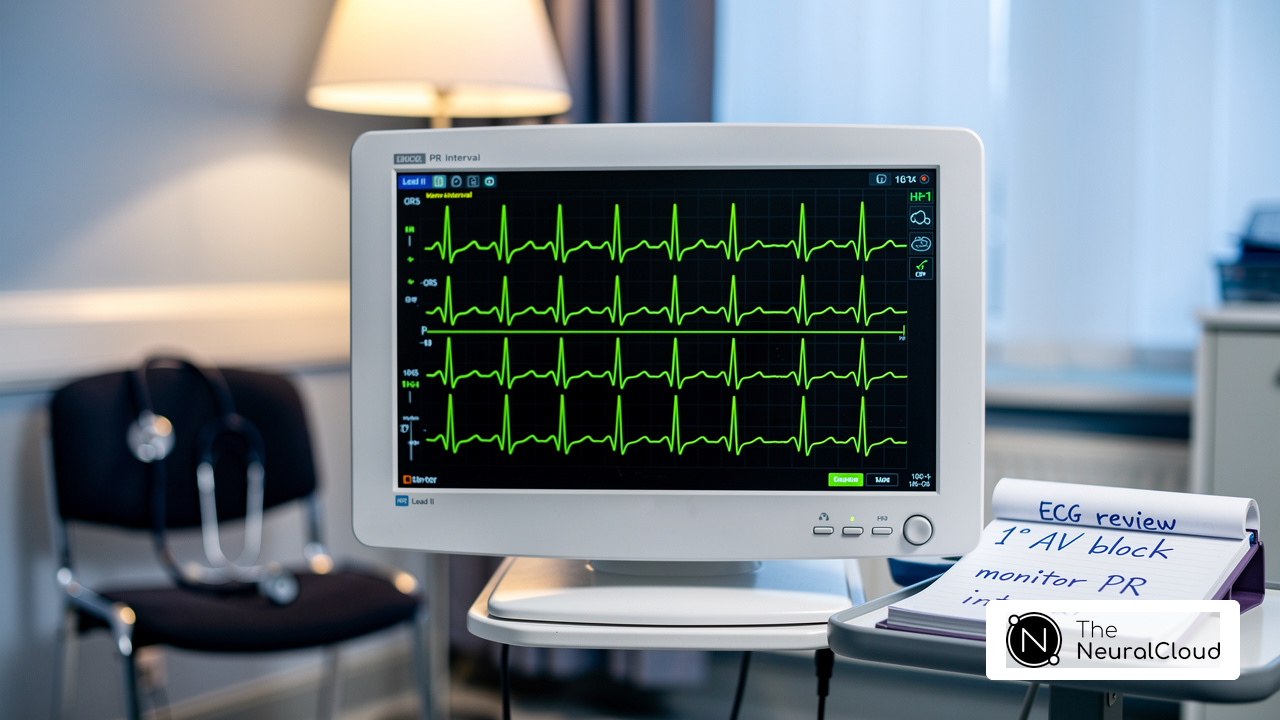
A thorough understanding of ECG strip reading elements is essential for developing effective diagnostic tools. The key components include:
- P wave: This wave signifies atrial depolarization, marking the electrical activity that initiates atrial contraction.
- QRS complex: This complex represents ventricular depolarization, a critical aspect for understanding the heart's pumping mechanism.
- T wave: This wave indicates ventricular repolarization, which is vital for the heart's recovery phase.
Grasping the significance of these components, such as the PR interval (120-200 milliseconds) and QT interval (less than 440 milliseconds in men and 460 milliseconds in women), is crucial. Deviations from these norms can signal various cardiac conditions. For instance, a prolonged QT interval may indicate a risk for arrhythmias.
Resources like the NCBI Bookshelf and ECG libraries offer valuable visual aids and detailed explanations to enhance comprehension. By integrating this foundational knowledge into the design of ECG monitoring systems, systems can accurately identify and label these essential features, thereby improving diagnostic precision and clinical outcomes.
Case studies have shown that advanced algorithms can significantly enhance the detection of abnormalities, such as P-wave alterations linked to conditions like atrial fibrillation. These techniques have achieved success in diverse populations, underscoring the importance of accurate waveform evaluation in developing reliable ECG technologies.

Interpret Common ECG Rhythms and Arrhythmias
Developers face significant challenges in interpreting ECG rhythms, which are crucial for enhancing examination tools. Mastering these interpretations is essential for accurate diagnosis and patient care. Key rhythms to understand include:
- Normal Sinus Rhythm: Characterized by a consistent pattern of P waves followed by QRS complexes, NSR indicates a healthy heart and serves as the baseline for identifying abnormalities.
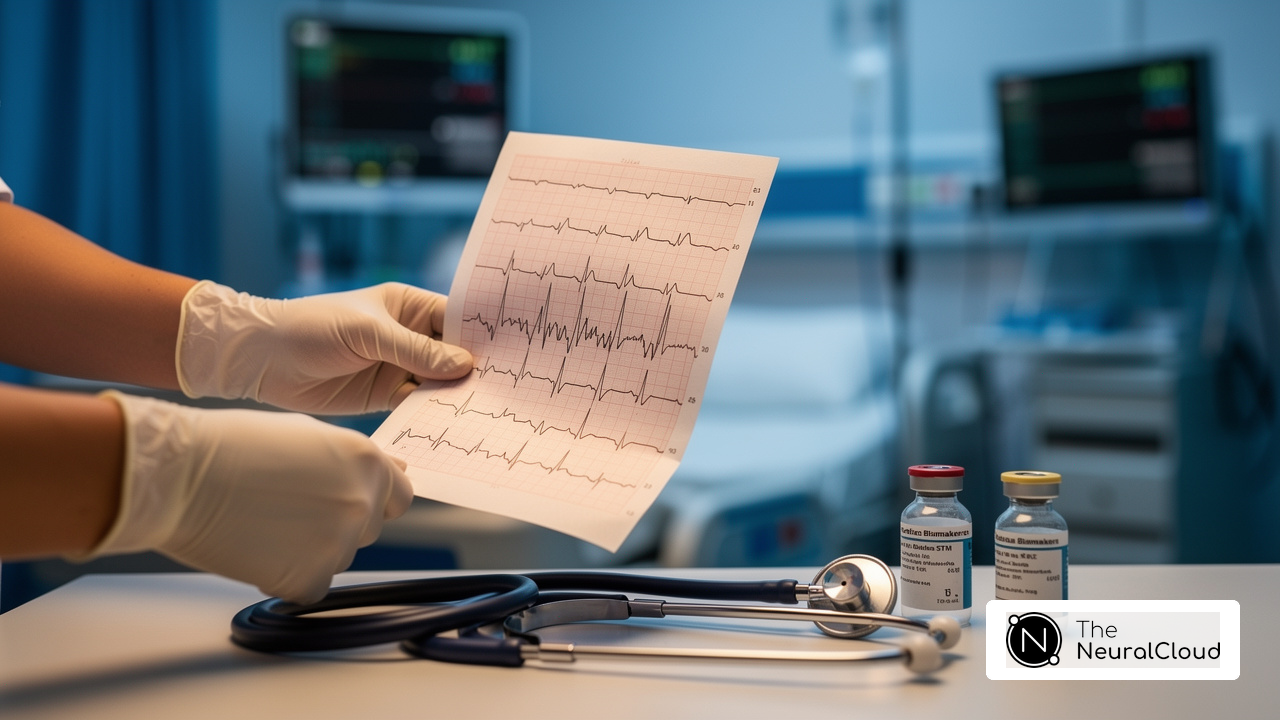
- Atrial Fibrillation: AF presents as an irregular rhythm with no discernible P waves, significantly increasing the risk of stroke. With millions affected globally, accurate detection is vital. Developers can enhance detection by leveraging advanced algorithms to filter noise, providing clear insights that enable clinicians to act swiftly.
- Ventricular Tachycardia: Marked by a rapid heart rate originating from the ventricles, VT can be life-threatening. Prompt identification is critical, as it can mean the difference between life and death. MaxYield™'s beat-by-beat evaluation allows for real-time monitoring, increasing the likelihood of timely intervention.
Integrating algorithms that recognize these rhythms empowers developers to create tools that facilitate diagnosis and alert clinicians to potential issues in real-time. For instance, Neural Cloud Solutions' MaxYield™ platform utilizes advanced AI technology to enhance diagnostic accuracy, achieving a sensitivity of 95% and specificity of 94.0% in recognizing conditions like hypertrophic cardiomyopathy, a significant improvement from the 84.7% of traditional algorithms. This demonstrates the potential for improved diagnostic accuracy.
Moreover, patients with an ECG-age exceeding their chronological age exhibited a hazard ratio of 1.79 for increased mortality risks, underscoring the importance of ECG interpretation in predicting patient outcomes. By utilizing case studies and clinical examples, programmers can deepen their understanding of how these rhythms manifest in clinical practice, which leads to more robust algorithm development and ultimately enhances patient care.
Additionally, continuous education ensures that the accuracy and efficiency of ECG interpretation improve over time, effectively addressing challenges such as physiological variability and signal artifacts.

Leverage Technology for Enhanced ECG Analysis and Accuracy
To enhance the efficiency of ECG analysis, creators should utilize advanced technologies like artificial intelligence (AI) and machine learning. These innovations in healthcare address significant challenges in ECG analysis, such as accuracy and speed.
Features of the Technology
- AI Algorithms: AI algorithms, like those in the MaxYield platform by Neural Cloud Solutions, filter out noise and artifacts, ensuring that the ECG signals analyzed are clear and reliable. This capability is crucial, as studies have shown that false positives can decrease from 41.8% to just 7.9%.
- Machine Learning: Machine learning models trained on extensive datasets can recognize patterns associated with various cardiac conditions through data analysis, significantly improving diagnostic accuracy. For example, 1,200 arrhythmias were detected compared to 427 detected by traditional methods, showcasing its potential to enhance emergency cardiovascular care.
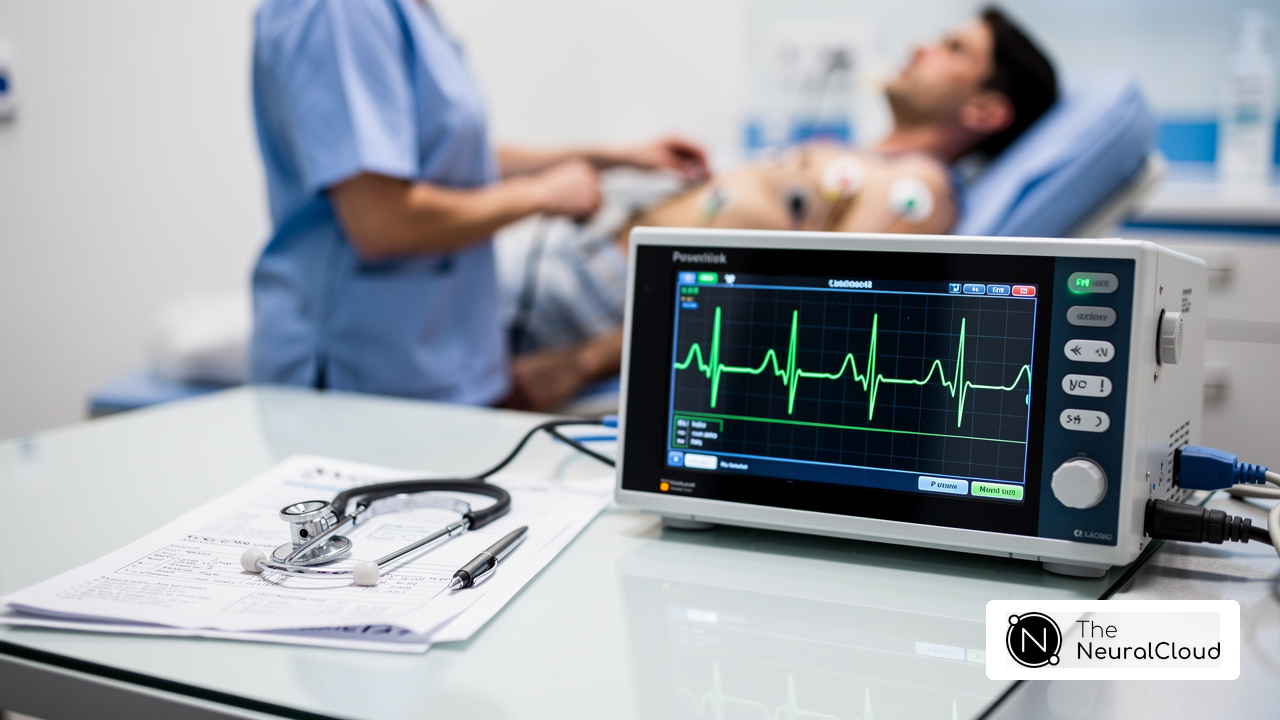
- Real-Time Analysis: By integrating real-time monitoring, programmers can enable clinicians to receive immediate feedback on patient conditions, allowing for quicker decision-making. This is particularly vital in emergency situations, where timely intervention can drastically improve patient outcomes as reflected in clinical studies.
The technology exemplifies how AI can streamline the process of ECG interpretation, providing actionable insights that clinicians can trust. It is device-agnostic, allowing seamless integration with various ECG devices, and automates the analysis for 200,000 heartbeats in less than 5 minutes. This transformation turns noisy recordings into detailed insights, including heart rate variability, P-wave, QRS complex, and T-wave analysis.
Working with clinical specialists is crucial for creators to develop effective solutions and ensure they meet the requirements of healthcare professionals. This collaboration ultimately results in enhanced patient care, making the technology a vital tool in modern cardiovascular diagnostics.
Commit to Continuous Education and Skill Development in ECG Interpretation
In the rapidly evolving field of cardiology, ongoing education is essential for creators. Engaging in continuous training and skill development can include several key activities:
- Attending events focused on cardiology and technology provides valuable insights into current trends and practices. For example, the upcoming AACVPR webinar series offers continuing education credits and covers crucial topics in cardiovascular health, thereby enhancing participants' skills. Pursuing certifications in cardiology not only enhances credibility but also ensures individuals are well-versed in the latest standards and methodologies. This formal recognition can significantly enhance a programmer's professional profile.
- Building connections with cardiologists and healthcare professionals allows creators to gain practical insights and feedback on their technology. Such collaborations can lead to innovations that directly address clinical needs, improving the overall quality of care.
Conferences, professional organizations, and academic journals serve as excellent platforms for knowledge sharing. By committing to education, developers can ensure their products remain relevant and effective in meeting healthcare providers' needs, ultimately contributing to improved patient outcomes.
Conclusion
Mastering ECG strip reading is essential for health tech developers, as it forms the basis for creating effective diagnostic tools that significantly enhance patient care. A solid understanding of ECG fundamentals, including waveform characteristics and common rhythms, is crucial for developing algorithms that accurately interpret these vital signals. By utilizing advanced technologies like AI and machine learning, developers can tackle the inherent challenges in ECG analysis, ultimately improving diagnostic accuracy and enabling timely patient interventions.
The article emphasizes the importance of grasping key components such as the P wave, QRS complex, and T wave, along with mastering common rhythms like Normal Sinus Rhythm and Atrial Fibrillation. With the integration of platforms like MaxYield™, developers can leverage real-time analysis and automated signal processing to boost the reliability of ECG evaluations. Continuous education and collaboration with clinical experts further enhance the skill set necessary to excel in ECG interpretation.
In a realm where technology and medicine converge, the commitment to ongoing education and innovation is paramount. Developers are encouraged to engage with the latest research and training programs to ensure their contributions remain relevant and impactful. By prioritizing skill development and embracing technological advancements, health tech developers can play a pivotal role in transforming ECG interpretation, ultimately leading to improved patient outcomes and a more effective healthcare system.
Frequently Asked Questions
What are the key components of an ECG strip?
The key components of an ECG strip include the P Wave, which signifies atrial depolarization; the QRS Complex, which represents ventricular depolarization; and the T Wave, indicating ventricular repolarization.
Why is it important to understand the normal durations and intervals of ECG components?
Understanding the normal durations and intervals, such as the PR interval (120-200 milliseconds) and QT interval (less than 440 milliseconds in men and 460 milliseconds in women), is crucial because deviations from these norms can signal various cardiac conditions.
What does a prolonged QT interval indicate?
A prolonged QT interval may indicate a risk for arrhythmias, which can have serious implications for heart health.
What resources are available for learning more about ECG fundamentals?
Resources like the NCBI Bookshelf and ECG libraries offer valuable visual aids and detailed explanations to enhance comprehension of ECG fundamentals.
How can advanced examination techniques improve ECG evaluation?
Advanced examination techniques can significantly enhance the detection of abnormalities, such as P-wave alterations linked to conditions like chronic obstructive pulmonary disease (COPD), achieving AUC values up to 0.82 in diverse populations.
What is the significance of accurate waveform evaluation in ECG technologies?
Accurate waveform evaluation is essential for developing reliable ECG technologies, as it improves diagnostic precision and clinical outcomes.
List of Sources
- Understand ECG Fundamentals and Waveform Characteristics
- AI-powered ECG analysis shows promise for early COPD detection (https://medicalxpress.com/news/2026-01-ai-powered-ecg-analysis-early.html)
- eurekalert.org (https://eurekalert.org/news-releases/1111704)
- HeartBeam to Attend JP Morgan 2026 Annual Healthcare Conference (https://ir.heartbeam.com/news-events/press-releases/detail/108/heartbeam-to-attend-jp-morgan-2026-annual-healthcare)
- AI-ECG Finds STEMI Faster, Cuts False-Positive Cath Lab Activations (https://tctmd.com/news/ai-ecg-finds-stemi-faster-cuts-false-positive-cath-lab-activations)
- HeartBeam Receives FDA Clearance for First-Ever, Cable-Free Synthesized 12-Lead ECG for At-Home Arrhythmia Assessment (https://ir.heartbeam.com/news-events/press-releases/detail/107/heartbeam-receives-fda-clearance-for-first-ever-cable-free)
- Interpret Common ECG Rhythms and Arrhythmias
- escardio.org (https://escardio.org/The-ESC/Press-Office/Press-releases/new-afnet-ehra-position-paper-calls-for-transformative-approach-to-atrial-fibril)
- cureus.com (https://cureus.com/articles/376607-investigating-the-efficacy-of-ai-powered-innovations-in-ecg-analysis-and-continuous-heart-monitoring-a-comprehensive-narrative-review)
- gehealthcare.com (https://gehealthcare.com/insights/article/ai-and-ecg-interpretation-insights-and-trends-for-today's-cardiologists?srsltid=AfmBOoqxHXEetU6Ll69MXk3S8XmQf03ApN4zAHPTAxTlmcIUEE8uezc0)
- morningstar.com (https://morningstar.com/news/business-wire/20260105542890/heartbeam-to-attend-jp-morgan-2026-annual-healthcare-conference)
- irhythm2024rd.q4web.com (https://irhythm2024rd.q4web.com/news/news-details/2025/iRhythm-Technologies-Announces-Publication-of-Large-Scale-Studyin-Heart-Rhythm-and-New-Data-Presented-at-AHA-Scientific-Sessions-2025/default.aspx)
- Leverage Technology for Enhanced ECG Analysis and Accuracy
- AI-Based ECG Analysis Significantly Improves STEMI Detection, Reduces False Activations - American College of Cardiology (https://acc.org/latest-in-cardiology/articles/2025/10/24/16/56/tues-554pm-ai-tct-2025)
- icthealth.org (https://icthealth.org/news/ai-detects-hidden-heart-disease-with-standard-ecg)
- New study finds AI model improves heart attack detection (https://health.ucdavis.edu/news/headlines/new-study-finds-ai-model-improves-heart-attack-detection/2025/11)
- New Data Show Viz.ai’s AI-Enabled ECG Screening Increases Detection and Accelerates Diagnosis of Hypertrophic Cardiomyopathy (https://hmpgloballearningnetwork.com/site/eplab/news/new-data-show-vizais-ai-enabled-ecg-screening-increases-detection-and-accelerates)
- ems1.com (https://ems1.com/cardiac-care/calif-county-to-deploy-ai-powered-ecg-devices)
- Commit to Continuous Education and Skill Development in ECG Interpretation
- Electrocardiogram Interpretation: A Core Competency CR Professionals Need to Improve Care Outcomes (https://newsandviews.aacvpr.org/Full-Article/electrocardiogram-interpretation-a-core-competency-cr-professionals-need-to-improve-care-outcomes-1)
- tempus.com (https://tempus.com/cardiology/ecg-ai?srsltid=AfmBOoow-3PfU_DOjCOhkJF-xQ25iGO8J-J1NW_wObeRo0LX0uDrpsUp)
- Effectiveness of electrocardiogram interpretation education program using mixed learning methods and webpage - BMC Medical Education (https://link.springer.com/article/10.1186/s12909-024-05960-8)