Introduction
Understanding the differences between STEMI and NSTEMI is vital for effective patient management and can greatly influence treatment outcomes. As heart attacks manifest in various forms, healthcare providers must grasp the distinctions between ST-Elevation Myocardial Infarction (STEMI) and Non-ST Elevation Myocardial Infarction (NSTEMI). The rising incidence of NSTEMI poses a challenge for timely and accurate diagnosis, necessitating innovative solutions. By adopting advanced diagnostic technologies, healthcare providers can significantly improve patient outcomes and diagnostic accuracy.
How can developers leverage innovative tools to enhance ECG analysis and improve diagnostic accuracy, addressing the complexities of these conditions?
Define STEMI and NSTEMI: Understanding the Basics
Differentiating between STEMI and NSTEMI is critical for effective patient management. STEMI, or ST-Elevation Myocardial Infarction, occurs when a coronary artery is completely blocked, leading to significant damage to the heart muscle due to prolonged ischemia, a condition that can also be categorized as NSTEMI. This condition shows distinct ST-segment elevation on an ECG, signaling acute myocardial injury. In contrast, NSTEMI involves partial blockage of a coronary artery, resulting in less severe damage. Non-ST elevation myocardial infarction (NSTEMI) does not typically show ST-segment elevation on the ECG, unlike STEMI, but may present with other changes such as ST-segment depression or T-wave inversions. Recent studies indicate that NSTEMI, specifically non-ST elevation myocardial infarction, accounts for approximately 70% of all heart attacks, highlighting its prevalence in clinical practice.
Understanding these definitions is crucial for distinguishing between the two heart attack types, namely STEMI and NSTEMI. They dictate different treatment approaches and urgency in clinical settings, particularly for NSTEMI cases. Experts emphasize that prompt intervention is essential for patients experiencing NSTEMI. Early revascularization, specifically in cases of NSTEMI, within 24 hours can significantly improve survival rates.
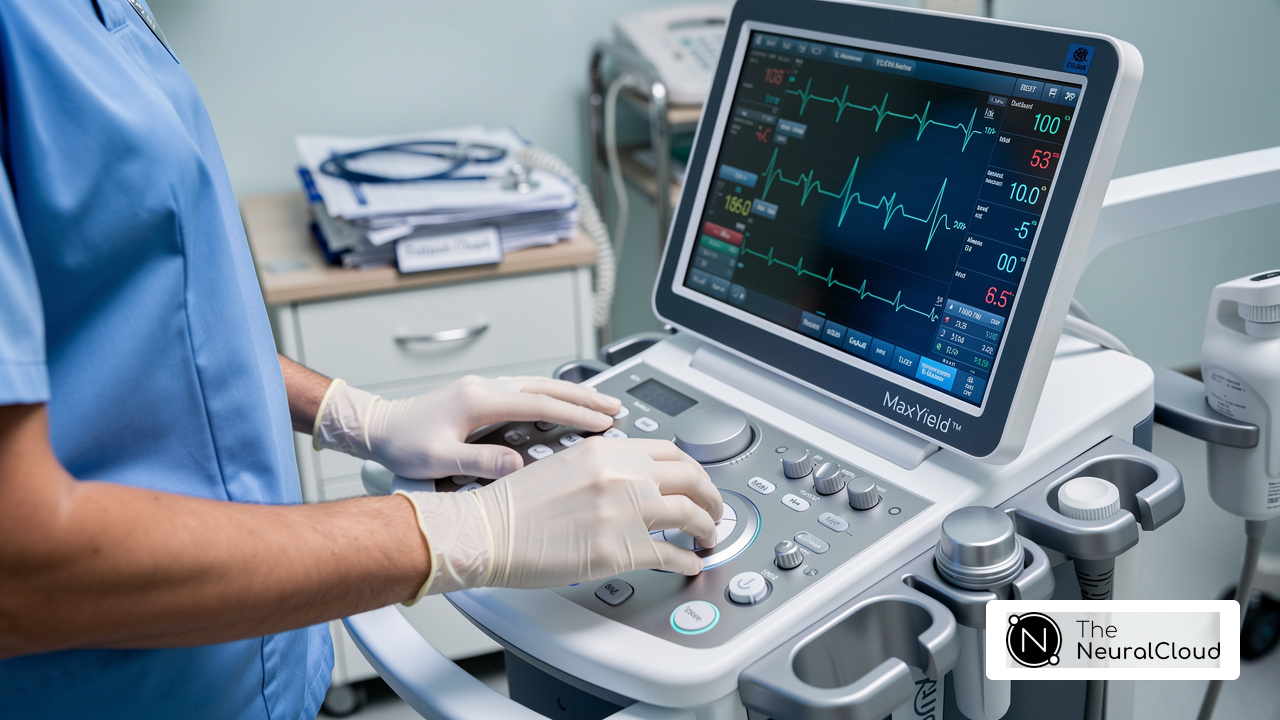
Using advanced technologies like Neural Cloud Solutions' MaxYield™ platform enhances ECG analysis. It automates labeling and improves noise filtering. This innovative method not only enhances diagnostic precision but also assists healthcare professionals in making prompt and informed choices regarding heart attack management. Ultimately, it tackles inefficiencies and physiological variability in ECG readings.

Compare Symptoms and Causes: Distinguishing Features of STEMI and NSTEMI
Understanding the nuances of heart attack presentations is vital for timely and accurate diagnosis. Patients having a heart attack often report severe chest pain. This pain is typically described as a crushing or squeezing sensation and may radiate to the arms, neck, or jaw. Accompanying symptoms can include shortness of breath, sweating, and nausea. In contrast, symptoms of non-ST elevation myocardial infarction, also known as STEMI NSTEMI, are often less intense. Patients may experience chest discomfort, fatigue, and atypical pain, which can occur at rest or with minimal exertion.
STEMI NSTEMI is primarily caused by the rupture of an atherosclerotic plaque. This rupture leads to the complete blockage of a coronary artery. Understanding these differences is essential for accurate diagnosis. Approximately 1.2 million people in the U.S. are admitted to hospitals each year for acute coronary syndromes. STEMI NSTEMI accounts for about 30% of these cases, while the remaining 70% are classified as non-ST elevation myocardial infarctions.
This knowledge is crucial for health tech developers aiming to create solutions that enhance diagnostic accuracy and improve patient outcomes. Neural Cloud Solutions' MaxYield™ platform is vital in this context. It identifies and labels critical ECG data, even in recordings that contain significant noise and artifacts. MaxYield™ quickly isolates ECG waves from recordings impacted by baseline wander and muscle artifacts. This capability helps recover previously obscured sections of lengthy Holter, 1-Lead, and patch monitor recordings.
As Dr. Alan Rabinowitz notes, "The ability to differentiate between these conditions is crucial for effective treatment planning." The positive predictive value of a troponin test for myocardial infarction in the U.S. is around 16%. In contrast, it is about 60% in the U.K. This disparity highlights the challenges in achieving diagnostic accuracy. For accurate diagnosis and billing, referencing the ICD 10 codes for non-ST elevation myocardial infarction is crucial. This includes code I21.4.

Contrast Treatment Approaches: Managing STEMI vs. NSTEMI
The management of STEMI and NSTEMI presents critical challenges that demand immediate action to prevent severe heart damage. Immediate reperfusion therapy, such as percutaneous coronary intervention (PCI) or thrombolytic therapy, is essential to restore blood flow and mitigate damage caused by complete artery blockage. This urgency is highlighted by the ARIC Community Surveillance Study, which examined nearly 10,000 hospitalized patients with non-ST elevation myocardial infarction and found that 67% underwent PCI, underscoring the importance of timely intervention.
Conversely, managing non-ST elevation myocardial infarction (NSTEMI) typically involves a combination of medical treatments and PCI when necessary, although the urgency is less pronounced compared to STEMI. Patients with non-ST elevation myocardial infarction can often be stabilized using:
- Antiplatelet agents
- Beta-blockers
- Statins
Treatment decisions are guided by symptom severity and risk assessment. A recent study presented at the SCAI 2017 Scientific Sessions revealed that early intervention for non-ST elevation myocardial infarction patients significantly reduces mortality. Specifically, low-risk patients treated within 24 hours experienced an 87% lower risk of mortality, while high-risk patients saw a 38% reduction.
This insight is vital for developers focused on creating diagnostic tools that meet clinical protocols, ensuring they address the specific treatment pathways for both types of myocardial infarction.

Examine ECG Analysis: Role of Technology in Differentiating STEMI and NSTEMI
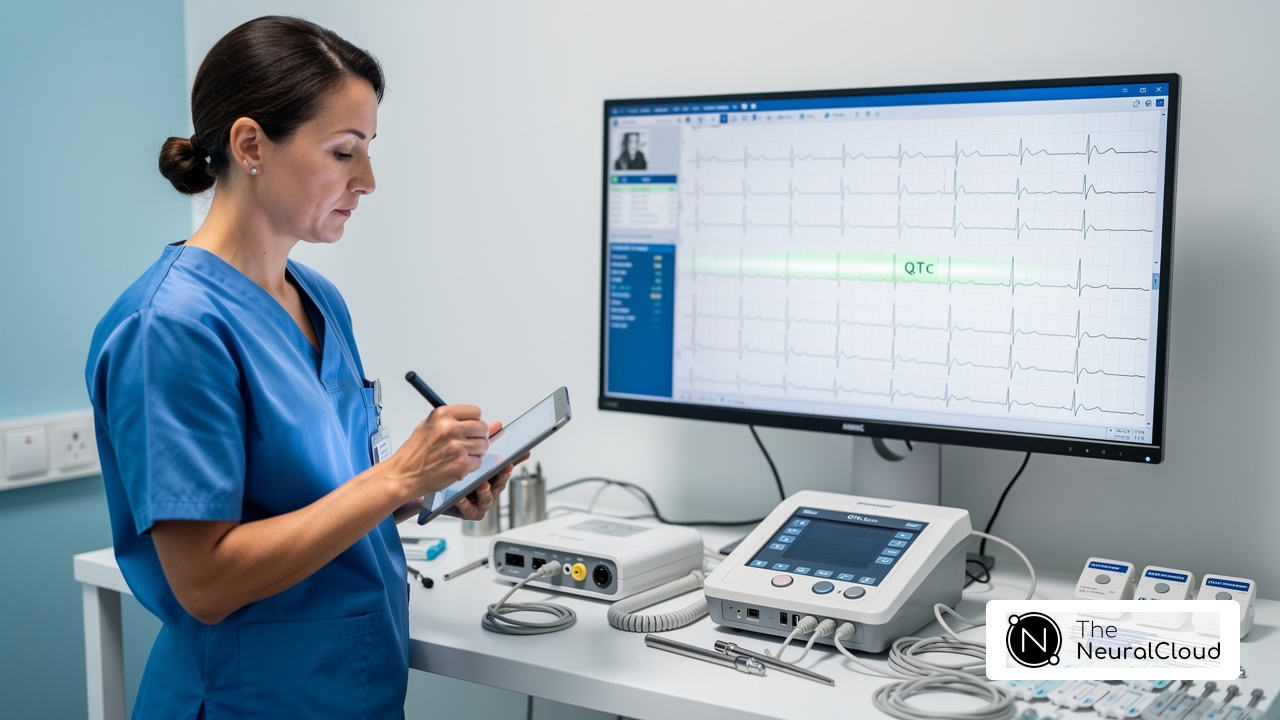
Differentiating between STEMI NSTEMI presents significant challenges for healthcare professionals. ST-elevation myocardial infarction, also known as STEMI NSTEMI, is marked by distinct ST-segment elevation in specific leads, serving as a direct indicator of acute myocardial injury. In contrast, the diagnosis of STEMI NSTEMI may show more subtle ECG changes, such as ST-segment depression or T-wave inversions, making it more complex. Recent advancements in AI-driven ECG interpretation technologies, like those from Neural Cloud Solutions with their MaxYield™ platform, enhance the ability to accurately identify these conditions by analyzing complex patterns in ECG data, even in recordings with high levels of noise and artifacts.
MaxYield™ quickly isolates ECG waves from recordings impacted by baseline wander and movement. It salvages sections of lengthy Holter, 1-Lead, and patch monitor recordings that were previously obscured. A study presented at TCT 2025 assessed the effectiveness of the Queen of Hearts algorithm in identifying myocardial infarction among 1,032 individuals. The results showed a significant decrease in false positive activation rates from 42% to 8% and enhanced sensitivity from 71% to 92%. As Timothy D. Henry, MD, FACC, noted, 'These results indicate that AI-enhanced diagnosis of STEMI NSTEMI at the first medical contact has the potential to shorten time to treatment and reduce false activations.'
This integration helps doctors make more accurate diagnoses faster, which can lead to better outcomes for patients. As AI-driven ECG technologies like MaxYield™ continue to advance, they promise to redefine cardiac diagnostics, ensuring that healthcare professionals can deliver timely and effective care.

Conclusion
Differentiating between STEMI and NSTEMI is crucial for optimizing patient management and treatment strategies. Understanding the nuances of these two types of myocardial infarctions allows healthcare professionals to respond appropriately, ensuring timely interventions that can significantly impact patient outcomes. The intricacies of ECG analysis often lead to misdiagnosis or delayed treatment, posing risks to patient safety. Innovations like Neural Cloud Solutions' MaxYield™ platform significantly boost diagnostic accuracy and treatment efficiency.
Key insights include:
- Definitions of STEMI and NSTEMI
- Distinct symptoms for each type
- Treatment approaches tailored to each condition
STEMI is marked by complete coronary artery blockage and requires immediate reperfusion therapy, while NSTEMI typically involves partial blockage and allows for more flexible treatment options. The integration of advanced technologies not only aids in the accurate identification of these conditions but also streamlines the treatment process, ultimately improving survival rates.
As cardiac care evolves, using technology to diagnose and manage STEMI and NSTEMI is more important than ever. Developers and healthcare professionals alike must prioritize the implementation of innovative solutions to enhance patient care. By embracing these advancements, the medical community can work towards reducing the impact of heart attacks and improving outcomes for countless individuals. Embracing innovative technologies is not just beneficial; it is essential for improving survival rates and enhancing the quality of cardiac care.
Frequently Asked Questions
What is STEMI?
STEMI, or ST-Elevation Myocardial Infarction, occurs when a coronary artery is completely blocked, leading to significant damage to the heart muscle due to prolonged ischemia. It is characterized by distinct ST-segment elevation on an ECG, indicating acute myocardial injury.
What is NSTEMI?
NSTEMI, or Non-ST Elevation Myocardial Infarction, involves partial blockage of a coronary artery, resulting in less severe damage to the heart muscle. Unlike STEMI, NSTEMI does not typically show ST-segment elevation on the ECG but may present with other changes such as ST-segment depression or T-wave inversions.
How common is NSTEMI compared to STEMI?
NSTEMI accounts for approximately 70% of all heart attacks, highlighting its prevalence in clinical practice compared to STEMI.
Why is it important to differentiate between STEMI and NSTEMI?
Differentiating between STEMI and NSTEMI is crucial for effective patient management, as they dictate different treatment approaches and urgency in clinical settings.
What is the recommended intervention for NSTEMI?
Experts emphasize that prompt intervention is essential for patients experiencing NSTEMI, with early revascularization within 24 hours significantly improving survival rates.
How does technology assist in the management of heart attacks?
Advanced technologies like Neural Cloud Solutions' MaxYield™ platform enhance ECG analysis by automating labeling and improving noise filtering, which enhances diagnostic precision and assists healthcare professionals in making informed decisions regarding heart attack management.
List of Sources
- Define STEMI and NSTEMI: Understanding the Basics
- Early Treatment for NSTEMI Patients Shows Greater Rate of Survival | SCAI (https://scai.org/media-center/news-and-articles/early-treatment-nstemi-patients-shows-greater-rate-survival)
- National Incidence of Heart Attacks Decline 50% Since 2004, Yet Underrepresented Groups Remain at Highest Risk | SCAI (https://scai.org/media-center/news-and-articles/national-incidence-heart-attacks-decline-50-2004-yet)
- Cover Story | Acute Coronary Syndromes: New Perspectives, New Data - American College of Cardiology (https://acc.org/latest-in-cardiology/articles/2024/06/01/01/42/cover-story-acute-coronary-syndromes-new-perspectives-new-data)
- Ten-Year Trends in Patient Characteristics, Treatments, and Outcomes in Myocardial Infarction From National Cardiovascular Data Registry Chest Pain–MI Registry | Circulation: Cardiovascular Quality and Outcomes (https://ahajournals.org/doi/10.1161/CIRCOUTCOMES.121.008112)
- Compare Symptoms and Causes: Distinguishing Features of STEMI and NSTEMI
- Heart attack deaths rose between 2011 and 2022 among adults younger than age 55 (https://newsroom.heart.org/news/releases-20260219)
- Cover Story | Acute Coronary Syndromes: New Perspectives, New Data - American College of Cardiology (https://acc.org/latest-in-cardiology/articles/2024/06/01/01/42/cover-story-acute-coronary-syndromes-new-perspectives-new-data)
- NSTEMI: Non-ST-Segment Elevation Myocardial Infarction - The Cardiology Advisor (https://thecardiologyadvisor.com/ddi/nstemi)
- Contrast Treatment Approaches: Managing STEMI vs. NSTEMI
- Early Treatment for NSTEMI Patients Shows Greater Rate of Survival | SCAI (https://scai.org/media-center/news-and-articles/early-treatment-nstemi-patients-shows-greater-rate-survival)
- Examine ECG Analysis: Role of Technology in Differentiating STEMI and NSTEMI
- AI-Based ECG Analysis Significantly Improves STEMI Detection, Reduces False Activations - American College of Cardiology (https://acc.org/latest-in-cardiology/articles/2025/10/24/16/56/tues-554pm-ai-tct-2025)