Introduction
Despite the critical nature of heart rhythm disorders, many individuals remain unaware of the signs and risks associated with arrhythmias. Arrhythmias, which manifest as irregular heartbeats, can lead to serious complications such as stroke and heart failure if not properly managed. This comprehensive guide delves into the types, causes, and diagnostic tools for arrhythmias, offering valuable insights into effective management strategies.
Many individuals struggle to identify the subtle signs of arrhythmias, often leading to delayed treatment and increased health risks. Without timely intervention, these irregularities can escalate into life-threatening conditions, underscoring the need for awareness and proactive management. Recognizing these signs can be the difference between effective management and serious health complications.
Define Arrhythmias: Understanding Heart Rhythm Disorders
The arrhythmia guide highlights that arrhythmias present significant challenges in cardiovascular health, manifesting as various irregular heart rhythms. These disturbances arise from disruptions in the electrical impulses controlling heartbeats, making it crucial to understand them to prevent serious issues like stroke, cardiac failure, and sudden cardiac arrest. The heart's electrical system plays a vital role in maintaining a steady rhythm, and any malfunction can have significant implications for cardiovascular health.
Recognizing the symptoms of arrhythmias is essential for timely diagnosis and management as outlined in the arrhythmia guide. However, many patients may overlook symptoms like palpitations, dizziness, or shortness of breath, delaying critical care. Recent studies suggest that individuals with atrial fibrillation (AF), a prevalent form of arrhythmia, are 2.9 to 3.2 times more prone to develop cardiac failure compared to those without the condition. This bidirectional connection between cardiac failure and AF highlights the significance of early detection and intervention. Without early intervention, patients face a higher risk of severe complications.
For example, many cardiologists have noted advancements in treating rhythm disorders, such as the adoption of pulsed field ablation (PFA), which has optimized workflows for AF treatment, allowing for safer and more efficient procedures. Additionally, a study presented at a recent conference revealed that patients diagnosed with silent atrial fibrillation during health screenings face a significantly increased risk of heart failure, emphasizing the need for proactive screening and management strategies.
Cardiologists emphasize the importance of using an arrhythmia guide to understand heart rhythm disorders, as these disorders can lead to serious complications if not addressed. Continuous education and awareness are vital in the field of cardiology, ensuring that healthcare professionals are equipped to effectively manage these complex conditions.

Explore Types of Arrhythmias: Classifications and Characteristics
Arrhythmias present significant challenges in cardiac health, which necessitates the use of an arrhythmia guide for a clear understanding of their classifications and implications. They can be classified into several categories based on their origin and characteristics:
- Atrial Fibrillation (AFib): The most prevalent arrhythmia, affecting approximately 1.4 million people in the UK. AFib is marked by quick and erratic contractions of the atria, often leading to a pulse rate surpassing 100 beats per minute. This condition can greatly increase the chances of stroke and heart failure, making it a serious concern.
- Atrial Flutter: Similar to AFib but with a more organized rhythm, atrial flutter can also lead to complications if left untreated.
- Ventricular Tachycardia (VT): A rapid pulse originating from the ventricles, VT poses a life-threatening risk due to its potential to disrupt blood circulation, making prompt management essential.
- Ventricular Fibrillation (VF): A chaotic rhythm of the heart that can lead to sudden cardiac arrest, VF necessitates immediate medical attention to restore normal function.
- Bradycardia: Defined as a slower than normal pulse rate (below 60 beats per minute), bradycardia can be symptomatic or asymptomatic, potentially indicating issues with the heart's electrical system.
- Supraventricular Tachycardia (SVT): This category of irregular rhythms begins above the heart's lower chambers, leading to a rapid pulse exceeding 100 beats per minute, frequently associated with symptoms like chest pain and difficulty breathing.
- Premature Contractions: Extra beats that disrupt the regular cardiac rhythm, these can occur in both the atria and ventricles, leading to palpitations and other symptoms.
Understanding these classifications is essential for identifying symptoms and utilizing the arrhythmia guide to choose the right treatment options. Recent advancements in digital twin technology and targeted ablation techniques are enhancing the management of conditions like VT, providing more precise and effective treatment pathways. These advancements not only improve treatment precision but also enhance patient outcomes significantly.

Identify Causes and Risk Factors: Understanding Triggers of Arrhythmias
Understanding the factors that contribute to arrhythmias is essential for effective management of heart health, as outlined in the arrhythmia guide. Several factors contribute to the development of arrhythmias, each playing a critical role in heart health:
- Coronary Artery Disease: Decreased blood circulation to the organ due to plaque accumulation can result in arrhythmias. This condition greatly elevates the likelihood of abnormal rhythms, as the organ struggles to obtain sufficient oxygen. Dr. Ackerman emphasizes the significant dangers linked to coronary artery disease, underscoring the necessity for proactive management.
- High Blood Pressure: Chronic hypertension can harm the heart's electrical system, resulting in irregular heartbeats. Current data indicates that high blood pressure is the most common modifiable risk factor for atrial fibrillation (AFib), increasing the risk by 40-50%. Effective management of blood pressure is crucial in preventing irregular heartbeats.
- Valve Disorders: Malfunctioning valves can disrupt normal blood circulation and rhythm, contributing to irregular heartbeats. Conditions such as mitral valve prolapse can lead to irregular heartbeats and require careful monitoring.
- Electrolyte Imbalances: Abnormal levels of potassium, sodium, calcium, and magnesium can significantly affect heart function. For example, managing electrolyte levels is crucial for patients with irregular heart rhythms, as imbalances can trigger or worsen abnormal heartbeats.
- Stress and Anxiety: Emotional strain can provoke irregular heartbeats in vulnerable individuals. Elevated stress hormones and inflammation lead to oxidative stress, resulting in alterations in cardiac cells that may trigger irregular heartbeats.
- Substance Use: Caffeine, alcohol, and recreational drugs can provoke irregular heartbeats. The intake of energy beverages, which have elevated amounts of caffeine, has been associated with heightened chances of cardiac incidents, especially in individuals with pre-existing circulatory conditions. A study found that 5% of patients experienced unexplained cardiac arrest after consuming energy drinks, underscoring the potential dangers.
- Genetic Factors: A family background of cardiovascular conditions can elevate the chances of irregular heartbeats. Approximately 1 in 200 individuals has a genetic cardiovascular disorder, many of whom are unaware of their condition, emphasizing the significance of genetic screening and awareness.
The arrhythmia guide emphasizes that identifying these risk factors is crucial for prevention and prompt intervention. Ignoring them can lead to serious complications, including stroke or cardiac failure. The prevalence of atrial fibrillation has surged from 33.5 million cases in 2010 to 59 million in 2019. This alarming rise highlights the urgent need for awareness and proactive management of heart health.

Diagnose Arrhythmias: Tools and Techniques for Accurate Assessment
Diagnosing arrhythmias presents significant challenges that can be addressed by utilizing an arrhythmia guide, which combines advanced tools and techniques for accurate assessment and management. Key diagnostic tools include:
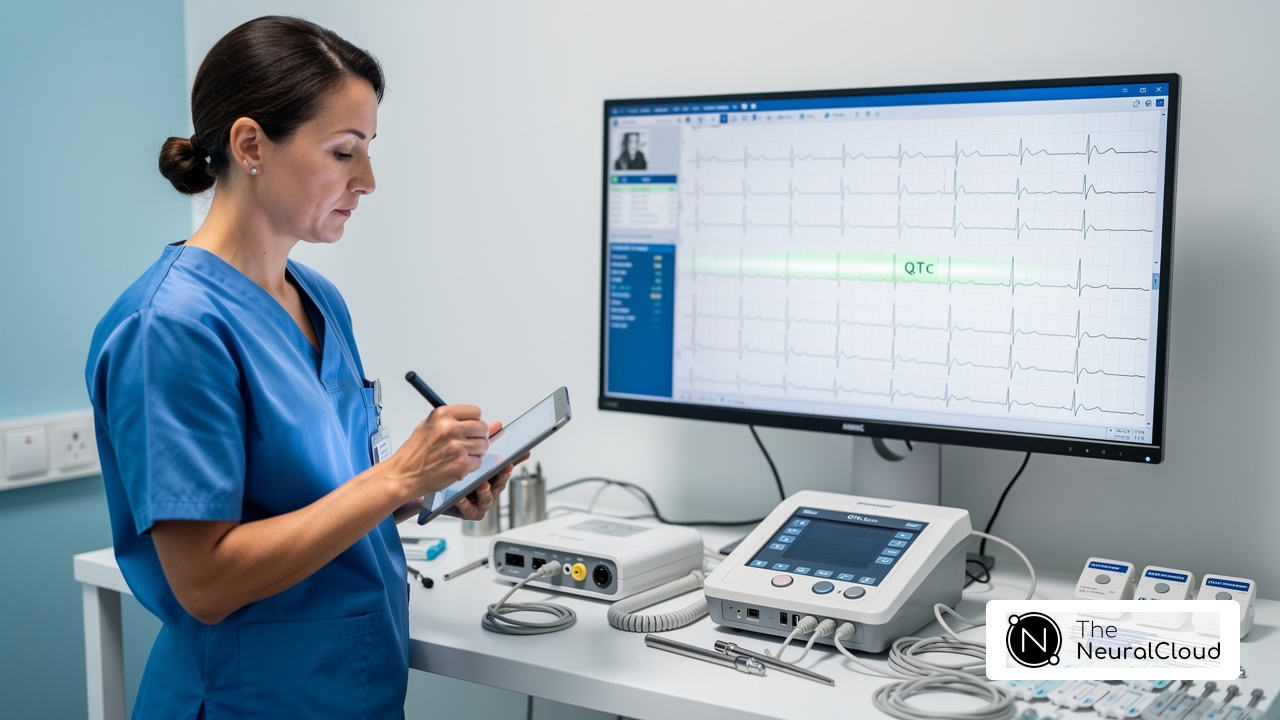
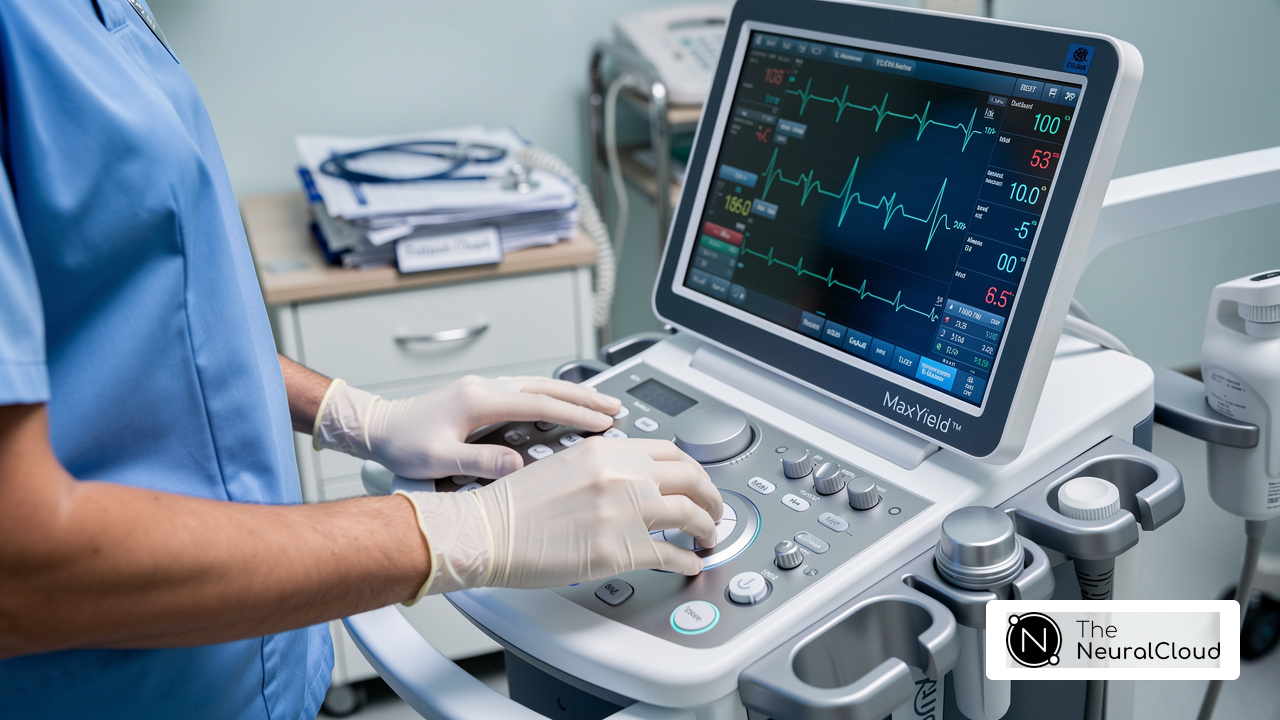
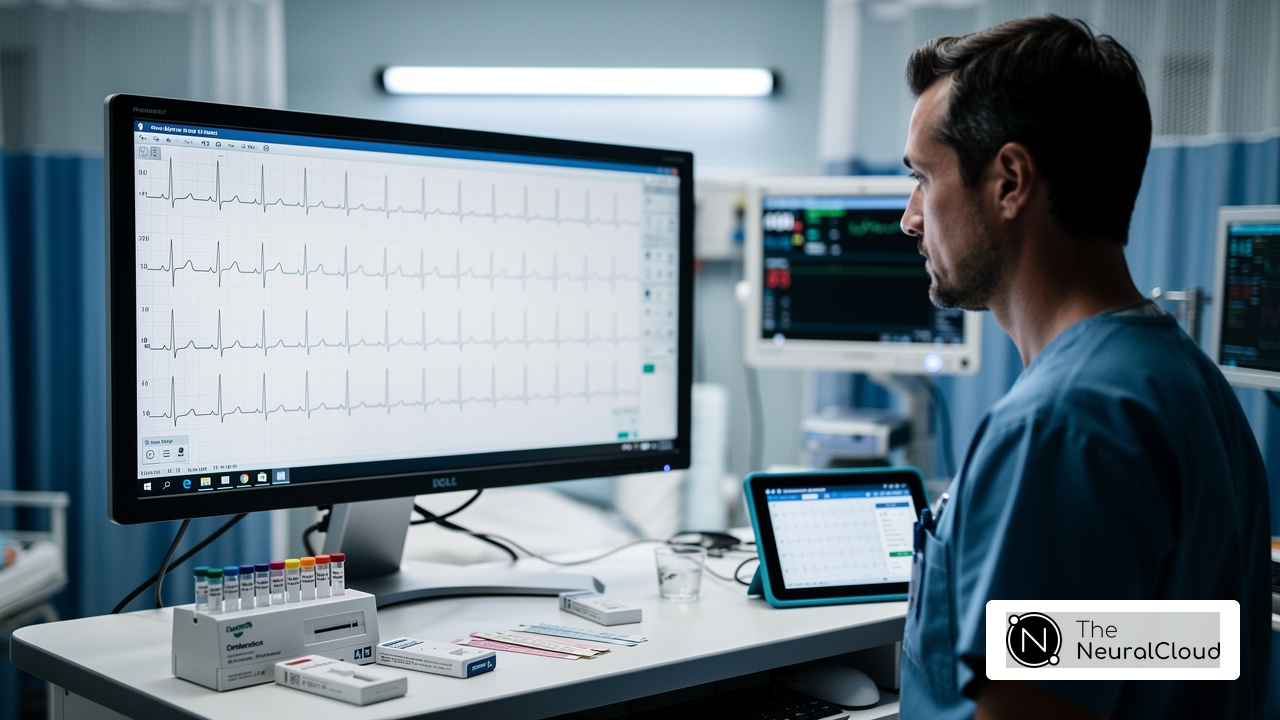
- Electrocardiogram (ECG): The cornerstone of heart rhythm diagnosis, the ECG records the heart's electrical activity, allowing for the identification of various rhythm abnormalities. With Neural Cloud Solutions' MaxYield™, ECG analysis is transformed through automated, scalable, and device-agnostic solutions that enhance the accuracy of these assessments, including advanced noise reduction and artifact handling capabilities.
- Holter Monitor: This portable ECG device is usually worn for 24-48 hours, recording occasional irregular heartbeats that may not be evident during a standard ECG. Recent studies indicate that monitoring for 48 hours or less can lead to false negatives of atrial fibrillation (AF) recurrence in 30% of those monitored in the year following pulmonary vein isolation (PVI). This highlights the challenges healthcare professionals face in accurately diagnosing arrhythmias using the arrhythmia guide with standard monitoring methods. Moreover, 60% of clinically significant heart rhythm disturbances during pregnancy were identified after 48 hours, emphasizing the need for extended monitoring periods in particular groups. With MaxYield™, integrating data from Holter monitors becomes a breeze, enhancing analysis and insights.
- Event Recorder: Similar to a Holter monitor, this device is used for longer periods and is activated by the patient when symptoms occur, providing targeted data during symptomatic episodes. The integration of MaxYield™ allows for efficient analysis of the data captured during these events, ensuring that healthcare professionals can make informed decisions.
- Electrophysiological Study (EPS): An invasive procedure that maps the organ's electrical activity, EPS is essential for identifying complex rhythm disorders and guiding treatment strategies. The insights gained from MaxYield™ can complement findings from EPS by providing a comprehensive view of the electrical behavior of the organ.
- Stress Testing: This assesses the organ's reaction to physical activity, which can unveil exercise-induced irregularities that may not be noticed at rest. MaxYield™ can assist in analyzing ECG data collected during stress tests, ensuring precise identification of any irregular heartbeats.
- Imaging Tests: Techniques such as echocardiograms or cardiac MRIs evaluate heart structure and function, offering essential context for diagnosing irregular heart rhythms.
These diagnostic techniques play a crucial role in pinpointing the type and cause of irregular heartbeats, which is vital for utilizing an arrhythmia guide to make informed treatment decisions. The integration of advanced ECG technologies, such as those offered by Neural Cloud Solutions, enhances the accuracy of these assessments by leveraging AI-driven analysis and continuous monitoring capabilities, enabling healthcare professionals to deliver better patient outcomes.

Manage Arrhythmias: Treatment Options and Best Practices
Effectively managing arrhythmias requires a multifaceted approach that utilizes an arrhythmia guide tailored to each patient's unique needs. Key strategies include:
- Medications: Antiarrhythmic drugs, beta-blockers, and anticoagulants are often prescribed to control pulse rate and prevent thromboembolic events.
- Cardioversion: This procedure utilizes electrical shocks to restore a normal rhythm of the heart, often used in acute settings.
- Catheter Ablation: A minimally invasive method that targets and eliminates the specific tissue responsible for the irregular heartbeat, showing high success rates in various studies. Recent advancements, such as MRI-guided electrophysiology ablation, enhance the precision of this procedure, allowing for real-time visualization of the heart during treatment.
- Implantable Devices: Pacemakers and implantable cardioverter-defibrillators (ICDs) are employed to sustain a steady pulse, especially in individuals with serious rhythm disorders. Research shows that catheter ablation can cut down the recurrence of ventricular tachycardia significantly compared to antiarrhythmic drugs, with recent trials reporting success rates around 56%.
- Lifestyle Modifications: Adopting heart-healthy habits, including a balanced diet, regular exercise, and effective stress management, can significantly improve heart rhythm regulation.
- Regular Monitoring: Continuous tracking of heart rhythms through wearable technology, integrated with Neural Cloud Solutions' MaxYield™ platform, allows for early detection of abnormalities, facilitating timely interventions. The automated ECG labeling and data extraction features of MaxYield™ enhance the efficiency of ECG analysis, addressing challenges such as physiological variability and signal artifacts.
These treatment options emphasize the significance of utilizing an arrhythmia guide for a personalized approach in managing heart rhythm disorders, ensuring tailored care for every patient. Ultimately, leveraging innovative solutions like MaxYield™ can transform the management of heart rhythm disorders, leading to enhanced patient care and outcomes.

Implement Lifestyle Changes: Prevention and Holistic Management of Arrhythmias
Effectively managing arrhythmias requires a comprehensive approach that includes using an arrhythmia guide along with lifestyle changes. Here are some key strategies:
- Heart-Healthy Diet: Prioritize a diet rich in fruits, vegetables, whole grains, and lean proteins while minimizing sodium, added sugars, and unhealthy fats. Studies indicate that eating a balanced diet can really help lower the risk of heart disease and enhance overall cardiovascular health. Limiting desserts to special occasions can also help reduce overall sugar intake.
- Regular Exercise: Engage in at least 150 minutes of moderate physical activity weekly, such as brisk walking or swimming. Consistent physical activity enhances cardiac function, boosts circulation, and may lessen the occurrence of irregular heartbeat episodes. Research shows that even modest increases in physical activity can lead to a 10% reduction in major cardiovascular events.
- Stress Management: Apply methods such as yoga, meditation, and deep breathing exercises to reduce stress levels, which can cause irregular heartbeats. Evidence indicates that effective stress management can lead to better cardiovascular health and fewer irregular heartbeat occurrences.
- Avoiding Stimulants: Limit caffeine and alcohol consumption, as both can provoke irregular heartbeats. General guidelines suggest up to one beverage daily for women and two for men, stressing moderation to preserve cardiovascular well-being.
- Weight Management: Attaining and sustaining a healthy weight lessens pressure on the cardiovascular system and diminishes the likelihood of developing arrhythmias. Even a small amount of weight loss can greatly improve heart health. It reduces pressure on the heart and lowers the chances of high blood pressure and diabetes.
- Quality Sleep: Aim for 7-9 hours of restful sleep each night, as inadequate sleep can elevate blood pressure and heighten the risk of chronic conditions associated with cardiovascular disease.
- Environmental Noise: Be aware of environmental noise, as studies have linked high levels of noise to increased rates of cardiovascular disease. Taking measures to lessen noise exposure can positively impact cardiovascular well-being.
- Regular Check-ups: Routine medical assessments are crucial for monitoring cardiovascular health and modifying treatment plans as needed. Regular check-ups can help identify potential issues early, allowing for timely interventions.
By adopting these lifestyle changes recommended in the arrhythmia guide, individuals can significantly improve their heart health and reduce the risk of complications. These changes not only enhance heart health but also empower individuals to take control of their well-being.

Conclusion
Managing arrhythmias presents challenges that are vital to cardiovascular health. Recognizing the symptoms, risk factors, and treatment options for heart rhythm disorders is essential for effective management. Awareness and education empower individuals to take proactive steps for better heart health and avoid complications.
Key insights from this article highlight the various types of arrhythmias, their causes, and the latest diagnostic tools and treatment strategies. From atrial fibrillation to ventricular tachycardia, each type presents unique challenges that require tailored approaches. Moreover, lifestyle modifications play a significant role in prevention and management, reinforcing the notion that heart health is a comprehensive endeavor.
Ultimately, the significance of utilizing an arrhythmia guide cannot be overstated. Ongoing education and proactive management are key to navigating the complexities of arrhythmias effectively. It is vital to prioritize regular check-ups and adopt a holistic approach to prevent arrhythmias and enhance overall well-being.
Frequently Asked Questions
What are arrhythmias?
Arrhythmias are heart rhythm disorders that arise from disruptions in the electrical impulses controlling heartbeats, leading to various irregular heart rhythms. They can pose significant challenges to cardiovascular health.
Why is it important to understand arrhythmias?
Understanding arrhythmias is crucial to prevent serious complications such as stroke, cardiac failure, and sudden cardiac arrest. Early detection and intervention can significantly reduce the risks associated with these conditions.
What symptoms are associated with arrhythmias?
Common symptoms of arrhythmias include palpitations, dizziness, and shortness of breath. Unfortunately, many patients may overlook these symptoms, delaying critical care.
How does atrial fibrillation (AF) relate to cardiac failure?
Individuals with atrial fibrillation are 2.9 to 3.2 times more likely to develop cardiac failure compared to those without the condition, highlighting the importance of early detection and management.
What advancements have been made in treating arrhythmias?
Recent advancements include the adoption of pulsed field ablation (PFA) for atrial fibrillation treatment, which has optimized workflows and made procedures safer and more efficient.
What is the significance of silent atrial fibrillation?
Patients diagnosed with silent atrial fibrillation during health screenings are at a significantly increased risk of heart failure, emphasizing the need for proactive screening and management strategies.
What are the main classifications of arrhythmias?
Arrhythmias can be classified into several categories, including: Atrial Fibrillation (AFib), Atrial Flutter, Ventricular Tachycardia (VT), Ventricular Fibrillation (VF), Bradycardia, Supraventricular Tachycardia (SVT), and Premature Contractions.
What is Atrial Fibrillation (AFib)?
Atrial Fibrillation is the most prevalent arrhythmia, characterized by quick and erratic contractions of the atria, often leading to a pulse rate exceeding 100 beats per minute, significantly increasing the risk of stroke and heart failure.
What is Ventricular Tachycardia (VT)?
Ventricular Tachycardia is a rapid pulse originating from the ventricles, posing a life-threatening risk due to its potential to disrupt blood circulation, necessitating prompt management.
What is Ventricular Fibrillation (VF)?
Ventricular Fibrillation is a chaotic heart rhythm that can lead to sudden cardiac arrest and requires immediate medical attention to restore normal function.
What is Bradycardia?
Bradycardia is defined as a slower than normal pulse rate (below 60 beats per minute) and can be symptomatic or asymptomatic, possibly indicating issues with the heart's electrical system.
What advancements are being made in the management of arrhythmias?
Recent advancements in digital twin technology and targeted ablation techniques are enhancing the management of conditions like Ventricular Tachycardia, leading to more precise and effective treatment pathways.
List of Sources
- Define Arrhythmias: Understanding Heart Rhythm Disorders
- Silent Heart Rhythm Problem Might Triple Risk Of Heart Failure In Seniors (https://usnews.com/news/health-news/articles/2026-04-15/silent-heart-rhythm-problem-might-triple-risk-of-heart-failure-in-seniors)
- touchcardio.com (https://touchcardio.com/insight/ehra-2026-defining-the-next-era-of-arrhythmia-care)
- Global surge in serious heart rhythm disorders sparks urgent call to action from experts: 1 in 3 people at risk (https://escardio.org/news/press/press-releases/global-surge-in-serious-heart-rhythm-disorders-sparks-urgent-call-to-action-from)
- mddionline.com (https://mddionline.com/cardiovascular/7-late-breaking-studies-coming-out-of-heart-rhythm-society-2026)
- Explore Types of Arrhythmias: Classifications and Characteristics
- thecardiologyadvisor.com (https://thecardiologyadvisor.com/news/acc-aha-hrs-2026-ccep-training-statement)
- bbc.com (https://bbc.com/news/articles/c9wnky140dko)
- ctvnews.ca (https://ctvnews.ca/health/article/to-fix-a-patients-irregular-heartbeat-doctors-first-tested-its-digital-twin)
- csofne.com (https://csofne.com/blog/common-arrhythmias)
- finance.yahoo.com (https://finance.yahoo.com/sectors/healthcare/articles/data-heart-rhythm-2026-highlight-170000617.html)
- Identify Causes and Risk Factors: Understanding Triggers of Arrhythmias
- technologynetworks.com (https://technologynetworks.com/immunology/news/long-covid-linked-to-arrhythmias-and-coronary-disease-411363)
- mayoclinic.org (https://mayoclinic.org/medical-professionals/cardiovascular-diseases/news/energy-drinks-may-trigger-cardiac-arrhythmias-in-patients-with-genetic-heart-disease/mac-20570446)
- Global surge in serious heart rhythm disorders sparks urgent call to action from experts: 1 in 3 people at risk (https://escardio.org/news/press/press-releases/global-surge-in-serious-heart-rhythm-disorders-sparks-urgent-call-to-action-from)
- fixafib.com (https://fixafib.com/blog/afib-causes/new-risk-factors-for-heart-arrhythmia)
- New therapeutic target for cardiac arrhythmias emerges (https://healthsciences.arizona.edu/news/releases/new-therapeutic-target-cardiac-arrhythmias-emerges)
- Diagnose Arrhythmias: Tools and Techniques for Accurate Assessment
- investors.irhythmtech.com (https://investors.irhythmtech.com/news/news-details/2026/New-Data-Presented-at-HRS-2026-Show-Short-Term-Holter-Monitoring-Misses-a-Large-Proportion-of-AF-Recurrence-Post-Ablation-and-Clinically-Significant-Arrhythmias-in-Pregnancy/default.aspx)
- delveinsight.com (https://delveinsight.com/blog/electrophysiology-devices-for-cardiac-arrhythmia-care)
- mpo-mag.com (https://mpo-mag.com/breaking-news/heart-rhythm-2026-apple-watch-better-than-traditional-patch-monitors-in-detecting-pediatric-arrhythmias)
- touchcardio.com (https://touchcardio.com/insight/ehra-2026-defining-the-next-era-of-arrhythmia-care)
- Manage Arrhythmias: Treatment Options and Best Practices
- Cleveland Clinic-led Trial Shows Pulsed Field Ablation Procedure More Effective Than Medications for Persistent Atrial Fibrillation (https://newsroom.clevelandclinic.org/2026/04/25/cleveland-clinic-led-trial-shows-pulsed-field-ablation-procedure-more-effective-than-medications-for-persistent-atrial-fibrillation)
- wsls.com (https://wsls.com/news/local/2026/04/04/new-procedure-at-uva-health-could-treat-irregular-heartbeats)
- touchcardio.com (https://touchcardio.com/insight/ehra-2026-defining-the-next-era-of-arrhythmia-care)
- hub.jhu.edu (https://hub.jhu.edu/2026/04/01/digital-twin-hearts-arrhythmia-trial)
- New Study Shows Catheter Ablation Reduces Ventricular Tachycardia Events in Underrepresented Patient Population (https://hrsonline.org/news/cathether-ablation-reduces-vt-underrepresented-patients)
- Implement Lifestyle Changes: Prevention and Holistic Management of Arrhythmias
- escardio.org (https://escardio.org/news/press/press-releases/combining-small)
- usnews.com (https://usnews.com/news/health-news/articles/2026-03-26/small-daily-habits-can-add-up-to-better-heart-health)
- Cardiologist Reveals the 'Best Habit of All' to Commit to in 2026 (https://today.com/health/diet-fitness/heart-health-resolution-cardiologist-tip-rcna251494)
- 10 Lifestyle Changes to Improve Heart Health in 2026 (https://southdenver.com/10-lifestyle-changes-you-can-make-to-optimize-your-heart-health-in-2026)
- Heart disease prevention: Fresh strategies for heart health in 2026 (https://labcorp.com/education-events/articles/heart-disease-prevention-fresh-strategies-heart-health-2026)