Introduction
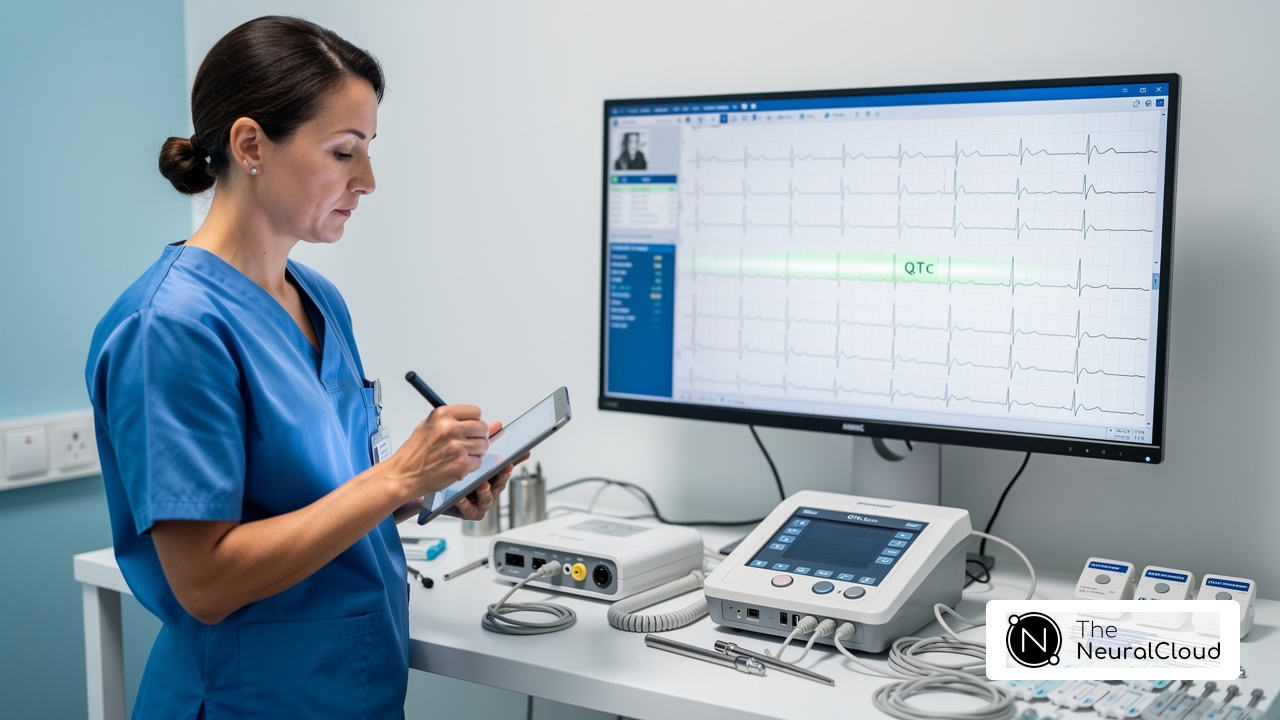
Elevated potassium levels, known as hyperkalemia, can significantly impact cardiac function, leading to notable changes in electrocardiogram (ECG) readings. For healthcare professionals, understanding the relationship between hyperkalemia and alterations in ECG U waves is essential, as these changes can indicate serious underlying health issues. However, clinicians often face challenges in interpreting these subtle yet critical ECG signals amidst the complexities of patient data.
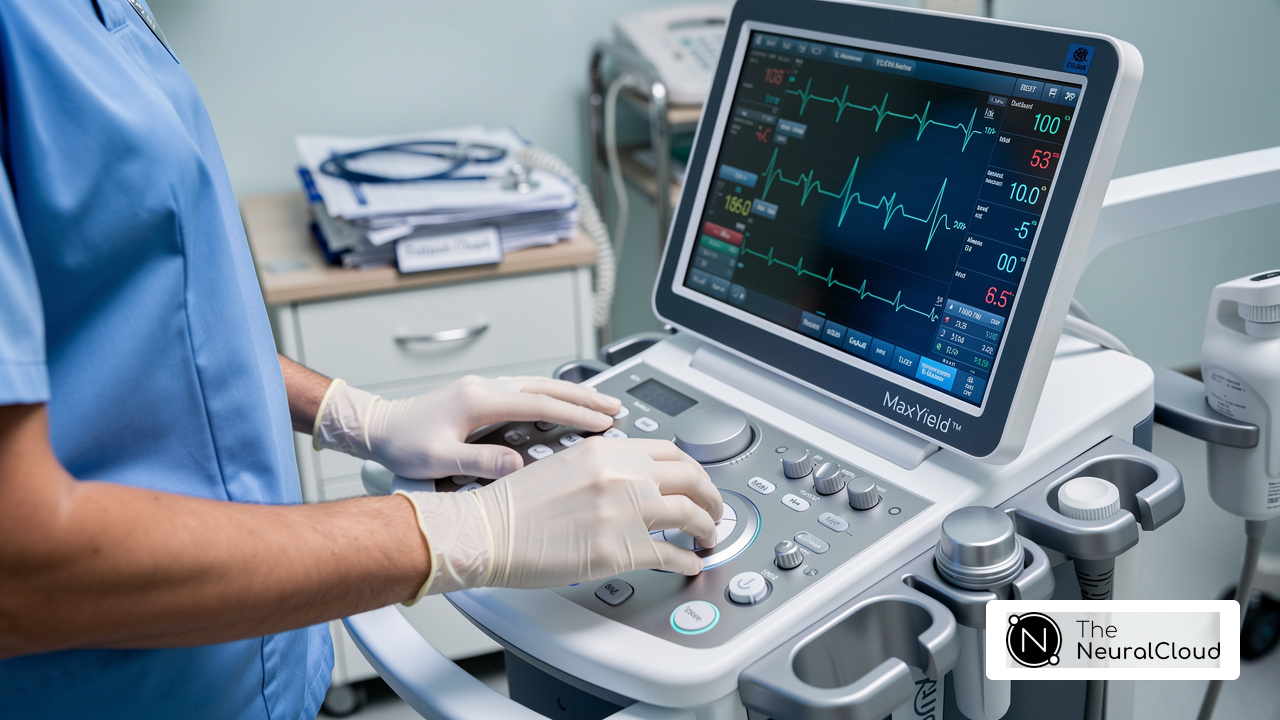
This article explores the implications of hyperkalemia on ECG readings, particularly focusing on the significance of U wave characteristics. Additionally, it highlights the features of advanced technologies like the MaxYield™ platform, which enhances ECG analysis. The MaxYield™ platform offers several key features:
- It provides real-time analysis
- It integrates seamlessly with existing systems
- It utilizes advanced algorithms to improve diagnostic accuracy
The advantages of using the MaxYield™ platform are substantial. By streamlining ECG interpretation, it allows healthcare professionals to make quicker, more informed decisions, ultimately improving patient care. With its user-friendly interface and robust analytical capabilities, the platform not only simplifies the diagnostic process but also empowers clinicians to address hyperkalemia-related complications more effectively.
In conclusion, understanding hyperkalemia's effects on ECG readings and leveraging advanced tools like the MaxYield™ platform can significantly enhance diagnostic accuracy and patient outcomes.
Define Hyperkalemia and Its ECG Implications
Hyperkalemia is characterized by elevated potassium levels in the blood, typically exceeding 5.0 mEq/L. This condition poses serious risks, particularly to cardiac health, as potassium is vital for the heart's electrical conduction system. The effects of hyperkalemia ECG U wave on the ECG include notable changes such as peaked T waves, widening of the QRS complex, and potential loss of P waves. These alterations stem from changes in myocardial repolarization and conduction velocity, which can lead to life-threatening arrhythmias if not promptly addressed. Therefore, clinicians must recognize the hyperkalemia ECG U wave changes to initiate timely interventions.
The MaxYield™ platform from Neural Cloud Solutions significantly enhances the analysis of these ECG changes. Features of MaxYield™ include:
- Advanced noise filtering
- Signal recognition capabilities that isolate and label critical data, even amidst high levels of noise and artifact
This technology allows for swift recognition of cardiac events, providing beat-by-beat analysis of 200,000 heartbeats in under 5 minutes.
Advantages of using MaxYield™ are substantial for healthcare professionals. The platform facilitates assured clinical decision-making, ensuring that clinicians can effectively address the consequences of elevated potassium levels, which can be identified through hyperkalemia ECG U wave. By streamlining ECG analysis, MaxYield™ empowers healthcare providers to respond quickly and accurately to hyperkalemia, ultimately improving patient outcomes.

Explore ECG Changes: U Wave Characteristics in Hyperkalemia
Elevated potassium levels can significantly alter U deflections, which are crucial for clinical evaluation. Typically, U signals are small deflections that follow the T signal, and their prominence is directly influenced by potassium levels. As hyperkalemia progresses, the hyperkalemia ECG U wave deflections may diminish or even disappear, indicating a worsening electrolyte imbalance. Conversely, hypokalemia is associated with more pronounced U deflections. Clinicians must closely monitor the amplitude and shape of U patterns, as these characteristics provide essential insights into a patient's electrolyte status and assist in differential diagnosis.
For example, a notable U form alongside peaked T forms may indicate a mixed electrolyte imbalance. This highlights the importance of thorough ECG evaluation in managing elevated potassium levels, specifically regarding hyperkalemia ECG U wave. Studies reveal that over 60% of individuals with chronic kidney disease (CKD) exhibit irregular U alterations, underscoring the need for careful assessment in this population. Understanding these dynamics is vital for timely intervention and effective management of cardiac complications related to electrolyte disturbances.
The MaxYield™ platform enhances this analysis by automating the process, transforming noisy recordings into detailed insights and delivering beat-by-beat evaluations swiftly. MaxYield™ provides clear, actionable information that improves clinical decision-making, enabling clinicians to respond effectively to significant variations in U patterns related to the hyperkalemia ECG U wave associated with elevated potassium levels. By integrating MaxYield™, healthcare professionals can streamline their ECG analysis, ensuring they have the necessary tools to manage electrolyte imbalances efficiently.

Assess Clinical Significance of U Wave Changes in Diagnosis
The clinical significance of U changes in hyperkalemia ECG U wave is substantial, serving as vital diagnostic markers that reflect the severity of electrolyte imbalances. Notably, the presence of distinct U forms, particularly when paired with peaked T forms, can indicate hyperkalemia ECG U wave, suggesting a more serious underlying condition that warrants further investigation. Research shows that peaked T forms are the most prevalent electrocardiographic abnormality across all severity levels, found in 36.2% of patients. Additionally, U forms may also manifest in individuals with chronic kidney disease, complicating the interpretation of ECG results.
Understanding the relationship between U morphology and potassium levels is crucial for clinicians in addressing hyperkalemia ECG U wave when tailoring treatment plans. For example, patients exhibiting negative U patterns may face a higher risk of significant coronary artery disease, with studies revealing an 88% occurrence in those with negative T-U concordance. This correlation underscores the importance of recognizing subtle ECG variations, as they can enhance diagnostic accuracy and ultimately improve patient outcomes, especially in emergency situations where timely decision-making is critical.
In this context, 'Neural Cloud Solutions' MaxYield™ technology plays a pivotal role by employing advanced noise filtering and unique signal recognition capabilities. By automating the labeling of ECG signals, MaxYield™ boosts the efficiency of ECG analysis, allowing healthcare professionals to focus on essential diagnostic indicators like U signal variations. The continuous learning model of MaxYield™ ensures that the accuracy and efficiency of ECG interpretation improve over time, adapting to the complexities of each patient's data.
Healthcare professionals stress the importance of careful interpretation of U morphology. As Dr. Jesse McLaren noted, "The ECG cannot exclude hyperkalemia, and significant increases in potassium often lead to various alterations, including changes in the U wave amplitude associated with hyperkalemia ECG U wave." This highlights the necessity for clinicians to scrutinize every aspect of the ECG, particularly in patients exhibiting signs of elevated potassium levels, such as weakness or respiratory distress. Case studies further illustrate this point, such as the case of an 81-year-old woman with discordant U patterns and a potassium level of 6.1 mEq/L. This indicates that patients with chronic kidney disease may show minimal ECG irregularities despite elevated potassium levels, necessitating vigilant monitoring and customized treatment strategies.

Integrate Advanced Technologies for Enhanced ECG Analysis
The integration of advanced technologies, particularly artificial intelligence (AI) and machine learning, is transforming ECG analysis, especially in the context of hyperkalemia ECG U wave. Traditional ECG analysis can be challenging, often requiring significant time and expertise to interpret complex data accurately. This is where the MaxYield™ platform from Neural Cloud Solutions comes into play.
Features of MaxYield™:
- Real-time Analysis: AI algorithms analyze ECG data instantly, detecting critical variations like peaked T waves and U wave abnormalities.
- Automated Detection: The platform automates the identification of these changes, allowing clinicians to focus on interpretation rather than manual analysis.
- High Accuracy: MaxYield™ boasts a detection accuracy of 96-97% for irregular heart rhythms, significantly enhancing diagnostic precision.
- Beat-by-Beat Insights: It provides analysis from 200,000 heartbeats in under 5 minutes, improving workflow efficiency.
Advantages for Healthcare Professionals:
By leveraging these advanced features, healthcare providers can enhance diagnostic accuracy and streamline workflows. The continuous learning capability of AI systems means they refine their predictive abilities over time, leading to better patient outcomes in managing hyperkalemia, especially regarding the hyperkalemia ECG U wave. Notably, integrating machine learning into ECG analysis reduces false positive alerts by 98.0%, facilitating early intervention through predictive analytics. This not only revolutionizes patient care but also empowers clinicians to make informed decisions swiftly.

Conclusion
Understanding the implications of hyperkalemia, especially its effects on the ECG U wave, is vital for effective patient management. Elevated potassium levels can cause significant changes in heart rhythm, potentially leading to life-threatening conditions if not recognized and treated promptly. The MaxYield™ platform enhances healthcare professionals' ability to analyze these ECG changes swiftly and accurately, ultimately improving patient outcomes.
Key points throughout the article emphasize the relationship between hyperkalemia and ECG changes, particularly the characteristics of the U wave. Distinct U wave forms can serve as critical diagnostic markers, reflecting the severity of electrolyte imbalances. The innovative features of the MaxYield™ platform, such as real-time analysis and automated detection, empower clinicians to make informed decisions quickly, reducing the risk of complications associated with hyperkalemia.
As cardiac care evolves, embracing technology in ECG analysis becomes increasingly important. Advancements in AI and machine learning streamline the diagnostic process and enhance the accuracy of identifying hyperkalemia-related changes. By prioritizing these innovations, healthcare providers can ensure they are equipped to address the challenges posed by electrolyte disturbances, ultimately leading to better care for patients at risk of hyperkalemia.
Features of the MaxYield™ Platform:
- Real-time analysis
- Automated detection
- Enhanced accuracy in identifying ECG changes
Advantages for Healthcare Professionals:
- Swift analysis of ECG changes
- Informed decision-making
- Reduced risk of complications
In conclusion, the integration of advanced technologies like the MaxYield™ platform is essential for improving patient outcomes in the context of hyperkalemia. By leveraging these tools, healthcare professionals can navigate the complexities of ECG analysis with greater confidence and precision.
Frequently Asked Questions
What is hyperkalemia?
Hyperkalemia is a condition characterized by elevated potassium levels in the blood, typically exceeding 5.0 mEq/L.
Why is hyperkalemia a concern for cardiac health?
Hyperkalemia poses serious risks to cardiac health because potassium is vital for the heart's electrical conduction system.
What are the ECG implications of hyperkalemia?
The ECG implications of hyperkalemia include notable changes such as peaked T waves, widening of the QRS complex, and potential loss of P waves, which can lead to life-threatening arrhythmias.
What causes the ECG changes associated with hyperkalemia?
The ECG changes associated with hyperkalemia stem from alterations in myocardial repolarization and conduction velocity.
How can clinicians address hyperkalemia?
Clinicians must recognize the hyperkalemia ECG U wave changes to initiate timely interventions and address the condition effectively.
What is the MaxYield™ platform?
The MaxYield™ platform from Neural Cloud Solutions enhances the analysis of ECG changes related to hyperkalemia.
What features does MaxYield™ offer?
MaxYield™ includes advanced noise filtering and signal recognition capabilities that isolate and label critical data, even in high levels of noise and artifact.
How quickly can MaxYield™ analyze heartbeats?
MaxYield™ can provide beat-by-beat analysis of 200,000 heartbeats in under 5 minutes.
What are the advantages of using MaxYield™ for healthcare professionals?
MaxYield™ facilitates assured clinical decision-making, allowing healthcare providers to respond quickly and accurately to hyperkalemia, ultimately improving patient outcomes.
List of Sources
- Define Hyperkalemia and Its ECG Implications
- sciencedirect.com (https://sciencedirect.com/science/article/pii/S2590059524000906)
- Hyperkalemia ECG Changes: Peaked T Waves (https://powerfulmedical.com/blog/hyperkalemia-ecg-critical-changes)
- pmc.ncbi.nlm.nih.gov (https://pmc.ncbi.nlm.nih.gov/articles/PMC10332545)
- litfl.com (https://litfl.com/hyperkalaemia-ecg-library)
- Explore ECG Changes: U Wave Characteristics in Hyperkalemia
- Hyperkalemia ECG Changes: Peaked T Waves (https://powerfulmedical.com/blog/hyperkalemia-ecg-critical-changes)
- pmc.ncbi.nlm.nih.gov (https://pmc.ncbi.nlm.nih.gov/articles/PMC3736253)
- litfl.com (https://litfl.com/hyperkalaemia-ecg-library)
- Electrocardiographic Abnormalities in Patients with Hyperkalemia: A Retrospective Study in an Emergency Department in Colombia - PMC (https://pmc.ncbi.nlm.nih.gov/articles/PMC11215665)
- Assess Clinical Significance of U Wave Changes in Diagnosis
- Hyperkalemia ECG Changes: Peaked T Waves (https://powerfulmedical.com/blog/hyperkalemia-ecg-critical-changes)
- pmc.ncbi.nlm.nih.gov (https://pmc.ncbi.nlm.nih.gov/articles/PMC3736253)
- Electrocardiographic Abnormalities in Patients with Hyperkalemia: A Retrospective Study in an Emergency Department in Colombia - PMC (https://pmc.ncbi.nlm.nih.gov/articles/PMC11215665)
- emergencymedicinecases.com (https://emergencymedicinecases.com/ecg-cases-10-hyperkalemia-the-great-imitator)
- Integrate Advanced Technologies for Enhanced ECG Analysis
- beckershospitalreview.com (https://beckershospitalreview.com/healthcare-information-technology/innovation/5-key-quotes-about-how-ai-will-transform-healthcare)
- sciencedirect.com (https://sciencedirect.com/science/article/pii/S1936879825026007)
- Checking your browser - reCAPTCHA (https://pmc.ncbi.nlm.nih.gov/articles/PMC12419789)
- The diagnostic accuracy of artificial intelligence enhanced electrocardiography for the detection of cardiac dysfunction (https://explorationpub.com/Journals/ec/Article/101293)