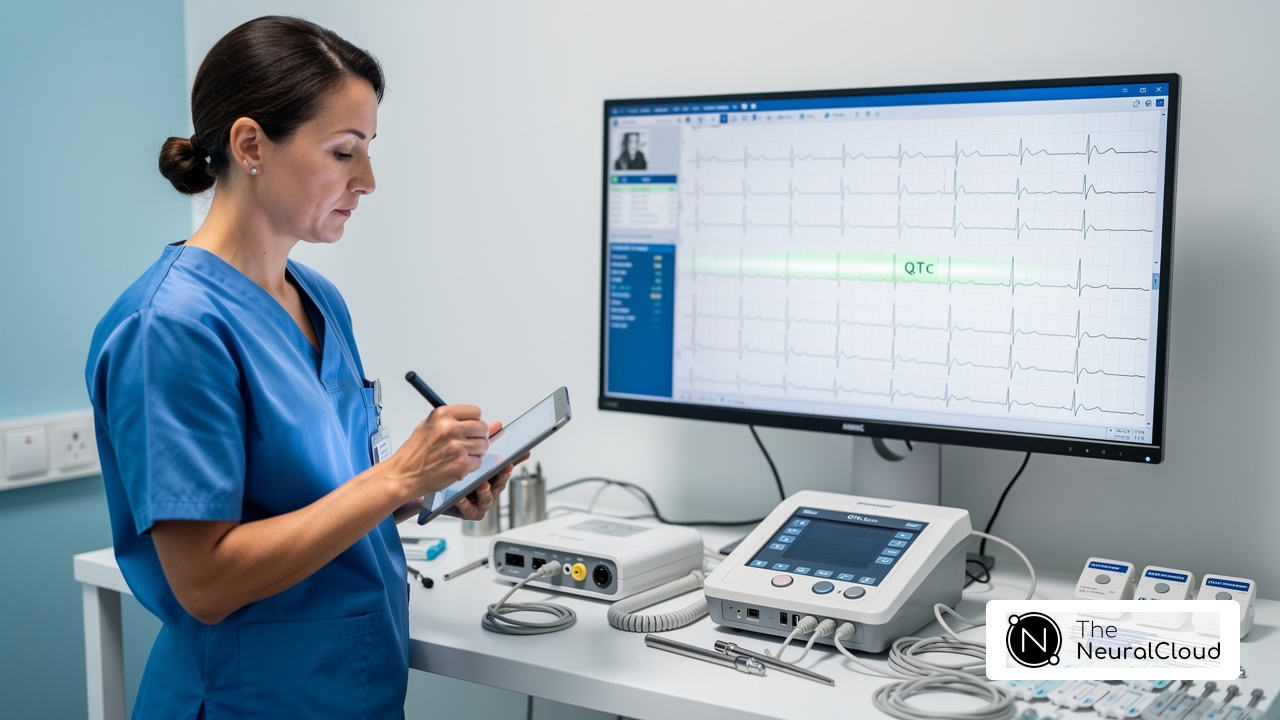
Introduction
Understanding the left ventricular internal dimension in diastole (LVIDD) is crucial for health tech developers focused on improving cardiac health diagnostics. This vital measurement not only aids in assessing heart function but also plays a significant role in diagnosing various cardiovascular conditions. With the increasing prevalence of diastolic dysfunction, especially among older populations and those impacted by acute illnesses like COVID-19, the challenge is to ensure accurate measurement and interpretation.
Developers can leverage LVIDD to create more effective diagnostic tools that enhance patient outcomes and advance healthcare delivery. By focusing on the features of LVIDD, such as its ability to provide insights into heart function, developers can highlight the advantages of accurate measurements. This, in turn, leads to better diagnosis and treatment options for patients, ultimately benefiting healthcare professionals and the healthcare system as a whole.
Define LVIDD: Importance in Cardiac Health
The LVIDD meaning, or Left Ventricular Internal Dimension in Diastole, is a crucial measurement in echocardiography that assesses the size of the left ventricle when it is relaxed. This parameter plays a vital role in evaluating cardiac function and diagnosing various cardiovascular conditions. Typically, the left ventricular internal diastolic dimension ranges from 3.5 to 5.6 cm, influenced by the patient's age and body size. Elevated values of the internal diameter at end diastole may indicate conditions such as ventricular hypertrophy or cardiac failure, making it essential for health technology developers to consider this measurement when designing diagnostic instruments.
Recent studies reveal that 27 to 43% of middle-aged individuals are at risk of diastolic dysfunction, with a staggering 88% of those aged 85 and older affected by this condition. These statistics underscore the importance of accurately assessing left ventricular internal diameter to identify potential heart issues early. Additionally, research indicates that around 16% of individuals hospitalized with COVID-19 also show signs of left ventricular diastolic dysfunction (LVDD), highlighting the urgent need for effective diagnostic solutions in acute care settings.
For health tech developers, grasping the lvidd meaning is essential for creating algorithms that can interpret echocardiographic data accurately. This understanding not only aids in developing more effective diagnostic tools but also enhances patient outcomes by enabling early detection and management of heart conditions, which illustrates its lvidd meaning. Case studies illustrate that echocardiograms, particularly transthoracic echocardiograms (TTE), are instrumental in staging LVDD, which can range from normal to severe based on abnormal measurements. By focusing on left ventricular internal diastolic dimension, developers can improve the accuracy of cardiac assessments and ultimately support better healthcare delivery.
As Uzochukwu Ibe, MD, MPH, notes, "Left ventricular diastolic dysfunction (LVDD) is a condition that impacts your organ's ability to fill with blood before pumping it into your circulation." This statement emphasizes the critical importance of monitoring left ventricular internal diastolic dimension to prevent progression to heart failure.

Measure LVIDD: Techniques and Best Practices
Understanding the LVIDD meaning is essential for the precise measurement of the ventricular internal dimension at end-diastole, which is crucial for diagnosing cardiac conditions. Clinicians typically rely on echocardiography, utilizing either M-mode or 2D imaging techniques. Here are best practices for achieving accurate measurements:
- Patient Positioning: Position the patient in the lateral decubitus position to optimize heart imaging.
- Image Acquisition: Use a high-quality echocardiographic machine to capture clear images of the ventricle.
- M-mode Measurement: Align the M-mode cursor at the level of the mitral valve leaflets, perpendicular to the left ventricle's long axis. Capture the reading at end-diastole, just before the ventricle contracts.
- 2D Measurement: In 2D echocardiography, assess the internal diameter at the same level as the M-mode evaluation, ensuring calipers are positioned at the inner edges of the ventricular walls.
- Repeat Measurements: Conduct multiple measurements to ensure accuracy and consistency, as variations may arise from patient movement or operator technique.
The clinical significance of the left ventricular internal diameter during diastole can be understood by considering the lvidd meaning, which shows a typical range of 4.2 - 5.8 cm for males and 3.8 - 5.2 cm for females. Measurements outside these ranges may indicate potential cardiac issues.
Preferred Techniques: The Biplane Method of Discs (modified Simpson’s rule) is recommended for measuring left ventricular end-diastolic volume, ensuring accurate volume assessment.
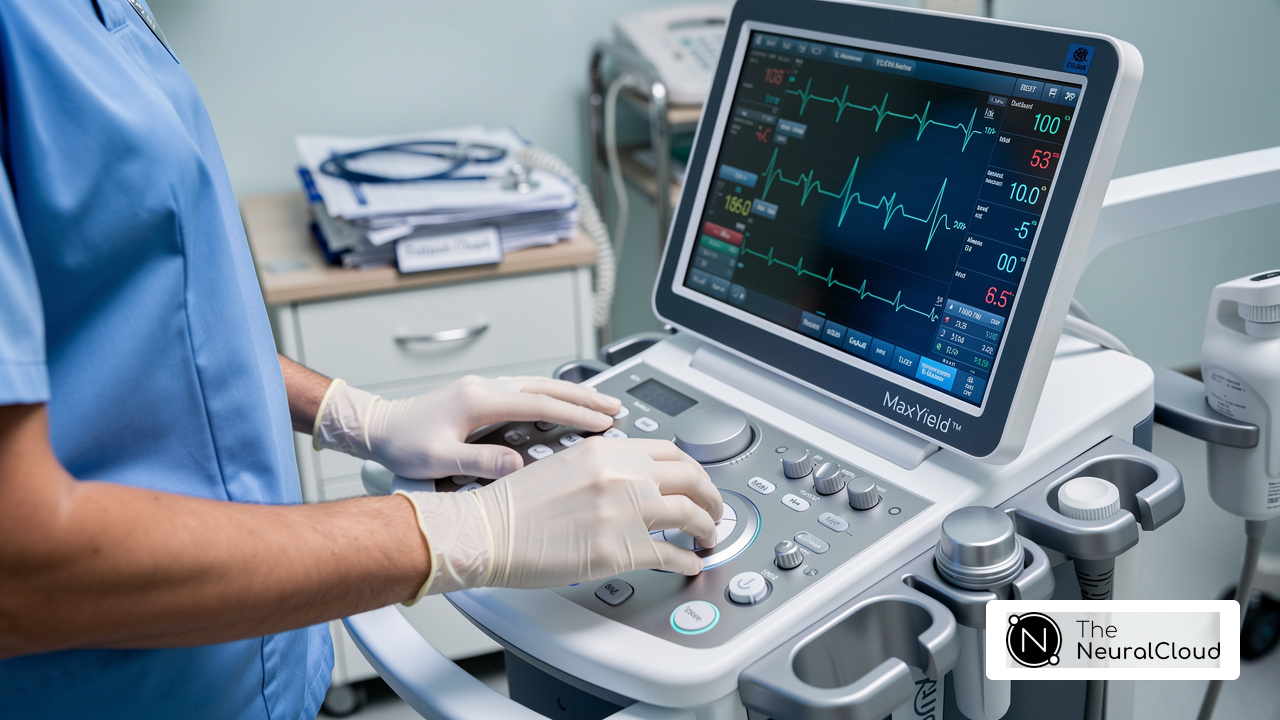
By applying these methods and understanding the clinical importance of left ventricular internal diameter measurements, developers can enhance the precision of their ECG analysis tools. The MaxYield™ platform from Neural Cloud Solutions plays a crucial role in this process. It rapidly isolates and analyzes ECG signals, transforming noisy recordings into detailed insights. With advanced noise filtering, beat-by-beat analysis, and adaptive algorithms, MaxYield™ provides developers with reliable data essential for effective cardiac assessment.

Interpret LVIDD: Clinical Implications and Applications
Interpreting left ventricular internal diastolic dimensions is essential for assessing cardiac health. An increased left ventricular internal diameter can indicate left ventricular dilation, often associated with cardiac failure or cardiomyopathy. Understanding these dimensions has several key clinical implications:
- Risk Stratification: Elevated left ventricular internal diameter values can help identify patients at risk for adverse cardiac events, enabling timely interventions.
- Monitoring Treatment Efficacy: Observing changes in left ventricular internal diameter over time can reveal the effectiveness of treatments for heart conditions, including medications or surgical interventions.
- Guiding Clinical Decisions: Knowledge of left ventricular internal diastolic dimensions assists clinicians in making informed choices regarding additional diagnostic testing or referrals to specialists.
- Integration with AI Tools: For health tech developers, incorporating left ventricular internal diastolic dimension interpretation into AI algorithms can enhance the predictive capabilities of diagnostic tools, leading to improved patient management.
By focusing on the clinical significance of left ventricular internal diastolic dimensions, developers can create tools that not only measure but also effectively interpret cardiac health data.

Avoid Pitfalls: Measurement Considerations for LVIDD
When considering LVIDD meaning, several pitfalls can compromise measurement accuracy. Developers should be vigilant about the following common issues:
- Incorrect Caliper Placement: Calipers must be positioned at the inner edges of the ventricular walls. Misplacement can lead to significant over- or underestimation of the diameter, affecting diagnostic outcomes. As Judith Buckland emphasizes, "Ensure that the endocardial border is clearly delineated (Don’t measure what you can’t see!)."
- Timing of Measurement: Measurements should be conducted at end-diastole. Capturing data during systole can inflate values, leading to misleading assessments of ventricular size. For instance, a patient with a small left ventricle may have a high ejection fraction (EF) but a significantly reduced global longitudinal strain of -9.2%, illustrating how erroneous assessments can misrepresent cardiac function.
- Patient Movement: It is essential to instruct patients to remain still during the assessment process. Motion artifacts can distort images, resulting in inaccurate readings.
- Equipment Calibration: Regular calibration of echocardiographic equipment is vital for preserving accuracy in readings. Inconsistent calibration can introduce errors in data collection, which is critical given the updated normal values for cardiac chamber quantification.
- Operator Variability: Training operators to follow standardized protocols reduces variability in readings. Consistency in technique is vital for reliable results.
Addressing these pitfalls is essential for health tech developers aiming to enhance the reliability of their tools. By ensuring accurate measurements that reflect LVIDD meaning, developers can significantly contribute to improved patient care and outcomes.

Conclusion
Understanding the significance of Left Ventricular Internal Dimension in Diastole (LVIDD) is crucial for health technology developers and clinicians. This measurement offers valuable insights into cardiac function and is essential for diagnosing various cardiovascular conditions. By accurately assessing LVIDD, developers can improve diagnostic tools that facilitate early detection and management of heart issues, ultimately enhancing patient outcomes.
The article emphasizes the importance of precise measurement techniques and best practices in obtaining LVIDD. Key insights include:
- The necessity of proper patient positioning
- The use of high-quality imaging
- The implementation of standardized protocols to avoid common pitfalls that can compromise measurement accuracy
Furthermore, integrating AI tools into the interpretation of LVIDD can significantly boost predictive capabilities and inform clinical decision-making.
The implications of understanding and effectively measuring LVIDD extend beyond individual patient assessments; they contribute to broader healthcare advancements. As cardiovascular diseases continue to affect a significant portion of the population, prioritizing accurate LVIDD measurement can lead to improved diagnostic strategies and treatment outcomes. Health tech developers are encouraged to leverage this knowledge, ensuring that their innovations not only meet clinical needs but also enhance the quality of cardiac care.
Frequently Asked Questions
What does LVIDD stand for and why is it important?
LVIDD stands for Left Ventricular Internal Dimension in Diastole. It is a crucial measurement in echocardiography that assesses the size of the left ventricle when it is relaxed, playing a vital role in evaluating cardiac function and diagnosing various cardiovascular conditions.
What is the normal range for left ventricular internal diastolic dimension?
The normal range for left ventricular internal diastolic dimension typically ranges from 3.5 to 5.6 cm, influenced by the patient’s age and body size.
What can elevated LVIDD values indicate?
Elevated values of the internal diameter at end diastole may indicate conditions such as ventricular hypertrophy or cardiac failure.
How prevalent is diastolic dysfunction among the population?
Recent studies reveal that 27 to 43% of middle-aged individuals are at risk of diastolic dysfunction, with 88% of those aged 85 and older affected by this condition.
What is the connection between COVID-19 and left ventricular diastolic dysfunction?
Research indicates that around 16% of individuals hospitalized with COVID-19 also show signs of left ventricular diastolic dysfunction (LVDD).
Why is understanding LVIDD important for health technology developers?
Understanding LVIDD is essential for health technology developers to create algorithms that can accurately interpret echocardiographic data, aiding in the development of effective diagnostic tools and enhancing patient outcomes through early detection and management of heart conditions.
How do echocardiograms assist in assessing LVDD?
Echocardiograms, particularly transthoracic echocardiograms (TTE), are instrumental in staging LVDD, which can range from normal to severe based on abnormal measurements.
What is the significance of monitoring left ventricular internal diastolic dimension?
Monitoring left ventricular internal diastolic dimension is critical to prevent the progression to heart failure, as it impacts the organ's ability to fill with blood before pumping it into circulation.
List of Sources
- Define LVIDD: Importance in Cardiac Health
- goodreads.com (https://goodreads.com/work/quotes/4092341)
- What Causes Left Ventricular Diastolic Dysfunction? (https://healthline.com/health/heart-failure/left-ventricular-diastolic-dysfunction)
- Measure LVIDD: Techniques and Best Practices
- Left ventricle (Echocardiography) (https://techmed.sk/en/echo/left-ventricle)
- cardioserv.net (https://cardioserv.net/6-pitfalls-accurate-lv-measurements)
- Interpret LVIDD: Clinical Implications and Applications
- Heart Failure Society of America (HFSA) Scientific Statement: Update on Device Based Therapies in Heart Failure (https://hfsa.org/hf-stats-2025-heart-failure-epidemiology-and-outcomes-statistics)
- New Study Offers Strong Evidence of Elevated Heart Failure Risk in Adults with Prediabetes, Hypertension and Subclinical Heart Injury or Stress (https://hopkinsmedicine.org/news/newsroom/news-releases/2026/03/new-study-offers-strong-evidence-of-elevated-heart-failure-risk-in-adults-with-prediabetes-hypertension-and-subclinical-heart-injury-or-stress)
- sciencedirect.com (https://sciencedirect.com/science/article/pii/S0735109722003229)
- Memorable Cardiology Quotes | TheKnowHow Blog (https://theknowhow.ae/memorable-cardiology-quotes-heart)
- Avoid Pitfalls: Measurement Considerations for LVIDD
- legacy.123sonography.com (https://legacy.123sonography.com/blog/common-mistakes-left-ventricular-function)
- cardioserv.net (https://cardioserv.net/6-pitfalls-accurate-lv-measurements)