Introduction
Despite the critical role of left ventricular (LV) systolic function in heart health, accurately assessing it remains a challenge for healthcare professionals. This function directly influences how effectively the heart pumps oxygenated blood throughout the body. Reduced LV systolic function can lead to severe health complications, including heart failure and increased mortality rates, making early diagnosis and intervention critical. Various underlying causes, from coronary artery disease to lifestyle factors, complicate this assessment. Therefore, healthcare professionals must navigate these complexities to improve patient outcomes.
Define Left Ventricular Systolic Function and Its Importance
Understanding left ventricular contraction capability is vital for assessing heart health. This refers to the left ventricle's (LV) ability to contract and pump blood efficiently during the cardiac contraction phase. It is typically assessed using the left ventricular ejection fraction (LVEF), which measures the percentage of blood ejected from the LV with each heartbeat. A normal LVEF ranges from 55% to 70%.
Understanding LV pumping ability is crucial because it affects how well the heart delivers oxygenated blood. Reduced LV systolic function can impair LV pumping ability, leading to serious health complications such as cardiac dysfunction, decreased exercise capacity, and increased morbidity and mortality. For instance, studies show that patients with LV underfilling are more than five times as likely to face severe events, including hospitalization or death. Additionally, 42.9% of individuals with LV underfilling experienced symptoms at rest, compared to 26.8% of those without LV underfilling.
Therefore, accurately evaluating reduced LV systolic function is essential for identifying various cardiovascular conditions, such as cardiac insufficiency and ischemic vascular disease. Recent studies emphasize the significance of LVEF in assessing cardiac performance, revealing that half of patients with cardiac dysfunction have preserved ejection fraction. This underscores the necessity for effective treatments designed for this population. As Dr. Lina Shehadeh stated, 'Heart dysfunction is the number one killer in the world,' highlighting the critical role of LVEF in improving patient outcomes.

Identify Causes of Reduced LV Systolic Function
Reduced left ventricular (LV) systolic function presents a complex challenge for healthcare professionals, stemming from various interrelated conditions that hinder effective heart pumping:
- Coronary Artery Disease (CAD): This is the leading cause of reduced LV function, characterized by narrowed arteries that restrict blood flow to the heart muscle. This ischemia can lead to significant myocardial damage, ultimately impairing contractility. In fact, coronary artery disease significantly impacts cardiac dysfunction, affecting approximately 144,000 individuals in Australia in 2022.
- Hypertension: Chronic high blood pressure places excessive strain on the heart, resulting in hypertrophy of the cardiac muscle. Over time, this increased workload may lead to systolic dysfunction, with research indicating that ongoing hypertension is a significant risk factor for developing cardiac insufficiency. Dr. Anuj Kumar emphasizes that managing high blood pressure greatly reduces the risk of cardiovascular complications.
- Myocardial Infarction: Previous cardiac events can cause irreversible damage to the muscle tissue, hindering its ability to contract effectively. The impact of myocardial infarction on left ventricular performance is substantial, frequently resulting in cardiac failure with diminished ejection fraction (HFrEF).
- Cardiomyopathy: This term encompasses a range of diseases affecting the muscle of the heart, which can lead to reduced contractility. Conditions such as dilated cardiomyopathy can significantly impair cardiac function and are often linked to genetic factors or prior myocardial injury.
- Valvular Heart Disease: Disorders affecting the cardiac valves can disrupt normal blood flow and increase the workload on the heart. For instance, severe aortic stenosis can lead to significant LV hypertrophy and eventual systolic dysfunction.
- Arrhythmias: Irregular rhythms can compromise the heart's pumping efficiency, leading to inadequate blood flow and potential cardiac collapse. Persistent arrhythmias often require careful management to prevent further deterioration of LV performance.
- Lifestyle Factors: Excessive alcohol consumption, smoking, and obesity are significant contributors to LV dysfunction. These lifestyle choices can exacerbate underlying conditions such as hypertension and CAD, further elevating the risk of cardiac failure. Dr. Anuj Kumar notes that managing cardiovascular risk factors is essential for enhancing cardiac performance and quality of life.
Understanding the multifaceted causes of reduced LV systolic function is crucial for effective treatment strategies that can lead to better patient outcomes and management of this condition.

Explore Diagnostic Techniques for Assessing LV Systolic Function
Assessing reduced LV systolic function presents several challenges that necessitate a multifaceted approach to diagnosis. Several diagnostic techniques are employed, each contributing uniquely to patient evaluation:
- Echocardiography: This is the go-to tool for checking LV function, using ultrasound waves to create detailed heart images. It allows for precise measurement of left ventricular ejection fraction (LVEF) and visualization of heart structures, making it essential for diagnosing conditions like heart failure. Recent advancements, like AI integration in ultrasound systems, have significantly improved imaging quality and workflow, enhancing diagnostic capabilities.
- Cardiac Magnetic Resonance Imaging (CMR): Often considered the gold standard for evaluating cardiac performance, CMR delivers high-resolution images that can measure myocardial mass and efficiency. Its detailed insights are invaluable for comprehensive cardiac assessments.
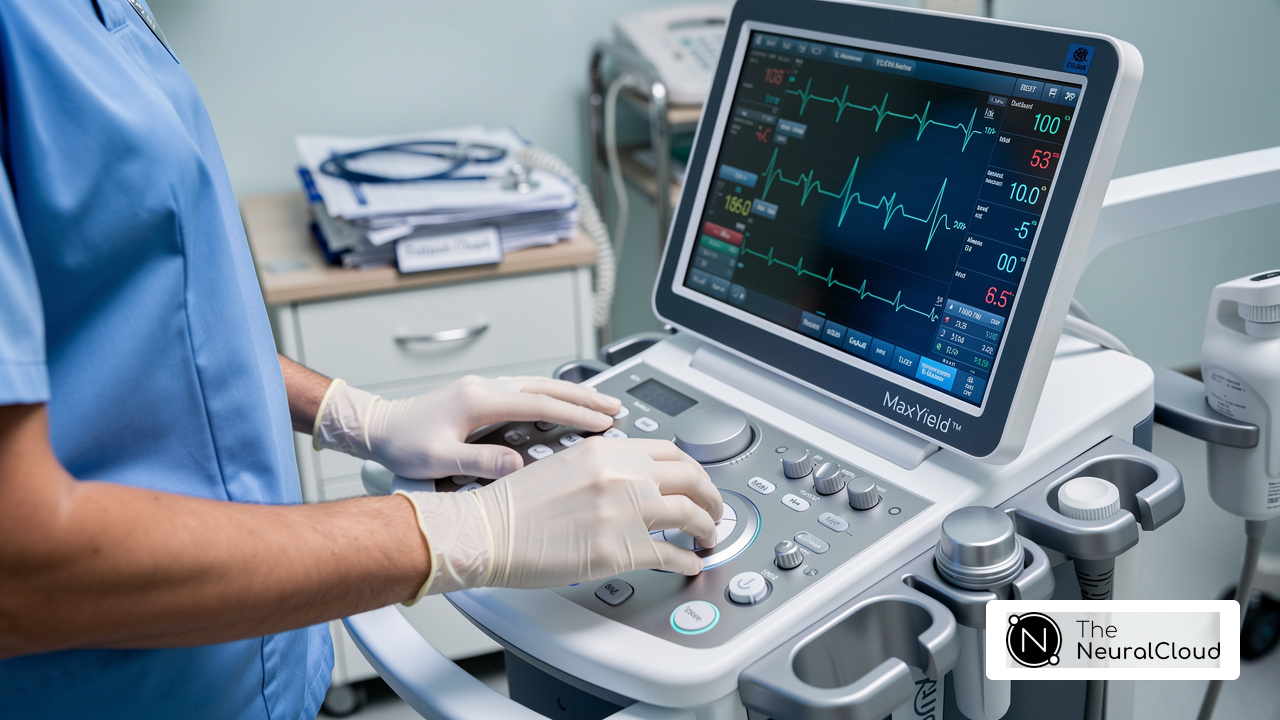
- Electrocardiogram (ECG): While not a direct assessment of LV performance, the ECG is essential for detecting arrhythmias and other electrical irregularities that can affect cardiac efficiency. Neural Cloud Solutions' MaxYield™ platform enhances ECG analysis by employing advanced noise filtering and wave recognition, allowing for the rapid isolation of critical ECG waves even in recordings with significant noise and artifacts. This capability tackles common challenges in ECG analysis and enhances the overall diagnostic yield and workflow efficiency in evaluating LV performance.
- Nuclear Imaging: Techniques like Single Photon Emission Computed Tomography (SPECT) are utilized to assess myocardial perfusion and performance, providing extra layers of information about cardiac health.
- Stress Testing: This method evaluates how the organ performs under physical stress, offering insights into functional capacity and potential ischemia, which are essential for understanding LV performance in dynamic conditions.
- Biomarkers: Blood tests measuring levels of natriuretic peptides serve as indicators of heart failure and correlate with LV performance, enhancing the diagnostic process.
All these techniques are crucial for diagnosing and managing patients who might have reduced LV systolic function, ensuring we take a thorough approach to cardiac care. A study revealed on July 5, 2023, emphasized that 3D echocardiography results in more precise pacemaker placements, illustrating the progress in echocardiography that improves LV performance evaluation. Furthermore, the evolving reimbursement landscape supports the adoption of these advanced technologies, facilitating improved patient outcomes. The integration of these advanced diagnostic techniques not only enhances patient care but also paves the way for more precise and effective treatment strategies.

Review Treatment and Management Strategies for Reduced LV Systolic Function
Managing patients with reduced lv systolic function presents significant challenges for both patients and healthcare providers. Typically, treatment involves a combination of lifestyle modifications, pharmacological treatments, and, in some cases, surgical interventions.
-
Lifestyle Modifications: Patients are encouraged to adopt a heart-healthy lifestyle. This includes regular exercise - aiming for at least 150 minutes of moderate-intensity activity weekly - a balanced diet low in sodium, weight management, and smoking cessation. Adopting these changes can significantly improve the effects of reduced lv systolic function. For instance, a study involving 132 patients showed that following lifestyle practices aligned with the American Heart Association's Life's Essential 8 guidelines led to a remarkable increase in ejection fraction from an average of 30.4% to 51.9%. However, it's important to note that only 36% of the adult population adopted a heart-healthy dietary pattern according to the Life’s Essential 8 Metrics from 2013-2018, highlighting the challenges in lifestyle modifications.
-
Medications: Common pharmacological treatments include:
- ACE Inhibitors: Help relax blood vessels and reduce the heart's workload.
- Beta-Blockers: Slow the pulse rate and enhance cardiac function.
- Diuretics: Decrease fluid overload and relieve symptoms of cardiac dysfunction.
- Mineralocorticoid Receptor Antagonists (MRAs): Enhance results in failure patients, particularly those with reduced lv systolic function.
Device Therapy: In some cases, implantable devices such as cardiac resynchronization therapy (CRT) or implantable cardioverter-defibrillators (ICDs) may be indicated.
Surgical Options: Procedures such as coronary artery bypass grafting (CABG) or valve repair/replacement may be necessary for patients with significant structural cardiovascular disease.
Monitoring and Follow-Up: Regular follow-up appointments and oversight of cardiac performance are essential to adjust treatment plans as needed. This multifaceted approach not only enhances patient outcomes but also addresses the complexities of heart failure management. Furthermore, the integration of Personalized Volume Management Systems (PVM) has shown promise in improving clinical outcomes in heart failure patients, including reducing hospital admissions and mortality rates.

Conclusion
Recognizing the challenges of reduced left ventricular (LV) systolic function is crucial for effective heart health management. This condition means the heart struggles to pump blood effectively. If not diagnosed and managed properly, it can lead to severe health complications. By grasping the importance of LV systolic function and its implications, healthcare professionals can better address the challenges presented by this condition.
The article highlights the multifaceted nature of reduced LV systolic function, detailing its various causes such as:
- coronary artery disease
- hypertension
- lifestyle factors
It emphasizes the significance of accurate diagnostic techniques, including:
- echocardiography
- cardiac MRI
in assessing LV performance. Furthermore, effective treatment strategies encompassing:
- lifestyle modifications
- pharmacological interventions
- surgical options
are crucial for improving patient outcomes and managing this complex condition.
To tackle reduced LV systolic function, we need a well-rounded approach that includes awareness, early diagnosis, and personalized treatment plans. By prioritizing heart health and understanding the factors that contribute to LV dysfunction, individuals can take proactive steps towards prevention and management. This ultimately enhances their quality of life and reduces the risk of serious cardiovascular events.
Frequently Asked Questions
What is left ventricular systolic function?
Left ventricular systolic function refers to the left ventricle's ability to contract and pump blood efficiently during the cardiac contraction phase.
How is left ventricular systolic function assessed?
It is typically assessed using the left ventricular ejection fraction (LVEF), which measures the percentage of blood ejected from the left ventricle with each heartbeat.
What is considered a normal left ventricular ejection fraction (LVEF)?
A normal LVEF ranges from 55% to 70%.
Why is understanding left ventricular systolic function important?
Understanding LV pumping ability is crucial because it affects how well the heart delivers oxygenated blood. Reduced LV systolic function can lead to serious health complications, including cardiac dysfunction and increased morbidity and mortality.
What are the risks associated with reduced left ventricular systolic function?
Patients with reduced LV systolic function are more than five times as likely to face severe events, such as hospitalization or death. Additionally, a higher percentage of individuals with LV underfilling experience symptoms at rest compared to those without it.
What cardiovascular conditions can be identified by evaluating reduced left ventricular systolic function?
Accurate evaluation can help identify various cardiovascular conditions, including cardiac insufficiency and ischemic vascular disease.
What does recent research say about LVEF and cardiac dysfunction?
Recent studies emphasize the significance of LVEF in assessing cardiac performance, revealing that half of patients with cardiac dysfunction have preserved ejection fraction, indicating the need for effective treatments for this population.
What is the broader implication of heart dysfunction according to Dr. Lina Shehadeh?
Dr. Lina Shehadeh stated that "Heart dysfunction is the number one killer in the world," highlighting the critical role of LVEF in improving patient outcomes.
List of Sources
- Define Left Ventricular Systolic Function and Its Importance
- news.med.miami.edu (https://news.med.miami.edu/heart-failure-model-could-boost-drug-research)
- Top heart and brain research for 2025 found new ways to treat old problems (https://newsroom.heart.org/news/top-heart-and-brain-research-for-2025-found-new-ways-to-treat-old-problems)
- New Joint Scientific Statement on Ejection Fraction Released by Leading Heart Failure Organizations | HFSA (https://hfsa.org/new-joint-scientific-statement-ejection-fraction-released-leading-heart-failure-organizations)
- pulmonaryhypertensionnews.com (https://pulmonaryhypertensionnews.com/news/marker-left-heart-function-better-predicts-outcomes-pah-study)
- nucats.northwestern.edu (https://nucats.northwestern.edu/about/news/2021/patel-heart-failure.html)
- Identify Causes of Reduced LV Systolic Function
- medanta.org (https://medanta.org/patient-education-blog/left-ventricular-dysfunction-left-heart-failure-symptoms-causes-and-treatment)
- medicinetoday.com.au (https://medicinetoday.com.au/mt/2026/april/feature-article/heart-failure-reduced-ejection-fraction-2026-update-management)
- Systolic Heart Failure: Symptoms, Causes and Treatment (https://my.clevelandclinic.org/health/diseases/23276-systolic-heart-failure)
- nejm.org (https://nejm.org/doi/full/10.1056/NEJMoa2206606)
- Explore Diagnostic Techniques for Assessing LV Systolic Function
- Recent Advances in Echocardiography Technology (https://dicardiology.com/article/recent-advances-echocardiography-technology)
- ultromics.com (https://ultromics.com/articles/top-advances-in-echocardiography-transforming-cardiac-imaging-on-world-heart-day)
- pmc.ncbi.nlm.nih.gov (https://pmc.ncbi.nlm.nih.gov/articles/PMC7897561)
- How New Tools Are Transforming the Evaluation of Left Ventricular Systolic Function | Xyla Services (https://xylaservices.com/professionals/news/how-new-tools-are-transforming-the-evaluation-of-left-ventricular-systolic-function)
- Review Treatment and Management Strategies for Reduced LV Systolic Function
- clinmedjournals.org (https://clinmedjournals.org/articles/ijcc/international-journal-of-clinical-cardiology-ijcc-11-295.php?jid=ijcc)
- New treatment pathways for patients with advanced heart failure - Mayo Clinic (https://mayoclinic.org/medical-professionals/cardiovascular-diseases/news/new-treatment-pathways-for-patients-with-advanced-heart-failure/mac-20585947)
- 7 of the Latest Advances in Heart Failure Treatment (https://flowtherapy.com/resource/latest-advances-in-heart-failure-treatment)
- Top heart and brain research for 2025 found new ways to treat old problems (https://newsroom.heart.org/news/top-heart-and-brain-research-for-2025-found-new-ways-to-treat-old-problems)
- Pharmacological Therapy of HFrEF in 2025: Navigating New Advances and Old Unmet Needs in An Eternal Balance Between Progress and Perplexities (https://cfrjournal.com/articles/pharmacological-therapy-hfref-2025-navigating-new-advances-and-old-unmet-needs-eternal?language_content_entity=en)