Introduction
ECG analysis of septal infarcts presents unique challenges that can significantly impact patient care. Misinterpretation of ECG findings can lead to incorrect diagnoses and treatment plans, jeopardizing patient outcomes. By delving into the intricacies of ECG findings related to septal infarcts, practitioners can gain valuable insights into diagnosing and managing this critical issue. This underscores the need for advanced tools that enhance ECG analysis accuracy and support healthcare professionals in making informed decisions.
Define Septal Infarct: Understanding the Condition
Wall tissue death, often resulting from reduced blood flow, poses significant challenges in ECG analysis and patient care. This condition usually arises from reduced blood flow, commonly due to a heart attack. The septum, which separates the heart's left and right ventricles, is crucial for effective cardiac function. Damage in this area can lead to serious complications, including impaired cardiac output and arrhythmias. Understanding the pathophysiology of wall heart tissue damage is crucial, as symptoms can often be misleading and vary from other myocardial injuries.
Statistics indicate that individuals with heart tissue damage may experience a range of symptoms, from mild to undetectable, complicating timely diagnosis. Moreover, the severity of a wall tissue injury depends on the extent of muscle damage, which can significantly impact heart health. Prompt treatment after a heart attack is vital to minimize damage and enhance recovery. This highlights the need for healthcare professionals to be vigilant in monitoring and managing this condition.
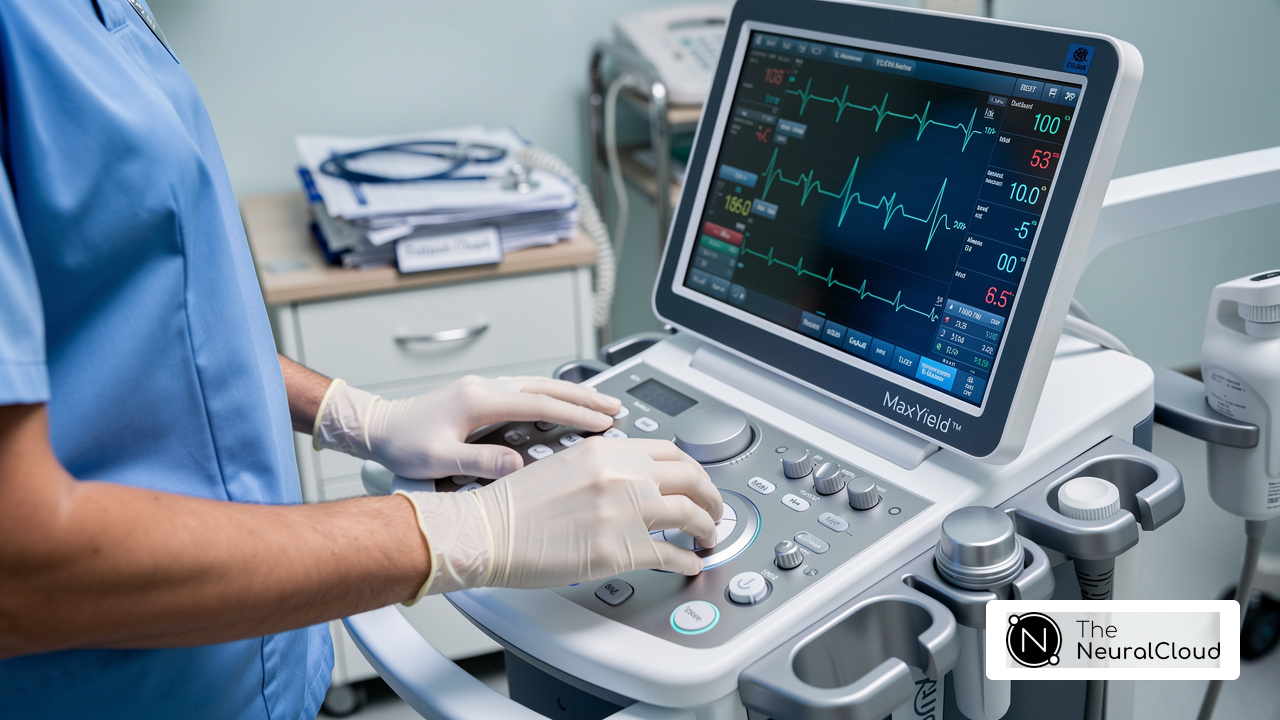
With the integration of Neural Cloud Solutions' MaxYield™ platform, health tech developers can enhance ECG analysis efficiency through automated labeling and advanced noise filtering. MaxYield™ provides fast and reliable ECG data evaluation, even amidst considerable noise, enabling accurate detection of PQRST waveforms, which is essential for diagnosing issues such as wall damage. Furthermore, follow-up care is crucial for tracking recovery and avoiding complications, which is essential for health tech developers focused on improving outcomes for individuals.

Identify ECG Findings: Key Indicators of Septal Infarct
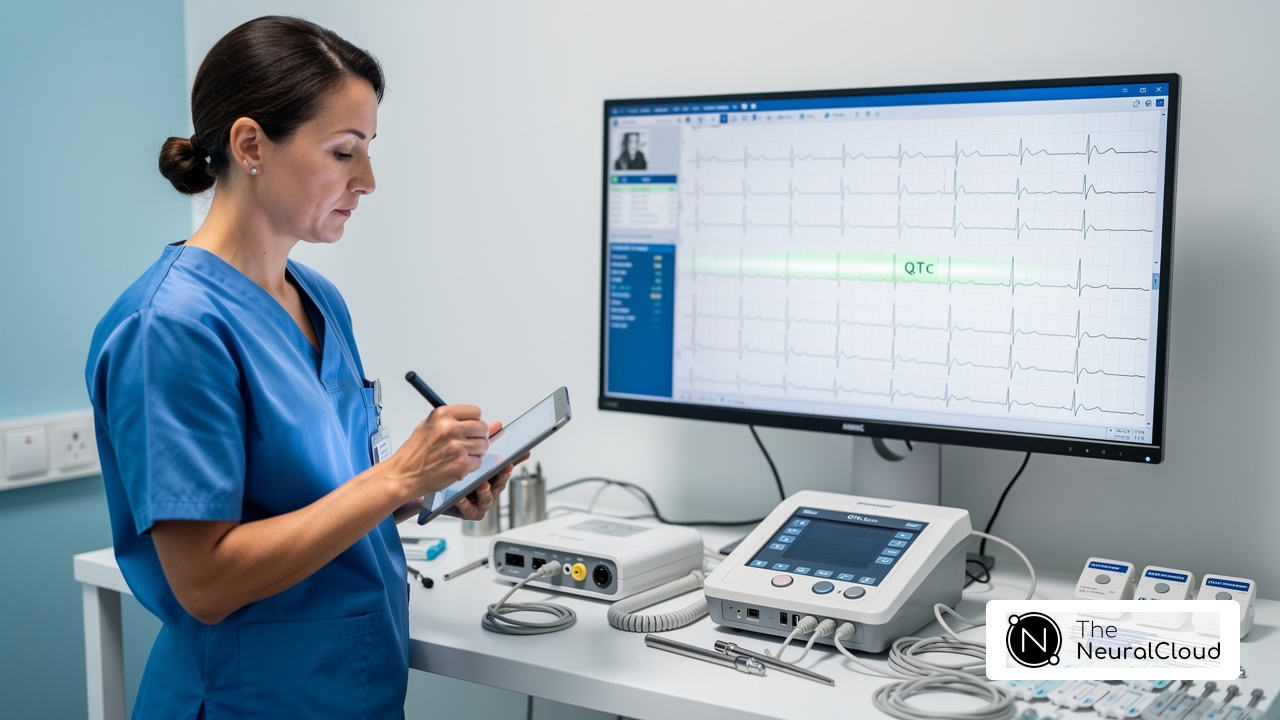
Accurate ECG analysis is crucial, yet many healthcare professionals face challenges in identifying key findings that are part of the septal infarct ECG findings. Key ECG findings include:
-
Q Waves: Pathological Q waves in leads V1 and V2 are classic signs of septal damage, indicating myocardial necrosis. These waves often appear in patients with wall damage, highlighting the importance of thorough ECG analysis. With MaxYield™, healthcare professionals can easily identify these critical features, ensuring accuracy in diagnosis through advanced noise reduction and precise labeling.
-
ST Segment Changes: ST segment elevation in leads V1 and V2 can indicate acute wall damage. In some cases, ST segment depression may be noted in reciprocal leads, aiding in diagnosis. Identifying these changes is crucial, as heart attacks are frequently misdiagnosed in emergency departments. Thanks to MaxYield™, healthcare professionals can quickly analyze and visualize these changes, allowing for timely clinical decisions and reducing the risk of oversight.
-
T Wave Inversion: Following the acute phase of a septal infarct, the septal infarct ECG findings may include T wave inversion in the affected leads, indicating ongoing ischemia or a previous infarction. This change serves as a marker for healthcare providers to monitor recovery and treatment response. With MaxYield™, analyzing T wave changes is streamlined, providing clearer insights into individual status and facilitating better management strategies.
-
Bundle Branch Block: The presence of a left bundle branch block complicates interpretation. Key points include:
- Necessitates careful analysis of QRS complexes.
- Misinterpretation can lead to diagnostic errors.
- MaxYield™ provides detailed beat-by-beat analysis to enhance confidence.
Recognizing these ECG changes is essential for healthcare professionals to make informed decisions regarding patient management. The diagnostic error rates for myocardial infarction, including wall involvement, hover around 1.5 percent, underscoring the critical nature of accurate ECG interpretation in clinical settings. Integrating MaxYield™ not only enhances diagnostic accuracy but also empowers healthcare providers to deliver better patient care through informed decision-making.

Diagnose Septal Infarct: Interpreting ECG Results
Diagnosing a septal infarct requires careful analysis of the septal infarct ECG findings, which can be complex and demanding meticulous attention to detail. To effectively diagnose a septal infarct using ECG results, follow these steps:
- Obtain a 12-Lead ECG: A standard 12-lead ECG is crucial for capturing comprehensive cardiac electrical activity, providing a complete view of the heart's function.
- Analyze Lead V1 and V2: Pay particular attention to leads V1 and V2 for the presence of Q waves and ST segment changes. Key indicators include:
- Pathological Q waves (≥ 0.04 seconds), which suggest necrosis.
- ST segment elevation (≥ 1 mm), indicating acute infarction, is associated with septal infarct ECG findings.
- Check for Reciprocal Changes: Examine leads III and aVF for reciprocal ST segment depression, which can further support the diagnosis of an anterior wall myocardial injury.
- Consider Clinical Context: Correlate ECG findings with the patient's clinical presentation, including symptoms such as chest pain, shortness of breath, or fatigue, to enhance diagnostic accuracy.
- Evaluate for Complications: Assess for signs of left bundle branch block or other conduction abnormalities that may complicate interpretation.
Systematic ECG assessment helps clinicians identify wall damage and the associated septal infarct ECG findings to kickstart appropriate management strategies. Recent advancements in 12-lead ECG analysis, particularly with tools like MaxYield™, have underscored the importance of leads V1 and V2. MaxYield™ streamlines ECG signal mapping, filtering out noise to isolate key features and providing beat-by-beat analysis of 200,000 heartbeats in under 5 minutes. This capability allows healthcare professionals to rapidly highlight potentially meaningful ECG data, enhancing their ability to deliver timely and effective cardiac care. For example, Dr. Alan Rabinowitz observes, 'The examination of leads V1 and V2 is crucial for precise diagnosis of wall damage, as they offer essential information about the heart's electrical function in this area.' This approach aligns with current guidelines, ensuring that healthcare professionals are equipped to leverage advanced AI-driven ECG analysis for improved clinical decision-making. With tools like MaxYield™, healthcare professionals can enhance their diagnostic capabilities, ultimately leading to better patient outcomes.

Manage Septal Infarct: Treatment and Clinical Implications
Effective management of a septal infarct ECG findings begins with a comprehensive medication strategy that addresses immediate risks and long-term health. The initial treatment typically involves antiplatelet agents like aspirin and anticoagulants. This combination helps reduce the risk of further clot formation. Beta-blockers and ACE inhibitors are also commonly prescribed to alleviate heart failure symptoms and decrease myocardial workload. Current guidelines emphasize the importance of dual antiplatelet therapy (DAPT) in managing acute coronary syndrome, recommending it for a minimum of 12 months after discharge for individuals with low bleeding risk.
When patients face significant coronary artery blockage, procedures such as percutaneous coronary intervention (PCI) or coronary artery bypass grafting (CABG) become necessary to restore blood flow effectively. The guidelines suggest using the radial approach for PCI to minimize complications, including bleeding and vascular issues, thereby improving safety during procedures.
Ongoing monitoring of cardiac function and regular follow-ups play a vital role in recovery, helping to manage potential complications like arrhythmias or heart failure. This proactive strategy is essential for enhancing long-term results in individuals with wall damage.
Encouraging heart-healthy lifestyle changes is essential, including:
- Adopting a balanced diet
- Engaging in regular physical activity
- Ceasing smoking
These changes can significantly enhance overall cardiovascular health. Furthermore, referring patients to outpatient cardiac rehabilitation before hospital discharge is highly suggested, as it is linked to improved outcomes.
By understanding and implementing these multifaceted strategies, healthcare providers can significantly enhance recovery and quality of life for patients based on septal infarct ECG findings.

Conclusion
Accurate diagnosis and effective management of septal infarcts hinge on understanding their ECG findings. To manage patients effectively, it's essential to understand septal infarcts and their ECG findings. The article delves into the essential ECG findings indicative of a septal infarct, such as:
- Pathological Q waves
- ST segment changes
- T wave inversions
- Bundle branch blocks
These indicators are crucial for diagnosis and require careful interpretation. This is especially true when considering patient symptoms and clinical history. The integration of advanced technologies like Neural Cloud Solutions' MaxYield™ platform enhances the ability to accurately detect these critical ECG features, thereby improving diagnostic precision and reducing the likelihood of errors.
Effective management of septal infarcts involves a multifaceted approach, including:
- Immediate medical interventions
- Ongoing monitoring
- Lifestyle changes
By adopting a comprehensive strategy that includes medications, potential surgical interventions, and promoting heart-healthy habits, healthcare providers can significantly enhance recovery and quality of life for patients. Highlighting the importance of timely diagnosis and treatment can improve long-term outcomes, underscoring the need to understand septal infarct ECG findings in clinical practice.
Frequently Asked Questions
What is a septal infarct?
A septal infarct refers to wall tissue death in the heart, often resulting from reduced blood flow, typically due to a heart attack. It affects the septum, which separates the left and right ventricles of the heart.
What are the complications associated with a septal infarct?
Complications from a septal infarct can include impaired cardiac output and arrhythmias, which can significantly affect heart function.
How do symptoms of a septal infarct vary?
Symptoms of a septal infarct can range from mild to undetectable, making timely diagnosis challenging. They may also differ from symptoms associated with other types of myocardial injuries.
Why is prompt treatment important after a heart attack?
Prompt treatment after a heart attack is crucial to minimize damage to the heart tissue and enhance recovery, thereby improving overall heart health.
How does the MaxYield™ platform enhance ECG analysis?
The MaxYield™ platform enhances ECG analysis by providing automated labeling and advanced noise filtering, allowing for fast and reliable evaluation of ECG data, even in noisy environments.
What is the significance of accurate detection of PQRST waveforms?
Accurate detection of PQRST waveforms is essential for diagnosing issues such as wall damage, which is critical for effective patient care.
Why is follow-up care important for individuals with a septal infarct?
Follow-up care is important for tracking recovery and avoiding complications, ensuring better health outcomes for individuals with a septal infarct.
List of Sources
- Define Septal Infarct: Understanding the Condition
- my.clevelandclinic.org (https://my.clevelandclinic.org/health/diseases/septal-infarct)
- healthline.com (https://healthline.com/health/septal-infarct)
- Septal infarct: Causes, symptoms, and diagnosis (https://medicalnewstoday.com/articles/septal-infarct)
- haymsalomonhome.com (https://haymsalomonhome.com/how-serious-is-septal-infarct)
- Identify ECG Findings: Key Indicators of Septal Infarct
- Septal infarct: Causes, symptoms, and diagnosis (https://medicalnewstoday.com/articles/septal-infarct)
- healthline.com (https://healthline.com/health/septal-infarct)
- paulsoncoletti.com (https://paulsoncoletti.com/how-often-is-a-septal-infarct-misdiagnosed)
- my.clevelandclinic.org (https://my.clevelandclinic.org/health/diseases/septal-infarct)
- pmc.ncbi.nlm.nih.gov (https://pmc.ncbi.nlm.nih.gov/articles/PMC6505347)
- Diagnose Septal Infarct: Interpreting ECG Results
- HeartBeam Earns FDA Clearance for 12-Lead Synthesis Software for Assessing Arrhythmia (https://dicardiology.com/content/heartbeam-earns-fda-clearance-12-lead-synthesis-software-assessing-arrhythmia)
- ir.heartbeam.com (https://ir.heartbeam.com/news-events/press-releases/detail/106/heartbeam-provides-update-on-regulatory-path-following-fda)
- nature.com (https://nature.com/articles/s41746-025-02074-3)
- frontiersin.org (https://frontiersin.org/journals/cardiovascular-medicine/articles/10.3389/fcvm.2024.1327179/full)
- professional.heart.org (https://professional.heart.org/en/guidelines-statements/assessment-of-the-12lead-ecg-as-a-screening-test-for-detection-of1303)
- Manage Septal Infarct: Treatment and Clinical Implications
- AHA, ACC Update Guidelines for Acute Coronary Syndrome Management | AJMC (https://ajmc.com/view/aha-acc-update-guidelines-for-acute-coronary-syndrome-management)
- newsroom.heart.org (https://newsroom.heart.org/news/new-guideline-expands-stroke-treatment-for-adults-offers-first-pediatric-stroke-guidance)
- 2025 ACC/AHA/ACEP/NAEMSP/SCAI Guideline for the Management of Patients With Acute Coronary Syndromes (https://professional.heart.org/en/science-news/2025-guideline-for-the-management-of-patients-with-acute-coronary-syndromes)
- citoday.com (https://citoday.com/news/acc-aha-issue-new-acute-coronary-syndromes-guideline-1)