Introduction
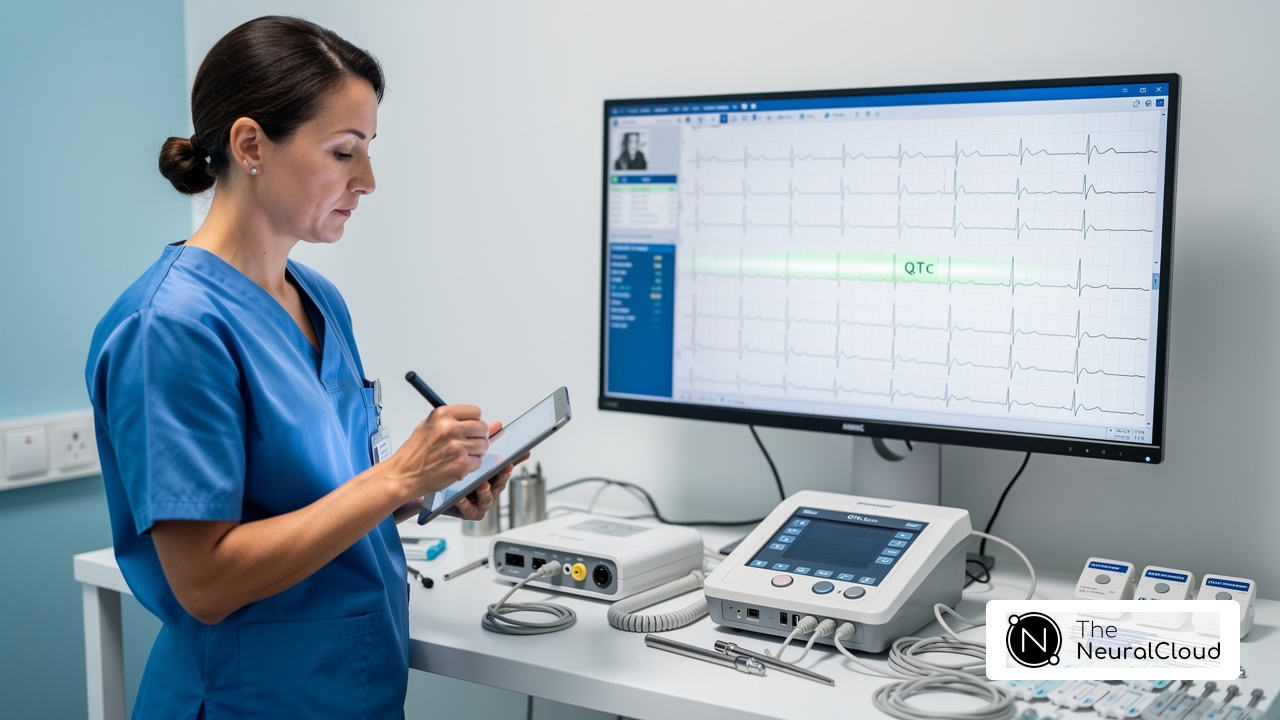
Understanding the QT interval is crucial for evaluating heart health, as it plays a key role in identifying potential arrhythmias. This tutorial explores the normal range of the QT interval in seconds, highlighting its clinical significance and the implications of prolonged measurements. Various factors can influence QT readings, and with the increasing incidence of related health risks, healthcare professionals face challenges in ensuring accurate assessments.
To address these challenges, it’s essential to grasp the features of the QT interval and its impact on ECG analysis. By recognizing the normal QT range, healthcare providers can better interpret ECG results and make informed decisions. This understanding not only aids in detecting arrhythmias but also enhances patient care through timely interventions.
In summary, a thorough comprehension of the QT interval empowers healthcare professionals to navigate the complexities of ECG analysis effectively. By focusing on the QT interval, they can improve diagnostic accuracy and ultimately contribute to better heart health outcomes.
Define the QT Interval and Its Clinical Importance
The QT interval, indicating the time it takes for the heart's ventricles to depolarize and repolarize. Specifically, it is defined as the interval from the onset of the Q wave to the conclusion of the T wave. Clinically, the QT duration is significant as it reflects the heart's electrical activity and can signal potential health issues. The corrected QT duration values typically span from 0.35 to 0.45 seconds for men and 0.36 to 0.46 seconds for women. Values exceeding 450 ms in men and 470 ms in women are considered abnormal, indicating that the threshold is exceeded, which can be linked to severe conditions like Torsades de Pointes and potentially life-threatening arrhythmias.
Recent research highlights that a 50 ms increase in QT duration correlates with a pooled relative chance of 1.20 for overall mortality and 1.29 for cardiovascular mortality. This suggests a 20% increase in total mortality likelihood and a 29% increase in cardiovascular mortality likelihood. Furthermore, the risk of sudden cardiac death rises significantly with prolonged QT intervals, particularly in younger populations, where the relative chance can soar to 8.0. Case studies illustrate the clinical implications of QT measurement, such as a patient with a prolonged QTc duration of 700 msec. This underscores the necessity for healthcare professionals to monitor and interpret these values accurately to mitigate risks associated with arrhythmias.
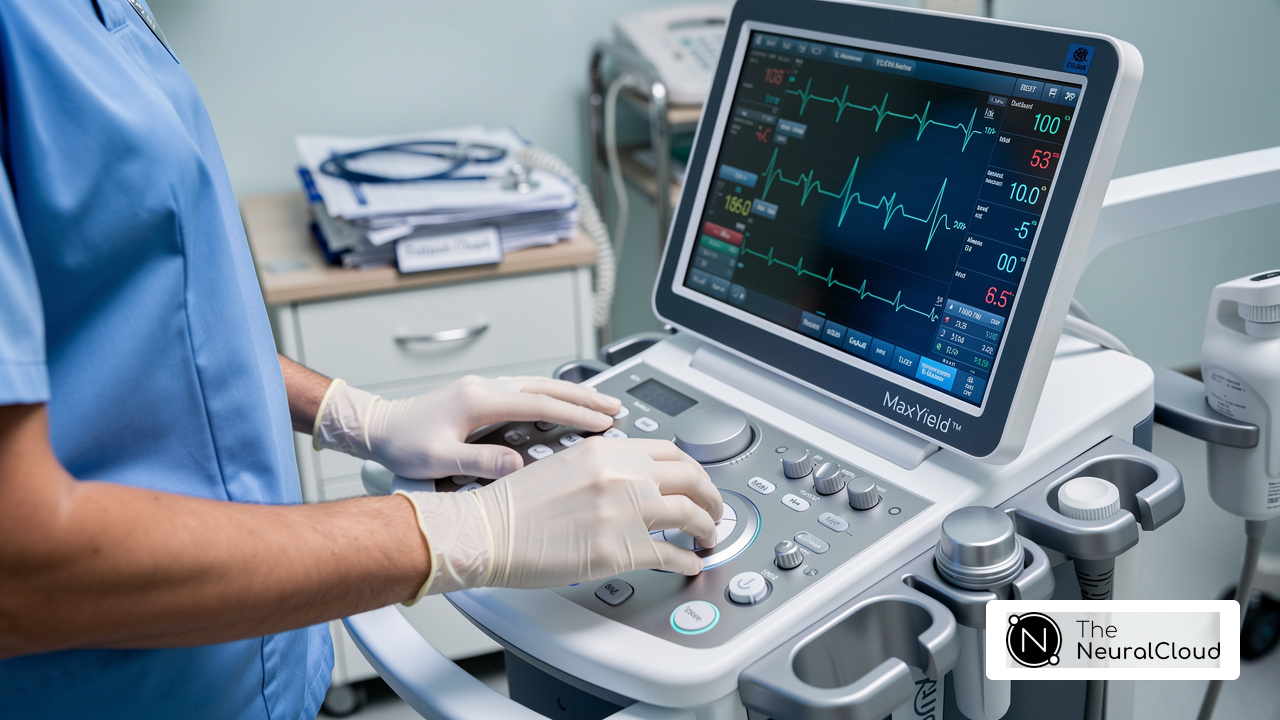
Incorporating advanced solutions like Neural Cloud Solutions' MaxYield™ can optimize QT analysis. MaxYield™ automates the process, effectively filtering noise and enhancing the precision of QT duration measurements. It quickly isolates ECG signals, even in recordings with substantial noise, ensuring that essential data remains visible. Additionally, it provides beat-by-beat analysis, processing 200,000 heartbeats in under 5 minutes, which supports confident clinical decisions.
Features of MaxYield™:
- Automation: Streamlines the analysis process, reducing manual errors.
- Clarity: Enhances signal clarity, ensuring accurate QT duration measurements.
- Speed: Analyzes 200,000 heartbeats in less than 5 minutes.
Advantages for Healthcare Professionals:
- Improved Accuracy: Reduces the risk of misinterpretation of ECG data.
- Time Efficiency: Allows for quicker decision-making in clinical settings.
- Enhanced Patient Safety: Supports timely interventions for patients at risk.

Measure the QT Interval: Techniques and Best Practices
To accurately measure the QT interval, follow these essential steps:
- Choose the Suitable Lead: Use lead II or V5, as these leads usually provide the clearest T signal for measurement.
- Identify the QRS Complex: Locate the onset of the Q deflection, marking the beginning of the QT interval.
- Determine the End of the T Phase: Identify the conclusion of the T phase by observing the return to the baseline, ensuring that U phases are excluded from the measurement.
- Count the Boxes: Use the ECG paper to count the small boxes between the Q wave and the end of the T wave, with each small box representing 0.04 seconds.
- Calculate the QT Interval: Multiply the number of boxes by 0.04 to convert the measurement into seconds. For abnormal readings, apply the Bazett formula: QTc = QT / √(RR duration).
- Document Findings: Record the QT duration along with any relevant observations for further analysis.
By following these steps, clinicians can ensure precise QT measurements that fall within the normal range, which are crucial for patient evaluation.
Challenges in QT Measurement
Clinicians often face challenges such as variability in heart rates that complicate traditional measurement methods. These issues can lead to inconsistent results, making interpretation difficult.
Introducing MaxYield™
Leveraging Neural Cloud Solutions' technology can significantly enhance this process. The platform automates labeling and improves accuracy, addressing the challenges mentioned above.
Features and Benefits
- Automation: Reduces manual errors and saves time.
- Enhanced Signal Processing: Improves clarity and reliability of ECG readings.
- User-Friendly Interface: Accessible for both technical and non-technical users.
By integrating MaxYield™ into their practice, healthcare professionals can achieve more accurate measurements, ultimately leading to better patient outcomes.
Identify Factors Affecting QT Interval Readings
Several factors can significantly influence QT interval readings:
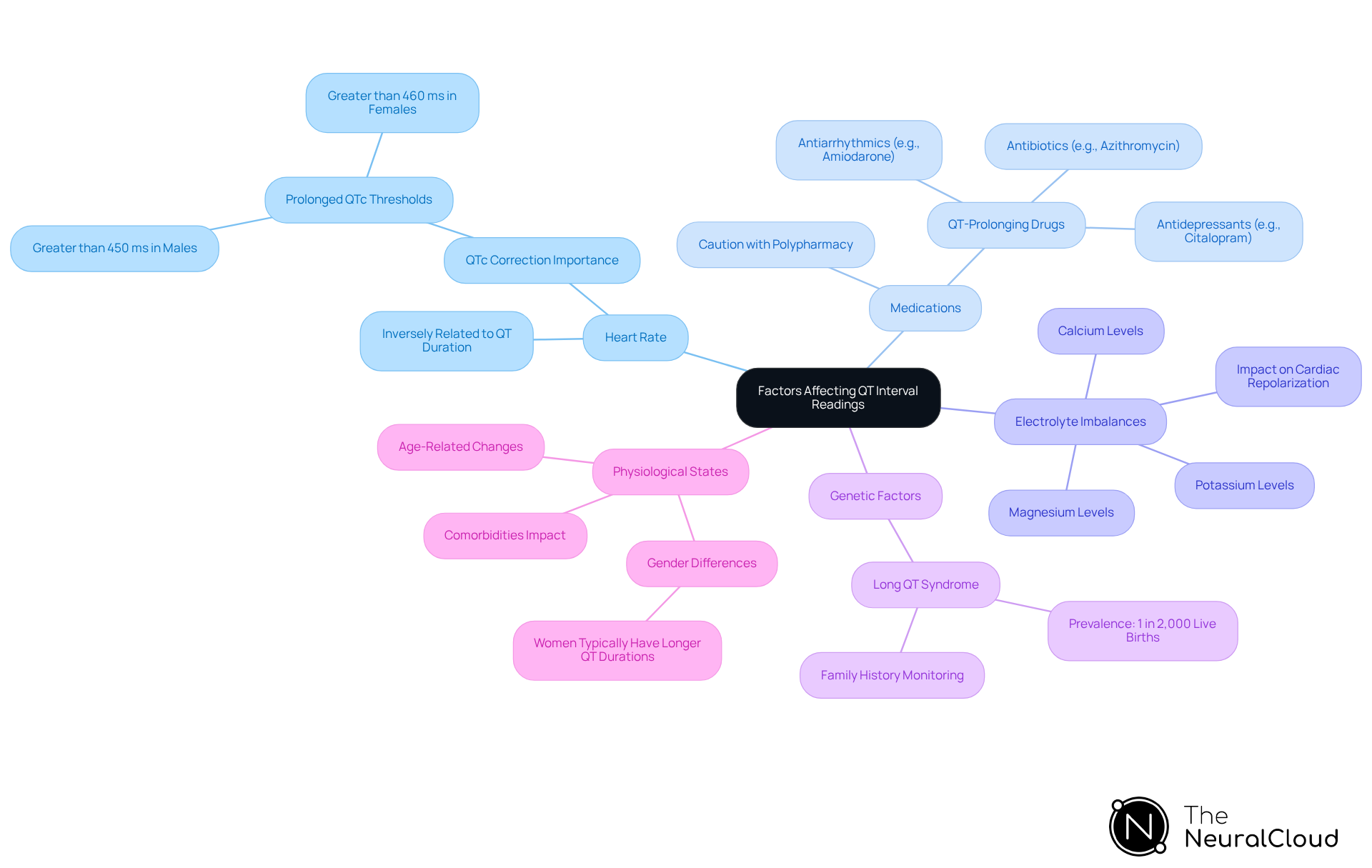
- Heart Rate: The QT duration is inversely related to heart rate; as heart rate rises, the QT duration usually shortens. This relationship necessitates the use of the heart rate correction formula for accurate assessment. A QT interval longer than 450 milliseconds is considered prolonged, highlighting the importance of this correction in clinical practice.
- Medications: Certain drugs, particularly antiarrhythmics like amiodarone, antidepressants such as citalopram, and antibiotics including azithromycin, are known to extend the QT duration. With nearly 200 medications available today, clinicians must exercise caution when assessing QT durations, especially in individuals taking multiple medications that may exacerbate this effect.
- Electrolyte Levels: Abnormal levels of potassium, calcium, and magnesium can disrupt electrolyte balance, leading to QT prolongation. Electrolyte disturbances are common in critical care settings and can significantly impact patient outcomes.
- Genetic Factors: Conditions like Long QT Syndrome can predispose individuals to prolonged QT durations. Genetic predispositions require careful monitoring, particularly in patients with a family history of cardiac issues.
- Demographic Factors: Factors such as age, gender, and comorbidities also influence QT duration measurements. Research indicates that women typically exhibit longer QT durations than men, and age-related changes can further affect QT variability, especially after age 45.
Understanding these factors is crucial for accurate diagnosis and effective patient management. They play a vital role in assessing the risk of life-threatening arrhythmias associated with QT prolongation.
Interpret Abnormal QT Intervals: Risks and Interventions
Unusual QT durations outside the normal range can indicate potential health risks. Here’s how to interpret and respond to these findings:
- Identify Prolongation: A QTc greater than 450 ms in men and 460 ms in women is considered prolonged, as it exceeds the normal threshold. Values that exceed 500 ms are particularly concerning, especially when considering the risk of arrhythmias, and warrant immediate attention.
- Assess Risk Factors: Evaluate the individual's medication history, electrolyte levels, and any underlying conditions that may contribute to QT prolongation. Certain medications, including antihistamines and antidepressants, can exacerbate this condition, making a thorough review essential.
- Monitor for Symptoms: Be vigilant for signs of arrhythmias, such as palpitations, syncope, or seizures, which may indicate severe complications. Symptoms are most common during exercise or emotional stress, highlighting the need for careful monitoring.
- Implement Interventions: If a prolonged QT interval is identified, consider the following interventions:
- Medication Review: Discontinue or adjust any QT-prolonging medications to mitigate risks.
- Electrolyte Correction: Address any imbalances through supplementation or dietary changes, as these can significantly impact heart rhythm.
- Consumer Education: Educate individuals about the dangers linked to prolonged QT durations and the significance of regular observation, highlighting lifestyle changes to diminish hazards. For instance, up to 21% of untreated individuals with symptoms may die within a year after they start fainting, underscoring the urgency of proper management.
- Referral to Specialists: In cases of congenital or severe abnormalities, refer patients to a cardiologist for further evaluation and management. This step is crucial for tailoring treatment plans and ensuring comprehensive care. An abnormally prolonged duration is associated with a three-fold increased risk of sudden cardiac death, making specialist involvement vital.
By utilizing Neural Cloud Solutions' MaxYield™ technology, healthcare professionals can swiftly analyze QT intervals, including the accurate labeling of abnormalities. This capability improves the clarity of assessments and facilitates prompt interventions, ultimately enhancing safety for individuals. Understanding the implications of abnormal QT intervals, alongside innovative solutions, empowers healthcare professionals to take proactive steps to mitigate risks and enhance patient safety.

Conclusion
Understanding the QT interval is crucial for maintaining cardiac health and reducing the risks associated with arrhythmias. This article has underscored the importance of accurately measuring the QT duration, detailing the normal ranges for both men and women, and highlighting the clinical implications of prolonged QT intervals. With advancements in technology, such as Neural Cloud Solutions' MaxYield™, healthcare professionals can significantly enhance their ECG analysis, leading to better patient outcomes.
Challenges in ECG analysis often stem from various factors that influence QT interval readings, including heart rate, medications, and electrolyte imbalances. The MaxYield™ platform addresses these challenges by providing precise measurement tools and analytics. Key features of MaxYield™ include:
- Accurate QT Interval Measurement: Ensures reliable data for clinical decision-making.
- Real-Time Analytics: Offers immediate insights into patient heart health.
- User-Friendly Interface: Simplifies the ECG analysis process for healthcare providers.
By integrating these advanced tools and adhering to measurement standards, healthcare providers can make informed decisions that prioritize patient safety. Recognizing the significance of monitoring the QT interval is essential, especially in cases where prolonged QT intervals may lead to severe health complications. A proactive approach to understanding and managing the QT interval plays a vital role in enhancing cardiovascular health and preventing life-threatening arrhythmias.
Ultimately, the benefits of utilizing the MaxYield™ platform extend beyond improved ECG analysis. By equipping healthcare professionals with the necessary tools and insights, patient care can be optimized, leading to enhanced outcomes and a greater focus on safety.
Frequently Asked Questions
What is the QT interval and why is it clinically important?
The QT interval is a measurement on an electrocardiogram (ECG) that indicates the time it takes for the heart's ventricles to depolarize and repolarize. It is clinically important as it reflects the heart's electrical activity and can signal potential arrhythmia risks.
How is the QT interval defined?
The QT interval is defined as the interval from the onset of the Q wave to the conclusion of the T wave on an ECG.
What are the normal QTc duration ranges for men and women?
The normal QTc duration ranges from 0.35 to 0.45 seconds for men and from 0.36 to 0.46 seconds for women.
What QTc values are considered prolonged?
QTc values exceeding 450 ms in men and 470 ms in women are considered prolonged, indicating a potential risk for severe conditions like Torsades de Pointes and life-threatening arrhythmias.
What is the significance of a 50 ms increase in QT duration?
A 50 ms increase in QT duration correlates with a 20% increase in overall mortality likelihood and a 29% increase in cardiovascular mortality likelihood.
How does prolonged QTc affect the risk of sudden cardiac death?
The risk of sudden cardiac death rises significantly with prolonged QTc values, especially in younger populations, where the relative risk can increase to 8.0.
What are some advanced solutions for optimizing ECG analysis?
Advanced solutions like Neural Cloud Solutions' MaxYield™ can optimize ECG analysis by automating the process, filtering noise, and enhancing the precision of QT duration measurements.
What features does MaxYield™ offer for ECG analysis?
MaxYield™ offers automated ECG analysis, noise filtering for enhanced signal clarity, and rapid processing that analyzes 200,000 heartbeats in less than 5 minutes.
What advantages does MaxYield™ provide for healthcare professionals?
MaxYield™ improves accuracy by reducing the risk of misinterpretation of ECG data, enhances time efficiency for quicker decision-making, and supports enhanced patient safety for timely interventions related to arrhythmia risks.
List of Sources
- Define the QT Interval and Its Clinical Importance
- QT Interval (https://litfl.com/qt-interval-ecg-library)
- Checking your browser - reCAPTCHA (https://pmc.ncbi.nlm.nih.gov/articles/PMC3150395)
- sciencedirect.com (https://sciencedirect.com/science/article/pii/S0735109705025659)
- ECG series. Importance of QT interval in clinical practice - PMC (https://pmc.ncbi.nlm.nih.gov/articles/PMC4291996)
- Measure the QT Interval: Techniques and Best Practices
- QT Interval (https://litfl.com/qt-interval-ecg-library)
- pmc.ncbi.nlm.nih.gov (https://pmc.ncbi.nlm.nih.gov/articles/PMC4040880)
- qaly.co (https://qaly.co/post/calculating-qt-interval)
- How to: measure the QT interval? (https://escardio.org/communities/councils/genomics/scientific-documents-and-publications/cardiogenomics-insights/volume-9/how-to-measure-the-qt-interval)
- canada.ca (https://canada.ca/en/health-canada/services/drugs-health-products/drug-products/applications-submissions/guidance-documents/interval-prolongation/guide-analysis-review-interval-data.html)
- Identify Factors Affecting QT Interval Readings
- frontiersin.org (https://frontiersin.org/journals/physiology/articles/10.3389/fphys.2019.01272/full)
- clinicalview.gehealthcare.com (https://clinicalview.gehealthcare.com/article/spotting-long-qt-interval-can-save-your-patients-life)
- goodrx.com (https://goodrx.com/drugs/side-effects/qt-prolonging-drugs?srsltid=AfmBOorJ2oDLBx-Gsm1jJOQcSMenj0d1lTWrXrWSYJrH2TCUC48NBdwT)
- goodrx.com (https://goodrx.com/hcp-articles/providers/qt-prolongation-risk-assessment?srsltid=AfmBOooZkvxVC5O7e_1Mv-XVvjAIpLAL4esSmI1KQbC2bQLffF4O-w91)
- Interpret Abnormal QT Intervals: Risks and Interventions
- my.clevelandclinic.org (https://my.clevelandclinic.org/health/diseases/17183-long-q-t-syndrome-lqts)
- hopkinsmedicine.org (https://hopkinsmedicine.org/health/conditions-and-diseases/long-qt-syndrome-lqts)
- news-medical.net (https://news-medical.net/health/Treatment-of-Long-QT-Syndrome-(LQTS).aspx)
- jacc.org (https://jacc.org/doi/10.1016/j.jacc.2005.08.067)
- Long QT syndrome - Symptoms and causes (https://mayoclinic.org/diseases-conditions/long-qt-syndrome/symptoms-causes/syc-20352518)