Introduction
Recognizing the subtle signs of ST-Elevation Myocardial Infarction (STEMI) is often more complex than it seems, yet it is crucial for effective cardiac care. Let’s explore the key symptoms of STEMI and how they can vary across different demographics, especially between genders.
As the medical community navigates the complexities of heart attack presentations, the question arises: how can healthcare professionals sharpen their skills in recognizing these often-misunderstood symptoms to ensure timely intervention and better patient outcomes?
Define STEMI: Understanding ST-Elevation Myocardial Infarction
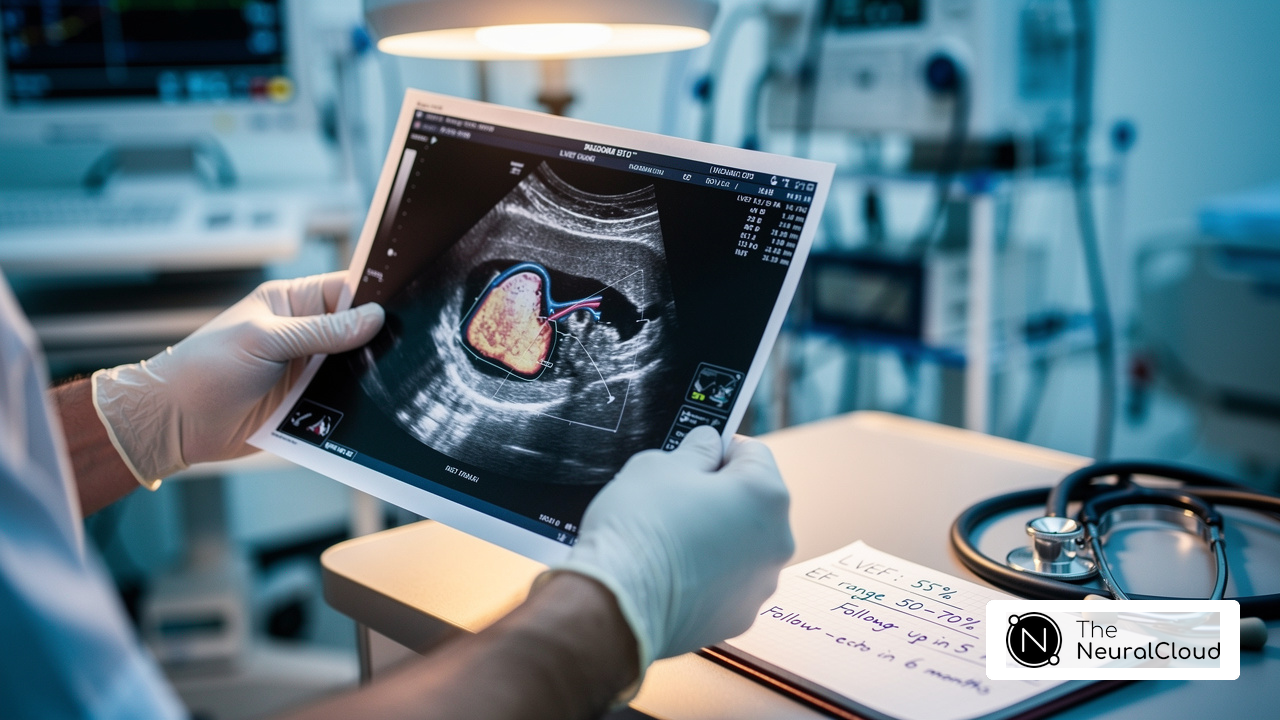
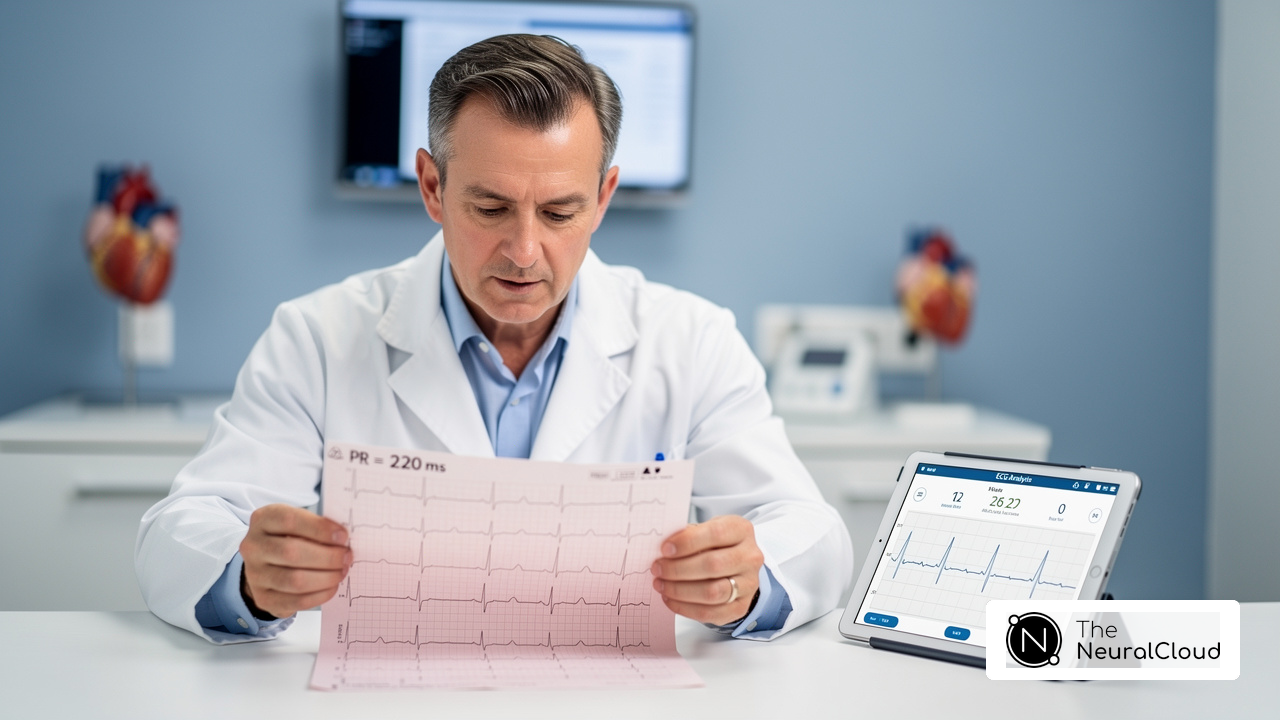
ST-Elevation Myocardial Infarction presents a serious challenge in cardiac care due to its potential for rapid deterioration. This condition, known as a STEMI, is identified by specific changes in the electrocardiogram (ECG), which is what does a stemi look like, especially the elevation of the ST segment. This elevation indicates that part of the heart is not receiving enough blood. The blockage is often caused by the rupture of an atherosclerotic plaque, leading to thrombosis. Prompt medical intervention is crucial to restore blood circulation and reduce heart injury, making timely identification vital for enhancing patient outcomes.
Recent studies have emphasized the significance of advanced diagnostic tools in identifying heart attacks. For instance, AI-driven ECG models, such as Neural Cloud Solutions Inc.'s MaxYield, have shown promise in detecting STEMIs with a sensitivity of 92%, significantly outperforming traditional methods. MaxYield's sophisticated noise reduction and wave detection features enhance ECG analysis, enabling more efficient workflows and better precision in recognizing critical conditions such as heart attacks. This progress is crucial, especially since up to 40% of individuals with ST-elevation myocardial infarction might not display typical ECG results, making it important to understand what does a stemi look like to avoid potential treatment delays. Dr. Robert Herman noted that this highlights the need for AI-driven interpretation to enhance clinical decision-making. In Canada, ongoing research focuses on refining these diagnostic techniques to enhance early detection and improve survival rates. Currently, only 17% of individuals with ST-elevation myocardial infarction from non-PCI facilities receive life-saving treatments promptly, underscoring the critical need for improved diagnostic tools.
The outlook for heart attack patients largely depends on the extent of heart muscle damage and the speed of intervention. Studies indicate that prompt reperfusion through primary percutaneous coronary intervention (PCI) can significantly reduce mortality rates. The goal is to achieve a door-to-balloon time of less than 90 minutes, a standard increasingly met in PCI-capable facilities. Effective management of heart attacks depends on smooth collaboration between emergency medical services and hospitals, highlighting the necessity for standardized protocols to guarantee prompt treatment.
Understanding these advancements is not just beneficial; it is essential for saving lives in the face of heart attacks. Understanding what does a stemi look like, along with the key features of ST elevation myocardial infarction and advancements in diagnostic research through tools like MaxYield and Insight360, is essential for healthcare professionals. This knowledge aids in the immediate management of patients and contributes to long-term strategies aimed at improving cardiovascular health outcomes across Canada. As Dr. Alan Rabinowitz highlights, MaxYield's accuracy competes with human analysis, making it an essential resource in the battle against heart attacks. Furthermore, with the FDA Class II SaMD clearance-pending status and audit-ready documentation supporting GxP inspections, MaxYield stands as a credible solution in the evolving landscape of cardiac care.

Identify Symptoms: Recognizing Signs of a STEMI Heart Attack
Recognizing what does a stemi look like is crucial, yet many individuals may overlook these signs due to their variability, especially among different genders. What does a stemi look like? Typical signs include severe chest pain or discomfort, often described as pressure, squeezing, or fullness. This discomfort may radiate to the shoulders, arms, neck, jaw, or back. Other symptoms can involve shortness of breath, cold sweats, nausea, and lightheadedness.
Significantly, these signs can differ greatly among individuals, particularly between genders. For instance, research shows that women report an average of 7.48 prodromal signs per MI. In comparison, White females report 5.84 signs, while Hispanic females report 6.98 signs. Moreover, women often experience longer delays in seeking medical help. African American females, for example, have an average hospital presentation delay of 1.5 hours compared to White females and one hour compared to the general population. Additionally, females wait three minutes longer than males to contact emergency services after the onset of symptoms.
Quickly spotting these signs is vital, as understanding what does a stemi look like can lead to a timely medical response that significantly impacts survival and recovery. Understanding these gender-specific signs can ultimately lead to improved detection and better healthcare outcomes in Canada.

Contextualize Importance: Why Recognizing STEMI Symptoms Matters
Recognizing the signs of a heart attack is crucial, as timely intervention can drastically reduce the risks associated with cardiac events. Studies indicate that getting treatment within the first few hours can greatly boost a patient's chances of survival and reduce heart damage. For instance, research shows that in-hospital mortality rates for women experiencing heart attacks are significantly higher than for men, underscoring the need for immediate action.
Educational campaigns targeting both healthcare professionals and the public are vital for improving the recognition of heart attack signs. Such proactive measures can lead to quicker emergency responses, ultimately saving lives and enhancing recovery outcomes. In Canada, new protocols allow paramedics to bypass local emergency departments and go directly to specialized cardiac hospitals. This advancement minimizes delays in care for those experiencing acute myocardial infarction, showcasing the effectiveness of prompt intervention strategies.

Explore Variations: Atypical Symptoms and Demographic Differences in STEMI
Recognizing atypical signs of what does a stemi look like, including gastrointestinal discomfort and fatigue, is crucial, especially for women and older adults. Studies indicate that about 70.2% of women may experience non-chest discomfort, leading to potential misdiagnosis or delays in care. Older age also plays a key role in ACS presentations without chest pain, making it essential for healthcare providers to recognize these demographic differences.
Younger individuals may exhibit different signs compared to older adults, reflecting variations in underlying risk factors and health conditions. Understanding these demographic differences enables healthcare providers to ensure accurate diagnoses and develop effective treatment strategies tailored to individual patient needs. Tailoring treatment approaches based on these variations can significantly enhance patient outcomes in understanding what does a stemi look like management.

Conclusion
Despite advancements in cardiac care, many healthcare professionals still face challenges in recognizing ST-Elevation Myocardial Infarction (STEMI). This article has explored the critical aspects of recognizing STEMI symptoms, emphasizing the critical need for rapid intervention to enhance patient survival rates. By identifying the key signs and variations in presentation, healthcare professionals can enhance their diagnostic capabilities and ensure that patients receive the necessary treatment without delay.
The discussion highlighted the typical symptoms of STEMI, such as severe chest pain and discomfort, while also addressing the variability of these signs across different demographics, particularly among women and older adults. Advanced diagnostic tools, such as Neural Cloud Solutions Inc.'s MaxYield, play a crucial role in improving the detection of STEMIs, which can lead to quicker and more accurate responses in emergency situations. Furthermore, the importance of educational initiatives aimed at both healthcare providers and the public was emphasized, as they are vital for improving recognition and response to heart attack symptoms.
In conclusion, recognizing STEMI symptoms isn't just about clinical knowledge; it's a vital skill that can save lives. As cardiac care evolves with new technologies and protocols, it's essential for everyone involved - clinicians, researchers, and diagnostic facilities - to stay informed and take action. By fostering a deeper understanding of STEMI symptoms and their variations, the healthcare community can work towards reducing the impact of heart attacks and improving cardiovascular health across Canada.
Frequently Asked Questions
What is STEMI?
ST-Elevation Myocardial Infarction (STEMI) is a serious cardiac condition characterized by specific changes in the electrocardiogram (ECG), particularly the elevation of the ST segment, indicating that part of the heart is not receiving enough blood due to a blockage.
What causes a STEMI?
A STEMI is often caused by the rupture of an atherosclerotic plaque, which leads to thrombosis and subsequent blockage of blood flow to the heart.
Why is prompt medical intervention crucial for STEMI?
Prompt medical intervention is essential to restore blood circulation and reduce heart injury, which significantly enhances patient outcomes.
How do advanced diagnostic tools help in identifying STEMIs?
Advanced diagnostic tools, such as AI-driven ECG models like Neural Cloud Solutions Inc.'s MaxYield, improve the detection of STEMIs with high sensitivity, outperforming traditional methods and enhancing the accuracy of ECG analysis.
What is the sensitivity of MaxYield in detecting STEMIs?
MaxYield has shown a sensitivity of 92% in detecting STEMIs, which is significantly higher than traditional methods.
What challenges do healthcare professionals face in diagnosing STEMIs?
Up to 40% of individuals with STEMI may not display typical ECG results, which can lead to potential treatment delays if not properly identified.
What is the importance of timely treatment for STEMI patients?
The outlook for heart attack patients largely depends on the extent of heart muscle damage and the speed of intervention, with prompt reperfusion through primary percutaneous coronary intervention (PCI) significantly reducing mortality rates.
What is the goal for door-to-balloon time in PCI-capable facilities?
The goal is to achieve a door-to-balloon time of less than 90 minutes to ensure timely treatment for heart attack patients.
How does collaboration between emergency medical services and hospitals impact heart attack management?
Effective management of heart attacks relies on smooth collaboration between emergency medical services and hospitals, necessitating standardized protocols to guarantee prompt treatment.
What advancements are being made in Canada regarding STEMI diagnosis and treatment?
Ongoing research in Canada focuses on refining diagnostic techniques and improving early detection to enhance survival rates for STEMI patients, with tools like MaxYield and Insight360 playing a crucial role in this effort.
List of Sources
- Define STEMI: Understanding ST-Elevation Myocardial Infarction
- What Is a STEMI? (https://my.clevelandclinic.org/health/diseases/22068-stemi-heart-attack)
- Queen of Hearts AI Hits 92% STEMI Accuracy (https://powerfulmedical.com/blog/pmcardio-reports-positive-rct-results-and-late-breaking-clinical-science-for-stemi-detection)
- Acute ST-Segment Elevation Myocardial Infarction (STEMI) - StatPearls - NCBI Bookshelf (https://ncbi.nlm.nih.gov/books/NBK532281)
- AI-ECG Finds STEMI Faster, Cuts False-Positive Cath Lab Activations (https://tctmd.com/news/ai-ecg-finds-stemi-faster-cuts-false-positive-cath-lab-activations)
- Assessment and Management of Acute Coronary Syndromes (ACS): A Canadian Perspective on Current Guideline-Recommended Treatment – Part 2: ST-Segment Elevation Myocardial Infarction (https://onlinecjc.ca/article/S0828-282X(11)01174-3/fulltext)
- Identify Symptoms: Recognizing Signs of a STEMI Heart Attack
- The heart attack myth: study establishes that women DO have same the heart
attack symptoms as men...and then some (https://newswire.ca/news-releases/the-heart-attack-myth-study-establishes-that-women-do-have-same-the-heartattack-symptoms-as-menand-then-some-538699042.html) - Checking your browser - reCAPTCHA (https://pmc.ncbi.nlm.nih.gov/articles/PMC10182740)
- Heart attack signs in women often missed (https://heartandstroke.ca/articles/heart-attack-signs-in-women-often-missed)
- Women found to be at higher risk for heart failure and heart attack death than men (https://newsroom.heart.org/news/women-found-to-be-at-higher-risk-for-heart-failure-and-heart-attack-death-than-men)
- The heart attack myth: study establishes that women DO have same the heart
- Contextualize Importance: Why Recognizing STEMI Symptoms Matters
- COVID-19 and Severe Heart Attack Increase Mortality by 25% After One Year, More than Double Pre-Pandemic Rates | SCAI (https://scai.org/media-center/news-and-articles/covid-19-and-severe-heart-attack-increase-mortality-25-after-one)
- Longer pre-hospital delays and higher mortality in women with STEMI: the e-MUST Registry (https://eurointervention.pcronline.com/article/longer-pre-hospital-delays-and-higher-mortality-in-women-with-stemi-the-e-must-registry)
- New Coordinated Heart Attack Care System Aims to Decrease Treatment Delays, Save Lives (https://dicardiology.com/content/new-coordinated-heart-attack-care-system-aims-decrease-treatment-delays-save-lives)
- Explore Variations: Atypical Symptoms and Demographic Differences in STEMI
- Atypical Heart Attack Symptoms in Women: What the Evidence Shows (https://womenshealthinquiryproject.co.uk/cardiovascular-health/atypical-heart-attack-symptoms-in-women-what-the-evidence-shows)
- The Medical Minute: Heart disease may cause atypical symptoms in women (https://pennstatehealthnews.org/2016/02/heart-disease-may-cause-atypical-symptoms-in-women)
- Symptom Presentation of Women With Acute Coronary Syndromes (https://jamanetwork.com/journals/jamainternalmedicine/fullarticle/770038)
- Women’s Heart Attack Symptoms Are Different, and Clinical Care Must Catch Up (https://news.uoguelph.ca/2019/02/womens-heart-attack-symptoms-are-different-and-clinical-care-must-catch-up)
- Myocardial Infarction and Older Women (https://uspharmacist.com/article/myocardial-infarction-and-older-women)