Introduction
Understanding inferior infarcts is crucial in cardiology due to their significant impact on patient health and outcomes. This type of heart attack, which involves damage to the lower wall of the heart, can lead to severe complications if not diagnosed and treated promptly. Readers will delve into the complexities of inferior infarcts, examining their symptoms, the diagnostic challenges they present, and the latest advancements in treatment strategies. The concern surrounding these conditions stems not only from their prevalence but also from the critical role that timely intervention plays in enhancing survival rates and improving the quality of life for those affected.
Define Inferior Infarct: Understanding the Basics
Inferior infarct, also known as inferior myocardial infarction, refers to a type of heart attack that occurs when blood flow to the lower wall of the heart is obstructed, typically due to a blockage in the right coronary artery (RCA). This condition results in damage to the heart muscle in the lower region, which can lead to serious complications if not addressed promptly. The RCA primarily supplies the lower wall in right-dominant coronary systems, making it particularly susceptible to ischemic injury when this artery is blocked. Common symptoms include chest pain, shortness of breath, and other signs of myocardial infarction, all of which require immediate medical attention.
Recent studies highlight the prevalence of substandard lesions in heart attack cases, with a significant percentage of myocardial events associated with this type. For example, the global prevalence of inferior myocardial infarction in individuals over 60 years is reported at 9.5%, while it is 3.8% for those under 60. This underscores the urgent need for intervention, particularly in older populations, and points to geographical variations in myocardial infarction prevalence that can inform healthcare strategies.
Real-world treatment outcomes for inferior myocardial infarction emphasize the importance of timely intervention. Pharmacological treatments, including antiplatelet and anticoagulant therapies, can greatly enhance patient outcomes. Successful thrombolysis, for instance, is indicated by the resolution of ST-segment elevation on an electrocardiogram, which is vital for confirming effective treatment.
Cardiologists note the unique characteristics of inferior infarcts and often discuss what this condition means, as these can lead to complications such as heart failure. These complications are particularly concerning in cases involving right ventricular damage, as they can increase mortality risk. Ongoing research into the pathophysiology and management of inferior wall myocardial damage is crucial for understanding what this condition means, as it remains a leading cause of morbidity and mortality in cardiovascular health. Additionally, educating individuals about lifestyle changes is essential for secondary prevention, and effective interprofessional communication is key to improving care in managing inferior myocardial infarction.

Context and Implications: Why Inferior Infarcts Matter
Understanding what inferior infarct means is crucial because of its high prevalence and the complications associated with it, which account for approximately 40-50% of all myocardial infarctions. These lesions can lead to serious complications, such as arrhythmias, with atrioventricular block being the most common, occurring in 13% of cases, as well as heart failure and cardiogenic shock, which significantly impact patient outcomes. Timely identification and effective management of inferior infarcts are vital for improving prognosis, particularly since advanced age and female gender are independent predictors of poor outcomes in right ventricular myocardial infarction.
The solution from Neural Cloud Solutions addresses these challenges in ECG analysis. It employs advanced diagnostic tools that enhance the accuracy of identifying and managing inferior infarcts. Key features of MaxYield™ include:
- Noise Reduction: Reduces background noise for clearer signals.
- P, QRS, and T Wave Highlighting: Enhances visibility of critical components in ECG readings.
- Wave Recognition: Improves the identification of arrhythmias.
These features provide significant advantages for healthcare professionals. By improving diagnostic accuracy, MaxYield™ streamlines clinical workflows and helps address challenges such as misdiagnosis and signal artifacts. This not only contributes to better patient care but also optimizes resource allocation within healthcare settings, ultimately leading to improved patient outcomes.
Historical Perspective: The Evolution of Understanding Inferior Infarcts
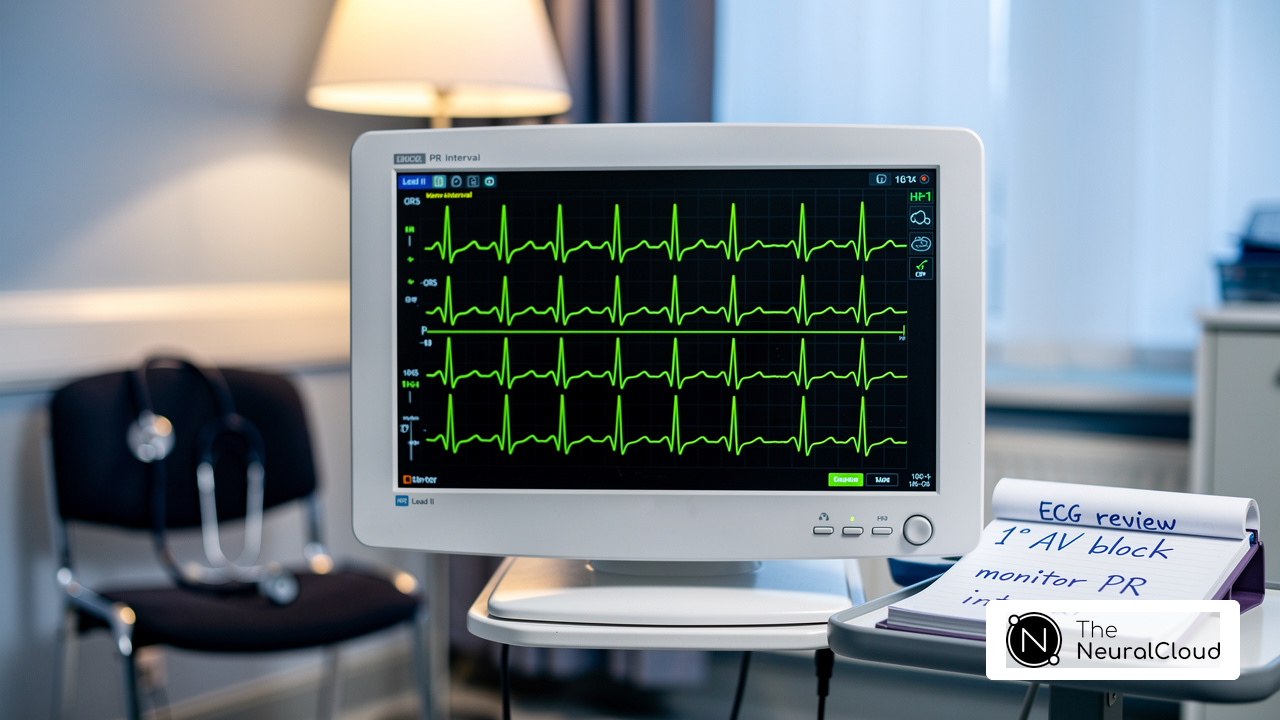
Understanding cardiology has evolved significantly since the early days of cardiology. Initially, myocardial infarctions were broadly classified, lacking a detailed understanding of their specific types and clinical implications. However, advancements in electrocardiography (ECG) and imaging techniques over the decades have allowed for more precise identification of lower heart tissue damage. The introduction of the electrocardiogram was a pivotal moment, enabling clinicians to detect ST-segment elevations in the lower leads (II, III, and aVF), which indicate damage to the lower wall of the heart.
Ongoing research has led to improved treatment protocols, resulting in better outcomes for individuals experiencing less severe heart attacks. Currently, the integration of advanced technologies, such as Neural Cloud Solutions' patent-pending algorithms, represents a significant advancement in enhancing diagnostics and clinical decision-making.
Features of MaxYield™:
- Employs machine learning
- Advanced noise filtering
These features streamline workflows and improve patient care. MaxYield™ allows healthcare professionals to process more data efficiently while maintaining high accuracy. This ultimately paves the way for more effective treatments, benefiting both clinicians and patients.

Key Characteristics and Diagnosis: Identifying Inferior Infarcts
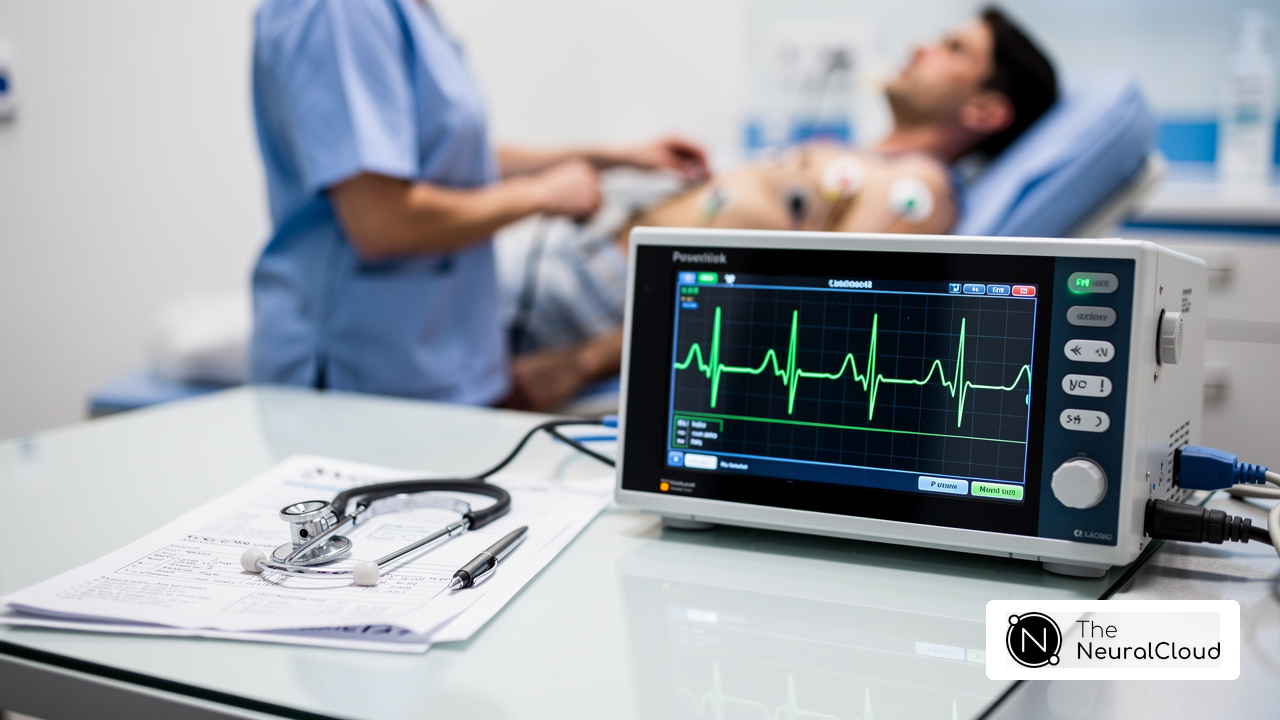
Key characteristics of inferior infarcts include specific ECG findings, such as ST-segment elevation, along with reciprocal ST-segment depression in leads I and aVL. Clinicians often look for symptoms like chest pain, diaphoresis, and shortness of breath during assessments. To understand what inferior infarct means, the diagnosis typically involves a thorough clinical history, physical examination, and the use of diagnostic tools like the echocardiogram.
However, diagnosis can be challenging due to the complexity of cardiac signals and the need for accurate interpretation. This is where advanced platforms like Neural Cloud Solutions' technology come into play. The technology enhances the diagnostic process by automating and improving the clarity of cardiac signals through gold standard noise filtering.
Features of the technology:
- Automation of ECG analysis
- Advanced algorithms for clearer signals
- Efficient data processing capabilities
Advantages for Healthcare Professionals:
- Allows for quicker data processing, enabling timely interventions
- Reduces the risk of human error in ECG interpretation
- Enhances focus on high-level clinical decisions, ultimately improving patient outcomes
By leveraging the capabilities of the technology, healthcare professionals can navigate the complexities of inferior infarcts more effectively, leading to better patient care.

Conclusion
Understanding inferior infarcts is crucial in cardiology due to their high incidence and the serious complications they can cause. This article has explored the definition of inferior infarcts, the mechanisms behind them, and the critical importance of timely diagnosis and management. Recognizing the implications of inferior myocardial damage is vital, as it can lead to severe outcomes if not promptly addressed.
Key insights include:
- The significance of the right coronary artery in inferior infarcts
- The prevalence of associated complications like arrhythmias and heart failure
- The advancements in diagnostic tools such as the MaxYield™ platform
The MaxYield™ platform enhances ECG analysis accuracy, allowing healthcare professionals to make informed decisions that improve patient outcomes. Furthermore, the historical evolution of understanding inferior infarcts illustrates the progress made in cardiology, highlighting the importance of continuous research and innovation.
Ultimately, awareness and education about inferior infarcts are crucial for both healthcare providers and patients. Emphasizing lifestyle changes and timely medical interventions can significantly reduce the risks associated with this condition. By prioritizing the understanding and management of inferior infarcts, the healthcare community can improve survival rates and quality of life for individuals at risk, reinforcing the significance of proactive cardiovascular care.
Frequently Asked Questions
What is an inferior infarct?
An inferior infarct, also known as lower myocardial damage (LMD), refers to heart tissue damage that occurs when blood flow to the lower wall of the heart is obstructed, typically due to a blockage in the right coronary artery (RCA).
What causes an inferior infarct?
An inferior infarct is primarily caused by a blockage in the right coronary artery, which supplies blood to the lower wall of the heart, leading to ischemic injury and damage to the heart muscle in that region.
What are the common symptoms of an inferior infarct?
Common symptoms include chest pain, shortness of breath, and other signs of cardiac distress, all of which require immediate medical attention.
How prevalent is inferior infarct in different age groups?
The global prevalence of myocardial infarction in individuals over 60 years is reported at 9.5%, while it is 3.8% for those under 60, indicating a higher risk in older populations.
What treatment strategies are effective for inferior infarct?
Effective management strategies for inferior infarct include timely reperfusion therapies, antiplatelet and anticoagulant therapies, which can greatly enhance patient outcomes.
What indicates successful treatment of an inferior infarct?
Successful thrombolysis is indicated by the resolution of ST-segment elevation on ECG, which confirms effective treatment.
What complications can arise from an inferior infarct?
Complications may include bradyarrhythmias and high-grade atrioventricular block, particularly in cases involving right ventricular damage, which can increase mortality risk.
Why is ongoing research important for understanding inferior infarcts?
Ongoing research into the pathophysiology and management of inferior wall myocardial damage is crucial for improving understanding and treatment, as inferior infarcts remain a leading cause of morbidity and mortality in cardiovascular health.
What role does education play in managing inferior infarcts?
Educating individuals about lifestyle changes is essential for secondary prevention of inferior infarcts, and effective interprofessional communication is key to improving care in managing this condition.
List of Sources
- Define Inferior Infarct: Understanding the Basics
- pmc.ncbi.nlm.nih.gov (https://pmc.ncbi.nlm.nih.gov/articles/PMC10122825)
- Inferior Myocardial Infarction - StatPearls - NCBI Bookshelf (https://ncbi.nlm.nih.gov/books/NBK470572)
- pmc.ncbi.nlm.nih.gov (https://pmc.ncbi.nlm.nih.gov/articles/PMC9053378)
- Context and Implications: Why Inferior Infarcts Matter
- 5 Cardiology Headlines You Missed in January 2026 | HCPLive (https://hcplive.com/view/5-cardiology-headlines-you-missed-in-january-2026)
- Long-term outcomes in inferior ST-segment elevation myocardial infarction patients with right ventricular myocardial infarction (https://sciencedirect.com/science/article/abs/pii/S0167527322000031)
- journals.lww.com (https://journals.lww.com/rcvm/fulltext/2019/08040/predictors_of_complications_among_patients_with.3.aspx)
- What the latest heart disease and stroke numbers mean for your health (https://heart.org/en/news/2026/01/21/what-the-latest-heart-disease-and-stroke-numbers-mean-for-your-health)
- Historical Perspective: The Evolution of Understanding Inferior Infarcts
- New study finds AI model improves heart attack detection (https://health.ucdavis.edu/news/headlines/new-study-finds-ai-model-improves-heart-attack-detection/2025/11)
- Checking your browser - reCAPTCHA (https://pmc.ncbi.nlm.nih.gov/articles/PMC10145690)
- pmc.ncbi.nlm.nih.gov (https://pmc.ncbi.nlm.nih.gov/articles/PMC12525322)
- pmc.ncbi.nlm.nih.gov (https://pmc.ncbi.nlm.nih.gov/articles/PMC4193075)
- Key Characteristics and Diagnosis: Identifying Inferior Infarcts
- New study finds AI model improves heart attack detection (https://health.ucdavis.edu/news/headlines/new-study-finds-ai-model-improves-heart-attack-detection/2025/11)
- pmc.ncbi.nlm.nih.gov (https://pmc.ncbi.nlm.nih.gov/articles/PMC4403587)
- parade.com (https://parade.com/1187612/michelle-parkerton/quotes-about-heart-disease)
- Inferior Myocardial Infarction - StatPearls - NCBI Bookshelf (https://ncbi.nlm.nih.gov/books/NBK470572)