Introduction
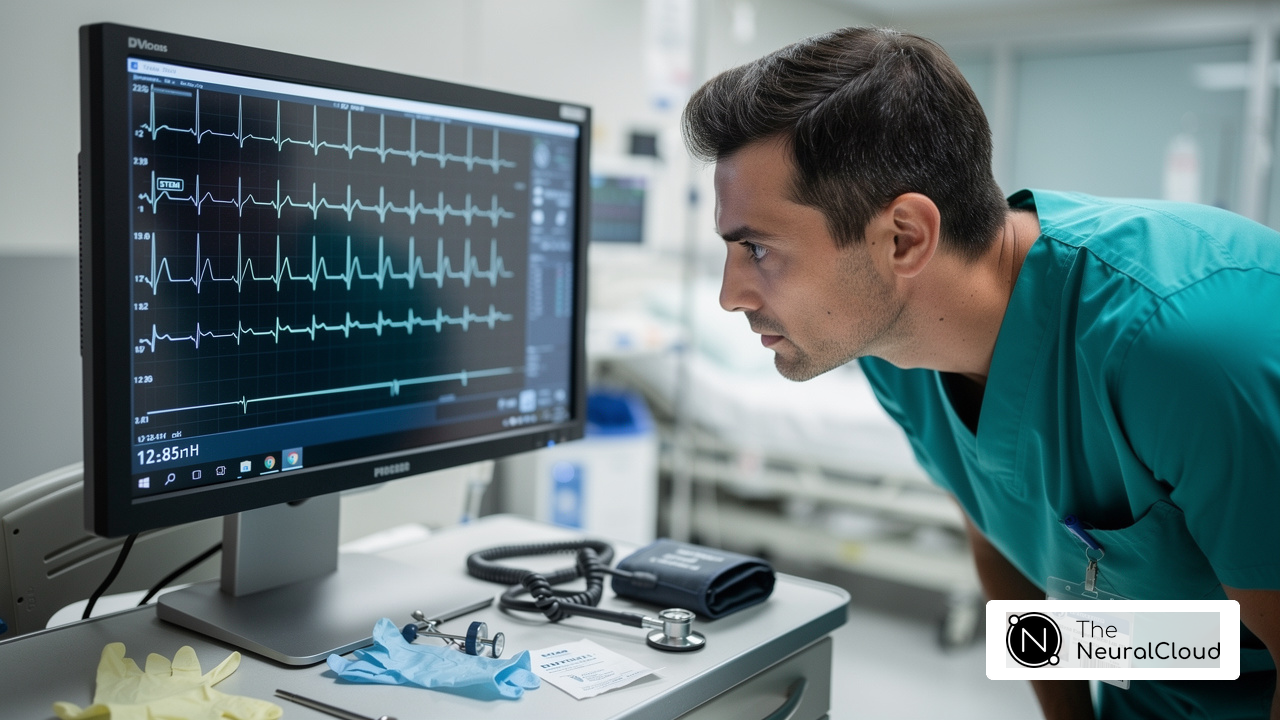
Understanding ECG analysis is crucial for the swift and accurate diagnosis of ST-Elevation Myocardial Infarction (STEMI), a serious condition requiring immediate medical attention. Healthcare professionals often face challenges when interpreting ECG leads, including noise interference and the need for rapid data processing. Advanced technologies, such as Neural Cloud Solutions' MaxYield™, provide a significant improvement in addressing these issues. This platform enhances ECG analysis by offering features that streamline data interpretation and reduce errors.
MaxYield™ stands out with its ability to filter out noise and deliver clear, actionable insights from ECG data. By leveraging advanced algorithms, it processes information quickly, allowing clinicians to make timely decisions. The benefits of using MaxYield™ are substantial:
- Improved diagnostic accuracy
- Reduced time spent on data interpretation
- Better patient outcomes
With these tools, healthcare professionals can maximize their efficiency and effectiveness in diagnosing STEMI.
This article will explore the essential ECG leads for STEMI diagnosis, examining the critical role of each lead configuration. Additionally, we will discuss the innovations reshaping cardiac care, emphasizing how platforms like MaxYield™ are transforming the landscape of ECG analysis. By understanding these advancements, clinicians can better utilize technology to enhance their diagnostic capabilities.
Neural Cloud Solutions: MaxYield™ for Enhanced ECG Analysis
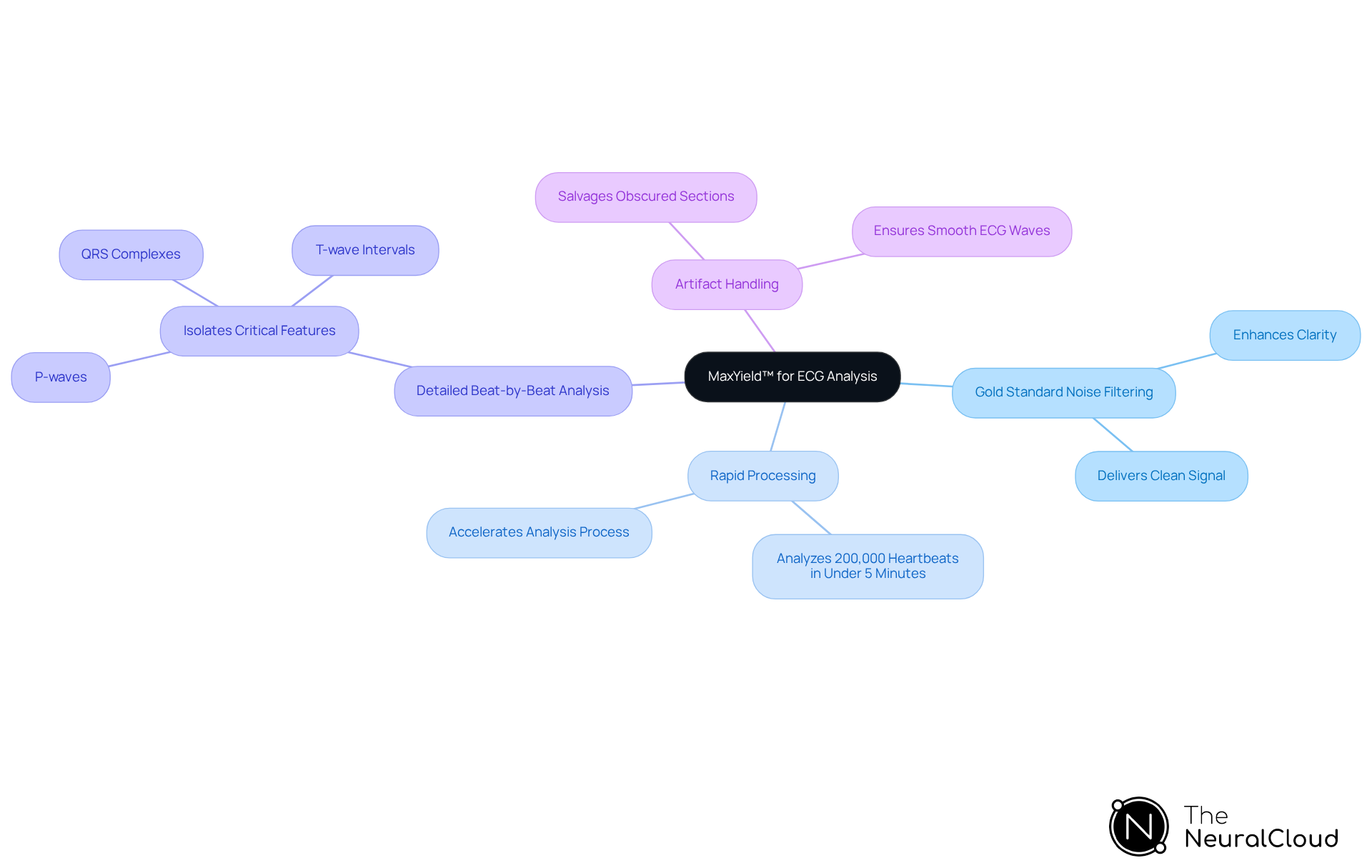
ECG analysis presents several challenges, including noise interference and the need for accurate interpretation. Neural Cloud Solutions' MaxYield™ platform addresses these issues head-on, revolutionizing the way ECG data is processed through automation and advanced AI algorithms.
Features of MaxYield™:
- Clarity Enhancement: Enhances the clarity of ECG data, delivering a clean, 'neuralized' signal.
- Rapid Processing: Capable of analyzing over 200,000 heartbeats in under five minutes.
- Feature Isolation: Isolates critical features such as P-waves, QRS complexes, and T-wave intervals.
- Artifact Handling: Salvages previously obscured sections of recordings, ensuring smooth and distinct ECG waves.
These features translate into significant advantages for healthcare professionals. By providing a consistently clear signal with minimal noise, MaxYield™ empowers clinicians to make swift, informed decisions, which is crucial for patient outcomes. The platform's efficiency not only accelerates the analysis process but also improves diagnostic accuracy.
Cardiologists have praised MaxYield™ for its ability to enhance patient care and improve workflow efficiency. This underscores the vital role of technology in modern healthcare, ultimately benefiting both practitioners and patients alike.
12-Lead ECG Configuration: The Foundation for STEMI Diagnosis
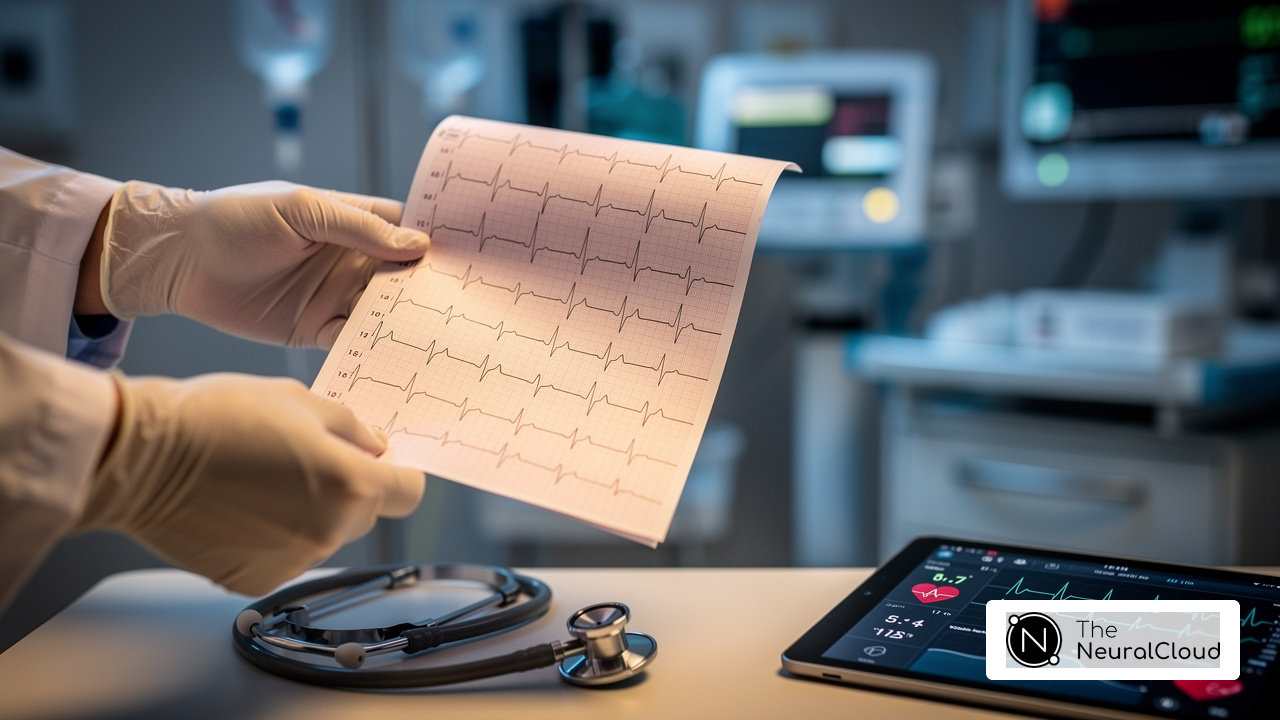
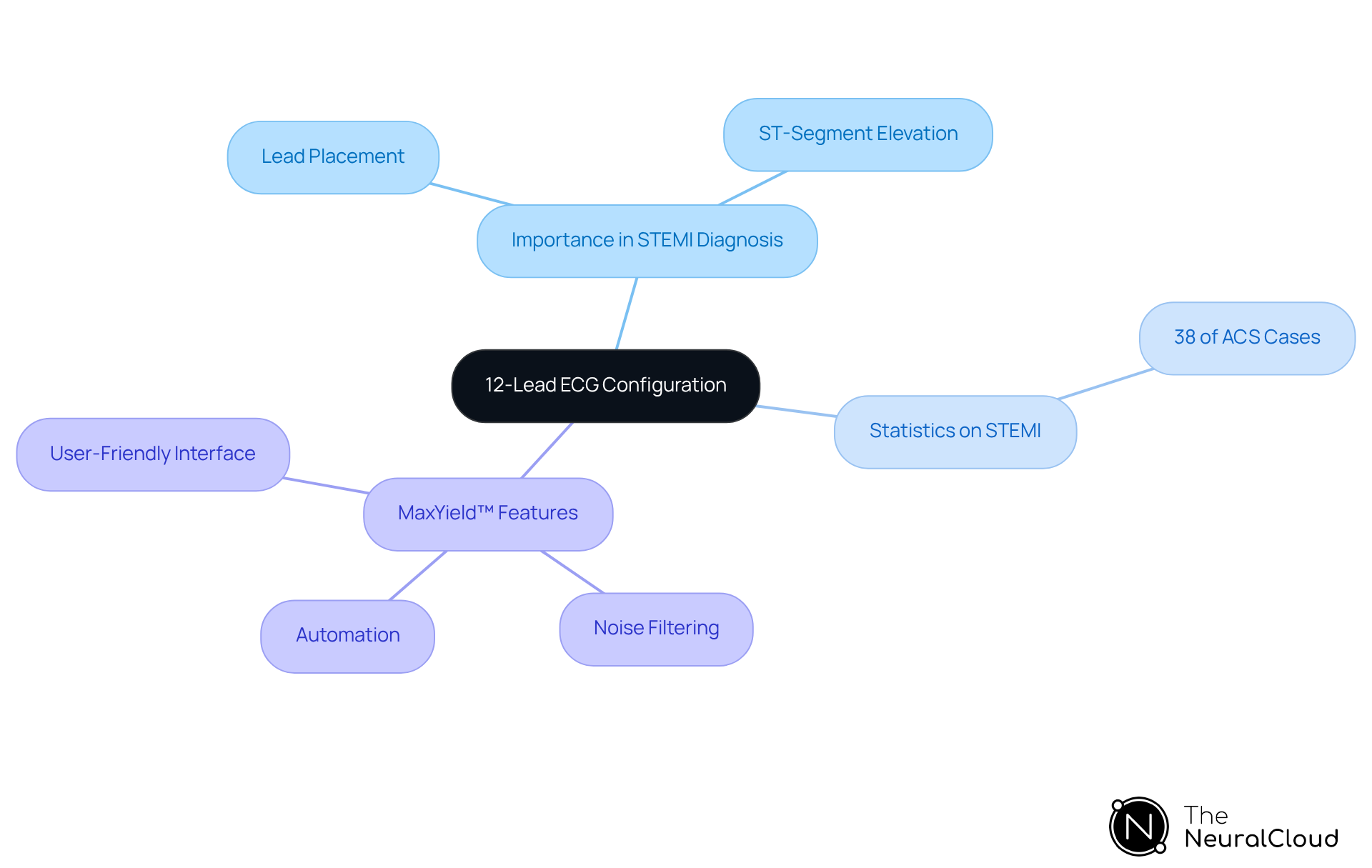
The configuration is fundamental to cardiac assessment, providing a comprehensive view of the heart's electrical activity. Each electrode offers a distinct perspective, which is crucial for identifying abnormalities essential for diagnosing conditions using ECG leads. Established guidelines indicate that STEMI is diagnosed when there is more than 1 mm of ST elevation in two contiguous ECG leads, highlighting the significance of accurate interpretation.
Recent studies reveal that approximately 38% of individuals presenting with acute coronary syndrome (ACS) have a STEMI, which makes the use of ECG leads essential in this diagnosis. The ability to quickly and accurately assess these elevations can significantly impact patient outcomes, as timely intervention is critical in managing heart attacks. Effective utilization of the 12-lead ECG not only facilitates immediate diagnosis but also streamlines the overall workflow in clinical environments.
With Neural Cloud Solutions' MaxYield™ platform, healthcare professionals can harness advanced technology to enhance ECG analysis. This platform addresses challenges such as physiological variability and noise, enabling a more efficient response to life-threatening conditions. The features of MaxYield™ include:
- Advanced noise filtering for clearer signals.
- Automation that reduces analysis time.
- User-friendly interface that simplifies ECG interpretation.
These advantages lead to improved patient care, as healthcare providers can make quicker, more informed decisions. By integrating AI solutions into their practice, professionals can enhance their diagnostic capabilities and ultimately improve outcomes for patients experiencing cardiac events.
V1 and V2 Leads: Key Indicators for Anterior STEMI Detection
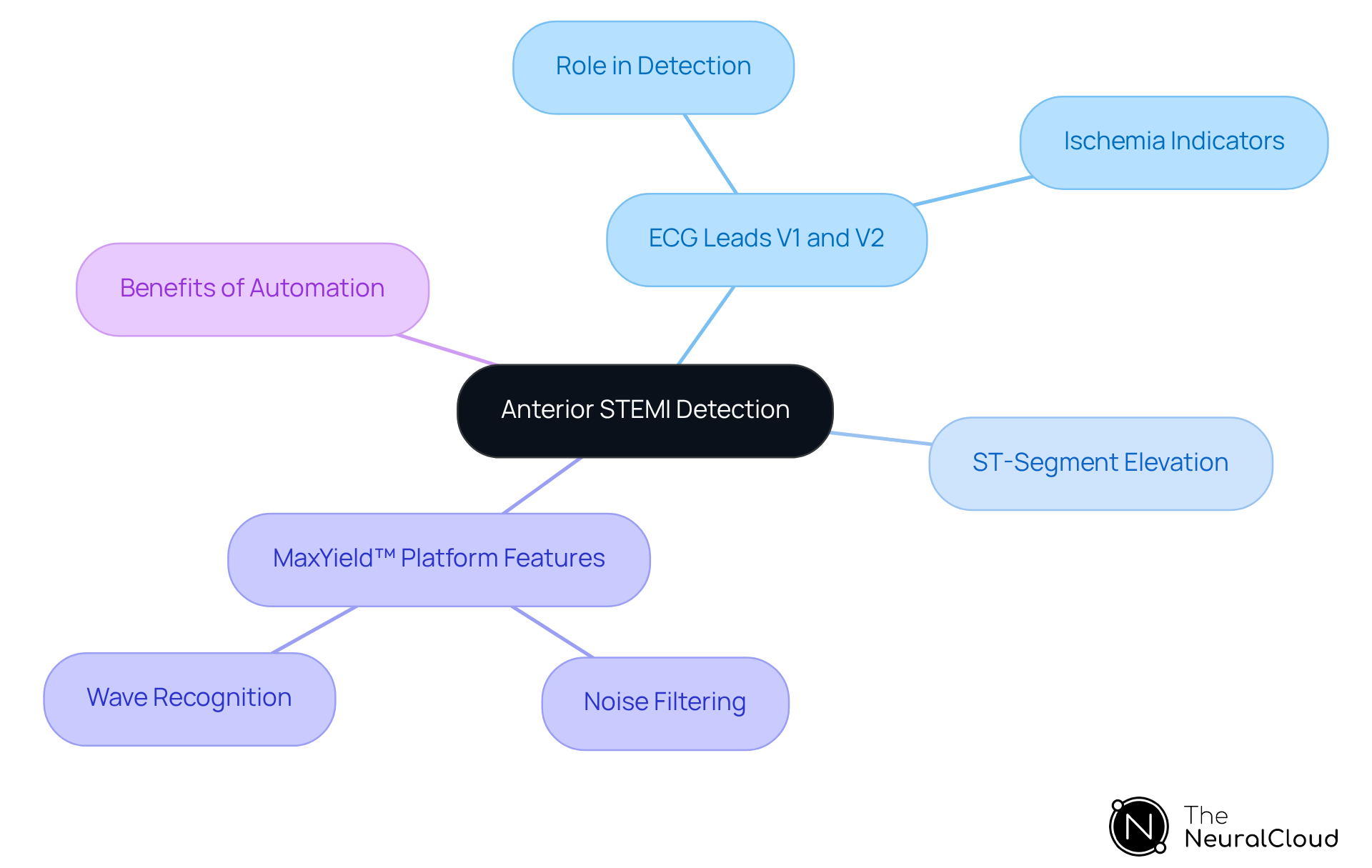
The V1 and V2 leads play a crucial role in detecting STEMI, providing insights into the electrical activity of the heart's ventricles. The leads show ST elevations, indicating ischemia in the left anterior descending artery. Clinicians must be alert for elevations exceeding 1 mm in these leads, as they often serve as the first signs of an impending myocardial infarction.
The technology from Neural Cloud Solutions significantly enhances the assessment of these leads. It features advanced noise filtering and distinct wave recognition, allowing for the isolation of ECG waves even in recordings impacted by baseline wander and muscle artifacts. This capability not only improves accuracy but also addresses common challenges in ECG interpretation, such as physiological variability and signal artifacts.
By integrating with MaxYield™, health tech developers can automate the labeling process. This automation leads to reduced costs and increased diagnostic yield, ultimately benefiting healthcare professionals. The platform's ability to streamline workflows ensures that clinicians can focus on delivering timely and accurate patient care.
V3 and V4 Leads: Essential for Inferior STEMI Recognition
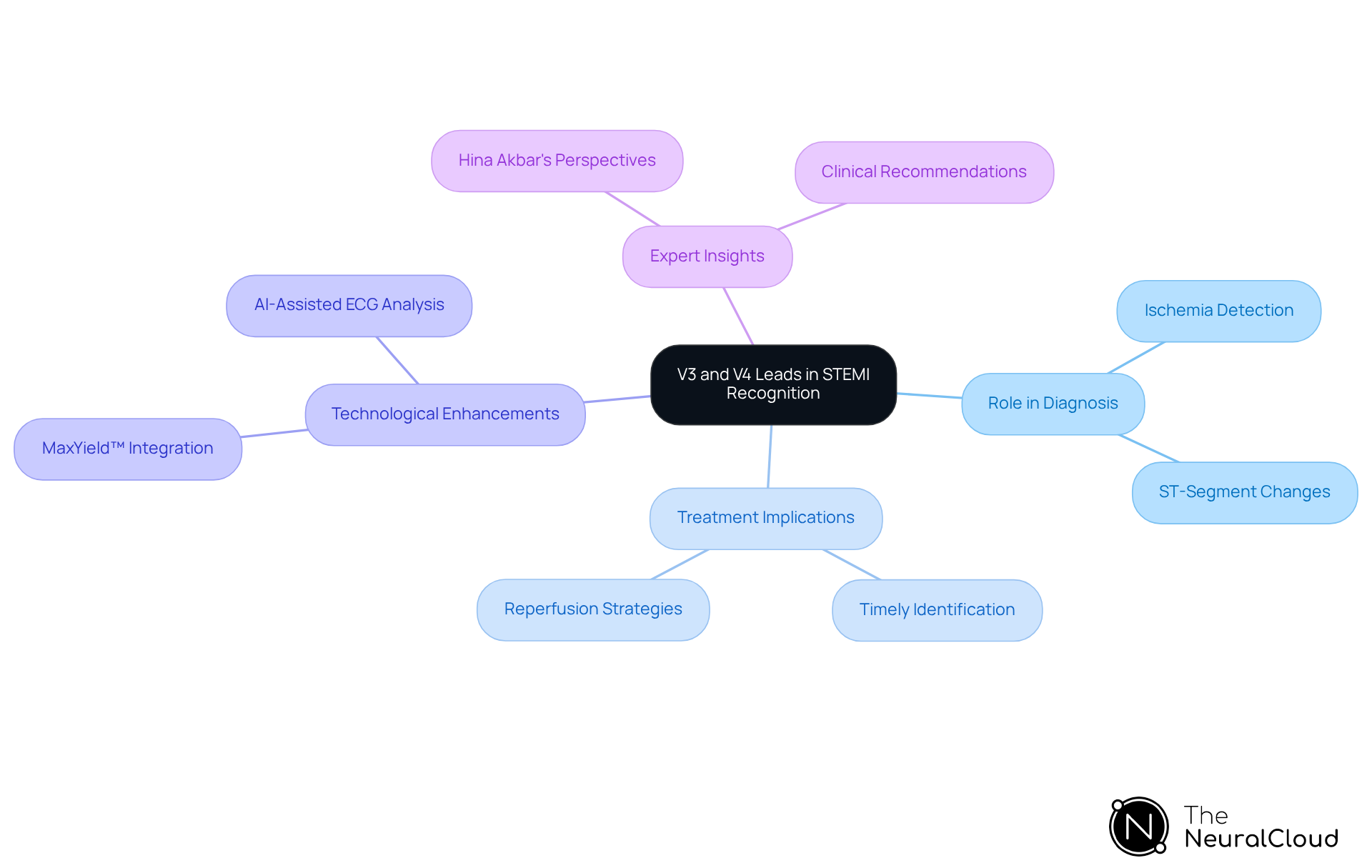
The ECG leads V3 and V4 are crucial in detecting inferior ST-segment elevation by monitoring the heart and providing essential insights into its electrical activity. Elevations in these leads indicate ischemia, particularly in the left anterior descending artery. Clinicians must evaluate ST-segment changes in V3 and V4 closely, as these alterations can significantly influence treatment decisions and interventions. Recognizing these changes early is vital, as they can lead to prompt reperfusion strategies, ultimately improving patient outcomes.
Understanding the specific ST-segment dynamics in these leads is essential for accurately diagnosing inferior myocardial infarction. This knowledge assists clinicians in effectively addressing this critical condition. With the integration of Neural Cloud Solutions' technology, lengthy and noisy ECG recordings can be transformed into clean, clear signals. This enhancement improves the clarity and speed of ambulatory ECG waveform analysis, making it easier for healthcare professionals to interpret results.
Insights from experts like Hina Akbar underscore the importance of early management to minimize myocardial damage, further highlighting the necessity of continuous monitoring, particularly focusing on V3 and V4 electrodes, in clinical practice. By leveraging the platform, healthcare providers can enhance their capabilities, leading to better patient care and outcomes.
V5 and V6 Leads: Crucial for Lateral STEMI Assessment
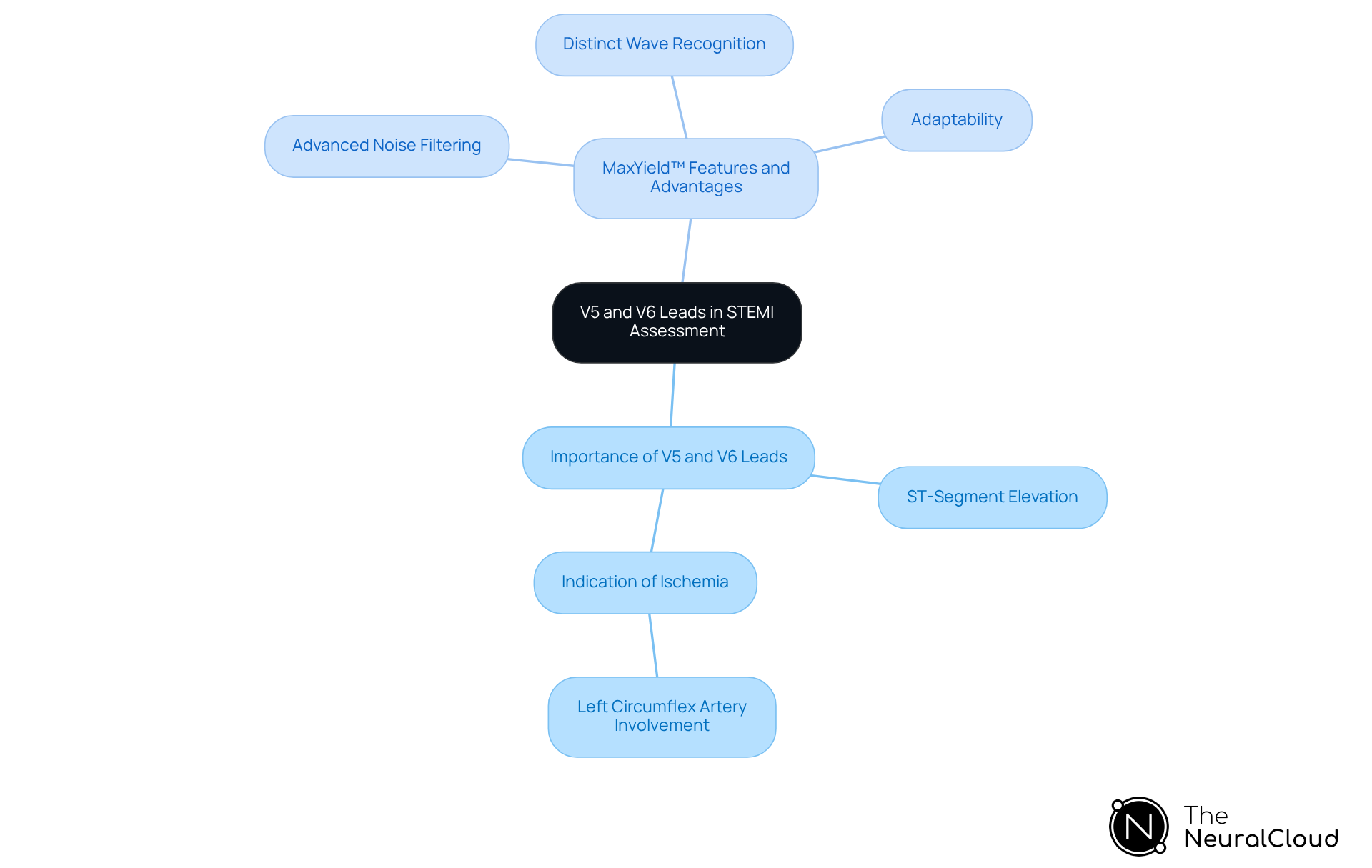
The V5 and V6 leads, specifically V5 and V6, play a crucial role in evaluating lateral STEMI, offering insights into the electrical activity of the heart's lateral wall. The presence of ST elevation can indicate ischemia in the left circumflex artery, highlighting the importance of accurate diagnosis.
However, clinicians often face challenges such as physiological variability and signal artifacts. These issues can obscure critical information, making it difficult for clinicians to interpret the data effectively. This is where Neural Cloud Solutions' technology comes into play.
Features of MaxYield™:
- Signal enhancement: Enhances signal clarity by reducing interference.
- Wave identification: Allows for precise identification of ECG waves, even in challenging recordings.
- Adaptability: The algorithm improves with each application, increasing its accuracy over time.
Advantages for Healthcare Professionals:
By utilizing MaxYield™, clinicians can rapidly isolate ECG waves, even in recordings affected by baseline wander, movement, and muscle artifact. This capability ensures that previously hidden sections of extensive Holter, 1-Lead, and patch monitor recordings are accessible, enabling timely diagnosis. As changes in these signals can indicate significant events, swift action is essential. MaxYield™ empowers healthcare professionals to respond effectively, ultimately enhancing patient care.
Limb Leads: Comprehensive View for Accurate STEMI Diagnosis
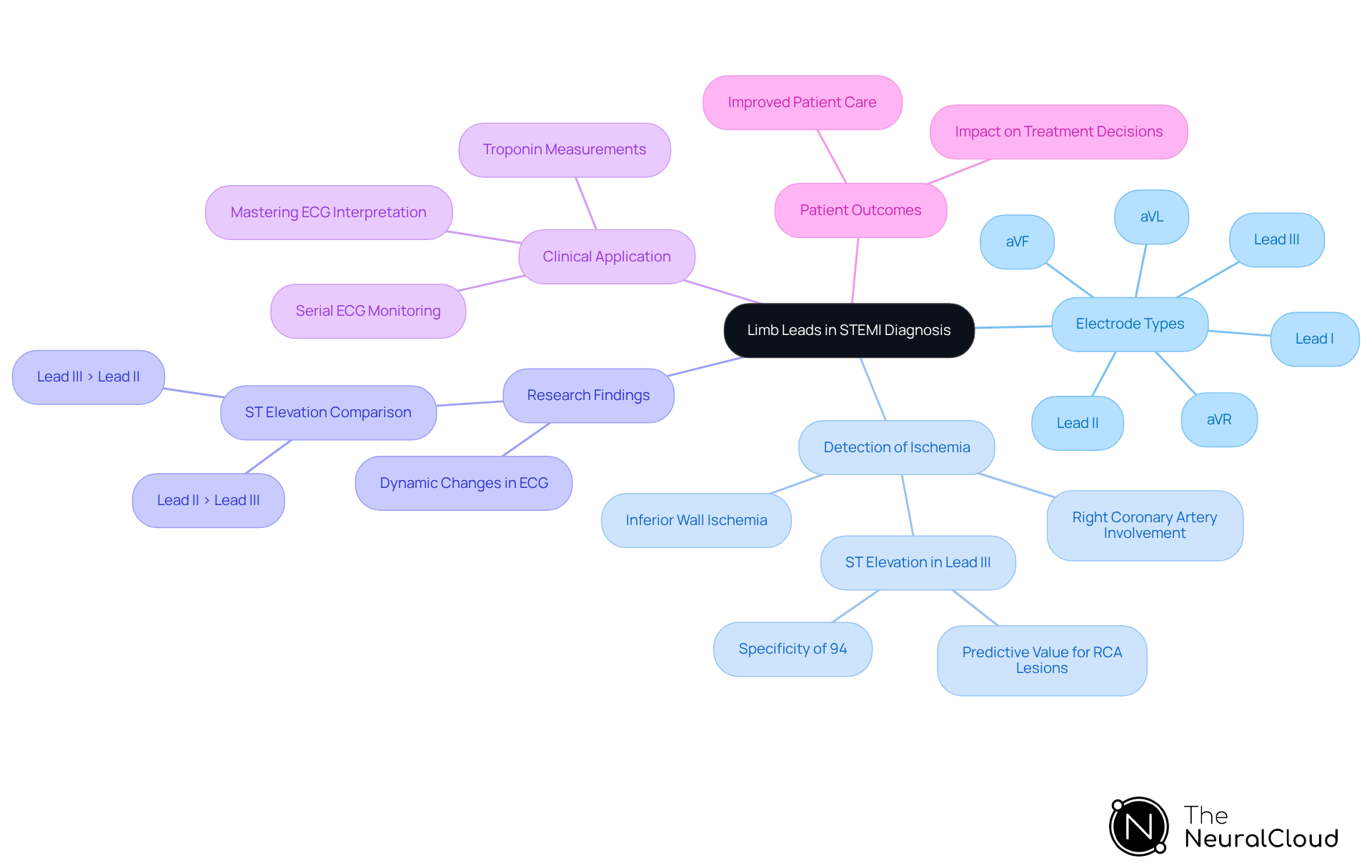
(I, II, III, aVR, aVL, aVF) provide a comprehensive view of the heart's electrical activity, which is crucial for accurately diagnosing STEMI. These electrodes are particularly effective in detecting changes indicative of myocardial infarction, often associated with right coronary artery (RCA) involvement. For instance, research indicates that ST elevation in channel III exceeding that in channel II serves as a strong predictor of inferior STEMI, boasting a specificity of 94%. This highlights the necessity for clinicians to utilize limb leads alongside chest electrodes and to obtain a complete understanding of a patient's cardiac status.
The practical application of limb leads in clinical practice demonstrates their effectiveness in identifying STEMI, which can significantly impact treatment decisions and patient outcomes. By mastering the interpretation of limb leads, clinicians can enhance their diagnostic accuracy and improve the management of patients experiencing acute coronary syndromes.
In summary, limb leads are not just supplementary tools; they are integral to a thorough cardiac evaluation, enabling clinicians to make informed decisions that can lead to better patient care.
AI Integration: Transforming ECG Lead Interpretation for STEMI
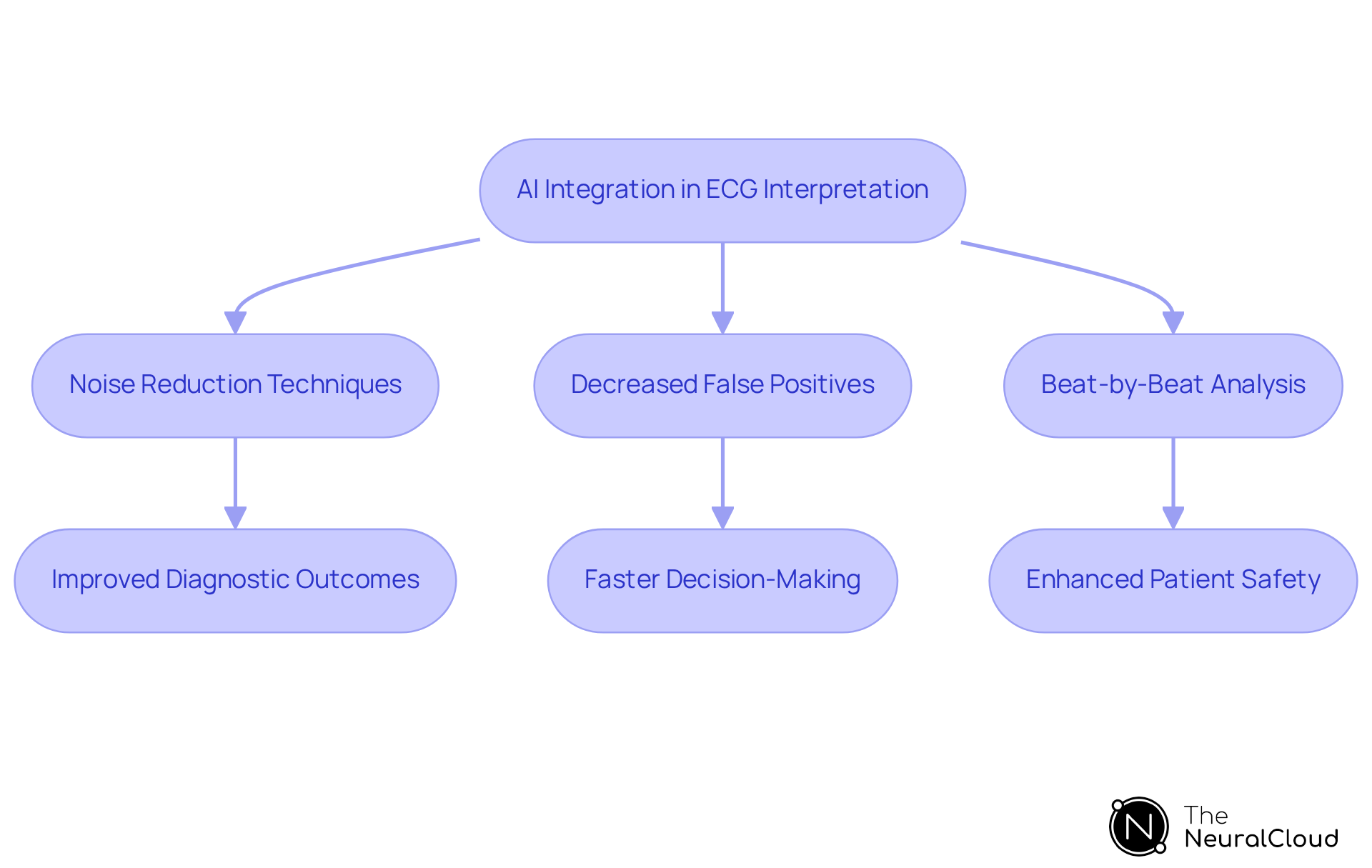
The integration of AI into the interpretation of ECG data addresses significant challenges in the field of cardiology. Traditional ECG analysis often struggles with noise and the accurate identification of arrhythmias. Neural Cloud Solutions' MaxYield™ platform revolutionizes this process by utilizing advanced AI algorithms that analyze ECG data in real-time. This capability allows for effective mapping of ECG signals, isolating key features such as P-wave, QRS complex, and T-wave onsets, even amidst noise.
MaxYield™ offers several notable features that enhance diagnostic accuracy:
- The use of machine learning, along with data analytics, improves the precision of heart attack diagnoses.
- By decreasing false positives, healthcare professionals can make faster, more informed decisions in critical situations.
- The platform delivers real-time analysis, providing insights from 200,000 heartbeats in less than 5 minutes. This rapid processing streamlines workflows for healthcare professionals, allowing them to focus on patient care.
The benefits of using MaxYield™ are substantial:
- With improved accuracy, healthcare providers can enhance patient safety.
- The platform's ability to deliver timely results, particularly when analyzing ECG leads for STEMI, not only saves time but also supports better clinical decision-making.
- As a result, patient care improves, ultimately leading to improved patient outcomes.
Continuous ECG Monitoring: Enhancing Acute STEMI Diagnosis
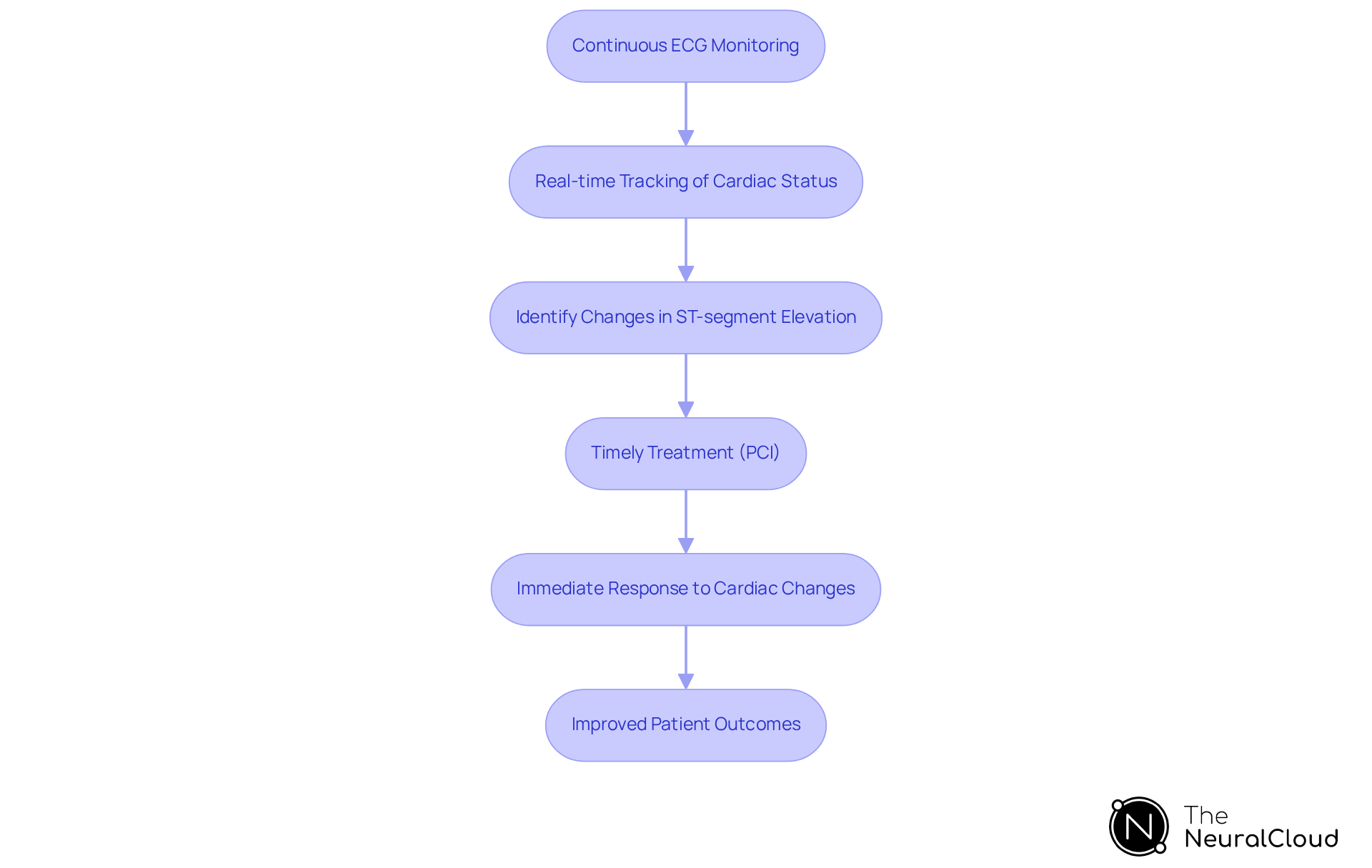
Ongoing monitoring with ECG technology is essential for the prompt diagnosis of acute STEMI, allowing for timely intervention. This method enables healthcare providers to quickly identify changes in heart rhythm, which is critical for effective intervention in cases involving myocardial infarction.
Continuous monitoring, especially through percutaneous coronary intervention (PCI), is vital; studies indicate that delays can triple the risk of mortality. By facilitating immediate responses to significant changes in cardiac activity, ongoing monitoring greatly improves outcomes and reduces the likelihood of complications associated with delayed diagnosis.
Moreover, the integration of artificial intelligence has shown promise in streamlining emergency care processes. These tools assist healthcare professionals, supporting clinical judgment. This ensures that patients needing urgent care receive it without unnecessary delays, ultimately transforming cardiac emergency management.
The combination of ongoing monitoring and advanced AI tools represents a significant advancement, enhancing both the efficiency and effectiveness of acute care.
Overcoming Noise: Ensuring Clarity in ECG Leads for STEMI
Overcoming noise in ECG signals presents significant challenges that can hinder accurate STEMI diagnosis. Noise often obscures true ECG signals, which can result in misdiagnosis or delayed treatment.
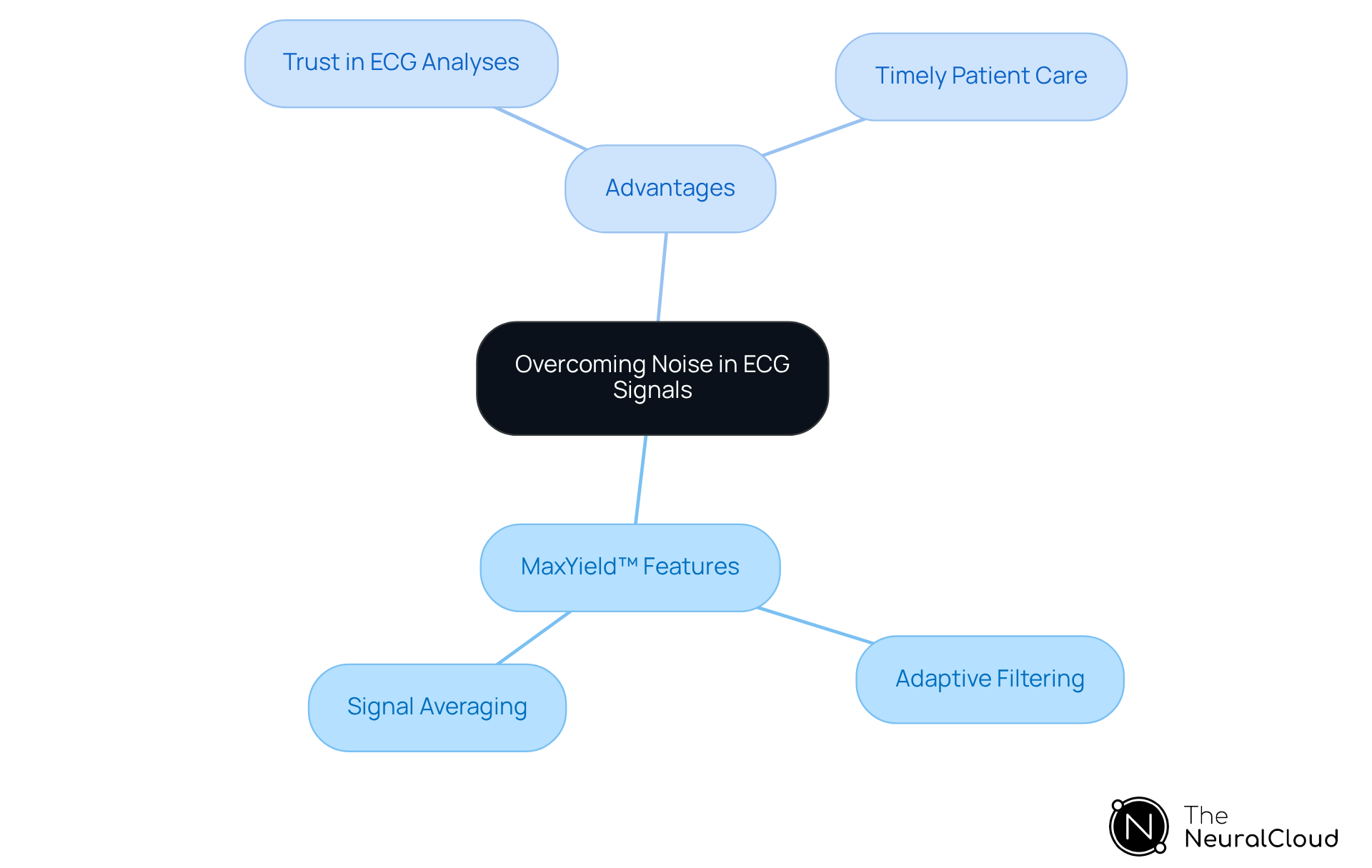
MaxYield™ improves ECG analysis by leveraging advanced algorithms and automation to significantly reduce noise levels. This enhancement improves the quality of ECG data, allowing healthcare professionals to make more informed decisions. Key features of MaxYield™ include:
- Adaptive filtering
- Signal averaging
These features are essential for ensuring precise readings from ECG leads and reliable heart attack diagnoses.
The advantages of using MaxYield™ are clear: improved signal clarity, leading to faster diagnoses. By transforming ECG analysis with automated, accurate, and scalable solutions, MaxYield™ empowers practitioners to focus on what matters most - patient outcomes.
In summary, the integration of MaxYield™ into ECG analysis not only enhances signal clarity but also supports healthcare professionals in making timely decisions. With its innovative features, MaxYield™ stands out as a vital tool for accurate STEMI diagnosis and delayed treatment.
Future Innovations: Advancing ECG Lead Technology for STEMI Diagnosis
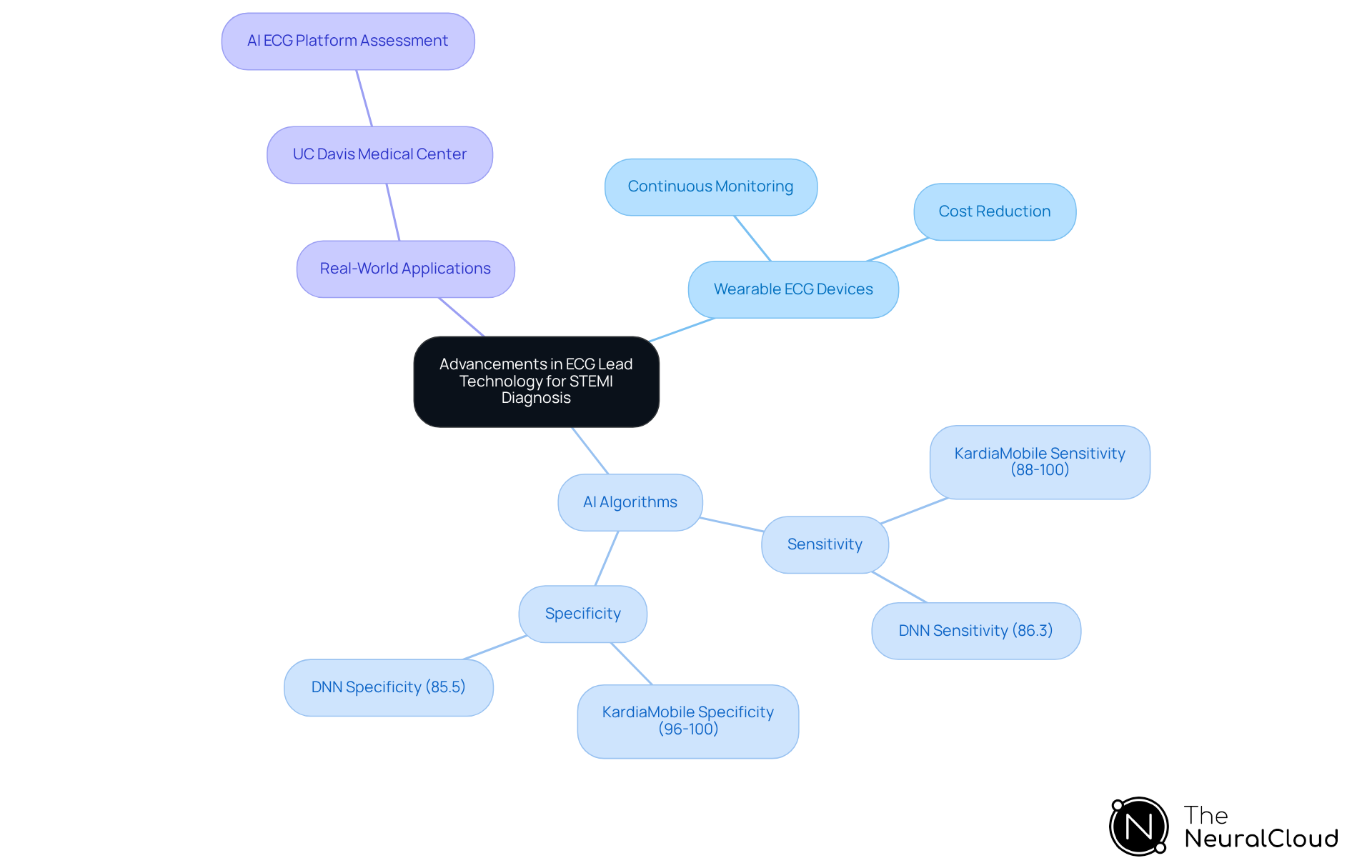
The future of ECG technology is poised for significant advancements that will enhance the diagnosis of STEMI through the use of innovative devices. These lead innovations will provide continuous, real-time monitoring essential for timely intervention. Recent studies indicate that these devices can detect arrhythmias with accuracy comparable to traditional methods, while also lowering healthcare costs. For instance, the KardiaMobile system demonstrated an impressive sensitivity of 88-100% when utilizing various lead combinations for heart attack detection, underscoring its effectiveness in clinical settings.
Additionally, by markedly improving diagnostic accuracy. A deep neural network (DNN) trained on over 1.7 million ECGs has achieved a sensitivity of 86.3% and a specificity of 85.5% in diagnosing left ventricular systolic dysfunction, surpassing average cardiologist interpretations. This technology not only reduces false positives from nearly 42% to about 8% but also improves the identification of critical cardiac events, making it an invaluable asset in emergency care.
Real-world applications of these technologies in healthcare are already emerging. For example, UC Davis Medical Center recently assessed an initiative involving over 1,000 individuals, highlighting the potential of these innovations to enhance emergency response and improve health outcomes. As these technologies continue to evolve, their integration into clinical practice will be crucial for advancing cardiac care and ensuring timely treatment for patients experiencing STEMI.
Conclusion
The significance of ECG leads in accurately diagnosing ST-Elevation Myocardial Infarction (STEMI) is paramount. However, traditional ECG analysis often faces challenges, such as noise interference and slow processing times. The MaxYield™ platform from Neural Cloud Solutions addresses these issues by integrating advanced technologies that enhance ECG interpretation. This transformation allows healthcare professionals to achieve clearer and more precise readings, ultimately improving diagnostic capabilities and patient outcomes during cardiac emergencies.
MaxYield™ offers several key features that revolutionize ECG analysis:
- Advanced noise filtering ensures that extraneous signals do not obscure critical data.
- Rapid processing speeds allow for timely diagnoses.
- Detailed beat-by-beat analysis, which is essential for detecting various types of STEMI.
These features collectively enhance the accuracy of ECG interpretations, enabling healthcare providers to respond more effectively in emergency situations.
The advantages of utilizing MaxYield™ extend beyond improved diagnostics. By embracing this innovative technology, clinicians can enhance their responsiveness in managing patients with acute coronary syndromes. Continuous monitoring and AI integration streamline ECG interpretation, showcasing the platform's potential to transform emergency cardiac care. As the healthcare landscape evolves, leveraging tools like MaxYield™ will be vital for ensuring that timely and effective interventions remain at the forefront of patient treatment strategies.
In conclusion, the future of cardiac care lies in the seamless integration of advanced ECG analysis techniques. By adopting platforms like MaxYield™, healthcare professionals can significantly improve their diagnostic precision and patient management. This evolution not only enhances the quality of care but also ensures that healthcare providers are well-equipped to handle the complexities of cardiac emergencies.
Frequently Asked Questions
What challenges does ECG analysis face?
ECG analysis faces challenges such as noise interference and the need for rapid, accurate interpretation of data.
How does MaxYield™ improve ECG data processing?
MaxYield™ improves ECG data processing through automation and advanced AI algorithms, providing features like gold standard noise filtering, rapid processing, detailed beat-by-beat analysis, and artifact handling.
What is the significance of gold standard noise filtering in MaxYield™?
Gold standard noise filtering enhances the clarity of ECG data, delivering a clean, 'neuralized' signal that allows for more accurate analysis.
How quickly can MaxYield™ analyze ECG data?
MaxYield™ can analyze over 200,000 heartbeats in under five minutes.
What types of features does MaxYield™ isolate during ECG analysis?
MaxYield™ isolates critical features such as P-waves, QRS complexes, and T-wave intervals during ECG analysis.
How does MaxYield™ handle artifacts in ECG recordings?
MaxYield™ salvages previously obscured sections of recordings, ensuring smooth and distinct ECG waves, which improves overall data quality.
Why is the 12-lead ECG configuration important for diagnosing STEMI?
The 12-lead ECG configuration provides a comprehensive view of the heart's electrical activity, allowing for the identification of ST-segment elevations essential for diagnosing STEMI.
What is the diagnostic criterion for STEMI using the 12-lead ECG?
STEMI is diagnosed when there is more than 1 mm of ST elevation in two contiguous ECG leads.
What percentage of individuals with acute coronary syndrome (ACS) have STEMI?
Approximately 38% of individuals presenting with ACS have a STEMI.
How does MaxYield™ enhance the utilization of the 12-lead ECG?
MaxYield™ enhances the utilization of the 12-lead ECG by providing advanced noise filtering, automation that reduces analysis time, and a user-friendly interface that simplifies ECG interpretation.
What role do leads V1 and V2 play in detecting anterior STEMI?
Leads V1 and V2 provide insights into the electrical activity of the heart's anterior wall and are crucial for detecting ST-segment elevation indicative of ischemia in the left anterior descending artery.
How does MaxYield™ assist in the assessment of leads V1 and V2?
MaxYield™ enhances the assessment of leads V1 and V2 through advanced noise filtering and distinct wave recognition, improving the accuracy of detecting ST-segment elevations.
What benefits does integrating wearable technology with MaxYield™ provide?
Integrating wearable technology with MaxYield™ automates the labeling process, leading to reduced costs and increased diagnostic yield, ultimately benefiting healthcare professionals.
List of Sources
- Neural Cloud Solutions: MaxYield™ for Enhanced ECG Analysis
- heart.org (https://heart.org/en/news/2023/11/06/can-ekgs-read-by-ai-save-lives-its-possible-researchers-say)
- reuters.com (https://reuters.com/business/healthcare-pharmaceuticals/health-rounds-ai-expands-usefulness-common-heart-test-2025-07-18)
- morningstar.com (https://morningstar.com/news/accesswire/1100002msn/aiml-innovations-inc-announces-grant-of-us-patent-protecting-core-ecg-signal-processing-architecture)
- jacc.org (https://jacc.org/doi/10.1016/j.jacadv.2025.102141)
- 12-Lead ECG Configuration: The Foundation for STEMI Diagnosis
- healthcare-in-europe.com (https://healthcare-in-europe.com/en/news/ecg-ai-stemi-detection-heart-attack-emergency.html)
- ecg-od.com (https://ecg-od.com/case_studies/bradford-district-care-foundation-use-of-ecg-on-demands-ai-assisted-12-lead-ecg-interpretation-service)
- Acute ST-Segment Elevation Myocardial Infarction (STEMI) - StatPearls - NCBI Bookshelf (https://ncbi.nlm.nih.gov/books/NBK532281)
- New study finds AI model improves heart attack detection (https://health.ucdavis.edu/news/headlines/new-study-finds-ai-model-improves-heart-attack-detection/2025/11)
- Checking your browser - reCAPTCHA (https://pmc.ncbi.nlm.nih.gov/articles/PMC7522782)
- V1 and V2 Leads: Key Indicators for Anterior STEMI Detection
- STEMI ECG Criteria: ST-Elevation Thresholds (https://powerfulmedical.com/blog/stemi-ecg-criteria)
- emra.org (https://emra.org/emresident/article/stemi-equivalents)
- pmc.ncbi.nlm.nih.gov (https://pmc.ncbi.nlm.nih.gov/articles/PMC3835230)
- STEMI - Electrocardiogram - M3 Curriculum | SAEM (https://saem.org/about-saem/academies-interest-groups-affiliates2/cdem/for-students/online-education/m3-curriculum/group-electrocardiogram-(ecg)-rhythm-recognition/stemi)
- Acute Anterior STEMI: A Challenging Diagnosis (https://hmpgloballearningnetwork.com/site/emsworld/article/10986290/acute-anterior-stemi-challenging-diagnosis)
- V3 and V4 Leads: Essential for Inferior STEMI Recognition
- ecg-od.com (https://ecg-od.com/case_studies/bradford-district-care-foundation-use-of-ecg-on-demands-ai-assisted-12-lead-ecg-interpretation-service)
- Acute ST-Segment Elevation Myocardial Infarction (STEMI) - StatPearls - NCBI Bookshelf (https://ncbi.nlm.nih.gov/books/NBK532281)
- nature.com (https://nature.com/articles/s41598-024-80313-5)
- ahajournals.org (https://ahajournals.org/doi/10.1161/JAHA.113.000268)
- V5 and V6 Leads: Crucial for Lateral STEMI Assessment
- New study finds AI model improves heart attack detection (https://health.ucdavis.edu/news/headlines/new-study-finds-ai-model-improves-heart-attack-detection/2025/11)
- litfl.com (https://litfl.com/lateral-stemi-ecg-library)
- jacc.org (https://jacc.org/doi/10.1016/S0735-1097(00)00630-6)
- STEMI - Electrocardiogram - M3 Curriculum | SAEM (https://saem.org/about-saem/academies-interest-groups-affiliates2/cdem/for-students/online-education/m3-curriculum/group-electrocardiogram-(ecg)-rhythm-recognition/stemi)
- pmc.ncbi.nlm.nih.gov (https://pmc.ncbi.nlm.nih.gov/articles/PMC7365122)
- Limb Leads: Comprehensive View for Accurate STEMI Diagnosis
- healthcare-in-europe.com (https://healthcare-in-europe.com/en/news/ecg-ai-stemi-detection-heart-attack-emergency.html)
- ecgweekly.com (https://ecgweekly.com/ecgstat/ems-ecgs-acs)
- openheart.bmj.com (https://openheart.bmj.com/content/10/1/e002093)
- AI-ECG Finds STEMI Faster, Cuts False-Positive Cath Lab Activations (https://tctmd.com/news/ai-ecg-finds-stemi-faster-cuts-false-positive-cath-lab-activations)
- pmc.ncbi.nlm.nih.gov (https://pmc.ncbi.nlm.nih.gov/articles/PMC10337600)
- AI Integration: Transforming ECG Lead Interpretation for STEMI
- New study finds AI model improves heart attack detection (https://health.ucdavis.edu/news/headlines/new-study-finds-ai-model-improves-heart-attack-detection/2025/11)
- Artificial Intelligence–Assisted ECG Interpretation versus Conventional Reporting in Predicting Arrhythmias in Acute Coronary Syndrome: A Diagnostic Accuracy Study (https://healthcare-bulletin.co.uk/article/artificial-intelligence-assisted-ecg-interpretation-versus-conventional-reporting-in-predicting-arrhythmias-in-acute-coronary-syndrome-a-diagnostic-accuracy-study-4252)
- AI Model May Reduce False-Positive STEMI Alerts in ED - The Cardiology Advisor (https://thecardiologyadvisor.com/reports/ai-model-may-reduce-false-positive-stemi-alerts-in-ed)
- icthealth.org (https://icthealth.org/news/ai-ecg-boosts-heart-attack-detection-and-cuts-false-alarms)
- AI-driven ECG improves detection of severe heart attacks (https://news-medical.net/news/20251029/AI-driven-ECG-improves-detection-of-severe-heart-attacks.aspx)
- Continuous ECG Monitoring: Enhancing Acute STEMI Diagnosis
- New study finds AI model improves heart attack detection (https://health.ucdavis.edu/news/headlines/new-study-finds-ai-model-improves-heart-attack-detection/2025/11)
- pmc.ncbi.nlm.nih.gov (https://pmc.ncbi.nlm.nih.gov/articles/PMC11905686)
- healthcare-in-europe.com (https://healthcare-in-europe.com/en/news/ecg-ai-stemi-detection-heart-attack-emergency.html)
- AI-ECG Finds STEMI Faster, Cuts False-Positive Cath Lab Activations (https://tctmd.com/news/ai-ecg-finds-stemi-faster-cuts-false-positive-cath-lab-activations)
- AI-driven ECG improves detection of severe heart attacks (https://news-medical.net/news/20251029/AI-driven-ECG-improves-detection-of-severe-heart-attacks.aspx)
- Future Innovations: Advancing ECG Lead Technology for STEMI Diagnosis
- New study finds AI model improves heart attack detection (https://health.ucdavis.edu/news/headlines/new-study-finds-ai-model-improves-heart-attack-detection/2025/11)
- The Future of Cardiac Safety: How Wearable ECGs Enhance Patient Monitoring in Drug Trials | Applied Clinical Trials Online (https://appliedclinicaltrialsonline.com/view/future-cardiac-safety-wearable-ecg-enhance-patient-monitoring)
- gehealthcare.com (https://gehealthcare.com/insights/article/ai-and-ecg-interpretation-insights-and-trends-for-today's-cardiologists?srsltid=AfmBOoqugcBNtfSfD0HjooZ6lQYoMZZuMVILiPsX3Am_Lt-mpHF6Gf04)
- reccardioclinics.org (https://reccardioclinics.org/en-diagnostic-sensitivity-smartphone-based-electrocardiographic-monitoring-articulo-S260515322030087X)