Introduction
The complex world of electrocardiograms (ECGs) holds a wealth of vital data that healthcare professionals depend on for accurate patient assessments. However, the intricacies of ECG values pose significant challenges, especially for health tech developers aiming to create effective diagnostic tools. This article explores ten essential ECG values that developers must grasp, illustrating how these metrics can enhance automated analysis and ultimately improve patient outcomes. As technology rapidly evolves, a pressing question arises: how can developers ensure their tools accurately interpret these critical ECG values while navigating the challenges of noise and variability?
Neural Cloud Solutions MaxYield™: Automated ECG Analysis for Accurate Values
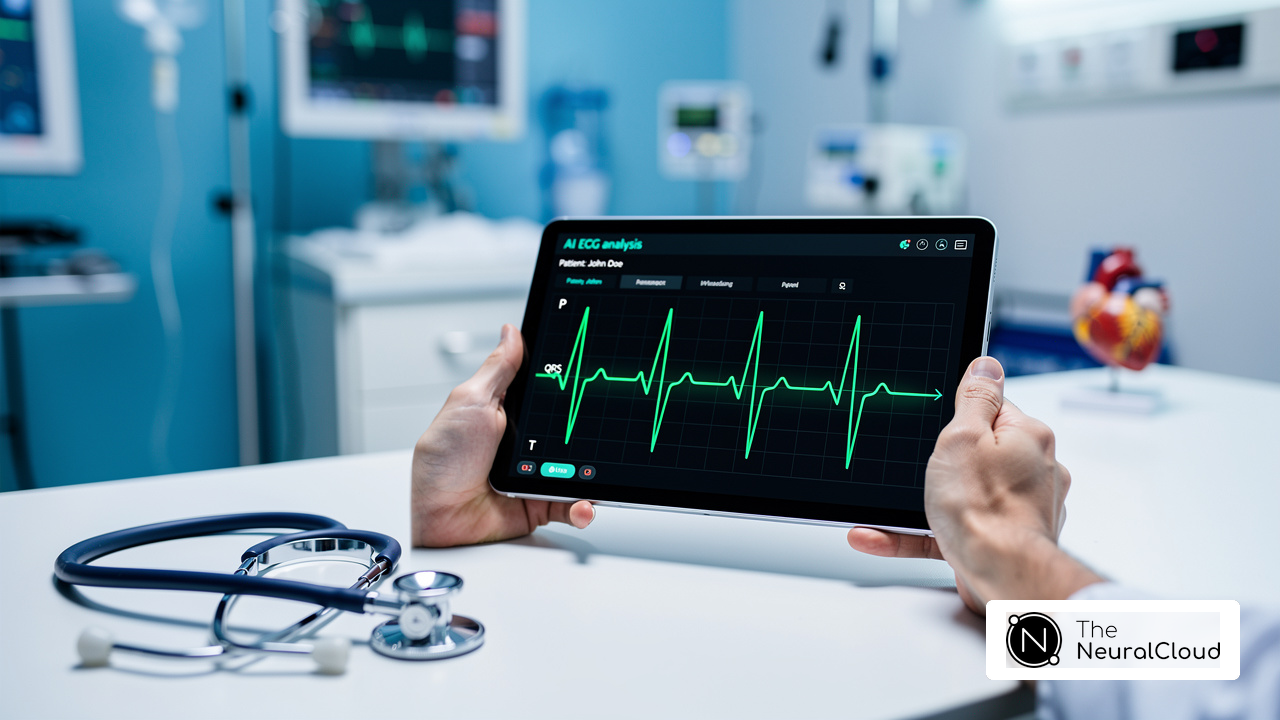
The analysis of ECG data presents several challenges, including the need for rapid and accurate detection of key features. Traditional methods often struggle with human error and the clarity of readings, which can impede diagnosis and treatment. Neural Cloud Solutions addresses these issues with its innovative platform that automates ECG analysis.
The platform processes over 200,000 heartbeats in under five minutes, ensuring swift and precise results. By employing advanced algorithms, it minimizes human error and enhances the clarity of ECG signals. This makes it an invaluable tool for healthcare providers, who require accurate data for patient assessments.
Key features of the platform include:
- Innovative noise filtering
- Distinct wave recognition capabilities
These features allow the system to recover previously obscured sections of lengthy ECG recordings, effectively tackling challenges posed by traditional methods. This capability is crucial for healthcare professionals who rely on accurate data, such as ECG values, for patient assessments.
Moreover, the system seamlessly integrates with various devices, including wearables and Holter monitors. This versatility enhances usability, allowing healthcare providers to utilize the platform across different monitoring scenarios. As the platform continues to learn and adapt, its precision and effectiveness improve over time, meeting the evolving needs of ECG evaluation.

P-Wave: Significance and Normal Values in ECG Interpretation
The P-wave signifies atrial depolarization and is crucial. Typically, the normal duration of a P-wave is less than 120 milliseconds, with an amplitude of under 2.5 mm in limb leads. Variations in the morphology of the P-wave can indicate conditions such as atrial enlargement or other abnormalities, which present challenges in diagnosing cardiac issues.
Neural Cloud Solutions' platform addresses these challenges by utilizing advanced neural networks that enhance the analysis and examination of ECG signals. This platform ensures precise measurement of ECG values, enhancing clarity and efficiency in the analysis of ECG values. By automating these processes, MaxYield™ allows healthcare professionals to focus on interpretation rather than manual data handling.
The advantages of using the platform are significant:
- It not only improves the accuracy of ECG readings but also streamlines the workflow for healthcare providers.
- This leads to better diagnostic capabilities when interpreting ECG results, ultimately benefiting patient care.
- With MaxYield™, healthcare professionals can confidently rely on data to make informed decisions.
QRS Complex: Key Characteristics and Clinical Relevance
The QRS complex, which includes the Q wave, R wave, and S wave, plays a crucial role in understanding cardiac function. However, the analysis of ECGs often faces challenges, particularly in accurately detecting abnormalities. Normal QRS duration typically ranges from 70 to 100 milliseconds, while exceeding 120 milliseconds may indicate potential issues such as bundle branch block or ventricular hypertrophy. Recent studies show that QRS durations indicating a value over 100 milliseconds are associated with increased risk, particularly in individuals with left ventricular hypertrophy (LVH). For example, subjects with QRS durations showing a range of 100-109 milliseconds have a 38% higher risk of cardiovascular events, while those with durations of 110 milliseconds or more face a 74% increased risk.
To address these challenges, Neural Cloud Solutions' platform offers advanced features designed to enhance ECG analysis. The platform utilizes sophisticated noise filtering and adaptive algorithms that improve accuracy with each use, ensuring accurate readings even in recordings affected by significant noise and artifacts. This capability is essential for timely diagnosis, as traditional methods of interpreting ECGs may struggle with noise and signal artifacts.
The advantages of the platform are clear. By facilitating prompt recognition of abnormalities in ECG readings, healthcare professionals can intervene early, resulting in better outcomes for patients. The platform not only improves the accuracy of ECG analysis but also supports healthcare providers in making informed decisions based on reliable data. In summary, the platform stands out as a vital tool in modern ECG analysis, bridging the gap between complex data interpretation and effective patient care.
T-Wave: Interpretation and Implications for Cardiac Health
The T-wave, which follows the QRS complex, signifies ventricular repolarization and is a critical component of the ECG. In a normal ECG, T-waves are predominantly upright across most leads, with the T-wave showing amplitude that varies according to lead placement and patient demographics. For instance, T-wave amplitudes differ by age and sex, with deeper T-waves (>0.183 mV) being 18 times more likely to indicate cardiomyopathy.
Abnormal T-wave patterns, such as inversion or flattening, can signal underlying issues like ischemia or electrolyte imbalances, as indicated by the T-wave morphology. This is particularly evident in conditions like hyperkalemia, where the ECG may show peaked T-waves. Recent studies have shown that T-wave inversion (TWI) is a common finding in young, healthy individuals, and such findings can also serve as an early indicator of cardiomyopathy. This emphasizes the need for precise interpretation of T-waves in clinical settings.
Developers must ensure their tools for evaluating ECGs are equipped to accurately detect and interpret these T-wave variations. Misinterpretation can lead to significant clinical consequences. For instance, irregularities in T-waves that impact various regions of the heart are seven times more likely to signal underlying illness, highlighting the importance of robust algorithms in ECG evaluation.
Furthermore, the variability in T-wave morphology underscores the necessity for advanced analytical methods, as errors in interpretation can reach 25-40%. By incorporating algorithms and noise reduction methods, developers can improve the reliability of T-wave evaluations and the accuracy of diagnoses. This ultimately enhances patient care and outcomes for individuals.

QT Interval: Understanding Its Importance in ECG Analysis
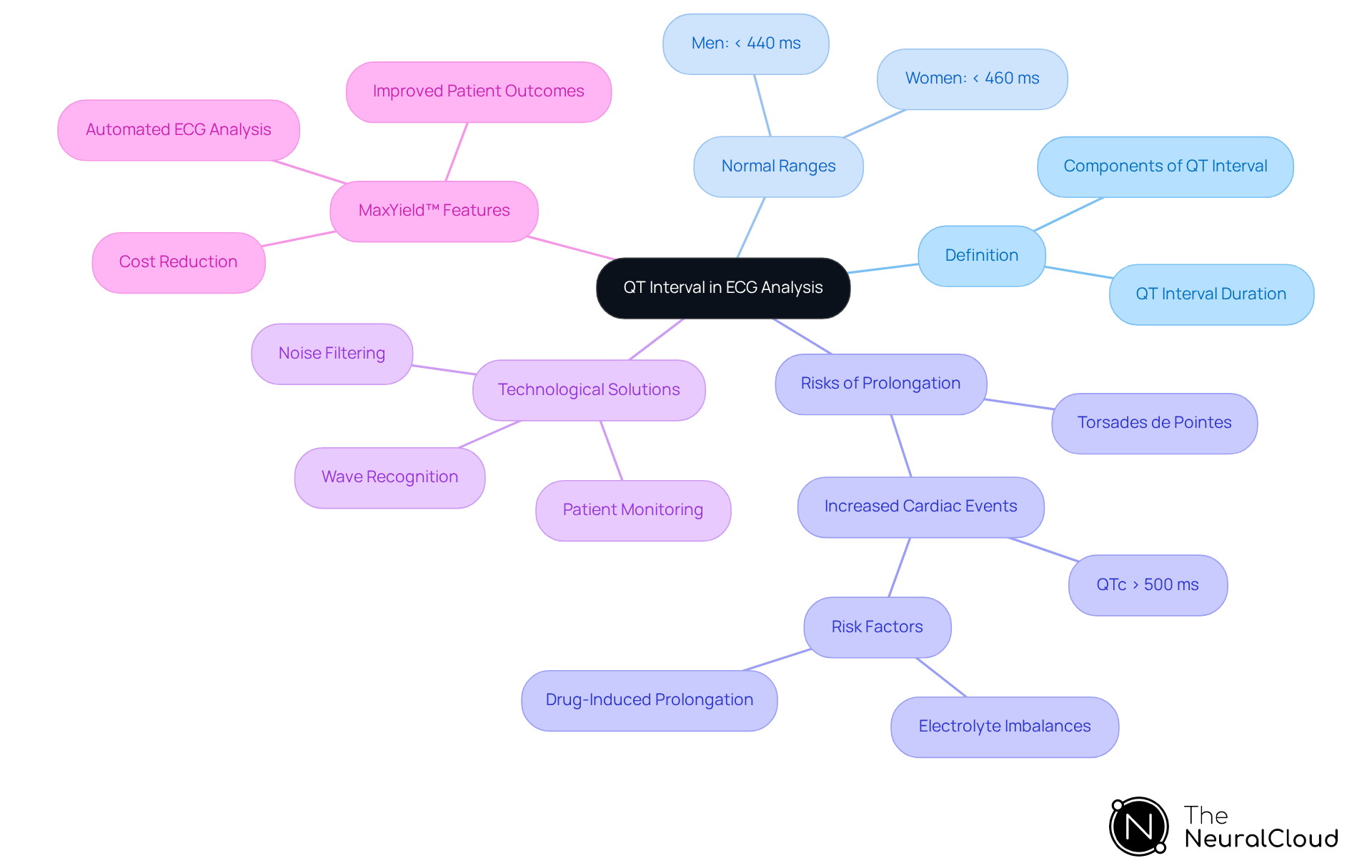
The QT interval represents the duration of ventricular depolarization and repolarization. A normal QT interval is typically less than 440 milliseconds for men and 460 milliseconds for women. When the QT interval is prolonged, it indicates a potential risk for arrhythmias, particularly Torsades de Pointes, which can lead to sudden cardiac death. Recent studies show that prolonged QT intervals correlate with a five- to eightfold increased risk of cardiac events before the age of 40. Given that prolonged QT intervals can be found in up to 10% of the population, it is essential for developers to incorporate robust analysis capabilities for ECG values into their ECG tools.
MaxYield™ enhances accuracy and precise wave recognition. This platform effectively isolates ECG waves from recordings affected by baseline wander, motion, and muscle artifacts, addressing common challenges in ECG evaluation. By ensuring that critical data remains visible, MaxYield™ not only automates the labeling process but also reduces costs, ultimately improving the efficiency of ECG assessments. The combination of wearable technology with MaxYield™ enhances patient monitoring and clinical decision-making, contributing significantly to patient safety.
In summary, the MaxYield™ platform provides healthcare professionals with the tools necessary to improve ECG analysis and enhance patient outcomes. By leveraging its features, practitioners can enhance their ECG analysis, leading to better patient outcomes and more informed clinical decisions.
ST Segment: Recognizing Ischemic Changes in ECG Readings
The ST segment is a critical component of the electrocardiogram (ECG), representing the interval between ventricular depolarization and repolarization. Under normal conditions, ST segments are isoelectric, indicating a stable cardiac state. However, deviations from this baseline can signal significant cardiac events, such as ischemia or myocardial infarction. Specifically, ST segment elevation or depression is often associated with ischemic conditions, necessitating prompt clinical attention.
Current guidelines emphasize the importance of accurately detecting ST segment changes to facilitate timely diagnosis and intervention. For instance, ST segment elevation is a hallmark of myocardial infarction, which can be observed in conditions like ST-elevated myocardial infarction (STEMI). In clinical practice, the threshold for ST segment elevation varies by demographic factors; for example, it is considered significant at 0.2 mV for males over 40 and 0.15 mV for females.
The prevalence of ST segment changes in acute coronary syndrome (ACS) cases is notable, with studies indicating that it occurs in a significant proportion of individuals presenting with acute chest pain. Comprehending the typical features of the ST segment and identifying deviations is essential for health tech developers, as their systems must be designed to accurately detect changes in ECG values. This capability not only aids in diagnosis but also enhances patient outcomes by ensuring timely interventions.
MaxYield™ offers solutions that enhance ECG analysis. This platform provides beat-by-beat evaluation, processing data from 200,000 heartbeats in under 5 minutes. The AI-driven technology improves clarity and efficiency in ECG readings, allowing healthcare professionals to respond swiftly to critical cardiac events.
Key Features of MaxYield™:
- Advanced algorithms for accurate ECG interpretation.
- Rapid processing of extensive data for timely clinical decisions.
- User-friendly interface for healthcare professionals.
Case studies illustrate the clinical significance of ST segment changes. For example, ischemic ST-T changes can manifest as elevation or depression, depending on the extent and timing of the ischemia. Recognizing these patterns is essential for differentiating between ischemic and non-ischemic conditions, which can significantly influence treatment strategies. Consequently, developers ought to emphasize the incorporation of strong algorithms that can identify and analyze variations efficiently, thus assisting healthcare professionals in providing optimal care.

Heart Rate Variability: Assessing Cardiac Function Through ECG
Heart Rate Variability measures the variations in time intervals between heartbeats, serving as a crucial indicator of autonomic nervous system function. It reflects the body's ability to respond to stress and maintain overall cardiac health. Normal HRV values, which are typically linked to resilience against stressors, can also be reflected in the analysis of ECG values. Research shows that younger individuals generally exhibit higher HRV scores, while HRV values tend to decline with age, highlighting the importance of monitoring HRV.
Integrating HRV analysis into ECG tools is vital for developers aiming to provide comprehensive assessments of cardiac function. The technology effectively isolates ECG waves from recordings affected by baseline wander, movement, and muscle artifacts. This ensures that critical data is accurately identified and labeled. By utilizing HRV metrics, MaxYield™ enhances monitoring of individuals and enables better clinical decision-making. This innovative approach addresses traditional limitations in ECG interpretation and improves diagnostic yield, making it an essential tool for health tech developers focused on delivering precise cardiac assessments.
Current research emphasizes the implications of HRV in cardiac health monitoring, revealing that lifestyle factors such as sleep hygiene, nutrition, and physical activity significantly influence HRV stability. By concentrating on these metrics, developers can create tools that not only capture heart activity but also provide actionable insights based on ECG values into an individual's overall well-being. This ultimately enhances patient outcomes and care.
Features of MaxYield™
- Isolation of ECG Waves: Effectively filters out noise from recordings.
- HRV Analysis: Enhances monitoring and assessment capabilities.
- Improved Interpretation: Addresses traditional ECG interpretation limitations.
Advantages for Healthcare Professionals
- Accurate Data Capture: Ensures critical information is captured.
- Faster Decisions: Facilitates quicker clinical decisions.
- Comprehensive View: Provides a holistic view of patient health.
Axis Deviation: Clinical Implications in ECG Interpretation
Axis deviation indicates the direction of the heart's electrical activity on an ECG, with normal ECG values defined between -30° and +90°. The ECG values in this range are vital for accurate cardiac assessment, as deviations can signal underlying health issues.
Challenges in ECG Analysis
Left axis deviation, typically ranging from -30° to -90°, is often linked to conditions like hypertension, which can lead to worse clinical outcomes. A recent study found that individuals with LAD had a cumulative three-year incidence of all-cause death and major adverse cardiovascular events (MACE) of 26.4%, compared to 18.4% for those with a normal axis. Conversely, right axis deviation, which ranges from +90° to +180°, may suggest pulmonary hypertension or right ventricular overload. In a large cohort, RAD was identified in 2.8% of individuals, with a cumulative incidence of adverse outcomes at 22.7%, showing no significant increase in risk compared to those with a normal axis.
Features
Current research underscores the importance of accurately interpreting these deviations, as they can guide clinical decision-making and enhance patient outcomes. The software addresses these challenges by providing advanced analytics. Key features include:
- Beat-by-beat analysis
- An adaptive algorithm that evolves with each use
These features collectively improve diagnostic yield over time, ensuring healthcare professionals can make informed decisions based on accurate data.
Advantages for Healthcare Professionals
Understanding the clinical implications of both LAD and RAD, including potential causes like cardiomyopathy or horizontal heart position due to obesity, is crucial for optimizing patient care. By utilizing the software, developers can incorporate algorithms that accurately assess axis deviations and provide actionable insights based on findings. This not only enhances the tools available to healthcare professionals but also ultimately leads to improved patient outcomes.

PR Interval: Importance in Diagnosing Conduction Abnormalities
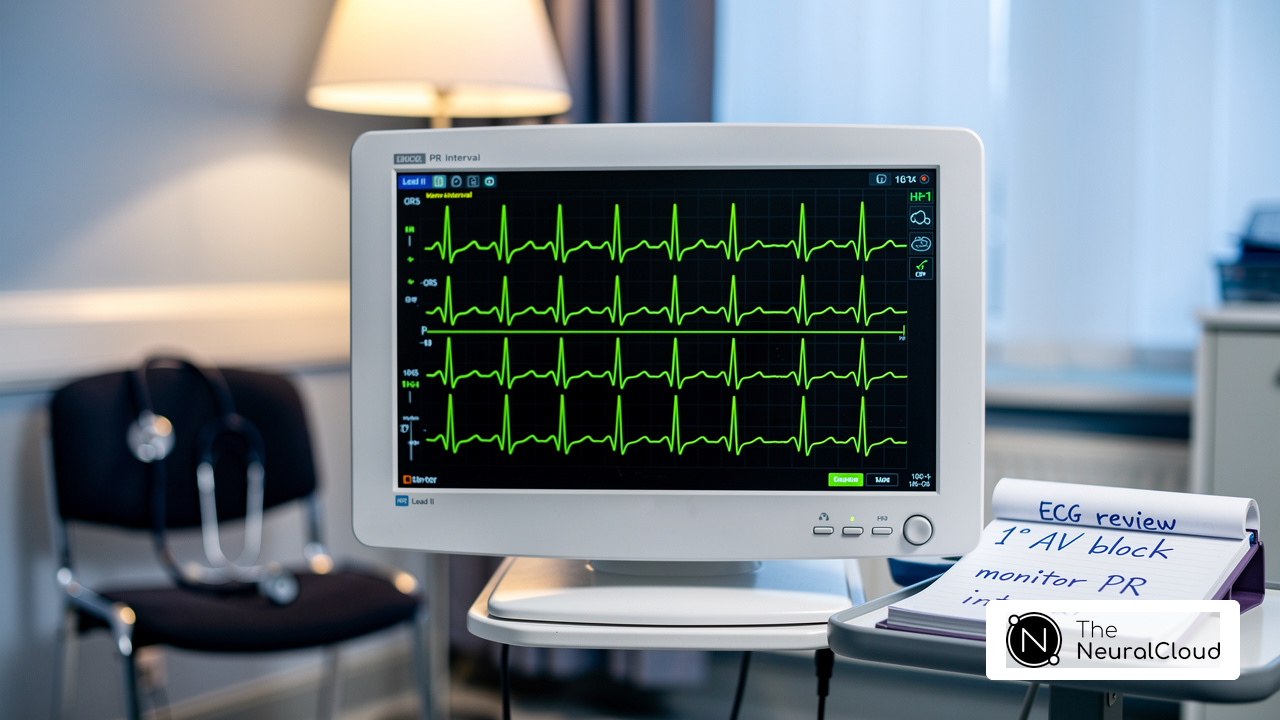
The PR interval is a vital measure in electrocardiography, indicating the time from the onset of the P wave to the beginning of the QRS complex. This interval reflects conduction through the AV node, with normal PR intervals typically ranging from 120 to 200 milliseconds. Deviations from this range can have significant clinical implications.
For instance:
- Prolonged PR intervals suggest first-degree heart block, which is associated with increased risks of adverse cardiovascular outcomes, including arrhythmias and heart failure hospitalization.
- Conversely, shortened PR intervals indicate pre-excitation syndromes, where conduction bypasses the AV node.
The prevalence of first-degree heart block varies, with studies indicating rates of 1% to 6% in the general population, increasing with age. For health tech developers, incorporating robust algorithms into ECG analysis is essential for enhancing diagnostic precision and improving ECG values to achieve better patient outcomes.
The software exemplifies this approach by providing tools that automate the identification of critical cardiac signals. This not only improves accuracy but also facilitates timely interventions, ultimately benefiting healthcare professionals and their patients.

Abnormal ECG Findings: Identifying Potential Cardiac Issues
Abnormal ECG findings can indicate various cardiac issues, including arrhythmias, ischemia, and structural heart disease. Key abnormalities to watch for in ECG readings include ST-segment changes, T-wave inversions, and prolonged QT intervals. Recent studies indicate that approximately 30% of adults experience abnormal ECG findings, with a notable prevalence of atrial fibrillation and major ST-T abnormalities among older adults. Furthermore, arrhythmias are prevalent, with findings suggesting that 22.3% of the population may present with minor arrhythmias, which can often lead to more serious conditions if not addressed.
Developers must ensure their ECG evaluation systems are equipped to accurately identify these abnormalities. This can help reduce the risk of sudden cardiac events. The integration of advanced algorithms, such as those used in a leading platform, streamlines this process by mapping ECG signals through noise, isolating and labeling key features in every heartbeat. This enables healthcare professionals to concentrate on crucial decision-making instead of manual examination.
Effective ECG screening can help identify at-risk individuals by evaluating their heart rhythms, potentially preventing serious health outcomes such as sudden cardiac death. With machine learning techniques, developers can leverage cutting-edge AI technology to transform noisy signals into clean, crisp signals. This enhances clarity and speed in ambulatory ECG waveform analysis, ultimately improving the efficiency of interpreting ECG data.
Features of the System
- Advanced Algorithms: Streamline ECG signal processing.
- Real-Time Analysis: Isolate and label key features in real-time.
- User-Friendly Interface: Simplifies decision-making for healthcare professionals.
Advantages for Healthcare Professionals
- Improved Accuracy: Enhanced identification of abnormalities.
- Faster Analysis: Reduces time spent on manual examination.
- Better Patient Outcomes: Timely interventions can prevent serious health issues.
Conclusion
The exploration of essential ECG values is critical for health tech developers aiming to enhance diagnostic accuracy and patient care. Understanding these key metrics not only facilitates better clinical decision-making but also highlights the importance of integrating advanced analysis tools like Neural Cloud Solutions' MaxYield™ platform. This platform automates ECG analysis, minimizing human error and improving data clarity.
ECG analysis presents several challenges, including the complexity of interpreting various components. The MaxYield™ platform addresses these challenges with features such as noise filtering and adaptive algorithms. These capabilities empower healthcare professionals to accurately interpret key ECG elements, including:
- P-wave
- QRS complex
- T-wave
- QT interval
- ST segment
- Heart rate variability
- Axis deviation
- PR interval
Each of these components plays a significant role in diagnosing potential cardiac issues, from arrhythmias to ischemic changes.
The advantages of using the MaxYield™ platform are clear. By automating ECG analysis, healthcare providers can rely on precise data for timely interventions, ultimately leading to improved patient outcomes. As the landscape of health technology continues to evolve, the integration of automated ECG analysis tools becomes increasingly vital. Developers are encouraged to prioritize the incorporation of these advanced features into their systems.
In summary, enhancing the quality of cardiac assessments through the MaxYield™ platform not only contributes to the overall improvement of patient health and safety but also ensures that healthcare professionals can make informed decisions based on accurate data. By embracing these innovations, developers can significantly impact patient care in the ever-evolving field of health technology.
Frequently Asked Questions
What is the purpose of Neural Cloud Solutions MaxYield™?
Neural Cloud Solutions MaxYield™ is designed for automated ECG analysis, addressing challenges like rapid and accurate detection of key features in ECG values while minimizing human error.
How quickly can the MaxYield™ platform process ECG data?
The platform can process over 200,000 heartbeats in under five minutes, providing swift and precise results.
What advanced technology does MaxYield™ utilize to enhance ECG analysis?
MaxYield™ employs advanced AI algorithms and neural networks to automate the detection and labeling of essential ECG features.
What are some key features of the MaxYield™ platform?
Key features include innovative noise filtering and distinct wave recognition capabilities, which help recover obscured sections of ECG recordings.
How does MaxYield™ benefit healthcare professionals?
It enhances the clarity of ECG values, streamlines workflow efficiency, and allows healthcare providers to focus on interpretation rather than manual data handling.
What is the significance of the P-wave in ECG interpretation?
The P-wave signifies atrial depolarization and its normal duration is less than 120 milliseconds with an amplitude of under 2.5 mm in limb leads. Variations can indicate conditions like atrial enlargement or atrial fibrillation.
How does MaxYield™ improve P-wave analysis?
It automates the labeling and examination of P-wave characteristics, ensuring precise measurements and enhancing the efficiency of ECG value analysis.
What is the normal duration of the QRS complex in an ECG?
The normal QRS duration typically ranges from 70 to 100 milliseconds.
What health risks are associated with prolonged QRS duration?
A QRS duration exceeding 100 milliseconds is linked to increased cardiovascular mortality, particularly in individuals with left ventricular hypertrophy (LVH).
How does the MaxYield™ platform assist in QRS detection?
It utilizes sophisticated noise filtering and adaptive algorithms to enhance accuracy in detecting QRS duration, even in recordings affected by noise and artifacts.
What are the overall advantages of using the MaxYield™ platform?
The platform improves the accuracy of ECG analysis, facilitates early recognition of abnormalities, and supports healthcare providers in making informed decisions based on reliable data.
List of Sources
- Neural Cloud Solutions MaxYield™: Automated ECG Analysis for Accurate Values
- pmc.ncbi.nlm.nih.gov (https://pmc.ncbi.nlm.nih.gov/articles/PMC12532542)
- linkedin.com (https://linkedin.com/posts/the-neural-cloud-inc_heres-what-ive-learned-about-tackling-the-activity-7393664011008888832-KnXF)
- Checking your browser - reCAPTCHA (https://pmc.ncbi.nlm.nih.gov/articles/PMC12419789)
- tipranks.com (https://tipranks.com/news/company-announcements/neural-cloud-launches-ai-driven-cardiac-care-pilot-at-sickkids)
- AIML Hits Key Regulatory Benchmark with 510(k) Filing for MaxYield(TM) Signal Enhancement Platform (https://biospace.com/press-releases/aiml-hits-key-regulatory-benchmark-with-510k-filing-for-maxyieldtm-signal-enhancement-platform)
- P-Wave: Significance and Normal Values in ECG Interpretation
- pmc.ncbi.nlm.nih.gov (https://pmc.ncbi.nlm.nih.gov/articles/PMC3394095)
- ahajournals.org (https://ahajournals.org/doi/10.1161/JAHA.125.043590)
- pmc.ncbi.nlm.nih.gov (https://pmc.ncbi.nlm.nih.gov/articles/PMC2760837)
- Normal Electrocardiography (ECG) Intervals: Normal Electrocardiography Intervals (https://emedicine.medscape.com/article/2172196-overview)
- mdpi.com (https://mdpi.com/2075-4418/15/20/2636)
- QRS Complex: Key Characteristics and Clinical Relevance
- bookey.app (https://bookey.app/book/the-ecg-made-easy/quote)
- Prevalence and long-term prognostic implications of prolonged QRS duration in left ventricular hypertrophy: a population-based observational cohort study (https://bmjopen.bmj.com/content/12/2/e053477)
- Duration of QRS Complex in Resting Electrocardiogram Is a Predictor of Sudden Cardiac Death in Men | Circulation (https://ahajournals.org/doi/10.1161/circulationaha.111.025577)
- QRS Interval (https://litfl.com/qrs-interval-ecg-library)
- QRS complex - Wikipedia (https://en.wikipedia.org/wiki/QRS_complex)
- T-Wave: Interpretation and Implications for Cardiac Health
- pmc.ncbi.nlm.nih.gov (https://pmc.ncbi.nlm.nih.gov/articles/PMC6932581)
- New clues from heart rhythm test could prevent sudden death in under 35s | City St George's, University of London (https://citystgeorges.ac.uk/news-and-events/news/2025/july/new-clues-from-heart-rhythm-test-could-prevent-sudden-death-in-under-35s)
- ECG T Wave Inversion Features Predict Cardiomyopathy | www.PhysiciansWeekly.com (https://physiciansweekly.com/post/ecg-t-wave-inversion-features-predict-cardiomyopathy)
- T Wave Amplitude - an overview | ScienceDirect Topics (https://sciencedirect.com/topics/medicine-and-dentistry/t-wave-amplitude)
- Prominent T-wave (https://emcrit.org/ibcc/bigt)
- QT Interval: Understanding Its Importance in ECG Analysis
- ncbi.nlm.nih.gov (https://ncbi.nlm.nih.gov/books/NBK441860)
- sciencedirect.com (https://sciencedirect.com/topics/immunology-and-microbiology/qtc-interval)
- gehealthcare.com (https://gehealthcare.com/insights/article/how-to-measure-and-assess-a-long-qt-interval?srsltid=AfmBOorTa2JD2g7rxUP4usnXjUWiprWdhuNFn-CTJ5swk28vqSFsre4M)
- ECG series. Importance of QT interval in clinical practice - PMC (https://pmc.ncbi.nlm.nih.gov/articles/PMC4291996)
- droracle.ai (https://droracle.ai/articles/201612/what-are-the-normal-ranges-for-qt-qt-interval)
- ST Segment: Recognizing Ischemic Changes in ECG Readings
- bmccardiovascdisord.biomedcentral.com (https://bmccardiovascdisord.biomedcentral.com/articles/10.1186/s12872-023-03231-w)
- ecgwaves.com (https://ecgwaves.com/topic/ecg-myocardial-ischemia-ischemic-changes-st-segment-t-wave)
- ST Segment - StatPearls - NCBI Bookshelf (https://ncbi.nlm.nih.gov/books/NBK459364)
- Acute ST-Segment Elevation Myocardial Infarction (STEMI) - StatPearls - NCBI Bookshelf (https://ncbi.nlm.nih.gov/books/NBK532281)
- ACC, AHA Issue New Acute Coronary Syndromes Guideline (https://newsroom.heart.org/news/acc-aha-issue-new-acute-coronary-syndromes-guideline)
- Heart Rate Variability: Assessing Cardiac Function Through ECG
- whoop.com (https://whoop.com/thelocker/what-is-a-good-hrv?srsltid=AfmBOop2oTb-Y0LCFTF4LDlPGAb-oOueh_0GTnDlLAgdUeS-2aCIO_Jd)
- news.illinois.edu (https://news.illinois.edu/wearable-technology-continuously-monitors-heart-rate-recovery-to-predict-risk)
- elitehrv.com (https://elitehrv.com/normal-heart-rate-variability-age-gender)
- ouraring.com (https://ouraring.com/blog/average-hrv?srsltid=AfmBOopMkk8lUlhaZdJraj3Wr9NQot963aKO-pkozyBpimiJQ5dyV2oH)
- movesense.com (https://movesense.com/news/2025/07/movesense-ecg-recorder-update-2-1-adds-new-ecg-reports-to-the-app)
- Axis Deviation: Clinical Implications in ECG Interpretation
- Clinical impact of left and right axis deviations with narrow QRS complex on 3-year outcomes in a hospital-based population in Japan - Scientific Reports (https://nature.com/articles/s41598-021-88259-8)
- mdpi.com (https://mdpi.com/2076-3271/10/4/56)
- Electrical Right and Left Axis Deviation - StatPearls - NCBI Bookshelf (https://ncbi.nlm.nih.gov/books/NBK470532)
- droracle.ai (https://droracle.ai/articles/534585/what-is-the-clinical-significance-and-management-of-right)
- PR Interval: Importance in Diagnosing Conduction Abnormalities
- EKG: PR Interval Abnormalities (https://cancertherapyadvisor.com/home/decision-support-in-medicine/hospital-medicine/ekg-pr-interval-abnormalities)
- Epidemiology and Outcomes associated with PR Prolongation - PMC (https://pmc.ncbi.nlm.nih.gov/articles/PMC9918374)
- theneuralcloud.com (https://theneuralcloud.com/post/understanding-the-ecg-pr-interval-normal-range-for-health-tech-developers)
- theneuralcloud.com (https://theneuralcloud.com/post/7-essential-ecg-findings-for-hyperkalemia-you-must-know)
- Prognostic Significance of PR Interval Prolongation in Adult Patients With Total Correction of Tetralogy of Fallot | Circulation: Arrhythmia and Electrophysiology (https://ahajournals.org/doi/10.1161/CIRCEP.118.006234)
- Abnormal ECG Findings: Identifying Potential Cardiac Issues
- pmc.ncbi.nlm.nih.gov (https://pmc.ncbi.nlm.nih.gov/articles/PMC3319226)
- heartrhythmjournal.com (https://heartrhythmjournal.com/article/S1547-5271(11)00498-X/fulltext)
- pmc.ncbi.nlm.nih.gov (https://pmc.ncbi.nlm.nih.gov/articles/PMC8842030)
- Electrocardiogram abnormalities in older individuals by race and ethnicity (https://sciencedirect.com/science/article/abs/pii/S0022073620305586)
- tctmd.com (https://tctmd.com/news/ecg-abnormalities-routine-screening-tied-cvd-events-large-study)