Introduction
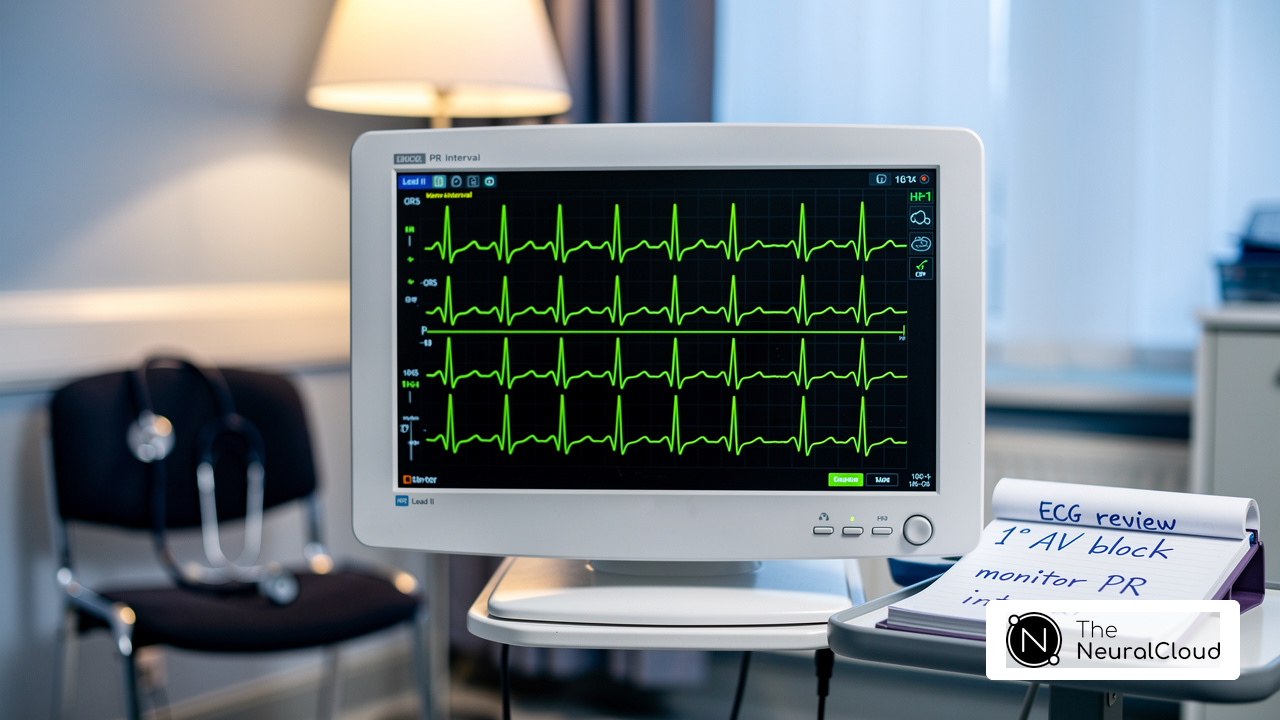
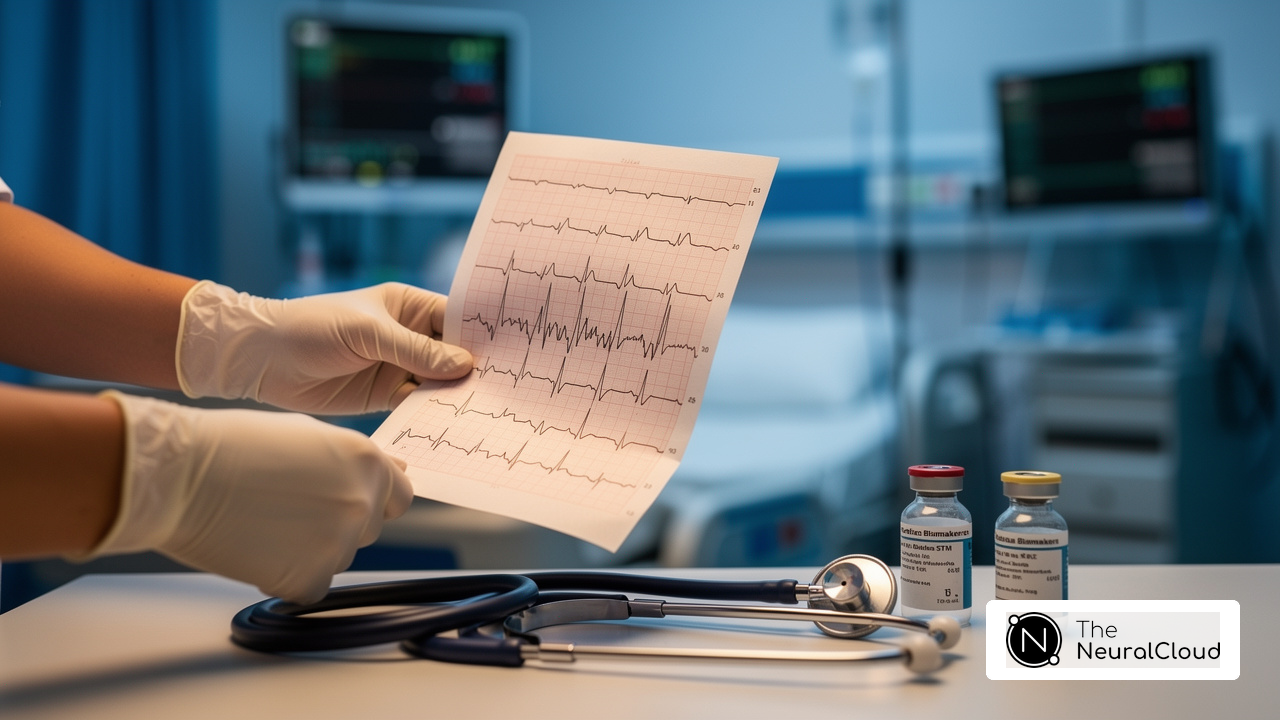
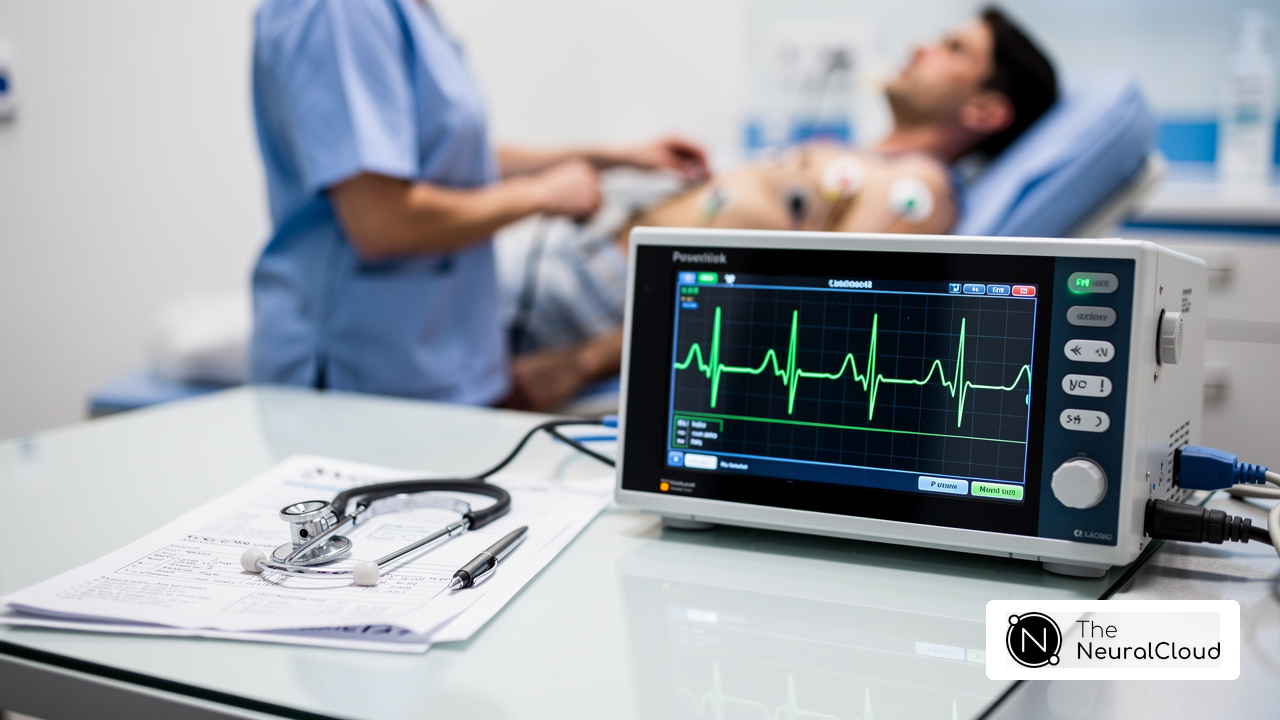
Understanding the distinctions between normal electrocardiogram (ECG) patterns and those indicative of myocardial infarction is crucial for timely and accurate diagnosis in clinical settings. The challenge in ECG analysis lies in effectively differentiating between normal and pathological patterns to ensure optimal patient outcomes. As technology advances, particularly with AI-driven solutions like Neural Cloud Solutions' MaxYield™, the clarity and speed of ECG analysis improve significantly. This platform enhances the ability of healthcare professionals to identify critical changes that could signify acute cardiac events.
MaxYield™ offers several key features that streamline ECG analysis:
- It utilizes advanced algorithms to detect anomalies in real-time, providing immediate feedback to clinicians.
- This capability not only speeds up the diagnostic process but also reduces the likelihood of human error.
- Furthermore, the platform's user-friendly interface allows for seamless integration into existing workflows, making it accessible for healthcare professionals at all levels.
The advantages of using MaxYield™ are substantial. By improving the accuracy of ECG interpretations, clinicians can make more informed decisions, ultimately leading to better patient outcomes. The platform's ability to highlight significant changes in ECG patterns empowers healthcare providers to act swiftly in critical situations. In summary, as we explore the ten key ECG differences that can aid in recognizing myocardial infarction, the importance of advanced diagnostic tools like MaxYield™ in modern cardiology becomes increasingly evident.
Neural Cloud Solutions: MaxYield™ for Enhanced ECG Analysis
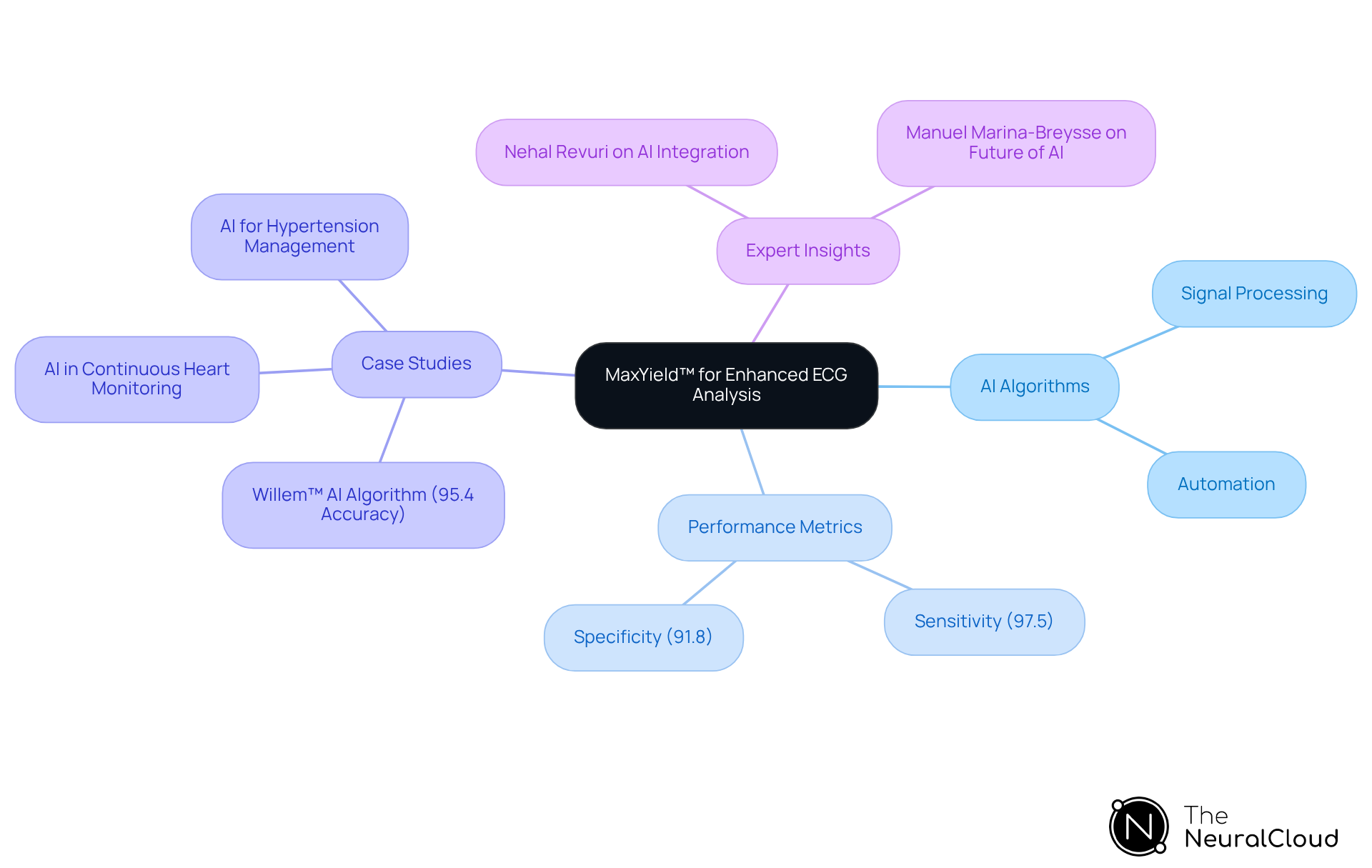
Neural Cloud Solutions is at the forefront of transforming ECG analysis with its innovative MaxYield™ platform. This advanced technology employs sophisticated AI algorithms to automate the processing of ECG signals, significantly enhancing their clarity. By analyzing over 200,000 heartbeats in less than five minutes, it provides clinicians with rapid and precise cardiac insights. This capability is crucial for clinicians, allowing them to focus on high-level decision-making instead of labor-intensive manual tasks, particularly benefiting patients who depend on technology for optimal patient care.
Recent advancements in AI have markedly improved both the efficiency and diagnostic accuracy. For example, the platform boasts a high level of performance, surpassing traditional physician reporting. Case studies further illustrate the platform's effectiveness; one study revealed that the Willem™ AI algorithm achieved 95.4% accuracy in detecting arrhythmias, drastically reducing false-positive results by 98%. These advancements not only streamline workflows but also elevate the quality of care provided to patients.
Leading cardiologists recognize the importance of AI in ECG analysis. They emphasize that AI technologies can identify subtle patterns that human interpreters might miss, thereby enhancing diagnostic accuracy and consistency. As the field evolves, integrating AI into ECG analysis is poised to redefine clinical practices, ensuring healthcare providers can deliver timely and effective interventions for patients experiencing cardiac events.
Acute Coronary Occlusion Myocardial Infarction: Key Characteristics
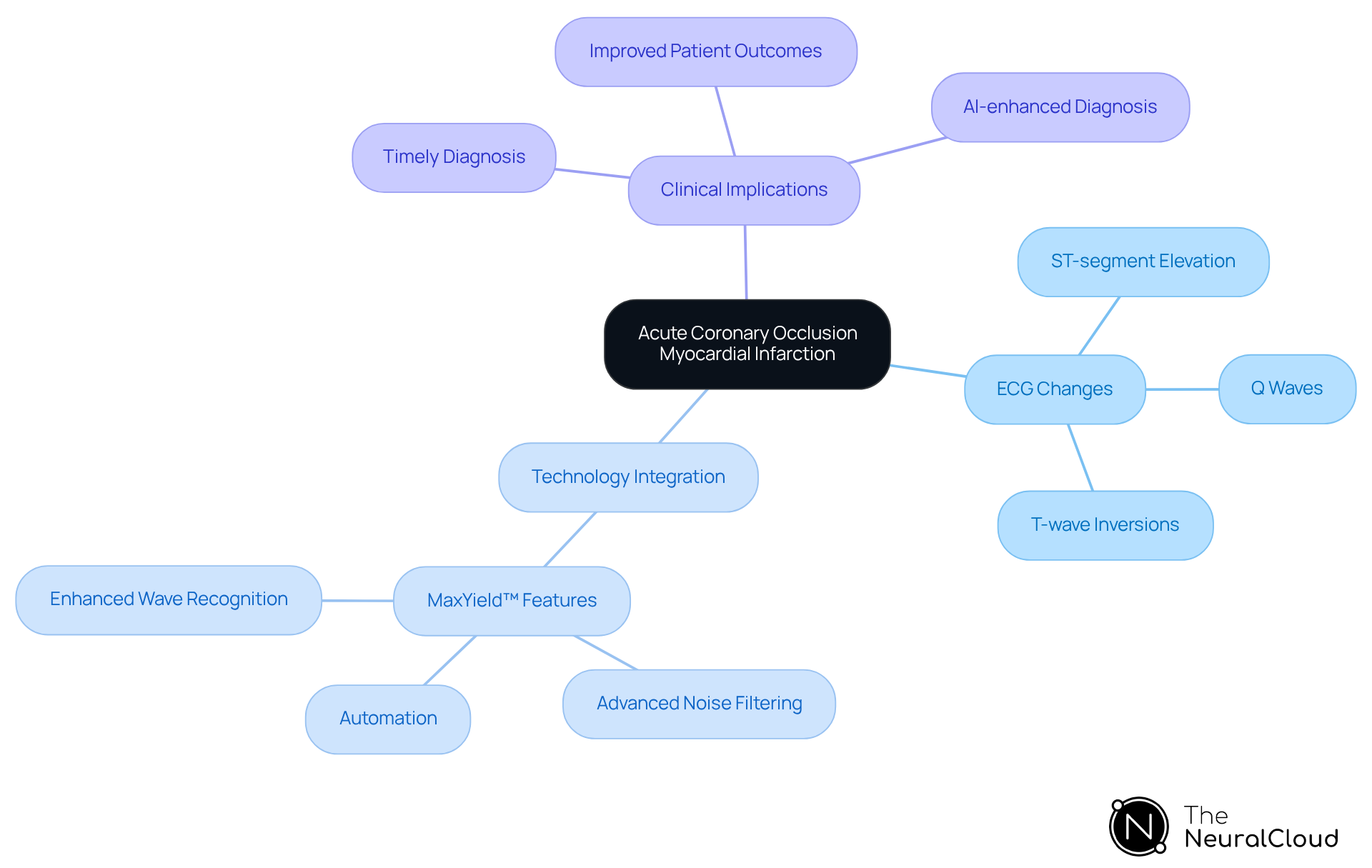
Acute coronary occlusion myocardial infarction (MI) presents specific ECG changes, which can be analyzed in the context of myocardial infarction, such as abnormal Q waves, and T-wave inversions. These alterations signify myocardial damage, making them crucial for diagnosis. As Dr. Timothy D. Henry, MD, points out, "These results indicate that at the first medical contact has the potential to shorten time to treatment and reduce false activations." It is essential for clinicians to differentiate between various types of myocardial infarction and to initiate appropriate treatment protocols.
Recent updates in 2026 underscore the vital role of ST-segment elevation in diagnosing myocardial infarction, reinforcing its significance in clinical settings. Understanding the differences in ECG patterns not only aids in accurate diagnosis but also improves patient outcomes by facilitating timely interventions. Moreover, technology can substantially improve ECG workflow efficiency through enhanced analysis and automation.
MaxYield™ offers several key features:
- Noise Reduction: Reduces interference, allowing for clearer ECG readings.
- Automation: Streamlines data processing, enabling quicker analysis.
- Enhanced Wave Recognition: Improves accuracy in identifying critical ECG patterns.
These features translate into significant advantages for healthcare professionals. By improving the accuracy of wave recognition and expediting data processing, MaxYield™ allows clinicians to make faster, more informed decisions. This ultimately leads to better patient care, as treatment can be initiated based on precise ECG analysis.
Electrocardiographic Patterns of Myocardial Infarction
The diagnosis of myocardial infarction can be challenging when considering the differences between electrocardiographic characteristics. Key indicators include:
- ST elevation, which is the hallmark of STEMI
- The emergence of Q waves, signaling necrosis
- As the infarction progresses, T wave inversions may also appear
Electrocardiography is essential for distinguishing between STEMI and NSTEMI, as well as for evaluating the extent of damage in the context of myocardial injury.
The MaxYield platform addresses these challenges by providing a solution that emphasizes automation, accuracy, and adaptability. Its features include:
- Real-time data processing
- User-friendly interfaces
These capabilities enable healthcare professionals to interpret ECG vs normal patterns more efficiently and accurately.
The advantages of MaxYield are substantial. By streamlining ECG analysis, healthcare providers can reduce diagnostic errors and improve patient outcomes. This innovative approach not only saves time but also enhances the quality of care, ensuring that patients receive timely and appropriate care.
Wellens Syndrome: A Distinct ECG Pattern in Myocardial Infarction
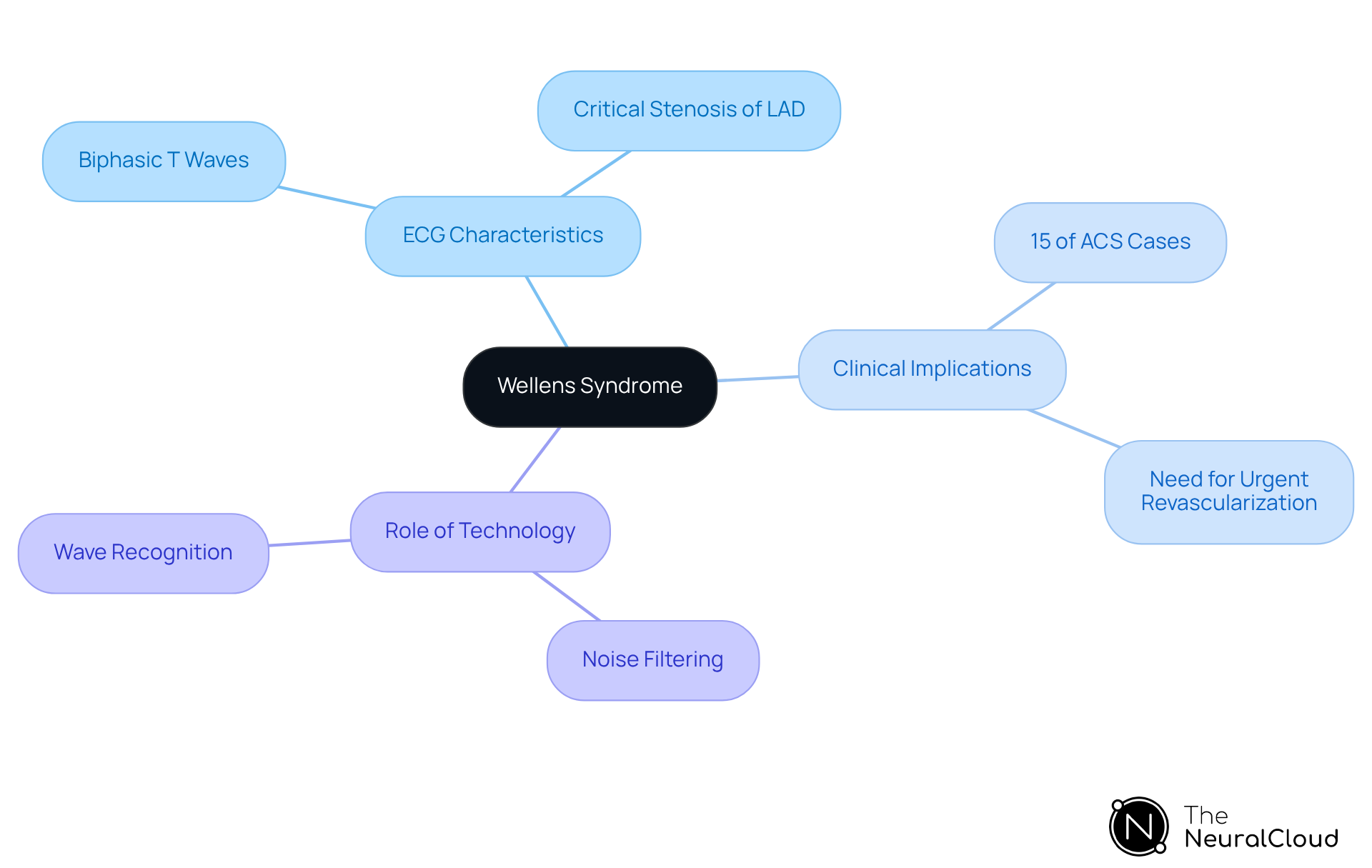
Wellens Syndrome is characterized by biphasic or profoundly inverted T waves in leads V2 and V3, typically seen in patients with a history of chest pain. This unique ECG pattern indicates critical stenosis of the left anterior descending artery (LAD) and necessitates immediate intervention to avert severe consequences, which can be illustrated in the comparison of ECG patterns vs normal patterns. Early detection of Wellens Syndrome is crucial; studies show it complicates 15% of acute coronary syndrome (ACS) cases, with many patients needing urgent revascularization. Notably, 66.7% of those diagnosed with Wellens Syndrome were found to have non-ST elevation myocardial infarction (NSTEMI), underscoring the importance of timely diagnosis. Cardiologists emphasize that swift identification of this syndrome can significantly enhance patient outcomes, allowing for interventions that may prevent the escalation to more serious cardiac events. The implications of Wellens Syndrome in clinical practice are significant, as recognizing it can lead to improved patient management.
Neural Cloud Solutions' technology plays a vital role in this process by providing advanced and distinct wave recognition. This capability allows for accurate diagnosis, even in recordings affected by high levels of noise and artifact. Such precision is particularly beneficial for identifying trends like myocardial ischemia, where clarity in ECG interpretation is essential. As noted by Samoal Abdelaziz from the Department of Cardiology at Ahmed Gasim Teaching Hospital, "Wellens Syndrome complicates diagnosis and, if unmanaged, can lead to imminent cardiac events." By leveraging MaxYield™, healthcare providers can achieve more accurate and timely diagnoses, ultimately improving care for patients.
De Winter Pattern: Recognizing Critical ECG Changes
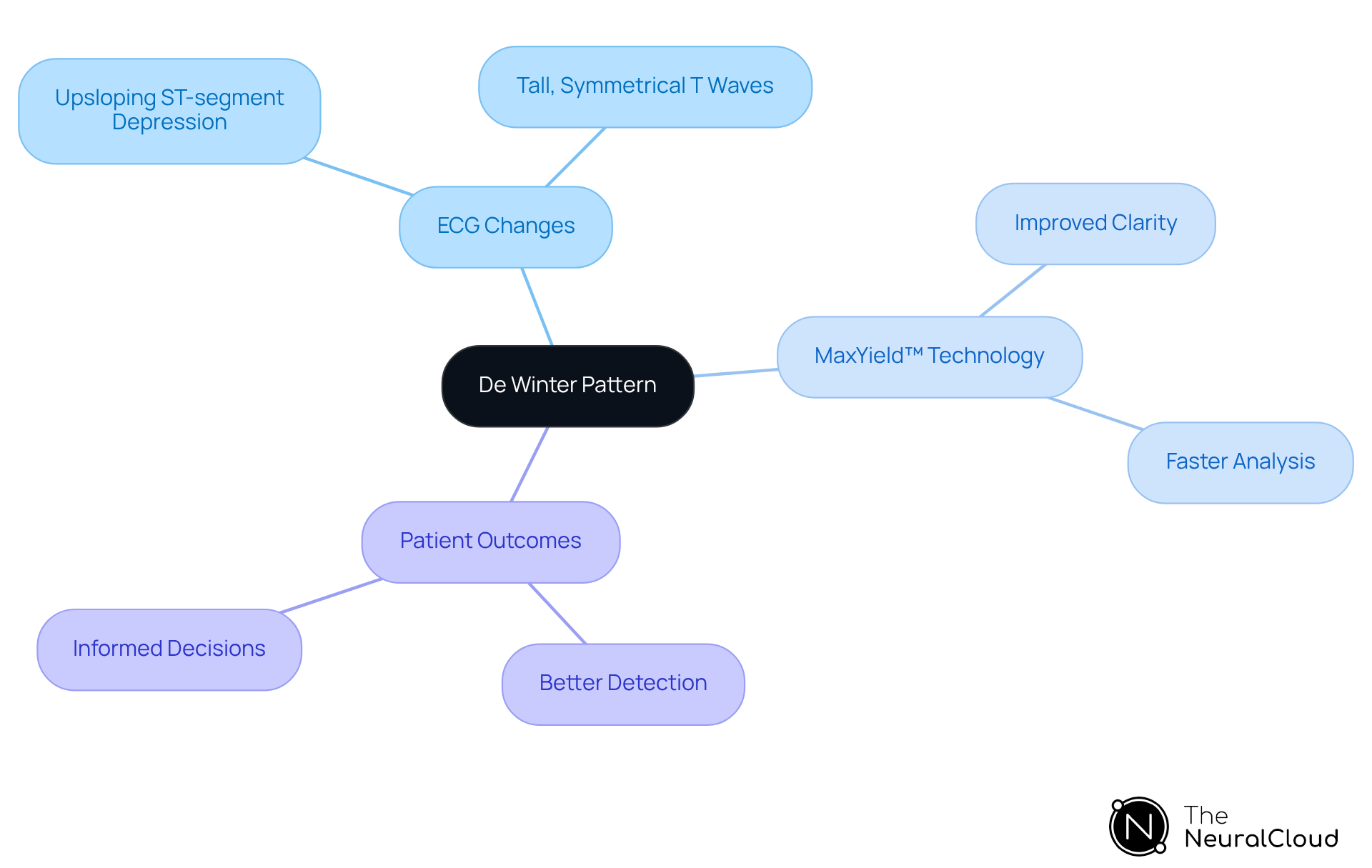
The De Winter pattern is marked by upsloping ST-segment depression at the J-point in leads V1 to V6, accompanied by tall, symmetrical T waves. This pattern is often seen in patients experiencing myocardial infarction and is considered a STEMI equivalent. Recognizing this trend is crucial for timely diagnosis, which can significantly improve patient outcomes.
by transforming lengthy and noisy recordings into clean, crisp signals. This advanced AI technology enhances ECG analysis, making it easier for healthcare professionals to identify critical trends like the De Winter variation. By utilizing this technology, MaxYield™ ensures accuracy in ECG interpretation.
The benefits of using MaxYield™ are substantial. Users have reported that the platform has greatly improved their ability to detect myocardial infarction, leading to better patient management and outcomes. With MaxYield™, healthcare providers can rely on precise data to make informed decisions, ultimately enhancing the care provided to patients.
South African Flag Sign: Identifying Myocardial Infarction
The South African Flag Sign is a distinctive ECG trace characterized by ST-segment elevation in leads I and aVL, resembling the flag of South Africa. This arrangement suggests blockage of the first diagonal branch of the left anterior descending artery, which is essential for diagnosing myocardial infarction in cases of high lateral infarction. Recent studies show that recognition is improving, yet challenges remain in its consistent identification. For example, a retrospective analysis showed that only 45% of healthcare providers correctly identified this trend, highlighting the necessity for improved training and awareness.
Expert cardiologists emphasize the importance of recognizing the South African Flag Sign for timely intervention. As one observed, 'A more adaptable method, acknowledging the changing characteristics of ECG readings in acute coronary syndrome, especially in the context of myocardial infarction, can enhance diagnostic accuracy and ensure prompt reperfusion therapy in individuals with occlusion.' This highlights the critical role of early diagnosis.
Real-world examples illustrate the significance of this pattern. In clinical practice, individuals displaying the South African Flag Sign often show symptoms of myocardial infarction, necessitating prompt action. The identification of ST-segment elevation in leads I and aVL not only aids in diagnosis but also informs treatment strategies, potentially enhancing outcomes for patients. As the understanding of these ECG patterns evolves, ongoing education and awareness among healthcare professionals will be vital in enhancing diagnostic accuracy and patient care.
The integration of Neural Cloud Solutions' platform, MaxYield, enhances the efficiency of ECG analysis. This platform employs advanced algorithms and machine learning to accurately identify critical data, even in recordings plagued by noise and artifacts. Key features include:
- enhanced filtering for clearer readings.
- advanced analytics to isolate important patterns.
These capabilities allow for the rapid isolation of ECG waves, ensuring that important patterns like the South African Flag Sign are not obscured. This ultimately improves diagnosis and treatment outcomes, providing healthcare professionals with the tools they need for effective patient care.

New-Onset Bifascicular Block: Implications for Diagnosis
New-onset bifascicular block, especially when accompanied by chest pain, raises concerns about the differences in readings, indicating a potential myocardial infarction. This condition can signify significant myocardial damage and is often associated with a poor prognosis. Current guidelines, including those from the 2023 European Society of Cardiology, emphasize the need for clinicians to maintain a heightened awareness of ischemic events in patients presenting with chest pain. Research shows that nearly half of high-risk patients experiencing occlusion myocardial infarction do not fulfill traditional STEMI criteria, highlighting the critical importance of recognizing myocardial infarction in clinical settings.
The 'Neural Cloud Solutions' platform significantly enhances ECG analysis through advanced algorithms and unique wave recognition capabilities. This technology enables the extraction of meaningful data from recordings that may be affected by baseline wander, movement, and muscle artifacts. By recovering previously obscured segments of lengthy Holter, 1-Lead, and patch monitor recordings, this solution effectively addresses the inefficiencies and physiological variability that often complicate ECG interpretation. Real-world cases have demonstrated that the integration of this technology, aided by this advanced tool, can lead to earlier diagnosis of AMI and a clearer distinction in ECG patterns, ultimately improving patient care and outcomes.
Healthcare professionals must remain vigilant in evaluating the implications of bifascicular block in patients with chest pain, as it can serve as a vital indicator of underlying cardiac events, particularly when comparing ECG results. The platform not only streamlines the ECG analysis process but also empowers clinicians to make informed decisions swiftly. By integrating this technology into their practice, clinicians can enhance diagnostic accuracy and patient management, ensuring better health outcomes.

Posterior Occlusion Myocardial Infarction: ECG Distinctions
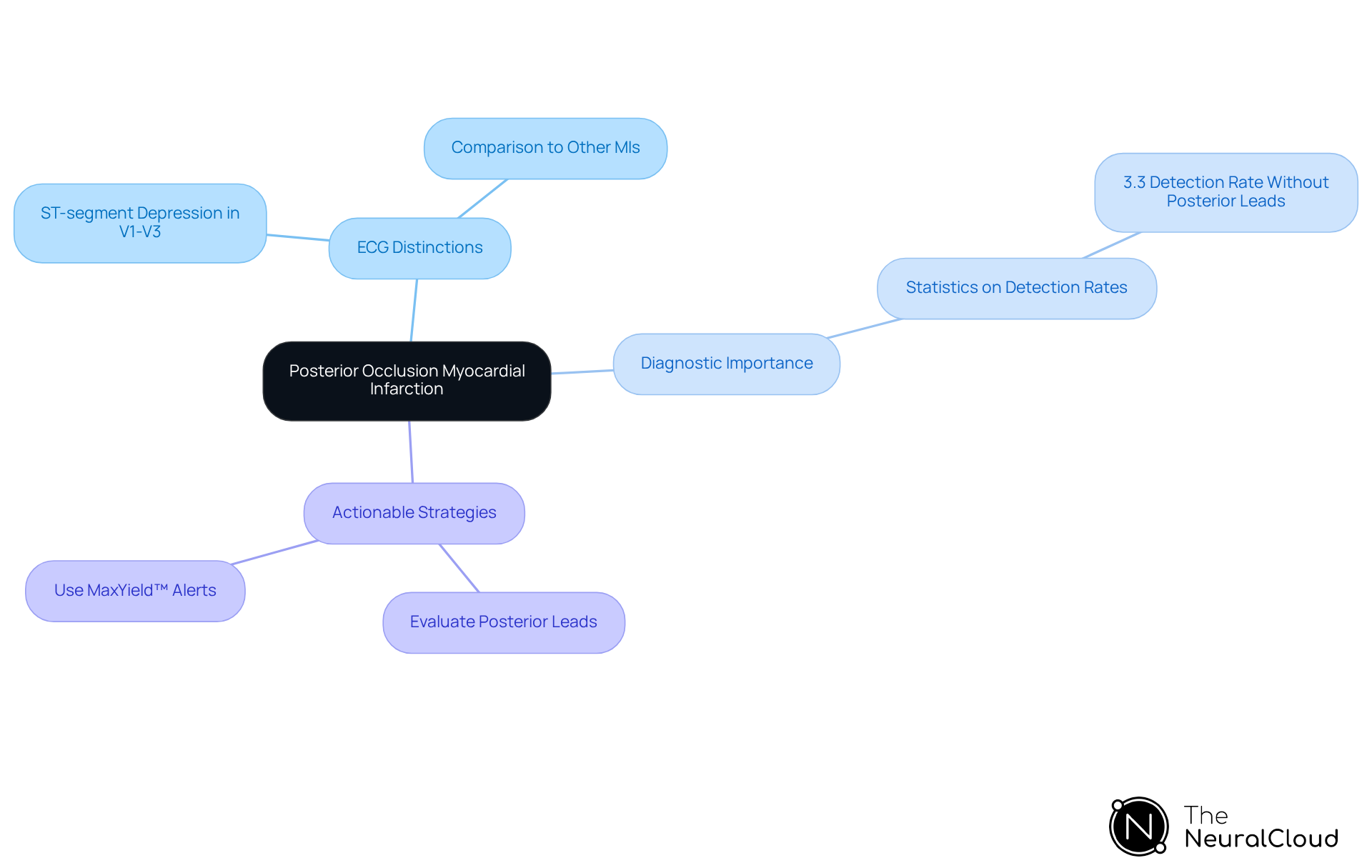
In the context of myocardial infarction, (OMI) often presents as ST-segment elevation in leads V1 to V3, which differs from the typical patterns seen in other types of myocardial infarction. This subtle manifestation can lead to a higher risk of misdiagnosis, as many clinicians might overlook these changes without considering the need for a thorough evaluation of symptoms.
To improve diagnostic accuracy, healthcare professionals can consult the user manual for the ECG analysis tool, which offers step-by-step guidance on incorporating advanced techniques into standard ECG assessments. Current statistics reveal that only about 3.3% of isolated posterior myocardial infarctions are detected when specific criteria are not utilized, underscoring the significance of this diagnostic method.
Real-world cases illustrate the necessity of recognizing atypical presentations, especially when considering patient history; for example, patients with posterior MIs frequently exhibit vague symptoms, complicating timely diagnosis and treatment. Cardiologists emphasize the importance of maintaining a high index of suspicion in cases of chest pain, as the absence of classic signs does not rule out the possibility of an acute event.
By utilizing the diagnostic criteria and following the instructions in the user manual, healthcare professionals can enhance diagnostic precision and improve outcomes in suspected cases of posterior infarction. Additionally, clinicians are encouraged to adopt the following actionable strategies:
- Always evaluate ECG findings in ambiguous situations
- Leverage automated alerts from MaxYield™ to identify potential posterior MIs
Smith-Modified Sgarbossa Criteria: A Diagnostic Tool
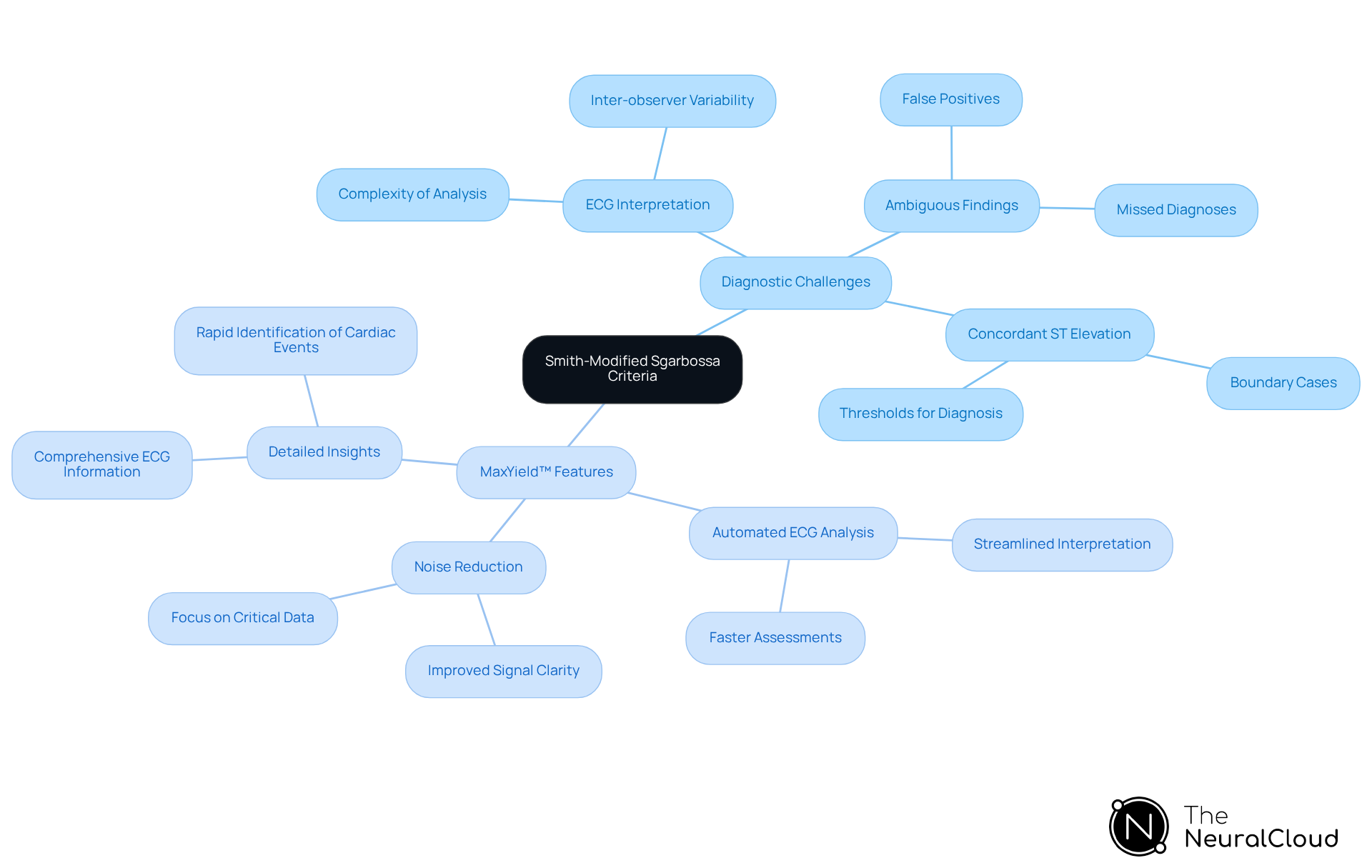
Diagnosing patients with left bundle branch block presents unique challenges, especially in interpreting ECG results. The criteria provide a valuable framework for this purpose, focusing on the assessment of abnormalities in specific leads. However, the complexity of ECG analysis, particularly in the context of myocardial infarction, can lead to ambiguous findings, making it crucial for accurate diagnosis.
and reducing noise, significantly enhancing diagnostic accuracy. This platform offers several key features:
- Automation: Streamlines the interpretation process, allowing for quicker assessments.
- Clarity: Improves signal clarity, ensuring that healthcare professionals can focus on critical data.
- Insights: Provides comprehensive information from ECG signals, facilitating rapid identification of cardiac events.
The advantages of using MaxYield™ are substantial for healthcare professionals. By integrating this advanced tool into clinical workflows, practitioners can make confident clinical decisions based on clear, actionable insights. This not only improves patient outcomes but also enhances the overall efficiency of healthcare delivery. With MaxYield™, the complexities of ECG interpretation are simplified, empowering professionals to focus on what truly matters - patient care.
Terminal QRS Distortion: A Key Indicator of Myocardial Infarction
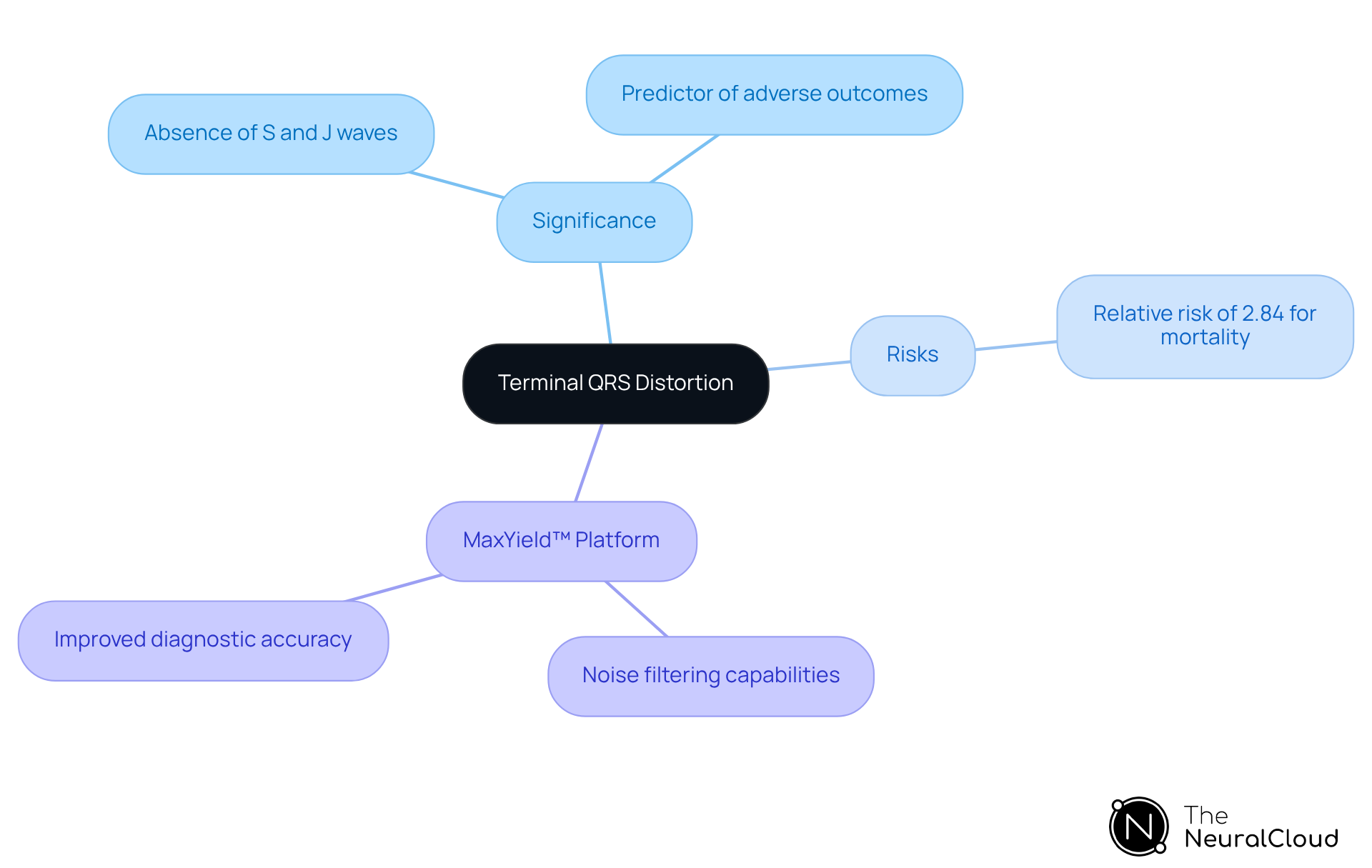
Terminal QRS distortion is a significant indicator in myocardial infarction, marked by the absence of both an S wave and a J wave in leads V2 or V3. This finding is often linked to anterior myocardial infarction and serves as a strong predictor of adverse outcomes, including sudden cardiac death. Research shows that terminal QRS distortion correlates with a relative risk of 2.84 for all-cause mortality in patients with anterior infarction. Recognizing this distortion is crucial for clinicians, as it enhances their ability to assess the severity of ECG patterns vs normal patterns and make informed treatment decisions.
The solution from Neural Cloud Solutions addresses the challenges faced in ECG analysis. Its advanced noise filtering capabilities allow clinicians to effectively eliminate interference and identify critical waveforms, even in difficult recordings. This feature ensures that previously obscured sections of ECG recordings can be salvaged, leading to accurate identification of myocardial infarction. By improving the diagnostic yield, the solution plays a vital role in enhancing treatment outcomes.
The benefits of using the solution are clear. Clinicians can rely on its robust features to improve their diagnostic accuracy, ultimately reinforcing the importance of timely intervention in myocardial infarction. With MaxYield™, healthcare professionals are better equipped to make critical decisions, leading to improved patient care and outcomes.
Conclusion
Understanding the differences between myocardial infarction and normal ECG patterns is crucial for accurate diagnosis and timely intervention. However, ECG analysis can be challenging due to the complexity of heart rhythms and the subtlety of certain indicators. This is where advanced technologies like Neural Cloud Solutions' MaxYield™ platform come into play, enhancing ECG analysis and enabling healthcare professionals to make informed decisions swiftly.
The MaxYield™ platform offers several key features that significantly improve ECG analysis. Its advanced noise filtering capabilities ensure that clinicians can focus on the most relevant data, while automation streamlines the interpretation process. By leveraging AI-driven insights, healthcare providers can better differentiate between various types of myocardial infarction and normal heart patterns. This not only enhances diagnostic accuracy but also leads to improved patient outcomes.
Key ECG characteristics of myocardial infarction, such as ST-segment elevations, T-wave inversions, and specific patterns like Wellens Syndrome and the De Winter pattern, are vital for diagnosing acute coronary occlusion. The MaxYield™ platform emphasizes the importance of recognizing these subtle changes, which may otherwise be overlooked. By integrating advanced ECG analysis technologies, clinicians are better equipped to deliver timely and effective interventions, ultimately enhancing the quality of care for patients experiencing cardiac events.
As the field of cardiac care continues to evolve, embracing innovative solutions like MaxYield™ is essential for healthcare providers. The ongoing commitment to improving diagnostic practices will not only save lives but also foster a deeper understanding of the complexities involved in ECG interpretation. By prioritizing the integration of such advanced technologies, clinicians can ensure they are prepared to meet the challenges of modern cardiac care.
Frequently Asked Questions
What is MaxYield™ and how does it enhance ECG analysis?
MaxYield™ is an innovative platform developed by Neural Cloud Solutions that utilizes advanced AI algorithms to automate ECG signal processing, significantly improving the clarity and accuracy of ECG readings.
How quickly can MaxYield™ analyze ECG data?
MaxYield™ can analyze over 200,000 heartbeats in less than five minutes, providing rapid and precise cardiac insights for healthcare professionals.
What are the benefits of using AI in ECG analysis?
AI-enhanced ECG analysis offers a sensitivity of 97.5% and specificity of 91.8%, surpassing traditional physician reporting. It can detect subtle trends in ECG data that human interpreters might miss, enhancing diagnostic accuracy and consistency.
What specific ECG changes are associated with acute coronary occlusion myocardial infarction (MI)?
Key ECG changes for acute coronary occlusion MI include ST-segment elevation in contiguous leads, the emergence of Q waves, and T-wave inversions, which indicate significant myocardial ischemia.
How does MaxYield™ improve the workflow for healthcare professionals?
MaxYield™ enhances workflow efficiency through advanced noise filtering, automation of data processing, and improved wave recognition, allowing clinicians to make faster and more informed decisions.
What are the key features of the MaxYield™ platform?
Key features of MaxYield™ include advanced noise filtering, automation for quicker analysis, and enhanced wave recognition to improve accuracy in identifying critical ECG patterns.
Why is recognizing ECG patterns important in diagnosing myocardial infarction?
Recognizing ECG patterns is essential for distinguishing between different types of myocardial infarction (such as STEMI and NSTEMI) and for evaluating the extent of damage, which is crucial for timely diagnosis and treatment.
What impact does integrating MaxYield™ technology have on patient care?
Integrating MaxYield™ improves diagnostic accuracy and workflow efficiency, leading to timely interventions and better patient outcomes in the management of myocardial infarction.
List of Sources
- Neural Cloud Solutions: MaxYield™ for Enhanced ECG Analysis
- Investigating the Efficacy of AI-Powered Innovations in ECG Analysis and Continuous Heart Monitoring: A Comprehensive Narrative Review - PMC (https://pmc.ncbi.nlm.nih.gov/articles/PMC12419789)
- Artificial Intelligence–Assisted ECG Interpretation versus Conventional Reporting in Predicting Arrhythmias in Acute Coronary Syndrome: A Diagnostic Accuracy Study (https://healthcare-bulletin.co.uk/article/artificial-intelligence-assisted-ecg-interpretation-versus-conventional-reporting-in-predicting-arrhythmias-in-acute-coronary-syndrome-a-diagnostic-accuracy-study-4252)
- pmc.ncbi.nlm.nih.gov (https://pmc.ncbi.nlm.nih.gov/articles/PMC10145690)
- Acute Coronary Occlusion Myocardial Infarction: Key Characteristics
- escardio.org (https://escardio.org/The-ESC/Press-Office/Press-releases/New-data-presented-to-guide-the-treatment-of-patients-with-multivessel-coronary-artery-disease)
- Novel AI ECG model outperforms standard triage for acute coronary occlusion (https://news-medical.net/news/20251029/Novel-AI-ECG-model-outperforms-standard-triage-for-acute-coronary-occlusion.aspx)
- ajconline.org (https://ajconline.org/article/S0002-9149(08)01715-3/fulltext)
- Memorable Cardiology Quotes | TheKnowHow Blog (https://theknowhow.ae/memorable-cardiology-quotes-heart)
- Trends and Outcomes of ST‐Segment–Elevation Myocardial Infarction Among Young Women in the United States | Journal of the American Heart Association (https://ahajournals.org/doi/10.1161/JAHA.122.026811)
- Electrocardiographic Patterns of Myocardial Infarction
- Cardiac and non-cardiac causes of T-wave inversion in the precordial leads in adult subjects: A Dutch case series and review of the literature - PMC (https://pmc.ncbi.nlm.nih.gov/articles/PMC4325305)
- AI-ECG Finds STEMI Faster, Cuts False-Positive Cath Lab Activations (https://tctmd.com/news/ai-ecg-finds-stemi-faster-cuts-false-positive-cath-lab-activations)
- Novel AI ECG model outperforms standard triage for acute coronary occlusion (https://news-medical.net/news/20251029/Novel-AI-ECG-model-outperforms-standard-triage-for-acute-coronary-occlusion.aspx)
- pubmed.ncbi.nlm.nih.gov (https://pubmed.ncbi.nlm.nih.gov/40379037)
- revespcardiol.org (https://revespcardiol.org/en-differences-in-in-hospital-mortality-after-articulo-S1885585720301870)
- Wellens Syndrome: A Distinct ECG Pattern in Myocardial Infarction
- Checking your browser - reCAPTCHA (https://pmc.ncbi.nlm.nih.gov/articles/PMC10832078)
- De Winter Pattern: Recognizing Critical ECG Changes
- bjcardio.co.uk (https://bjcardio.co.uk/2024/08/embedding-innovation-in-clinical-practice-to-improve-patient-care-across-cardiovascular-disease)
- clinicsearchonline.org (https://clinicsearchonline.org/article/de-winter-pattern-anterior-st-elevation-myocardial-infarction-equivalent)
- De Winter T Wave (https://litfl.com/de-winter-t-wave)
- pmc.ncbi.nlm.nih.gov (https://pmc.ncbi.nlm.nih.gov/articles/PMC12457363)
- Checking your browser - reCAPTCHA (https://pubmed.ncbi.nlm.nih.gov/28362646)
- South African Flag Sign: Identifying Myocardial Infarction
- auctoresonline.org (https://auctoresonline.org/article/south-african-flag-sign-a-red-flag-in-ecg)
- annemergmed.com (https://annemergmed.com/article/S0196-0644(24)01250-2/fulltext)
- Memorable Cardiology Quotes | TheKnowHow Blog (https://theknowhow.ae/memorable-cardiology-quotes-heart)
- New-Onset Bifascicular Block: Implications for Diagnosis
- annemergmed.com (https://annemergmed.com/article/S0196-0644(24)01250-2/fulltext)
- Posterior Occlusion Myocardial Infarction: ECG Distinctions
- Posterior Myocardial Infarction - StatPearls - NCBI Bookshelf (https://ncbi.nlm.nih.gov/books/NBK553168)
- Should We Be Looking for ‘Occlusion MI’ Rather Than STEMI? (https://tctmd.com/news/should-we-be-looking-occlusion-mi-rather-stemi)
- STEMI - Electrocardiogram - M3 Curriculum | SAEM (https://saem.org/about-saem/academies-interest-groups-affiliates2/cdem/for-students/online-education/m3-curriculum/group-electrocardiogram-(ecg)-rhythm-recognition/stemi)
- Smith-Modified Sgarbossa Criteria: A Diagnostic Tool
- Sgarbossa Criteria: Diagnosing OMI on ECG (https://powerfulmedical.com/blog/sgarbossa-criteria)
- revespcardiol.org (https://revespcardiol.org/en-evaluacion-los-algoritmos-smith-eldiagno-articulo-S1885585716303917)
- coreem.net (https://coreem.net/journal-reviews/modified-sgarbossa-criteria)
- reference.medscape.com (https://reference.medscape.com/calculator/487/smith-modified-sgarbossa-s-criteria-for-mi-in-left-bundle-branch-block)
- Sgarbossa Criteria (https://litfl.com/sgarbossa-criteria-ecg-library)
- Terminal QRS Distortion: A Key Indicator of Myocardial Infarction
- annemergmed.com (https://annemergmed.com/article/S0196-0644(24)01250-2/fulltext)
- journals.lww.com (https://journals.lww.com/onlinejets/fulltext/2022/15010/early_subtle_electrocardiography_features_of_acute.14.aspx)
- Novel AI ECG model outperforms standard triage for acute coronary occlusion (https://news-medical.net/news/20251029/Novel-AI-ECG-model-outperforms-standard-triage-for-acute-coronary-occlusion.aspx)
- pmc.ncbi.nlm.nih.gov (https://pmc.ncbi.nlm.nih.gov/articles/PMC6760130)