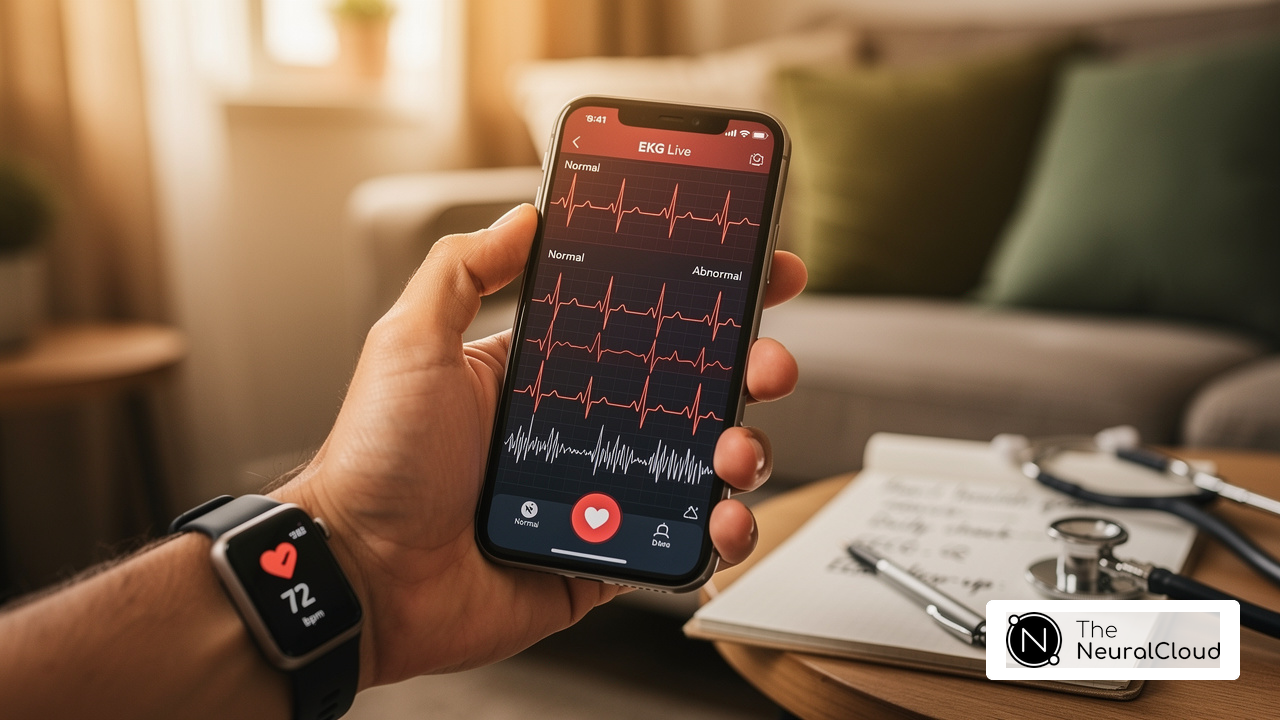
Introduction
The ECG QRS complex is a crucial indicator of heart health, reflecting the electrical activity that drives ventricular contraction. For health tech developers, grasping its intricacies is essential for creating tools that improve diagnostic accuracy and enhance patient outcomes. As advancements in AI and automated ECG analysis technologies emerge, developers face the challenge of integrating these innovations effectively to navigate the complexities of QRS interpretation.
To address these challenges, the MaxYield™ platform offers a range of features designed to streamline ECG analysis. By leveraging advanced algorithms, it enhances the accuracy of QRS interpretation, allowing healthcare professionals to make informed decisions quickly. This not only improves workflow efficiency but also ensures that critical cardiac insights are captured and utilized effectively.
The advantages of the MaxYield™ platform extend beyond mere functionality. It empowers healthcare professionals by providing them with tools that enhance their diagnostic capabilities, ultimately leading to better patient outcomes. With clear visual representations of complex data, the platform makes it easier for users to understand and act on vital information.
In summary, the MaxYield™ platform stands out as a vital resource for health tech developers and healthcare professionals alike. By focusing on the features, advantages, and benefits of this innovative solution, we can better appreciate its role in advancing ECG analysis and improving heart health diagnostics.
Neural Cloud Solutions: MaxYield™ for Automated ECG Analysis
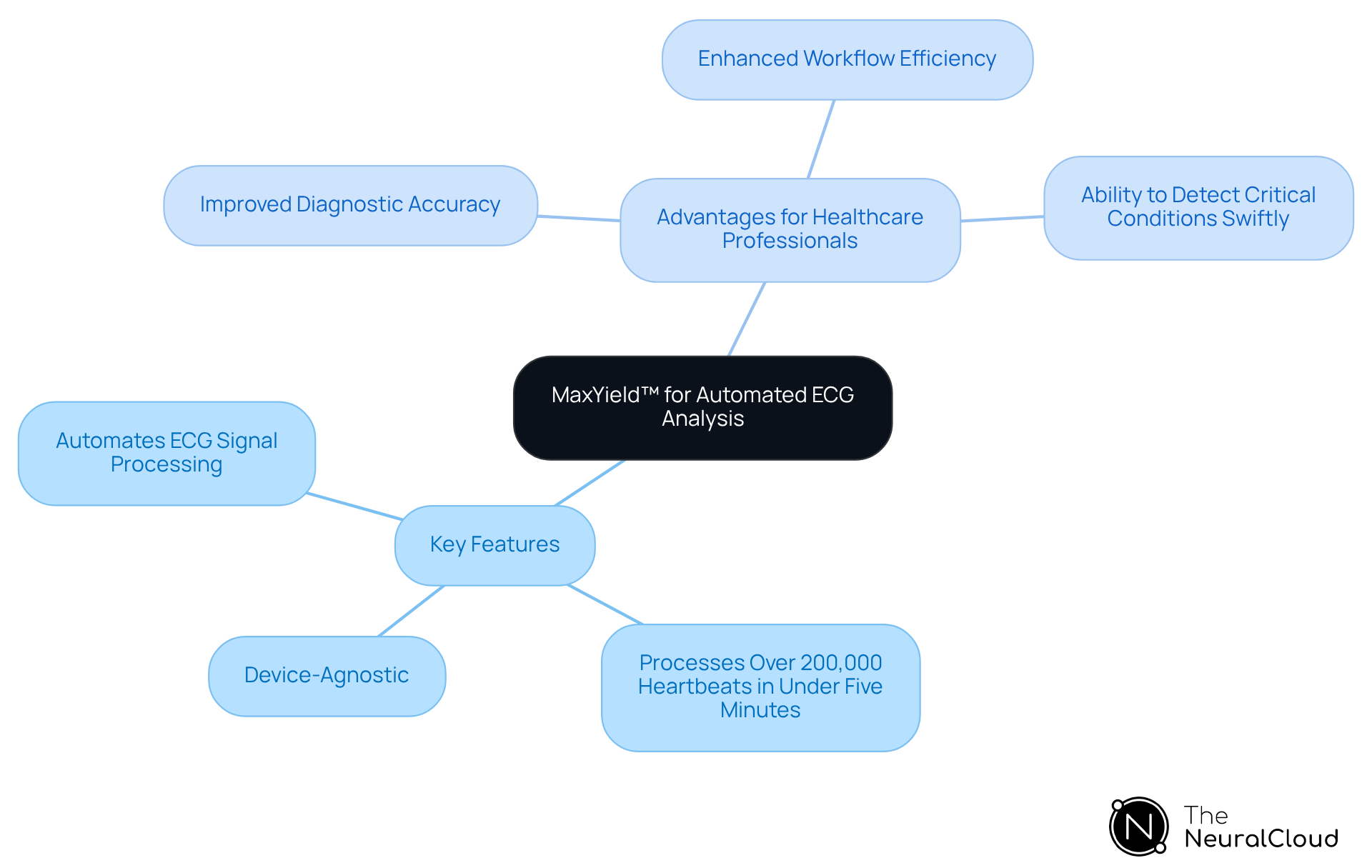
ECG analysis presents several challenges, including the need for accurate signal processing and timely interpretation. Neural Cloud Solutions addresses these issues with its platform, which automates ECG analysis with remarkable efficiency. By leveraging advanced technology and machine learning, MaxYield™ enables healthcare professionals to make swift, informed decisions.
One of the standout features of MaxYield™ is its ability to process over 200,000 heartbeats in less than five minutes. This capability allows for detailed beat-by-beat evaluation, effectively isolating essential features such as the QRS complex, which is crucial for diagnosing various cardiac conditions. The platform's efficiency underscores its role in improving patient care and clinical outcomes.
MaxYield™ is device-agnostic, seamlessly capturing ECG recordings from any 1-lead or 3-lead device, including wearable devices, patch monitors, and Holter monitors. Recent case studies highlight the platform's effectiveness; for example, MaxYield™ has shown a sensitivity of 95% in detecting acute cellular rejection in heart transplant patients. This showcases MaxYield™'s potential in critical care settings.
The integration of AI algorithms not only enhances processing speed but also improves signal clarity, allowing clinicians to identify subtle patterns that conventional methods might overlook. As a result, MaxYield™ emerges as a pivotal tool in modern cardiology, streamlining workflows and enhancing patient care through advanced automation and noise reduction.
Key Features of MaxYield™:
- Automates ECG analysis
- Processes over 200,000 heartbeats in under five minutes
- Device-agnostic, compatible with various ECG devices
Advantages for healthcare professionals:
- Improved diagnostic accuracy
- Enhanced workflow efficiency
- Ability to detect critical conditions swiftly
In summary, MaxYield™ not only addresses the challenges of ECG analysis but also provides significant benefits for healthcare providers, ultimately leading to better patient outcomes.
Understanding the QRS Complex: Key to ECG Interpretation
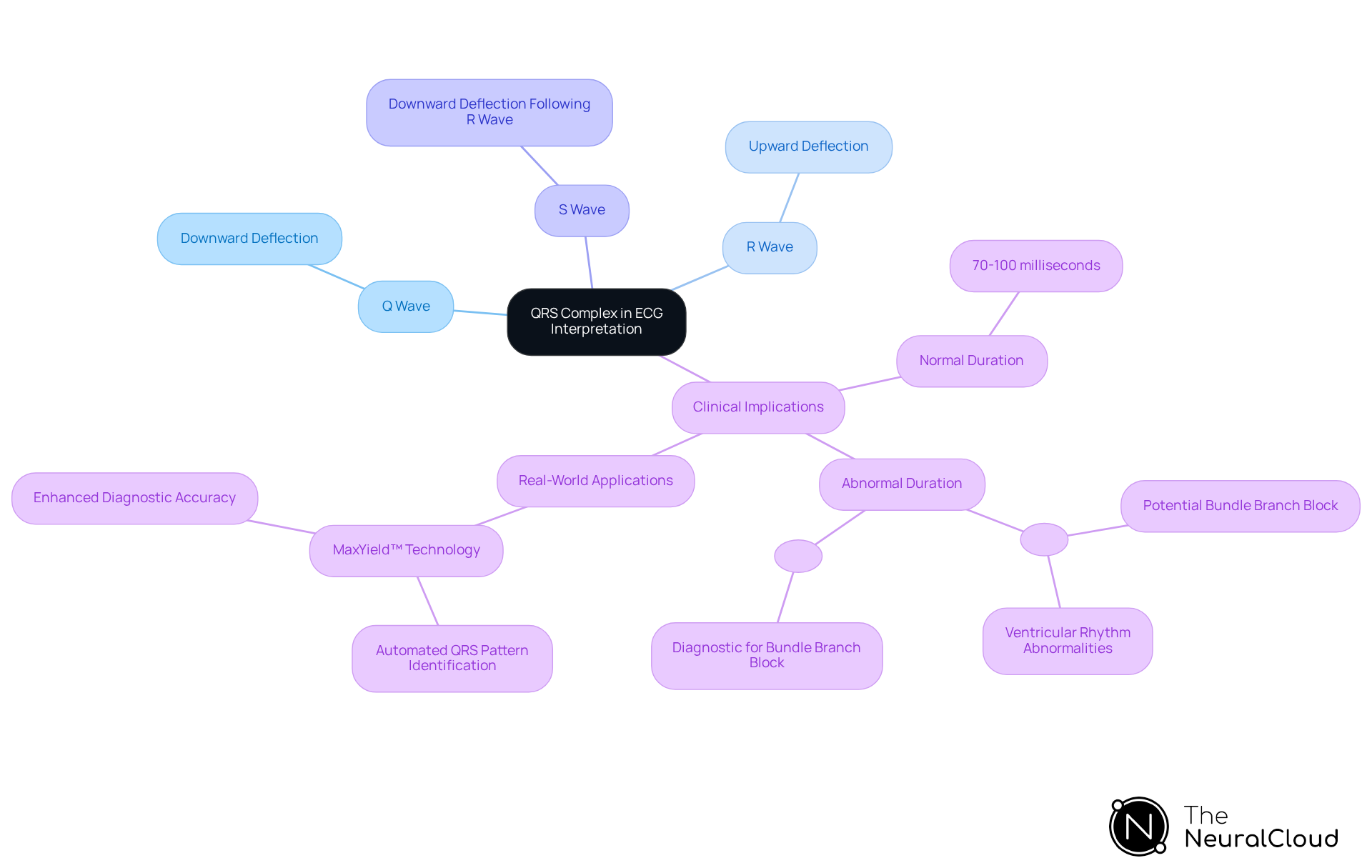
The QRS complex plays a crucial role in ECG interpretation, as it reflects the electrical activity of ventricular depolarization and marks the beginning of ventricular contraction. This wave comprises three distinct components:
- the Q wave (a downward deflection)
- the R wave (an upward deflection)
- the S wave (a downward deflection following the R wave)
Understanding the morphology and duration of the QRS complex is essential for accurate assessment and for identifying various cardiac conditions.
A normal QRS duration is less than 120 milliseconds. Durations exceeding 120 milliseconds may indicate potential abnormalities. Specifically, wide QRS complexes could suggest underlying conduction issues or arrhythmias. This aligns with the diagnostic criteria that require a QRS duration greater than 120 milliseconds for diagnosing bundle branch block or ventricular rhythm.
In clinical practice, QRS analysis is vital. Abnormalities such as notched or slurred QRS patterns can signal ischemia or previous myocardial infarction. Additionally, fragmented QRS complexes can be observed in up to 49% of survivors. These findings underscore the importance of thorough evaluation of the QRS complex in diagnosing and managing cardiac conditions effectively. Moreover, QRS abnormalities in individuals with coronary artery disease highlight the diagnostic potential of the QRS complex in clinical settings.
Real-world applications of QRS analysis are evident in advanced ECG technologies like MaxYield™. This platform enhances diagnostic accuracy by quickly identifying QRS patterns and isolating key features. Its capabilities, combined with gold standard noise filtering and automation, enable healthcare professionals to streamline their workflow and make informed decisions based on precise cardiac insights, ultimately improving patient outcomes. As the field of electrocardiography continues to evolve, the QRS complex remains a cornerstone of cardiac evaluation, guiding clinicians in their diagnostic and therapeutic approaches.
Clinical Significance of QRS Complex Abnormalities
Abnormalities in the QRS complex are critical indicators of various cardiac conditions, including heart failure, ventricular hypertrophy, and ischemia. An interval that is widened, defined as greater than 120 milliseconds, often suggests delayed ventricular depolarization, which is essential for diagnosing arrhythmias. Recent studies indicate that approximately 64.7% of men exhibit increased QRS duration, underscoring its importance in clinical assessments. Furthermore, extended QRS duration is associated with a 2.5-fold increase in the risk of sudden cardiac death, highlighting the need for precise QRS evaluation in clinical practice.
Monitoring changes in the ECG over time can significantly enhance diagnostic capabilities. For instance, timely identification of QRS abnormalities has led to improved patient outcomes. The 'Neural Cloud Solutions' platform addresses the challenges in ECG analysis by transforming lengthy and noisy recordings into clean, crisp signals. This innovative platform leverages cutting-edge technology to provide clarity and speed in ECG evaluations.
Key features of the platform include:
- Advanced Algorithms: Enhances accuracy in interpreting ECG data.
- Real-Time Analysis: Allows for immediate feedback and decision-making.
- User-Friendly Interface: Simplifies the workflow for healthcare professionals.
The advantages of using MaxYield™ are substantial. As Xiaojing Chen noted, increased QRS duration in middle age is an independent predictor of major cardiovascular events. This emphasizes the necessity for health tech developers to integrate advanced ECG analysis tools like MaxYield™. By empowering clinicians to make informed decisions swiftly and accurately, the platform ultimately improves patient care and outcomes.
Components of the QRS Complex: A Detailed Breakdown
The QRS complex is a critical element of the electrocardiogram, consisting of three primary components: the Q wave, R wave, and S wave. The Q wave represents the initial negative deflection, followed by the R wave, which is the first positive deflection. The S wave then follows as the subsequent negative deflection after the R wave. Each of these components, particularly the QRS complex, plays a vital role in reflecting the heart's electrical activity and can provide insights into various cardiac conditions based on their morphology and timing.
The significance of the QRS complex extends beyond its basic structure. For example:
- Abnormal QRS duration may imply underlying cardiac issues.
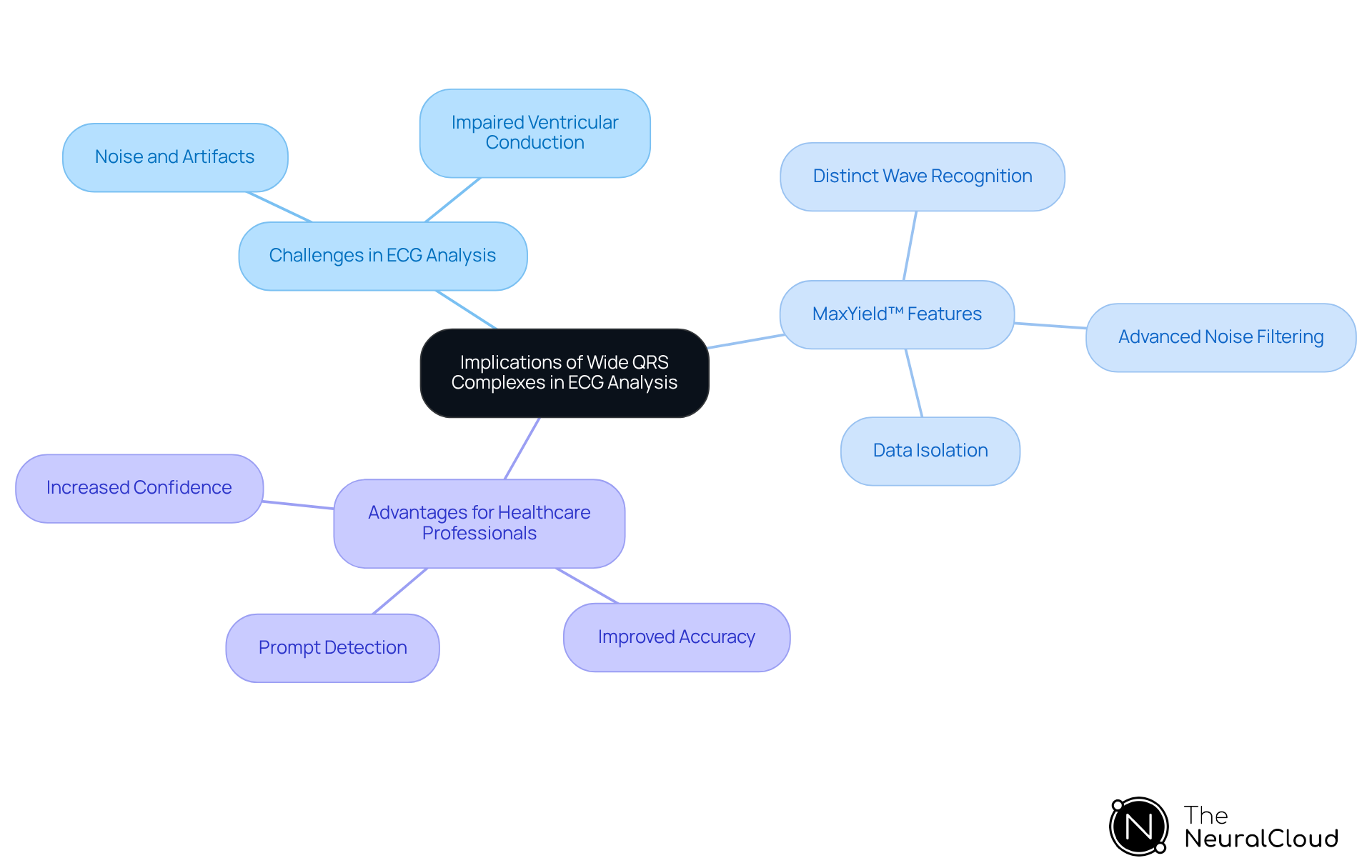
- The morphology of the QRS complex is crucial for diagnosing conditions such as bundle branch blocks, where a QRS duration exceeding 100 ms is abnormal and can signal serious cardiac events.
Real-world applications of QRS analysis have demonstrated its importance in clinical settings. Monitoring with wide measurements is essential for diagnosing ventricular rhythms and blocks, which can significantly impact patient management strategies. Additionally, advancements in ECG technology, including AI integration, have enhanced the ability to analyze the QRS complex, leading to improved diagnostic accuracy and patient outcomes.
Quotes from specialists in the field highlight the significance of QRS component examination in ECG diagnostics. John R. Hampton, a noted authority in cardiology, states, "The rhythm of the heart is best interpreted from whichever ECG lead shows the P wave most clearly," emphasizing the interconnectedness of waveforms in accurate ECG interpretation. This underscores the necessity for healthcare professionals to develop skills in ECG analysis, as errors in interpretation can lead to misdiagnosis and delayed treatment.
In summary, the QRS complex is not merely a series of deflections on an ECG; it is a window into the heart's electrical activity and overall health. Understanding its components and their implications is essential for effective diagnosis and patient care.
QRS Complex Duration: Normal vs. Abnormal Variations
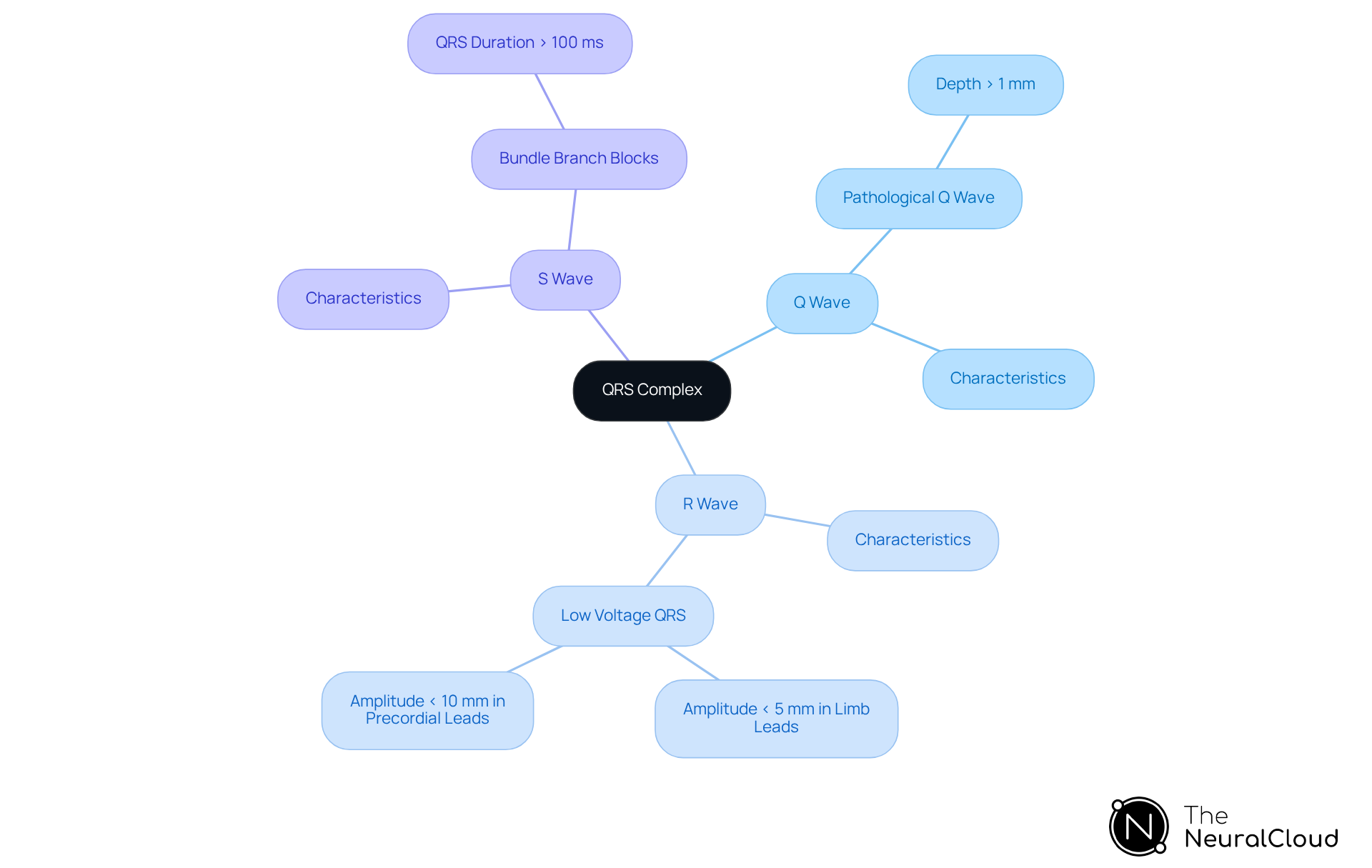
The usual duration of the QRS complex typically ranges from 80 to 100 milliseconds. When the QRS complex exceeds 120 milliseconds, it is classified as abnormal, potentially indicating underlying cardiac conditions such as bundle branch block or left ventricular hypertrophy. The QRS complex serves as a critical marker in cardiac health assessments, correlating with mortality rates among patients with heart disease. For example, studies indicate that each 10-millisecond increase in the duration can elevate the risk of sudden cardiac death by approximately 27%. Moreover, individuals with prolonged QRS complexes face a significantly higher risk for new-onset heart failure, highlighting the necessity for regular monitoring in clinical practice.
Features
The MaxYield™ platform revolutionizes ECG analysis by providing automated, accurate, and scalable solutions. It enables healthcare professionals to efficiently assess the duration of the QRS complex and its implications. This platform addresses the challenges in ECG analysis by streamlining the process, reducing the potential for human error, and enhancing the accuracy of assessments.
Advantages for
Real-world applications of the MaxYield™ platform are evident in routine evaluations. Healthcare providers utilize the QRS complex duration as a metric to stratify risk and guide further interventions. The innovative capabilities of MaxYield™ ultimately enhance patient care, allowing for timely interventions and improved outcomes. By integrating this technology, healthcare providers can ensure a more effective approach to cardiac health monitoring.
Implications of Wide QRS Complexes in ECG Analysis
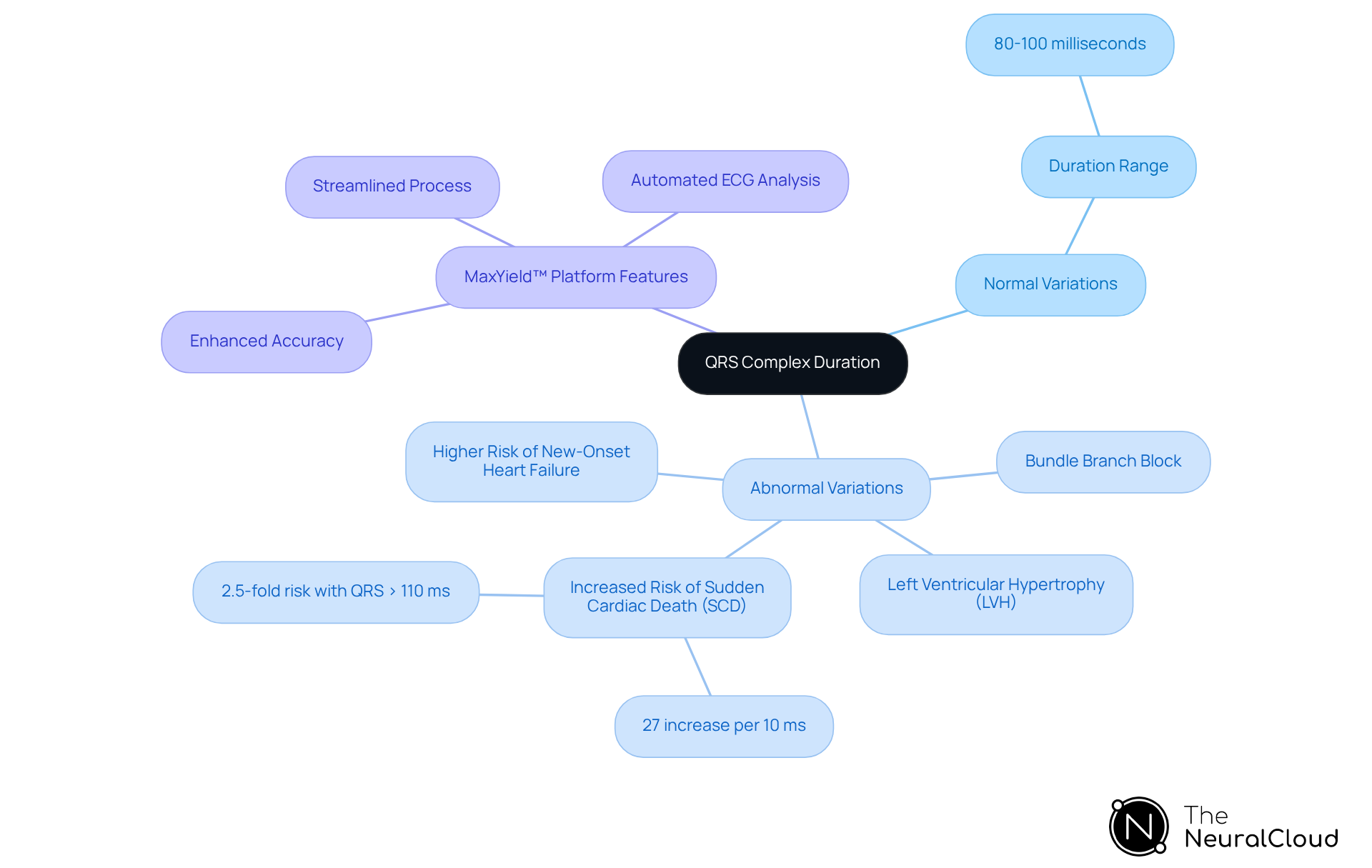
Wide QRS complexes, which are defined as those exceeding 120 milliseconds, can indicate serious conditions such as ventricular tachycardia or bundle branch block. The presence of a wide QRS complex necessitates further investigation, as it may indicate impaired ventricular conduction or other cardiac abnormalities. However, ECG analysis often struggles with elevated noise and artifacts, making it challenging to accurately recognize and interpret the ECG QRS complex.
MaxYield™ addresses these challenges effectively. This platform employs advanced algorithms and distinct wave recognition capabilities. As a result, it allows for the isolation of critical data even in recordings affected by noise and artifacts. This feature is crucial for healthcare professionals, enabling them to make informed decisions based on accurate ECG interpretations.
Key Features of MaxYield™:
- Advanced filtering techniques to enhance signal clarity.
- Distinct wave recognition is crucial for precise identification of patterns.
- Capability to isolate critical data in noisy recordings.
Advantages for Healthcare Professionals:
- Improved accuracy, leading to better patient outcomes.
- Enhanced ability to detect abnormalities promptly.
- Increased confidence in clinical decision-making based on reliable data.
In summary, MaxYield™ significantly improves ECG analysis by overcoming common challenges faced in the field. Its advanced features not only enhance the accuracy of interpretations but also provide direct benefits to healthcare professionals, ultimately supporting better patient care.
QRS Complex Morphology: Diagnostic Insights for Developers
The morphology of the QRS complex is a crucial element in ECG interpretation. Variations in the shape and size of the QRS complex can indicate underlying cardiac conditions. For example, a fragmented QRS pattern (f-QRS) is often associated with myocardial scarring. Studies have shown that:
- 49% of participants exhibited f-QRS
- Specificity of 88.7% for identifying myocardial scarring in anterior segments
On the other hand, a wide QRS complex may suggest left bundle branch block (LBBB), commonly found in patients with prolonged QRS duration.
Current research highlights the significance of QRS morphology as a predictor of clinical outcomes. It demonstrates that the QRS morphology can identify patients who are more likely to respond to cardiac resynchronization therapy (CRT) compared to traditional parameters like QRS duration and morphology. This insight emphasizes the need for developers to focus on integrating algorithms that can analyze QRS morphology. Such advancements can greatly enhance ECG analysis and facilitate timely interventions in cardiovascular care.
Integrating QRS Complex Data into Health Tech Solutions
Incorporating QRS complex data into health tech solutions addresses significant challenges in ECG analysis, particularly accuracy. Traditional methods often struggle with noise, making it difficult for healthcare professionals to extract meaningful insights. This is where advanced solutions like Neural Cloud Solutions' MaxYield™ come into play.
Features of MaxYield™:
- Noise Reduction: Transforms raw data into clean, crisp signals.
- Real-Time Analysis: Utilizes algorithms to examine their traits in real-time.
- Comprehensive Evaluation: Maps ECG signals through noise, isolating and labeling key features in each heartbeat.
The platform significantly improves ECG analysis by providing beat-by-beat evaluations of 200,000 heartbeats in under 5 minutes. This rapid processing capability enables healthcare professionals to swiftly identify critical cardiac events, enhancing clinical decision-making. With accurate data, clinicians can make decisions that directly impact patient outcomes.
Furthermore, the integration of AI in the analysis of the QRS complex has shown promising results. Research indicates that inference durations can be decreased by 10 to 30 times when employing GPU technology, depending on specific hardware and batch size. This efficiency is crucial in emergency settings, where timely interventions can be life-saving.
As heart disease remains the leading cause of death in the United States, the demand for ongoing cardiac monitoring continues to rise. Health technology solutions must prioritize seamless data integration to enhance ECG evaluation processes. By ensuring that clinicians can respond to precise insights promptly, platforms like MaxYield™ play a vital role in improving patient care.
Addressing Noise and Artifacts in ECG Signal Analysis
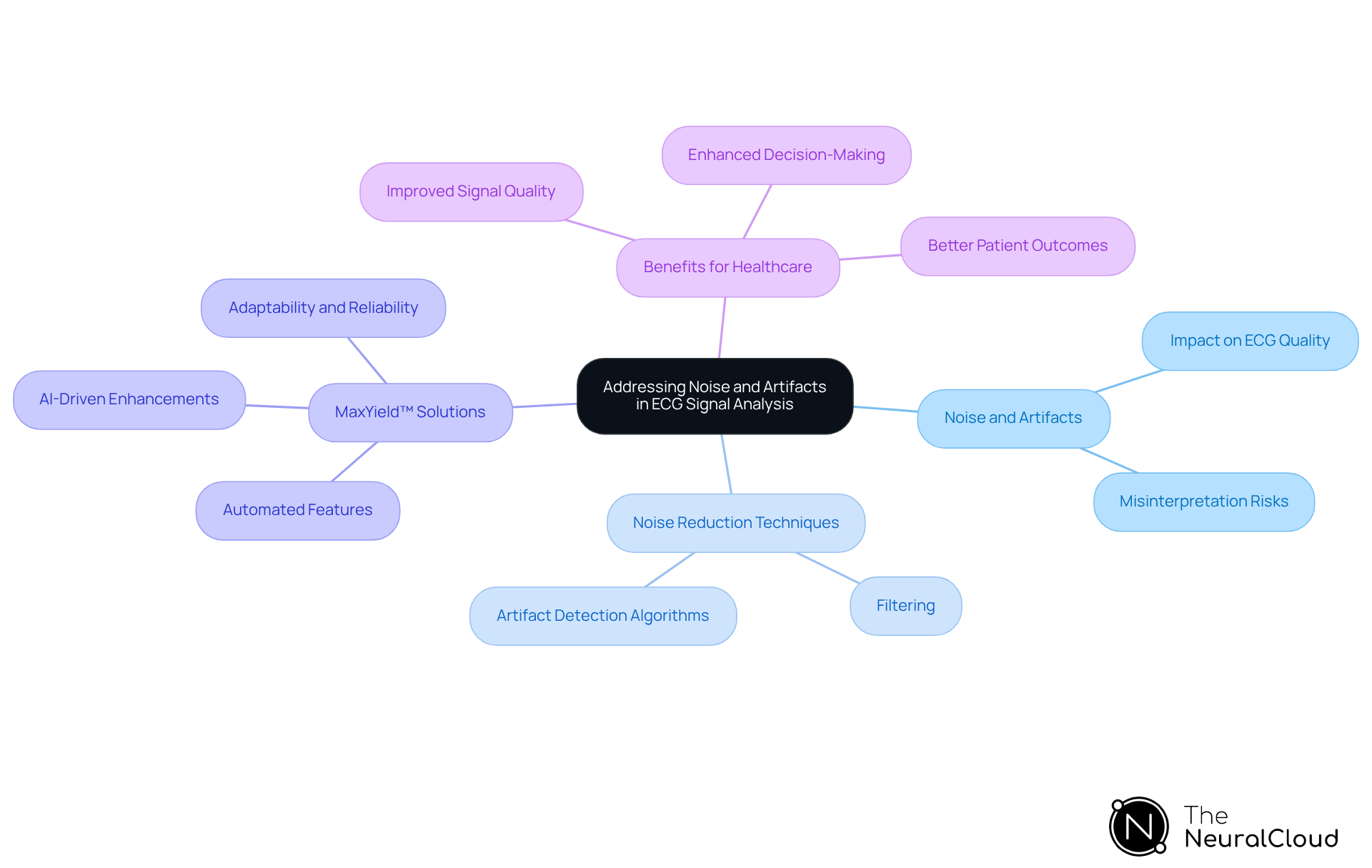
Noise and artifacts can significantly compromise the quality of ECG signals, leading to misinterpretation of the data and other critical features. Effective techniques, such as filtering and noise reduction, are essential for ensuring the precision of the evaluation.
The company offers automated and AI-driven solutions that enhance the adaptability and reliability of these techniques. By leveraging these advanced features, developers can improve the clarity and efficiency of interpretations related to the QRS complex. This is crucial for health tech developers who aim to provide accurate and scalable ECG evaluations.
Incorporating these advanced techniques into health tech solutions not only addresses the challenges of noise and artifacts but also supports healthcare providers in delivering high-quality patient care. The benefits of using these solutions extend beyond just accuracy; they also facilitate better decision-making and patient outcomes.
Continuous Learning Algorithms: Enhancing ECG Analysis Accuracy
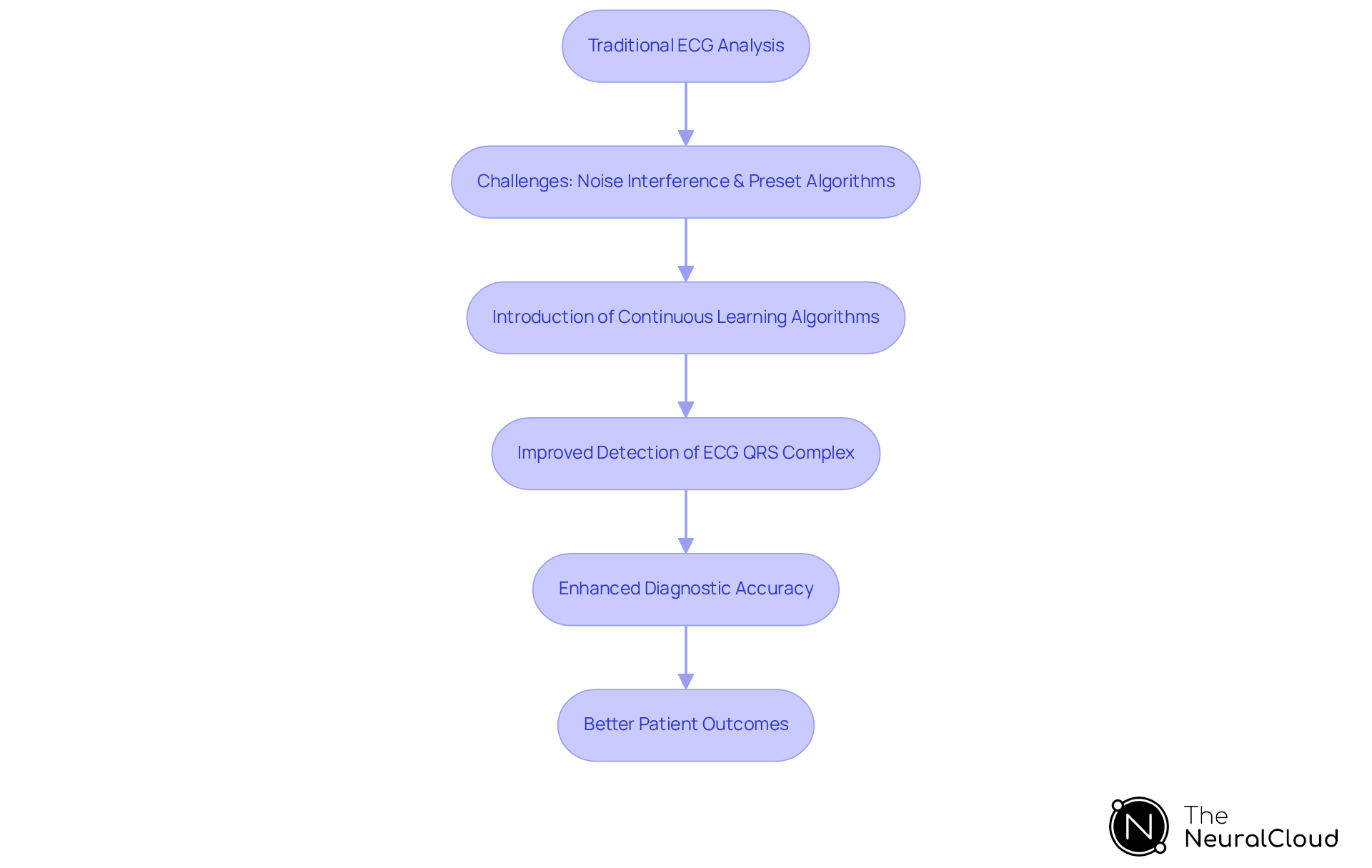
Continuous learning algorithms play a crucial role in enhancing the accuracy of ECG analysis, particularly in overcoming the limitations of traditional technologies used for interpreting the QRS complex. These older systems often depend on preset algorithms and face challenges with noise interference. This technology addresses these issues through its adaptive model, which evolves with each use. This model significantly improves its ability to analyze QRS morphology and other vital features of ECG.
The adaptability of this technology not only leads to more precise diagnostics but also contributes to improved patient outcomes. By processing increasing volumes of data, the algorithm continuously enhances its accuracy and efficiency. This ensures that healthcare providers can keep pace in a rapidly advancing landscape. Recent studies have demonstrated that various algorithms, including those from leading research institutions, have achieved remarkable improvements in diagnostic accuracy. For instance, one model recorded a sensitivity of 92% and a specificity of 81% in detecting ST-Elevation Myocardial Infarction (STEMI).
Such advancements highlight the importance of continuous learning algorithms in refining the diagnostics of cardiac conditions. By ensuring timely and accurate patient care, these innovations underscore the importance of continuous learning algorithms in the healthcare sector.
Conclusion
The exploration of the ECG QRS complex highlights significant challenges in cardiac diagnostics, underscoring the necessity for advanced technologies like Neural Cloud Solutions' MaxYield™ platform. This innovative solution automates ECG analysis, enhancing the clarity of ECG signals while significantly improving the speed and accuracy of diagnoses. As a result, it transforms patient care by enabling healthcare professionals to make informed decisions swiftly.
Key insights reveal the complexities of the QRS complex, including its components and their implications for various cardiac conditions. Understanding the morphology and duration of the QRS complex is crucial for identifying abnormalities that may indicate serious health issues. The integration of AI-driven analysis and continuous learning algorithms further strengthens the diagnostic capabilities of modern ECG interpretation, allowing for timely interventions.
As the healthcare landscape evolves, the importance of accurate and efficient ECG analysis becomes increasingly clear. Embracing advanced technologies like MaxYield™ is essential for health tech developers focused on enhancing patient outcomes. By prioritizing the integration of these solutions, the healthcare community can ensure improved management of cardiac health, ultimately leading to a better quality of life for patients.
Frequently Asked Questions
What is MaxYield™ and what does it do?
MaxYield™ is a platform developed by Neural Cloud Solutions that automates ECG signal processing, enhancing the clarity of ECG data and allowing healthcare professionals to make swift, informed decisions.
How quickly can MaxYield™ process ECG data?
MaxYield™ can process over 200,000 heartbeats in less than five minutes, enabling detailed beat-by-beat evaluation.
What types of devices are compatible with MaxYield™?
MaxYield™ is device-agnostic and can capture ECG recordings from any 1-lead or 3-lead device, including wearable devices, patch monitors, and Holter monitors.
What are the key features of MaxYield™?
Key features of MaxYield™ include automated ECG signal processing, rapid processing of heartbeats, and compatibility with various ECG devices.
What advantages does MaxYield™ offer to healthcare professionals?
MaxYield™ improves diagnostic accuracy, enhances workflow efficiency, and enables the swift detection of critical conditions.
Why is the QRS complex important in ECG interpretation?
The QRS complex reflects the electrical activity of ventricular depolarization and is crucial for diagnosing various cardiac conditions.
What is the normal range for QRS duration?
A normal QRS duration typically ranges from 70 to 100 milliseconds, with durations exceeding 120 milliseconds indicating potential issues.
What does a widened QRS complex indicate?
A widened QRS complex, greater than 120 milliseconds, often suggests delayed ventricular depolarization, which is essential for diagnosing arrhythmias.
How does MaxYield™ enhance the analysis of the QRS complex?
MaxYield™ enhances diagnostic accuracy by quickly identifying QRS patterns and isolating key features, supported by AI-driven analysis and noise filtering.
What clinical significance do abnormalities in the QRS complex hold?
Abnormalities in the QRS complex can indicate various cardiac conditions, such as bundle branch blocks and myocardial infarction, and are critical for assessing the risk of sudden cardiac death.
List of Sources
- Neural Cloud Solutions: MaxYield™ for Automated ECG Analysis
- aiml.health (https://aiml.health/press-release/aiml-subsidiary-neuralcloud-solutions-commencing-pilot-with-canadian-cardiology-clinic-to-advance-ai-powered-ecg-reporting)
- Checking your browser - reCAPTCHA (https://pmc.ncbi.nlm.nih.gov/articles/PMC12419789)
- otcmarkets.com (https://otcmarkets.com/stock/AIMLF/news/AIML-Innovations-Inc-Announces-Grant-of-US-Patent-Protecting-Core-ECG-Signal-Processing-Architecture?id=499536)
- archivemarketresearch.com (https://archivemarketresearch.com/reports/automated-ecg-analysis-software-58349)
- Understanding the QRS Complex: Key to ECG Interpretation
- Electrocardiogram - StatPearls - NCBI Bookshelf (https://ncbi.nlm.nih.gov/books/NBK549803)
- litfl.com (https://litfl.com/qrs-interval-ecg-library)
- bookey.app (https://bookey.app/book/the-ecg-made-easy/quote)
- theneuralcloud.com (https://theneuralcloud.com/post/understanding-qrs-complex-abnormalities-a-comprehensive-tutorial)
- onelook.com (https://onelook.com/?loc=beta3&w=qrs%20complex&mentions=1)
- Clinical Significance of QRS Complex Abnormalities
- Client Challenge (https://nature.com/articles/s41598-021-93024-y)
- Duration of QRS Complex in Resting Electrocardiogram Is a Predictor of Sudden Cardiac Death in Men | Circulation (https://ahajournals.org/doi/10.1161/circulationaha.111.025577)
- news-medical.net (https://news-medical.net/news/20250819/New-system-uses-ECG-and-blood-markers-for-Takotsubo-Syndrome.aspx)
- medicalxpress.com (https://medicalxpress.com/news/2025-11-zalunfiban-early-benefits-st-elevation.html)
- Components of the QRS Complex: A Detailed Breakdown
- Electrocardiogram - StatPearls - NCBI Bookshelf (https://ncbi.nlm.nih.gov/books/NBK549803)
- bookey.app (https://bookey.app/book/the-ecg-made-easy/quote)
- litfl.com (https://litfl.com/qrs-interval-ecg-library)
- News - Cardiac Rhythm News (https://cardiacrhythmnews.com/news)
- onelook.com (https://onelook.com/?loc=beta3&w=qrs%20complex&mentions=1)
- QRS Complex Duration: Normal vs. Abnormal Variations
- litfl.com (https://litfl.com/qrs-interval-ecg-library)
- Client Challenge (https://nature.com/articles/s41598-021-93024-y)
- pmc.ncbi.nlm.nih.gov (https://pmc.ncbi.nlm.nih.gov/articles/PMC8886432)
- Duration of QRS Complex in Resting Electrocardiogram Is a Predictor of Sudden Cardiac Death in Men | Circulation (https://ahajournals.org/doi/10.1161/circulationaha.111.025577)
- QRS Complex Morphology: Diagnostic Insights for Developers
- ahajournals.org (https://ahajournals.org/doi/10.1161/CIRCEP.118.006497?doi=10.1161/CIRCEP.118.006497)
- pubmed.ncbi.nlm.nih.gov (https://pubmed.ncbi.nlm.nih.gov/40917179)
- heartrhythmopen.com (https://heartrhythmopen.com/article/S2666-5018(25)00164-3/fulltext)
- nature.com (https://nature.com/articles/s41598-025-09282-7)
- explorationpub.com (https://explorationpub.com/Journals/em/Article/1001347)
- Integrating QRS Complex Data into Health Tech Solutions
- nature.com (https://nature.com/articles/s41598-022-16517-4)
- newsroom.heart.org (https://newsroom.heart.org/news/an-ai-tool-detected-structural-heart-disease-in-adults-using-a-smartwatch)
- newsroom.heart.org (https://newsroom.heart.org/news/three-health-tech-innovators-recognized-for-digital-solutions-to-transform-cardiovascular-care)
- Study Shows Promising Results for ECG Technology (https://dicardiology.com/content/study-shows-promising-results-ecg-technology)
- acdis.org (https://acdis.org/articles/news-ai-has-potential-improve-diagnostic-accuracy-earlier-detection-cardiac-conditions)
- Continuous Learning Algorithms: Enhancing ECG Analysis Accuracy
- mpo-mag.com (https://mpo-mag.com/breaking-news/studies-show-ai-powered-electrocardiogram-improves-heart-attack-detection)
- AI-driven ECG improves detection of severe heart attacks (https://news-medical.net/news/20251029/AI-driven-ECG-improves-detection-of-severe-heart-attacks.aspx)
- escardio.org (https://escardio.org/Councils/Council-for-Cardiology-Practice-(CCP)/Cardiopractice/artificial-intelligence-in-ecg-diagnostics-where-are-we-now)
- medicalxpress.com (https://medicalxpress.com/news/2025-11-ai-heart-gel-free-ecg.html)
- AI-Based ECG Analysis Significantly Improves STEMI Detection, Reduces False Activations - American College of Cardiology (https://acc.org/latest-in-cardiology/articles/2025/10/24/16/56/tues-554pm-ai-tct-2025)