Introduction
ECG analysis presents significant challenges for healthcare professionals, especially in identifying hyperacute T-wave patterns that may indicate critical cardiac events. The introduction of advanced AI technologies, such as Neural Cloud Solutions' MaxYield™, is transforming cardiac diagnostics, offering improved accuracy and efficiency. As the need to recognize these subtle yet crucial waveform changes becomes more apparent, clinicians face the pressing question: how can they effectively distinguish hyperacute T-waves from other ECG irregularities to ensure timely, life-saving interventions?
MaxYield™ addresses these challenges by providing a robust platform designed to enhance ECG analysis. Its features include advanced algorithms that accurately detect hyperacute T-wave patterns, enabling healthcare professionals to make informed decisions quickly. This capability not only streamlines the diagnostic process but also reduces the risk of misinterpretation, which can lead to critical delays in patient care.
The advantages of using MaxYield™ are clear. By improving the accuracy of ECG readings, healthcare professionals can respond more effectively to potential cardiac events. This not only enhances patient outcomes but also fosters greater confidence in clinical decision-making. As the landscape of cardiac diagnostics continues to evolve, tools like MaxYield™ are essential for ensuring that clinicians are equipped to meet the demands of modern healthcare.
Neural Cloud Solutions' MaxYield™: Transforming ECG Analysis with Advanced AI
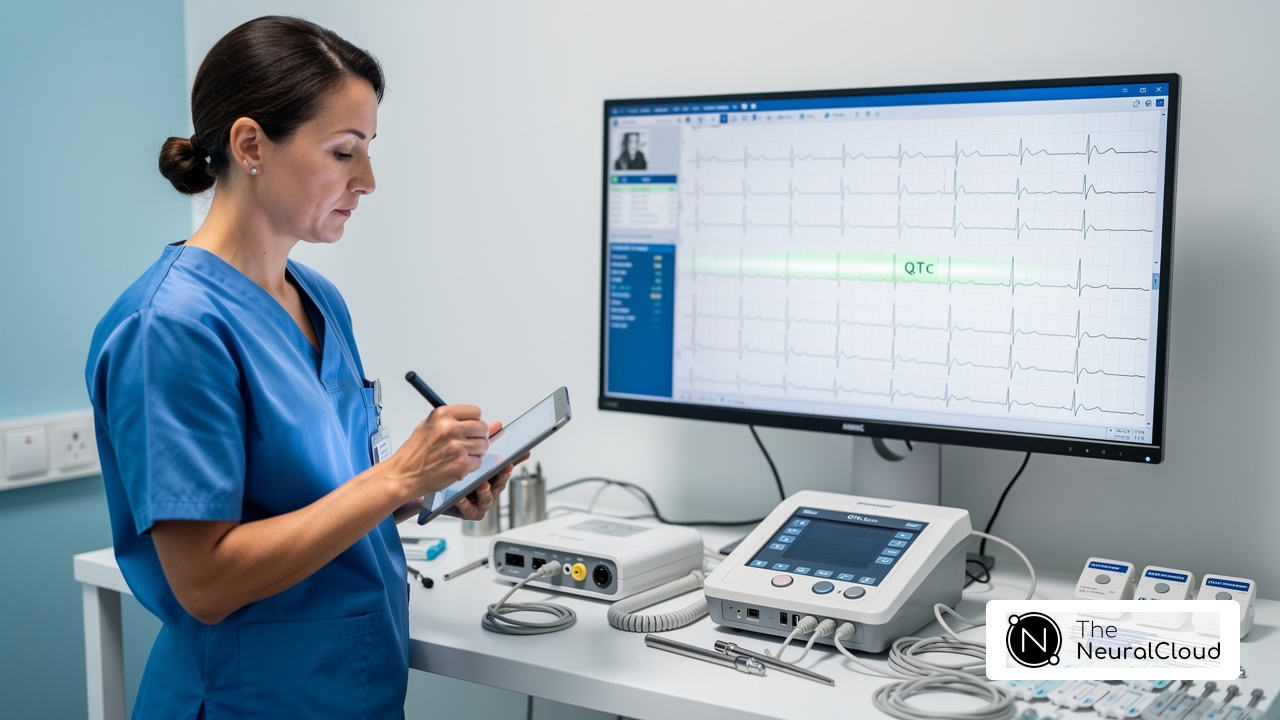
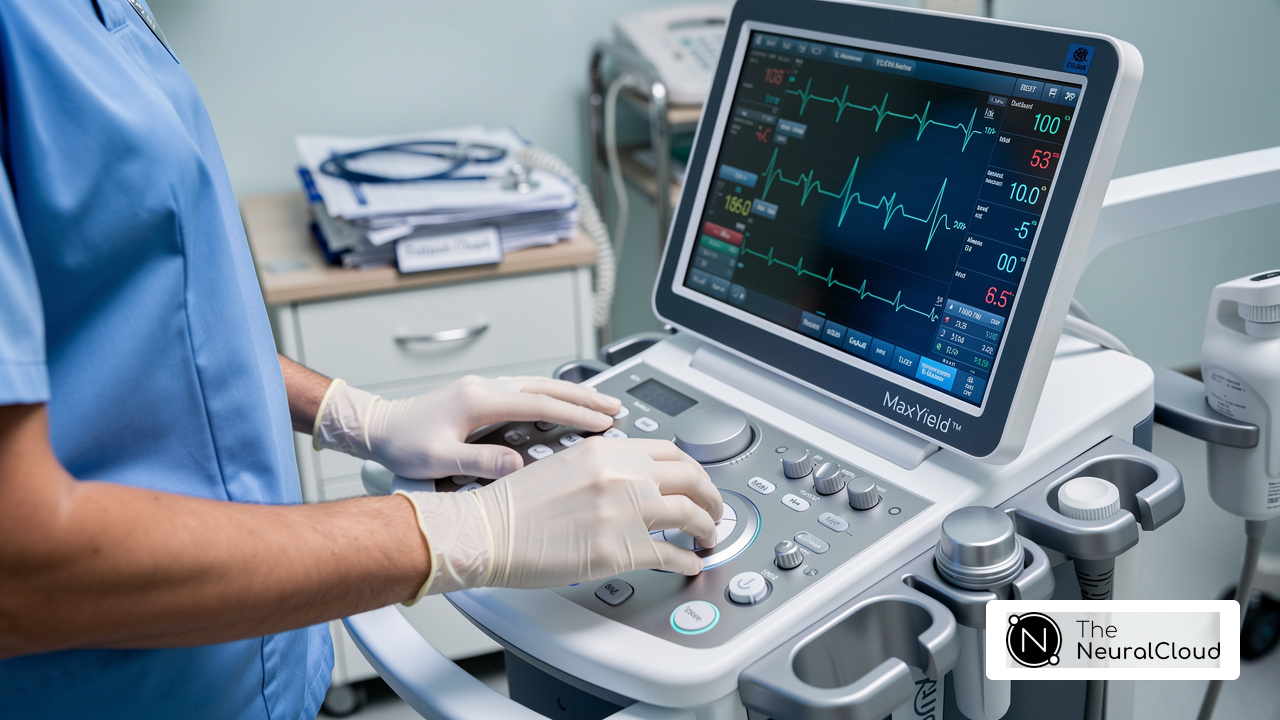
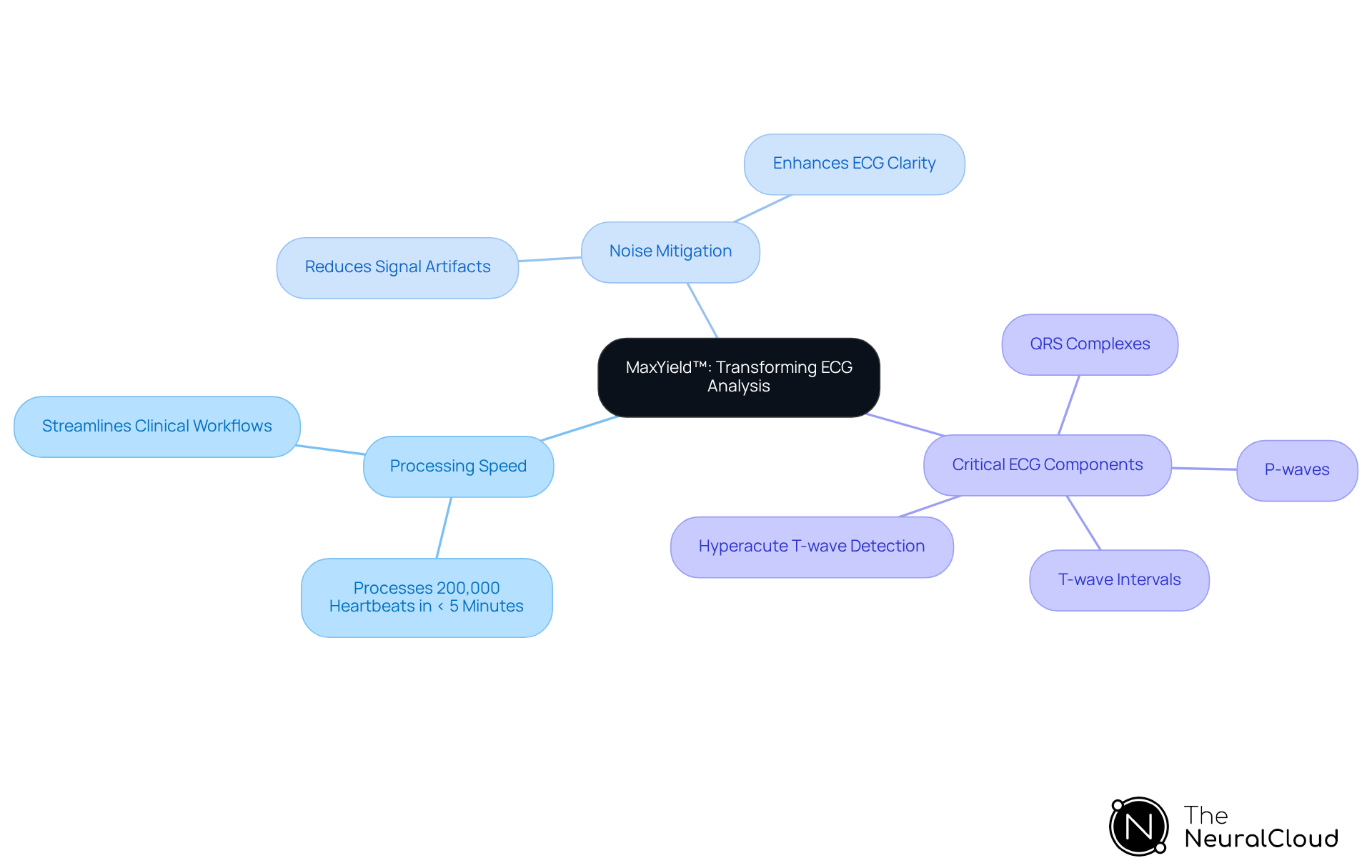
ECG analysis presents several challenges, including noise interference and the complexity of accurately identifying critical cardiac features. Neural Cloud Solutions' MaxYield™ addresses these issues with its advanced technology, designed to revolutionize the way ECGs are analyzed.
MaxYield™ is capable of processing over 200,000 heartbeats in less than five minutes, providing a comprehensive overview of cardiac activity. This feature effectively isolates and labels essential components of the ECG, such as:
- P-waves
- QRS complexes
- T-wave intervals
By adeptly mitigating noise and signal artifacts, the platform enhances diagnostic clarity, which is crucial for healthcare professionals aiming to make informed decisions based on precise cardiac insights.
One of the standout advantages of MaxYield™ is its ability to identify hyperacute T-waves, which can indicate significant cardiac events. This capability is vital for timely intervention. Case studies have shown that MaxYield™ not only enhances diagnostic accuracy but also streamlines clinical workflows, allowing for quicker and more reliable patient assessments.
As AI technology continues to evolve, its integration into ECG analysis is expected to further improve the quality of cardiac care. Platforms like MaxYield™ are becoming indispensable in modern healthcare settings, empowering professionals with the tools they need to deliver exceptional patient care.
Defining Hyperacute T-Waves: Key Criteria for Accurate Diagnosis
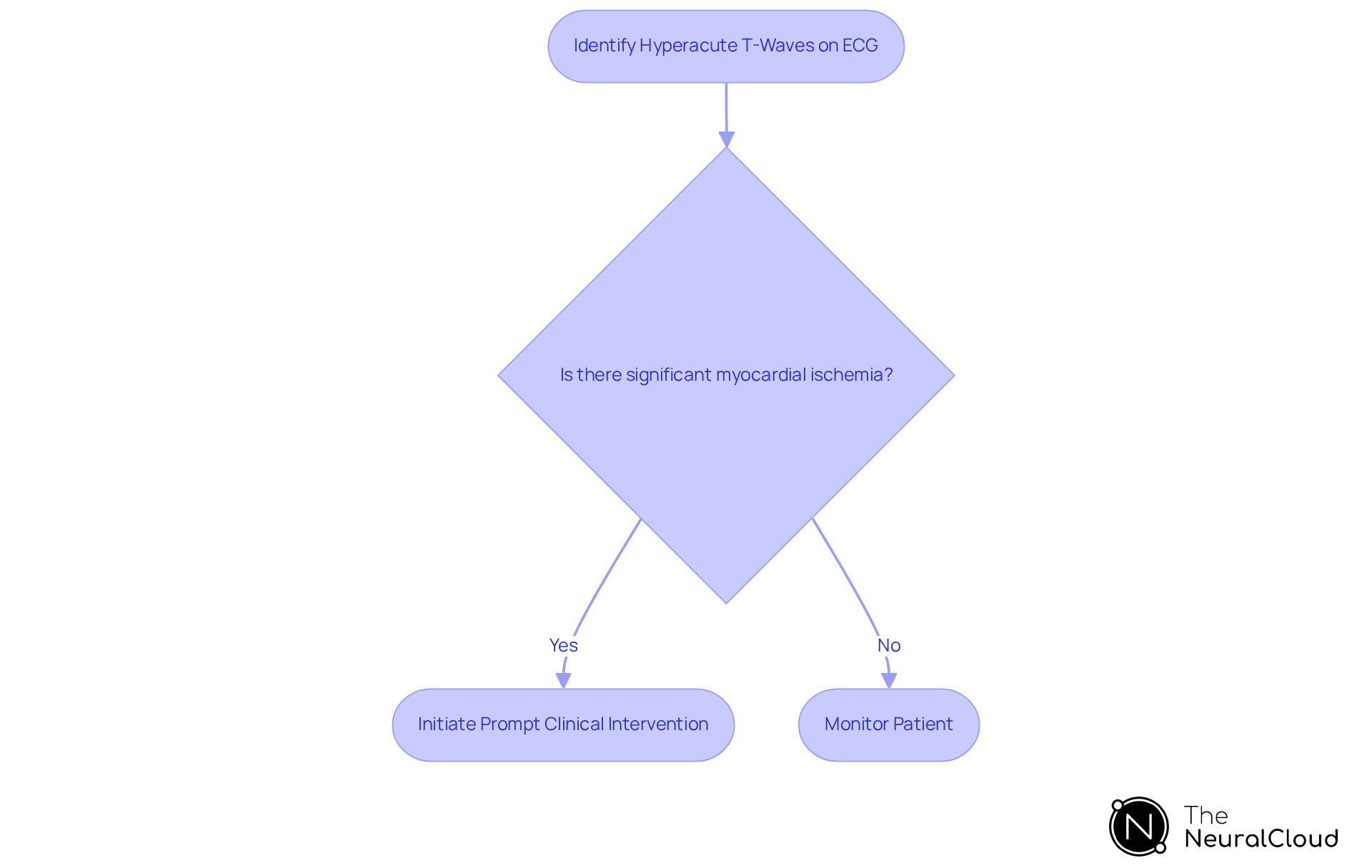
The hyperacute T-wave presents a significant challenge in ECG analysis due to its tall, broad, and symmetrical appearance, often surpassing the amplitude of the QRS complex. Key diagnostic criteria include a broad base and rounded peak, frequently accompanied by ST-segment depression. These morphological characteristics are crucial for clinicians to accurately differentiate between conditions like early repolarization or hyperkalemia and myocardial infarction. The presence of hyperacute T-waves can be considerable in clinical settings; research indicates that they may serve as the sole ECG indication in cases of acute myocardial infarction. This underscores the importance of recognizing these patterns, as illustrated by a case where sharp electrical waveforms were the only signs of ischemia before the patient rapidly progressed to cardiac arrest.
Healthcare professionals must maintain a high level of suspicion when interpreting ECGs, particularly regarding the diagnosis in patients presenting with acute chest discomfort. The Neural Cloud Solutions significantly enhances this diagnostic process. It employs advanced algorithms and distinct wave recognition, enabling the rapid isolation of signals, even in recordings affected by baseline wander, movement, and muscle artifacts.
Features of MaxYield™:
- Distinct wave recognition
- Rapid isolation of hyperacute waves
Advantages for Healthcare Professionals:
- Enhanced ability to identify critical conditions
- Faster decision-making in acute scenarios
Understanding these features not only aids in prompt diagnosis but also elevates patient care, ultimately improving outcomes for patients.
Clinical Implications of Hyperacute T-Waves in Cardiac Diagnosis
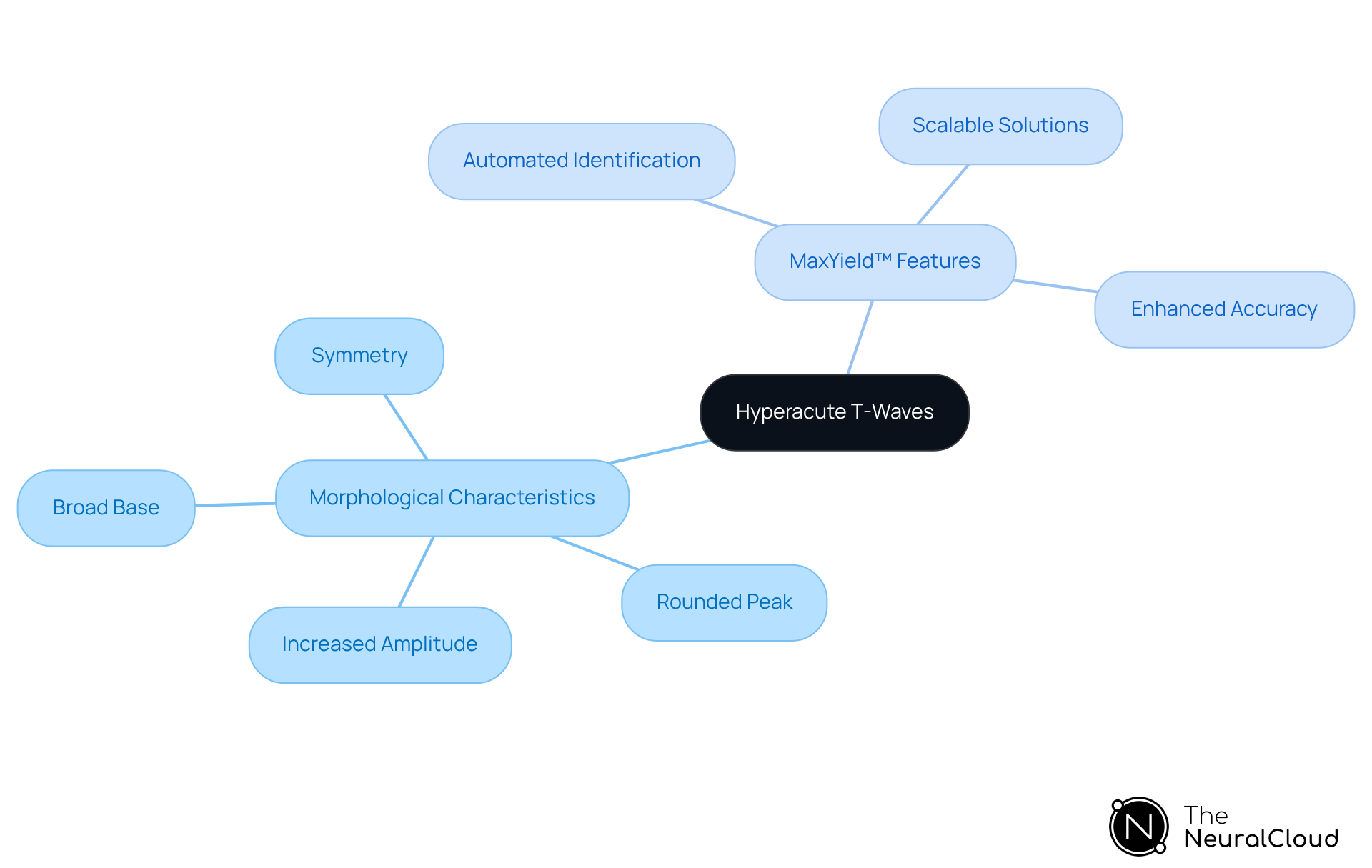
Hyperacute T-wave waveforms serve as critical indicators of myocardial ischemia, often appearing before other changes on the ECG, such as ST-segment elevation. The recognition of these waveforms is vital, as it indicates significant cardiac events, necessitating prompt clinical intervention. By recognizing sharp T-waves, healthcare providers can initiate timely treatment, which can significantly enhance outcomes for patients experiencing acute coronary syndrome.
Recent studies underscore the importance of these ECG findings, revealing a strong correlation between hyperacute T-wave changes and myocardial infarction, particularly in patients presenting with chest discomfort. For instance, a recent study found that among patients who did not meet STEMI criteria but exhibited hyperacute T-waves, an impressive 84% had a culprit lesion linked to coronary artery disease. This statistic emphasizes the need for clinicians to remain alert in identifying these patterns, as early recognition can be life-saving.
Morphological Characteristics of Hyperacute T-Waves: What to Look For
When evaluating sharp waveforms, clinicians face challenges in identifying key morphological features of the T-waves. These include a peaked appearance. Often symmetrical, these waveforms may appear in contiguous leads that correspond to areas of myocardial injury. Accurate interpretation is essential for accurate diagnosis and timely intervention in cases of acute myocardial infarction.
MaxYield™ from Neural Cloud Solutions provides advanced AI-driven analysis of ECGs that enhances clarity and efficiency. Key features of MaxYield™ include:
- Real-time data processing.
- Scalable solutions that adapt to various clinical settings.
- Comprehensive reporting tools.
These features translate into improved diagnostic accuracy. By leveraging MaxYield™, clinicians can enhance patient outcomes and streamline workflow. The platform not only transforms ECG analysis but also supports timely decision-making in patient care.
Diagnostic Challenges in Identifying Hyperacute T-Waves
Identifying hyperacute T-wave patterns poses significant challenges. These patterns often resemble other wave irregularities, such as those associated with elevated potassium levels or early repolarization. Additionally, patient variability can complicate interpretation, as these changes may depend on the individual's baseline ECG. A study indicated that up to 40% of complete occlusive myocardial infarctions (AMI) were missed when relying solely on clinical symptoms.
Given these complexities, healthcare providers must maintain a high level of vigilance. By comparing current ECGs with earlier recordings, they can accurately detect and minimize the risk of misdiagnosis. This careful approach is crucial, as extremely acute waveforms, specifically hyperacute T-waves, can be the only ECG finding in patients experiencing acute coronary syndrome. If not recognized promptly, this oversight can lead to rapid deterioration.

Differential Diagnosis of Hyperacute T-Waves: Key Considerations
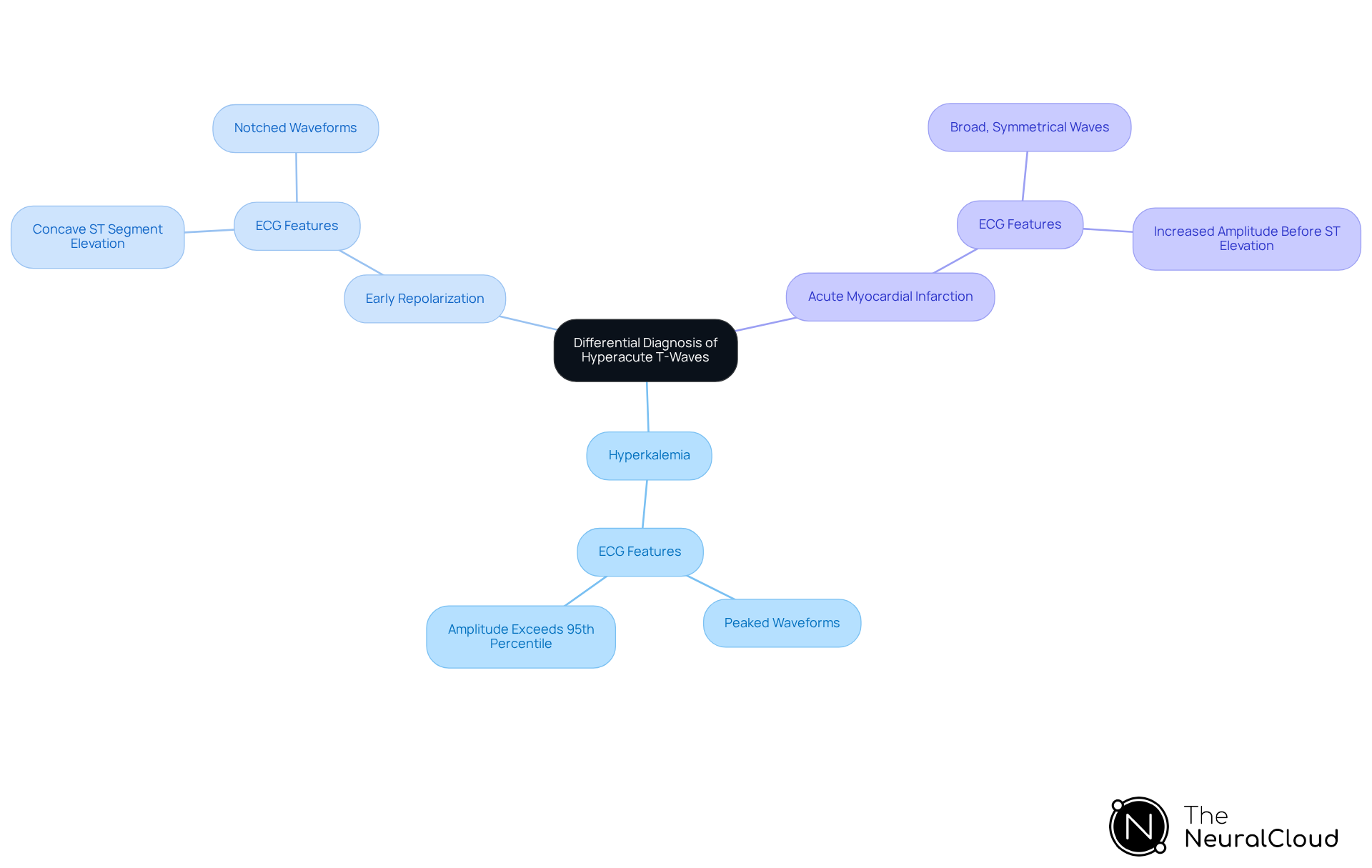
In evaluating early T-waves, it's crucial to differentiate them from conditions like myocardial infarction, as each presents distinct ECG features, particularly in the ST segment, that may overlap. Hyperkalemia typically shows peaked waveforms, while early repolarization is characterized by a concave ST segment elevation and notched waveforms. In contrast, broad, symmetrical T-waves with increased amplitude often occur before ST-segment elevation in cases of pericarditis.
Clinicians must carefully assess the individual's clinical history and symptoms alongside ECG findings to ensure accurate diagnosis and effective treatment. For instance, extremely elevated potassium levels can lead to typical STEMI indicators within minutes. This underscores the necessity for intervention in urgent situations. Research indicates that recognizing sharp waveforms can expedite diagnosis by up to three hours compared to traditional methods, significantly impacting patient outcomes.
Real-world examples illustrate these distinctions: in hyperkalemia, T-wave amplitudes may exceed the 95th percentile, but this does not correlate with sharp peaks, which are more indicative of early repolarization. Cardiologists stress the importance of grasping these nuances, as misinterpretation can delay critical interventions. By utilizing AI technology, which excels in T-wave morphology and wave recognition, healthcare professionals can enhance diagnostic accuracy and efficiency, ultimately improving patient care.
MaxYield™ not only recovers previously obscured sections of lengthy recordings but also adapts with each use, ensuring clinicians have the most precise and automated tools available.
Features of MaxYield™:
- Clarity Enhancement: Enhances clarity in ECG readings.
- Wave Recognition: Accurately identifies critical waveforms.
- Adaptive Learning: Evolves with usage for improved performance.
Advantages for Healthcare Professionals:
- Misinterpretation Reduction: Reduces the risk of misinterpretation.
- Time Efficiency: Speeds up the diagnostic process, leading to quicker interventions.
- Enhanced Patient Care: Supports better outcomes through precise analysis.
Enhancing ECG Interpretation with AI: The Future of Hyperacute T-Wave Analysis
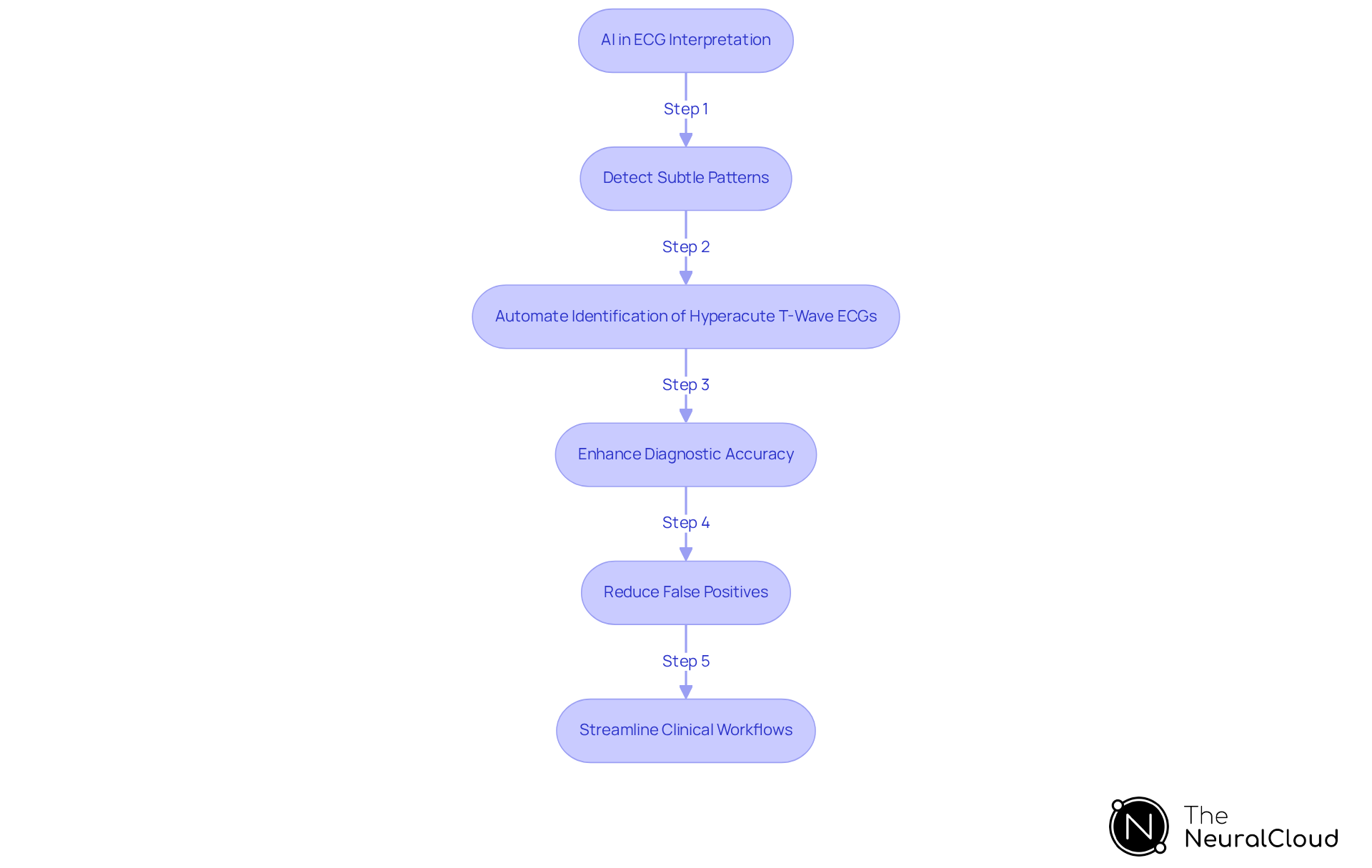
Artificial intelligence is set to transform ECG interpretation, especially in analyzing hyperacute T-waves. AI can detect subtle patterns and anomalies that might be missed by human interpreters. By automating the identification of critical changes, and abnormalities, which is crucial in emergency situations where timely intervention is vital. Additionally, integrating AI into ECG analysis streamlines processes, enabling healthcare professionals to concentrate on critical decision-making rather than manual analysis.
Health tech leaders emphasize that advancements in AI will significantly influence the future of cardiac diagnostics, including hyperacute T-wave detection. As AI technology progresses, its capacity to learn from extensive datasets will enhance its accuracy and efficiency, making it an essential tool in clinical practice. Real-world applications of AI in ECG analysis have already shown impressive results, with studies indicating that AI-driven ECG models can surpass traditional methods in diagnostic accuracy. This not only elevates care for patients but also improves efficiency in clinical environments, ushering in a new era of cardiac analysis.
Localization and Reciprocal Changes in Hyperacute T-Wave Analysis
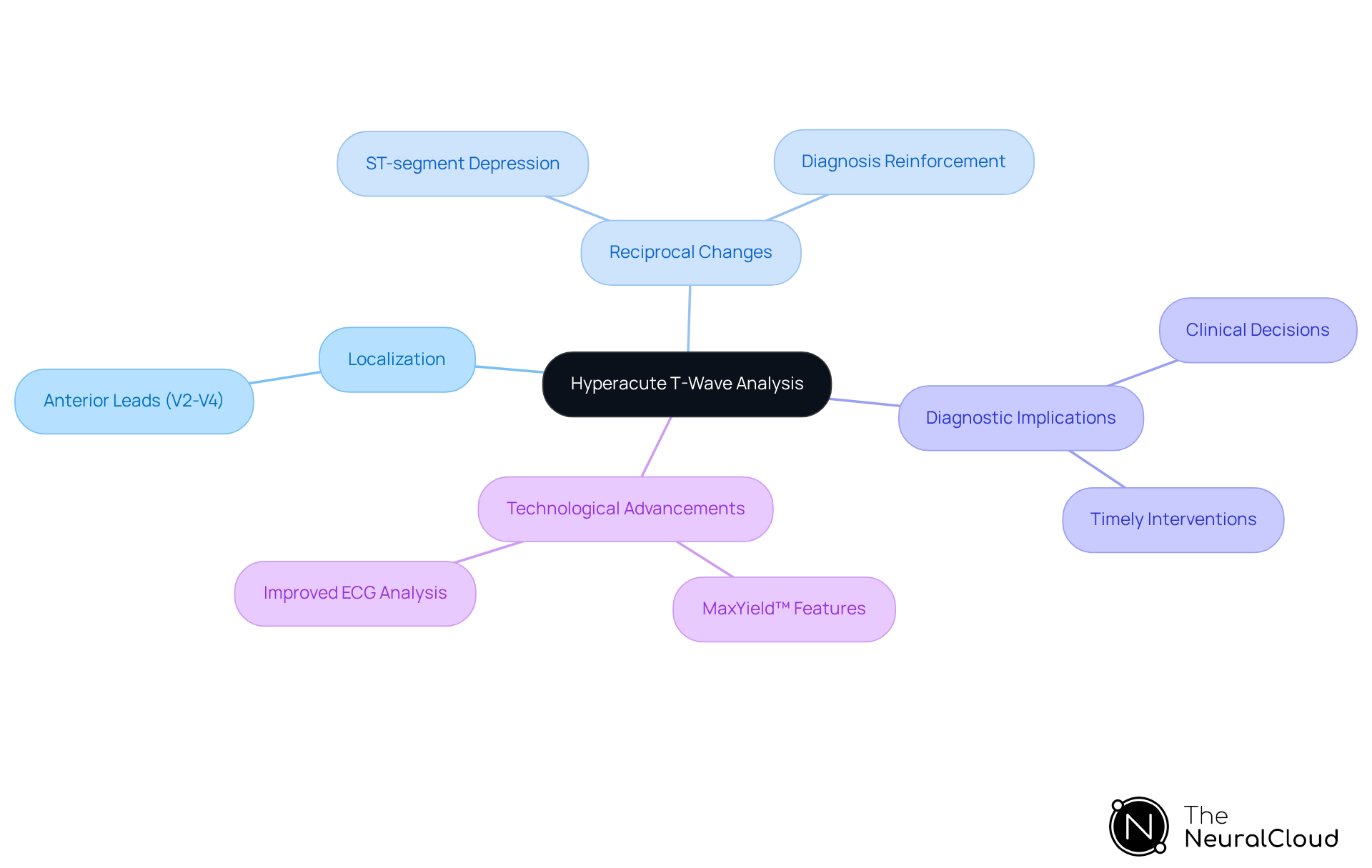
Hyperacute T-waves, as indicated by morphology, typically localize in leads that correspond to the area of myocardial injury, predominantly in the anterior leads (V2-V4). The presence of reciprocal changes, such as ST-segment depression in opposing leads, serves as a critical indicator for diagnosing myocardial infarction. These changes not only reinforce the diagnosis but also provide valuable insights into the extent of myocardial damage. For instance, cardiologists emphasize that recognizing these patterns is essential for accurate diagnosis, as they can significantly influence clinical decisions.
Recent research highlights that accurate identification of these changes can enhance diagnostic precision, ultimately guiding treatment decisions. A study discovered that 28% of NSTEMI individuals were reclassified as having acute coronary occlusion based on blinded ECG interpretation, underscoring the implications of precise ECG analysis. Furthermore, Dr. Hana Hybasek Dzurikova noted the necessity for consistent and precise ECG interpretation standards, aligning with the emphasis on improving ECG methodologies.
Real-world examples illustrate that failure to recognize reciprocal changes may lead to misdiagnosis, underscoring the necessity for continuous updates in training. By incorporating advanced technologies such as Neural Cloud Solutions' MaxYield™, healthcare professionals can enhance the consistency and reliability of ECG interpretations. Key features include noise filtering and automated signal processing, which improve the accuracy of ECG readings.
The advantages of using advanced AI tools are significant. Healthcare professionals benefit from enhanced diagnostic capabilities, leading to better patient outcomes. With improved ECG analysis, clinicians can make informed decisions more quickly, ultimately ensuring timely interventions. This platform not only streamlines the interpretation process but also supports ongoing education and training in ECG methodologies.
Understanding Reciprocal Changes in Hyperacute T-Wave ECGs
Mutual alterations in very early T-wave ECGs can manifest as changes in leads that contrast with those showing very early T-waves. This phenomenon plays a crucial role in diagnosing significant conditions, especially during acute myocardial infarction. For instance, a case study highlighted an individual with proximal LAD occlusion, where reciprocal changes were noted alongside T-wave abnormalities. This timely recognition led to prompt intervention and improved patient outcomes.
Clinicians must be adept at identifying these reciprocal changes to enhance diagnostic accuracy. Understanding the clinical implications is essential for effective ECG analysis and management of patients. Specialists emphasize that continuous education on these critical changes is vital. Recent updates in ECG analysis reinforce the importance of this knowledge, enabling healthcare professionals to optimize clinical decision-making.

Key Insights on Hyperacute T-Waves: Summary and Takeaways
The T-waves serve as crucial indicators of acute myocardial infarction, characterized by their tall, broad, and symmetrical morphology. However, accurately identifying these waveforms presents challenges that require a deep understanding of their defining features, recognition of differential diagnoses, and consideration of reciprocal changes.
The solution from Neural Cloud Solutions addresses these challenges effectively. Features of MaxYield™ include:
- Automation techniques for ECG analysis
These features enhance diagnostic accuracy and streamline clinical workflows, allowing healthcare providers to focus on patient care.
The advantages of using MaxYield™ are significant. By utilizing advanced technology, healthcare professionals can ensure the prompt identification of hyperacute T-wave ECGs, leading to improved diagnosis and better outcomes for patients. This is particularly important given the rising cases of acute coronary syndrome among younger individuals, often linked to modifiable risk factors like anabolic steroid use.
Recent studies indicate that myocardial infarction was identified in 445 out of 2457 patients, representing 18% of cases, underscoring the frequency of this condition and its connection to severe alterations in T-wave patterns. Dr. Stephen W. Smith highlights that sharp T waves, while important, remain poorly understood, presenting challenges for clinicians in their identification.
Furthermore, the case study titled 'Impending Danger: Evolution of Hyperacute T Waves to Cardiac Arrest' illustrates the real-world consequences of misdiagnosis, reinforcing its critical role in patient safety. The PMcardio OMI AI Model has been clinically validated in over 15 studies, enhancing the credibility of AI technology in improving diagnostic workflows.
By leveraging Neural Cloud Solutions' technology, healthcare professionals can further enhance the accuracy and efficiency of ECG analysis, ensuring that hyperacute T-wave ECGs are identified promptly and effectively.
Conclusion
The exploration of hyperacute T-wave ECG analysis highlights its essential role in cardiac diagnostics, especially in identifying acute myocardial infarction. One of the standout features of Neural Cloud Solutions' MaxYield™ platform is its advanced capabilities that significantly enhance the accuracy and efficiency of ECG interpretation. This allows healthcare professionals to promptly recognize these critical waveforms, which is vital for timely intervention. By leveraging sophisticated AI algorithms, MaxYield™ effectively addresses common diagnostic challenges, ensuring that crucial cardiac insights are not missed.
Key insights discussed throughout the article emphasize the unique morphological characteristics of hyperacute T-waves and the necessity of distinguishing them from other conditions. The platform's advanced noise filtering and automated wave recognition capabilities empower clinicians to make informed decisions swiftly, ultimately leading to improved patient outcomes. As the incidence of acute coronary syndrome continues to rise, particularly among younger populations, the timely identification of hyperacute T-waves becomes increasingly vital.
In conclusion, integrating AI technology into ECG analysis not only streamlines clinical workflows but also enhances diagnostic precision. As healthcare professionals increasingly adopt tools like MaxYield™, the potential for improved patient care and outcomes becomes clear. Staying updated on the latest research and advancements in hyperacute T-wave analysis is essential for practitioners striving to deliver the highest standard of cardiac care.
Frequently Asked Questions
What challenges does ECG analysis face?
ECG analysis faces challenges such as noise interference and the complexity of accurately identifying critical cardiac features.
How does Neural Cloud Solutions' MaxYield™ platform improve ECG analysis?
MaxYield™ uses advanced AI algorithms to process ECG data, mitigating noise and signal artifacts, and providing a detailed beat-by-beat analysis of over 200,000 heartbeats in less than five minutes.
What essential components of the ECG can MaxYield™ isolate and label?
MaxYield™ can isolate and label P-waves, QRS complexes, and T-wave intervals.
Why is identifying hyperacute T-wave ECG waveforms important?
Identifying hyperacute T-wave waveforms is crucial as they can indicate significant cardiac events, allowing for timely interventions and improved patient outcomes.
What advantages does AI-driven ECG analysis offer in clinical settings?
AI-driven ECG analysis enhances diagnostic accuracy, streamlines clinical workflows, and allows for quicker and more reliable patient assessments.
What are the key diagnostic criteria for hyperacute T-waves?
Key criteria include a tall, broad, and symmetrical appearance, often surpassing the amplitude of the QRS complex, with a broad base and rounded peak, frequently accompanied by ST-segment depression.
How does MaxYield™ aid in recognizing hyperacute T-waves?
MaxYield™ employs advanced noise filtering and distinct wave recognition to rapidly isolate hyperacute T-wave signals, even in recordings affected by artifacts.
What are the clinical implications of hyperacute T-waves in cardiac diagnosis?
Hyperacute T-waves are critical indicators of acute coronary occlusion and significant myocardial ischemia, necessitating prompt clinical intervention to enhance patient outcomes.
What correlation has been found between hyperacute T-wave changes and acute coronary syndrome?
Studies show a strong correlation, with 84% of patients exhibiting notable T-wave pattern changes having a culprit lesion linked to acute myocardial infarction, emphasizing the need for timely recognition and intervention.
List of Sources
- Neural Cloud Solutions' MaxYield™: Transforming ECG Analysis with Advanced AI
- aiml.health (https://aiml.health/press-release/aiml-subsidiary-neuralcloud-solutions-commencing-pilot-with-canadian-cardiology-clinic-to-advance-ai-powered-ecg-reporting)
- AIML Hits Key Regulatory Benchmark with 510(k) Filing for MaxYield(TM) Signal Enhancement Platform (https://biospace.com/press-releases/aiml-hits-key-regulatory-benchmark-with-510k-filing-for-maxyieldtm-signal-enhancement-platform)
- pmc.ncbi.nlm.nih.gov (https://pmc.ncbi.nlm.nih.gov/articles/PMC10145690)
- Artificial Intelligence–Assisted ECG Interpretation versus Conventional Reporting in Predicting Arrhythmias in Acute Coronary Syndrome: A Diagnostic Accuracy Study (https://healthcare-bulletin.co.uk/article/artificial-intelligence-assisted-ecg-interpretation-versus-conventional-reporting-in-predicting-arrhythmias-in-acute-coronary-syndrome-a-diagnostic-accuracy-study-4252)
- Defining Hyperacute T-Waves: Key Criteria for Accurate Diagnosis
- Impending Danger: Evolution of Hyperacute T Waves to Cardiac Arrest (https://cureus.com/articles/432103-impending-danger-evolution-of-hyperacute-t-waves-to-cardiac-arrest)
- annemergmed.com (https://annemergmed.com/article/S0196-0644(22)01327-0/fulltext)
- Clinical Implications of Hyperacute T-Waves in Cardiac Diagnosis
- annemergmed.com (https://annemergmed.com/article/S0196-0644(22)01327-0/fulltext)
- powerfulmedical.com (https://powerfulmedical.com/research/hyperacute-t-waves-are-specific-for-occlusion-myocardial-infarction-even-without-diagnostic-st-elevation)
- Impending Danger: Evolution of Hyperacute T Waves to Cardiac Arrest (https://cureus.com/articles/432103-impending-danger-evolution-of-hyperacute-t-waves-to-cardiac-arrest)
- Morphological Characteristics of Hyperacute T-Waves: What to Look For
- annemergmed.com (https://annemergmed.com/article/S0196-0644(22)01327-0/fulltext)
- ECG Diagnosis: Hyperacute T Waves - PMC (https://pmc.ncbi.nlm.nih.gov/articles/PMC4500486)
- Prominent T-wave (https://emcrit.org/ibcc/bigt)
- Hyperacute T-Waves: ECG Signs of Early MI (https://powerfulmedical.com/blog/hyperacute-t-waves)
- Diagnostic Challenges in Identifying Hyperacute T-Waves
- annemergmed.com (https://annemergmed.com/article/S0196-0644(22)01327-0/fulltext)
- Impending Danger: Evolution of Hyperacute T Waves to Cardiac Arrest (https://cureus.com/articles/432103-impending-danger-evolution-of-hyperacute-t-waves-to-cardiac-arrest)
- Hyperacute T-Waves: ECG Signs of Early MI (https://powerfulmedical.com/blog/hyperacute-t-waves)
- academic.oup.com (https://academic.oup.com/eurheartj/article/46/Supplement_1/ehaf784.2109/8308417)
- Differential Diagnosis of Hyperacute T-Waves: Key Considerations
- Impending Danger: Evolution of Hyperacute T Waves to Cardiac Arrest (https://cureus.com/articles/432103-impending-danger-evolution-of-hyperacute-t-waves-to-cardiac-arrest)
- annemergmed.com (https://annemergmed.com/article/S0196-0644(22)01327-0/fulltext)
- theneuralcloud.com (https://theneuralcloud.com/post/master-hyperacute-t-waves-key-characteristics-and-interpretation)
- Enhancing ECG Interpretation with AI: The Future of Hyperacute T-Wave Analysis
- AI-driven ECG improves detection of severe heart attacks (https://news-medical.net/news/20251029/AI-driven-ECG-improves-detection-of-severe-heart-attacks.aspx)
- New study finds AI model improves heart attack detection (https://health.ucdavis.edu/news/headlines/new-study-finds-ai-model-improves-heart-attack-detection/2025/11)
- icthealth.org (https://icthealth.org/news/ai-ecg-boosts-heart-attack-detection-and-cuts-false-alarms)
- AI-Based ECG Analysis Significantly Improves STEMI Detection, Reduces False Activations - American College of Cardiology (https://acc.org/latest-in-cardiology/articles/2025/10/24/16/56/tues-554pm-ai-tct-2025)
- AI-ECG Finds STEMI Faster, Cuts False-Positive Cath Lab Activations (https://tctmd.com/news/ai-ecg-finds-stemi-faster-cuts-false-positive-cath-lab-activations)
- Localization and Reciprocal Changes in Hyperacute T-Wave Analysis
- Hyperacute T-Waves: ECG Signs of Early MI (https://powerfulmedical.com/blog/hyperacute-t-waves)
- ECG Diagnosis: Hyperacute T Waves - PMC (https://pmc.ncbi.nlm.nih.gov/articles/PMC4500486)
- Impending Danger: Evolution of Hyperacute T Waves to Cardiac Arrest (https://cureus.com/articles/432103-impending-danger-evolution-of-hyperacute-t-waves-to-cardiac-arrest)
- sciencedirect.com (https://sciencedirect.com/science/article/pii/S0196064424012502)
- Understanding Reciprocal Changes in Hyperacute T-Wave ECGs
- emergencymedicinecases.com (https://emergencymedicinecases.com/ecg-cases-reciprocal-change-occlusion-mi)
- Characteristics and mechanism of reciprocal ST-segment depression in acute ST segment elevation myocardial infarction: Reciprocal ST-segment depression and ST segment elevation myocardial infarction - PMC (https://pmc.ncbi.nlm.nih.gov/articles/PMC9646491)
- Key Insights on Hyperacute T-Waves: Summary and Takeaways
- Impending Danger: Evolution of Hyperacute T Waves to Cardiac Arrest (https://cureus.com/articles/432103-impending-danger-evolution-of-hyperacute-t-waves-to-cardiac-arrest)
- annemergmed.com (https://annemergmed.com/article/S0196-0644(22)01327-0/fulltext)
- Hyperacute T-Waves: ECG Signs of Early MI (https://powerfulmedical.com/blog/hyperacute-t-waves)