Introduction
Atrial fibrillation (AF) is becoming increasingly prevalent, with projections indicating that nearly six million Americans will be affected by 2025. As the complexity of this condition grows, healthcare professionals face the critical challenge of accurately interpreting 12-lead ECGs to ensure timely diagnosis and effective management. This article explores the challenges in ECG analysis, particularly in the context of AF, and delves into best practices for interpreting 12-lead ECGs. It offers insights into key indicators and advanced technologies that can enhance diagnostic accuracy.
How can clinicians leverage these practices to improve patient outcomes and navigate the intricacies of ECG analysis amidst the challenges posed by noise and artifacts? By understanding the features and advantages of effective ECG interpretation, healthcare professionals can significantly enhance their diagnostic capabilities.
Understand the Basics of 12-Lead ECG and Atrial Fibrillation
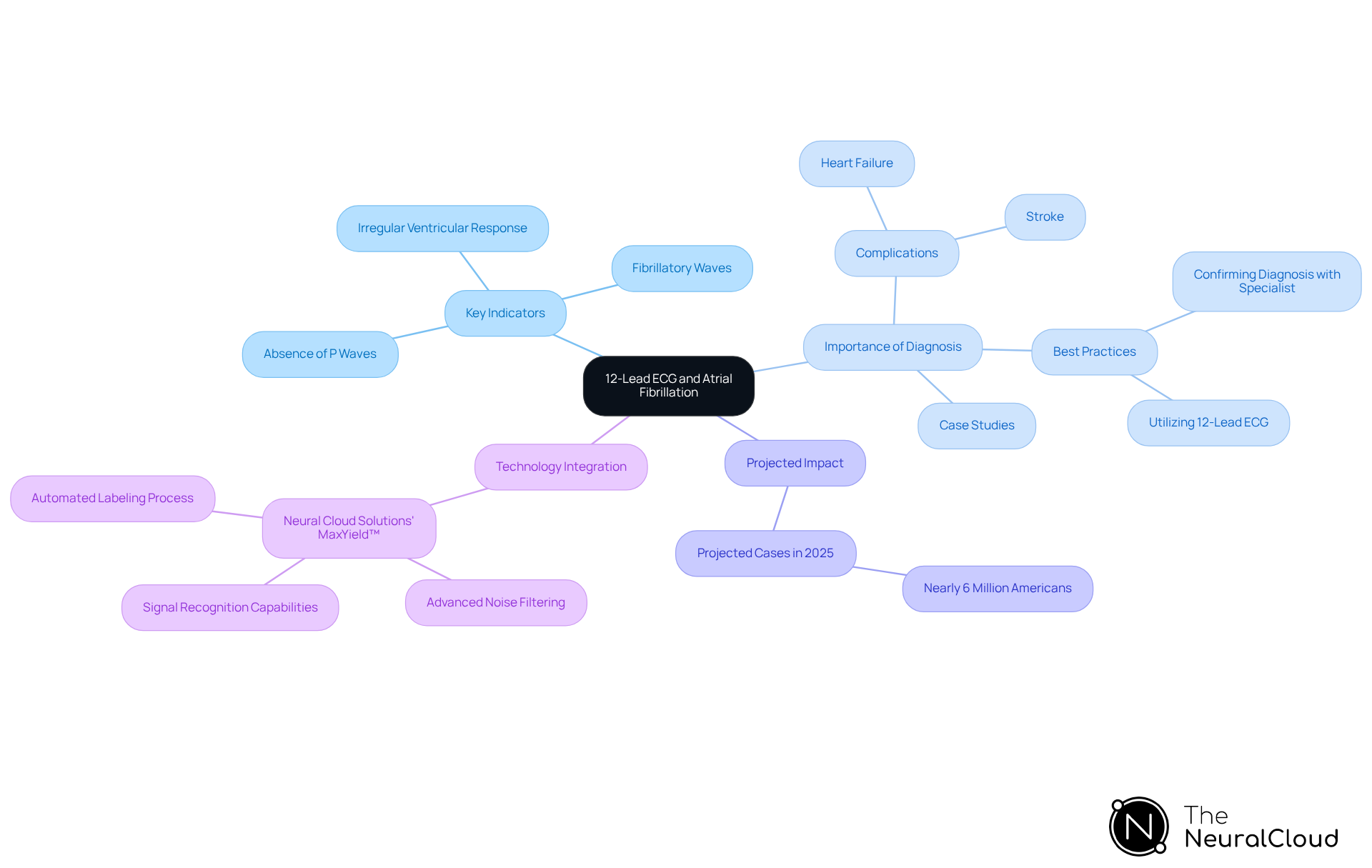
A 12-lead ECG is an essential tool in cardiology, providing a comprehensive view of the heart's electrical activity. This system consists of 12 leads that capture electrical signals from various angles, allowing for a detailed assessment of heart rhythm and function. Atrial fibrillation (AF), marked by disorganized electrical activity in the atria, leads to an irregularly beating heart. Key indicators of AF on a 12-lead ECG include:
- The absence of distinct P waves
- An irregular ventricular response
- The presence of fibrillatory waves
Understanding these fundamental features is crucial for accurate diagnosis and treatment, which can result in severe complications such as stroke and heart failure.
In 2025, nearly six million Americans are projected to be affected by AF, highlighting the urgent need for healthcare professionals to be skilled in interpreting ECGs. Current best practices emphasize the importance of confirming an AF diagnosis through a specialist using a 12-lead ECG, especially for individuals exhibiting symptoms lasting at least 30 seconds. Additionally, case studies have shown that early intervention significantly enhances outcomes for patients, particularly in managing comorbidities related to AF. As cardiac care continues to evolve, mastering the intricacies of ECG interpretation is vital for clinicians aiming to improve patient care and reduce the risks associated with AF.
The integration of Neural Cloud Solutions' technology allows healthcare professionals to significantly enhance ECG analysis. This system features advanced noise filtering and unique signal recognition capabilities, enabling quick isolation of ECG signals from recordings affected by baseline wander, movement, and muscle artifacts. This ensures that critical data is recovered from previously obscured sections of lengthy Holter, 1-lead, and patch monitor recordings. By automating the labeling process, MaxYield™ not only boosts accuracy and adaptability in ECG interpretation but also addresses challenges posed by physiological variability and signal artifacts, ultimately transforming the approach to ECG analysis.
Identify Key ECG Features for Atrial Fibrillation Interpretation
When interpreting a 12-lead ECG for atrial fibrillation (AF), clinicians should focus on several key features:
- Rhythm: The ventricular rhythm is chaotic and lacks a consistent pattern, often described as irregular. This characteristic is crucial for identifying arrhythmias, particularly AF, as it distinguishes it from other types.
- P waves: In the context of AF, P waves are usually not seen; instead, fibrillatory oscillations may be present. This absence is a hallmark of the condition, indicating disorganized atrial activity typically seen in atrial fibrillation.
- Heart rate: The heart rate shows that the heart rate can vary significantly, often ranging from 100 to 175 beats per minute. This variability in heart rate can complicate diagnosis, making it essential for clinicians to remain vigilant.
- Fibrillatory waves: On a 12-lead ECG, these small, erratic waves are seen between QRS complexes, reflecting chaotic atrial activity.
Identifying these characteristics swiftly using a systematic approach can lead to faster diagnosis and treatment, ultimately enhancing care for individuals. Cardiologists emphasize that understanding these features is vital for the effective management of atrial fibrillation. For instance, a systematic review highlighted that early recognition of P-wave duration is essential for predicting AF recurrence after catheter ablation.
Additionally, advancements in technology, such as those provided by a leading company, enhance the detection of these irregular rhythms. This technology allows healthcare providers to identify subtle patterns with greater confidence. Case studies illustrate that prompt identification of AF characteristics can greatly influence outcomes for individuals, as around 25% of those having their first stroke exhibit signs of atrial fibrillation.
By focusing on these key features, clinicians can improve diagnostic accuracy and ensure timely intervention.

Leverage Advanced Technology for Enhanced ECG Analysis
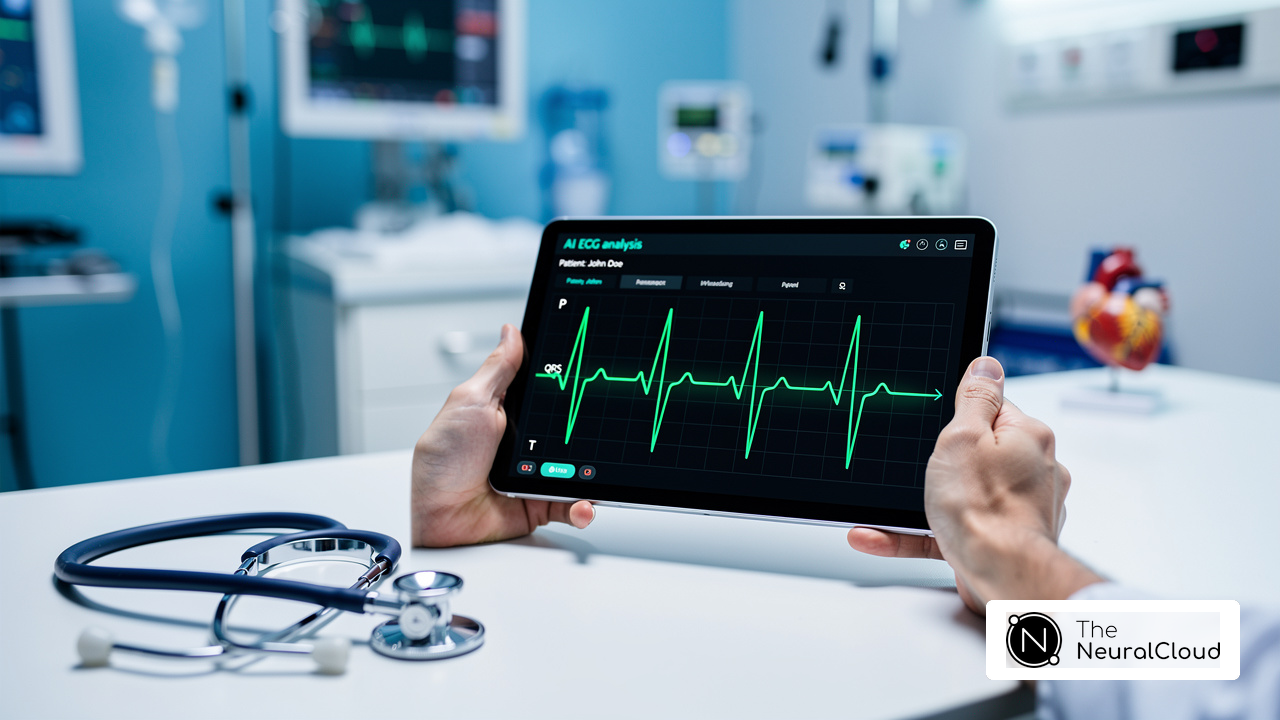
The integration of AI and machine learning into ECG analysis addresses significant challenges in healthcare. Traditional methods often involve lengthy manual interpretations, which can lead to human error and delayed results. The technology exemplifies a solution to these issues by automating the identification of critical ECG features, thereby streamlining the analysis process.
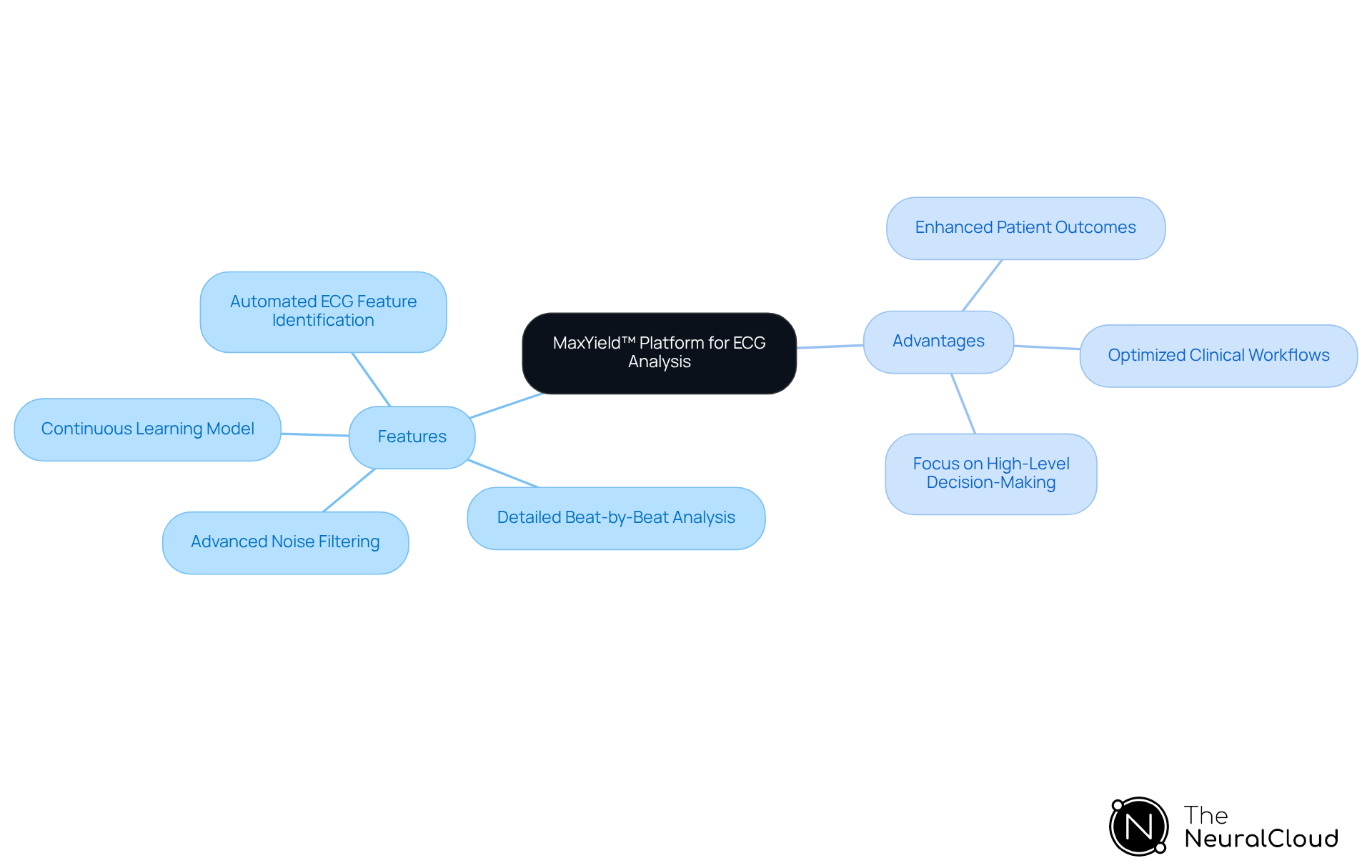
Features of MaxYield™:
- Speed: The platform can process over 200,000 heartbeats in less than five minutes.
- Isolation: It isolates and labels essential components such as P-waves and QRS complexes.
- Clarity: This ensures that previously obscured sections of lengthy recordings are salvaged, enhancing the overall diagnostic yield.
- Continuous Learning Model: The system improves its accuracy and efficiency over time, further supporting clinicians in their diagnostic efforts.
Advantages for healthcare providers:
By automating ECG analysis, clinicians can focus on high-level decision-making rather than tedious manual interpretation. This shift not only enhances patient outcomes but also reduces workload. The platform's ability to deliver rapid and accurate results allows for timely interventions, ultimately benefiting patient care.
In conclusion, the technology represents a significant advancement in ECG analysis, combining cutting-edge technology with practical benefits for healthcare providers. Its features not only improve diagnostic accuracy but also enhance workflow efficiency.
Mitigate Noise and Artifacts in ECG Recordings
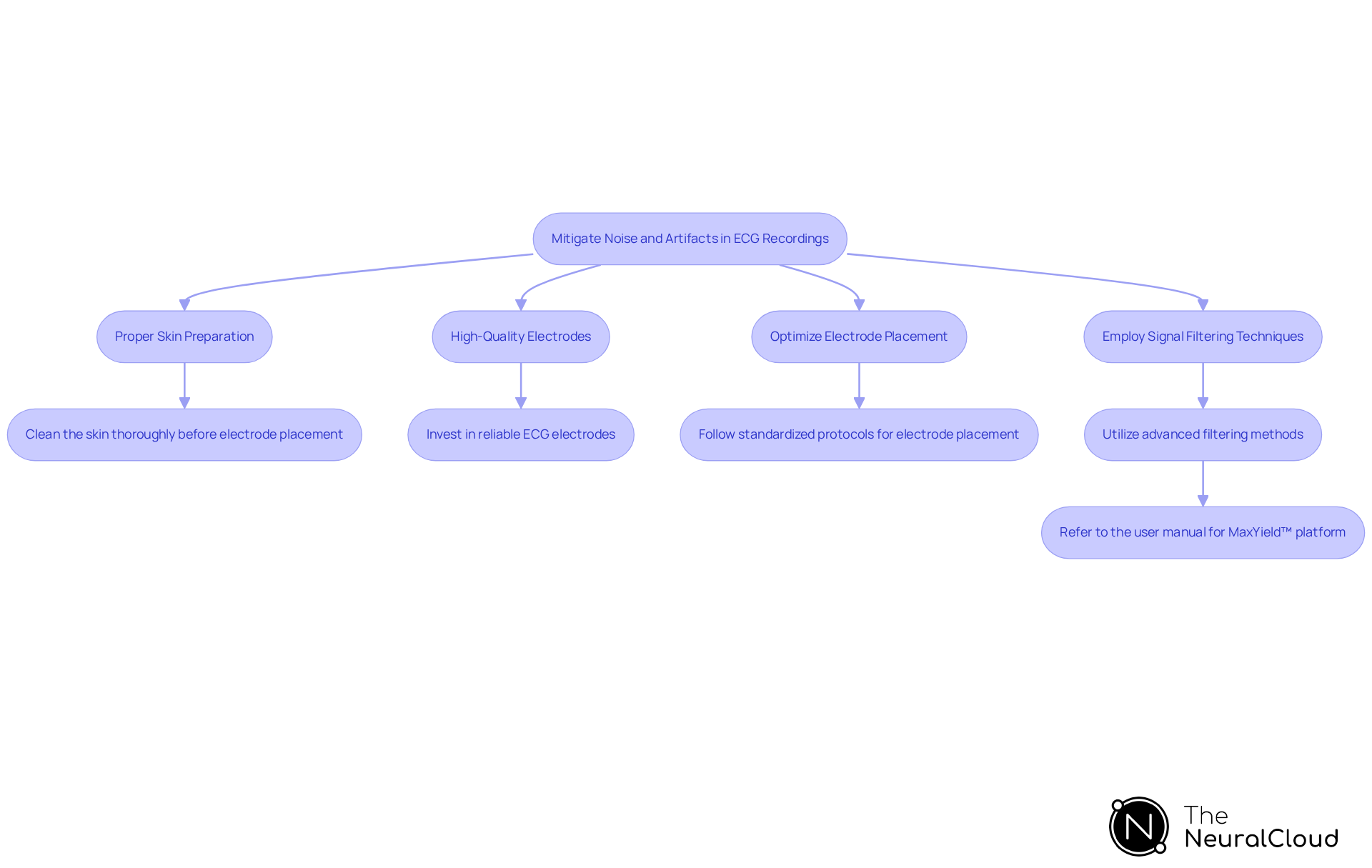
Noise and artifacts can significantly impact the quality of ECG recordings, leading to misinterpretations. To mitigate these issues, clinicians should consider the following strategies:
- Ensure proper preparation: Clean the skin thoroughly before electrode placement to enhance contact and reduce impedance.
- Use high-quality electrodes: Invest in reliable ECG electrodes that minimize noise and improve signal quality.
- Optimize recording techniques: Follow standardized protocols for ECG acquisition to avoid common errors that can introduce artifacts.
- Employ advanced filtering methods: Utilize advanced filtering methods, such as those offered by Neural Cloud Solutions' platform. This platform identifies and labels abnormalities even in recordings with high levels of noise and artifacts. It rapidly isolates ECG waves from recordings affected by baseline wander, movement, and muscle artifact, ensuring the integrity of the ECG signal is preserved.
For detailed guidance on utilizing the platform, refer to the user manual. By implementing these strategies, healthcare professionals can enhance the reliability of their ECG interpretations, ultimately leading to better patient care.
Conclusion
Mastering the interpretation of 12-lead ECGs in the context of atrial fibrillation (AF) is crucial for healthcare professionals aiming to provide optimal patient care. A thorough understanding of the fundamental features of AF, such as the absence of distinct P waves and irregular ventricular responses, is essential for accurate diagnosis and effective management. As the prevalence of AF continues to rise, the need for skilled interpretation of 12-lead ECGs becomes increasingly important to prevent serious complications.
Key insights discussed include the identification of critical ECG characteristics that signal AF, the integration of advanced technology like the MaxYield™ platform to enhance analysis efficiency, and strategies to mitigate noise and artifacts in recordings. The MaxYield™ platform offers several features that significantly improve ECG analysis:
- Enhanced Analysis Efficiency: The platform streamlines the interpretation process, allowing for quicker diagnosis.
- Noise Reduction: Advanced algorithms minimize artifacts, ensuring clearer readings.
- User-Friendly Interface: Designed for ease of use, it accommodates both experienced and novice users.
By focusing on these best practices, clinicians can improve diagnostic accuracy and ensure timely interventions, ultimately leading to better patient outcomes. The advancements in AI-driven ECG analysis further empower healthcare providers to recognize subtle patterns, enhancing their ability to respond swiftly to AF cases.
In light of these insights, healthcare professionals are encouraged to embrace these best practices and leverage technological advancements in ECG interpretation. By doing so, they not only enhance their diagnostic capabilities but also contribute to improved patient care and outcomes in the growing population affected by atrial fibrillation. The commitment to mastering these practices is vital in the ongoing effort to reduce the risks associated with AF and ensure a higher standard of care in cardiology.
Frequently Asked Questions
What is a 12-lead ECG?
A 12-lead ECG is a diagnostic tool in cardiology that provides a comprehensive view of the heart's electrical activity by capturing electrical signals from various angles through 12 leads.
What does atrial fibrillation (AF) signify?
Atrial fibrillation (AF) is characterized by disorganized electrical activity in the atria, resulting in an irregularly irregular heartbeat.
What are the key indicators of atrial fibrillation on a 12-lead ECG?
The key indicators of atrial fibrillation on a 12-lead ECG include the absence of distinct P waves, an irregular ventricular response, and the presence of fibrillatory waves.
Why is understanding 12-lead ECG important for diagnosing AF?
Understanding the fundamental features of a 12-lead ECG is crucial for accurate diagnosis and effective management of atrial fibrillation, which can lead to serious complications such as stroke and heart failure.
How many Americans are projected to be affected by AF in 2025?
Nearly six million Americans are projected to be affected by atrial fibrillation in 2025.
What is the current best practice for confirming an AF diagnosis?
Current best practices emphasize the importance of confirming an AF diagnosis through a specialist using a 12-lead ECG, especially for individuals exhibiting symptoms lasting at least 30 seconds.
How does early diagnosis via 12-lead ECG impact patient outcomes?
Early diagnosis via 12-lead ECG significantly enhances outcomes for patients, particularly in managing comorbidities related to atrial fibrillation.
What is the MaxYield™ platform and how does it assist healthcare professionals?
The MaxYield™ platform is a system that enhances ECG analysis efficiency through advanced noise filtering and unique signal recognition capabilities, allowing for quick isolation of ECG signals from recordings affected by artifacts.
What challenges does MaxYield™ address in ECG interpretation?
MaxYield™ addresses challenges posed by physiological variability and signal artifacts, ultimately improving accuracy and adaptability in ECG interpretation.
Why is mastering 12-lead ECG interpretation vital for clinicians?
Mastering the intricacies of 12-lead ECG interpretation is vital for clinicians aiming to improve patient care and reduce risks associated with atrial fibrillation as cardiac care continues to evolve.
List of Sources
- Understand the Basics of 12-Lead ECG and Atrial Fibrillation
- mdpi.com (https://mdpi.com/2077-0383/14/15/5199)
- HeartBeam Receives FDA Clearance for First-Ever, Cable-Free Synthesized 12-Lead ECG for At-Home Arrhythmia Assessment (https://ir.heartbeam.com/news-events/press-releases/detail/107/heartbeam-receives-fda-clearance-for-first-ever-cable-free)
- getsmartheart.com (https://getsmartheart.com/blogs/news/heart-health-understanding-afib-and-the-role-of-ecg-monitoring?srsltid=AfmBOopQ281i6uObs-ZLnqDMrmtrzyUk6cU_g8zBz03hBhaFxNmgBaNf)
- ecg-od.com (https://ecg-od.com/case_studies/bradford-district-care-foundation-use-of-ecg-on-demands-ai-assisted-12-lead-ecg-interpretation-service)
- Identify Key ECG Features for Atrial Fibrillation Interpretation
- sciencedirect.com (https://sciencedirect.com/science/article/abs/pii/S0010482524009570)
- Heart Rhythm 2025 Features Advances in AI that Enhance Safety of Atrial Fibrillation Treatment - HRS (https://hrsonline.org/news/hr2025-features-advanced-ai-safety-afib-treatment)
- theneuralcloud.com (https://theneuralcloud.com/post/what-does-afib-look-like-on-an-ekg-key-features-explained)
- Atrial fibrillation estimated to affect about 1 in 22 Americans (https://nhlbi.nih.gov/news/2024/atrial-fibrillation-estimated-affect-about-1-22-americans)
- Leverage Advanced Technology for Enhanced ECG Analysis
- AI-Based ECG Analysis Significantly Improves STEMI Detection, Reduces False Activations - American College of Cardiology (https://acc.org/latest-in-cardiology/articles/2025/10/24/16/56/tues-554pm-ai-tct-2025)
- New study finds AI model improves heart attack detection (https://health.ucdavis.edu/news/headlines/new-study-finds-ai-model-improves-heart-attack-detection/2025/11)
- AI-ECG Finds STEMI Faster, Cuts False-Positive Cath Lab Activations (https://tctmd.com/news/ai-ecg-finds-stemi-faster-cuts-false-positive-cath-lab-activations)
- The Use of Artificial Intelligence in ECG Interpretation in the Outpatient Setting: A Scoping Review (https://cureus.com/articles/405923-the-use-of-artificial-intelligence-in-ecg-interpretation-in-the-outpatient-setting-a-scoping-review)
- News: AI has potential to improve diagnostic accuracy, earlier detection of cardiac conditions, analysis finds | ACDIS (https://acdis.org/articles/news-ai-has-potential-improve-diagnostic-accuracy-earlier-detection-cardiac-conditions)