Introduction
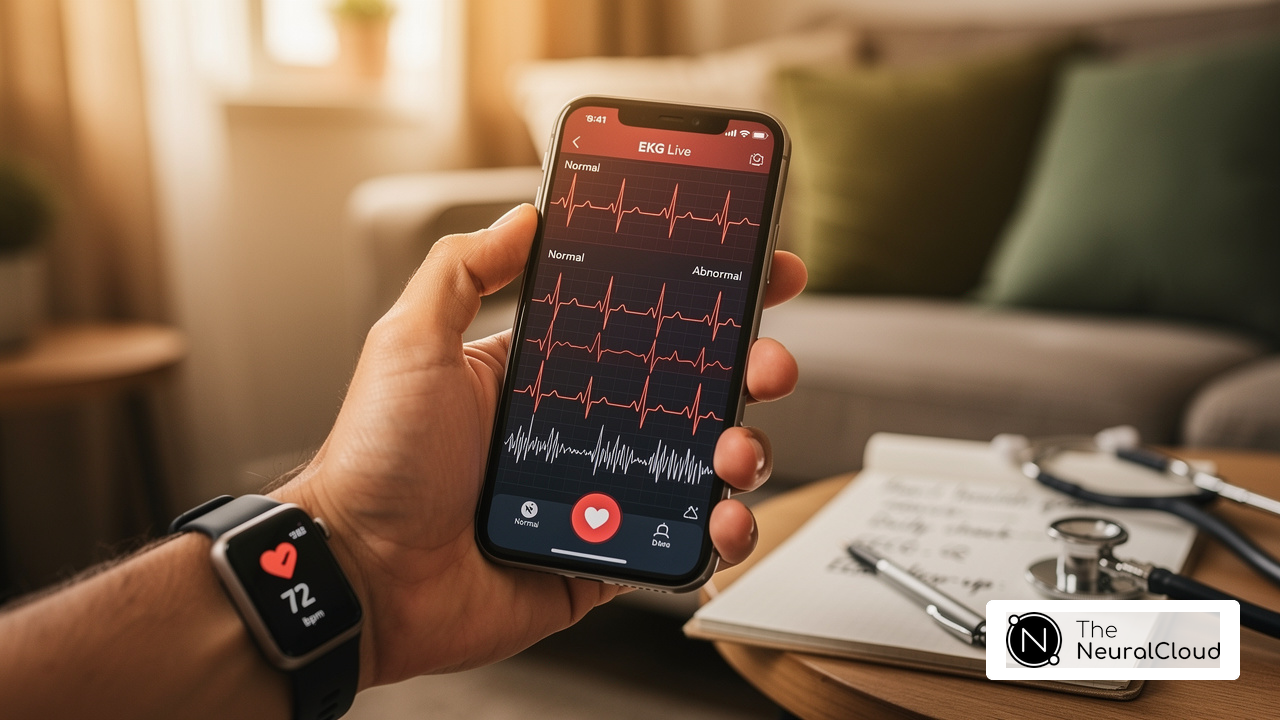
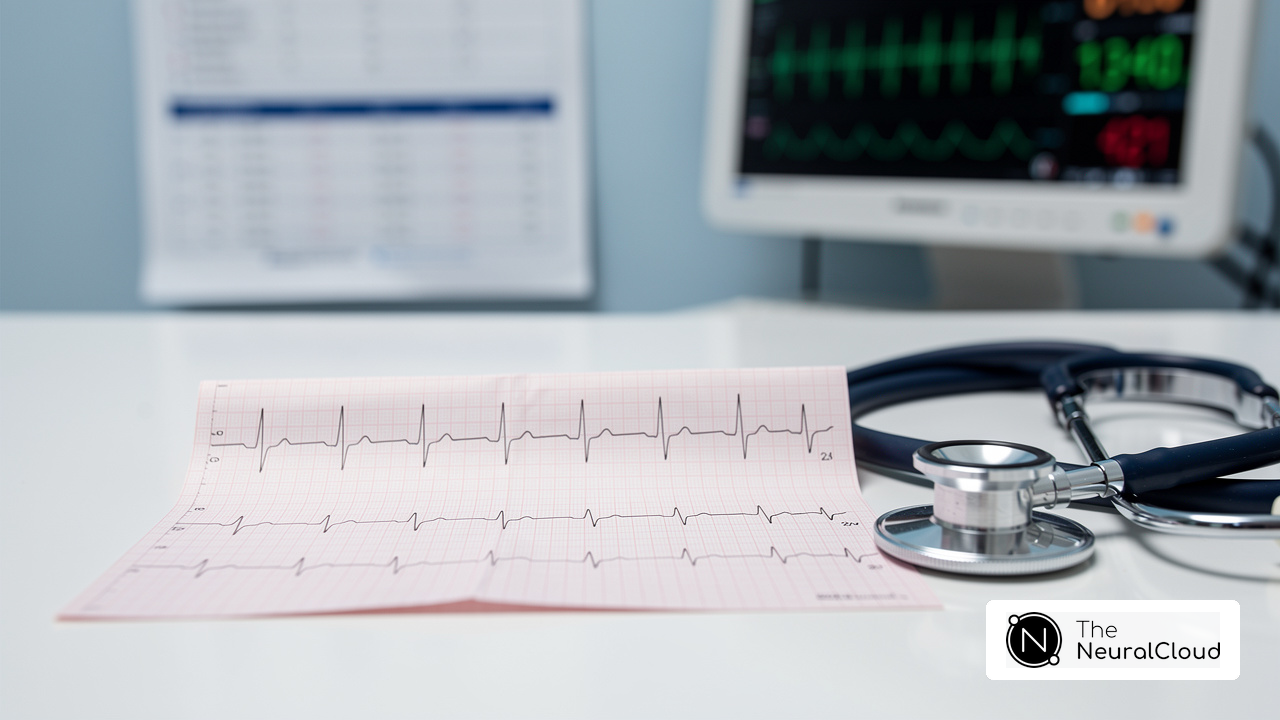
In the field of cardiac health, accurately interpreting ECG readings is crucial; it can mean the difference between timely intervention and critical delays. Advanced technologies present health tech developers with unique opportunities to enhance ECG analysis, especially in identifying key arrhythmias like:
- Atrial fibrillation
- Ventricular tachycardia
- Sinus bradycardia
However, a significant challenge persists: how can developers leverage these innovations to overcome traditional analysis hurdles and ensure precise, reliable outcomes for patients? This article delves into four essential ECG examples that illuminate the path forward for health tech developers aiming to improve cardiac care.
Neural Cloud Solutions: MaxYield™ for Enhanced ECG Analysis
Challenges in ECG Analysis
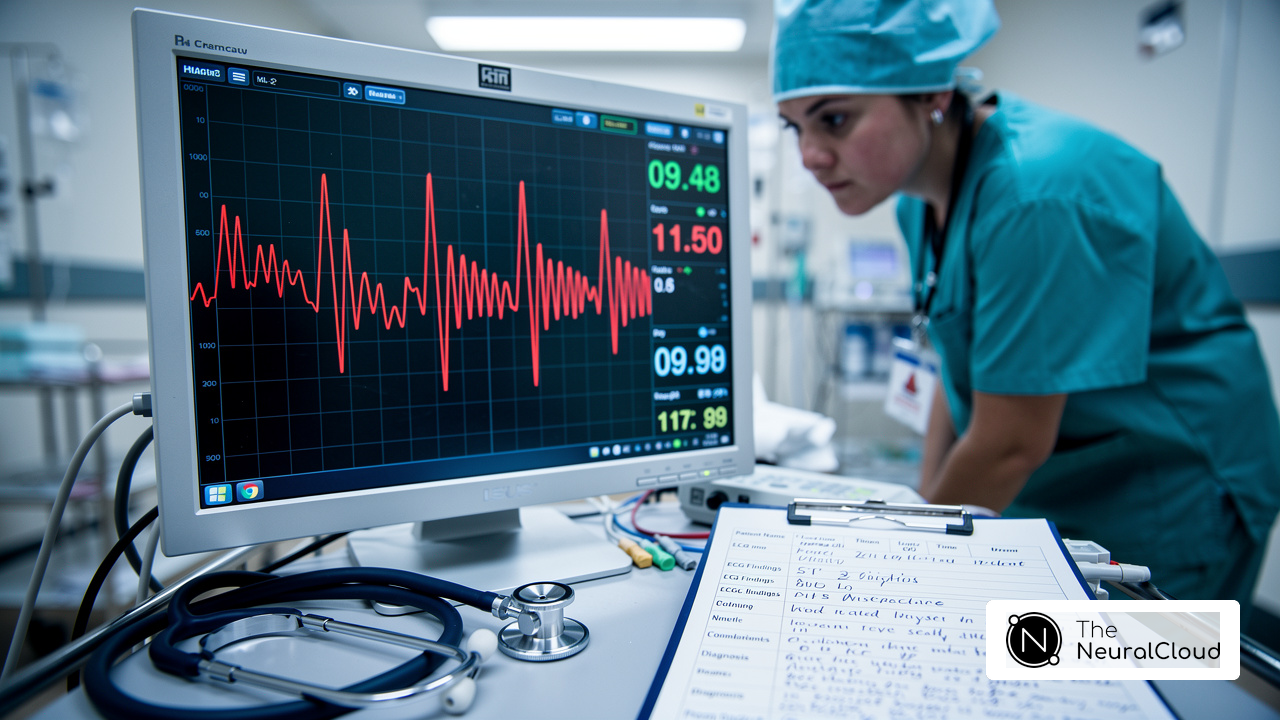
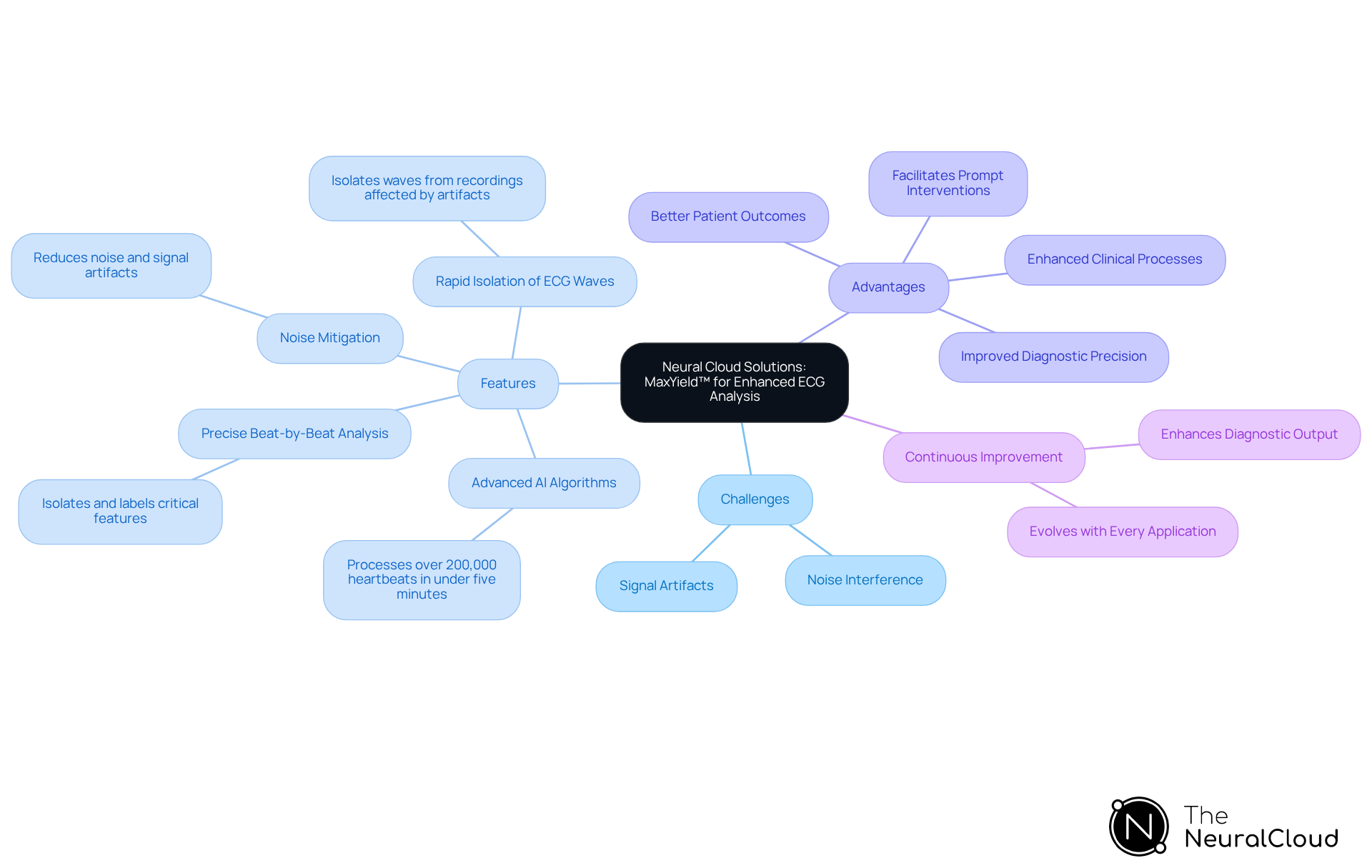
The healthcare industry has long faced challenges, including noise interference and signal artifacts that can obscure critical data. These issues often hinder clinicians from making accurate diagnoses.
Features of Neural Cloud Solutions' Platform
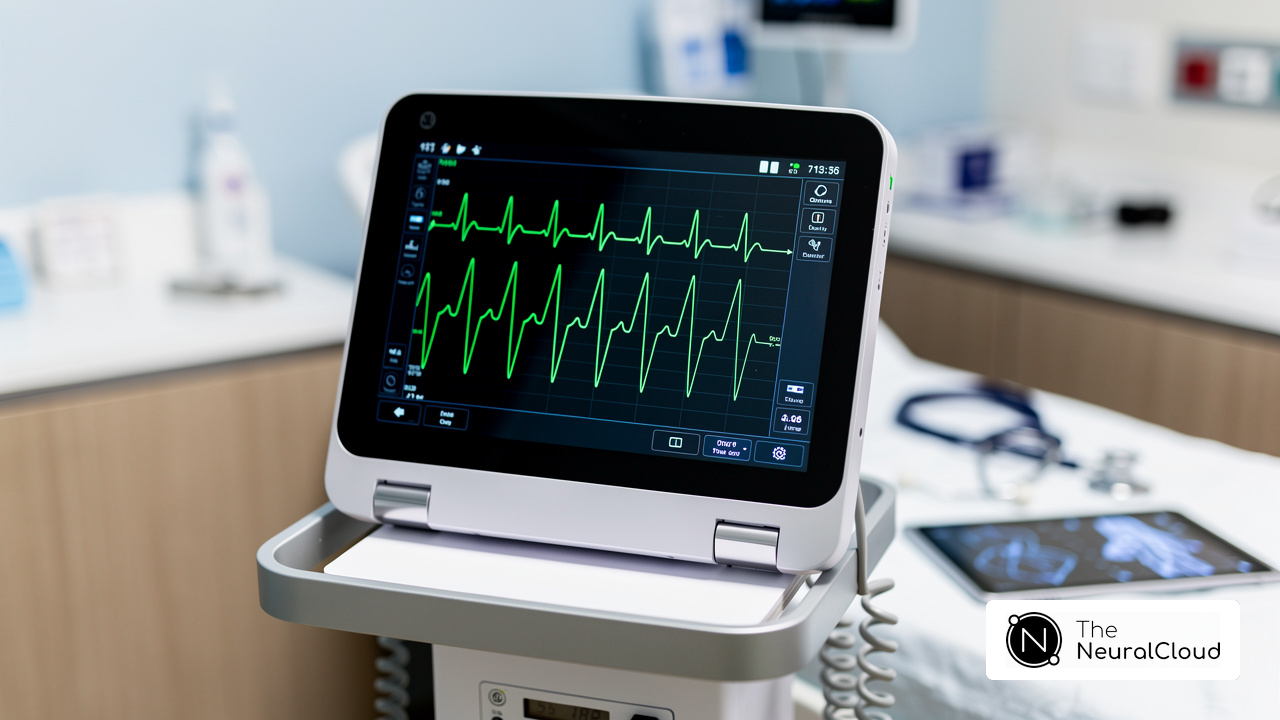
Neural Cloud Solutions addresses these challenges with its innovative platform, which automates and enhances the clarity of ECG signals. Key features include:
- High Throughput: Processes over 200,000 heartbeats in under five minutes.
- Feature Detection: Isolates and labels critical features such as P-waves, QRS complexes, and T-wave intervals.
- Noise Reduction: Effectively reduces noise and signal artifacts, ensuring clear readings.
- Rapid Isolation of ECG Waves: Quickly isolates ECG waves from recordings affected by baseline wander, movement, and muscle artifacts.
Advantages for Clinicians
These features translate into significant advantages for healthcare providers. By salvaging previously obscured sections of lengthy Holter, 1-Lead, and patch monitor recordings, the platform enhances diagnostic capabilities. This capability facilitates prompt interventions, ultimately leading to improved patient outcomes. Cardiologists have noted that the integration of AI in ECG interpretation not only enhances signal clarity but also streamlines the analysis process.
Continuous Improvement
Moreover, the system evolves with every application, consistently enhancing its diagnostic output. This adaptability distinguishes Neural Cloud Solutions' approach as a gold standard method in cardiac care, ensuring that clinicians can rely on accurate and timely cardiac insights.
Atrial Fibrillation: Key ECG Characteristics and Interpretation
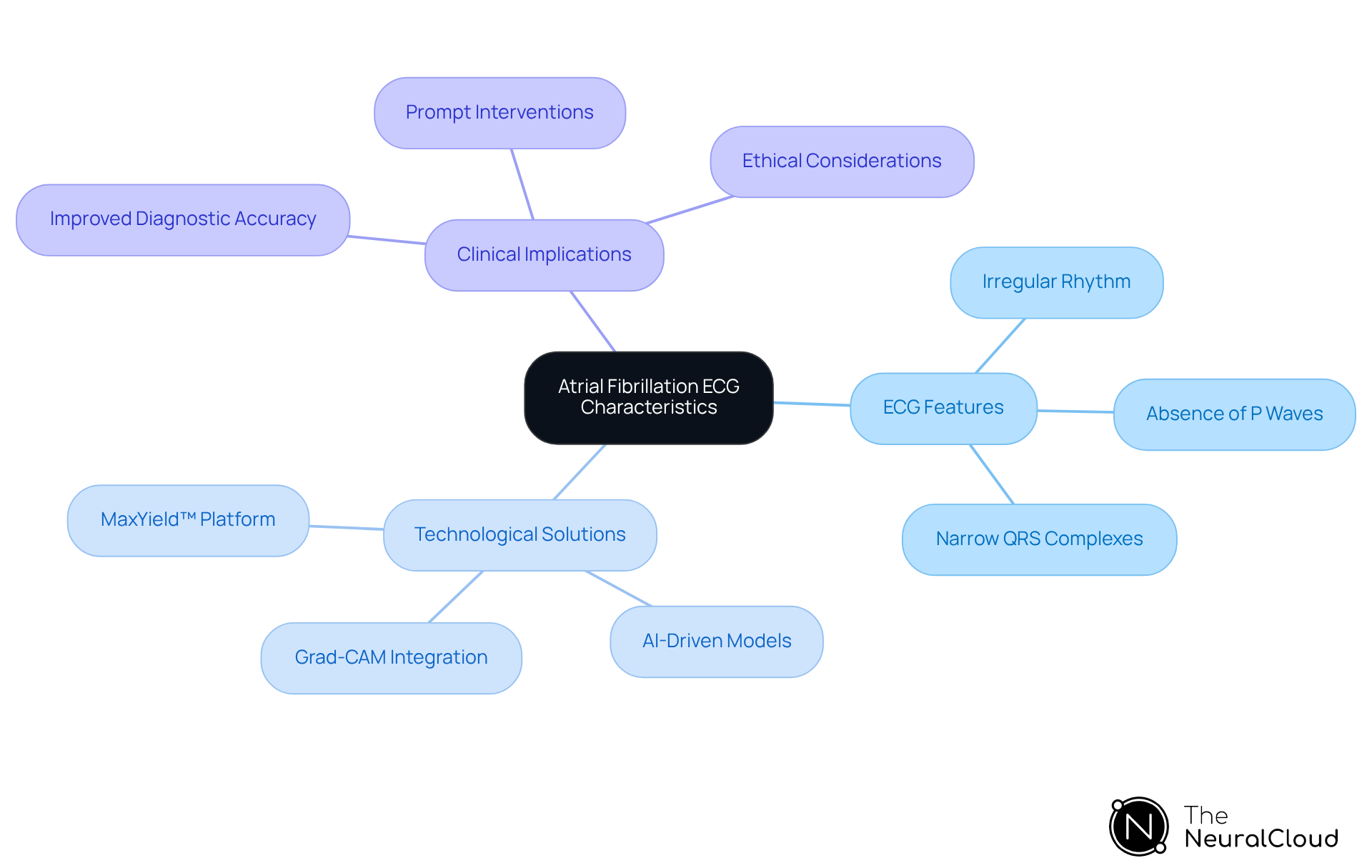
presents significant challenges in arrhythmia detection, primarily due to its irregularly irregular rhythm and the absence of P waves on the ECG. Instead, these P waves are often replaced by fibrillatory waves, leading to a variable ventricular rate. Clinicians must recognize narrow QRS complexes alongside a chaotic baseline, as these features are crucial for accurate diagnosis.
The technology addresses these challenges with advanced ECG algorithms that utilize Neural Cloud Solutions' technology. This system effectively identifies and labels critical data, even in recordings plagued by high levels of noise. By isolating artifacts from recordings affected by baseline wander, movement, and muscle artifact, MaxYield™ enhances the accuracy of AF detection.
Recent studies indicate that algorithms, including those powered by MaxYield™, significantly improve diagnostic accuracy. Deep learning techniques have achieved an area under the receiver operating characteristic curve (AUROC) of 0.90, showcasing their effectiveness in predicting new-onset AF. Current guidelines also emphasize the importance of detecting P waves, as their absence is a hallmark of AF, further underscoring the need for robust detection methods.
By developing strong detection methods, healthcare providers can facilitate prompt interventions, ultimately improving patient outcomes and addressing the persistent challenges posed by AF in clinical practice. Stakeholder engagement is essential for securing funding and ensuring model transparency. Additionally, incorporating Grad-CAM with AI modalities enhances interpretability and clarity in AF detection.
Addressing the ethical implications of AI, particularly the 'black box' problem, is vital for fostering trust among clinicians and patients. Integrating these elements will strengthen the case for precise detection methods in AF management, ultimately benefiting healthcare professionals and their patients.
Ventricular Tachycardia: Identifying Patterns on ECG
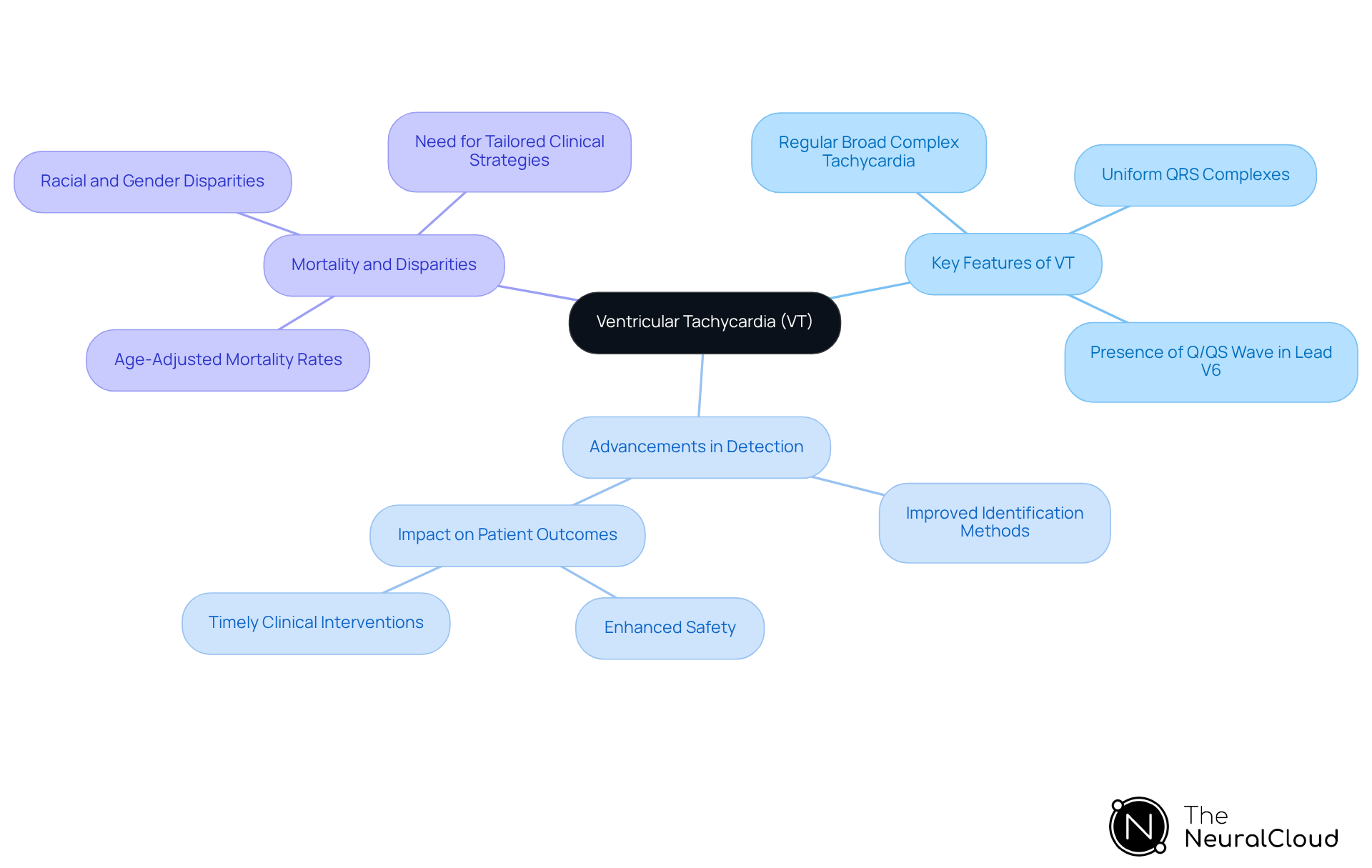
(VT) presents a significant challenge in cardiology, characterized by a regular, broad complex tachycardia typically exceeding 100 beats per minute. Key features of VT include uniform QRS complexes that exhibit identical morphology. Clinicians should particularly note the presence of any Q or QS wave in lead V6, as this finding supports a diagnosis of ventricular tachycardia.
In 2025, advancements have greatly improved the ability to identify these critical patterns. This progress enhances safety and treatment effectiveness, allowing healthcare providers to respond more swiftly to potential emergencies. For developers, the challenge remains in creating algorithms that can accurately recognize these features, facilitating timely and effective interventions.
The integration of technology is pivotal in refining the diagnostic criteria for VT. By ensuring that clinicians can make informed decisions based on precise cardiac insights, these advancements ultimately lead to better patient outcomes. The focus on clarity and precision in language ensures that all technical terms are defined, making the information accessible to a professional audience.
Sinus Bradycardia: ECG Features and Clinical Significance
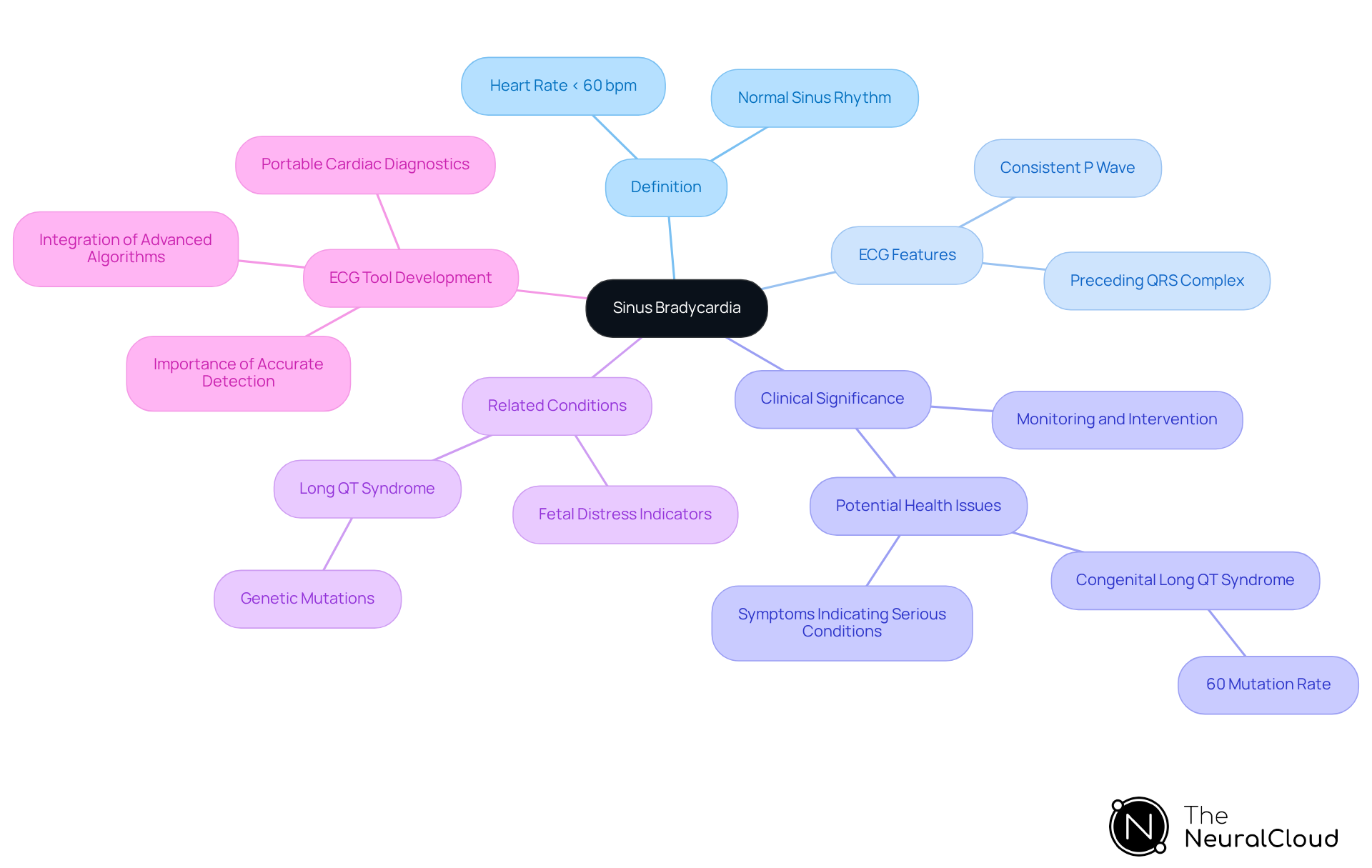
Sinus bradycardia is a condition while still maintaining a normal sinus rhythm, characterized by a consistent P wave preceding each QRS complex. Although it is often benign, it can indicate underlying health issues, especially when symptoms are present. Recent studies have shown that persistent bradycardia can be associated with congenital long QT syndrome, with 60% of affected individuals carrying mutations in specific ion channel subunit genes. This highlights the necessity for developers to create tools that can accurately identify this rhythm, as timely diagnosis is crucial for determining the need for further intervention.
Effective ECG tools can significantly enhance clinical decision-making, enabling healthcare professionals to monitor patients more closely and respond swiftly to potential complications associated with bradycardia. As the demand for accurate ECG analysis continues to rise, innovation becomes essential for improving patient outcomes and ensuring accurate interpretations of cardiac rhythms. By addressing these challenges, the healthcare technology sector can provide healthcare professionals with the tools they need to deliver better patient care.
Conclusion
The integration of advanced ECG analysis technologies, such as those offered by Neural Cloud Solutions' MaxYield™ platform, is transforming cardiac care. This innovative solution addresses common challenges in ECG interpretation, including noise interference and signal artifacts, thereby enhancing the accuracy and efficiency of diagnosing arrhythmias like atrial fibrillation, ventricular tachycardia, and sinus bradycardia. By automating and clarifying ECG signals, healthcare professionals are empowered to make timely decisions that can significantly improve patient outcomes.
Key features of the MaxYield™ platform include:
- Advanced AI algorithms
- Precise beat-by-beat analysis
- Effective noise mitigation
These capabilities streamline the diagnostic process and ensure that clinicians can rely on accurate cardiac insights, facilitating prompt interventions. The discussion on specific arrhythmias illustrates the necessity for robust detection methods, emphasizing the importance of continuous improvement in ECG technology for better clinical practices.
As health tech developers continue to innovate in ECG analysis, prioritizing the integration of advanced algorithms and addressing ethical considerations will be crucial. The journey toward precise arrhythmia detection is vital for enhancing clinical decision-making and fostering trust among healthcare providers and patients. By embracing these advancements, the healthcare community can significantly elevate the standard of care, ensuring that every heartbeat is accurately interpreted and understood.
Frequently Asked Questions
What challenges does ECG analysis face?
ECG analysis faces challenges such as noise interference and signal artifacts that can obscure critical cardiac information, hindering timely and informed decisions by healthcare professionals.
What features does Neural Cloud Solutions' platform offer for ECG analysis?
The platform offers several key features, including advanced AI algorithms that process over 200,000 heartbeats in under five minutes, precise beat-by-beat analysis that isolates and labels critical features, effective noise mitigation, and rapid isolation of ECG waves from recordings affected by various artifacts.
How does the platform benefit healthcare professionals?
The platform enhances clinical processes and diagnostic precision by salvaging previously obscured sections of lengthy Holter, 1-Lead, and patch monitor recordings, facilitating prompt interventions and ultimately leading to better patient outcomes.
What impact does AI have on ECG interpretation according to cardiologists?
Cardiologists have noted that the integration of AI in ECG interpretation enhances signal clarity and streamlines the analysis process.
How does the Neural Cloud Solutions platform improve over time?
The system evolves with every application, consistently enhancing its diagnostic output, which distinguishes it as a gold standard method in ECG analysis.
List of Sources
- Neural Cloud Solutions: MaxYield™ for Enhanced ECG Analysis
- AI-Based ECG Analysis Significantly Improves STEMI Detection, Reduces False Activations - American College of Cardiology (https://acc.org/latest-in-cardiology/articles/2025/10/24/16/56/tues-554pm-ai-tct-2025)
- PMcardio Reports Positive RCT Results and Late-Breaking Clinical Science for STEMI Detection (https://powerfulmedical.com/blog/pmcardio-reports-positive-rct-results-and-late-breaking-clinical-science-for-stemi-detection)
- mdpi.com (https://mdpi.com/2075-4418/15/4/477)
- Signify Research | Philips launches AI ECG marketplace, global first integration between AliveCor and GE HealthCare, Powerful Medical scores €40 Million ($46m) (https://signifyresearch.net/insights/philips-launches-ai-ecg-marketplace-global-first-integration-between-alivecor-and-ge-healthcare-powerful-medical-scores-e40-million-46m)
- New study finds AI model improves heart attack detection (https://health.ucdavis.edu/news/headlines/new-study-finds-ai-model-improves-heart-attack-detection/2025/11)
- Atrial Fibrillation: Key ECG Characteristics and Interpretation
- clinicaladvisor.com (https://clinicaladvisor.com/news/how-accurate-is-ai-at-diagnosing-atrial-fibrillation-via-ecgs)
- bjcardio.co.uk (https://bjcardio.co.uk/2025/11/demystifying-ai-for-early-af-detection-enhancing-diagnostic-transparency-across-modalities)
- thecardiologyadvisor.com (https://thecardiologyadvisor.com/reports/ecg-ai-predicts-af-related-stroke-hf)
- link.springer.com (https://link.springer.com/article/10.1007/s11883-025-01366-z)
- Ventricular Tachycardia: Identifying Patterns on ECG
- rttnews.com (https://rttnews.com/3605028/take-heart-adagio-s-fulcrum-vt-study-on-the-horizon.aspx)
- pmc.ncbi.nlm.nih.gov (https://pmc.ncbi.nlm.nih.gov/articles/PMC10107254)
- jacc.org (https://jacc.org/doi/10.1016/j.jacadv.2025.102063)
- ahajournals.org (https://ahajournals.org/doi/10.1161/circep.116.004662)
- onlinelibrary.wiley.com (https://onlinelibrary.wiley.com/doi/10.1111/jce.70116?af=R)
- Sinus Bradycardia: ECG Features and Clinical Significance
- hrsonline.org (https://hrsonline.org/news/hr2025-features-advanced-ai-safety-afib-treatment)
- businesswire.com (https://businesswire.com/news/home/20251210410973/en/HeartBeam-Receives-FDA-Clearance-for-First-Ever-Cable-Free-Synthesized-12-Lead-ECG-for-At-Home-Arrhythmia-Assessment)
- sciencedirect.com (https://sciencedirect.com/topics/medicine-and-dentistry/sinus-bradycardia)
- ir.heartbeam.com (https://ir.heartbeam.com/news-events/press-releases/detail/105/heartbeam-reports-third-quarter-2025-results)
- Study Shows Promising Results for ECG Technology (https://dicardiology.com/content/study-shows-promising-results-ecg-technology)