Introduction
Cardiac arrhythmias, marked by irregular heartbeats, present significant challenges for millions. Conditions like atrial fibrillation impact an estimated 10 million Americans, making effective management essential. These arrhythmias often coexist with serious comorbidities such as hypertension and diabetes, complicating treatment strategies. However, healthcare professionals can navigate these complexities with the right tools and strategies.
How can practitioners streamline the management of cardiac arrhythmias? By enhancing ECG analysis, they can improve patient outcomes and ensure timely interventions. The MaxYield™ platform offers features designed to simplify diagnosis and treatment, ultimately benefiting both patients and healthcare providers.
Define Cardiac Arrhythmias
Cardiac irregularities, characterized by atypical beats, stem from disturbances in the heart's electrical conduction system. Common types include atrial fibrillation, bradycardia, and tachycardia, each presenting unique challenges for patients. Atrial fibrillation, in particular, has seen a dramatic rise in prevalence, with estimates suggesting that around 10 million Americans are affected. This highlights the urgent need for effective management.
The causes of arrhythmias are multifaceted, often linked to underlying cardiovascular conditions, electrolyte imbalances, and psychological stress. Recent studies show that patients with arrhythmias are significantly more likely to have comorbidities such as hypertension and diabetes. This underscores the necessity for comprehensive treatment.
Understanding these conditions is crucial. As cardiologists emphasize, early detection and intervention can greatly improve patient outcomes. The technology addresses the challenges in ECG analysis by integrating advanced technologies that enhance the clarity and precision of irregular heartbeat detection. Its algorithm evolves with each use, improving diagnostic yield and efficiency.
Key features of the technology include:
- Accuracy: Provides precise detection of arrhythmias.
- Adaptability: Adapts and improves with each use, ensuring up-to-date diagnostics.
- Gold Standard Methodologies: Streamlines workflows through effective noise filtering and automation.
These features translate into significant advantages for healthcare providers. By enabling knowledgeable choices quickly, the platform tackles issues of physiological variability and signal artifacts. As the occurrence of arrhythmias continues to rise, forecasts suggest that 1 in 3 people will experience a potentially life-threatening heart rhythm abnormality in their lifetime. The technology equips healthcare professionals with the tools necessary to address these challenges effectively.

Identify Symptoms of Arrhythmias
Recognizing the signs of arrhythmias is crucial for prompt intervention and effective management. Here are key indicators to monitor:
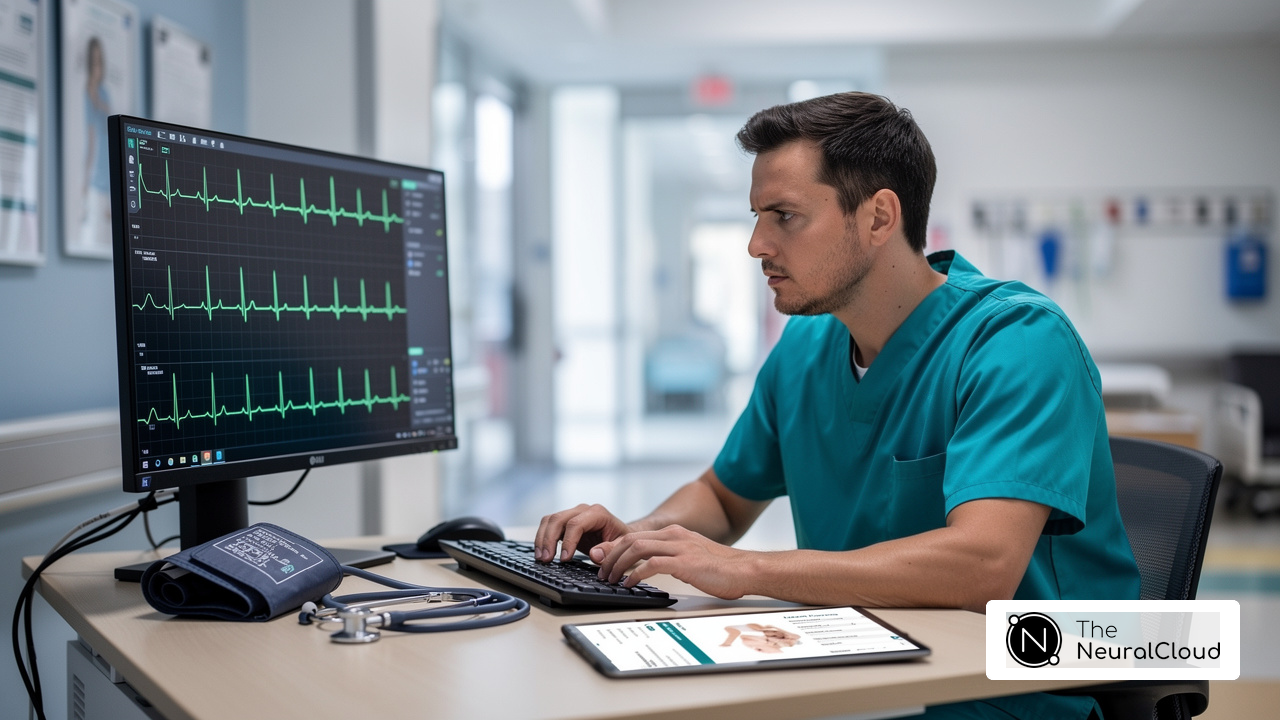
- Palpitations: Patients often describe palpitations as a fluttering sensation. While these sensations can be harmless, they may also indicate a condition that requires further evaluation. The clinic utilizes advanced ECG monitoring technologies to effectively track these sensations, providing accurate data for assessment.
- Dizziness: Experiencing spells can signal a problem, often stemming from inadequate blood flow to the brain. Timely detection through monitoring enhances patient safety and underscores the need for immediate medical attention.
- Shortness of breath: Difficulty breathing during routine activities may suggest a heart rhythm disorder or other cardiac issues. The facility offers accurate ECG analysis to assist in diagnosing underlying conditions, ensuring that serious symptoms are not overlooked.
- Chest pain: Any discomfort or pain in the chest is a critical symptom that warrants immediate medical evaluation. The system, powered by Neural Cloud Solutions, delivers accurate ECG readings to support clinical decisions related to arrhythmias, which can be linked to various heart conditions, including irregular heartbeats.
Current data indicates that over 2% of community-dwelling adults experience abnormalities in cardiac rhythm, with many remaining undiagnosed. Additionally, studies show that new symptoms accompanying palpitations, such as lightheadedness or fainting, necessitate urgent medical evaluation. By using resources to understand these symptoms, patients and healthcare professionals can respond promptly, ultimately enhancing outcomes for those affected by irregular heartbeats.

Conduct Diagnostic Tests
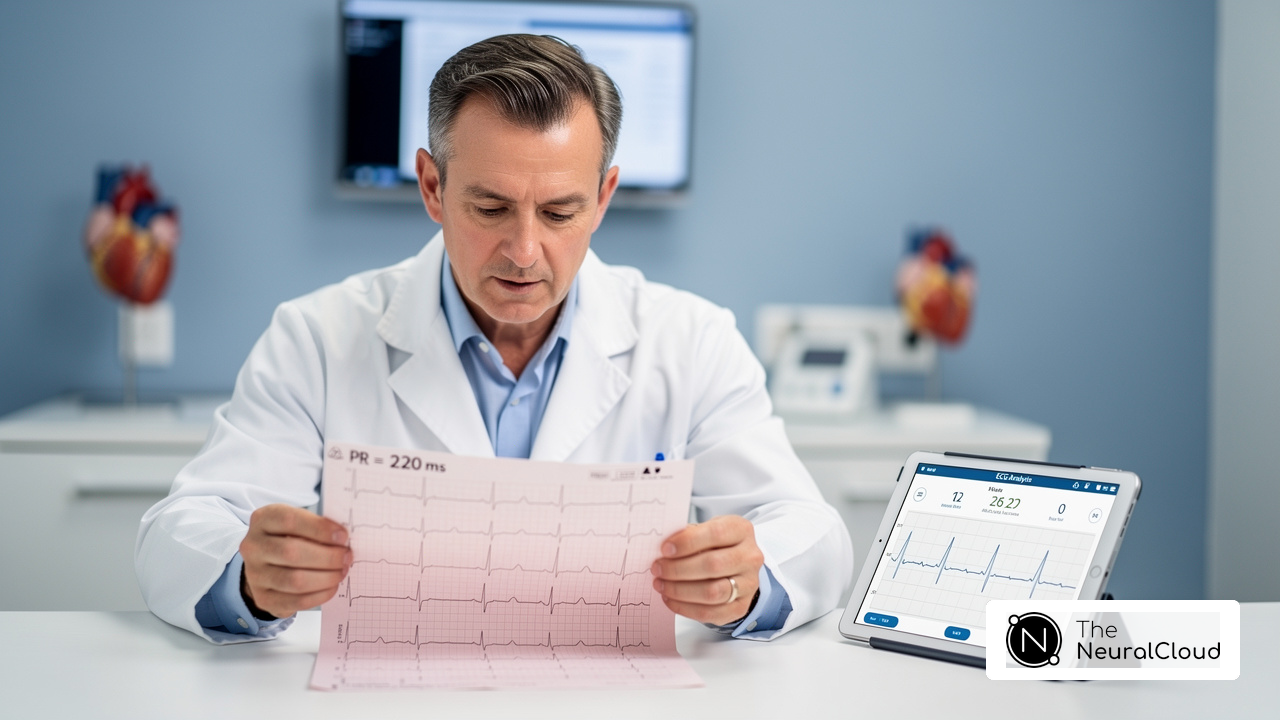
Overview of Diagnostic Testing: ECG analysis plays a crucial role in identifying irregularities in heart rhythm. However, traditional methods can sometimes lead to inaccuracies due to noise interference and complex waveforms. This is where Neural Cloud Solutions' technology comes into play, offering solutions that significantly enhance the accuracy of ECG readings. By following the guidelines in the user manuals, healthcare professionals can ensure reliable diagnostics that improve patient outcomes.
Features and Advantages: The platform provides healthcare professionals with powerful tools to enhance diagnostic capabilities. Its advanced noise filtering technology minimizes disruptions, allowing for clearer readings. Additionally, the wave recognition feature aids in identifying subtle irregularities that might otherwise go unnoticed. These enhancements not only improve diagnostic accuracy but also save valuable time for healthcare providers, enabling them to focus more on patient care.
Holter Monitors and Their Integration: Another valuable tool in cardiac diagnostics is the Holter monitor, which tracks cardiac rhythms over 24-48 hours. This portable device offers comprehensive data that aids in diagnosis, with studies showing a significant improvement in detection rates. Integrating with existing systems can further streamline data analysis, automating repetitive tasks and improving workflow efficiency, as outlined in our methodologies.
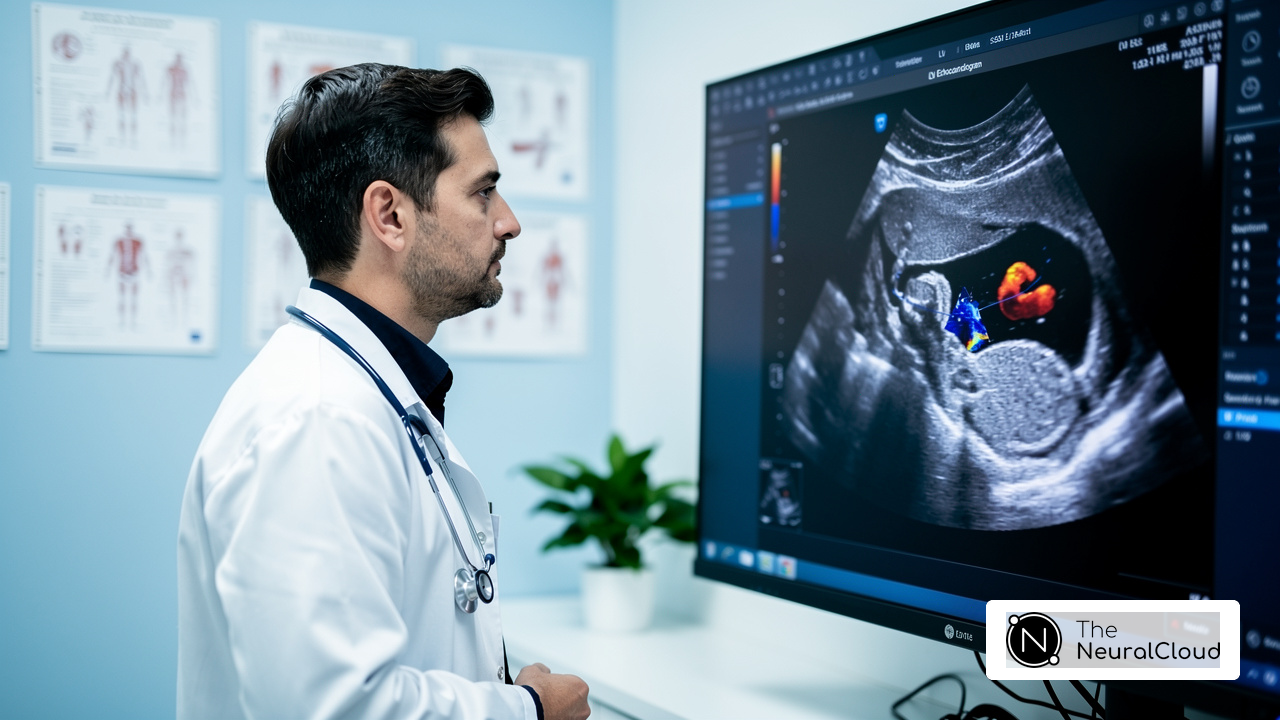
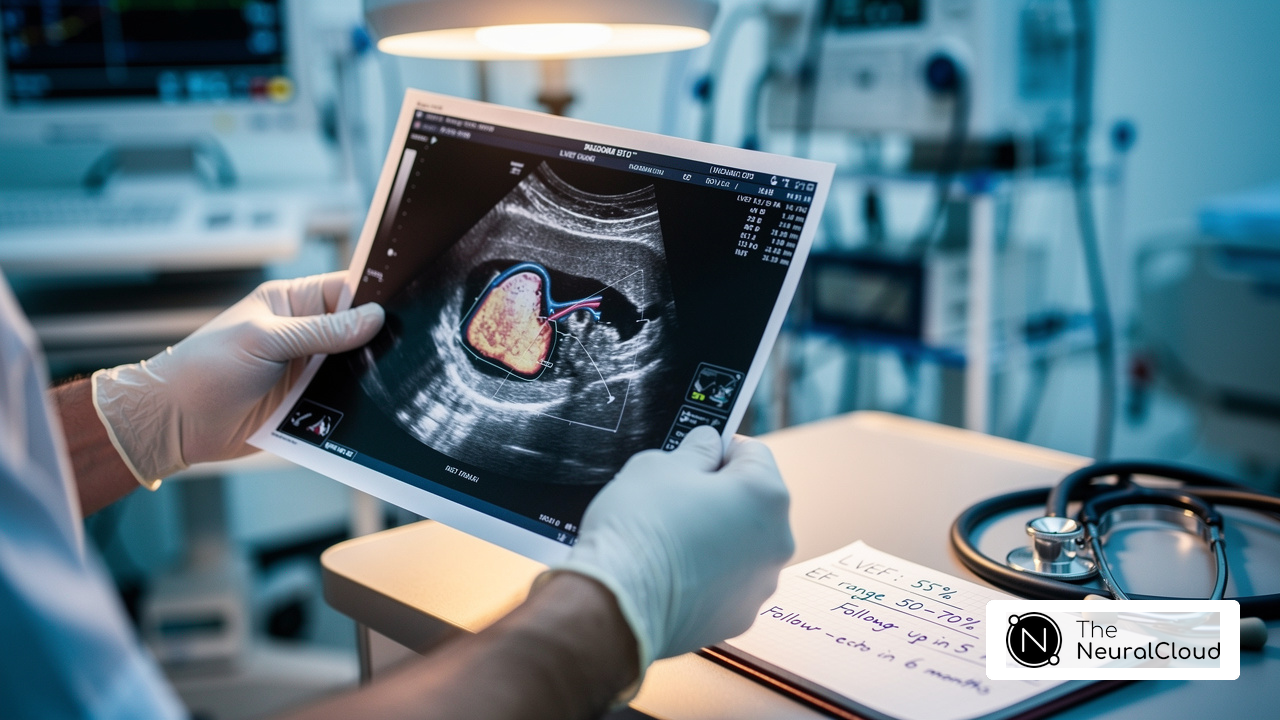
Echocardiograms and Continuous Learning: Conducting echocardiograms is essential for evaluating cardiac structure and function. This imaging examination helps detect underlying problems that may lead to irregularities. By utilizing Neural Cloud Solutions' resources, healthcare professionals can enhance their diagnostic processes, ensuring that critical issues are identified promptly.
Stress Tests for Comprehensive Assessments: Stress tests are vital for uncovering irregular heartbeats that occur during physical exertion. They provide insights into the heart's performance under pressure. The adaptability of testing protocols allows for scalable solutions tailored to various testing environments, ensuring comprehensive cardiac assessments that meet the needs of diverse patient populations.

Explore Treatment Options
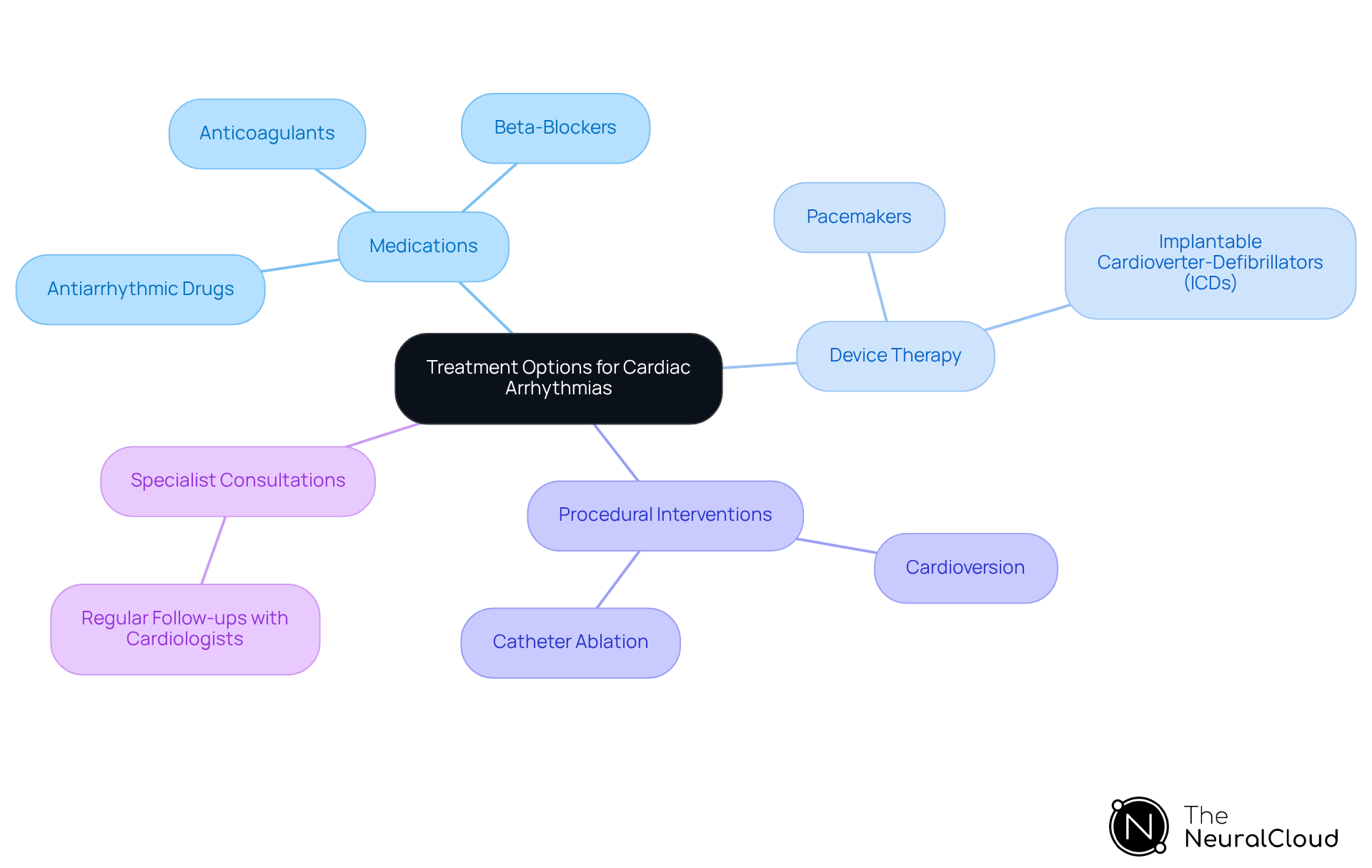
When discussing medication options for patients, it's essential to consider available treatments. Common treatments for cardiac arrhythmias include:
- Anticoagulants that prevent blood clots
Each of these medications plays a crucial role in managing heart conditions effectively.
In addition to medication, implantable cardioverter-defibrillators can deliver shocks to restore a normal heartbeat in case of life-threatening arrhythmias. These devices can significantly improve patient outcomes and quality of life.
For more severe cases, catheter ablation is vital. This procedure targets and destroys areas of heart tissue causing irregular rhythms. Cardioversion, on the other hand, is a procedure that restores a normal heart rhythm using electrical shocks. Both options can be effective in managing cardiac arrhythmias.
Finally, ongoing monitoring is essential. Regular follow-ups with a cardiologist can help tailor treatment plans to individual patient needs, ensuring that the chosen therapies are effective and appropriate. This collaborative approach enhances patient care and optimizes treatment outcomes.
Implement Lifestyle Changes
Adopt a healthy diet: Focus on a diet that includes plenty of fruits, vegetables, whole grains, and lean proteins, while keeping salt and saturated fats to a minimum. Research shows that eating fruits and vegetables daily can lower the risk of heart disease by 40%. This underscores the vital role of nutrition. The Mediterranean diet, in particular, has proven effective in preventing secondary cardiovascular diseases, which makes it a great choice for those looking for ways to manage heart health.
Stay physically active: Regular exercise is crucial for managing arrhythmias. Following recommended exercise guidelines can reduce the risk of atrial fibrillation (AF) by 12-20%. It's important to customize exercise routines based on individual abilities and medical advice to ensure both safety and effectiveness. However, it's worth noting that excessive exercise in athletes may increase the risk of arrhythmias, which highlights the need for a balanced approach to physical activity.
Manage tension effectively: Incorporate stress-reduction techniques like yoga, meditation, and deep breathing exercises. Managing stress is key, as stress can exacerbate arrhythmias.
Avoid stimulants: Limit your intake of caffeine and alcohol, as these can trigger arrhythmias. Recent findings suggest that individuals with AF should be particularly cautious with alcohol, as it may lead to further health complications.
Understand the role of physical activity: Current research indicates that even fit athletes may face a higher risk of AF, suggesting that exercise-induced changes in the cardiovascular system can affect arrhythmia susceptibility. Therefore, it's essential to balance physical activity with careful monitoring and management of heart health.

Conclusion
Understanding and managing cardiac arrhythmias is crucial for improving patient outcomes and enhancing overall heart health. By breaking down the complexities surrounding these irregular heartbeats into manageable steps, healthcare professionals can effectively tackle the challenges posed by conditions like atrial fibrillation, bradycardia, and tachycardia. A systematic approach to diagnosis, treatment, and lifestyle changes empowers both patients and providers to take control of heart health.
Key insights from this article highlight the importance of recognizing symptoms such as:
- Palpitations
- Dizziness
- Chest pain
These are critical for timely intervention. The integration of advanced diagnostic tools like the MaxYield™ platform significantly enhances the accuracy of ECG analysis, leading to better treatment decisions. This platform offers features that streamline ECG interpretation, improve diagnostic precision, and ultimately support healthcare professionals in delivering optimal care.
Exploring a range of treatment options, from medications to lifestyle modifications, underscores the multifaceted approach required to manage cardiac arrhythmias effectively. The advantages of using the MaxYield™ platform include improved accuracy in ECG readings, which translates to more informed treatment choices and better patient outcomes. By prioritizing education, early detection, and comprehensive care strategies, individuals can mitigate risks and enhance their quality of life.
Ultimately, managing cardiac arrhythmias is not just about addressing immediate symptoms but fostering a proactive and informed approach to heart health. Embracing these best practices can lead to a future where cardiac arrhythmias are not just manageable but preventable, ensuring healthier hearts for all.
Frequently Asked Questions
What are cardiac arrhythmias?
Cardiac arrhythmias are irregularities in heartbeats caused by disturbances in the heart's electrical conduction system. Common types include atrial fibrillation, bradycardia, and tachycardia.
How prevalent is atrial fibrillation in the United States?
Atrial fibrillation affects approximately 10 million Americans, indicating a significant public health concern.
What are some common causes of cardiac arrhythmias?
Common causes include underlying cardiovascular conditions, electrolyte imbalances, and psychological stress. Patients with atrial fibrillation often have comorbidities such as hypertension and diabetes.
Why is early detection and intervention important for cardiac arrhythmias?
Early detection and intervention can greatly improve patient outcomes, as emphasized by healthcare professionals.
What is the MaxYield™ platform?
The MaxYield™ platform is a technology designed to enhance ECG analysis, improving the detection of irregular heartbeats through advanced features and a Continuous Learning Model.
What are the key features of the MaxYield™ platform?
Key features include advanced ECG analysis for precise detection of irregular heartbeats, a Continuous Learning Model that adapts with each use, and gold standard methodologies that streamline workflows.
What symptoms should be monitored for potential arrhythmias?
Key symptoms to monitor include palpitations, dizziness or fainting, shortness of breath, and chest pain.
What do palpitations indicate?
Palpitations may feel like fluttering, pounding, or skipped heartbeats and can indicate underlying heart rhythm issues that require further evaluation.
What should be done if someone experiences dizziness or fainting?
Dizziness or fainting can signal serious heart rhythm disorders and require immediate medical attention.
Why is shortness of breath a concerning symptom?
Shortness of breath during routine activities may suggest a heart rhythm disorder or other cardiac issues, necessitating accurate diagnosis.
What action should be taken if someone experiences chest pain?
Chest pain is a critical symptom that warrants immediate medical evaluation, as it can be linked to various heart conditions, including irregular heartbeats.
How common are abnormalities in cardiac rhythm among adults?
Current data indicates that over 2% of community-dwelling adults experience abnormalities in cardiac rhythm, with palpitations being a common symptom.
List of Sources
- Define Cardiac Arrhythmias
- Atrial fibrillation estimated to affect about 1 in 22 Americans (https://nhlbi.nih.gov/news/2024/atrial-fibrillation-estimated-affect-about-1-22-americans)
- sciencedaily.com (https://sciencedaily.com/releases/2025/11/251117091142.htm)
- ucsf.edu (https://ucsf.edu/news/2024/09/428416/how-many-people-have-fib-three-times-more-we-thought)
- Global surge in serious heart rhythm disorders sparks urgent call to action from experts: 1 in 3 people at risk (https://escardio.org/news/press/press-releases/global-surge-in-serious-heart-rhythm-disorders-sparks-urgent-call-to-action-from)
- Identify Symptoms of Arrhythmias
- bbc.com (https://bbc.com/news/articles/c9wnky140dko)
- How serious are heart palpitations? Causes, symptoms and when to worry (https://heart.org/en/news/2026/02/09/how-serious-are-heart-palpitations-causes-symptoms-and-when-to-worry)
- Checking your browser - reCAPTCHA (https://pmc.ncbi.nlm.nih.gov/articles/PMC6051725)
- wzzm13.com (https://wzzm13.com/article/news/health/american-heart-month-understanding-afib-symptoms-when-to-see-doctor/69-fad84172-8c74-4f06-a8e6-e69d5102e706)
- nationaltoday.com (https://nationaltoday.com/us/ut/provo/news/2026/02/13/experts-warn-of-rising-irregular-heartbeat-cases-urge-early-treatment)
- Conduct Diagnostic Tests
- Electrocardiogram (ECG or EKG) - Mayo Clinic (https://mayoclinic.org/tests-procedures/ekg/about/pac-20384983)
- New study finds AI model improves heart attack detection (https://health.ucdavis.edu/news/headlines/new-study-finds-ai-model-improves-heart-attack-detection/2025/11)
- sciencedirect.com (https://sciencedirect.com/science/article/abs/pii/S0735675725002451)
- lifesignals.com (https://lifesignals.com/hrs-2025-the-rise-of-wearable-holter-devices-and-the-future-of-cardiac-monitoring)
- einpresswire.com (https://einpresswire.com/article/870952967/holter-ecg-monitoring-market-set-for-strong-surge-as-cardiac-health-focus-intensifies)
- Explore Treatment Options
- bbc.com (https://bbc.com/news/articles/c9wnky140dko)
- hrsonline.org (https://hrsonline.org/news/hr24-spotlights-new-developments-cieds)
- netce.com (https://netce.com/course/case-studies/clinical-management-of-atrial-fibrillation/90824/2699)
- ahajournals.org (https://ahajournals.org/doi/10.1161/jaha.117.008292)
- ajconline.org (https://ajconline.org/article/S0002-9149(08)01715-3/fulltext)
- Implement Lifestyle Changes
- mayoclinic.org (https://mayoclinic.org/diseases-conditions/atrial-fibrillation/expert-answers/diet-atrial-fibrillation/faq-20118479)
- A Heart-Healthy Diet for Cardiovascular Disease Prevention: Where Are We Now? - PMC (https://pmc.ncbi.nlm.nih.gov/articles/PMC10128075)
- newsroom.heart.org (https://newsroom.heart.org/news/cup-of-coffee-a-day-may-not-be-harmful-for-some-adults-with-afib-and-could-lower-episodes)
- bjcardio.co.uk (https://bjcardio.co.uk/2025/08/atrial-fibrillation-and-physical-activity)
- vcuhealth.org (https://vcuhealth.org/news/what-science-says-may-be-the-best-diet-for-your-heart)