Introduction
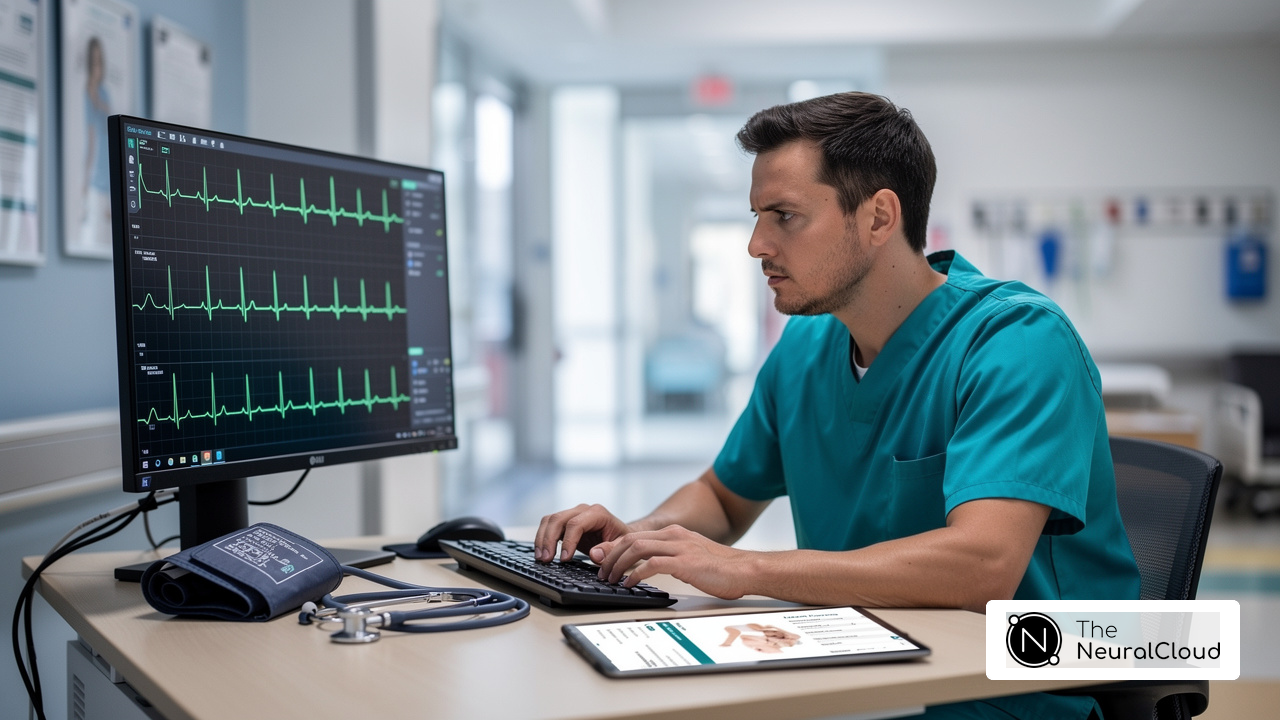
Lead placement is a crucial aspect of electrocardiogram (ECG) monitoring, significantly impacting the accuracy of cardiac assessments. As healthcare professionals aim for precision in diagnosing heart conditions, grasping the nuances of electrode positioning is essential. However, studies indicate that a staggering 90% of clinicians face challenges with correct lead placement, often resulting in misinterpretations that can compromise patient outcomes.
To address these challenges, healthcare providers must explore effective solutions that maximize the potential of ECG technology. Understanding the features and advantages of advanced platforms like MaxYield™ can empower clinicians to achieve reliable and accurate readings. By focusing on proper lead placement, healthcare professionals can enhance their diagnostic capabilities and ultimately improve patient care.
Understand the Importance of Lead Placement in ECG Monitoring
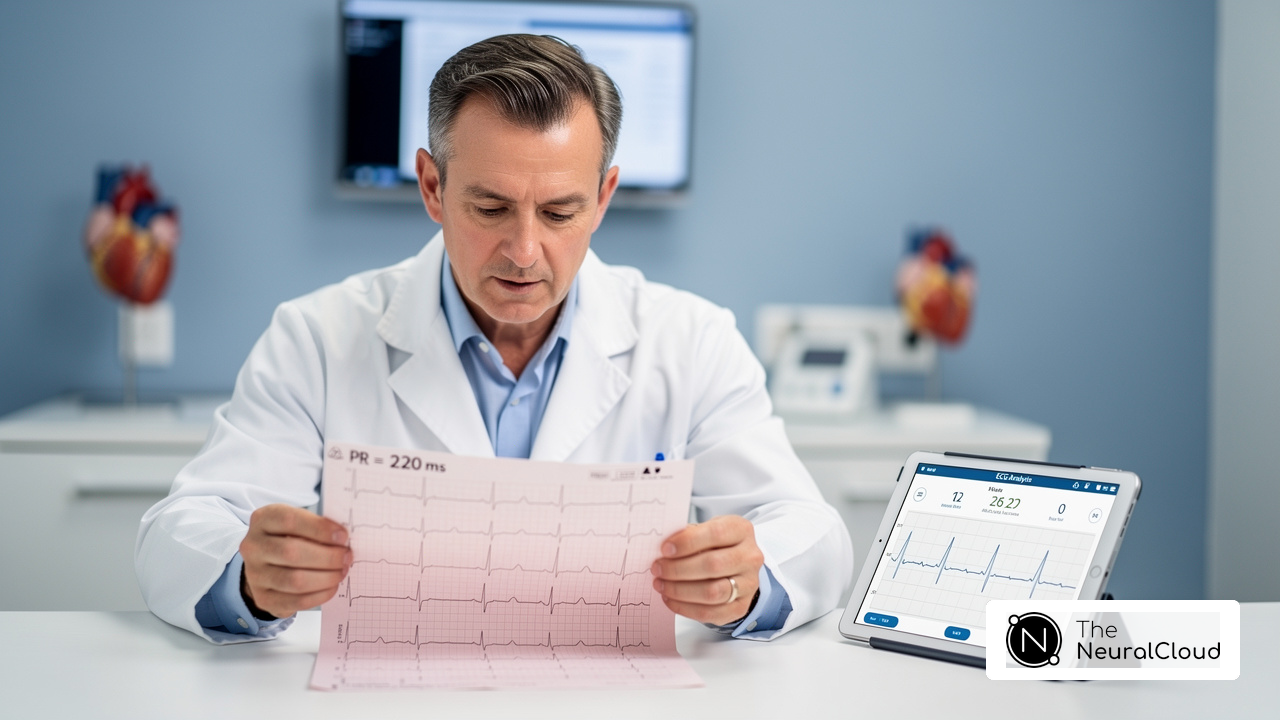
Lead placement is a crucial element in electrocardiogram (ECG) monitoring, directly impacting the accuracy of cardiac assessments. Properly placed electrodes capture the heart's electrical activity, enabling healthcare professionals to make informed clinical decisions. However, misplacement can lead to incorrect diagnoses. For instance, studies indicate that improper lead placement can distort the perceived heart rhythm, resulting in false-positive diagnoses for conditions like myocardial infarction. Alarmingly, research shows that misplacement occurs frequently, with frequent mistakes involving the misplacement of V1 and V2, which can result in inaccurate readings.
This highlights the necessity for clinicians to understand anatomical landmarks and the physiological principles behind lead placement to enhance the accuracy of ECG monitoring. Ongoing education and compliance with established protocols are crucial to monitor lead placement risks associated with electrode misplacement, ensuring precise and dependable ECG readings. Furthermore, Neural Cloud Solutions' technology addresses these challenges by employing advanced algorithms and distinct wave recognition capabilities.
Features of MaxYield™:
- Distinct wave recognition capabilities
- Rapid isolation of ECG waves from recordings affected by baseline wander, movement, and muscle artifacts
By rapidly isolating ECG waves, MaxYield™ significantly improves the diagnostic yield, allowing healthcare professionals to salvage previously obscured sections of lengthy Holter and patch monitor recordings. This adaptability and automation in ECG analysis not only tackle the challenges of physiological variability and data artifacts but also contribute to more precise clinical evaluations. The benefits of using MaxYield™ are clear: enhanced accuracy in ECG readings, reduced risk of misdiagnosis, and improved patient outcomes.
Implement Best Techniques for 5-Lead ECG Placement
To achieve optimal results with a 5-lead ECG, follow these best practices:
- Positioning: Place the patient in a supine posture to minimize muscle movement and improve electrode stability, which is essential for precise readings.
- Skin Preparation: Clean the skin with alcohol wipes to eliminate oils and dirt, ensuring optimal electrode contact. If necessary, shave areas with excessive hair to improve adhesion and prevent signal interference.
- Electrode Placement: Position the right arm (RA) electrode under the right clavicle, the left arm (LA) electrode under the left clavicle, and the left leg (LL) electrode on the left lower abdomen. The right leg (RL) connection serves as a ground and should be positioned on the right lower abdomen to ensure a stable reference point.
- Check Connections: After installation, confirm that all wires are securely attached and that there are no loose connections that could introduce noise, which can compromise transmission quality.
- Signal Monitoring: Continuously evaluate the ECG signal for artifacts or irregularities, adjusting electrode positions as necessary to maintain signal integrity and accuracy.
By adhering to these techniques, clinicians can significantly enhance the accuracy of their ECG readings, ultimately leading to better patient outcomes. Incorporating these best practices not only streamlines the ECG process but also aligns with the latest advancements in ECG technology.
MaxYield™ Platform Features:
- Automated Labeling: The system reduces manual errors and saves time.
- Noise Reduction: It employs sophisticated algorithms to minimize noise, ensuring clearer signals.
- User-Friendly Interface: Designed for ease of use, it allows healthcare professionals to navigate the system effortlessly.
Advantages for Healthcare Professionals:
- Enhanced Clarity: With improved signal quality, clinicians can make more accurate diagnoses.
- Increased Efficiency: Automation and noise reduction streamline workflows, allowing for quicker patient assessments.
- Better Patient Outcomes: Ultimately, these features contribute to more reliable ECG analyses, leading to improved patient care.

Leverage Technology for Enhanced ECG Monitoring and Lead Placement
Integrating technology into ECG monitoring significantly enhances the precision and effectiveness of lead placement. This section explores various technologies:
- AI devices: These devices, equipped with AI algorithms, guide clinicians in accurately positioning electrodes based on anatomical landmarks. By minimizing human error, they ensure consistent results, which is crucial for reliable ECG readings.
- Wearable monitors: Wearable monitors help to monitor and signal data quality in real-time. This allows clinicians to make prompt adjustments, ensuring optimal readings and patient safety.
- Telehealth platforms: Telehealth platforms enable remote observation of ECG data. This approach facilitates consultations with specialists who can offer expert guidance on how to monitor and interpret results, thereby enhancing diagnostic accuracy.
- Analytical software: Software that analyzes ECG data for patterns and anomalies assists clinicians in making informed decisions based on comprehensive insights. This ultimately leads to better patient outcomes.
By leveraging these advanced technologies, healthcare providers can significantly enhance their ECG evaluation capabilities, resulting in improved patient care and more accurate cardiac assessments.

Overcome Challenges in ECG Monitoring: Address Noise and Artifacts
Overcome Challenges in ECG Monitoring: Address Noise and Artifacts
Making it essential to implement effective strategies to mitigate these challenges.
- High-quality electrodes are crucial for minimizing noise and enhancing the fidelity of ECG output. Proper adhesion to the skin is vital to prevent movement artifacts that can distort readings. Studies indicate that quality electrodes tailored to the patient's skin type can improve performance, potentially reducing errors by up to 70%.
- To minimize electromagnetic interference, ECG machines should be positioned away from other electronic devices, and the monitoring area should be kept free from excessive noise. This proactive approach helps maintain signal integrity.
- Advanced technologies, such as those employed by Neural Cloud Solutions' systems, utilize algorithms to effectively clean ECG signals. The knowledge-based ECG noise filtering framework can detect noise presence and type before applying targeted filtering strategies. This ensures accurate readings while preserving the underlying cardiac activity. Consequently, this capability allows for the analysis of more data in less time, enhancing workflow efficiency, particularly through the use of CSV format for easy data ingestion.
- Regular Calibration: Regular calibration of devices is essential. Routine inspections can help ensure that devices operate at their best, further improving the reliability of ECG observation.
By addressing these challenges with advanced solutions like MaxYield™, clinicians can significantly improve the monitor lead reliability of their ECG monitoring. This leads to more accurate diagnoses and better patient outcomes.

Conclusion
Proper lead placement is fundamental to achieving accurate and reliable ECG monitoring, as it directly influences the quality of cardiac assessments. However, challenges in ECG analysis can arise from improper electrode positioning, which may lead to misinterpretations and incorrect clinical decisions. To address these challenges, understanding the intricacies of electrode positioning is essential. This not only enhances diagnostic accuracy but also minimizes risks associated with misinterpretations.
The MaxYield™ platform by Neural Cloud Solutions offers innovative features that significantly improve ECG analysis. Key features include:
- Advanced electrode placement accuracy
- Enhanced signal quality
- Noise reduction
These capabilities ensure that healthcare professionals can rely on precise readings, ultimately leading to better patient care. By integrating such technology, practitioners can effectively mitigate common pitfalls associated with ECG monitoring.
The advantages of utilizing the MaxYield™ platform are clear. With improved electrode placement accuracy, healthcare providers can enhance the reliability of ECG readings. This not only supports better clinical decisions but also contributes to overall patient safety. As the landscape of ECG monitoring continues to evolve, embracing technological advancements like MaxYield™ is vital for enhancing cardiac care.
In conclusion, prioritizing proper lead placement and leveraging innovative tools such as the MaxYield™ platform are essential steps toward improving ECG outcomes. By staying informed about best practices and utilizing advanced technologies, healthcare professionals can ensure that every ECG reading is as accurate and reliable as possible. This commitment ultimately contributes to enhanced healthcare quality and patient safety.
Frequently Asked Questions
Why is lead placement important in ECG monitoring?
Lead placement is crucial in ECG monitoring as it directly impacts the accuracy of cardiac assessments. Properly placed electrodes capture the heart's electrical activity, enabling healthcare professionals to make informed clinical decisions.
What can happen if electrodes are misplaced during ECG monitoring?
Misplaced electrodes can introduce artifacts and misinterpretations, leading to incorrect diagnoses. For example, improper placement can distort the perceived heart rhythm and result in false-positive diagnoses for conditions like myocardial infarction.
How often do healthcare professionals correctly position all ECG electrodes?
Research indicates that only 10% of healthcare professionals consistently position all electrodes correctly, with frequent mistakes involving the misplacement of V1 and V2.
What are the consequences of misplacing V1 and V2 electrodes?
Misplacement of V1 and V2 electrodes can result in deceptive ECG patterns, potentially leading to misdiagnosis.
What should clinicians understand to enhance ECG monitoring outcomes?
Clinicians should understand anatomical landmarks and the physiological principles behind electrode placement to improve the accuracy of ECG readings.
What is the role of ongoing education in ECG lead placement?
Ongoing education and compliance with established protocols are crucial to monitor lead risks associated with electrode misplacement, ensuring precise and dependable ECG readings.
How does Neural Cloud Solutions' MaxYield™ platform help with ECG monitoring?
MaxYield™ employs advanced noise filtering and distinct wave recognition capabilities to address challenges in ECG monitoring, improving the diagnostic yield by isolating ECG waves from recordings affected by noise.
What features does MaxYield™ offer?
MaxYield™ features advanced noise filtering, distinct wave recognition capabilities, and rapid isolation of ECG waves from recordings affected by baseline wander, movement, and muscle artifacts.
How does MaxYield™ improve clinical evaluations?
By rapidly isolating ECG waves, MaxYield™ enhances the accuracy of ECG readings, reduces the risk of misdiagnosis, and ultimately improves patient outcomes.
List of Sources
- Understand the Importance of Lead Placement in ECG Monitoring
- ECG Electrode Placement: Risks, Tech, and Growing Demand in 2025- (https://intcomedical.com/news/info/What-You-Need-to-Know-About-ECG-Electrode-Placement-in-2025.html)
- 12-Lead ECG Electrode Placement: Best Practices- (https://intcomedical.com/news/info/12-lead-ecg-electrode-placement-best-practices-for-clinical-accuracy-in-healthcare.html)
- Precordial ECG Lead Mispositioning: Its Incidence and Estimated Cost to Healthcare - PMC (https://pmc.ncbi.nlm.nih.gov/articles/PMC7343296)
- ausmed.com (https://ausmed.com/learn/articles/5-lead-ecg)
- Implement Best Techniques for 5-Lead ECG Placement
- researchgate.net (https://researchgate.net/publication/5826582_Pulling_It_All_Together_Case_Studies_on_ECG_Monitoring)
- ausmed.com (https://ausmed.com/learn/articles/5-lead-ecg)
- ECG Lead positioning (https://litfl.com/ecg-lead-positioning)
- Leverage Technology for Enhanced ECG Monitoring and Lead Placement
- 32 of the Best AI and Automation Quotes To Inspire Healthcare Leaders - Blog - Akasa (https://akasa.com/blog/automation-quotes)
- Study Shows Promising Results for ECG Technology (https://dicardiology.com/content/study-shows-promising-results-ecg-technology)
- Technological Advancements in Cardiology: Improved Monitoring (https://bstquarterly.com/article/technological-advancements-in-cardiology-improved-monitoring)
- ECG market keeps evolving thanks to AI, home monitoring and Epic integration (https://cardiovascularbusiness.com/topics/cardiac-imaging/electrocardiography-ecg/ecg-market-keeps-evolving-thanks-ai-home-monitoring-and-epic-integration)
- 35 AI Quotes to Inspire You (https://salesforce.com/artificial-intelligence/ai-quotes)
- Overcome Challenges in ECG Monitoring: Address Noise and Artifacts
- psqh.com (https://psqh.com/analysis/cleaning-up-the-signal-to-noise-in-cardiac-monitoring)
- ECG Noise Filtering Improves Clinical Accuracy (https://emjreviews.com/interventional-cardiology/news/ecg-noise-filtering-improves-clinical-accuracy)
- theneuralcloud.com (https://theneuralcloud.com/post/master-ecg-artefacts-strategies-for-accurate-analysis-and-mitigation)
- med-tech.world (https://med-tech.world/news/kardi-ai-ecg-arrhythmia-detection)