Introduction
Understanding the complexities of Right Bundle Branch Block (RBBB) and ST-Elevation Myocardial Infarction (STEMI) is crucial for healthcare professionals responsible for diagnosing these conditions. RBBB can obscure vital ECG changes that indicate a heart attack, making it essential to master the nuances of ECG analysis for accurate diagnosis and timely intervention. However, traditional methods often fall short in this regard.
So, how can clinicians enhance their diagnostic capabilities to avoid misinterpretation and improve patient outcomes? This article explores best practices and advanced technologies that promise to revolutionize ECG analysis for RBBB and STEMI, ensuring healthcare providers are well-equipped to navigate these challenges effectively.
Understand the Mechanisms of RBBB and STEMI
RBBB is characterized by a delay or blockage in the electrical conduction through the right bundle branch, leading to a widening of the QRS complex on the ECG, typically exceeding 120 ms. Understanding this condition is crucial, as RBBB complicates the diagnosis of STEMI. In STEMI, the heart muscle suffers from a lack of oxygen due to blockages in the coronary arteries, resulting in noticeable changes on the ECG. However, the presence of RBBB can obscure these critical changes, making it challenging to accurately identify a heart attack.
Clinicians must grasp the intricate relationship between RBBB and STEMI to avoid misdiagnosis and ensure timely treatment. Research indicates that patients with RBBB often exhibit atypical ECG results, necessitating a comprehensive evaluation for accurate diagnosis. For instance, studies show that RBBB occurs in approximately 6.3% of cases, and new evidence is associated with an in-hospital mortality rate of 18.8%, compared to 6.4% for chronic RBBB.
Moreover, the incidence of ARBBB in patients experiencing their first episode of STEMI undergoing percutaneous coronary intervention is significantly higher than that of patients without RBBB. This underscores the importance of careful ECG interpretation in emergency situations. The interaction between RBBB and ST-elevation myocardial infarction emphasizes the necessity of utilizing advanced assessment tools and techniques to enhance the precision of ECG evaluations and improve patient outcomes in critical cases.

Utilize Effective Diagnostic Tools for RBBB and STEMI
Identifying RBBB and STEMI and right bundle branch block can be challenging for healthcare professionals. To navigate these complexities, a combination of diagnostic tools is essential. The electrocardiogram remains the gold standard for initial evaluation, allowing for the detection of RBBB and STEMI patterns and abnormalities.
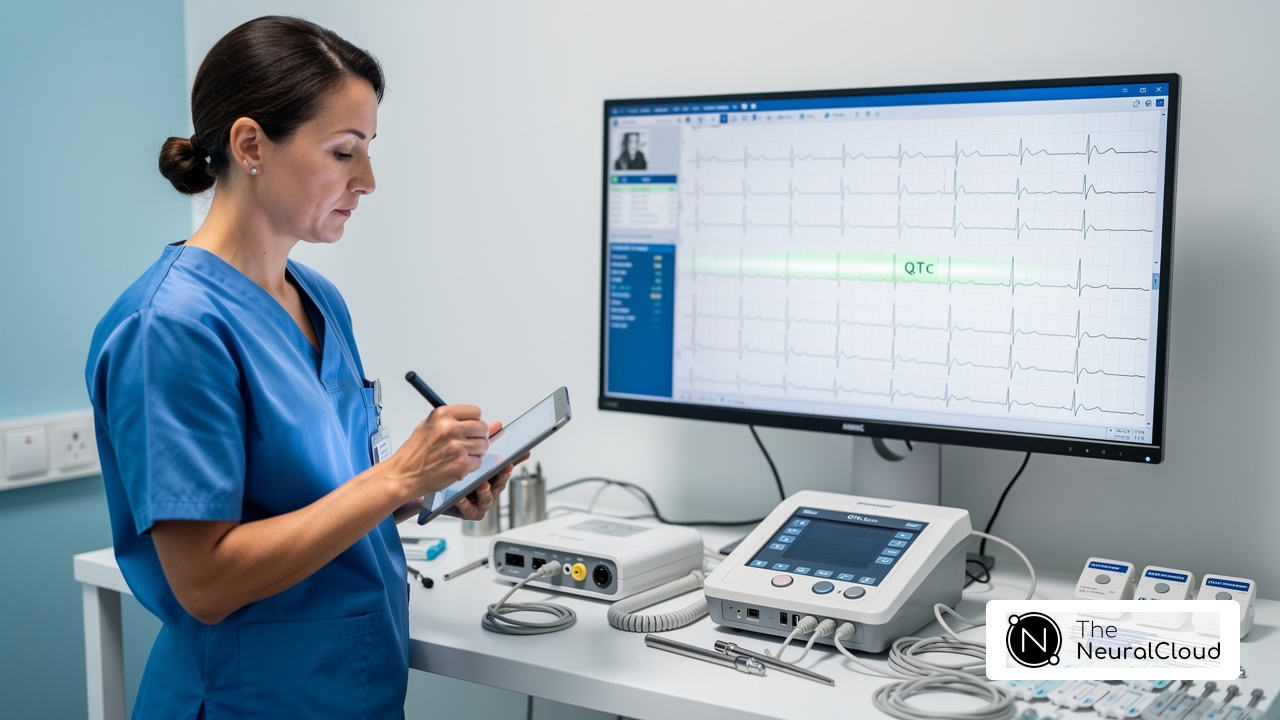
One of the standout features of the platform from Neural Cloud Solutions is its ability to rapidly process ECG data. This platform employs advanced algorithms, accurately identifying key features such as P-waves and QRS complexes. By leveraging machine learning techniques, clinicians can significantly enhance the accuracy of their assessments.
Incorporating biomarkers, like troponins, further enriches the diagnostic process. This combination aids in risk stratification, providing a more comprehensive understanding of the patient's condition. The benefits of using advanced diagnostic tools are clear; they empower healthcare professionals to make informed decisions quickly and effectively.
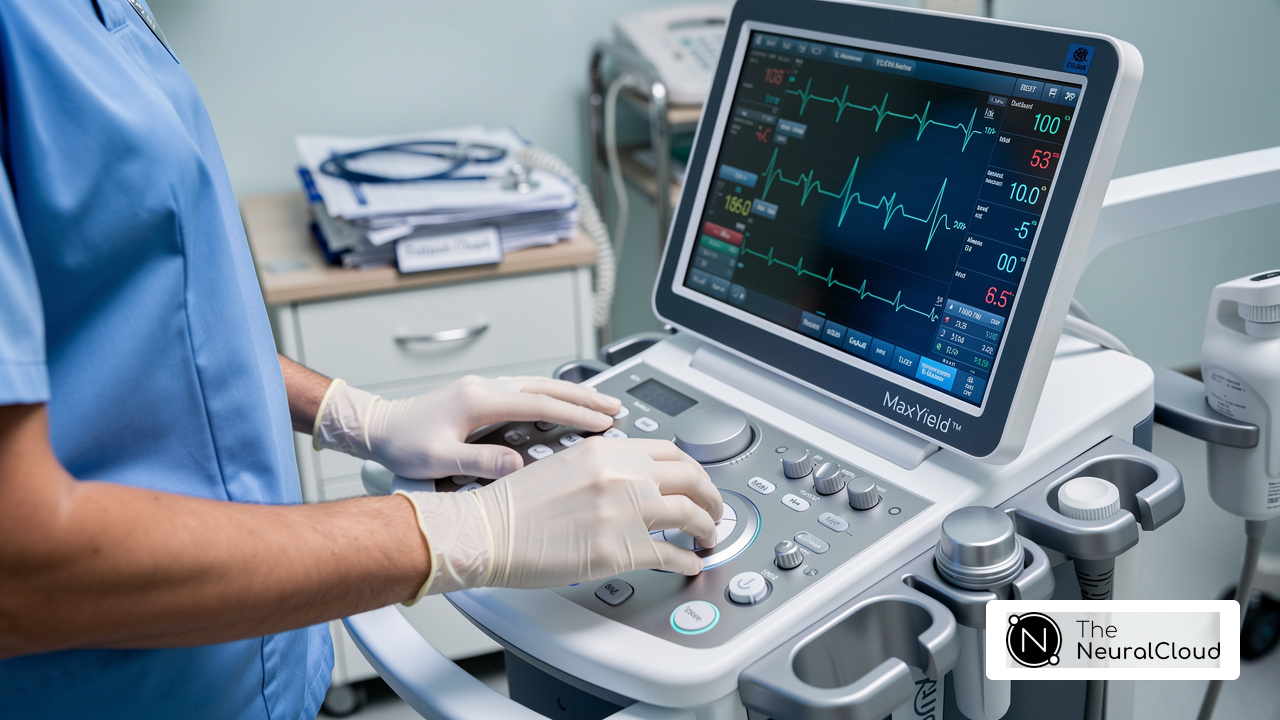
By utilizing these advanced tools, including insights from user manuals and practical applications of MaxYield™, clinicians can enhance their assessment capabilities. This not only minimizes the risk of misinterpretation but also improves patient outcomes through timely and accurate diagnoses.
Integrate Advanced Technologies for Enhanced ECG Analysis
ECG analysis faces significant challenges, particularly in accurately assessing conditions like RBBB and STEMI. Traditional methods can be time-consuming and prone to errors, which is where advanced technologies come into play. The solution from Neural Cloud Solutions addresses these issues by incorporating AI and machine learning to enhance assessment precision.
MaxYield™ features algorithms that analyze ECG waveforms in real-time, allowing for the detection of subtle changes that may indicate ischemia or other cardiac events. This capability is crucial for timely diagnosis. The platform can process over 200,000 heartbeats in under five minutes, enabling clinicians to focus on critical decision-making rather than labor-intensive manual evaluations.
Additionally, MaxYield™ employs advanced noise filtering and wave recognition techniques to convert lengthy and noisy ECG data into clean, crisp signals. This transformation streamlines workflow efficiency, making it easier for healthcare professionals to interpret data accurately. The platform's data wall automation feature further enhances efficiency by automating repetitive tasks, which allows for more effective data management.
The cloud-based nature of MaxYield™ facilitates seamless data sharing among healthcare providers, fostering improved collaboration and patient management. As noted by Timothy D. Henry, MD, FACC, advanced technologies can significantly shorten the time to treatment and reduce false activations. By embracing these cutting-edge technologies, healthcare professionals can enhance their diagnostic capabilities, improve workflow efficiency, and ultimately improve patient outcomes.
However, it is essential to remain aware of potential challenges in AI application to ensure effective integration into clinical practice. Understanding these challenges will help healthcare providers maximize the benefits while navigating the complexities of AI in medicine.
Implement Training and Compliance Strategies for Best Practices
To effectively apply best practices for right bundle branch block (RBBB), healthcare organizations encounter significant challenges. Comprehensive training and compliance strategies are essential to address these challenges. Regular training sessions, including workshops, online courses, and simulation-based training, should be conducted to keep clinicians updated on the latest advancements in ECG interpretation and technology. These sessions emphasize practical skills in ECG analysis, ensuring that healthcare professionals are well-equipped to make accurate diagnoses.
Establishing compliance protocols that align with current guidelines and regulations is equally important. For instance, organizations can adopt the recommendations for standardizing ECG interpretation. This ensures that all staff members are familiar with the criteria for diagnosing RBBB, which is crucial for maintaining high standards of patient care.
By fostering a culture of continuous learning and adherence to best practices, healthcare providers can significantly enhance their diagnostic capabilities. This not only improves patient care outcomes but also builds confidence among clinicians in their ability to interpret ECGs effectively. In summary, implementing comprehensive training and compliance strategies is vital for healthcare organizations aiming to excel in patient care.

Conclusion
Understanding the complexities of Right Bundle Branch Block (RBBB) and ST-Elevation Myocardial Infarction (STEMI) is crucial for accurate ECG analysis and timely patient care. Recognizing the intricate relationship between these two conditions is essential, as RBBB can obscure critical ECG changes that indicate a heart attack. By enhancing the understanding of RBBB STEMI, clinicians can avoid misdiagnosis and ensure that patients receive necessary interventions promptly.
Key insights discussed throughout the article include advanced diagnostic tools like the MaxYield™ platform. This platform leverages AI to improve ECG analysis accuracy, addressing the challenges faced in interpreting complex ECGs. The integration of serial ECGs and cardiac biomarkers enriches the diagnostic landscape, allowing for a more comprehensive assessment of patients. Ongoing training and compliance strategies are also emphasized, ensuring healthcare professionals remain adept at interpreting ECGs in line with current best practices.
The features of the MaxYield™ platform include:
- AI-driven ECG analysis for enhanced accuracy.
- Integration of serial ECGs for better trend analysis.
- Utilization of cardiac biomarkers to support diagnosis.
These features provide significant advantages for healthcare professionals. By embracing advanced technologies, clinicians can improve diagnostic accuracy and patient outcomes in cases of RBBB and STEMI. It is imperative for the medical community to prioritize these strategies, fostering a culture of excellence in ECG interpretation that ultimately benefits patient care and enhances survival rates.
Frequently Asked Questions
What is Right Bundle Branch Block (RBBB)?
RBBB is characterized by a delay or blockage in the electrical conduction through the right bundle branch, leading to a widening of the QRS complex on the ECG, typically exceeding 120 ms.
Why is understanding RBBB important in the context of STEMI?
Understanding RBBB is crucial because it complicates the diagnosis of RBBB STEMI, which can obscure critical ECG changes that indicate a heart attack.
What happens to the heart muscle during an acute myocardial infarction?
During an acute myocardial infarction, the heart muscle suffers from a lack of oxygen due to blockages in the coronary arteries, resulting in noticeable ST-segment elevation on the ECG.
How does RBBB affect the diagnosis of STEMI?
The presence of RBBB can obscure the critical ST-segment elevation changes on the ECG that are indicative of a heart attack, making it challenging to accurately identify a STEMI.
What percentage of acute myocardial infarction cases involve RBBB STEMI?
RBBB STEMI occurs in approximately 6.3% of acute myocardial infarction cases.
What is the in-hospital mortality rate for new RBBB STEMI compared to chronic RBBB?
New RBBB STEMI is associated with an in-hospital mortality rate of 18.8%, compared to 6.4% for chronic RBBB.
What is the predictive value of atypical right bundle branch block (ARBBB) in acute myocardial infarction?
The predictive value of ARBBB in patients experiencing their first episode of acute myocardial infarction undergoing percutaneous coronary intervention is significantly higher than that of RBBB STEMI.
What is emphasized regarding ECG interpretation in emergency situations involving RBBB and STEMI?
The interaction between RBBB and ST-elevation myocardial infarction emphasizes the necessity of utilizing advanced assessment tools and techniques to enhance the precision of ECG evaluations and improve patient outcomes in RBBB STEMI cases.
List of Sources
- Understand the Mechanisms of RBBB and STEMI
- pubmed.ncbi.nlm.nih.gov (https://pubmed.ncbi.nlm.nih.gov/41429745?utm_source=FeedFetcher&utm_medium=rss&utm_campaign=None&utm_content=1BsDMEWA_ZX-DirniuXGttmjeXKyRC84fivhql66rvBOPVyI4-&fc=None&ff=20251223060448&v=2.18.0.post22+67771e2)
- ahajournals.org (https://ahajournals.org/doi/10.1161/JAHA.124.038344)
- annemergmed.com (https://annemergmed.com/article/S0196-0644(24)01250-2/fulltext)
- cureus.com (https://cureus.com/articles/436762-bifascicular-block-associated-with-myocardial-infarction-a-marker-of-proximal-left-anterior-descending-artery-occlusion-confirmed-by-the-artificial-intelligence-based-smartphone-app-queen-of-hearts)
- pmc.ncbi.nlm.nih.gov (https://pmc.ncbi.nlm.nih.gov/articles/PMC11983667)
- Utilize Effective Diagnostic Tools for RBBB and STEMI
- acc.org (https://acc.org/About-ACC/Press-Releases/2025/10/28/18/55/AI-ECG-Better-Detects-Severe-Heart-Attacks-in-Emergency-Setting)
- New Study Finds AI Model Improves Heart Attack Detection (https://miragenews.com/new-study-finds-ai-model-improves-heart-attack-1573724)
- AI-Enabled ECG Analysis Improves Diagnostic Accuracy and Reduces False STEMI Activations: A Multicenter U.S. Registry | PMcardio: AI-Powered ECG Interpretation | Powerful Medical (https://powerfulmedical.com/research/ai-enabled-ecg-analysis-improves-diagnostic-accuracy-and-reduces-false-stemi-activations-a-multicenter-u-s-registry)
- ai-medicalcongress.com (https://ai-medicalcongress.com/news/groundbreaking-study-shows-ai-benefits-in-heart-attack-detection)
- mdpi.com (https://mdpi.com/2075-4426/12/3/336)
- Integrate Advanced Technologies for Enhanced ECG Analysis
- AI-Based ECG Analysis Significantly Improves STEMI Detection, Reduces False Activations - American College of Cardiology (https://acc.org/latest-in-cardiology/articles/2025/10/24/16/56/tues-554pm-ai-tct-2025)
- tctmd.com (https://tctmd.com/news/proof-concept-ai-ecg-may-improve-stemi-care-arise)
- AI-driven ECG improves detection of severe heart attacks (https://news-medical.net/news/20251029/AI-driven-ECG-improves-detection-of-severe-heart-attacks.aspx)
- AI dramatically improves the detection of severe heart attacks (https://cardiovascularbusiness.com/topics/artificial-intelligence/ai-dramatically-improves-detection-severe-heart-attacks)
- Checking your browser - reCAPTCHA (https://pubmed.ncbi.nlm.nih.gov/41158088)