Introduction
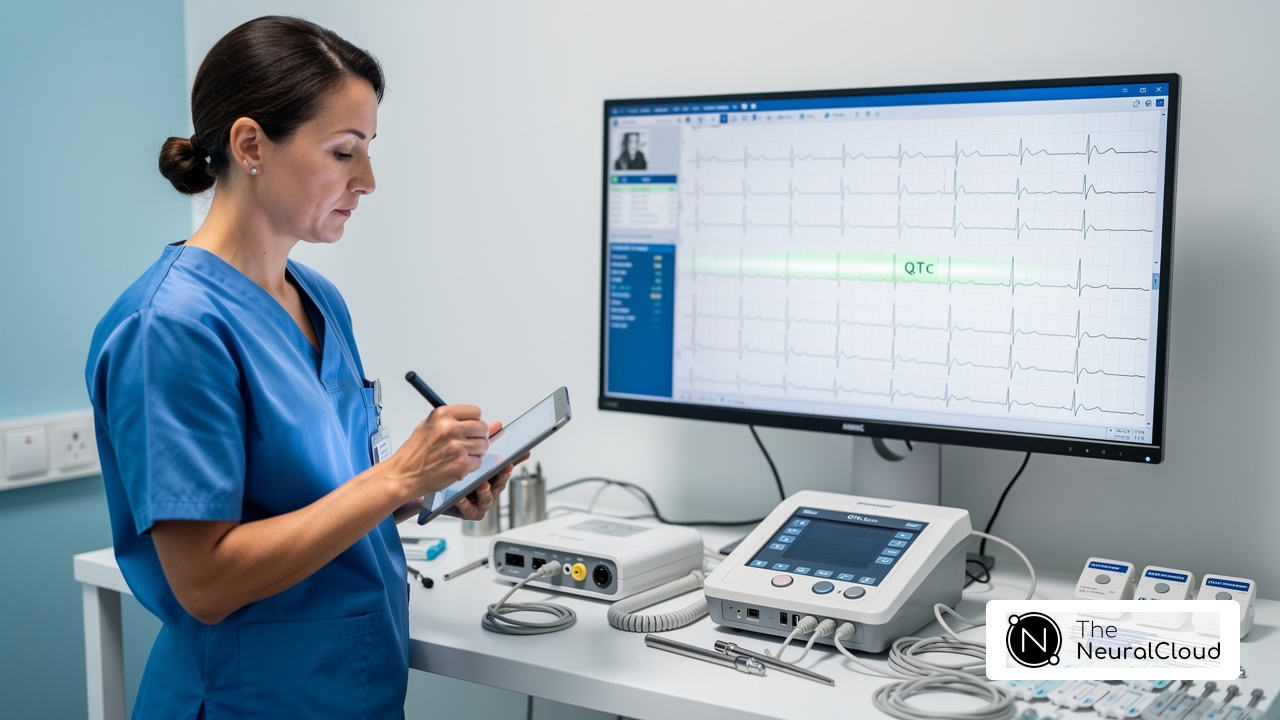
Understanding heart rhythms is crucial for anyone in healthcare, particularly when interpreting electrocardiograms (ECGs). Normal Sinus Rhythm (NSR) serves as the benchmark for assessing all heart rhythms and is vital for diagnosing various cardiac conditions. This guide explores the key characteristics of NSR, equipping healthcare professionals with the necessary tools to identify it accurately amid the complexities of ECG readings.
But what occurs when the rhythm strays from the norm? Subtle variations can often signal significant underlying issues. By examining these questions, practitioners can enhance their diagnostic skills and ultimately improve patient outcomes.
In the realm of ECG analysis, challenges abound. Healthcare professionals must navigate a sea of data, making it essential to understand the features of NSR. This knowledge not only aids in accurate diagnosis but also fosters confidence in clinical decision-making.
The advantages of mastering NSR are clear: improved diagnostic acumen leads to better patient care. By recognizing the nuances of heart rhythms, practitioners can respond more effectively to potential cardiac issues, ensuring timely interventions.
Define Normal Sinus Rhythm (NSR)
(NSR) is characterized by a steady heartbeat initiated by the sinoatrial (SA) node, the main pacemaker of the heart. Understanding NSR is crucial for healthcare professionals, as it serves as a baseline for identifying various arrhythmias. The hallmark characteristics of NSR include:
- Heart Rate: In adults, a normal heart rate is 60 to 100 bpm. This range is vital, as deviations can indicate underlying health issues; for instance, tachycardia (heart rate above 100 bpm) or bradycardia (heart rate below 60 bpm) may necessitate further evaluation.
- Rhythm Regularity: The intervals between successive heartbeats are uniform, reflecting a stable rhythm essential for effective cardiac function.
- P Waves: Each QRS complex, which signifies ventricular depolarization, is preceded by a distinct P wave, indicating successful atrial depolarization. This relationship is essential for verifying NSR, and by automating the detection of P waves in ECG readings.
- PR Interval: The duration from the onset of the P wave to the beginning of the QRS complex typically falls between 120 to 200 milliseconds, ensuring proper conduction through the atrioventricular (AV) node.
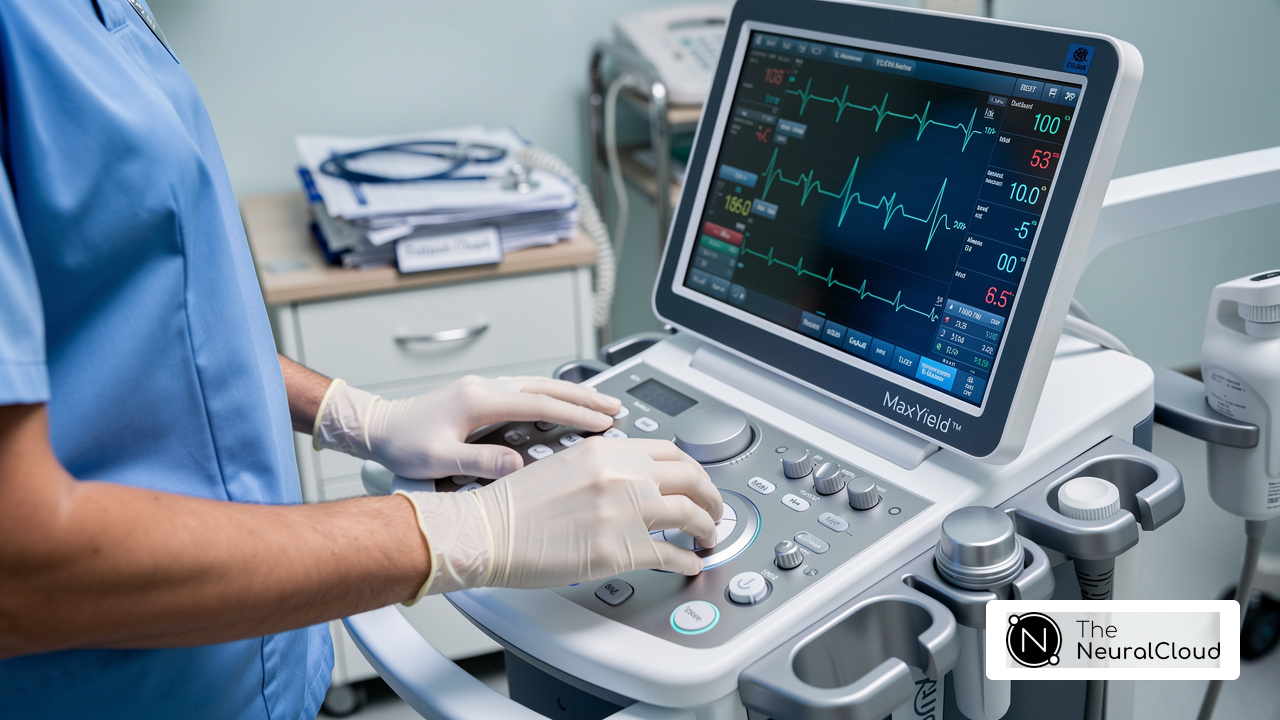
- QRS Complex: The QRS complex duration is generally less than 120 milliseconds, indicating normal ventricular conduction without delays. MaxYield™ aids in accurately measuring this interval, further supporting clinical assessments.
Recognizing these features is essential for healthcare providers to distinguish it from other arrhythmias. Recent studies indicate that NSR is prevalent in approximately 70% of adult populations, underscoring its significance in cardiac health monitoring. Expert opinions emphasize that NSR not only aids in diagnosis but also enhances clinical decision-making, particularly in managing conditions like atrial fibrillation.
This automation improves accuracy and efficiency in clinical settings, allowing healthcare professionals to focus on patient care rather than manual data processing. By leveraging MaxYield™, practitioners can enhance their diagnostic capabilities, ultimately leading to better patient outcomes.
Identify Key ECG Features of NSR
To accurately identify normal sinus rhythm on an ECG, focus on the following key features:
- P waves: Each P wave should be upright in leads I and II, exhibiting a consistent morphology, indicating that the impulse originates from the sinoatrial (SA) node. The typical P duration is approximately 80 milliseconds.
- QRS complexes: Each P signal must be followed by a QRS complex with a narrow duration of less than 100 milliseconds, confirming normal conduction through the ventricles.
- R-R intervals: Evaluate the distance between consecutive R peaks (R-R intervals); these should be equal, indicating a regular rhythm.
- Heart rate: Determine the heart rate by counting the number of R peaks in a 6-second strip and multiplying by 10. The resulting frequency should be between 60 and 100 beats per minute, which is essential for identifying NSR.
- PR interval: The PR interval should remain consistent, falling within the normal range of 120 to 200 milliseconds.
Recognizing these features is crucial to determine which ECG shows a normal sinus rhythm, differentiating it from other rhythms, such as atrial fibrillation or sinus bradycardia.
However, interpretation can be challenging due to noise and artifacts that may obscure readings. This is where Neural Cloud Solutions' technology comes into play.
Features of MaxYield™
- Noise reduction: The platform employs sophisticated algorithms to minimize noise, ensuring clearer ECG readings.
- Wave Recognition Capabilities: It accurately identifies waveforms, enhancing the reliability of ECG interpretations.
Advantages for Healthcare Professionals
By integrating the platform into their workflow, healthcare professionals can streamline their processes. This leads to more efficient and accurate interpretations, ultimately improving patient care. The platform enhances the identification of NSR and helps clinicians determine which ECG shows a normal sinus rhythm based on reliable data.

Explore Variations of Sinus Rhythm
present a variety of variations, each carrying distinct features that are crucial for accurate diagnosis. Here are some common types:
- Bradycardia: This is characterized by a heart rate of fewer than 60 beats per minute (bpm). While it can be a normal finding in well-conditioned athletes, in other populations, it may indicate an underlying issue. This is particularly true for older adults, where the prevalence is notably higher due to age-related conduction slowing.
- Tachycardia: Defined by a pulse exceeding 100 bpm, tachycardia often occurs as a physiological response to stress, fever, or physical exertion. Understanding the context of tachycardia is essential, as it can signal various underlying conditions, including hyperthyroidism or anemia.
- Sinus Arrhythmia: This variation reflects a natural fluctuation in pulse rate linked to the respiratory cycle. The pulse rate increases during inhalation and decreases during exhalation. Generally, it is considered a benign finding, especially in younger individuals.
- Wandering Atrial Pacemaker: This rhythm occurs when the pacemaker location shifts between the sinoatrial (SA) node and other atrial sites, resulting in varied P wave morphologies. It can be observed in various clinical scenarios, including those with underlying respiratory conditions.
Recognizing these variations is vital for clinicians to determine which ECG shows a normal sinus rhythm, as it enables informed decision-making based on the patient's clinical context and specific ECG findings. Recent studies indicate that early identification and treatment of conditions related to these rhythms can significantly improve patient outcomes, particularly in groups at risk for complications like syncope or cardiac failure.

Analyze Example ECG Readings of NSR
To solidify your understanding of normal sinus rhythm, let’s explore some example ECG readings and how Neural Cloud Solutions’ technology can assist:
Overview of challenges: due to factors like noise and interference. These challenges can obscure critical data, making accurate interpretation difficult for healthcare professionals.
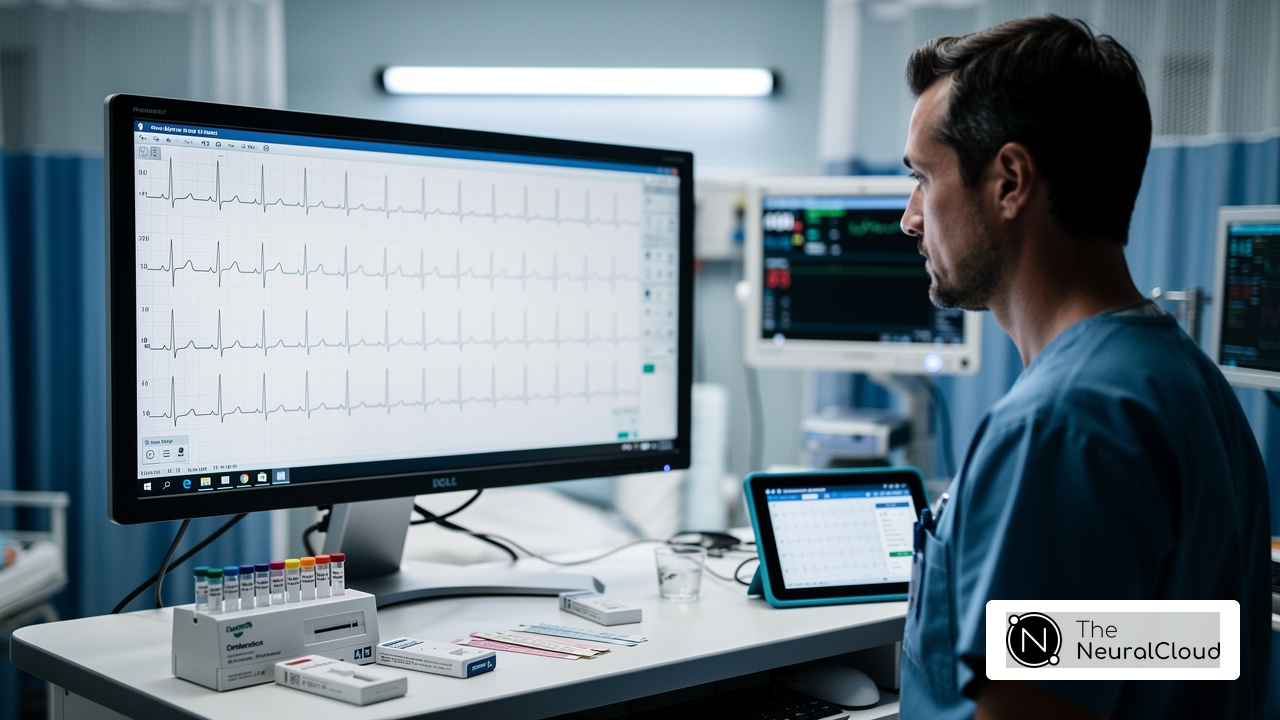
Example 1: An ECG strip displays a pulse of 72 bpm, with consistent P waves preceding each QRS complex. The PR interval measures 160 ms, and the QRS duration is 90 ms. This strip clearly demonstrates normal sinus rhythm, which typically has a pulse ranging from 60 to 100 bpm. MaxYield™ ensures that even in recordings with baseline wander or muscle artifact, accuracy surpasses traditional methods.
Example 2: Another ECG strip shows a pulse of 58 bpm, featuring consistent P deflections and a PR interval of 180 ms. Although the pulse is somewhat bradycardic, the reading confirms NSR. With MaxYield™, the analysis of such readings significantly reduces the time technicians spend on manual annotations, allowing them to focus on more complex cases.
Example 3: An ECG displays a pulse of 110 bpm, with upright P waves and narrow QRS complexes. The PR interval is 150 ms. This strip indicates sinus tachycardia, a variation of sinus rhythm that still originates from the sino-atrial node. The advanced algorithms of MaxYield™ enhance the accuracy of identifying such variations by continuously learning from each use, thus improving diagnostic yield over time.
By analyzing these examples, you can practice to determine which ECG shows a normal sinus rhythm and its variations, reinforcing your understanding. Remember, in NSR, the heart rate typically ranges from 60 to 100 bpm, with each P wave followed by a QRS complex, and the QRS duration is less than 100 ms. Understanding these characteristics is crucial for accurate diagnosis. As Dr. Paul D. Kligfield emphasizes, accurate interpretation is vital to avoid misdiagnosis and ensure appropriate treatment.

Conclusion
Understanding Normal Sinus Rhythm (NSR) is essential for accurate ECG interpretation, forming the basis for identifying various cardiac conditions. This guide has explored the defining characteristics of NSR, such as heart rate, rhythm regularity, and the relationship between P waves and QRS complexes. Recognizing these features is crucial for distinguishing NSR from other arrhythmias, enabling healthcare professionals to make informed decisions regarding patient care.
The article has highlighted key elements to consider when analyzing ECG readings, including:
- the consistent morphology of P waves
- the duration of the PR interval
- the regularity of the heart rhythm
Furthermore, the introduction of advanced tools like MaxYield™ showcases how automation and enhanced algorithms can significantly improve the accuracy and efficiency of ECG analysis. By leveraging these technologies, clinicians can enhance their diagnostic capabilities, ultimately leading to better patient outcomes.
In conclusion, mastering the identification of Normal Sinus Rhythm is vital for any healthcare professional involved in cardiac care. By applying the insights shared in this guide, practitioners can refine their ECG interpretation skills, ensuring they are well-equipped to recognize NSR and its variations effectively. Embracing advanced solutions like MaxYield™ streamlines the analysis process and enhances the reliability of interpretations, fostering improved patient health and safety.
Frequently Asked Questions
What is Normal Sinus Rhythm (NSR)?
Normal Sinus Rhythm (NSR) is a steady heartbeat initiated by the sinoatrial (SA) node, serving as the main pacemaker of the heart. It is crucial for accurate ECG analysis and serves as a baseline for identifying various arrhythmias.
What are the hallmark characteristics of NSR?
The hallmark characteristics of NSR include a heart rate of 60 to 100 beats per minute in adults, uniform rhythm regularity, distinct P waves preceding each QRS complex, a PR interval of 120 to 200 milliseconds, and a QRS complex duration of less than 120 milliseconds.
Why is heart rate important in NSR?
The heart rate is important because deviations from the normal resting range of 60 to 100 bpm can indicate underlying health issues, such as tachycardia (heart rate above 100 bpm) or bradycardia (heart rate below 60 bpm), which may require further evaluation.
How do P waves relate to NSR?
In NSR, each QRS complex is preceded by a distinct P wave, indicating successful atrial depolarization. This relationship is essential for verifying NSR, and tools like MaxYield™ help automate the detection of P waves in ECG readings.
What is the significance of the PR interval in NSR?
The PR interval, which ranges from 120 to 200 milliseconds, is significant as it ensures proper conduction through the atrioventricular (AV) node, which is essential for maintaining a normal sinus rhythm.
How does the QRS complex duration relate to NSR?
The QRS complex duration should be less than 120 milliseconds, indicating normal ventricular conduction without delays. Accurate measurement of this interval, supported by tools like MaxYield™, is important for clinical assessments.
How prevalent is NSR in the adult population?
NSR is prevalent in approximately 70% of adult populations, highlighting its significance in monitoring cardiac health.
How can advanced platforms like MaxYield™ assist in analyzing NSR?
MaxYield™ can streamline the analysis of NSR by automating ECG labeling and data extraction, improving accuracy and efficiency in clinical settings, and allowing healthcare professionals to focus more on patient care.
List of Sources
- Define Normal Sinus Rhythm (NSR)
- ECG Case Studies | Interpretation & Answers | Geeky Medics (https://geekymedics.com/ecg-case-studies)
- Normal Heart Rate: Range, When It's Dangerous, Resting vs. Exercise (https://healthline.com/health/dangerous-heart-rate)
- businesswire.com (https://businesswire.com/news/home/20260105542890/en/HeartBeam-to-Attend-JP-Morgan-2026-Annual-Healthcare-Conference)
- Normal Sinus Rhythm (https://litfl.com/normal-sinus-rhythm-ecg-library)
- Identify Key ECG Features of NSR
- Normal Electrocardiography (ECG) Intervals: Normal Electrocardiography Intervals (https://emedicine.medscape.com/article/2172196-overview)
- respiratory-therapy.com (https://respiratory-therapy.com/products-treatment/monitoring-treatment/patient-monitoring-products/fda-clears-heartbeam-cable-free-12-lead-ecg)
- ECG Learning Center - An introduction to clinical electrocardiography (https://ecg.utah.edu/lesson/3)
- HeartBeam to Attend JP Morgan 2026 Annual Healthcare Conference (https://ir.heartbeam.com/news-events/press-releases/detail/108/heartbeam-to-attend-jp-morgan-2026-annual-healthcare)
- Explore Variations of Sinus Rhythm
- Bradycardia - The Cardiology Advisor (https://thecardiologyadvisor.com/ddi/bradycardia)
- AI-Powered ECG Analysis Offers Promising Path for Early Detection of Chronic Obstructive Pulmonary Disease, Say Mount Sinai Researchers (https://mountsinai.org/about/newsroom/2026/ai-powered-ecg-analysis-offers-promising-path-for-early-detection-of-chronic-obstructive-pulmonary-disease-say-mount-sinai-researchers)
- hcplive.com (https://hcplive.com/view/fda-clears-ai-program-powering-kardia-12l-electrogram-for-5-new-cardiac-determinations)
- Societies Publish New Guidance for the Treatment of Slow, Irregular Heartbeats - HRS (https://hrsonline.org/news/societies-publish-new-guidance-treatment-slow-irregular-heartbeats)
- medicaldevice-network.com (https://medicaldevice-network.com/news/alivecor-fda-nod-kardia-system)
- Analyze Example ECG Readings of NSR
- Computerized Electrocardiogram Rhythm Errors Common, NewYork-Presbyterian/Weill Cornell Study Finds | NYP (https://nyp.org/news/computerized-electrocardiogram-rhythm-errors-common-nyp)
- Normal Sinus Rhythm (https://litfl.com/normal-sinus-rhythm-ecg-library)
- ECG Case Studies | Interpretation & Answers | Geeky Medics (https://geekymedics.com/ecg-case-studies)