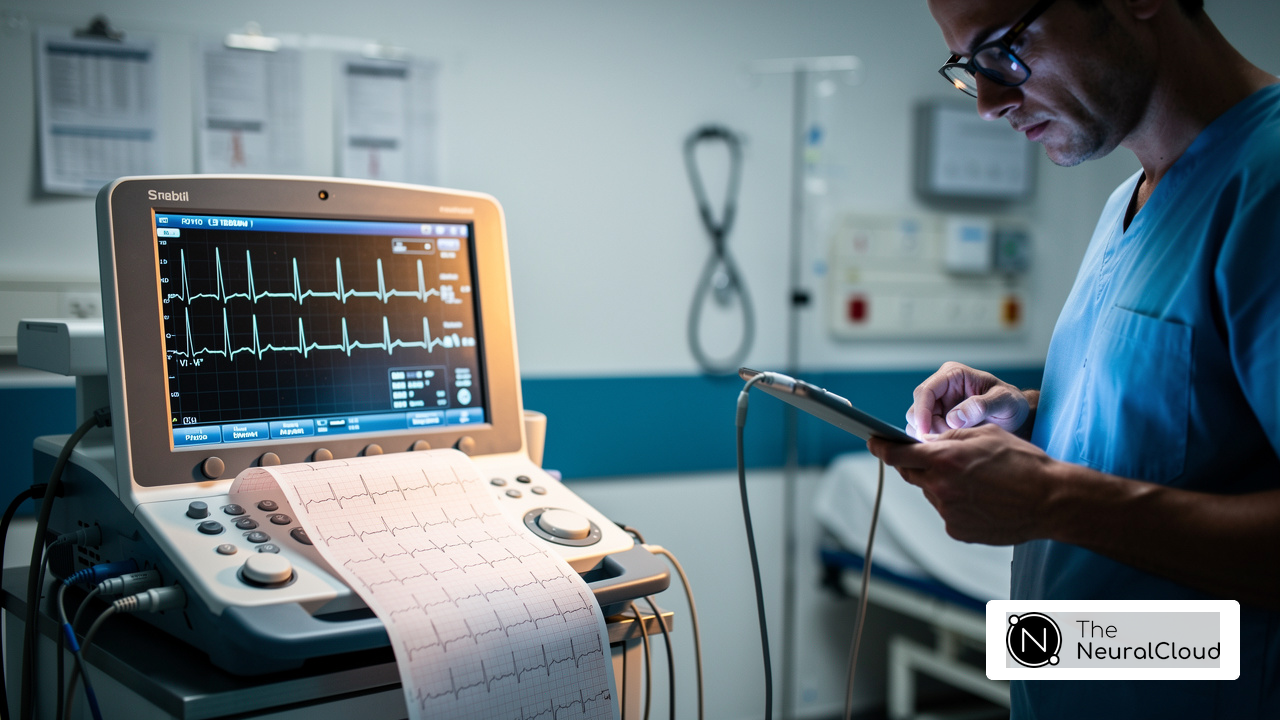
Introduction
The electrocardiogram (ECG) is a vital tool that provides a clear view of the heart's electrical activity, offering essential insights for cardiologists in diagnosing and managing heart conditions. However, the process of interpreting ECGs can be challenging, particularly as the amount of data and complexity of signals continue to grow. This article explores the key components of the ECG graph, serving as a comprehensive guide to interpretation. Additionally, it highlights the innovative MaxYield™ platform, designed to enhance both accuracy and efficiency in ECG analysis.
Healthcare professionals often encounter several challenges in ECG interpretation, including the overwhelming volume of data and the intricacies of signal patterns. These hurdles can lead to misinterpretations and delays in diagnosis. The MaxYield™ platform addresses these issues by streamlining the analysis process, allowing for quicker and more accurate readings. By leveraging advanced algorithms and user-friendly interfaces, the platform simplifies the interpretation of complex ECG data.
The features of the MaxYield™ platform include:
- Automated signal analysis
- Real-time data processing
- Customizable reporting options
These capabilities not only improve the accuracy of ECG readings but also save valuable time for healthcare professionals. As a result, clinicians can focus more on patient care rather than getting bogged down by data interpretation.
In summary, the MaxYield™ platform represents a significant advancement in cardiac diagnostics. By overcoming the challenges associated with ECG analysis, it empowers healthcare professionals to deliver better patient outcomes. With its innovative features and user-friendly design, MaxYield™ is poised to reshape the future of cardiac diagnostics, making it an invaluable tool in the medical field.
Explain the Basics of ECG and Its Importance in Cardiology
An electrocardiogram (ECG) is a vital tool in cardiology, and the ECG graph provides a graphical representation of the heart's electrical activity over time. However, ECG interpretation can present challenges, particularly with the increasing volume of data and the need for accurate interpretation. This is where the MaxYield™ platform comes into play, revolutionizing the way healthcare professionals approach ECG analysis.
Features of MaxYield™
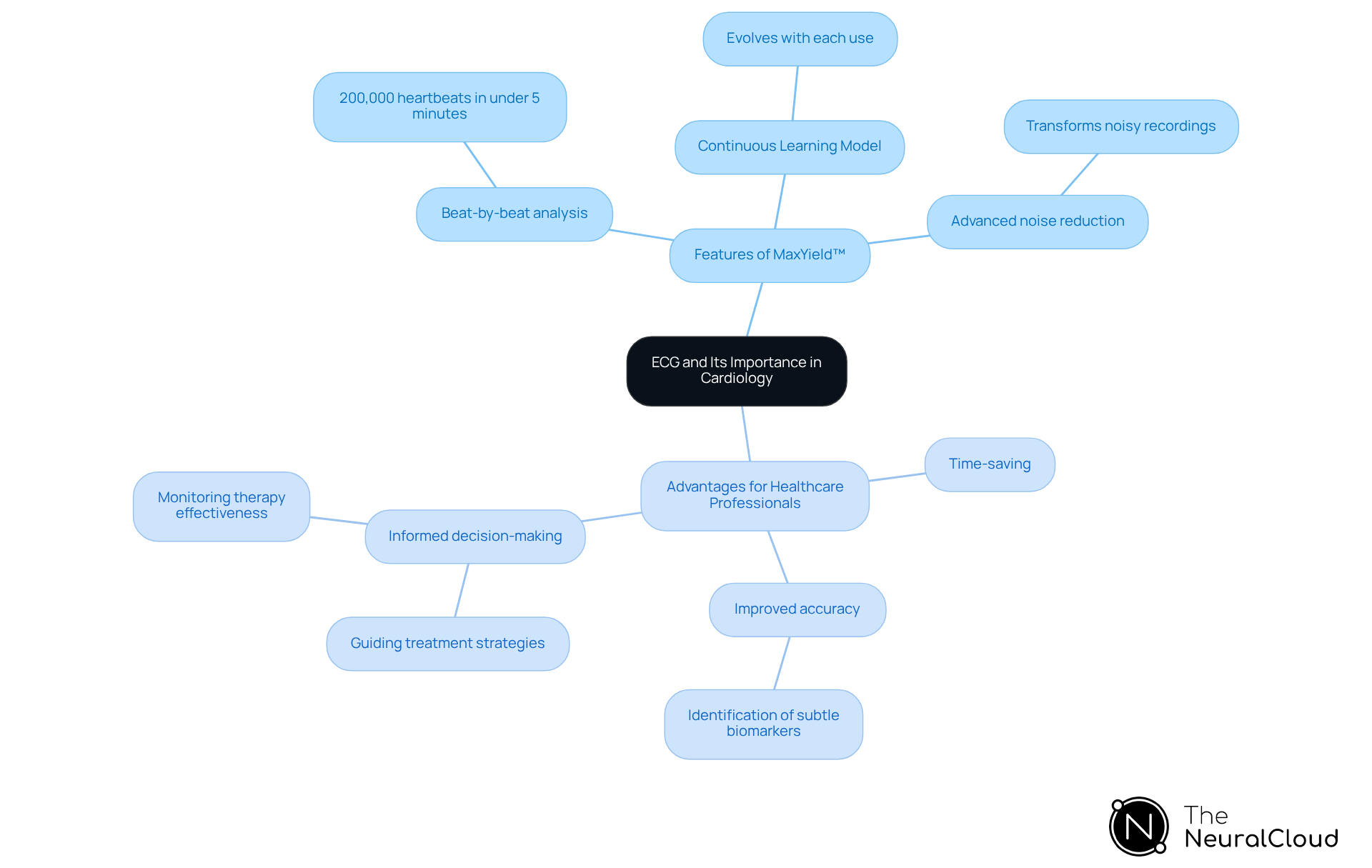
The MaxYield™ platform leverages advanced AI technology to automate ECG interpretation. By utilizing electrodes placed on the skin, it captures the heart's electrical impulses and transforms noisy recordings into clear, detailed insights. Key features include:
- analysis of 200,000 heartbeats in under 5 minutes.
- a system that evolves with each use, enhancing diagnostic accuracy.
- real-time monitoring of heart conditions.
Advantages for Healthcare Professionals
These features translate into significant advantages for healthcare professionals. The automation of ECG interpretation not only saves time but also improves accuracy, allowing for the identification of cardiac abnormalities. Studies show that over 70% of healthcare professionals rely on ECGs for detecting heart disease, highlighting the platform's importance. With MaxYield™, clinicians can make informed decisions, guiding treatment strategies and improving patient outcomes.
As the landscape of cardiac care evolves, understanding the ECG graph remains crucial. The MaxYield™ platform equips healthcare professionals with the tools they need to navigate this complexity, ensuring clarity and precision in cardiac diagnostics. As demand for scalable solutions in cardiology grows, particularly for conditions like atrial fibrillation and heart failure, the relevance of advanced ECG technology in modern healthcare is undeniable.
Detail the Components and Intervals of the ECG Graph
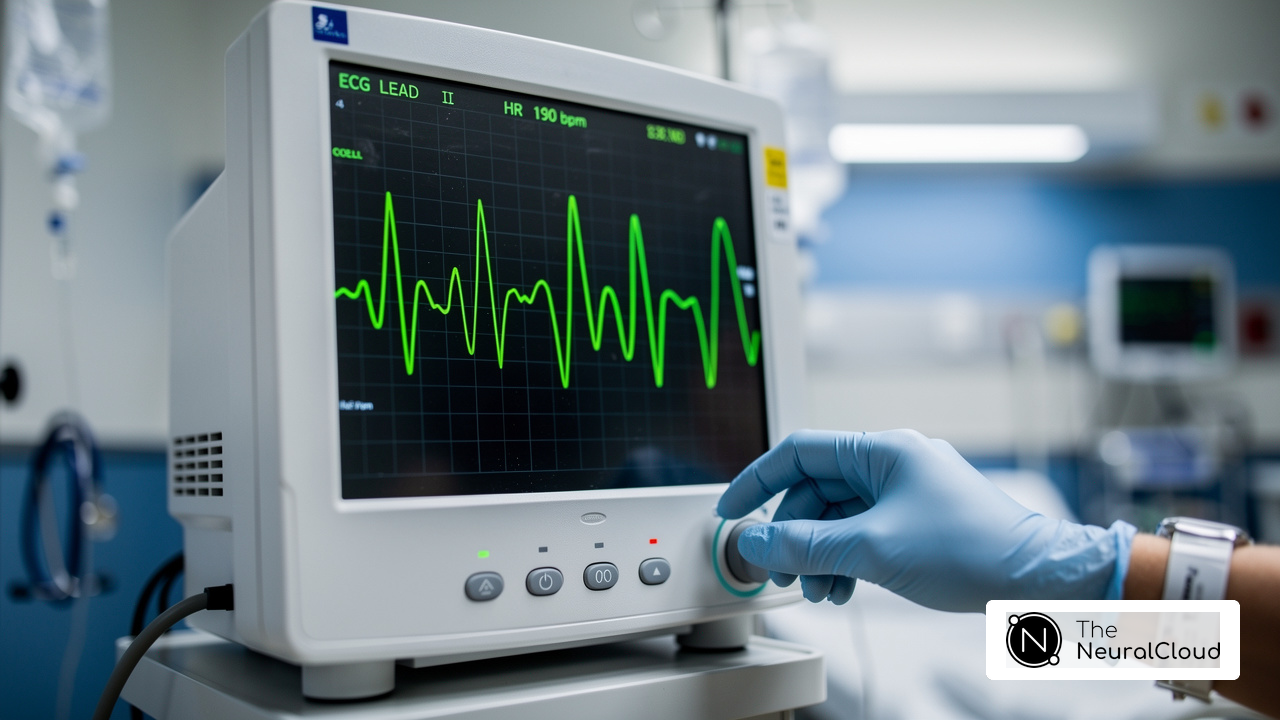
The ECG graph consists of several vital elements: the P wave, QRS complex, T deflection, and various intervals, each playing a crucial role in cardiac health. However, analyzing these components can be challenging due to noise and signal interference. This is where Neural Cloud Solutions' technology comes into play, enhancing ECG analysis through advanced noise filtering and signal recognition. By ensuring accurate interpretations even in difficult conditions, healthcare professionals can make more informed decisions.
P Wave: This signal signifies atrial depolarization, marking the contraction of the atria. A normal P wave is small and smooth, providing essential information about atrial function. The technology helps in identifying these signals accurately, ensuring that no critical data is overlooked.
QRS complex: Representing ventricular depolarization, this component is characterized by a sharp spike in the ECG waveform. It indicates the contraction of the ventricles and is crucial for assessing the heart's pumping efficiency. MaxYield™ can rapidly isolate the QRS complex from recordings affected by baseline wander and muscle artifacts, significantly improving diagnostic yield.
T wave: Following the QRS complex, the T signal reflects ventricular repolarization, illustrating the recovery phase of the ventricles. A normal T deflection is usually symmetrical, with its peak nearer to the end. The technology enhances the identification of T abnormalities, which may indicate ischemia or electrolyte imbalances.
PR interval: This duration assesses the time from the onset of the P signal to the start of the QRS complex, indicating conduction time through the AV node. Normal values range from 120 to 200 milliseconds, with extended durations suggesting possible first-degree AV block.
QT interval: Spanning from the start of the QRS complex to the end of the T wave, the QT interval reflects the total length of ventricular depolarization and repolarization. Normal intervals are typically under 420 milliseconds at a heart rate of 60 bpm, with extended durations suggesting potential cardiac risks. MaxYield™ continuously evolves its algorithms to enhance precision in assessing these durations, adapting to physiological variability.
Understanding these components and their respective intervals is vital for interpretation of the ECG and diagnosing potential cardiac issues. For instance, abnormalities in the QRS complex can indicate conditions such as bundle branch blocks, while changes in the T segment may signal ischemia or electrolyte imbalances. Real-life examples, such as the analysis of over 39,000 individuals, have shown that anatomical factors significantly influence ECG readings, underscoring the importance of personalized interpretation in clinical practice. As noted by Karl Disque, D.O. RPH, "Comprehending the PQRST pattern meaning is critical to knowing what to do when someone is facing a heart-related emergency." Additionally, it is essential to consider factors such as anxiety, which can affect heart rate variability, especially in the context of the ongoing COVID-19 pandemic.

Guide Through the Step-by-Step Process of ECG Interpretation
The highlights that effective ECG interpretation requires a systematic approach that enhances accuracy, aligning with best practices. Here’s a step-by-step guide:
- Assess the Heart Rate: Count the number of QRS complexes within a specific time frame, typically 6 seconds, and multiply by 10 to determine the heart rate.
- Evaluate the Rhythm: Ascertain if the rhythm is consistent or inconsistent by gauging the spaces between R peaks. Consistency in these intervals indicates a regular rhythm.
- Examine the P Signals: Identify the presence and shape of P signals to assess atrial activity. Abnormalities in P wave shape or absence can indicate atrial enlargement or other issues.
- Measure the PR Duration: Ensure the PR duration falls within normal limits (0.12 to 0.20 seconds) to evaluate atrioventricular (AV) conduction. Extended periods may indicate AV block.
- Examine the QRS Complex: Assess the width and morphology of the QRS complex. A normal QRS duration is less than 0.12 seconds; wider complexes may indicate ventricular conduction delays.
- Analyze the T Waves: Look for abnormalities in T wave morphology, as changes can indicate ischemia, electrolyte imbalances, or other cardiac conditions.
- Check the QT Interval: Measure the QT interval to ensure it is within normal limits. A prolonged QT can predispose patients to serious arrhythmias, necessitating careful monitoring.
By adhering to these steps, healthcare professionals can refine their skills in interpreting the ECG, leading to improved diagnostic outcomes.
Challenges in ECG Interpretation
ECG analysis can be complex, often hindered by various factors. These challenges can lead to misinterpretations and affect patient care, especially when the data is not understood clearly.
Introducing MaxYield™
MaxYield™ addresses these challenges with advanced features:
- Automated Analysis: Streamlines ECG interpretation, reducing the time spent on manual analysis.
- Noise Filtering: Enhances signal clarity by removing unwanted noise, allowing for more accurate readings.
- User-Friendly Interface: Simplifies the analysis process, making it accessible for both technical and non-technical users.
Advantages for Healthcare Professionals
The benefits of using MaxYield™ are significant:
- Increased Efficiency: Clinicians can focus on critical decision-making rather than getting bogged down in data analysis.
- Enhanced Accuracy: With clearer signals and automated processes, the likelihood of misinterpretation decreases.
- Support for Clinical Decisions: The platform provides reliable data that aids in making informed choices for patient care.
Testimonials from users highlight the effectiveness of MaxYield™ in improving workflow efficiency and patient outcomes, reinforcing the importance of structured analysis in clinical practice.

Address Common Challenges and Misconceptions in ECG Analysis
ECG interpretation presents several challenges and misconceptions that can significantly impact diagnostic accuracy. Understanding these issues is crucial for healthcare professionals aiming to improve patient care. Here are some key challenges:
- Noise and artifacts can easily mimic pathological changes in ECG readings. Confirming findings within the broader clinical context is essential to avoid misdiagnosis.
- Over-Reliance on Computer Interpretations: Computer algorithms are useful but not infallible. Research indicates that about 39% of ECGs are interpreted incorrectly, with a notable percentage of false positives. Human oversight is vital for ensuring accuracy.
- Ignoring Patient History: ECGs should never be interpreted in isolation. A thorough review of patient history and symptoms is vital for accurate interpretation.
- Normal Variants: Certain ECG patterns may be normal for specific populations, such as athletes. Familiarity with these variants is necessary to prevent misdiagnosis, especially since older patients often exhibit higher rates of misinterpretation.
- Lead Placement: Incorrect lead placement can lead to misleading results. Ensuring proper electrode positioning before recording is critical for obtaining reliable data.
By recognizing these challenges and misconceptions, healthcare professionals can enhance their ECG interpretation skills. This leads to more accurate diagnoses and ultimately improves patient outcomes.

Conclusion
Understanding the challenges of ECG graph interpretation is crucial for healthcare professionals in cardiology. The MaxYield™ platform addresses these challenges by enhancing the accuracy and efficiency of ECG analysis. It equips clinicians with essential tools to navigate the complexities of cardiac diagnostics. By leveraging advanced technology, healthcare providers can gain clearer insights and make informed decisions that significantly improve patient care.
Key features of the MaxYield™ platform include its ability to analyze fundamental components of the ECG graph, such as the P wave, QRS complex, and T wave, along with their respective intervals. Recognizing abnormalities within these elements is vital for diagnosing various cardiac conditions. The platform also tackles common challenges and misconceptions that can impede accurate ECG interpretation, highlighting the necessity for a structured approach to analysis.
Ultimately, mastering ECG interpretation goes beyond just understanding the graph; it’s about enhancing patient outcomes through informed clinical decisions. As the demand for reliable ECG analysis continues to rise, adopting advanced platforms like MaxYield™ can lead to more effective remote patient monitoring and improved cardiac care strategies. The importance of accurate ECG interpretation cannot be overstated - healthcare professionals are encouraged to deepen their understanding and refine their skills to ensure the best possible outcomes for their patients.
Frequently Asked Questions
What is an electrocardiogram (ECG)?
An electrocardiogram (ECG) is a vital tool in cardiology that provides a graphical representation of the heart's electrical activity over time.
What challenges are associated with ECG analysis?
ECG analysis can be challenging due to the increasing volume of data and the need for accurate interpretation.
How does the MaxYield™ platform enhance ECG analysis?
The MaxYield™ platform enhances ECG analysis by leveraging advanced AI technology to automate the process, capturing the heart's electrical impulses and transforming noisy recordings into clear, detailed insights.
What are the key features of the MaxYield™ platform?
Key features of the MaxYield™ platform include beat-by-beat analysis of 200,000 heartbeats in under 5 minutes, a Continuous Learning Model that evolves with each use to enhance diagnostic accuracy, and advanced noise reduction and artifact handling capabilities.
What advantages does MaxYield™ offer to healthcare professionals?
MaxYield™ saves time and improves accuracy in ECG analysis, allowing healthcare professionals to identify subtle biomarkers linked to disease progression and make informed decisions regarding treatment strategies and therapy effectiveness.
How prevalent is the use of ECGs in detecting heart disease among healthcare professionals?
Over 70% of healthcare professionals rely on ECGs for detecting heart disease, highlighting the platform's importance in clinical practice.
Why is understanding the ECG graph important in cardiac care?
Understanding the ECG graph is crucial as it helps healthcare professionals navigate the complexity of cardiac diagnostics, ensuring clarity and precision in patient care.
What is the relevance of advanced ECG technology in modern healthcare?
Advanced ECG technology is increasingly relevant in modern healthcare due to the growing demand for scalable solutions in remote patient monitoring, particularly for conditions like atrial fibrillation and heart failure.
List of Sources
- Explain the Basics of ECG and Its Importance in Cardiology
- 1st synthesized 12-lead ECG to launch in 2026 (https://beckershospitalreview.com/supply-chain/1st-synthesized-12-lead-ecg-to-launch-in-2026)
- news-medical.net (https://news-medical.net/news/20251103/More-frequent-use-of-electrocardiograms-could-help-prevent-sudden-cardiac-death.aspx)
- HeartBeam Receives FDA Clearance for First-Ever, Cable-Free Synthesized 12-Lead ECG for At-Home Arrhythmia Assessment (https://ir.heartbeam.com/news-events/press-releases/detail/107/heartbeam-receives-fda-clearance-for-first-ever-cable-free)
- ECG (https://dicardiology.com/channel/ecg)
- AccurKardia wins FDA clearance for next-generation ECG analysis system | Medical Economics (https://medicaleconomics.com/view/accurkardia-wins-fda-clearance-for-next-generation-ecg-analysis-system)
- Detail the Components and Intervals of the ECG Graph
- medicalxpress.com (https://medicalxpress.com/news/2025-07-hidden-geometry-heart-revolutionize-ecg.html)
- nhcps.com (https://nhcps.com/pqrst-wave-explained-for-beginners?srsltid=AfmBOor7jw20R58Xys4af5V4CRwR2WX2ynGxUL-mO7_T5eUjrNbaXi6x)
- gehealthcare.com (https://gehealthcare.com/insights/article/advances-in-ecg-technology-in-2022-retaining-a-key-role-for-patient-care?srsltid=AfmBOopuOBs3MSb_Inr0wKoy8mf0p7Fl-l2rw7UcjuKwh5z4paGr695K)
- Normal Electrocardiography (ECG) Intervals: Normal Electrocardiography Intervals (https://emedicine.medscape.com/article/2172196-overview)
- Guide Through the Step-by-Step Process of ECG Interpretation
- renaissance.stonybrookmedicine.edu (https://renaissance.stonybrookmedicine.edu/medicine/news_blog/ECG-Companion-for-beginning-experts)
- AI-ECG Momentum and Rising Competition Reshape Diagnostic Cardiology in 2026 (https://signifyresearch.net/insights/diagnostic-cardiology-market-bouncing-into-2026)
- 1st synthesized 12-lead ECG to launch in 2026 (https://beckershospitalreview.com/supply-chain/1st-synthesized-12-lead-ecg-to-launch-in-2026)
- HeartBeam Receives FDA Clearance for First-Ever, Cable-Free Synthesized 12-Lead ECG for At-Home Arrhythmia Assessment (https://ir.heartbeam.com/news-events/press-releases/detail/107/heartbeam-receives-fda-clearance-for-first-ever-cable-free)
- AI-Based ECG Analysis Significantly Improves STEMI Detection, Reduces False Activations - American College of Cardiology (https://acc.org/latest-in-cardiology/articles/2025/10/24/16/56/tues-554pm-ai-tct-2025)
- Address Common Challenges and Misconceptions in ECG Analysis
- Frontiers | The most common errors in automatic ECG interpretation (https://frontiersin.org/journals/physiology/articles/10.3389/fphys.2025.1590170/full)
- pmc.ncbi.nlm.nih.gov (https://pmc.ncbi.nlm.nih.gov/articles/PMC12795227)
- powerfulmedical.com (https://powerfulmedical.com/blog/ai-augmented-ecg-interpretation-using-smartphone-technology-mayo-clinic-cardiovascular-cme-podcast-by-dr-anthony-kashou)