Introduction
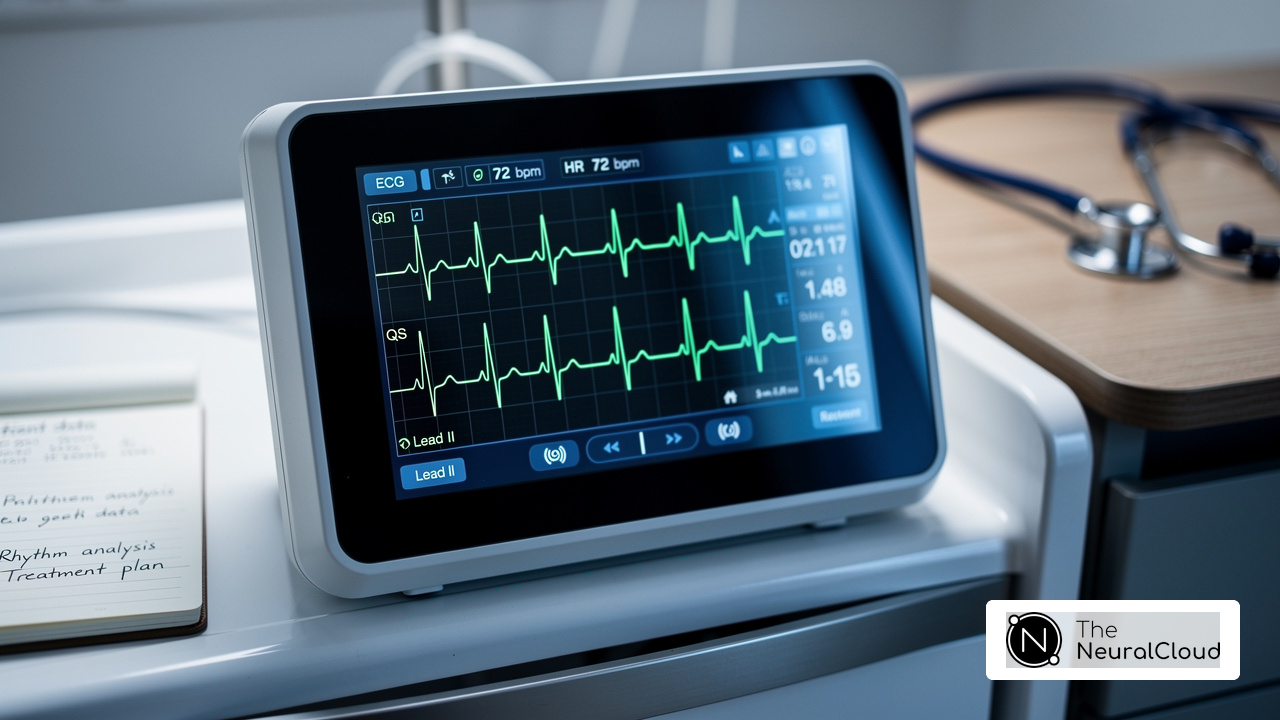
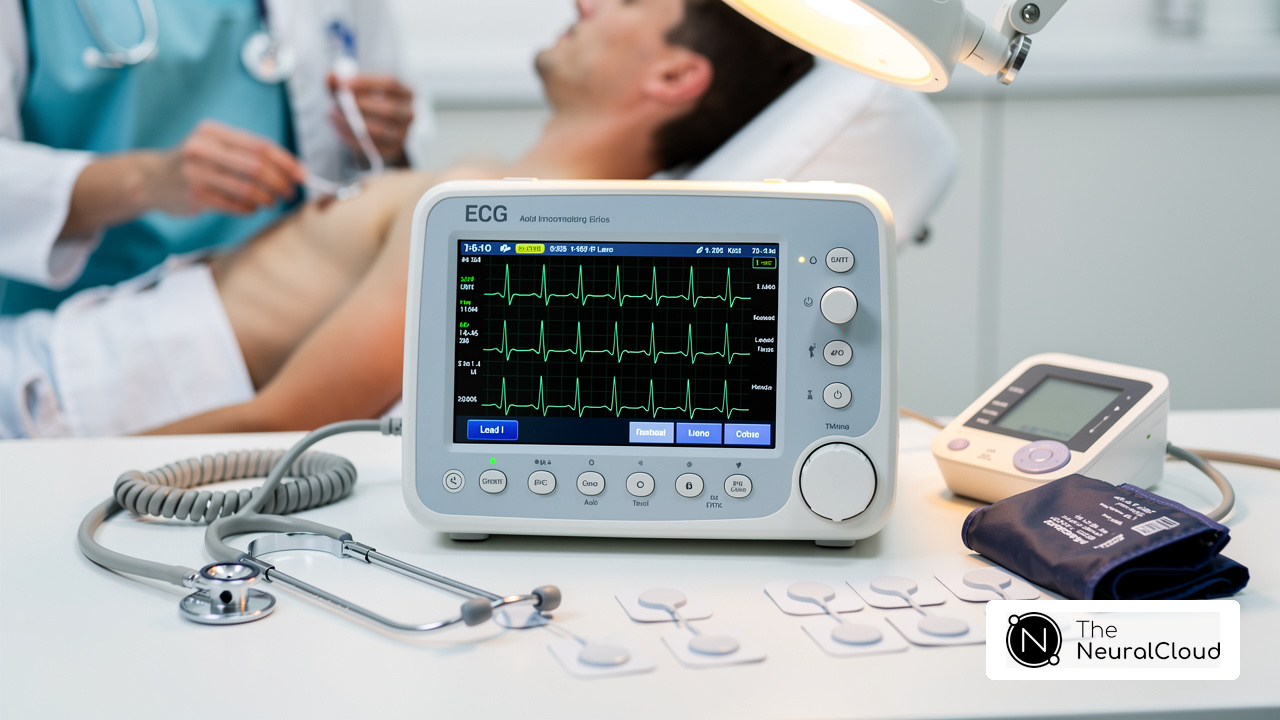
Understanding the nuances between Long QT Syndrome (LQTS) and a normal ECG is critical in cardiology. A seemingly minor difference can have life-altering implications. This article explores the diagnostic intricacies that set LQTS apart from a standard ECG. Accurate interpretation is essential in preventing severe arrhythmias and sudden cardiac events. As the prevalence of this condition rises, healthcare professionals must effectively identify and manage patients at risk for this potentially deadly syndrome.
Understanding Long QT Syndrome: Definition and Importance
Long QT Syndrome (LQTS) is a serious cardiac condition that can be identified by comparing ECGs, as it shows an abnormal extension of the QT segment. This prolongation can lead to severe arrhythmias, such as Torsades de Pointes, which may result in syncope or sudden cardiac arrest. The QT period indicates how long the heart's ventricles take to repolarize after each heartbeat. Typically, the QT duration is less than 440 milliseconds for men and 460 milliseconds for women. However, when comparing LQTS patients, individuals with this condition often have QT intervals that exceed these limits, significantly heightening the risk of life-threatening arrhythmias.
Understanding the differences in QT intervals is crucial; early detection and effective management can prevent serious complications and enhance outcomes for patients. Recent studies suggest that the prevalence of LQTS could be as high as 1 in 2,000 in the general population, highlighting the need for increased awareness and screening practices. This condition also illustrates the importance of genetic factors in cardiac diseases, with genetic testing identifying disease-causing mutations in a significant percentage of affected individuals.
Diagnosing LQTS can be challenging, as many patients remain asymptomatic until a critical incident occurs. This underscores the importance of screening in identifying at-risk individuals, particularly in the context of family history, and facilitating timely interventions. Neural Cloud Solutions' technology enhances the accuracy of ECG analysis by employing advanced algorithms and wave recognition techniques.
Features of MaxYield™:
- Wave recognition techniques
Advantages for Healthcare Professionals:
- Reduced inefficiencies and physiological variability
- More time for critical decision-making
By automating data handling, MaxYield™ allows healthcare providers to focus on what matters most - patient care. When comparing LQTS patients, individuals with this condition may experience symptoms like pronounced lightheadedness and fainting, which further emphasizes the need for careful observation and management of this condition.

Diagnostic Criteria for Long QT Syndrome vs Normal ECG
Accurate measurements of the QT interval are essential for understanding the differences in cardiac health. A QTc (corrected QT interval) exceeding 450 milliseconds in males and 460 milliseconds in females often indicates the presence of Long QT Syndrome. In contrast, a normal ECG, which can be analyzed in the context of heart rhythm, shows different characteristics. Additionally, when comparing ECGs, one may observe unique features, such as broad-based or notched T waves, which are generally absent in normal ECGs.
Symptoms like syncope or a family history significantly heighten the likelihood of a Long QT Syndrome diagnosis. Clinicians must be vigilant, as it enables them to distinguish effectively between abnormal and normal findings. This understanding aids in implementing appropriate management strategies, ultimately improving patient outcomes.

Implications of Diagnostic Differences: Risks and Management Strategies
Understanding the differences in diagnosis between Long QT Syndrome and normal ECG is crucial for effective management. Misdiagnosis can lead to inadequate treatment, significantly increasing the risk of complications. Patients diagnosed with LQTS require vigilant monitoring and may benefit from lifestyle modifications, such as avoiding specific medications known to prolong the QT interval. Treatment typically involves beta-blockers, which stabilize heart rhythms and reduce the risk of arrhythmias in about 70% of cases. In high-risk situations, particularly for individuals with a history of cardiac arrest or recurrent events, the implantation of an implantable cardioverter-defibrillator may be necessary.
Recent studies highlight that ICD therapy can significantly lower the risk of sudden cardiac death in individuals with LQT3, who are particularly vulnerable during rest or sleep. To enhance diagnostic accuracy, innovative technologies like automated ECG analysis can be utilized. This platform rapidly labels P, QRS, and T wave onsets, offsets, and time-series intervals, providing a beat-by-beat tabulation in CSV format. This feature allows for easy integration into existing workflows, enabling healthcare providers to analyze more data efficiently and make informed decisions.
By incorporating MaxYield™ into the management strategies comparing LQTS and normal ECG, healthcare providers can monitor individuals more effectively and tailor interventions. This ultimately reduces the risks associated with long QT syndrome and improves outcomes for patients. Understanding these strategies, along with the integration of advanced signal processing, is essential for healthcare professionals. It helps mitigate risks linked to Long QT Syndrome and enhances patient outcomes, as misdiagnosis can lead to unnecessary interventions and emotional distress for patients and their families.

Key Takeaways: Navigating the Differences in ECG Diagnostics
Understanding the differences in Long QT Syndrome and normal ECG is crucial for accurate diagnosis and effective patient management. Here are the key points:
- Characteristics: Long QT Syndrome is marked by a prolonged QT interval, typically exceeding 450 milliseconds in males and 460 milliseconds in females, along with specific T-wave abnormalities. This extended interval can significantly heighten the risk of arrhythmias.
Accurate diagnosis is vital for differentiating Long QT Syndrome from normal cardiac function. Misdiagnosis can result in severe complications, such as syncope and sudden cardiac death. For example, a study found that a tilt-table test after standing increased sensitivity to 91%, highlighting the necessity of precise measurements in diagnosis. The software from Neural Cloud Solutions enhances this process by automating ECG labeling and data extraction, reducing operational inefficiencies and improving diagnostic accuracy. Utilizing advanced algorithms, MaxYield™ analyzes and interprets long-form Holter, Patch, and 1-Lead ECG Monitor recordings, ensuring clean signals and effective noise filtering.
- Management Strategies for LQTS: include lifestyle changes, such as avoiding triggers like intense exercise, and pharmacological treatments, primarily beta-blocker therapy. In high-risk cases, implantable cardioverter-defibrillators (ICDs) may be necessary to prevent sudden cardiac events. By leveraging the advanced AI-driven features of MaxYield™, healthcare professionals can enhance diagnostic workflows, allowing them to focus on critical decision-making and patient care while benefiting from reduced operational costs.
By recognizing these differences and implementing effective management strategies, healthcare professionals can significantly improve patient care and mitigate the risks associated with this potentially life-threatening condition.

Conclusion
Understanding the distinctions between Long QT Syndrome (LQTS) and a normal ECG is crucial for effective cardiac care. These differences have implications that extend beyond diagnostic criteria; they include the risk of life-threatening arrhythmias and the urgent need for timely intervention. By recognizing the unique characteristics of LQTS, healthcare professionals can significantly enhance patient safety and outcomes.
Key insights emphasize the importance of accurate QT interval measurement and the identification of specific T-wave abnormalities, which are essential for diagnosing LQTS. Misdiagnosis can lead to severe complications, highlighting the necessity of advanced tools like Neural Cloud Solutions' MaxYield™ platform to improve ECG analysis. This platform aids in precise diagnosis and streamlines the management of at-risk patients, allowing healthcare providers to focus on delivering optimal care.
The significance of understanding Long QT Syndrome cannot be overstated. As awareness increases and diagnostic technologies advance, healthcare professionals are better equipped to identify individuals at risk and implement effective management strategies. This proactive approach is vital in mitigating the risks associated with LQTS and enhancing the overall quality of patient care. Embracing these insights will pave the way for improved outcomes and a deeper understanding of this critical cardiac condition.
Frequently Asked Questions
What is Long QT Syndrome (LQTS)?
Long QT Syndrome is a serious cardiac condition characterized by an abnormal prolongation of the QT segment on an ECG, which can lead to severe arrhythmias such as Torsades de Pointes, syncope, or sudden cardiac arrest.
How is the QT interval measured and what are the normal ranges?
The QT interval measures how long the heart's ventricles take to repolarize after each heartbeat. Typically, the QT duration is less than 440 milliseconds for men and 460 milliseconds for women.
Why is understanding Long QT Syndrome important?
Understanding Long QT Syndrome is crucial because early detection and effective management can prevent serious complications and improve patient outcomes.
What is the prevalence of Long QT Syndrome in the general population?
Recent studies suggest that the prevalence of Long QT Syndrome could be as high as 1 in 2,000 individuals in the general population.
What challenges are associated with diagnosing Long QT Syndrome?
Diagnosing Long QT Syndrome can be challenging as many patients remain asymptomatic until a critical incident occurs, highlighting the importance of ECG screening to identify at-risk individuals.
How does the MaxYield™ platform assist in diagnosing Long QT Syndrome?
The MaxYield™ platform enhances ECG analysis through advanced noise filtering and wave recognition techniques, improving diagnostic accuracy and facilitating timely interventions.
What features does the MaxYield™ platform offer?
MaxYield™ offers advanced noise filtering, wave recognition techniques, and automated labeling and data extraction.
What advantages does MaxYield™ provide for healthcare professionals?
MaxYield™ improves diagnostic accuracy, reduces inefficiencies and physiological variability, and allows healthcare providers more time for critical decision-making.
What symptoms may individuals with Long QT Syndrome experience?
Individuals with Long QT Syndrome may experience significant symptoms such as pronounced lightheadedness and fainting, emphasizing the need for careful observation and management.
List of Sources
- Understanding Long QT Syndrome: Definition and Importance
- thryvtrx.com (https://thryvtrx.com/shared-stories-blog/how-many-lqts-patients-are-there)
- pmc.ncbi.nlm.nih.gov (https://pmc.ncbi.nlm.nih.gov/articles/PMC2784143)
- sads.org (https://sads.org/sads-conditions/long-qt-syndrome)
- okheart.com (https://okheart.com/news/long-qt-syndrome-symptoms-diagnosis-and-treatment)
- Diagnostic Criteria for Long QT Syndrome vs Normal ECG
- emedicine.medscape.com (https://emedicine.medscape.com/article/157826-workup)
- heart.bmj.com (https://heart.bmj.com/content/108/5/332)
- medscape.com (https://medscape.com/viewarticle/987689)
- Implications of Diagnostic Differences: Risks and Management Strategies
- news-medical.net (https://news-medical.net/health/Treatment-of-Long-QT-Syndrome-(LQTS).aspx)
- cureus.com (https://cureus.com/articles/265287-management-of-long-qt-syndrome-a-systematic-review)
- illumina.com (https://illumina.com/company/news-center/feature-articles/a-normal-life-with-lqts-is-possible-just-ask-the-hansens.html)
- Long QT Syndrome Treatment & Management: Approach Considerations, Beta-Blockers, Pacemakers and ICDs (https://emedicine.medscape.com/article/157826-treatment)
- mdedge.com (https://mdedge.com/jcomjournal/article/260976/arrhythmias-ep/long-qt-syndrome-overdiagnosis-persists)
- Key Takeaways: Navigating the Differences in ECG Diagnostics
- healio.com (https://healio.com/cardiology/arrhythmia-disorders/news/online/{ec5b8980-ee44-44dd-8c94-f158105ce20a}/artificial-intelligence-identifies-long-qt-syndrome-when-ecg-did-not)
- ahajournals.org (https://ahajournals.org/doi/10.1161/JAHA.122.026419)
- pmc.ncbi.nlm.nih.gov (https://pmc.ncbi.nlm.nih.gov/articles/PMC8183857)
- frontiersin.org (https://frontiersin.org/journals/cardiovascular-medicine/articles/10.3389/fcvm.2023.1097468/full)