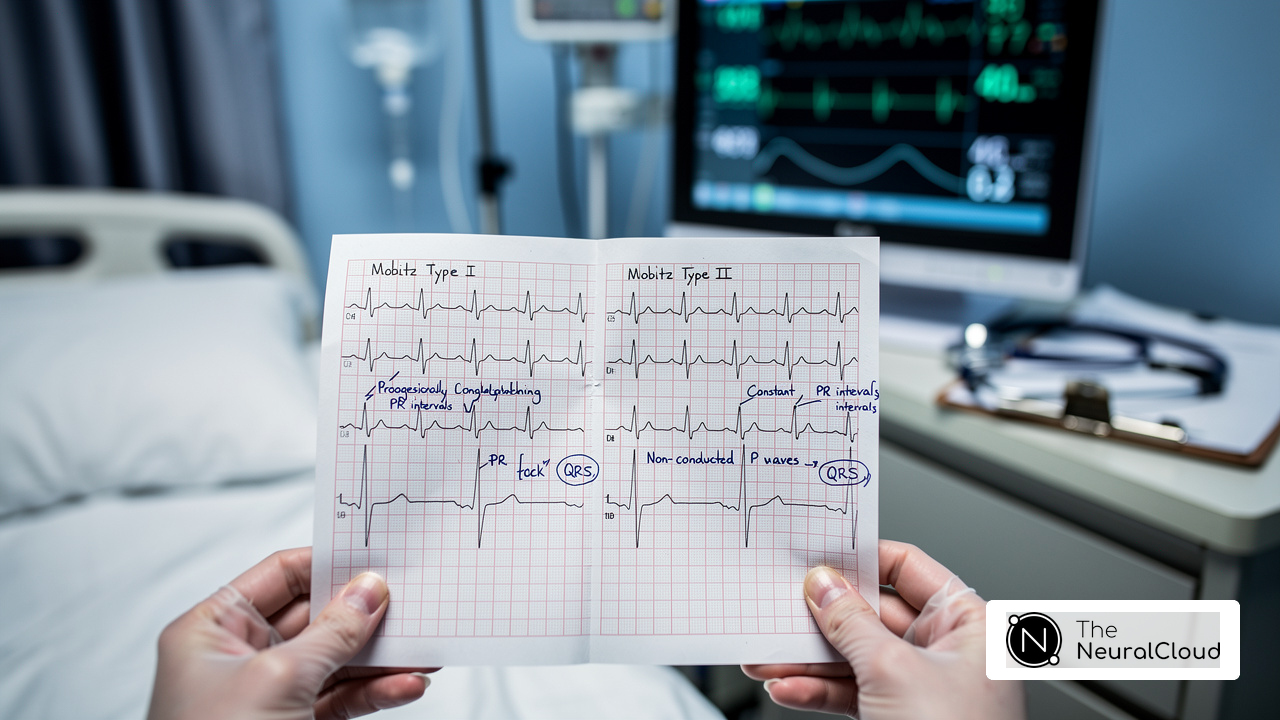
Introduction
Understanding the nuances of Right Bundle Branch Block (RBBB) and ST-Elevation Myocardial Infarction (STEMI) is essential for health tech developers focused on improving cardiac diagnostics. Accurately identifying these conditions from ECG data not only enhances clinical outcomes but also addresses a critical need in the healthcare sector, particularly as mortality rates rise due to delayed heart attack treatments. However, diagnosing STEMI in patients with RBBB poses significant challenges that can result in misinterpretation and misdiagnosis.
To navigate these complexities, developers can leverage advanced technologies that ensure timely and accurate diagnostics. The MaxYield™ platform, for instance, offers innovative features designed to enhance ECG analysis. By integrating sophisticated algorithms, it improves the detection of RBBB and STEMI, ultimately benefiting healthcare professionals and their patients.
The advantages of utilizing the MaxYield™ platform are clear:
- It streamlines the diagnostic process.
- It reduces the risk of misdiagnosis.
- It supports better clinical decision-making.
As the healthcare industry continues to evolve, embracing such technologies is crucial for improving patient outcomes and addressing the pressing challenges in cardiac care.
Clarify RBBB and STEMI: Key Definitions and Clinical Importance
Right Bundle Branch Block (RBBB) is a condition characterized by delayed or obstructed electrical conduction through the right bundle branch of the heart, leading to noticeable changes in the ECG waveform. This alteration is crucial for accurate diagnosis. In contrast, STEMI signifies a severe heart attack, indicated by a significant elevation in the ST segment of the ECG, which points to a complete blockage of a coronary artery. For health tech developers, understanding these definitions is essential, as they inform the development of algorithms and tools aimed at accurately detecting these conditions in ECG data.
The clinical importance of identifying RBBB and myocardial infarction is profound. Quick recognition of these conditions can significantly impact patient outcomes. Research shows that timely intervention can lead to improved survival rates, which rose from 5.6% in mid-2018 to 8.7% by early 2021. Moreover, during the COVID-19 pandemic, the increased incidence of heart attacks exacerbated these outcomes. Patients experiencing a heart attack during lockdown faced an average loss of nearly two years of life compared to those treated before the pandemic, underscoring the urgent need for improved diagnostic tools.
Integrating the identification of RBBB and STEMI into diagnostic solutions is vital for patient care. The ability to swiftly and accurately recognize these conditions can enhance treatment pathways, ultimately leading to better survival rates and quality of life for patients. Neural Cloud Solutions' MaxYield™ platform is instrumental in this process, utilizing advanced algorithms and machine learning capabilities. With its innovative features and continuous learning model, MaxYield™ transforms noisy ECG recordings into clear, actionable insights, empowering health tech developers to create more effective diagnostic tools.
Health tech developers must prioritize the accuracy of their innovations to address the evolving needs of cardiac diagnostics. The MaxYield™ platform offers several key features:
- Signal Processing: Enhances the clarity of ECG recordings.
- Diagnostic Accuracy: Improves the accuracy of condition identification.
- Workflow Efficiency: Streamlines the diagnostic process.
- Continuous Learning Model: Adapts to new data for ongoing improvement.
These features translate into significant advantages for healthcare professionals, including:
- Improved Diagnostic Accuracy: Reduces the risk of misdiagnosis.
- Faster Treatment Decisions: Enables timely interventions.
- Enhanced Patient Outcomes: Increases survival rates and quality of life.
By leveraging the capabilities of the MaxYield™ platform, health tech developers can significantly enhance the effectiveness of cardiac diagnostics, ultimately benefiting both healthcare providers and patients.

Identify STEMI Criteria in RBBB: Diagnostic Guidelines and Tools
Identifying a heart attack in individuals with RBBB presents unique challenges. A key indicator according to the guidelines is the presence of STEMI criteria, which must be assessed within the appropriate clinical context. Additionally, the S-wave morphology and duration in lead V1 are critical for evaluation. The diagnostic tools are invaluable in this diagnostic process, emphasizing concordant and discordant ST depression. Recent studies indicate that utilizing the diagnostic criteria can significantly enhance accuracy, as 87.2% of individuals with RBBB are classified as having STEMI based on these guidelines.
Tely AI, an advanced automated ECG analysis platform from Neural Cloud Solutions, addresses these challenges effectively. It maps ECG signals through noise, isolating and labeling key features in every heartbeat. This capability transforms noisy recordings into detailed insights, allowing healthcare professionals to make informed decisions quickly. With the ability to analyze 200,000 heartbeats in less than 5 minutes, Tely AI supports developers in delivering accurate diagnoses.
By integrating with the diagnostic tools, developers can streamline the identification of STEMI criteria. This integration aligns with the latest findings that emphasize the need for acute invasive evaluation in high-risk ACS patients with RBBB, regardless of ST-T deviations. The combination of these tools not only enhances diagnostic accuracy but also improves patient outcomes by facilitating rapid clinical decisions.

Apply RBBB STEMI Criteria: Step-by-Step Clinical Application
To effectively apply the criteria for STEMI in a clinical environment, follow these steps:
- Obtain a 12-lead ECG: Ensure the ECG is high-quality and free from artifacts to facilitate accurate interpretation.
- Identify hallmark features: Look for hallmark features, such as a widened QRS complex and an rSR' pattern in leads V1 and V2.
- Evaluate ST segments: Examine the ST segments in leads V1-V3 for any elevation, which may indicate ischemia.
- Utilize diagnostic tools: Implement the diagnostic criteria to substantiate the diagnosis of STEMI in the presence of RBBB.
- Consider clinical context: Always correlate ECG findings with the individual's clinical presentation for a comprehensive assessment.
By following these steps, developers can create tools that assist clinicians in navigating the diagnostic process, ensuring that critical criteria are not overlooked. This organized method is crucial, especially since RBBB can be symptomless and often goes unnoticed, with a prevalence of 1% to 3% in the general population, rising to 11.3% in older individuals. Effective interpretation of ECGs can significantly improve outcomes for individuals, particularly in cases of STEMI where timely intervention is essential.
Furthermore, the integration of AI technologies, such as those found in Neural Cloud Solutions' platform, shows promise in enhancing diagnostic accuracy and data extraction. This automation can enhance diagnostic accuracy and efficiency, allowing clinicians to focus on tasks that require human expertise and decision-making.
It's important to note that data supporting rapid invasive management strategies for patients with STEMI is less robust compared to left bundle branch block. This highlights the need for careful consideration in acute settings. Consequently, understanding the subtleties of management, including insights from case studies on chronic conditions, can provide valuable context for health tech developers aiming to improve clinical decision-making.

Navigate Challenges: Common Pitfalls in RBBB STEMI Diagnosis
Identifying the criteria presents several common pitfalls, primarily due to the complexity of diagnosis. The overlapping characteristics of RBBB and STEMI often lead clinicians to miss subtle ST-segment changes or misapply the diagnostic criteria, which results in misinterpretation. A study found that 39.5% of ECG records were incorrectly interpreted, with 58% of these being false negatives. This underscores the critical need for accuracy in this context.
Compounding these challenges are confounding factors such as electrolyte imbalances and prior myocardial infarctions, which can obscure true cardiac events. For example, the misinterpretation occurred in 16.1% of cases, while underdiagnosis of conduction abnormalities was noted in 14.5% of instances. These statistics highlight the complexity of interpreting ECGs in individuals who meet the diagnostic criteria.
To address these issues, developers should prioritize creating algorithms that can flag potential misinterpretations and provide contextual information to clinicians in making accurate diagnoses. The platform from Neural Cloud Solutions offers several key features:
- Continuous Learning Model: Enhances the efficiency and accuracy of diagnosis.
- Automation: Reduces workload for healthcare professionals.
- Signal Processing: Transforms lengthy and noisy ECG recordings into clean, crisp signals.
These features lead to significant advantages for healthcare professionals. By improving the accuracy of diagnoses, MaxYield™ ultimately enhances patient outcomes and reduces the incidence of misdiagnosis in critical cardiac conditions. This platform not only streamlines the diagnostic process but also empowers clinicians with the tools they need to make informed decisions.
Conclusion
Understanding the relationship between Right Bundle Branch Block (RBBB) and ST-Elevation Myocardial Infarction (STEMI) is crucial for health tech developers focused on improving cardiac diagnostics. Accurate identification of these conditions is essential for enhancing patient outcomes, especially in the context of rapid diagnosis and treatment. The MaxYield™ platform offers advanced tools that streamline the diagnostic process, significantly impacting survival rates and quality of life for patients.
Key insights include:
- Recognizing the specific criteria for diagnosing STEMI in patients with RBBB
- Addressing common diagnostic pitfalls
- Highlighting the role of technology in overcoming these challenges
Features such as advanced noise filtering, automated labeling, and continuous learning models contribute to clearer ECG interpretation, which is vital in acute settings where timely intervention is critical.
The advantages of the MaxYield™ platform are clear: it enhances the accuracy of cardiac assessments, reduces misdiagnoses, and improves patient care. By prioritizing the development of innovative diagnostic tools that tackle the complexities of RBBB and STEMI diagnosis, health tech developers can pave the way for a future where timely and effective cardiac interventions are standard practice.
Frequently Asked Questions
What is Right Bundle Branch Block (RBBB)?
Right Bundle Branch Block (RBBB) is a condition characterized by delayed or obstructed electrical conduction through the right bundle branch of the heart, resulting in noticeable changes in the ECG waveform.
What does ST-Elevation Myocardial Infarction (STEMI) indicate?
ST-Elevation Myocardial Infarction (STEMI) signifies a severe heart attack, indicated by a significant elevation in the ST segment of the ECG, which points to a complete blockage of a coronary artery.
Why is it important for health tech developers to understand RBBB and STEMI?
Understanding RBBB and STEMI is essential for health tech developers as it informs the development of algorithms and tools aimed at accurately detecting these conditions in ECG data.
How does the timely identification of RBBB and myocardial infarction affect patient outcomes?
Quick recognition of RBBB and myocardial infarction can significantly impact patient outcomes, as delays in care for heart attack patients can lead to increased in-hospital mortality rates.
What has research shown about the impact of delays in care for heart attack patients?
Research indicates that delays in care for heart attack patients have led to an increase in in-hospital mortality rates, which rose from 5.6% in mid-2018 to 8.7% by early 2021.
How did the COVID-19 pandemic affect the treatment of heart attack patients?
During the COVID-19 pandemic, the average time to treatment for heart attack patients increased, resulting in patients facing an average loss of nearly two years of life compared to those treated before the pandemic.
What role does the MaxYield™ platform play in cardiac diagnostics?
The MaxYield™ platform utilizes advanced noise filtering and distinct wave recognition capabilities to transform noisy ECG recordings into clear, actionable insights, enhancing the identification of RBBB and STEMI.
What are the key features of the MaxYield™ platform?
Key features of the MaxYield™ platform include advanced noise filtering, distinct wave recognition, automated labeling, and a continuous learning model.
What advantages does the MaxYield™ platform provide for healthcare professionals?
The platform improves diagnostic accuracy, enables faster treatment decisions, and enhances patient outcomes, leading to increased survival rates and quality of life.
Why should health tech developers prioritize RBBB and STEMI criteria in their innovations?
Prioritizing RBBB and STEMI criteria is vital for addressing the evolving needs of cardiac diagnostics and improving clinical outcomes for patients.
List of Sources
- Clarify RBBB and STEMI: Key Definitions and Clinical Importance
- pmc.ncbi.nlm.nih.gov (https://pmc.ncbi.nlm.nih.gov/articles/PMC9749390)
- sciencedirect.com (https://sciencedirect.com/science/article/pii/S2688115224007641)
- acc.org (https://acc.org/Latest-in-Cardiology/Journal-Scans/2022/12/07/17/56/treatment-time-and-in-hospital)
- tctmd.com (https://tctmd.com/news/delays-stemi-treatment-remain-common-tied-worse-pci-outcomes)
- healio.com (https://healio.com/news/cardiology/20220520/impact-of-covid19-lockdown-on-stemi-admissions-substantial-driving-poorer-outcomes)
- Identify STEMI Criteria in RBBB: Diagnostic Guidelines and Tools
- ahajournals.org (https://ahajournals.org/doi/10.1161/circ.148.suppl_1.14012)
- sciencedirect.com (https://sciencedirect.com/science/article/abs/pii/S0022073624002942)
- Apply RBBB STEMI Criteria: Step-by-Step Clinical Application
- AI-ECG Finds STEMI Faster, Cuts False-Positive Cath Lab Activations (https://tctmd.com/news/ai-ecg-finds-stemi-faster-cuts-false-positive-cath-lab-activations)
- amjmed.com (https://amjmed.com/article/S0002-9343(24)00244-4/abstract)
- thecardiologyadvisor.com (https://thecardiologyadvisor.com/ddi/right-bundle-branch-block-rbbb)
- Navigate Challenges: Common Pitfalls in RBBB STEMI Diagnosis
- Frontiers | The most common errors in automatic ECG interpretation (https://frontiersin.org/journals/physiology/articles/10.3389/fphys.2025.1590170/full)
- academic.oup.com (https://academic.oup.com/omcr/article/2022/11/omac126/6845495)
- clinicaladvisor.com (https://clinicaladvisor.com/clinicalchallenges/chest-pain-and-rbbb)