Introduction
Myocardial hypertrophy, marked by the thickening of heart muscle, presents significant clinical challenges that can lead to serious conditions like hypertrophic cardiomyopathy (HCM). Approximately 1 in 500 individuals in the U.S. are affected, making it essential to understand the mechanisms, diagnostic techniques, and treatment strategies related to this condition. This understanding is crucial for improving patient outcomes.
As the distinction between physiological and pathological hypertrophy becomes less clear, healthcare professionals face the challenge of effectively differentiating between the two. Timely interventions are vital, but how can they ensure accurate diagnoses and appropriate treatment plans? By exploring the underlying mechanisms and employing advanced diagnostic techniques, healthcare providers can enhance their approach to managing myocardial hypertrophy.
Define Myocardial Hypertrophy and Its Clinical Importance
The condition known as myocardial hypertrophy involves the thickening of the cardiac muscle, especially impacting the ventricular walls. This condition can arise from various physiological and pathological stimuli. Clinically, it holds significant importance as it can lead to conditions like hypertrophic cardiomyopathy (HCM), which impacts about 1 in 500 individuals in the U.S. HCM is characterized by abnormal muscle growth that may obstruct blood flow, potentially resulting in serious complications such as heart failure and arrhythmias. Understanding myocardial hypertrophy is vital for healthcare professionals, as it directly influences their management and treatment strategies.
Recent studies indicate that genetics plays a crucial role in the progression of HCM, significantly increasing the risk of adverse outcomes. For example, research shows that individuals with HCM have a higher incidence of sudden cardiac death, with nearly 30% unaware of their condition until it manifests as a serious event. This highlights the necessity for early screening. Dr. Singh emphasizes that symptoms related to exertion and considering family history are essential for the timely identification of HCM.
Real-world examples illustrate the impact of awareness on care management. A retrospective study revealed that surgical myectomy, a procedure aimed at removing obstructive tissue in HCM patients, results in better outcomes compared to medical therapy alone. Furthermore, cardiologists stress the importance of understanding HCM in order to tailor treatment effectively. As one specialist noted, 'Identifying the signs of HCM can be crucial for survival, as it allows for prompt actions that can prevent serious complications.'
In summary, the implications of myocardial hypertrophy extend beyond mere diagnosis; they are critical for enhancing outcomes for individuals and reducing mortality rates. Ongoing research and clinical awareness are essential for managing this complex condition. Additionally, initiatives by organizations like the American Heart Association aim to standardize HCM care, further improving patient outcomes.

Explore Mechanisms of Myocardial Hypertrophy: Physiological vs. Pathological
can be categorized into two primary types: physiological and pathological. Physiological hypertrophy occurs as a response to consistent exercise or pregnancy, allowing the heart to adapt to increased demands without compromising its function. This adaptive mechanism enhances cardiac efficiency and boosts athletic performance. For example, research shows that exercise-induced muscle growth results in beneficial changes, such as larger cardiomyocyte size and improved mitochondrial function, which together enhance cardiac output.
On the other hand, pathological hypertrophy often arises as a maladaptive response to conditions like hypertension or valvular heart disease. This can lead to heart failure and a heightened risk of adverse outcomes. Studies indicate that approximately 25% to 30% of individuals with high blood pressure exhibit signs of left ventricular hypertrophy, with 24% meeting the criteria for LVH. Notably, male and obese patients face a significantly increased risk, with obese individuals having odds of developing LVH that are 8.34 times greater than those of normal weight.
Recent investigations into the mechanisms behind myocardial enlargement have uncovered that physiological growth is driven by factors such as increased mechanical load and neurohumoral activation, which promote cellular growth without harmful effects. In contrast, pathological hypertrophy is associated with conditions linked to chronic stressors that lead to myocyte death and fibrotic remodeling, ultimately compromising heart function. Understanding these distinctions is crucial for clinicians, enabling them to implement effective treatment strategies and effectively monitor patient progress.
Assess Myocardial Hypertrophy: Diagnostic Techniques and Technologies
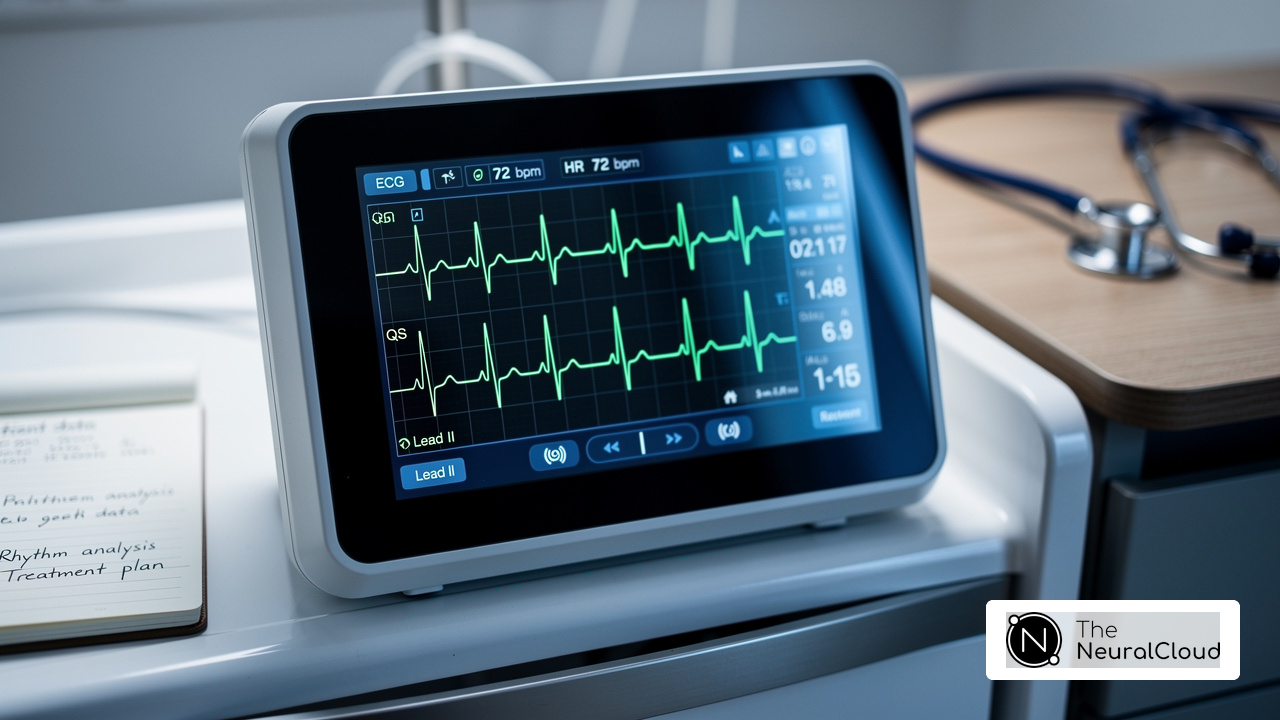
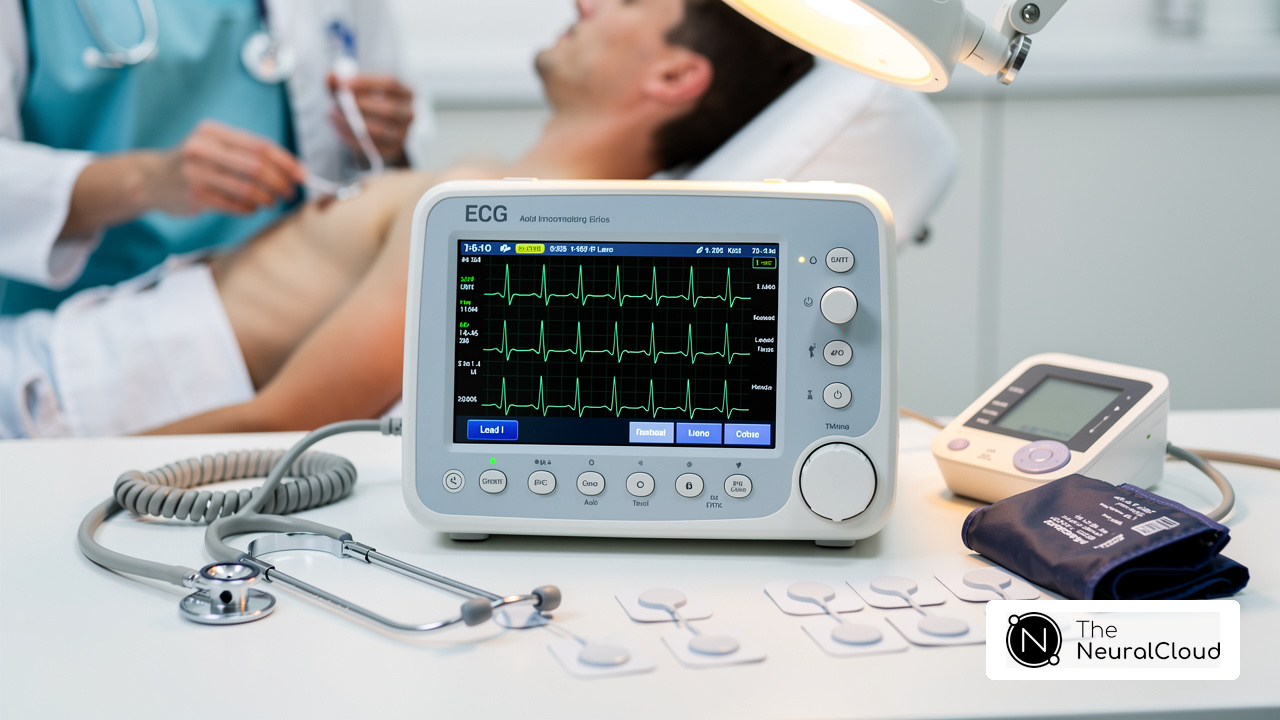
Identifying myocardial hypertrophy presents several challenges that necessitate a comprehensive strategy, integrating clinical assessment with advanced imaging methods. Echocardiography delivers real-time images of heart structure and function. Meanwhile, cardiac MRI provides thorough assessments of myocardial mass and fibrosis. Additionally, electrocardiograms play a crucial role by revealing electrical changes indicative of hypertrophy.
Recent advancements in artificial intelligence, particularly with Neural Cloud Solutions' MaxYield™, significantly enhance the detection of subtle cardiac function changes. This platform maps through noise, isolating and labeling key features in every heartbeat. Remarkably, it can analyze 200,000 heartbeats in under five minutes. Studies indicate that AI algorithms can flag hypertrophic cardiomyopathy with impressive accuracy, identifying cases that might otherwise remain undetected.
For instance, in a recent implementation across five healthcare systems, nearly 146,000 ECGs were screened, resulting in a 3% alert rate. This led to the enrollment of 217 individuals for follow-up, showcasing how AI technologies enhance outcomes through timely interventions. Cardiologists emphasize the importance of echocardiography in this context, as it confirms AI-driven ECG findings and offers a comprehensive view of cardiac health.
As diagnostic technologies evolve, they promise to complement traditional methods, ultimately enhancing the overall diagnostic landscape for detecting myocardial hypertrophy. The national payment rate for AI-enabled ECG analysis is set at $128.90, effective January 1, 2025, underscoring the economic implications of adopting these technologies. Notably, 34% of individuals with HCM could have been recognized prior to clinical diagnosis, some as much as 16.3 years earlier, highlighting AI's potential in early detection.
As Milind Desai, MD, noted, the integration of AI emphasizes its role in improving patient outcomes through earlier detection and intervention.

Implement Treatment Strategies for Myocardial Hypertrophy
Treatment strategies for addressing myocardial hypertrophy are tailored to the underlying cause and severity of the condition. These strategies may include lifestyle modifications, such as:
- Dietary changes
- Increased physical activity
These modifications aim at reducing risk factors:
- Beta-blockers
- Calcium channel blockers
These medications help manage symptoms and improve heart function. In more severe cases, surgery may be necessary to relieve obstruction.
Recent therapies, including myosin inhibitors, are showing promise in enhancing outcomes for individuals with hypertrophic cardiomyopathy in obstructive cases. Continuous monitoring and adjustment of treatment plans are essential to optimize patient care, ensuring that each individual receives the most effective approach tailored to their specific needs.

Conclusion
Myocardial hypertrophy is a significant health concern, marked by the thickening of cardiac muscle, which can lead to serious complications like hypertrophic cardiomyopathy. Understanding this condition is essential for healthcare professionals, as it directly impacts diagnosis and treatment decisions. The implications of myocardial hypertrophy go beyond clinical definitions; they are crucial for enhancing patient care and outcomes.
This article explores the mechanisms behind myocardial hypertrophy, differentiating between physiological responses to exercise and pathological changes caused by chronic stressors. Key diagnostic techniques, such as echocardiography and AI-driven ECG analysis, are essential for early detection and intervention, which can greatly improve patient outcomes. Treatment strategies are customized to meet individual needs, ranging from lifestyle changes to advanced pharmacological therapies, highlighting the importance of personalized care.
Given the complexities surrounding myocardial hypertrophy, ongoing research and clinical awareness are vital. As advancements in diagnostic technologies and treatment options continue to progress, healthcare providers must stay alert in identifying and managing this condition effectively. By prioritizing early detection and tailored interventions, there is significant potential to enhance the quality of life for individuals affected by myocardial hypertrophy.
Frequently Asked Questions
What is myocardial hypertrophy?
Myocardial hypertrophy is the thickening of the cardiac muscle, particularly affecting the ventricular walls, and can result from various physiological and pathological stimuli.
Why is myocardial hypertrophy clinically important?
It is clinically important because it can lead to conditions like hypertrophic cardiomyopathy (HCM), which affects about 1 in 500 individuals in the U.S. HCM can obstruct blood flow and result in serious complications such as heart failure and arrhythmias.
What is hypertrophic cardiomyopathy (HCM)?
HCM is a condition characterized by abnormal muscle growth in the heart that may obstruct blood flow, leading to complications including heart failure and arrhythmias.
What are the risks associated with HCM?
Individuals with HCM have a higher incidence of sudden cardiac death, with nearly 30% being unaware of their condition until it leads to a serious event.
What factors are important for the early detection of HCM?
Recognizing symptoms related to exertion and considering family history are essential for the timely identification of HCM.
How does surgical myectomy impact patients with HCM?
Surgical myectomy, which removes obstructive tissue in HCM patients, has been shown to improve survival rates and quality of life compared to medical therapy alone.
Why is understanding myocardial hypertrophy crucial for healthcare professionals?
It is crucial because it directly influences management and treatment strategies, allowing for prompt actions that can prevent serious complications.
What initiatives are being taken to improve HCM care?
Organizations like the American Heart Association are working to standardize HCM care, which aims to enhance patient outcomes.
List of Sources
- Define Myocardial Hypertrophy and Its Clinical Importance
- timesofindia.indiatimes.com (https://timesofindia.indiatimes.com/life-style/health-fitness/health-news/30-never-knew-doctor-reveals-alarming-link-between-hypertrophic-cardiomyopathy-and-sudden-cardiac-death/articleshow/125029240.cms)
- hcmcare.com (https://hcmcare.com/news)
- scmr.org (https://scmr.org/publications/latest-news)
- news-medical.net (https://news-medical.net/news/20251117/American-Heart-Association-expands-effort-to-improve-hypertrophic-cardiomyopathy-care.aspx)
- Cardiovascular Diseases and Cardiac Surgery News - Medical Professionals - Mayo Clinic (https://mayoclinic.org/medical-professionals/cardiovascular-diseases/news)
- Explore Mechanisms of Myocardial Hypertrophy: Physiological vs. Pathological
- pmc.ncbi.nlm.nih.gov (https://pmc.ncbi.nlm.nih.gov/articles/PMC4170431)
- news-medical.net (https://news-medical.net/news/20250522/Study-uncovers-new-factor-linked-to-the-development-of-cardiac-hypertrophy.aspx)
- pmc.ncbi.nlm.nih.gov (https://pmc.ncbi.nlm.nih.gov/articles/PMC4575564)
- sciencedirect.com (https://sciencedirect.com/science/article/abs/pii/S0022282816301493)
- Assess Myocardial Hypertrophy: Diagnostic Techniques and Technologies
- consultqd.clevelandclinic.org (https://consultqd.clevelandclinic.org/ai-enhanced-ecg-analysis-shows-strong-accuracy-in-detecting-hypertrophic-cardiomyopathy)
- emjreviews.com (https://emjreviews.com/general-healthcare/news/ai-enabled-ecg-helps-identify-undiagnosed-hypertrophic-cardiomyopathy)
- news-medical.net (https://news-medical.net/news/20251117/American-Heart-Association-expands-effort-to-improve-hypertrophic-cardiomyopathy-care.aspx)
- viz.ai (https://viz.ai/news/new-data-show-viz-ais-ai-enabled-ecg-screening-increases-detection)
- utmb.edu (https://utmb.edu/news/article/utmb-news/2025/11/04/new-data-show-viz.ai-s-ai-enabled-ecg-screening-increases-detection-and-accelerates-diagnosis-of-hypertrophic-cardiomyopathy)
- Implement Treatment Strategies for Myocardial Hypertrophy
- news.umiamihealth.org (https://news.umiamihealth.org/en/breakthroughs-in-the-treatment-of-hypertrophic-cardiomyopathy)
- imrpress.com (https://imrpress.com/journal/RCM/26/10/10.31083/RCM44503)
- cardiovascularbusiness.com (https://cardiovascularbusiness.com/topics/clinical/hypertrophic-cardiomyopathy-hcm/new-drug-obstructive-hcm-outperforms-current-standard-care)
- ir.cytokinetics.com (https://ir.cytokinetics.com/press-releases/press-release-details/2025/Cytokinetics-Announces-FDA-Approval-of-MYQORZO-aficamten-for-the-Treatment-of-Adults-with-Symptomatic-Obstructive-Hypertrophic-Cardiomyopathy-to-Improve-Functional-Capacity-and-Symptoms/default.aspx)
- openheart.bmj.com (https://openheart.bmj.com/content/12/2/e003460)