Introduction
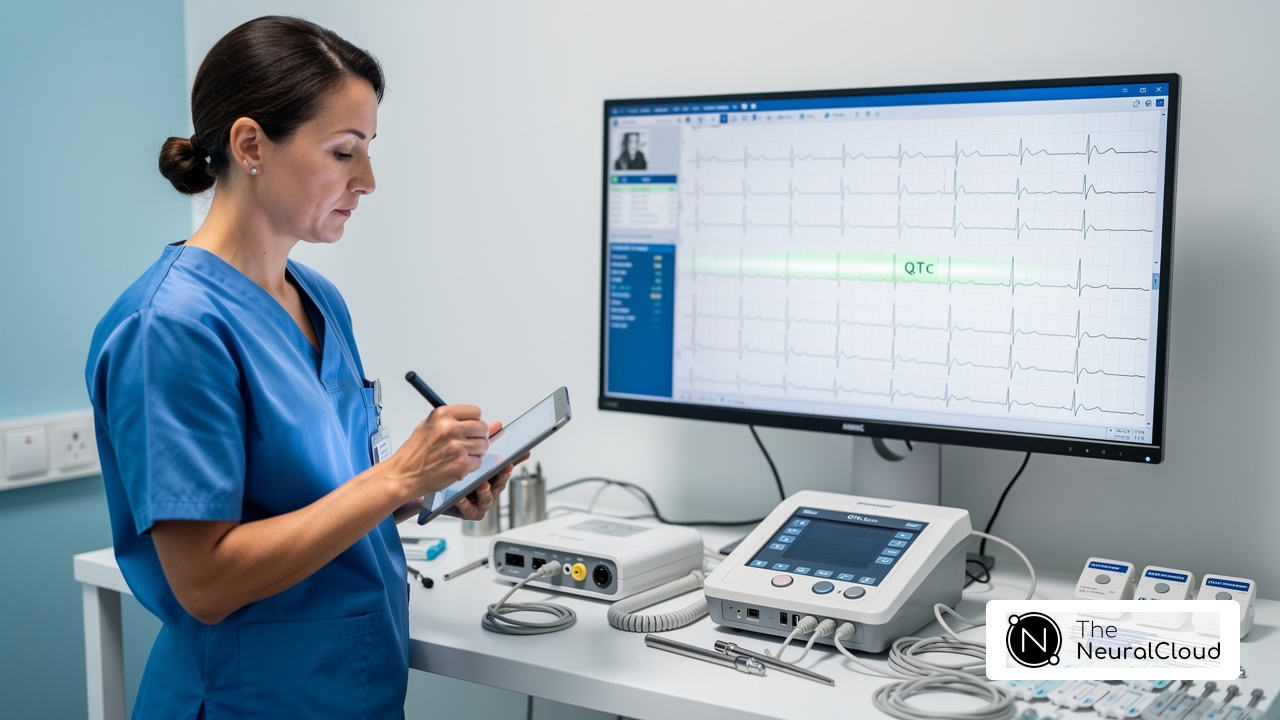
Accelerated junctional tachycardia (AJR) may not be as widely recognized as other cardiac conditions, yet its implications can be significant, particularly in clinical settings. Understanding this arrhythmia is crucial for healthcare professionals, as it can indicate serious underlying issues such as digoxin toxicity or myocardial infarction. This article explores the challenges in ECG analysis and introduces the MaxYield™ platform, which enhances ECG interpretation and improves patient outcomes.
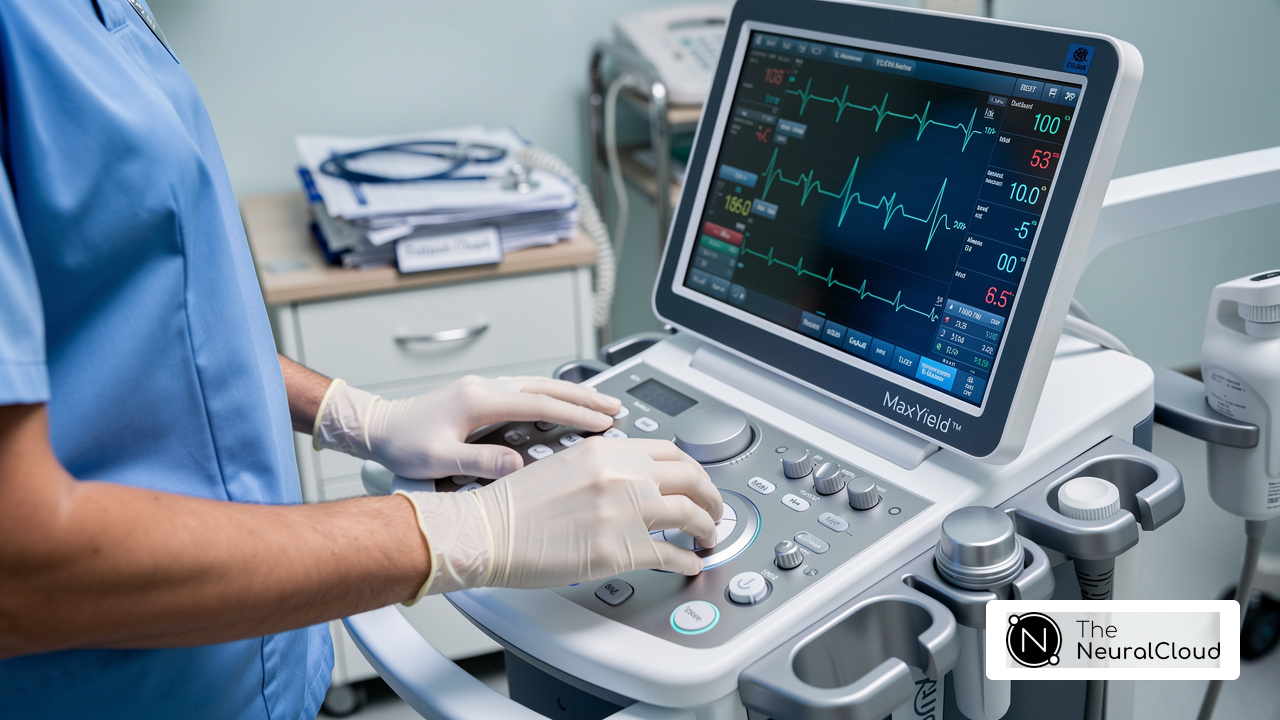
The MaxYield™ platform offers several key features that address common difficulties in diagnosing AJR:
- It utilizes advanced algorithms to analyze ECG data more accurately, reducing the risk of misdiagnosis.
- Additionally, the platform provides real-time feedback, allowing clinicians to make informed decisions quickly.
These features not only streamline the diagnostic process but also empower healthcare professionals to respond effectively to critical situations.
By leveraging the innovations of the MaxYield™ platform, clinicians can significantly improve their management of AJR. The advantages include:
- Enhanced accuracy in ECG readings.
- Quicker identification of potential complications.
- Ultimately, better patient care.
As healthcare continues to evolve, embracing such technological advancements is essential for ensuring timely interventions and optimal outcomes.
Define Accelerated Junctional Tachycardia: Key Characteristics and Importance
Accelerated Junctional Rhythm is characterized by a heart rate typically ranging from 60 to 100 beats per minute, originating from the atrioventricular (AV) junction. It occurs when the intrinsic rate of the AV junction surpasses that of the sinus node, resulting in a narrow and regular junctional rhythm. Key characteristics include:
- Heart Rate: AJR features a heart rate that is faster than the normal junctional escape rhythm (40-60 bpm) but slower than junctional tachycardia (greater than 100 bpm).
- QRS Complex: The electrocardiogram (ECG) may display a narrow QRS complex of less than 0.12 seconds, with P-waves potentially absent or inverted, depending on the conduction pathway.
Recognition of AJR is vital as it may signal underlying cardiac issues such as digoxin toxicity or myocardial infarction. This enables clinicians to make decisions regarding further diagnostic and therapeutic interventions. For instance, a retrospective cohort study discovered that AJR occurred in 3.4% of young individuals undergoing cardiac surgery, highlighting its importance in clinical environments. Furthermore, the creation of a risk prediction score for postoperative AJR has demonstrated a C-index of 0.72, signifying good predictive accuracy for identifying individuals at risk. This underscores the necessity for vigilance in order to optimize patient outcomes.
Incorporating advanced technologies like AI platform can significantly enhance the analysis of data related to AJR. The system automates ECG labeling and data extraction, streamlining processes to reduce operational costs and enhance workflow efficiency. By utilizing AI-driven algorithms, this system addresses challenges such as physiological variability and signal artifacts, ensuring that clinicians have access to clean, reliable data for confident clinical decision-making. Specifically, the beat-by-beat analysis capability of this tool allows for precise identification of cardiac events, further supporting clinicians in diagnosing AJR effectively. This highlights the importance of healthcare professionals being skilled in recognizing AJR to optimize patient outcomes.
Diagnose Accelerated Junctional Tachycardia: Methods and Criteria
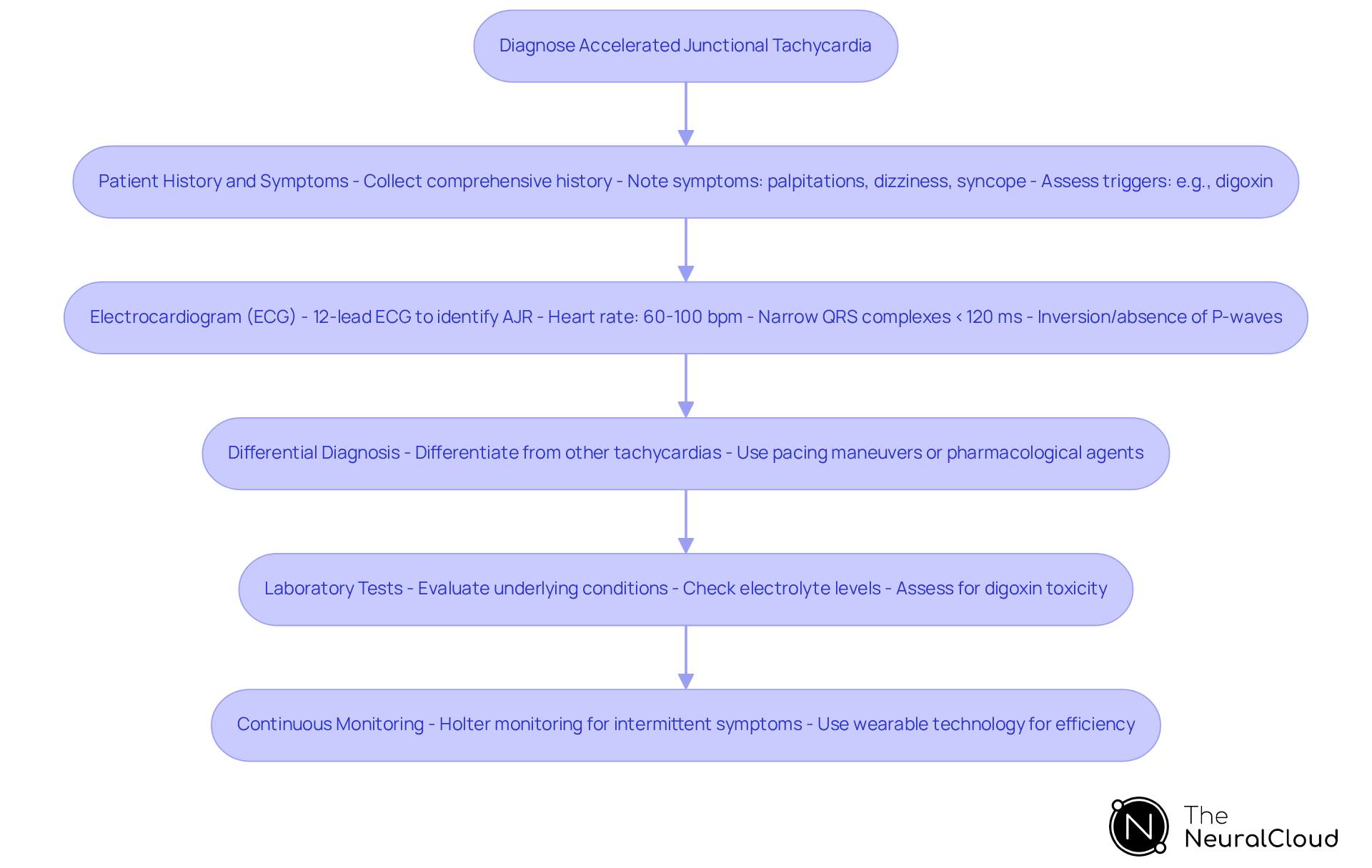
Diagnosing accelerated junctional tachycardia involves several critical steps:
-
Patient History and Symptoms: Collecting a comprehensive history is essential. Note symptoms such as palpitations, dizziness, or syncope. Assess for potential triggers, including medication use like digoxin, which is a classic cause of accelerated junctional tachycardia.
-
ECG Analysis: A 12-lead ECG is vital for identifying AJR characteristics. Key features to look for include:
- A heart rate ranging from 60 to 100 bpm.
- Retrograde P-waves in inferior leads.
- The advanced platform enhances this process by utilizing sophisticated noise filtering and wave recognition, allowing for clearer signal interpretation even in challenging recordings.
-
Differential Diagnosis: Differentiating accelerated junctional tachycardia from other tachycardias, such as atrial fibrillation or atrioventricular nodal reentrant tachycardia (AVNRT), is crucial. This can be achieved through pacing maneuvers or pharmacological agents to assess the heart's response.
-
Laboratory Tests: Conducting tests that may contribute to accelerated junctional tachycardia. This includes checking electrolyte levels and assessing for digoxin toxicity.
-
Continuous Monitoring: For individuals with intermittent symptoms, monitoring can capture episodes of accelerated junctional tachycardia. This provides a more comprehensive understanding of the condition's frequency and triggers. Notably, among 6364 surgeries, AJR occurred in 215 cases, representing 3.4%, highlighting its prevalence in clinical settings. The integration of technology with MaxYield™ can further enhance monitoring efficiency, allowing for automated labeling and cost reduction in ECG analysis.
Treat Accelerated Junctional Tachycardia: Options and Best Practices
Treatment for Accelerated Junctional Tachycardia focuses on addressing underlying causes and effectively managing symptoms. Here are key treatment options:
-
Medications:
- Beta-Blockers: These serve as the first-line therapy for symptomatic patients, effectively controlling heart rate and alleviating symptoms. Oral beta-blockers, like metoprolol, are particularly beneficial in reducing proarrhythmic effects associated with other agents.
- Calcium Channel Blockers: Medications such as diltiazem or verapamil can be used for rate control in stable individuals, providing an alternative for those who do not respond to beta-blockers.
- Digoxin: This may be effective in cases linked to digoxin toxicity; however, caution is necessary due to potential adverse effects.
- Electrolyte Management: Correcting imbalances, such as hypokalemia or hypomagnesemia, is essential in managing symptoms, as these imbalances can worsen the symptoms and complications associated with this condition.
-
Catheter Ablation:
- Catheter ablation: This procedure is recommended for patients with recurrent symptoms or those unresponsive to medical therapy. By targeting the AV junction, catheter ablation aims to restore normal rhythm and improve outcomes for individuals.
-
Follow-Up Care:
- Regular follow-up is crucial to evaluate treatment efficacy and adjust medications as needed. Continuous monitoring may be warranted for high-risk individuals, especially those with a history of complications. Notably, individuals with junctional escape rhythm have a significantly higher complication rate (73.7% vs. 42.1%) and increased mortality (15.8% vs. 2.1%) compared to those without JET, underscoring the need for careful monitoring.
-
Patient Education:
- Educating patients about recognizing symptoms and knowing when to seek medical attention is vital. Patients should be informed about significant changes in their heart rhythm or symptoms, empowering them to take proactive steps in their care.
In a study involving pediatric patients post-tetralogy of Fallot repair, optimizing perioperative management was shown to significantly reduce complications associated with junctional tachycardia. This emphasizes the importance of a comprehensive approach that includes both medical and educational strategies.

Leverage Technology in Managing Accelerated Junctional Tachycardia: Innovations in ECG Analysis
Innovations in technology are crucial for managing accelerated junctional tachycardia. The platform addresses several challenges in ECG interpretation, enhancing both accuracy and efficiency. Here are some key features and their benefits:
- AI Algorithms: The platform employs advanced AI algorithms, like those found in Neural Cloud Solutions' system, to improve the accuracy of ECG readings. This allows for the rapid identification of junctional rhythms as well as other arrhythmias, evolving with each use to continuously enhance diagnostic yield.
- Continuous Monitoring: These devices continuously monitor heart rhythms and provide real-time data that enables early detection of episodes of tachycardia. This capability facilitates timely intervention, which is critical for patient outcomes.
- Automated Analysis: MaxYield™ automates the analysis of ECG signals, significantly reducing interpretation time. It processes over 200,000 heartbeats in under five minutes, effectively isolating key features such as P-waves and QRS complexes, which enhances diagnostic clarity.
- Integration with Clinical Workflows: The seamless electronic health record integration improves data accessibility. This supports clinical decision-making, allowing healthcare providers to make informed choices based on clear, filtered ECG signals.
- Telemedicine Applications: Remote monitoring and telehealth solutions ensure ongoing management of patients with junctional tachycardia. This approach guarantees timely care without the need for frequent in-person visits, improving patient convenience and adherence to treatment.

Conclusion
Accelerated junctional tachycardia (AJR) is a significant cardiac condition that requires careful attention due to its potential implications for patient health. Understanding its characteristics, diagnostic methods, and treatment options is crucial for healthcare professionals aiming to improve patient outcomes. By recognizing the unique features of AJR, clinicians can better identify patients at risk and implement appropriate management strategies.
Key insights into diagnosing AJR emphasize the importance of:
- A thorough patient history
- ECG analysis
- Continuous monitoring
Advanced technologies, such as AI-driven ECG interpretation and wearable devices, play a pivotal role in enhancing the accuracy and efficiency of diagnosis and treatment. A comprehensive approach to treatment, which includes:
- Medication management
- Electrophysiological interventions
- Patient education
is vital for effectively addressing this condition.
As the landscape of cardiology evolves, leveraging technological innovations will be essential in managing accelerated junctional tachycardia. Staying informed about the latest research and advancements in treatment ensures healthcare professionals are equipped to provide the best possible care. Embracing these innovations not only improves clinical workflows but also enhances patient engagement and outcomes, making it imperative for practitioners to integrate these tools into their daily practice.
Frequently Asked Questions
What is accelerated junctional tachycardia (AJR)?
Accelerated junctional tachycardia is a heart rhythm disorder characterized by a heart rate typically ranging from 60 to 100 beats per minute, originating from the atrioventricular (AV) junction.
What are the key characteristics of accelerated junctional tachycardia?
Key characteristics include a heart rate that is faster than the normal junctional escape rhythm (40-60 bpm) but slower than junctional tachycardia (greater than 100 bpm), and an electrocardiogram (ECG) that may show a narrow QRS complex of less than 0.12 seconds, with P-waves potentially absent or inverted.
Why is recognizing accelerated junctional tachycardia clinically significant?
Recognizing AJR is important as it may indicate underlying cardiac issues such as digoxin toxicity or myocardial infarction, which can guide further diagnostic and therapeutic interventions.
How common is accelerated junctional tachycardia in young individuals undergoing cardiac surgery?
A retrospective cohort study found that accelerated junctional tachycardia occurred in 3.4% of young individuals undergoing cardiac surgery.
What is the predictive accuracy of the risk prediction score for postoperative accelerated junctional tachycardia?
The risk prediction score for postoperative AJR has demonstrated a C-index of 0.72, indicating good predictive accuracy for identifying individuals at risk.
How can advanced technologies assist in the analysis of ECG data related to accelerated junctional tachycardia?
Technologies like Neural Cloud Solutions' MaxYield™ platform can automate ECG labeling and data extraction, enhancing workflow efficiency and providing clinicians with clean, reliable data for confident clinical decision-making.
What specific capabilities does the MaxYield™ platform offer for diagnosing accelerated junctional tachycardia?
The MaxYield™ platform features beat-by-beat analysis capability, allowing for precise identification of cardiac events, which supports clinicians in effectively diagnosing accelerated junctional tachycardia.
List of Sources
- Define Accelerated Junctional Tachycardia: Key Characteristics and Importance
- Accelerated Junctional Rhythm (AJR) (https://litfl.com/accelerated-junctional-rhythm-ajr)
- heartrhythmjournal.com (https://heartrhythmjournal.com/article/S1547-5271(23)00221-7/abstract)
- Junctional Tachycardia - ECG (https://ecgbook.com/junctional-tachycardia)
- Junctional Rhythm - StatPearls - NCBI Bookshelf (https://ncbi.nlm.nih.gov/books/NBK507715)
- Diagnose Accelerated Junctional Tachycardia: Methods and Criteria
- Junctional Rhythm: Causes, Symptoms and Treatment (https://my.clevelandclinic.org/health/diseases/23206-junctional-rhythm)
- Accelerated Junctional Rhythm (AJR) (https://litfl.com/accelerated-junctional-rhythm-ajr)
- healthline.com (https://healthline.com/health/accelerated-junctional-rhythm)
- heartrhythmjournal.com (https://heartrhythmjournal.com/article/S1547-5271(23)00221-7/abstract)
- Junctional tachycardia - Wikipedia (https://en.wikipedia.org/wiki/Junctional_tachycardia)
- Treat Accelerated Junctional Tachycardia: Options and Best Practices
- heartrhythmjournal.com (https://heartrhythmjournal.com/article/S1547-5271(23)00221-7/abstract)
- Junctional Tachycardia: Causes, Symptoms and Treatment (https://my.clevelandclinic.org/health/diseases/23216-junctional-tachycardia)
- mdpi.com (https://mdpi.com/2227-9067/12/11/1572)
- droracle.ai (https://droracle.ai/articles/19741/what-is-the-diagnosis-and-treatment-for-accelerated-junctional)
- pmc.ncbi.nlm.nih.gov (https://pmc.ncbi.nlm.nih.gov/articles/PMC12589812)
- Leverage Technology in Managing Accelerated Junctional Tachycardia: Innovations in ECG Analysis
- journals.lww.com (https://journals.lww.com/annals-of-medicine-and-surgery/fulltext/2025/01000/revolutionizing_electrocardiography__the_role_of.28.aspx)
- ajconline.org (https://ajconline.org/article/S0002-9149(23)01396-6/abstract)
- AI-Powered ECG Analysis Offers Promising Path for Early Detection of Chronic Obstructive Pulmonary Disease, Say Mount Sinai Researchers (https://mountsinai.org/about/newsroom/2026/ai-powered-ecg-analysis-offers-promising-path-for-early-detection-of-chronic-obstructive-pulmonary-disease-say-mount-sinai-researchers)
- AI-Based ECG Analysis Significantly Improves STEMI Detection, Reduces False Activations - American College of Cardiology (https://acc.org/latest-in-cardiology/articles/2025/10/24/16/56/tues-554pm-ai-tct-2025)
- hcplive.com (https://hcplive.com/view/fda-clears-ai-program-powering-kardia-12l-electrogram-for-5-new-cardiac-determinations)